Cooking Tips · Ingredients · Techniques

Pesto — make it your own!

I was making sandwiches for lunch the other day and wanted something different. Off to the freezer I go where I found cubes of three kinds of frozen pesto – classic Genovese pesto, basil pesto with manchego cheese and sun-dried tomato pesto. Out came the latter, which I then mixed with grilled and chopped red onion & mayo. I proceeded with spreading that on some nice bread, topping with ham and grated Parrano cheese, brushing a bit of olive oil on the outside of the bread and finishing the sandwiches off on my stovetop grill. Very yummy if I do say so myself. That got me thinking that Pesto might be a good topic for a Cooking Tip.
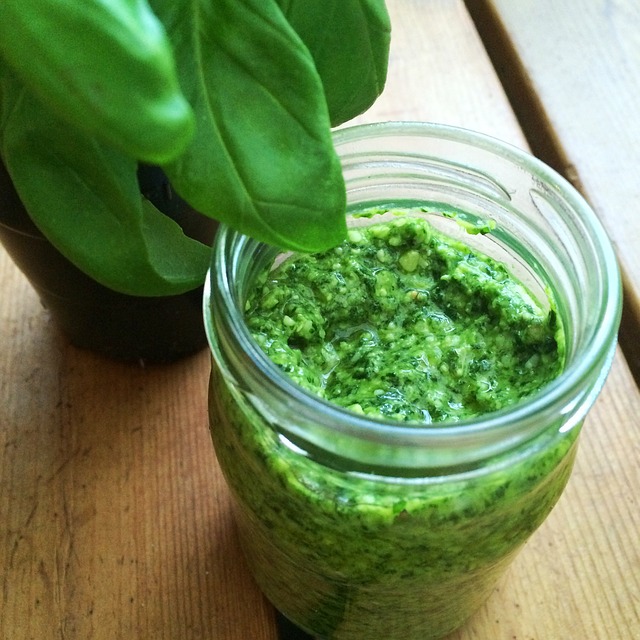
Pesto is such a delicious sauce and requires no cooking. Classic pesto (aka Genovese pesto) is made from fresh basil, pine nuts, Parmesan cheese, garlic and olive oil. Traditionally, it is made in a mortar and pestle although modern cooks tend to use a food processor or blender. The different methods give different results. The mortar/pestle will give you a coarser pesto with a fresher basil flavor where as the food processor results in a finer texture with a less fresh (but still yummy) flavor.

There are many different recipes for classic pesto. Although they all have the same basic ingredients, they may use different ratios of ingredients. I encourage you to try different recipes until you find the one (or ones) you like. Techniques will vary, too. Some will have you put all the ingredients in the blender (or food processor) at once, blend and finish with seasoning with salt to taste. Others will have you blend all the solid ingredients to a paste and then stream in the olive oil to the desired consistency and ending with salt to taste. Others will have you hold off on the cheese, only adding it just before serving. Another method is to start by grinding the garlic and salt to a paste followed by the pine nuts and grinding again. Then, basil leaves are pounded into the mixture. Cheese is next and it is finished by drizzling in the olive oil as desired.

Some professionals recommend blanching the basil leaves before using to help keep the color as green as possible. The blanching supposedly deactivates the enzymes that cause the basil to turn brown. Testing by TheKitchn.com did show this to be true but there was a downside – the pesto made with blanched basil tasted less fresh with less basil flavor.

SeriousEats.com did a different type of testing. They made pesto with three variations. The first was made classically with fresh basil using a mortar/pestle. The second used fresh basil but made in a mini food processor. The third was also made in the mini processor but rather than fresh basil, they used basil that had been frozen and then defrosted. The theory for this latter technique was that freezing leads to cell rupture thereby releasing more flavor into the pesto. Their interpretation of the results was that the classical method produced the best pesto – very creamy with the brightest flavor. They thought the pesto made with the fresh basil in the mini processor was the worst – gritty texture with flavor that was too mild. The final batch – made with frozen basil and the mini processor – fell in the middle. It did have a nice creamy texture and improved flavor over batch #2. However, they still preferred the classic approach. They did conclude, though, that if you do not want to go the mortar/pestle route, at least throw the basil in the freezer before putting it in the processor.

Find your preferred technique and then mix up the ingredients. Use different herbs (cilantro, parsley, arugula, spinach, mint or a combination) or swap out the pine nuts for almonds, hazelnuts, pecans, pistachios or walnuts. You could also vary the cheese from Parmesan to another hard cheese such as pecorino, asiago or manchego. Add some citrus for a bit of zip.

How about that sun-dried tomato pesto I used in my sandwich? It does have some of the classic ingredients (basil, garlic, pine nuts, Parmesan, olive oil) but adds roasted red pepper, sun-dried tomatoes, fresh tomatoes, tomato paste and chili powder.

You may store your homemade pesto in the refrigerator. Just put it in the smallest container possible, pack it down to eliminate air pockets and either pour a thin layer of olive oil over it or put a piece of plastic wrap directly on the pesto before covering the container. It should keep in your refrigerator for up to a week. Or, do as I do. Spray an ice cube tray with nonstick spray, spoon the pesto into the compartments and freeze. Once frozen, you can remove from the ice cube tray and store either in a freezer bag or other freezer-safe container. You may lose some of the vibrant green color but I think that is a fair trade-off for always having homemade pesto at your fingertips.

Rarely does one make pesto as an end in itself. It is always an accompaniment to something else. The most common is as a pasta sauce, usually thinned out a bit with the pasta water. How about spreading it on a sandwich or on a pizza crust? Dollop it on your grilled chicken breast. It is classic served with potato gnocchi.

You will note that I did not give you any one recipe. That is because I think (unlike many culinary professionals) that there is not just one way to do things or one recipe that is the best. You need to find what is best for you. That depends on your taste, your kitchen equipment, your available time, your budget for ingredients as well as your interest in simple versus more complex techniques. Find what works for you and then branch out and experiment. Have fun and realize that there do not have to be so many hard and fast rules in cooking!

Cooking Tips · Ingredients

Mustard — Love it or Hate it?

Mustard is one of those ingredients of which I am not a fan. I use it in cooking but refrain but spreading it on a sandwich, a burger, etc. This Cooking Tip is for those of you who (like my husband) love mustard. Real mustard aficionados may want to visit the National Mustard Museum in Middleton, Wisconsin. It boasts having “more than 6,090 mustards from all 50 states and more than 70 countries.”

Mustard is made from ground mustard seeds that are mixed with liquid. Different types of mustard seeds yield different levels of spice. Yellow seeds are the mildest with brown and black having a higher spice level. The seeds on their own really have no heat; it is only when they are combined with liquid that the enzymes present in the seeds help to release the compounds that account for the heat of mustard. The more acidic the liquid, the slower this reaction occurs resulting in a longer-lasting heat. This is why mustards made with vinegar hold their heat whereas ones made with water lose their pungency more quickly. Even the temperature of the water affects the flavor. Hot water tends to deactivate the enzymes and break down some of the heat compounds. This is why the mildest mustard you can buy is that made from yellow seeds and abundant vinegar. On the other end of the heat scale is mustard made with brown or black seeds and cold water.

Here are a few of the mustard varieties that you may see on your supermarket shelves.

Yellow mustard – made from yellow mustard seeds, this variety is mild rather than spicy. It is what we think of when we grab for that American-style mustard. Its yellow color comes from the mustard seeds as well as the addition of turmeric. The liquid used is a mixture of vinegar and water. Although not very hot, its flavor still has a sharp note. It is a favorite for topping a burger or hotdog.

Brown mustard – made from the small and hotter brown mustard seeds and less vinegar than the yellow variety. It is more assertive and spicier as well as being more coarse (due to leaving the bran on the seeds). At times, other spices such as cinnamon, ginger and nutmeg are added. Because of its full flavor, it stands up well to meats such as pastrami, roast beef and sausages, earning it the name “Deli” mustard.

Dijon mustard – this variety was first made in 1865 in Dijon, France. It is made from the hotter brown mustard seeds and originally the liquid was “verjuice”, an acidic juice made from unripe grapes. Today, low acidity liquids such as white wine are used. Both the brown seeds and the lower acidity result in a strong and sharp flavor. Because of its smooth texture, it is a favorite for salad dressings or creamy sauces. It is considered a medium-hot mustard.

Whole-Grain mustard – also known as Coarse mustard. The seeds are only ground enough to make a paste yet leave a coarse texture with bits of mustard seeds. The different brands will have varying heat levels.

Honey mustard
– a mixture of honey and mustard, usually on a one-to-one ratio. The mustard is generally of the milder, yellow variety. Because its flavor is on the sweet side, it is often served as a dipping sauce.

Hot mustard – the high heat level comes from using brown or black seeds along with cold water. Chinese hot mustard is of this variety.

English mustard – this is really just a type of Hot mustard. The one we usually see is Coleman’s, which is made from a mixture of yellow and brown mustard seeds. By not using vinegar, the goal is for an increased heat level. However, since it uses both yellow and brown seeds, it is not quite as hot as Chinese mustard.

German mustard – these mustards cannot be put into one category. Rather, they range from sweet to spicy and from fine to coarse. Some also add other ingredients such as horseradish.

Beer mustard
– in this type of mustard, beer is the typical liquid although vinegar may be added. Since there is less acid, the heat level is significant. The flavor of the beer can vary from mild to strong depending on which beer is used. Similarly, Spirit mustards use spirits rather than beer although vinegar is typically also added. Whiskey and bourbon are common.

There are also many creative variations although they are certainly not as common on our supermarket shelves. These include mustards that use wines other than white wine, mustards flavored with horseradish, sriracha & balsamic vinegar. Other sweet mustards such as Pecan/Honey & Brown Sugar are also made.

Although mustards made with acidic liquids retain their punch longer than those made with water, all mustards will lose some of the pungency over time. Therefore, buy it in small quantities and store it in the refrigerator once opened.

If you do not think you like mustard, perhaps this guide will help you find a mustard you like. But, then again, if you are like me, none will make it onto my bratwurst!


Cooking Tips · Ingredients

Cinnamon — Sweet or Spicy?

Cinnamon is one of those wonderful, warm spices that makes us think of fall. It is a spice, though, that I daresay most of us use year-round. In this Cooking Tip, I want to talk about the different types of cinnamon so you can choose what works best for you.

There are two main types of cinnamon – Cassia cinnamon and Ceylon cinnamon. They are from the bark of different trees (although the trees are related scientifically) and are very different products. The different trees result in different levels of the volatile oils, which is what impart the flavor. The amount of these oils can also vary with the age of the bark at the time of harvesting. Older trees contain more oils.

Cassia cinnamon is what most of us probably have in our pantries and see on most supermarket shelves. In the bark-form, it has a rougher texture, a darker color and is rolled into thicker sheets. It also has a more intense flavor, which is what makes it a favorite in the culinary world.

Cassia cinnamon can be further broken down into Indonesian, Chinese and Vietnamese/Saigon.

  • Indonesian – this is the sweetest and most mild among the three. This is also the most common in the US. It usually comes from the bark of trees that are under 10 years old. Another name is Korintje cinnamon.

  • Saigon – this is very fragrant and flavorful, more spicy than sweet. The trees from which it is harvested are often 20-25 years old.

  • Chinese – this has a strong, bitter flavor and is mainly used medicinally in China. In the US, it is mainly found in the form of oils used to flavor food in the manufacturing industry.

Ceylon cinnamon is often referred to as “True” cinnamon and is native to Ceylon/Sri Lanka. As compared to cassia, the bark sheets are thinner and finer in texture. Its flavor and aroma are very mild and delicate although proponents say its floral and citrus notes add more complexity to the flavor. It is more expensive and harder to find than cassia cinnamon. The trees are usually only 3-4 years old. Another interesting fact is that this is the type of cinnamon that is most used in Mexico where it is known as canela. (Asian dishes are more likely to use cassia cinnamon.)

So, there are definite differences but do they make a significant difference in what comes out of your kitchen? Cooks Illustrated did a taste test of eight cinnamons. Half of them were from Vietnam and the other half were Indonesian. While definite differences could be detected when the cinnamon was simply sprinkled on rice pudding, those differences went away when baked into cinnamon rolls or on pita chips.

Cooks Illustrated also did a different taste test comparing three Ceylon cinnamons with their favorite Indonesian product. Once again, they added them to rice pudding as well as baking them into cinnamon rolls. In this test, tasters could easily identify the Ceylon products as they were milder although they preferred the spicier Indonesian cinnamon.

Serious Eats also did tastings and produced the following recommendations.

  • Saigon cinnamon is best for most traditional Western dishes – cookies, cakes, pies, breads, etc. They found that the bolder flavor held its own against the fat/flour of these items. They also found that it paired well with other spices that are typically found in these recipes such as allspice, clove and nutmeg.

  • Ceylon cinnamon was best when there were not as many competing flavors. Their favorite uses were when used with chocolate, vanilla, dark liquors and citrus as well as in savory dishes.

One aspect with which you may or may not be concerned is the presence of a compound known as Coumarin. It is found in much higher levels in the cassia cinnamon as opposed to Ceylon cinnamon. Some feel it may have deleterious effects on your liver. Whereas this is probably more of a problem if you are taking cinnamon supplements, if you are concerned, consult your physician. Here is a link to a discussion of cinnamon and coumarin by the National Institutes of Health.

Just like any other spice, store your cinnamon in a cool, dark and dry place. It should last at least a year. If you take a sniff and don’t smell much, it is time for a new bottle. Some recommend grinding it fresh from cinnamon sticks. Of course, how fresh it will be depends on how fresh your sticks are. You may have no idea of this when buying in a supermarket. It is unusual but not impossible to find harvest dates on your cinnamon sticks. Cinnamon Hill was one such place. However, as of April 2022, they have closed their website. If you know of others, let me know. If you have read many of my Cooking Tips or attended my classes, you will know that I am a fan of Savory Spice Shop. (This is an affiliate link and I may earn a commission if you decide to purchase.) Next time I am in their shop, I will ask if they know the harvest dates of their cinnamon sticks. If you want to know their answer, just email me.

I encourage you to pick up some of these cinnamon varieties and do your own taste test. You may not find just one favorite and that is fine. Different cinnamons lend themselves to different preparations. Enjoy and have fun with cinnamon!

Cooking Tips · Ingredients

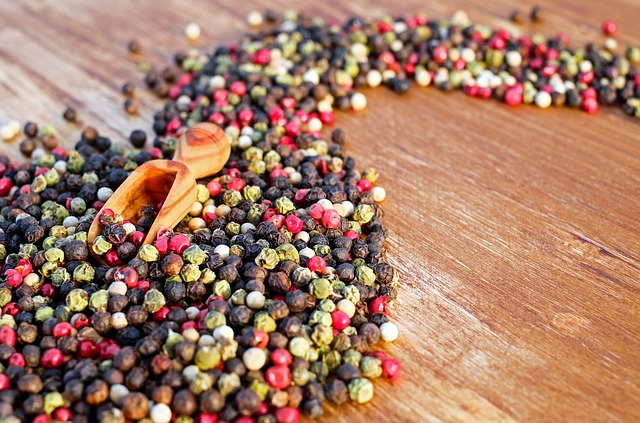
The Spicy Flavor of Pepper!

Apart from salt, pepper is probably one of the most commonly used spices in your kitchen. Today, there are multiple types available in the spice aisle. Do you just grab what is cheapest? Have you ever thought if there are differences between types and brands? In this Cooking Tip, I will try to give you some food for thought concerning pepper.

Peppercorns come from the Piper nigrum plant, a climbing vine that is native to India and Indonesia although grown in other tropical countries. Vietnam is one of the largest producers. If destined to become Black Pepper, the berries are picked when they are slightly under-ripe and allowed to dry until they are dark brown or black and shriveled. This type of pepper has the strongest flavor.

White Peppercorns have been allowed to fully ripen, the skin is removed and the berry is dried. White peppercorns have smoother skins, are light tan in color and milder in flavor. They are often used in sauces or foods where you do not want the dark specks or the bold spiciness of black pepper. Its flavor is a bit more earthy than black pepper.

Green Peppercorns are the soft, under-ripe berry and are often preserved in brine although you can find them in dried form. They have a fresher and less pungent flavor.

Pink Peppercorns are misnamed as they are not truly peppercorns. They are the dried fruit from the Brazilian pepper tree. They have a rosy color and, although still spicy, they also have flavor notes of herbs and citrus. Besides flavor, they add an element of color to the dish. Because this tree is a relative of the cashew tree, people with nut allergies should be cautious before consuming. The berries are too fragile to be put through a peppermill and, so should be crushed by hand.

Apart from the type of peppercorn, there are also differences depending on the origin of the plant. Just as with wine or tea, the variations in terroir and climate can make the flavor profile distinct despite being the same plant.

Among black peppercorns, one of the most sought-after is the Tellicherry peppercorn. They are grown in India, are larger in size and some feel they are superior in flavor. Recently, Cooks Illustrated did a taste test among black peppercorns – both Tellicherry and regular. They tested them by mixing with rice as well as using them in dishes such as steak au poivre, pepper-crusted beef tenderloin and ricotta/pepper crostini. In these dishes, it was hard to detect any flavor differences. It was a bit more evident in a simple egg salad although it was still subtle. Their conclusion – there was no clear preference among their tasters for the Tellicherry. Rather, they did find more differences among brands. Their three favorites among major brands of whole black peppercorns were Tone’s, Penzeys and McCormick.

Serious Eats also did a taste testing and rated their favorites in terms of type rather than brand. Their tastes preferred the following peppercorns: Lampong (Indonesia), Tellicherry, Brazilian and Vietnamese. They do stress, though, that taste preferences are very subjective. On a more objective level is the flavor profile, aromas and textures of these different peppercorns. Some may lend themselves to particular uses better than others. The main takeaway is that pepper is not pepper. There is a wide variety among flavor that you will only come to know by trying different kinds.

There is one piece of advice that most experts agree upon. No matter what type of pepper you buy, get whole peppercorns and grind them yourselves. Pre-ground pepper can be gritty and tough as well as significantly lacking in peppery flavor. The oils that are responsible for pepper’s heat and aroma start to dissipate shortly after cracking the peppercorn. Another consideration is that whole peppercorns, when stored correctly, will keep their flavor for a little over a year. As mentioned, ground pepper’s flavor starts to degrade shortly after grinding. Who knows how long that pepper in the shaker has been ground and sitting there?

This simple step of purchase a peppercorn grinder and whole peppercorns can make a world of difference in your dish’s flavor. Experiment with the different kinds and brands of pepper and have fun!

Cooking Tips · Ingredients

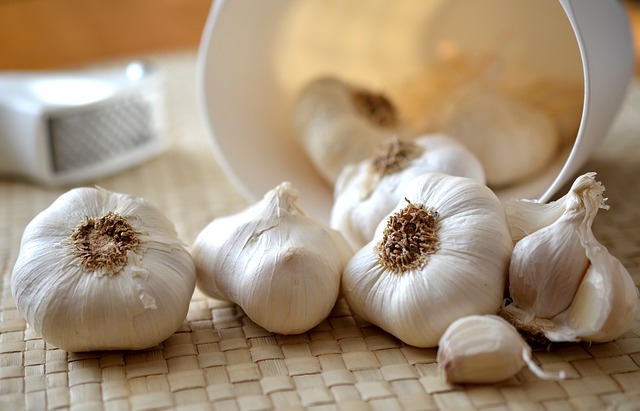
Garlic — How to tame it

If you cook from scratch much, I suspect you have used garlic in something within the last week or so. It is just one of those ingredients that is a “must have” for your pantry and is used in many different savory applications. In this Cooking Tip, I would like to discuss garlic, what it is and how to use it.

Garlic is a member of the lily family and is a cousin to onions, leeks, shallots & chives. The part we eat is actually the bulb (termed a head) made up of multiple cloves. What we do with those cloves can greatly affect the resulting flavor of the garlic.

First, let’s start with the germ of the clove, that small inner part of the clove. Should you remove it? The answer is “perhaps”. If your garlic is young, there is probably no need to remove the germ. If the garlic head is older, then the germ may give your dish an unpleasant and pungent flavor. In that case, it is best to remove. The problem comes in knowing whether your garlic is old or not. Even though you can buy garlic year-round, it is seasonal with harvests occurring from late summer to late fall. If you grow your own garlic or if you buy from a farmer’s market where you can ask the grower, it is simple to tell how old the garlic is. If you get your garlic from the supermarket, you do not know but you can be pretty assured that it is old if you are buying it in the winter or spring. You can also do a visual inspection but you have to open a clove. If the germ is barely visible, it is on the younger side. As the garlic matures, that germ also grows and becomes very visible. If in doubt and you are concerned about an overpowering and harsh garlic flavor, remove the germ.

Something else that affects garlic’s flavor is how you cut it. As you cut a garlic clove, cells are damaged causing a chemical reaction that produces compounds that we associate with the odor & taste of garlic. The more cell damage that occurs, the more intense the odor and flavor. Therefore, the smaller you cut up garlic, the more intense it will be. Grating it produces the most intense product. As one culinary expert puts it, “a single whole clove will deliver less intensity than a crushed one, a crushed clove will be milder than a sliced clove, and a sliced one isn’t as pungent as a chopped or pureed one—the more cells we rupture when cutting garlic, the more potent it is.”

Cooking the garlic will help tame its pungency. However, this does depend on how long it is cooked. If you cook it briefly, you will probably still notice the flavor differences that result from your cutting method. The longer the dish is cooked, the less noticeable the differences in cutting techniques will be. Roasting whole heads in the oven produce a tender and even sweet product. Experts also say that cooking the garlic in butter will lead to a milder flavor than cooking it in vegetable oil.

Using acid will also produce milder garlic flavors. For example, pureeing the garlic with lemon juice produces garlic with good flavor but it will be fairly mellow. Or, allowing the garlic to soak in vinegar for a minute and then proceeding to add it to your vinaigrette will result in a milder garlic flavor than just throwing the garlic in without this step.

Another chef recommends just washing your garlic in a bowl of lukewarm water after slicing or chopping it. After removing it from the water, dry it and then continue with your recipe. A further step is blanching it in boiling water or milk before shocking it in ice water before using it. Cooks Illustrated says that just microwaving for 2-3 minutes or until warm to the touch is another effective method. For these methods to work, the garlic’s temperature must rise to or above 140°F.

What about those bottles of garlic? Sure, they are convenient but are they worth it? Health experts say that any supposed health benefits are greatly reduced in the bottled versions. As far as flavor, fresh will taste – well, fresher. How you are using the garlic may help you decide whether to use fresh or bottled. If it is in an uncooked or lightly cooked dish, opt for raw. If you are making something that is going to cook or simmer for a while, the bottled will probably suffice.

Not everyone likes the taste of garlic. It is an essential ingredient, though, for many dishes. I trust that the above information will help you adjust the intensity of the aroma and flavor to your liking.

Cooking Tips · Ingredients

Vanilla — real versus imitation

Of all the flavorings you might have in your pantry, I would bet that vanilla is the most common. It is also one of the most expensive and its price has just continued to increase. By weight, vanilla is worth more than silver. In my local supermarket as well as my spice shop, one bean can cost up to $10! The extract is upwards of $2.50 per ounce. So, what is vanilla and do you really need to splurge for that pricey bottle of vanilla extract or container of vanilla beans?

Real vanilla comes from the seed pods of the vanilla orchid. These plants are hand-pollinated and hand-picked one-by-one as they become ripe. After harvesting, the beans undergo a “curing” process, which involves a few different steps. Finally, the beans are ready for selling to consumers or used to make vanilla extract or paste. This entire process is time-consuming and labor-intensive.

There are a number of reasons that vanilla is so expensive that range from the difficulty in growing it as well as a drop in the market when artificial vanilla made an appearance. Many vanilla farmers got out of the business at that time. The demand for real vanilla has been increasing but the supply has been much slower in recovering. Due to the recent high demand, farmers face a new threat – their beans are being stolen. To counter this, some of the farmers are picking their beans while still green but this leads to an inferior product. To read a more in-depth article on this, look at this Business Insider article from September 2018. For another discussion on the problems, especially the harvesting of green beans, see this article from The Vanilla Company .

Imitation vanilla is a synthetic flavoring composed primarily of vanillin. Vanillin is found naturally in vanilla beans but may also be synthesized from clove oil, wood pulp, or other sources. This vanillin is diluted with a liquid and some producers also add other flavors to increase the complexity of the flavor profile as well as caramel coloring.

With these prices and problems within the vanilla industry, you may be wondering if you really need it or whether imitation vanilla will be just as good.

Cooks Illustrated has done taste tests using both real and imitation vanilla. Their most recent testing was just published in the Jan/Feb 2019 issue of their magazine. They tested seven real vanillas and three imitation and used them in recipes for vanilla pudding and vanilla frosting. They then tested the top-rated real & top-rated imitation in vanilla cookies and yellow layer cake. Believe it or not, Baker’s imitation vanilla flavoring came out on top among all the contenders. For a real vanilla, they preferred Simply Organic pure vanilla extract.

Similar results were found in testing published by Epicurious as well as one at Serious Eats.

All of this can be quite an eye-opener as we are told over and over that we should only be using the “real thing.” As you can see from actual side-by-side testing, the more inexpensive imitation vanilla will probably do the job of flavoring most of your dishes just fine. However, it might be hard for some of us to not reach for the authentic vanilla. I must admit, though, that when I am looking at the price in the store, reaching for the imitation is becoming easier. What about you? Are you convinced? Let me know!

Here’s to a wonderful 2019 full of baking and cooking!

Cooking Tips · Ingredients

Paprika Galore

My husband wanted to smoke a chicken the other day and I was happy for him to do so! The poultry rub he was using called for paprika. When he went to my spice drawer, there were three different varieties from which to choose. How many do you have in your spice cabinet? My favorite spice store, Savory Spice, (This is an affiliate link and I may earn a commission if you decide to purchase.) sells six different paprikas. Another popular spice shop sells four. What is with all these different varieties and when do you use which one?

Paprika is a spice made from ground red peppers. It is not made from any one pepper and is often a variety of peppers. Its flavor can range from mild to pungent. Its color ranges from bright orange-red to deep blood-red. Most commercial paprika comes from Spain, South America, Hungary & California.

In the spice shop, you will see some paprikas labeled sweet, some hot, some smoked & others may have a combination of those terms. The difference comes from the specific variety of pepper and how the pepper is processed.

The most common is sweet paprika. It may also be called “Hungarian paprika” or just “paprika”. It is very deep red in color and has a subtle flavor. In actuality, the Hungarians list eight different varieties of Hungarian paprika ranging from mild to very hot. In the US, if you see a bottle labeled “Hungarian”, it will most likely be of the sweet, less hot variety.

Smoked paprika is a Spanish innovation and is produced by slowly smoking & drying the peppers over an oak fire. This gives the product a rich, smoky quality. You may see the term “Pimenton” when referring to this Spanish smoked variety. There are three versions:

  1. Dulce – sweet & mild

  2. Agrodulce – bittersweet, medium hot

  3. Picante – hot

Two varieties of pimenton (Pimentòn de Murcia & Pimentòn de la Vera) have actually been given “Protected Designation of Origin” by the European Union. This means they cannot be given these names unless they are produced using traditional techniques and come from these specific regions of Spain.

Another protected product is Piment d’Espelette. Although not truly a paprika, it is similar in that it is also made from ground peppers. These peppers are grown in the Basque region of southwest France. Its flavor is said to be bold & warm. The peppers are hung to dry in the sun for at least 15 days and up to 3 months. There is also a version from California, called Piment d’Ville.

When should you use which variety? If your recipe just calls for “paprika” and does not specify which kind, it is best to use the Hungarian, sweet variety. Smoked paprika is recommended for seasoning grilled meats or if you want to add a smoky flavor to your dish. The hotter varieties are great for soups, stews or chilis.

Have fun and experiment with the different paprikas. Whether you just want to add a dash of color, a mild spiciness or something more bold, there is a paprika for you!

Cooking Tips · Ingredients

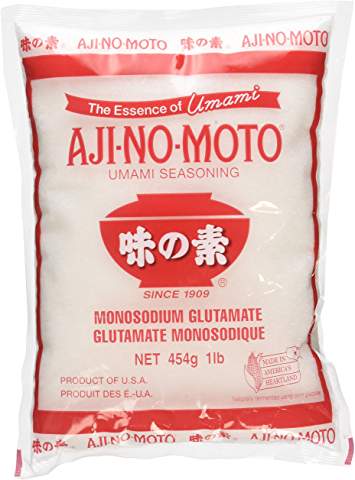
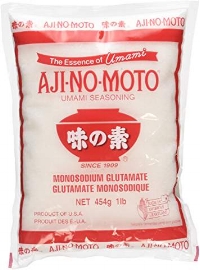
MSG — What is the truth?

Most of you have probably heard about MSG, an abbreviation for monosodium glutamate. What you have heard has undoubtedly been negative. I decided to look at some of the research about this substance so you can make an intelligent decision about whether you want to use it in your kitchen.

This substance has long been used to create a taste called umami, which is a savory taste. Think eating a steak or the taste of soy sauce in your dish – that’s umami. The Japanese & Chinese have long used it as a flavor enhancer. In today’s world, though, we are cautioned against ingesting it. It has been supposedly linked to headaches, breathing issues and other problems. As early as the 1960s, people began talking about Chinese restaurant syndrome. This was the presence of certain physical symptoms after ingesting food containing MSG. In full disclosure, when I was in school, I participated in a clinical trial to determine if these health issues were related to ingesting MSG. I don’t recall the results of that particular study; all I remember is that I did not personally react to it in any way.

An interesting article published in U.S. News & World Report sheds some light on this. As they point out, monosodium glutamate is composed of sodium and glutamate. The latter is an amino acid that can be found naturally in foods such as tomatoes, Parmesan cheese and mushrooms. They comment that in the 1990s, scientists began questioning this supposed syndrome partly because Chinese people did not suffer from it despite ingesting it much more heavily than Americans. More studies such as the one I had participated in were done and they demonstrated that most people did not have any symptoms from MSG. These researchers concluded that there is no scientific evidence for the Chinese restaurant syndrome.

One possible benefit from MSG is that it contains two-thirds less sodium than table salt and, therefore, might decrease the need for salt while still enhancing the flavor of your dish.

I am not advocating that you use MSG. There are still some sources that do not believe that it is safe. I am just pointing out that the scientific evidence does not support the relationship between MSG and health issues. Our own FDA considers it GRAS (Generally Recognized as Safe).

If you do want to try it, just don’t overdo it. For a pound of meat, only use ½ teaspoon of MSG. For 4-6 servings of soup and vegetables, ½ teaspoon MSG is best. Adding more than the suggested amount of MSG will not make the food taste better.

If you have no interest in adding this to your food, consider the umami-boosting ingredients such as tomatoes, mushrooms, Parmesan cheese, soy sauce, etc. For example, adding just a small amount of soy sauce to your Thanksgiving gravy can enhance the meaty flavor.

Have fun, do some experimenting and keep cooking!