Cooking Tips · Techniques

High Altitude Baking

This Cooking Tip is Part 2 about the problems of being in a high-altitude kitchen. The first Tip was about the difficulties of cooking at high altitude. In this one, I want to tackle baking, something that can be even more challenging than cooking at high altitude. If you live above 3000 feet, I’m sure you have suffered your share of fallen cakes or cupcakes, under-done interiors, a dry texture and more. I often speak to people who have given up on baking when they move to our area. In this Cooking Tip, I want to encourage you to try again. You do not have to cease baking if you have a bit of knowledge about what is happening and what can be done about it.

Overcoming the problems of high-altitude baking starts with understanding the source of those problems. As you go up in altitude, air pressure decreases and, as noted in last week’s Tip, water boils at a lower temperature. Consequently, the liquids inside your baked item (or around it if using a water bath) do not get as hot and the baking time may need to be extended. The decreased air pressure also means quicker rising in items that contain leavening agents as the gases rapidly expand. Therefore, your cake rises very quickly – before the batter has had time to set. Once you take it out of the oven, that underdone middle collapses and you have a gummy crater in the middle of your beautiful cake. Another problem is that there is quicker evaporation of liquids, resulting in dry baked items.

If those are the problems, what are the solutions? The first thing to note is that not all recipes fail at high altitude. I encourage you to try the recipe as written the first time you make it. You may be surprised as it turns out wonderful. If not, there are a number of steps you can take. Do not do all the changes at once. Start with making just one or two adjustments and taking notes about the results. If the item still does not turn out as you wish, try more adjustments. In my experience, some recipes just need a slight tweaking while others need more. I have even had one recipe that I just discarded because nothing seemed to work.

Here is a list of adjustments for high altitude baking.

  • Oven temperature – Increase by 15-25 degrees. Monitor the cooking time as, with the increased temperature, you may need to shorten the baking time by about 5 minutes per 30 minutes of cooking time. If you are above 7000 feet, it may be better to leave the temperature alone and increase baking time. The increased temperature at this altitude can lead to over-crusting.

  • Flour – increase the amount by 1 tablespoon per cup of flour. It is also preferable to use all-purpose rather than cake or pastry flour.

  • Liquid — Increase by 2-4 tablespoons per cup of flour.

  • Leavening – decrease baking soda/powder by 25-40% depending on altitude.

  • Eggs – add an additional egg.

  • Sugar – reduce by 1-4 tablespoons per cup of flour. Do not remove more than ¼ cup.

  • Acid – because acidic batters tend to set more quickly as well as holding moisture in batter, substituting buttermilk, sour milk, yogurt, or sour cream (all high in acidity) for regular milk (which is lower in acidity) often leads to an improved result.

Another question you might have is which type of baked goods can be affected by altitude. To some extent, all baked goods could be affected if only by the lack of moisture. Baked goods that rise in the oven are the most affected – cakes, cupcakes, etc. They are likely the ones to give you the most difficulty. Although less of a problem, even muffins and quick breads may need slight adjustments. Some people have concerns with their cookie recipes although many cookie problems are not necessarily related to altitude. I wrote an earlier Cooking tip on Cookie Success. If you have not read this and want to, just email me.

Pies do not rise but may need some extra liquid in the crust as well as a longer baking time.

Making yeast breads at altitude is interesting in that they, too, will rise faster. Some may like this as the waiting time for the dough to double in size is decreased. This, though, is not a total positive. The slower yeast breads rise, the more flavor develops. If you like the resulting product, there is no need to change anything. However, to maximize flavor, you may want to decrease the yeast by about 25% or punch the dough down and allow a second rise to occur. Allowing your dough to rise very slowly in the refrigerator overnight is also something that can enhance flavor – whether or not you live at high altitude.

If you are saying, “This is all too much trouble!”, don’t despair. A quick look on Amazon showed not less than 20 cookbooks written with recipes that have already been adjusted for altitude. Grab one of those and get back in the kitchen. Delightful baked goods are just around the corner!

Cooking Tips · Techniques

The Woes of Cooking at High Altitude

I was at a neighborhood gathering the other night and some of the people (especially those new to our area) were complaining about problems they have with cooking & baking at our altitude of 6000 feet. Some of the things they were saying were a bit inaccurate and everyone had their own solutions. I figured those concerns & misconceptions were probably more wide-spread and thus, I decided to write about this topic. This week’s Cooking Tip will be about problems with cooking at high altitude. Next week’s will deal with baking. Earlier I wrote an entire tip on Candy Making at altitude. If you did not get that one and wish to, just email me and I will forward it to you.

These two tips are mostly for those of us that live at what is called High Altitude. What is high altitude? It depends on the topic for which you are concerned. In baking/cooking, some say 3000 feet and others say 5000 feet. Because of my husband’s job, I have lived in many different states and other countries. As I moved from place to place, I did not personally notice a problem until I moved to an area where the altitude was about 5000 feet. The problem exacerbated when we lived in an area of 7000 feet. Now that we are settled at about 6000 feet, I deal with the altitude problems on a regular basis.

You might ask why altitude matters in cooking. Much of it has to do with the boiling temperature of water. At sea level, water boils at 212°. For every 500 feet that you go up in altitude, the temperature at which water boils drops by 1 degree. If you do the math, you will see that water boils at about 200° at my house. No matter how much I turn up the heat on my stovetop, the temperature of the water in my pot will not get above 200°. The only way I am going to get my water hotter is by using a pressure cooker. The lower air pressure also means the water will evaporate faster. Think about how many recipes call for you to cook something in boiling/simmering water. I would suspect that most of those recipes are written by someone who is used to their boiling point being close to 212°. If you are cooking in water that is significantly lower in temperature, it will take longer to cook. This is especially true with food items such as beans and rice but also applies to pasta, meat, stews and other foods.

What can you do about this problem? The simplest answer is to cook your food longer. However, because of increased evaporation, you may also need more water to ensure it doesn’t dry out. As you near the time you would expect the item to be done, check it. For example, taste your rice and beans to see if they are tender. If not, cook longer and add liquid as needed. I have found my white rice cooks just fine in my rice cooker. I have more problems cooking brown rice. For that, I tend to use the “pasta method” of cooking. Instead of using a water-to-rice ratio, I cook my brown rice in enough water to cover the rice by at least an inch – just as you do with pasta. Check periodically to see if the rice is done and, if not, cook longer but check to see if you need to add liquid. When the rice is done, you may need to drain off excess water. If so, do that, replace the lid and allow it to rest and steam for a few minutes before serving.

For beans, you may consider pre-soaking your beans although your cooking time will still probably be longer than you might expect and you will also need to watch the liquid level. A side problem of this is that with the extended cooking time, the skins sometimes disintegrate. To help with this, lower the temperature so the beans are cooking at a gentle simmer, not a rolling boil. Others recommend adding an acid, sugar or calcium. Acid makes the bean’s cell wall more stable. Sugar reinforces cell wall structure and slows the swelling of the starches. Calcium reinforces cell walls. One expert states that molasses is a good source of all three if the flavor would be compatible with your recipe. She also recommends adding tomatoes (which are acidic) or cooking beans with hearty greens (which add calcium). Another answer is to use your pressure cooker or Instant Pot.

As I mentioned, you may notice similar problems with potatoes, pasta and stews. If you recognize this, plan for a longer cooking time and ensure your liquid does not evaporate, you should be just fine.

If you want to read more, here is a link to discussions on high altitude cooking on the FDA site as well as the Colorado State Extension office.

Happy High Altitude Cooking and stay tuned for High Altitude Baking.

Cooking Tips · Ingredients

Garlic — How to tame it

If you cook from scratch much, I suspect you have used garlic in something within the last week or so. It is just one of those ingredients that is a “must have” for your pantry and is used in many different savory applications. In this Cooking Tip, I would like to discuss garlic, what it is and how to use it.

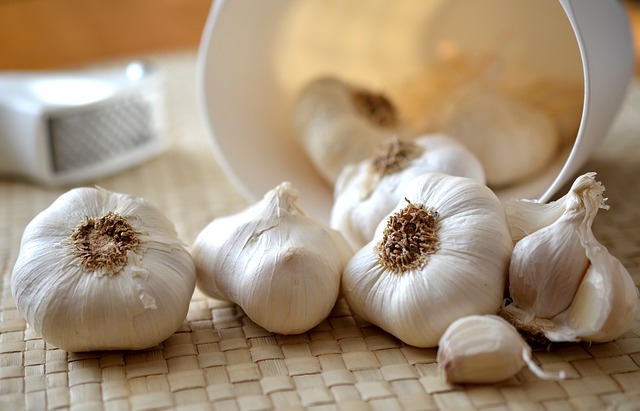
Garlic is a member of the lily family and is a cousin to onions, leeks, shallots & chives. The part we eat is actually the bulb (termed a head) made up of multiple cloves. What we do with those cloves can greatly affect the resulting flavor of the garlic.

First, let’s start with the germ of the clove, that small inner part of the clove. Should you remove it? The answer is “perhaps”. If your garlic is young, there is probably no need to remove the germ. If the garlic head is older, then the germ may give your dish an unpleasant and pungent flavor. In that case, it is best to remove. The problem comes in knowing whether your garlic is old or not. Even though you can buy garlic year-round, it is seasonal with harvests occurring from late summer to late fall. If you grow your own garlic or if you buy from a farmer’s market where you can ask the grower, it is simple to tell how old the garlic is. If you get your garlic from the supermarket, you do not know but you can be pretty assured that it is old if you are buying it in the winter or spring. You can also do a visual inspection but you have to open a clove. If the germ is barely visible, it is on the younger side. As the garlic matures, that germ also grows and becomes very visible. If in doubt and you are concerned about an overpowering and harsh garlic flavor, remove the germ.

Something else that affects garlic’s flavor is how you cut it. As you cut a garlic clove, cells are damaged causing a chemical reaction that produces compounds that we associate with the odor & taste of garlic. The more cell damage that occurs, the more intense the odor and flavor. Therefore, the smaller you cut up garlic, the more intense it will be. Grating it produces the most intense product. As one culinary expert puts it, “a single whole clove will deliver less intensity than a crushed one, a crushed clove will be milder than a sliced clove, and a sliced one isn’t as pungent as a chopped or pureed one—the more cells we rupture when cutting garlic, the more potent it is.”

Cooking the garlic will help tame its pungency. However, this does depend on how long it is cooked. If you cook it briefly, you will probably still notice the flavor differences that result from your cutting method. The longer the dish is cooked, the less noticeable the differences in cutting techniques will be. Roasting whole heads in the oven produce a tender and even sweet product. Experts also say that cooking the garlic in butter will lead to a milder flavor than cooking it in vegetable oil.

Using acid will also produce milder garlic flavors. For example, pureeing the garlic with lemon juice produces garlic with good flavor but it will be fairly mellow. Or, allowing the garlic to soak in vinegar for a minute and then proceeding to add it to your vinaigrette will result in a milder garlic flavor than just throwing the garlic in without this step.

Another chef recommends just washing your garlic in a bowl of lukewarm water after slicing or chopping it. After removing it from the water, dry it and then continue with your recipe. A further step is blanching it in boiling water or milk before shocking it in ice water before using it. Cooks Illustrated says that just microwaving for 2-3 minutes or until warm to the touch is another effective method. For these methods to work, the garlic’s temperature must rise to or above 140°F.

What about those bottles of garlic? Sure, they are convenient but are they worth it? Health experts say that any supposed health benefits are greatly reduced in the bottled versions. As far as flavor, fresh will taste – well, fresher. How you are using the garlic may help you decide whether to use fresh or bottled. If it is in an uncooked or lightly cooked dish, opt for raw. If you are making something that is going to cook or simmer for a while, the bottled will probably suffice.

Not everyone likes the taste of garlic. It is an essential ingredient, though, for many dishes. I trust that the above information will help you adjust the intensity of the aroma and flavor to your liking.

Cooking Tips · Ingredients

Salmon — wild or farmed

I was making salmon for dinner and started thinking that I could hardly wait for the time that fresh, wild Pacific salmon is in the stores again. Why is that? Because, in my opinion, it is the best tasting salmon ever. I thought some of you might enjoy a Cooking Tip about this very subject. Now, I am not going to address environmental concerns over farmed versus wild or similar topics. Nor am I going to focus on the health benefits/concerns although wild-caught salmon is felt to be an extremely healthy and nutritious food. I am approaching this Tip purely from a culinary perspective.

Salmon are fish that live naturally in the northern Atlantic & Pacific oceans. The two main groups of salmon around North America are Atlantic and Pacific salmon. There is only one type of Atlantic salmon but there are quite a few from the Pacific ocean.

Chinook salmon (aka King) is the largest and found mainly in Alaska but also down the west coast. It is known for its smooth, melting texture and a rich, buttery flavor.

Chum salmon (aka dog or silverbrite salmon) is found in Alaska down to the northwest tip of the US. As you can assume from the name, this is not a highly desired salmon. There are those, though, that say as long as it is handled properly, it is a perfectly acceptable salmon with a lighter flavor. It is often used for grilling and smoking.

Coho salmon (aka silver salmon) is greatly prized and is found in Alaska and down the west coast.

Pink salmon is the most abundant but also the smallest. It is the type used for canned salmon.

Sockeye salmon (aka red salmon) is named for its colorful red flesh.

All Atlantic salmon is farm-raised, mostly from the states of Washington and Maine. There are also international farms in Canada, Norway and Chili. It is harvested year-round. At times, you will see terms other than Atlantic vs Pacific. For instance, it might say Chilean, Norwegian, Scottish, etc. These salmon are undoubtably Atlantic, and therefore farmed. If in doubt, ask the fishmonger.

If you want wild salmon, you must buy Pacific. The harvest season is from May through September.

Why do I eagerly await the fresh, wild salmon season? The succinct answer is TASTE. In my opinion, the taste of wild salmon is far superior to that of farmed salmon. You will have those that disagree, though, as they prefer the milder flavor of the Atlantic. Another item to consider is that if you look at the signs advertising the Atlantic salmon, you will usually see “color added”. Because of its diet, wild Pacific salmon is naturally orange, pink or reddish. On the other hand, Atlantic salmon is very pale and unappetizing looking. To counter this, the fish are fed an ingredient called “astaxanthin”. Although this ingredient can be produced naturally thorough algae or pulverized crustaceans, it is often synthesized in a lab from petroleum products. Its purpose is to add color to the flesh.

Another term you will notice that I have used is “fresh”. That term distinguishes it from frozen salmon. Pacific (preferably Alaskan) salmon that has never been frozen and has been wild-caught is my preference any day of the week – not only for the superior flavor but also because I like the texture better. Many fishmongers will tell you if the fish has been handled properly after catching and then flash frozen, it is just as good, if not better, than fish that has been transported in a fresh state to the store. One researcher postulated that this may be true for more fatty salmon – either King salmon or Atlantic salmon. Other Pacific salmon is leaner and may not stand up as well to freezing.

Wild, fresh, Pacific salmon will be more expensive. I think it is totally worth it. If you are going to spend the money for this great fish, you want to make sure to cook it properly. There are many different ways to cook salmon – pan-frying, grilling, baking, broiling or poaching. They will all give you different results. The most important thing is to not overcook it. I still remember when we lived in Guam and we went to a very nice restaurant. I ordered salmon and when the server asked me how I wanted it cooked, I said well-done. He looked at me and asked me to try it medium as the Chef recommended. If I didn’t like it, he would ask the chef to cook it more. I agreed. When it came out, I was so surprised at how tasty, moist and succulent it was. It was cooked all the way through but it was not overcooked. I never returned to the land of “well-cooked salmon”!

The best way to ensure you do not overcook your salmon is to use an instant read thermometer. Salmon is a very quick cooking fish. The actual cooking time will vary depending on the thickness of the fish portion and the cooking technique. It can be as little as 6 or 7 minutes or up to 15 minutes. Some experts recommend four to six minutes per half-inch of thickness.

There are some visual signs of doneness. The flesh will turn lighter and more opaque. The middle of the salmon, though, should still be slightly translucent. If it is opaque all the way through, it is over-cooked. The salmon should give way a bit but not necessarily flake. If it flakes, once again it is probably over-cooked. Since these visual cues can be somewhat subjective, taking the internal temperature is the best way to gauge doneness. Many sources will tell you to cook your salmon to 145°. I find that much too high. Cooks Illustrated agrees. They recommend cooking farmed salmon to 125° and wild salmon to 120°. The difference is due to the lower fat content in most wild salmon.

You may balk at those temperature recommendations. However, if you give it a try, I suspect that just as I was in that restaurant in Guam, you will be amazed at the results. Let me know!

Cooking Tips · Ingredients

Egg Tidbits Part 2

I would like to continue our discussion of Eggs in this Cooking Tip with a few more helpful tidbits. In last week’s Tip, I told you how to interpret the dates on the carton to determine how old your eggs are when you buy them. What if you have had them in the refrigerator for a while, how do you know if they are still fresh? Here is an easy test.

Freshness of eggs – Place the egg in a bowl of water. If it lays on its side at the bottom, it is still fresh. If it stands upright on the bottom, it should be eaten fairly soon. If it floats, it may be time to throw it away. According to the USDA, “an egg can float in water when its air cell has enlarged sufficiently to keep it buoyant. This means the egg is old, but it may be perfectly safe to use. Crack the egg into a bowl and examine it for an off-odor or unusual appearance before deciding to use or discard it. A spoiled egg will have an unpleasant odor when you break open the shell, either when raw or cooked.”

Egg Storage – When properly handled and stored, eggs rarely spoil. However, if you keep them too long, they are likely to dry up. Refrigerate eggs at 40°F or less. Store them in their original carton on an inside shelf and away from pungent foods. The temperature on an inside shelf remains more constant than one on the door, which is opened and closed frequently. The carton keeps the eggs from picking up odors or flavors from other foods and helps prevent moisture loss.

Raw eggs that have been removed from their shells should be refrigerated in a tightly covered container. Refrigerated whole egg yolks should be covered with water to prevent them from drying out; drain before using. The following chart shows how long hard-boiled eggs and raw eggs last when stored in the refrigerator.

EGG STORAGE CHART

PRODUCT REFRIGERATOR FREEZER

Raw eggs in shell 3-5 weeks Do not freeze

Raw egg whites 2-4 days 12 months

Raw egg yolks 2-4 days Yolks do not freeze well

Hard cooked eggs, in shell 1 week Do not freeze

Casseroles made with eggs 3-4 days After baking, 2-3 months

Quiche with any kind of filling 3-4 days After baking, 1-2 months

Egg sizes — Size tells you the minimum required net weight per dozen eggs. It does not refer to the dimensions of an egg or how big it looks. It is not the size of each individual egg but it is the total weight of the dozen eggs that determines the size noted on the carton.

Size of Egg Minimum net weight per dozen Weight per egg

Peewee 15 ozs 1¼ ozs
Small 18 ozs 1½ ozs
Medium 21 ozs 1¾ ozs
Large 24 ozs 2 ozs
Extra Large 27 ozs 2¼ ozs
Jumbo 30 ozs 2½ ozs

If you are wondering if you can substitute one egg size for another, the American Egg Board recommends the following.

Large Jumbo X-Large Medium Small

1 1 1 1 1
2 2 2 2 3
3 2 3 3 4
4 3 4 5 5
5 4 4 6 7
6 5 5 7 8

Peeling eggs – I’m sure you all have had the problem of peeling a hard-boiled egg and taking off a large part of the egg with the shell. Is there a solution to this? Yes, but it involves using a technique that is very different than what you have heard before or what I was taught in culinary school. This topic arose in a class I just taught about hosting an Afternoon Tea party. I do not have an Instapot but many in the class did and raved about how easy it was to peel eggs cooked in this device. I believe this as it works similarly to the following method, which is what I use.

Serious Eats did a number of tests to determine the best way to cook eggs and be able to easily peel them without creating craters in your egg. The way most of us were taught is to put the eggs in cold water and then bring that water to a boil. What this does, in reality, is to cause the egg proteins to fuse to the inside of the shell, making it very difficult to peel. To prevent this, they suggest a different method.

They found carefully dropping the eggs into boiling water (or steam), lowering the water temperature then continuing to cook in barely simmering water is the best way. After removing, peel them under running cool water. While the eggs are still hot, the membrane and egg white are more easily separated. Here is a link to the actual recipe.

In this chef’s book, The Food Lab, he recommends adding some ice to help the water cool more quickly. If you have an Instapot, let me know if you agree if it is a wonder for boiled eggs. If not, give this technique a try and I think you will be pleased.

There is much more to this wonderful foodstuff we call Eggs. However, I suspect that you have had enough. So, I will finish this second Cooking Tip on Eggs. If there are other egg-related topics that you would like for me to discuss, just let me know!

Cooking Tips · Ingredients

Eggs — so much to learn

Eggs – these are a foodstuff that goes in and out of favor depending on the current state of nutritional research. Eggs are also a very natural and simple food. However, there is quite a bit to learn about eggs. In this Cooking Tip, I want to start to tackle this topic and increase your Egg IQ. Because there is so much to learn about eggs, I will start in this Tip and finish in a subsequent one or two tips. You will recall I already wrote a Tip about Egg White Foams. If you did not get this one and wish to, just email me.

I want to start with egg terminology. Do you buy whatever eggs are the cheapest or do you spend a bit more for cage free? As you are deciding how much you want to spend, be aware that some of the egg terms can be a bit misleading. Here are just a few of the main terms.

  • Cage Free – To be considered cage free, the hens are allowed to roost and socialize freely in a room or open area. They are not confined to a cage but this open area may be in a barn or poultry house rather than outside. Over 90% of the eggs found on our tables are from chickens raised in caged environments.

  • Free Range – In this case, the hens have access to the “outdoors”. “Outdoors” only means there is no roof. The area they have to range may be grass but could also be dirt or concrete.

  • Pasture Raised – This term implies that the hens actually spend time outdoors on grass and eat a diet partly, if not entirely, of bugs and plants. I think this is probably what most of us think of we think of free ranging or cage free chickens. However, we can now see that this may not be true.

  • Organic – For eggs to be labeled organic, the hens must be raised according to USDA National Organic Program guidelines. The hens must be allowed to range freely and given access to the outdoors. They must be fed an organic diet and, if they do not have access to a pasture area, they must be provided with sprouted grains or fresh plants on a daily basis.

Egg Dating – No matter which type of eggs you decide to purchase, you want them to be as fresh as possible. If you can buy them directly from a farmer or someone who raises backyard chickens, you can ask and be assured of their freshness. If you buy them from a supermarket, you have to rely on dates on the carton but what do they mean? You may see a “Sell By” or “Best By” or even an “Expiration” date. If the carton has a USDA shield on it and shows an Expiration date, that date cannot exceed 30 days beyond the pack date. If instead there is a “Best By” date, it can be no more than 45 days after the pack date.

Another date is the Julian date. This represents the day of the year that the eggs were packed – from 1 to 365. Here is an example from a carton I bought on March 31. They have a “Sell By” date of April 11. Their Julian date is 072, which is March 13. So, when I bought my eggs, it was 18 days after they were packed and I was told it was safe to continue to sell them for another 11 days — 29 days after packing.

Egg color – The color of the egg is determined by the breed of the hen. If you care to look at the hen’s ear, you can tell the color of the egg. If it has a white or light spot, that hen will lay white eggs. We have confirmed this as one of our hens has a bluish-green ear spot and she lays bluish-green eggs. Furthermore, there is no nutritional difference between different colored eggs.

Blood spots – This is one of the most misunderstood findings of an egg. Many people think a blood spot means the egg was fertilized and should be thrown away. According to the Egg Safety Center, “blood spots are caused by the rupture of a blood vessel on the yolk surface when it is being formed or by a similar accident in the wall of the oviduct in the hen’s reproductive tract.” As long as the egg is cooked properly, it is safe to eat.

Refrigeration – In the US, eggs are always refrigerated. However, in Europe, they are often sold at room temperature. The difference has to do with washing of the eggs. The USDA requires that all eggs sold in the US from farms with at least 3000 hens to be washed & sanitized. This removes the coating that is naturally found on eggs. In Europe, eggs are not required to be washed and thus, retain this coating. This allows them to be sold at room temperature.

Grading of eggs – Grading of eggs is actually voluntary and companies must pay to have the USDA grade their eggs. When grading, the characteristics that are looked at are the quality of the shell, white & yolk. The eggs can be graded from AA to A to B. The eggs that have the cleanest shells, the firmest whites and tallest-standing yolks get an AA rating. Grade B eggs may have a stain, bumps or an uneven shape. The white is watery and the yolk will be enlarged and flattened. Grade A eggs fall in between. If you want to know more specifics, here is a link to the USDA Grading Manual.

All are fine to eat but if appearance is most important, opt for AA. You will easily find both AA and A eggs in the supermarket while Grade B eggs are used commercially in powdered egg products or liquid eggs. I have never seen Grade B in my supermarkets but I must say I have not looked specifically for them. If you have seen them in your stores, let me know

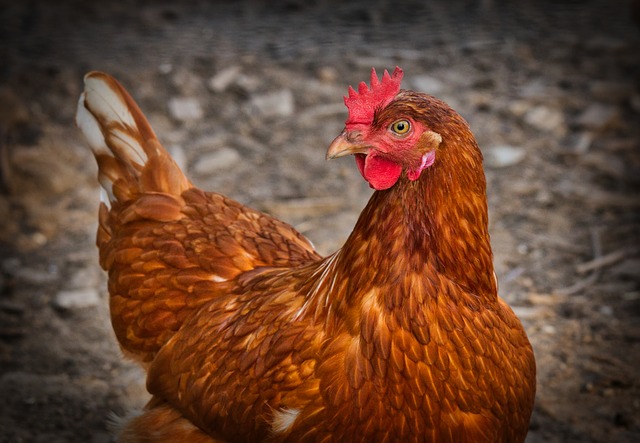
 Eggs from our own backyard chickens Eggs from our own backyard chickens
There is much more to eggs such as how to test for freshness, size and how to get that silly shell off a hard-boiled egg without craters! Stay tuned for Part 2.

Cooking Tips · Ingredients

Liquid Sugars

Last week, I wrote about the importance of sugar and the various types of solid sweeteners. In this Cooking Tip, I would like to concentrate on liquid sweeteners. The main ones we probably have in our kitchen are honey, maple syrup, molasses and corn syrup. There are others, which I will also briefly discuss. With all these sweeteners, it is best to use recipes that have been created for that ingredient. However, if you want tips for how to swap these sweeteners for sugar, email me for recommendations.

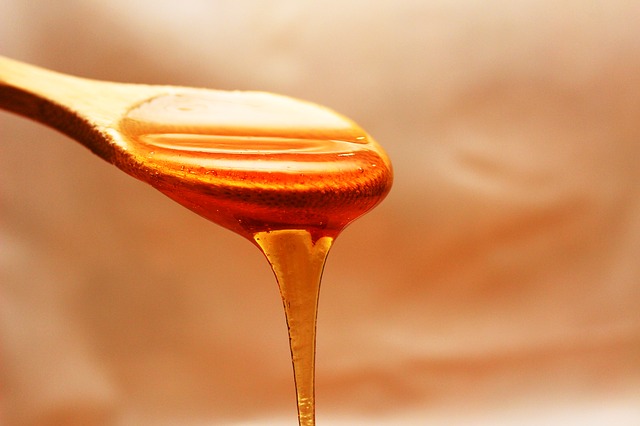
Honey is said to be the world’s oldest sweetener. Its flavor varies greatly depending on the flowers and trees that the bees visit. If you have never tasted anything other than supermarket honey, I urge you to seek out and taste these different types of honey. I know the first time I did, I was totally amazed. The uniqueness of these different honeys can make a huge difference in the taste of your food item. If you are using honey in a very light and delicate dish, you are going to want to use a mild-flavored honey such as clover or orange blossom. Darker, more full-flavored honeys can overpower such a dish.

Generally, honey is sweeter than sugar. Although honey can be used in baking, you must do so with care as it is not a 1:1 substitution for sugar. Not only do you have to be concerned about the sweetness level but honey also adds liquid as well as acidity. Honey also browns very quickly and this needs to be taken into account. The types of baked goods that take to honey well are softer baked goods that do not require crispiness such as muffins, quick breads and cake. One advantage of using honey is that it is attracts water and thus, keeps your baked item moister.

Corn syrup is said to be only 65% as sweet as white sugar and is derived from cornstarch. One advantage of corn syrup is that, unlike other sugars, it does not crystallize. Note that regular corn syrup is not the same thing as High Fructose Corn Syrup (HFCS). The latter is something that only food manufacturers use; it is not what you find in the baking aisle of your supermarket. HFCS is mainly fructose and its sweetness level is on par with granulated sugar. Corn syrup is mainly glucose, along with water & other longer-chain sugars. It is these longer-chain sugars that tend to tangle up with each other, creating a more viscous product and they are what prevent crystallization of other sugars. That is why it is often used in items such as pecan pie, caramel sauce, chocolate truffles and frostings. Some producers may add HFCS to their corn syrup but Karo is one company that does not. If you have concerns, just check the label.

Corn syrup comes in light and dark varieties and it is best to use whatever variety is called for in a recipe. The dark version is actually light corn syrup with added molasses, caramel coloring and flavoring. The light syrup has a delicately sweet flavor whereas the dark syrup has more of a molasses flavor.

Maple syrup is made from the sap of the sugar maple tree. In 2015, the FDA issued regulations concerning the grading and terminology for maple syrup. Rather than Grade A or B, the industry now uses terms relating to the color. Here is a great infographic that will help you when looking at the choices in the supermarket. If you wish to see the actual FDA regulations, here is a link. The lighter syrups are probably more all-purpose but the stronger flavored dark syrups are best for cooking. Swapping out sugar for maple syrup has the same precautions as for honey although browning does not happen as quickly and it is less acidic than honey.

Molasses is a byproduct of the sugar refining process. It is the residue that remains after the sugar crystals are extracted during the boiling process. The flavor will vary from type to type and it can also have bitter undertones. This sweetener comes in light or dark varieties as well as what is known as blackstrap. The most common is Light (aka Barbados, first, mild, sweet) and is the sweetest and mildest in flavor. Dark molasses (aka full, robust, second) will be thicker, less sweet and stronger in flavor. Blackstrap is very dark, thick and bitter. Another term you may see is “Unsulphured”. Some molasses is treated with sulphur dioxide as a preservative. Because this chemical affects the flavor, most molasses on our shelves will be unsulphured. Molasses is best used in recipes where it is used in combination with spices and/or fall fruits and vegetables.

Cane syrup is a caramelized, concentrated version of pure cane juice. The juice is boiled down and evaporated to create cane syrup. It is said to have a “burnt caramel” flavor and preferred uses are fruitcake and other spiced baked goods.

Sorghum syrup comes from sweet sorghum grass. The juice is extracted from the plants, returned to the mill and cooked down into a syrup. It is made in very small batches and its flavor is very specific to each producer.

Golden syrup is something you are much more likely to see in the UK, where it is often called “Treacle” or “Light Treacle”. Lovers of this syrup call its flavor “butterscotch” or “toffee”. There is a product known as “Black Treacle”, which is much darker and thicker than light treacle. It is similar to our molasses and is great in Sticky Toffee Pudding but can be overpowering in lighter dishes.

Agave nectar comes from the blue agave plant. It is very mild and neutral in flavor. It has been touted as a less refined sugar but has come under more scrutiny that has caused doubts to arise as to that claim. I am not going to go into the arguments about this sweetener but, if you use it, you may want to do some research of your own.

There is no doubt that Americans eat too much added sugar, but as I said in my last Tip, it is an ingredient that must be in any cook’s kitchen. Between last week’s Tip on solid sugars and this one on liquid sugars, I hope you can gain a better understanding of your choices so you can use it properly without overdoing it.


Cooking Tips · Ingredients

Sugar — more than just sweetness

Although sugar has a bad name in the nutritional world, it is a necessary ingredient for your cooking and baking. It is such a simple word but it is far from a simple ingredient. In this Cooking Tip, I want to talk about why sugar is an important ingredient and about the many different types of sugar. This tip will be limited to solid sugars. Liquid sugars will have to wait for a subsequent Tip.

If you ask the average person what the purpose of sugar is, they will probably say to add sweetness to the dish/beverage. Certainly, sweetness is one of the major properties of sugar. It is not the only one, though. Sugar can also help balance other flavors. An example would be a tomato sauce made with less ripe tomatoes. A pinch of sugar can help mask some of the acidity and bitterness of that sauce.

In baking, sugar can add volume as well as texture. It actually acts as a tenderizing agent in baked goods. In bread making, it assists with the proper amount of gluten development and decreases stickiness. Sugar also acts as a preservative as well as aiding in moisture retention. Sugar is what gives stability to beaten egg whites so they maintain their volume while baking. It also is what is responsible for that crunch in your cookies. Those beautiful golden crusts on coffee cakes & other baked goods is also due to sugar. There is more but that gives you an idea of how important sugar is for the cook.

Most sugar is obtained from either sugar beets or sugar cane. They are processed similarly (although not identically) by extracting sugar juice from these plants. By adjustments in the processing steps, many different types of sugar can be produced. I want to spend some time discussing the different types.

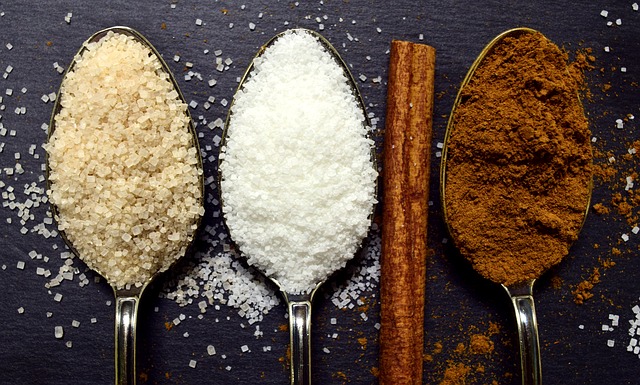
White sugar contains little or no molasses as the naturally-present molasses has been removed during processing. Types include granulated sugar, powdered sugar, caster sugar, sanding sugar & pearl sugar.

  • Granulated sugar (aka table sugar) is what most of us think of when it comes to sugar. It is the most common type in our kitchens.

  • Powdered sugar (aka confectioners’ or icing sugar) is made by grinding granulated sugar to a smooth powder and mixing it with a small amount of cornstarch (to prevent clumping). In a pinch and need powdered sugar but you have none? Make your own by grinding 1 cup of granulated sugar with 1 teaspoon of cornstarch in a blender for a full 3 minutes. This is the type of sugar to grab for making icings, frostings and glazes.

  • Caster sugar (aka superfine sugar) is very finely ground and is best is recipes that need the sugar to dissolve quickly and completely. Examples include meringues or frostings.

  • Sanding sugars are those colored sugars with large crystals that we like to sprinkle on top of baked goods.

  • Pearl sugar (aka coarse or decorating sugar) is a white sugar with a coarse, hard texture and an opaque color. Because it holds it shape and doesn’t melt, it is normally used to decorate baked goods.

Brown sugar contains varying amounts of molasses.

  • Light and dark brown sugars are made by mixing white sugar with molasses – less for light and more for dark.

  • There are other brown sugars which are less refined. Turbinado sugar is a slightly refined cane sugar, retaining more of the naturally-present molasses. It has a caramel-like flavor and it has large crystals that do not dissolve well. Because of this, it doesn’t do well in light batters or doughs but may be fine in muffins. Because it has less moisture content than brown sugar, swapping one for the other is not recommended. If attempting to substitute it for white sugar, be aware that turbinado has more moisture, which shouldn’t be a problem in moist batters but this could be a problem in pastry dough recipes. Another problem with substituting one for the other is that a cup of turbinado with its larger crystals won’t be the same as a cup of white sugar. This is another reason to have a food scale in your kitchen as it will give you more accurate measurements. The best uses for turbinado sugar are stirring into your coffee/tea or sprinkling on top of baked goods for a crunch.

  • Demerara sugar is another less-refined variety. It has larger grains than turbinado, is amber in color and has a subtle molasses flavor. Again, because of the grain size, it is best used for beverages or as a topping on baked goods. Be aware that some companies use these two terms (turbinado & demerara) interchangeably.

  • Muscovado sugar (aka Barbados sugar) is unrefined cane sugar in which no molasses is removed. It comes in both light and dark varieties and has a more sticky, sandy texture than regular brown sugar. It can be very strong in flavor, especially dark muscovado.

Sugar can also be categorized by its source. If the bag claims it is “cane sugar”, it comes solely from sugar cane. If it does not state “cane”, it is probably either beet or a mixture of cane and beet sugar. Coconut sugar (aka coconut palm sugar) is made from the sap of the coconut plant. It has an earthy flavor. Palm sugar comes from the nectar of the sugar palm tree. It tastes similar to coconut sugar but may have more smoky, caramel notes. Date sugar is made from dehydrated ground dates and can be used as an alternative to brown sugar. Maple sugar is made from the sap of the maple tree and has a wonderful mapley (Is that a word? If not, it should be.) flavor.

Sucanat (a contraction of Sugar Cane Natural) is a sweetener that you may have heard about. It is essentially pure dried sugar cane juice. It is far less processed than other sugars and is considered by some to be truly unrefined. It has more flavor than granulated sugar and also retains much of the natural molasses, meaning it looks brown and has more of a molasses-type flavor. Because of this, it would not be a good choice for lighter baked goods but may be great in spice cakes and ginger cookies. Testers found its granular texture meant that it did not dissolve easily and, therefore, recommended grinding before using it. Its chemical content is also different from granulated sugar. The latter is pure sucrose where as Sucanat has small amounts of glucose, fructose and other molecules besides the sucrose. Because of this, it can react differently than regular sugar in recipes and cannot be substituted one for one on a volume basis. For every cup of granulated or brown sugar called for in your recipe, use 1¼ cups Sucanat. According to America’s Test Kitchen, you cannot scale this up/down exactly. Rather, they have put together a chart for conversion purposes. A similar product is called Rapadura. Some people also include in this category jaggery/gur and panela/piloncillo. They often come compressed into cakes or cones and must be chipped or grated. Jaggery can also be made from the date palm and is typically found in Indian markets whereas panela is usually found in Latin markets.

One caution – you may see the term “raw” sugar and think it refers to sugar that has not been refined. The term “raw” is mostly a marketing term to get you to believe just that. The truth is that it may be less refined than white sugar but it is certainly not totally unrefined – meaning nothing has been added or removed.

Well, if you thought sugar was a simple ingredient good only for sweetening food items, I hope you now see it is not nearly as simple as you thought – but just as delicious!

Cooking Tips · Ingredients

Demystifying Corn Products

Cornmeal, Grits, Polenta – are all of these just different words for the same thing? In this Cooking Tip, I will attempt to clarify what is often a confusing subject. My research found some conflicting statements and if you are a corn farmer (or know one) you may find things with which you disagree. (If so, let me know.) However, I have tried to find somewhat of a consensus.

In my supermarket, I saw several products labeled “Cornmeal” – some were white and some were yellow and there were different brands. There was something labeled as “Corn Grits – also known as Polenta”. I guess that company is covering all bases. There was a separate product just called “Grits”. There was also a box of “Instant Polenta” as well as tubes of something called “Polenta”. What’s a cook to do?

The first thing to understand is that Polenta is not really an ingredient – it is a dish. The term Grits is used to not only describe an ingredient, but also to indicate the dish made from that ingredient. (Are you confused, yet?) Since many recipes and food producers refer to grits and polenta as both an ingredient and a dish, that is how I will discuss it.

Let’s start with cornmeal. This is an ingredient that is basically corn that has been dried and ground in a mill. The grind may vary from fine to coarse. It can also vary in color: white, yellow or blue. Another difference you may notice is some will be a whole grain product while others will be degerminated. Cooks Illustrated tested a number of different varieties. They preferred the full-corn flavor of whole-grain but felt it was slightly gritty no matter how long it was cooked. The degerminated product (the hard hull and germ are removed) gave a creamier result.

Both polenta and grits are made from stone-ground cornmeal, typically from either a medium or coarse grind. Grits is traditionally a dish made in the southern US whereas polenta is an Italian dish. However, they are also made from different types of corn. Most grits are made from what is called “Dent” corn (field corn). The name comes from a small indentation in the kernel. It has a high soft starch content and is easy to mill.

In Italy, polenta is traditionally made from “Flint” corn, also known as Indian/Calico corn. Its name comes from its hard outer layer that has been likened to being as hard as flint. Because of this, it tends to hold its texture better.

Because of the differences in corn types, grits tend to be mushy while polenta is usually coarser and chewier. However, in today’s kitchens and restaurants, you may not know for sure which product is being used to make these different dishes. The only brand that I found that specifically states it is made from flint corn is Anson Mills. Another good brand, Bob’s Red Mill, uses dent corn.

If you see something called “instant” or “quick-cooking” polenta, it means that it has been par-cooked. Many people consider this variety bland in taste but I have used this type from DeLallo and found it very nice. I also have a great recipe from Bobby Flay for sweet potato and smoked chili grits that specifically calls for quick cooking grits.

What about that tube of something called polenta? It is basically pre-cooked polenta that has been cooled and formed into a tube. It is often sliced and then baked, grilled or seared. If you make your own polenta and let it cool, it will firm up just as in the tube.

So, what product do you use for what purpose? If you are making cornbread, you can probably use any kind of cornmeal but many cooks really prefer a coarser grind for the texture. If you are making a grits dish, try to find something called corn grits or at least a medium or coarse grind cornmeal. For polenta, if you can’t find something that says it is specifically for that dish, you should be fine with a medium or coarse grind cornmeal. Whether you want the whole-grain version or the degerminated will be a matter of personal choice depending on what texture you prefer.

Corn is a wonderful product and comes in so many forms (many that we have not even touched upon) that I am sure there is at least one kind that you will love.

Cooking Tips · Ingredients · Techniques

Custards and the miracle of eggs

When we lived in England, my husband loved some little custard tarts that we would buy from a Portuguese bakery in the town in which we lived. Since then, I have been attempting to re-create them to his satisfaction. Recently, I was testing a recipe from Emeril Lagasse and it turned out to be a winner. Hurray! This testing caused me to think about custard and what a wonderful creation it is. It is something all cooks should know how to do and this is why I am writing this Cooking Tip.

A custard is nothing more than a mixture of milk, eggs and often sugar that is cooked into a thickened product. It forms the filling for these little Portuguese tartlets but a custard is also the basis of crème brûlée, flan, ice cream, quiche and more. It is not difficult to make a custard but there are some hints that I hope you find helpful.

Many custards start by having you beat/whisk the eggs (whole or just yolks) together with the sugar until it has thickened and turned light yellow. Some will recommend you continue to the “ribbon” stage, which means the mixture will form a ribbon as you lift up your spoon and allow the mixture to fall back into the bowl. These instructions are meant to help you ensure that the sugar has mostly dissolved. You do not necessarily need to go all the way to ribbon stage but a good mixing until the color and consistency changes is a good idea.

Some recipes will have you heat the dairy (milk, cream) before adding it to the egg/sugar mixture. This is not necessary unless you want to infuse flavor into the dairy. For example, my tartlet recipe had me infuse vanilla seeds and orange zest into the milk. This was achieved by bringing the cream to a boil, adding those two ingredients, covering it, taking it off the heat and allowing to steep for 30 minutes. I then whisked that steeped dairy into my egg mixture. If I did not want to infuse any flavors, I could have added everything together and then heated it on the stovetop.

If you are told to add hot milk/cream to the egg mixture, the danger is that the eggs will start to cook and you will end up with a scrambled egg mixture. To avoid this, you should “temper” the hot liquid into the eggs. This simply means adding some of the hot liquid very slowly into the eggs while whisking. Once the eggs have been diluted with the dairy, you can put it all back into the pot and continue with the recipe.

If your egg/dairy mixture is started cold, the recipe will instruct you to heat it so as to cook the eggs and thicken the mixture. This heating should be done very gently. Resist the temptation to turn up the heat to speed the process. I love how Harold McGee puts it in his book, On Food and Cooking.

“Turning up the heat is like accelerating on a wet road while you’re looking for an unfamiliar driveway. You get to your destination faster, but you may not be able to brake in time to avoid skidding past it.”

As he goes on to explain, the chemical reactions that cause the thickening of the custard don’t stop just because you take it off the heat. So, if you try to hurry this step, you may easily get to the point of curdling or overcooking.

Some custards are meant to be very soft and creamy while others (such as those that need to be turned out of the container before serving) are firmer. This can be adjusted by changing the proportion of the egg content. If you use more whole eggs or egg whites, the custard will turn out firmer and glossier. More egg yolks (or even yolks alone) produces a softer, creamier custard.

Some recipes will have you add a starch such as flour or cornstarch. These ingredients help with thickening while also protecting against curdling. The recommended amount is one tablespoon of flour or two teaspoons cornstarch (or arrowroot) for every cup of liquid. Whereas this does help guard against curdling, it can also turn a smooth, creamy dish into a thicker and coarser one. Whether your custard is made totally on the stovetop or ends up in the oven, if there is no starch in it, it requires gentle heating. On a stovetop, this generally means using the double boiler method with constant stirring. If in the oven, a water bath should be used. On the other hand, if you do add a starch to the mixture, the custard can be cooked over direct heat on the stovetop or without a water bath in the oven.

A water bath just means putting the custard dishes in a larger pan (such as a roasting pan) that has enough hot water in it to go up about half-way the height of the custard dishes. Even though your oven temperature may be set at 350°F, the water in the pan won’t exceed 212°F (or even less if you live at altitude). This means the custards are exposed to a gentler & more even heat. Some recommend putting a rack in the bottom upon which you place the custard dishes so that they are not directly exposed to the hot bottom of the pan. Without a water bath, the outside of your custard could overcook before the center is done. With a water bath, you are more likely to catch them at the perfect degree of doneness.

All this talk of custards has me salivating over those little Portuguese custard tartlets that I made. I have a few left and those will definitely be dessert tonight! How about you? Is a custard in your near future? Let me know!