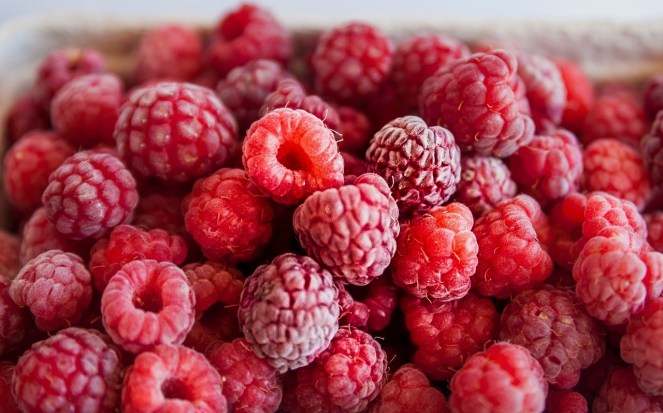
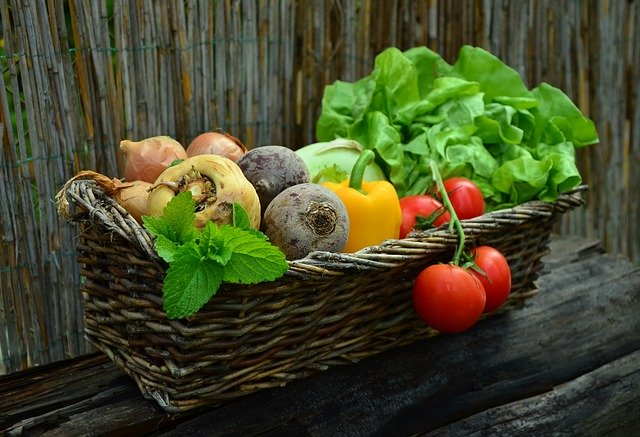
I love frozen produce. I not only use it in my own kitchen, but I also use it frequently in my cooking classes. Some people might be surprised that I do not exclusively use fresh produce. However, frozen produce is an excellent substitute for fresh produce in many applications. This Cooking Tip will explain the benefits of frozen produce and how best to use it.
Pros of Frozen Produce
It is often more affordable than fresh produce, especially when the fresh produce is not in season.
It is more convenient than fresh produce. You just have to open your freezer to find the item, and it is usually prepped for you by washing, peeling, and chopping. Another convenience factor is that the frozen produce does not need to be thawed before being cooked for most purposes.
The produce that is meant to be frozen is picked at peak ripeness. Fresh produce tends to be picked before maximal ripeness to make it easier to store and transport. Riper produce not only tastes better, but it also has a superior nutritional profile (see below).
Frozen produce lasts longer than fresh produce. Fresh produce might only last 1-2 weeks, whereas frozen produce can last in the freezer for several months. This reduces food waste.
Frozen produce is available year-round. We all know and probably try to eat what is in season. You are doing just that when eating frozen produce. Even though it might not be blueberry season where you live, the frozen blueberries were picked when those blueberries were in season.
There might be a change in texture as compared to fresh produce.
Many frozen veggies contain additives such as seasonings. At times, when I look at the frozen veg aisle, it is hard to find a package that doesn’t have a sauce or seasonings added to it. This can add fat, sugar and calories. So, be sure to check the ingredient list for these additives.
Nutrient level
Some worry that frozen produce loses nutrients during the freezing process. This has not been borne out with actual studies.
A study published in the Journal of Food Composition and Analysis in 2017 was a two-year study that looked at specific nutrients in selected fresh and frozen fruits and vegetables. They also studied “fresh-stored,” which was intended to mimic typical consumer storage patterns of produce following purchase – noted as five days of refrigeration. Their conclusion was:
In the majority of comparisons between nutrients within the categories of fresh, frozen, and “fresh-stored”, the findings showed no significant differences in assessed vitamin contents. In the cases of significant differences, frozen produce outperformed “fresh-stored” more frequently than “fresh-stored” outperformed frozen. When considering the refrigerated storage to which consumers may expose their fresh produce prior to consumption, the findings of this study do not support the common belief of consumers that fresh food has significantly greater nutritional value than its frozen counterpart.
The FDA has also added frozen produce to those items that may be labeled as healthy. See this Fact Sheet.
Frozen produce is picked and frozen at the height of its ripeness. This means it is also at the height of its nutrient level. Fresh produce is often picked before it is ripe. This means it has fewer nutrients and tends to lose nutrients over its life span from actual picking to using the produce in your kitchen.
How to use frozen produce
Sauteing
Steaming
Microwaving
Roasting
Use in soups and stews
Smoothies
Sorbets
Sauces
Fruit cobblers
Are you a lover of shopping in the frozen produce aisle like I am? If not, check it out the next time you visit your supermarket. A wonder of delicious and nutritious items abound there.
In last week’s Cooking Tip on Hot Cross Buns, I mentioned that many caution against using much cinnamon in the dough as it can inhibit rising. In this short Cooking Tip, I investigate whether this is true.
As opposed to other Culinary Myths, it isn’t easy to get a definitive answer to the question of whether cinnamon can inhibit yeast.
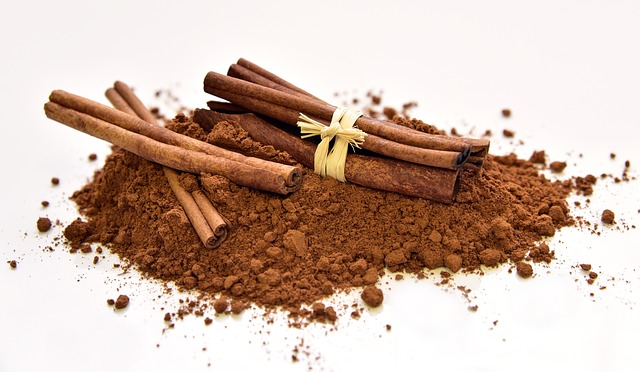
This premise comes from the fact that the flavor chemical in cinnamon, cinnamaldehyde, has been shown to have antifungal properties. Since yeast is a type of fungus, adding cinnamon to the dough could inhibit the yeast from doing its job.
King Arthur Flour cautions that cinnamon can inhibit yeast activity. However, they state that the effect would be minimal if you use no more than one teaspoon per 3 cups of flour.
One sourdough expert finds that adding cinnamon at shaping is the best way to incorporate it into your sourdough bread, hopefully minimizing any adverse effects on the fermentation process.
This belief about cinnamon and yeast is why you do not see the addition of cinnamon to the actual dough when making cinnamon rolls. Rather, it is generally added as a swirl or a filling.
There are scientific in-vitro (in the lab) studies that have demonstrated an adverse effect of cinnamon (and other spices) on yeast. How this translates to your kitchen and using cinnamon in yeasted dough is not totally clear. Much of what we read is just based on anecdotal evidence.
What have you found? Have you experienced a failure with a yeasted dough that included cinnamon as an ingredient? Let us know!
Have you ever craved a loaf of homemade bread but had no time to make one? Or, do you not feel comfortable with the art of homemade bread-making? Enter the world of Quick Breads. In this Cooking Tip, we will explore quick breads- what they are and how to make them.
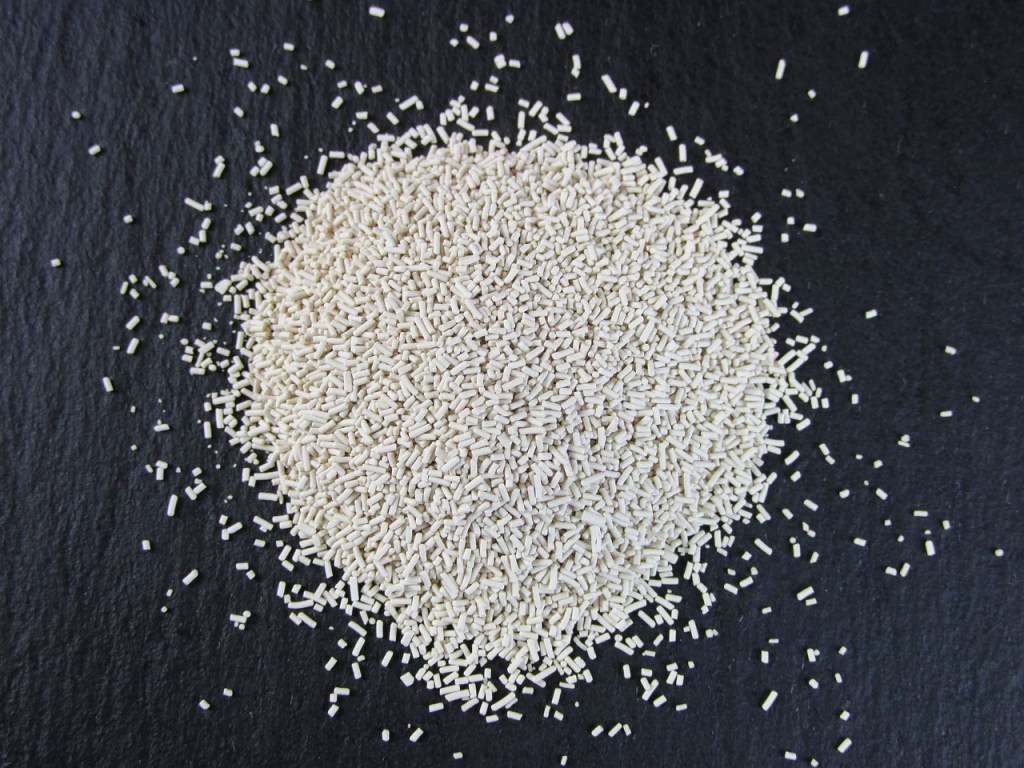
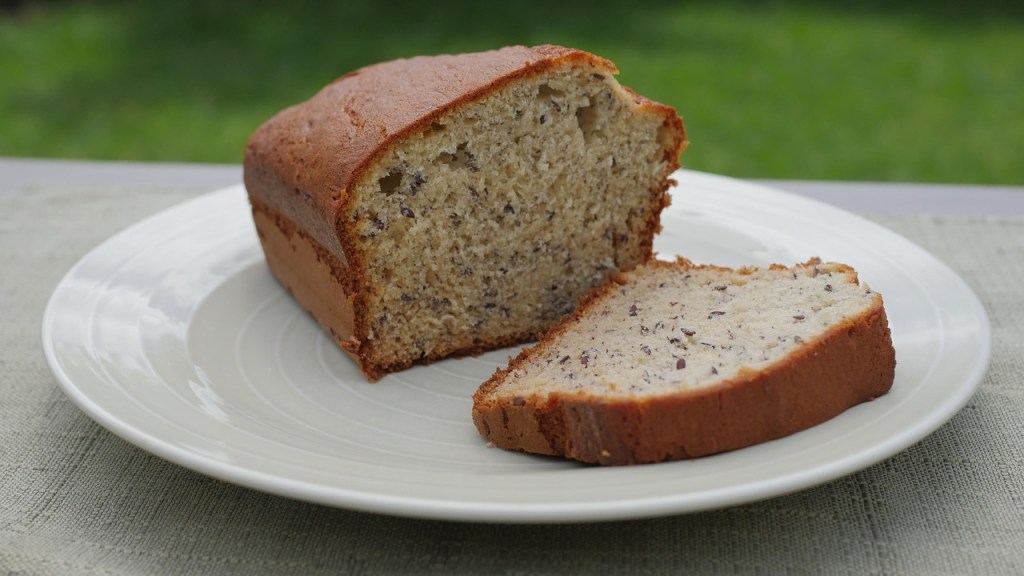
Quick breads are those breads made without yeast. Thus, they can be made more quickly as there is no rising time or prolonged baking time. In place of yeast, these breads use a type of chemical leavening. See this Cooking Tip for a discussion of this topic.
One of the most well-known quick breads is banana bread, but there are a myriad of varieties. This category would also include other non-yeasted items such as muffins, biscuits, scones, soda bread, cornbread and even pancakes.
Typical Ingredients Although most of you will probably follow a recipe, quick breads are one of those items that you can create without a recipe following a proven ratio of ingredients. Use your preferred mixing method (see below), add desired flavoring ingredients, bake and enjoy.
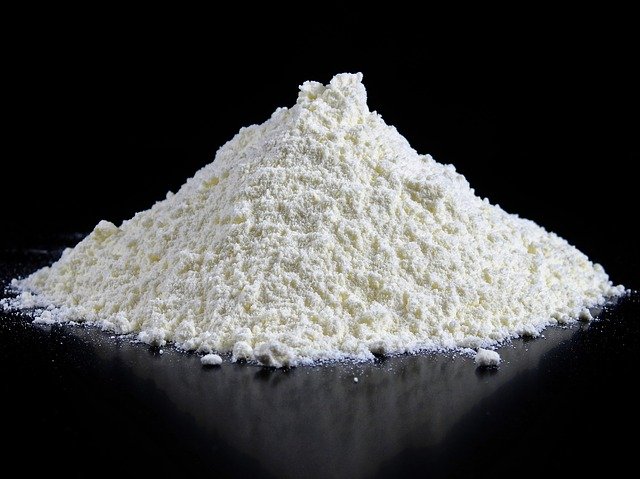
It contains proteins that form into gluten. Gluten is what gives bread a sturdy structure that is able to expand when baked. As it does this, the gluten matrix traps the gases that develop due to the leavening agents. This is what allows the bread to rise.
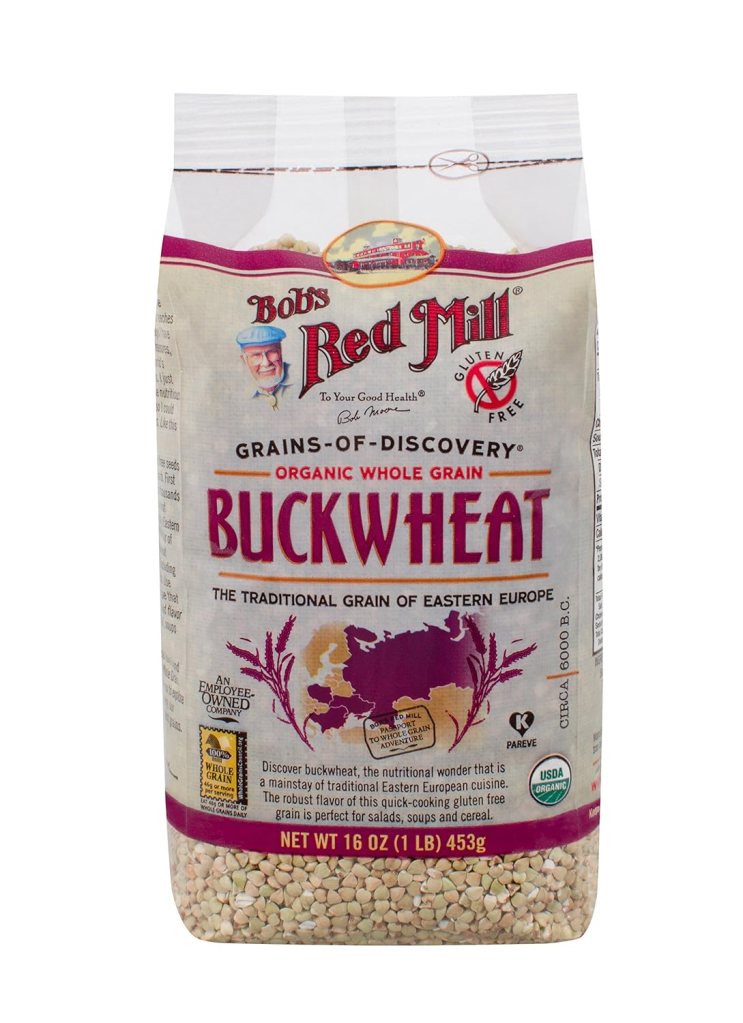
Cook’s Illustrated likes to add buckwheat to quick breads to impart a nutty flavor. Since buckwheat is not a grain, it doesn’t contain the proteins that form gluten. It does soak up quite a bit of moisture, though. So, do not substitute more than 25% (by volume) for the flour in the recipe. Otherwise, your bread may be dry.
Leavening agents
These are what allow bread to rise. The usual chemical leavening agents are baking powder and baking soda. Review the differences between these two in this Cooking Tip.
Whipped eggs can also achieve some rise in the baked good.
As the name implies, this batter must be dropped into the pan. Because of its consistency, it requires the help of a spatula to push the batter out of the bowl into the pan.
This batter is thin and is meant to be poured out of the bowl.
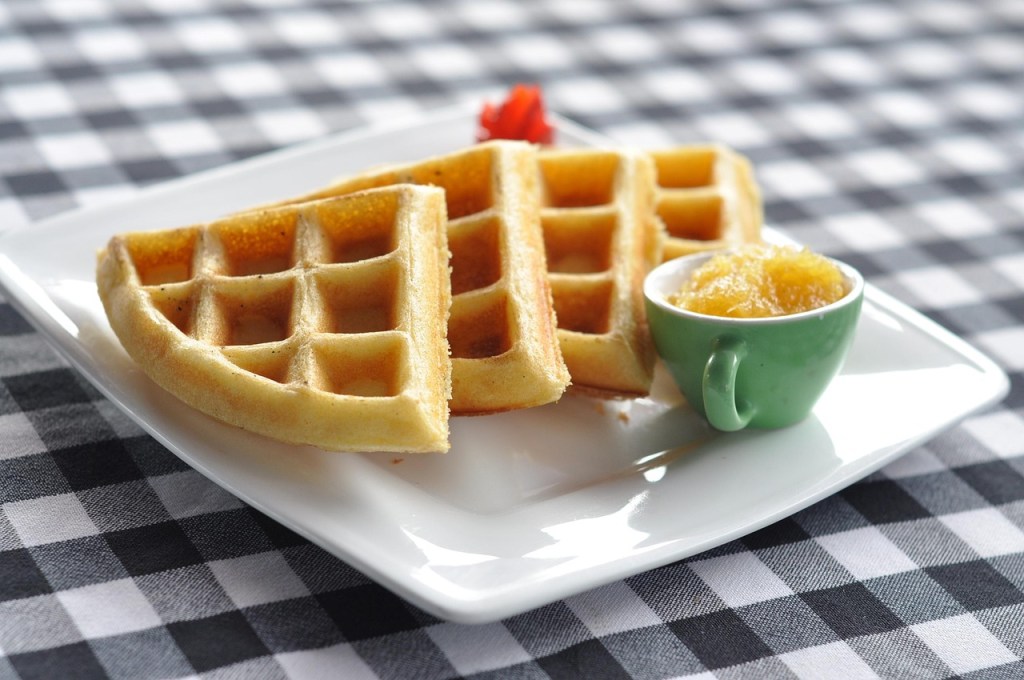
Examples include pancakes, waffles, and funnel cakes.
Mixing Methods There are different mixing methods that can be used for quick breads. See this Cooking Tip for a more in-depth discussion, but here is an overview.
In this method, the dry ingredients are combined in a bowl, and the wet ingredients are combined in a separate bowl. Then, the wet ingredients are poured into the dry ingredients and gently combined.
Most experts will warn against over-mixing, which might produce excess gluten and make the item tough.
Quick bread items using this method are muffins, pancakes, and loaf breads.
Creaming method
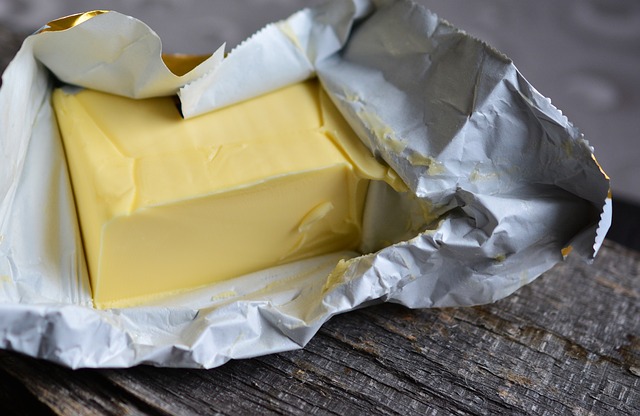
In this method, softened fats (like room-temperature butter) and sugar are creamed together to create a light and fluffy texture. This is often done with an electric mixer, but it can be done by hand, although it will take longer. Next, the eggs are gradually added, followed by the rest of the ingredients.
This method produces a moist and tender product with a texture that is more cake-like and less crumbly.
This is the method used for some muffins & breads.
Here, solid fats (such as cold butter) are worked into the flour and other dry ingredients, followed by folding in the liquid.
It creates a dense, flaky and crumbly dough.
Examples include scones and biscuits.
Baking Pans
There are many different types of pans that one might use to bake quick breads.
Examples include loaf pans, muffin pans, cake pans and baking sheets.
Sometimes, people would like to take a recipe written for muffins and convert it to a loaf pan. Cooks Illustrated gives the following advice.
Set the oven rack in the middle of the oven.
Set the oven temperature 50° lower than in the muffin recipe.
Bake until a toothpick inserted into the center comes out clean or with just a few moist crumbs. The bake time will probably be about 60-70 minutes.
If using a sugary topping, like a streusel, tent the item with foil for the last 20-25 minutes to prevent burning the topping.
Judging doneness
If your item is fully baked, it should bounce back when the center is pressed. If your finger leaves an impression, it needs to bake longer.
Also, a skewer or toothpick inserted into the center should come out fairly clean. If not, bake it longer.
Cooling
Quick breads should be cooled in the pan for a few minutes and then removed from the pan to a cooling rack.
If your item sticks to the pan, run a thin-bladed knife or a small metal spatula around the sides before removing it.
Storage
Most quick breads can be wrapped or put in an airtight container and stored at room temperature for up to three days.
For longer storage, consider freezing.
Make sure the bread is completely cooled before storage.
To freeze, wrap in foil, freezer paper or place in a freezer bag for up to three months.
Do you make quick breads? How about a hearty loaf of Irish soda bread to serve with soup or stew? Maybe you wish to have a scone with your afternoon cup of tea. There are also classics such as banana bread or blueberry muffins. No matter your choice, have fun and enjoy a yummy result without an enormous amount of time!
If you have read my previous posts on Spices and Spice Blends, you will know I do not like buying many spice blends. Instead, I prefer to make what I need from the individual spices that I already have in my pantry. One exception is if the blend contains spices I do not normally have on hand, as with many exotic spice blends. In this Cooking Tip, I want to explore eight of the most common exotic spice blends.
I hesitate to list which spices are included in each blend. That is because the list of spices can vary from region to region, from chef to chef and from family to family. Some families guard their blend as a family secret, and it is passed down through the generations. Therefore, even though I will give you a list of common spices used in these blends, just realize that there will be variations.
In India, the word chaat refers to savory, fried snacks seasoned with this spice blend. These are commonly served by street vendors.
Typical included spices: black salt, asafoetida and amchoor, but they often also include cumin, coriander, ginger, and chili powder.
Flavor – sour, spicy, acidic
Uses – street snacks, sandwiches, salads and fruit
Types of cuisines – Indian, Bangladeshi, Pakistani
Garam Masala
This name translates to “warm spice blend” or “hot spices.” It refers to the warming properties of the spices used in the mixture and is not a reference to spiciness.
Typical included spices – coriander, cumin, cardamom, cloves, black pepper, cinnamon and nutmeg. The spices are toasted before grinding to enhance flavor.
Flavor – sweet, warming, spicy, floral
Uses – a finishing spice that adds warmth and depth of flavor to dishes.
Types of cuisine – Indian, Pakistani
Baharat
Other names – Lebanese 7-spice
Typical included spices – black pepper, cardamom, cumin, coriander, paprika, nutmeg, cinnamon and cloves. Some say the essential spices are allspice, cinnamon, black pepper, and cloves. Others list the foundational spices as cumin, cinnamon, nutmeg and coriander. The Turkish version typically includes mint.
Flavor – earthy, smoky, aromatic
Uses – seasoning for meats, seafood, marinades, and soups
Types of cuisine – Middle Eastern, Turkish, Greek
Berbere
Other names – Ethiopian spice blend
Typical included spices – red chile peppers, fenugreek, garlic, coriander, ginger, cinnamon, nutmeg, and cloves.
Flavor – sweet, smoky, spicy, fragrant
Uses – dry rubs, marinades, stews. It is also used as a condiment in paste form.
Types of cuisine – Ethiopian
Dukkah
Other names – Duqqa, du’ah, dukkha
The name means “to pound,” meaning that this blend of roasted nuts and seeds was traditionally pounded to a coarse mixture in a mortar/pestle.
Typical included spices – roasted nuts, seeds salt, pepper, sesame seeds, cumin and coriander. This blend is considered more of a condiment than a spice blend.
Flavor – smoky, savory, crunchy, mild heat
Uses – dip for pita bread, coating for meat and fish
This North African chili paste is made from roasted peppers, olive oil and spices.
It is a condiment commonly found in Tunisia, Algeria and Morocco. It is usually found in paste form, but some outlets offer harissa powder.
Flavor – spicy, aromatic
Uses – added to couscous, soups, stews and meats
Types of cuisine – Tunisian, Moroccan
Ras el Hanout
Other names – Mrouzia spice
The name translates to “head of the shop,” “top shelf,” or “best of the best.” This refers to the fact that it was made only with the highest quality spices in the shop.
Typical included spices – cardamom, clove, cinnamon, coriander and cumin.
Flavor – sweet, warm, pungent, floral
Uses – added to tagines, spice rubs, marinades and soups
Typical included spices – oregano, thyme, sumac, toasted sesame seeds and salt.
Flavor – herbal, savory, lemony, tangy, nutty
Uses – added to hummus, pita bread, dry rubs, vegetables
Types of cuisine – Middle Eastern, Mediterranean
There are eight of the most common exotic spice blends. If you look at the typical spices in these blends, you can probably make some from spices you already have. If not, consider buying them from a source where you are getting the freshest blend you can. My favorite is Savory Spice Shop. (This is an affiliate link and I may earn a commission if you decide to purchase.) Where do you get yours?
Spices are essential pantry ingredients to creating flavorful food. Spices could be as simple as salt and pepper or as exotic as something like sumac. Some of our pantries are dominated by single spices such cinnamon, cloves and nutmeg while others are full of numerous spice blends. In this Cooking Tip, I will be discussing some of the more exotic single spices and the next Tip will delve into unusual spice blends.
I have written before about spices in general terms as well as more in-depth discussions of certain spices. In this Tip, let’s take a trip around the world to discover the exotic. Since there are more spices than I could possibly mention, I will attempt to focus on ten that many of you will have heard of whether or not you have used them. I will note that some of these may actually be considered herbs, but we will still cover them in this Tip.
You may ask why you would want to know about these exotic spices. If you wish to venture into making ethnic dishes that call for one of these spices, you will not get the authentic flavor you are aiming for if you do not use that spice. Yes, you can try to substitute, but it will not be the same. Another reason is if you just want to experiment with different and exciting flavors. This discussion will help you decide how to use them in your kitchen.
Aji Amarillo
Origin – Peru
What it is
A species of yellow chili pepper that turns to orange as it ripens.
Aji means chili pepper and amarillo means yellow in Spanish.
Heat is balanced with a fruitiness with hints of citrus and tropical fruit.
Uses
Considered part of the Peruvian “holy trinity” along with garlic and red onion.
Spicy chilis, spice rubs, sauces.
Ajowan
Other names – Ajwain, carom seeds
Origin
Native to South India.
Cultivated in India, Iran, Egypt, Pakistan and Afghanistan.
What it is – The seeds of an annual plant in the parsley family.
Form – Grayish-green, oval seeds similar in size to cumin seeds.
Flavor – similar to thyme but more pungent and slightly bitter, adds warmth with a smoky, spicy, bitter aftertaste.
Uses
Used in Indian bread, snacks and vegetarian dishes.
Part of chaat masala and berbere spice blends.
Aleppo Pepper
Other names – Halaby pepper
Origin
Originates from the city of Aleppo in Syria. Due to war, the trade of this spice was disrupted but Syrian refugees took it to Turkey, where most of today’s production happens.
Cultivated in Syria and Turkey.
What it is – A red pepper in the nightshade family.
Essential ingredient in Mediterranean and Middle Eastern cuisine.
Typically used as a table condiment.
A complex substitute for crushed red pepper.
Amchur
Other names – amchoor, mango powder
Origin – Native to and cultivated in India.
What it is – A powdered spice made from dried, green mangoes.
Form – Powdered
Flavor
Sour, slightly sweet with herbaceous notes.
Is used to add acidity without moisture.
Use cautiously as can overpower other flavors.
Uses
Mango chutney
Part of chaat masala spice blend
Samosas
Indian soups
Annatto
Other names – Achiote
Origin
Native to the tropical regions of Mexico, South & Central America and the Caribbean.
Cultivated mainly in Africa, Asia, Central America and the Caribbean.
What it is – Spice derived from the seeds of the Bixa Orellana tree.
Form – Because the whole seeds are so difficult to grind, most people buy the ground product.
Flavor
Warm, earthy, sweet, peppery flavor
Mild acidity
Uses
Adds a vibrant orange color to dishes.
Achiote paste.
Popular in Latin American and Caribbean cuisine.
Asafoetida
Other names – Hing
Origin – Native to Iran and Afghanistan.
What it is – The dried resinous substance from the taproot of the Ferula plant.
Form – Powdered and is often mixed with rice flour when offered for sale as it is very expensive.
Flavor – Mimics the flavor of onions and garlic.
Uses
Strong, pungent smell and so used in small quantities.
Adds a unique flavor to Indian vegetarian dishes.
Part of chaat masala spice blend.
Often used in some cuisines to replace onion and garlic.
Just as salt brings out other flavors, asafoetida highlights the other spices in a dish.
Keep tightly sealed so the aroma doesn’t fill your kitchen.
Epazote
Other names – wormseed, Jesuit’s tea, Mexican tea and paico.
Origin
Native to Central and South America and southern Mexico.
Cultivated in these areas along with parts of Europe and the US.
What it is – The leaves of a pungent herb.
Form
Hard to find in fresh form as it is rarely imported from the growing regions of Mexico and Central America.
Can buy in dried form.
Flavor
Notes of oregano, pine, lemon and mint.
Strong, minty and slightly bitter taste.
Uses – Mexican cuisine
Fenugreek
Other names – Greek hay, Greek clover, bird’s foot.
Origin
Native to southeastern Europe and western Asia.
Cultivated in India, North Africa and the Mediterranean.
What it is – a legume that is part of the pea family.
Form – At times, the leaves can be used but more likely to use the seeds.
Flavor
Warm, musty, bittersweet
Some say it has a flavor of pungent maple syrup or burnt sugar.
Uses
Often found in curry powders and Indian spice blends.
Is able to thicken soups and stews due to its starch qualities.
Makrut Lime
Other names – Kaffir lime, Thai lime, Mauritius papeda
Origin – Southeast Asia
What it is – The leaves of a bushy citrus plant.
Form
Makrut limes are prized for their leaves and zest rather than juice, which is minimal in amount.
Can also find in a powdered form made from the dried leaves.
Flavor
Have an intense citrus and floral fragrance.
The flavor is more potent and bitter than a regular lime.
Uses
The leaves are often used in Thai dishes. If using as a garnish, remove the inedible central vein. If using just to impart aroma and flavor to soups or stews, leave intact but remove before serving.
To impart flavor to cocktails.
Sumac
Origin – Native to the Mediterranean and the Middle East
What it is – Sour, red berries of the Thus coriaria plant.
Form
Dried berries
Powdered sumac
Flavor
Tart, citrusy with floral notes and an astringent finish.
Uses
Prominent in Middle Easter cuisine such as kebabs, grilled meats, rice dishes.
Adds brightness and acidity to dishes.
Will add red color to the dish.
A component of the spice blend, Za’atar.
There are many other exotic spices, but these are some of the ones you will most commonly come across. Have you used any of them? Are there others you have used? Stay tuned for a look at exotic spice blends.
Many people want to learn how to cook and bake gluten-free. To do this requires an understanding of gluten, what it does in our dishes and how to eliminate it without negative consequences. It is not as easy as just substituting gluten-free flour for regular flour. In this Cooking Tip, I have compiled a list of tips and advice to help you do this.
Baking gluten-free is more challenging than making savory dishes gluten-free. Baking is much more of a science, and the amount and type of ingredients are generally crucial to a successful dish.
Here are a number of tips that gluten-free pros recommend.
Be realistic Although gluten-free baked goods can be delicious, the taste and texture will not be exactly like those made with gluten. That is to be expected. Also, do not expect each and every item you make to turn out. We all have underwhelming dishes and even some failures. This is even more so when you are just starting out learning to make gluten-free. Have patience, do your research and keep practicing.
Pick your recipes carefully There are many delicious flour-free recipes that one can make. Just be sure to check that the other ingredients are gluten-free.
If you want to make something that would normally contain wheat flour, start by using recipes developed by a gluten-free expert rather than trying to convert a recipe from regular to gluten-free. This is especially true if the regular recipe has flour as a primary ingredient. After gaining some experience and confidence, you can try your hand at converting recipes.
You will need structure-building ingredients With wheat flour, the gluten is what builds structure allowing baked goods to rise and stretch. Without gluten, you will need to add what is called a binder to improve the structure of the gluten-free item. The most common binder is xanthan gum. Others include guar gum and psyllium husk.
Realize that not all gluten-free flours are the same Most experts will tell you that there is not any one gluten-free flour that will work in all your recipes. For the best results, a mixture of flours is typically used, and it will be a different mixture for different baked goods.
Some products out there purport to be the “all-purpose” flour in the gluten-free world. Every person will have their favorite brand, but even among those, they are not all the same. For example, Bob’s Red Mill 1-to-1 Baking Flour (in the blue bag) comes with xanthan gum already in it. However, it should not be used for yeasted goods. Unfortunately, this is not stated on the bag. You will only find that information if you look at the product on their website. Their Gluten-Free All Purpose Baking Flour (in the red bag) states it can be used for yeasted baked goods. However, you will need to add a binder and the flours included in this mix include bean flours, which will add a distinctive flavor that some may not like. So, do your research and understand you will probably need different products for your gluten-free life.
There are many different types of gluten-free flours and starches. Here are a few.
Potato starch
Tapioca starch
White rice flour
Sweet rice flour
Brown rice flour
Millet flour
Buckwheat flour
Teff flou
Oat flour (make sure it is certified gluten-free)
Sorghum flour
Corn flour
Chickpea flour
Almond flour
Coconut flour
Gluten-Free flours must be measured carefully Because these flours are so fine and the grind varies by type of flour, measuring by the cup method can lead to problems. Your gluten-free baking will improve (same as your regular baking) when you switch from measuring cups to weighing ingredients. This is a recommendation that you will read over and over when consulting gluten-free experts.
If you do not have a scale, place the appropriately sized dry measuring cup on a paper towel or piece of wax paper. Spoon the flour into the cup until it is mounded over the rim. You can gently shake it to settle the flour but do not pack it. Scrape away excess flour using a straight edge. Use the paper towel or wax paper to return the excess flour to the container.
Measure liquids carefully Most gluten-free recipes require more liquid than regular recipes. Follow the recipe and measure correctly. Some gluten-free pros even like to measure the eggs in a cup for more accuracy. Of course, your recipe must include this measurement.
Your structure will improve when you mix the batters longer The caution against over-mixing that you see with regular batters is due to the concern of building up too much gluten. Without gluten, you will get better results if you purposely mix longer. Your baked goods will rise better and maintain that rise longer.
Rest batters and doughs Allowing your gluten-free batters and doughs to rest, covered, for about 30 minutes before baking will improve them. Gluten-free flours generally need more liquid than regular flour, leading to thinner batters. Resting the batter allows more time for the flours to absorb the liquid, which not only thickens the batter but also decreases the gritty texture that is sometimes found in gluten-free baked goods.
Be careful with determining doneness & expect longer baking times It can be tricky to determine when gluten-free baked goods are done. Even though they may be cooked through, they might feel soft or even be a bit wet inside. They need time to rest so the starches firm up and set. So, depending on a timer is probably better than the visual cues we might use when baking non-gluten-free items. One caution, though, is that the recipe timing depends on your oven being accurate. Using an oven thermometer will help with this. Using an instant-read thermometer to determine doneness is also a good recommendation.
A corollary to this is that gluten-free baked goods might benefit from longer baking times. According to Beyond Celiac, “While a regular cake or loaf of bread might take 30 minutes to bake, a gluten-free version will often take 45 minutes to an hour.” Your baking time can also be affected by the pan. It is important to use the type and size of pan specified in the recipe.
Increase leavening Your leavening agent might be yeast, baking powder and/or baking soda. Increasing the amount you use can help with rising and maintaining structure. Beyond Celiac recommends 2 teaspoons of baking powder per cup of gluten-free flour. If you recall the chemistry of leavening, you will be reminded that baking soda needs an acid to work. The same source states that baking soda and buttermilk, along with 1⅛ teaspoons of cream of tartar for each ½ teaspoon of baking soda, can be used in place of baking powder.
Include extra protein By eliminating gluten, you are not only eliminating a potential allergen but also the protein it adds to the recipe. Adding other protein, such as eggs, yogurt, or buttermilk, can help. If the eggs are beaten, they will add bubbles to the batter. Both yogurt and buttermilk are acidic, which helps improve the action of baking soda. Dairy products such as milk or sour cream also contain protein and can help with the browning of the dish.
Gluten-free flours do not absorb oil well If your recipe calls for oil, you might achieve a better result by substituting melted butter. Some will also swap out the oil for milk, sour cream, yogurt or eggs.
Add moisture-containing ingredients Gluten-free baked goods can often be dry. Moisture-containing ingredients such as dairy, veggies, fruit, or eggs can help, but be sure to follow the recipe for this recommendation. Using brown sugar in place of white sugar can also add moisture.
Add flavoring Gluten-free flours often have a unique flavor. Therefore, many experts recommend adding a flavoring agent such as vanilla.
There you are – a compilation of the best tips for success in gluten-free baking. Whether you just want to make a particular item for a friend or family member or you want to make a lifestyle change, I trust these tips will help you be successful.
This post contains affiliate links and I may earn a commission if you decide to purchase.
Rice flour is very well known to those who cook/bake gluten-free. As it does not have to be limited to that use, we all should know about it. That is the subject of this Cooking Tip.
Rice flour is nothing more than finely ground rice. Just as there are many different types of wheat flour, there are a few different rice flours depending on which variety of rice is used. See this Cooking Tip for a discussion of just some of the varieties of rice.
In very broad terms, there are two categories of rice flour – regular rice flour and glutinous rice flour. The category of regular rice flour can be further broken down into white rice flour and brown rice flour. White and brown rice flour can often be used interchangeably, but white rice flour is more common.
Regular rice flour is made from medium- or long-grain rice. White rice flour
It is inexpensive.
It has a neutral flavor.
It has a smooth texture.
It has a long shelf life.
In baking, it is best used in a combination of 30-60% with other flours.
It can give baked goods an unattractive white color if used alone.
It is often used in Asian cooking to make rice cakes, noodles, pancakes, rice crepes, pastries, etc.
Brown rice flour
It has a mild flavor with a bit of nuttiness, just as with brown rice.
Its tan color gives baked goods a slightly browner look.
As opposed to white rice flour, it yields crispier cookies.
It has a shorter shelf life due to the higher fat content. Therefore, it is best stored in the freezer.
Just as with white rice flour, the best results are obtained when in a flour combination of 30-60%.
Glutinous rice flour (aka sticky or sweet rice)
The name “Glutinous” is often misleading as it is naturally gluten-free. The name means “glue-like” and refers to the consistency.
It is made from short-grain rice that is used to make sticky rice.
It is cooked, dried, and then milled into flour.
It retains moisture better than regular white rice flour and, therefore, helps with freshness.
It combines more readily with fat than other rice flour.
Because of the type of starch prevalent in glutinous rice, it has a natural elasticity. This makes it ideal for rice noodles, but it is also used in Asian desserts and is an excellent thickener for sauces, soups and stews. It is also used to make boba pearls and mochi.
It can be used in flour combinations up to 40% for other uses.
Another distinction is between American supermarket rice flour and Asian rice flour. The latter undergoes a different type of processing and will react differently in recipes. If your recipe calls for Asian-style rice flour, it is worth it to seek out the particular one specified, even if it means having to visit a specialty market.
No matter which rice flour you use, be aware that they can easily separate when mixed in water. When using rice flour in batters (such as a crepe batter), stir well to recombine before using.
Storage
It is best to store rice flour in air-tight containers to prevent spoiling.
To prolong the life of the rice flour, store in the refrigerator or freezer. As with other whole grains, this is especially true for brown rice flour. It may not be necessary for white rice flour, but is still a good practice if you have the room to do so.
Although rice flour has gained popularity due to its gluten-free status, it is an ingredient that we can all use even if we do not cook/bake gluten free.
What color do you think of when someone says chocolate? For most of us, we think of brown. Some might say white. What about pink or gold? Those are not colors we usually associate with chocolate, but they are real. What they are and how to use them is the subject of this Cooking Tip.
Many terms are used in conjunction with chocolate, such as milk, dark, semi-sweet, bittersweet, and white. For a discussion on those common types of chocolate, see this Cooking Tip.
Barry Callebaut, a well-known and high-quality chocolate company, introduced Ruby Chocolate to the world in 2017 after over a decade of research. Its beautiful pink color is what one notices first. It is a natural color and not achieved with any color additives.
Ruby chocolate is made from the ruby cocoa bean, found in Ecuador, Brazil and the Ivory Coast. Some say that this ruby cocoa bean is unique as it is able to develop a pink hue and fruity flavor. Others say the color results more from the processing method, a closely guarded trade secret. One thing that Callebaut reveals on their website is that the processing involves the addition of citric acid. Citric acid is naturally found in many fruits and vegetables, especially citrus fruits. They state that citric acid helps maintain the color and enhances the fruity flavor.
Its flavor profile is very interesting. I like one taster’s quote that it is “similar in taste to white chocolate and raspberries combined.” It has a fruitiness in that it is citrusy and berry-forward. It has a nice creamy texture with a balance of tart and sweet.
Besides being able to buy pure ruby chocolate to use in your own kitchen, you can also purchase products that incorporate ruby chocolate. Examples are chocolate bars made of ruby chocolate or coated in the same, drinking chocolate, and coatings for ice cream bars.
Because ruby chocolate is acidic, working with it in your own kitchen can be challenging. Callebaut experts caution that high temperatures can turn the pretty ruby color to a grayish pink. Therefore, they advise against baking with it. Also, it can be difficult to use in combination with water-based ingredients. If you are just starting out using ruby chocolate, see Callebaut’s website for more guidance and recipes.
Let’s move the color pallet to Gold. Gold chocolate is another one of Callebaut’s creations.
Gold chocolate is not a different type of chocolate. Rather, it uses caramelized sugar and caramelized milk to create a type of chocolate with notes of caramel, toffee and cream, as well as a gold color. Not only will your creations with this chocolate have that unique flavor of caramelization but the beautiful and elegant gold color.
Have you tried either of these chocolates? Although you may not see them in your local supermarket, they might be worth seeking out if creating over-the-top confections is on your to-do list!
Soups are a wonderful and mostly one-pot meal that are relatively easy to make. Despite this, there are certain pieces of advice that will help you make your soups the best they can be. That is the subject of this Cooking Tip.
Equipment
Pot – Use a sturdy, heavy-bottomed pot. This type of pot will lead to more even cooking with less chance of scorching the contents.
Blender – A blender is a must if you want a pureed or smooth soup. Although a countertop blender will do better, you can also use an immersion blender. Just know that the latter will not give you as smooth of a result. A food processor is not made for blending but for chopping. Not only will you not get as good of a result as with a blender, the liquid can spurt out of the food processor, making a mess.
Fine-mesh strainer – If you want an ultra-smooth soup, it should be put through a fine-mesh strainer after pureeing. Chefs use something called a Chinois, but any fine-mesh strainer will do.
Ingredients
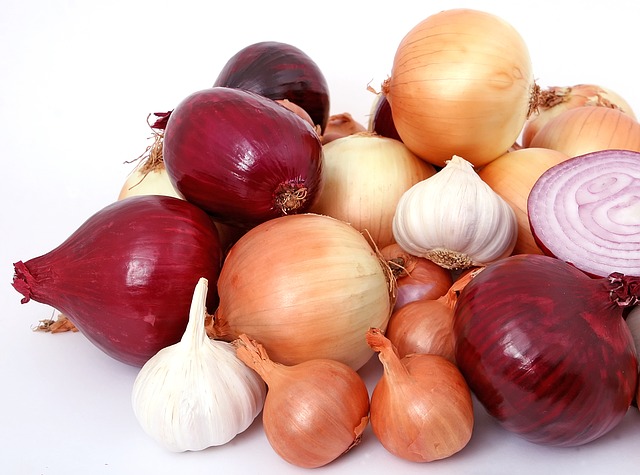
Aromatics – Almost all soups start with sauteing aromatic ingredients in fat. Common aromatics are anything in the onion family (onions, leeks, shallots) and often carrots, celery and garlic.
Main ingredient – This would be the soup’s main flavor, whether it be mushroom, carrots, corn, broccoli and so forth.
Meat – If you add meat to the soup, it is usually cooked separately or at least browned in the pot before proceeding with the soup.
Liquid – This can be as simple as water, although water does not add flavor. Therefore, you will need to use more seasonings to ensure a good taste. The most common liquid to add is stock or broth. (For more information on the difference, see this Cooking Tip.) Some chefs will tell you the only stock to use for soup is homemade stock. Indeed, that can be the best, but most of us probably do not have homemade stock readily available. If you must use storebought, try to find low or no-sodium stock. You will want to control the amount of salt to add rather than end up with a too-salty soup from a high-salt stock.
Seasonings
Salt is the main seasoning ingredient, but other possibilities are almost limitless.
Use ground spices that complement the flavor you hope to achieve. Most of these will benefit from a short, dry roast in a skillet or soup pot to bring out more flavor.
Herbs may also be used. Dried herbs can be added earlier in the cooking process, while fresh herbs should not be added until the end of cooking or just as a garnish.
Pastes are another option. Some examples are tomato paste, harissa, and Thai chili pastes. These also benefit from a quick sauté before being added to the soup.
Acids add a bit of brightness and balance to most soups. Depending on the soup, it might be citrus juice, vinegar, or even wine.
Procedure
Prepare your ingredients After washing and peeling the vegetables, they should be cut into bite-sized pieces. The smaller they are cut, the faster they will cook. All the cuts of one type of vegetable should be the same size to ensure even cooking.
Sauté the aromatics You will get better flavor if you do not add all your ingredients at once. Instead, start with the aromatics and sauté them in a bit of oil. This softens what can otherwise be harsh flavors and helps to develop more complex flavors. Do not use high heat; you do not want to burn the aromatics.
Brown meats If you are not cooking the meat separately, be sure to brown it in fat. This is often done as a first step, followed by removing the meat to a plate and then proceeding to saute the aromatics. Others will brown the meat at the same time as cooking the aromatics. If you do this, realize that the aromatics may release liquid, thereby inhibiting the browning of the meal. Also, if the meat takes a while to brown, you might overcook the aromatics.
Add vegetables Not all veggies cook at the same rate. It is best to add those that take longer to cook first followed by quicker cooking ones. This ensures the former is cooked through without overcooking the latter. Roasting the veggies before adding to the soup brings additional depth of flavor. A great example is butternut squash soup.
Add liquid As noted above, this might be water or a more flavorful stock. Dairy products are also used but are generally added later in the cooking process.
Simmer soup Bring the soup pot to a boil, but quickly reduce to a simmer. The best soups are made at a simmer, not a boil. Boiling can cause many veggies to break up and become mushy and for meat to be tough.
Add delicate ingredients Items such as canned beans, cooked meats, shellfish, pasta, and cooked rice should be added towards the end and just cooked until all is done and heated through. If you are adding an ingredient that will absorb water, such as rice, it is best to cook it separately and then add it just before serving. Otherwise, the rice can get very mushy.
Puree or not Pureeing is not a step you would do with every soup; it is only for those you want a creamy and smooth consistency. Sometimes, you may just want to remove some of the soup, puree it, and then recombine it with the rest. You will get some thickening from the pureed part but still have the chunkiness from the remainder of the soup. As a final step, passing the pureed soup through a fine-mesh strainer will result in a smoother consistency.
Season as you go Add seasonings as you go along, but be sure to finish with a final taste and adjustment. A great tip is to save your Parmesan rinds and add them to your soup. This adds salt and flavor and also helps to thicken the soup.
Garnish when you serve Although a great soup does not need a garnish, doing so adds visual and textural appeal. Garnishes are almost too many to mention. It may be a dollop of sour cream or crème fraiche or a swirl of heavy cream. It might be a sprinkling of toasted nuts or seeds. It might be crunchy croutons. Other ideas are a sprinkling of cheese or fresh herbs. A swirl of a flavorful nut oil is an excellent addition.
How to thicken soups
If you feel your soup is too thin, various methods exist to thicken it.
Reduction – If the soup is thin and weak in flavor, continue to cook it to reduce some of the water. This not only thickens the soup but also concentrates the flavors.
Pureeing – Pureeing all or part of the soup will give you a thicker and smoother consistency.
Dairy – Adding cream or thick, unflavored yogurt will not only thicken the soup but will also enhance its creaminess. This is normally done with pureed soups.
Adding starch – Adding flour or cornstarch will thicken a soup. There are some cautions, though. Do not add these items directly to the soup. First, mix the starch with some liquid and stir to combine. Then, add to the soup, bring it back to a simmer and stir until thickened.
Use a beurre manie – This is a mixture of butter and flour (try two teaspoons of each). Knead the ingredients into a paste and then add to the soup while simmering.
Use bread – Tear up some bread into pieces (be mindful of the bread’s flavor), soak in some of the soup or milk and then stir into the soup.
Use lentils or rice – First, cook the grain until tender and then blend it into the soup.
Paying attention to the above advice will improve your soups if you use a recipe, but it will also allow you to make a soup without a recipe. I am one of those people who can eat soup year-round and enjoy almost any kind. What about you? What’s your favorite soup?
Although we all should endeavor to cut down on our sugar intake, understanding sugar and how to cook it is essential for those cooks who wish to make candies and other desserts. This Cooking Tip will take you into this world and help you feel more comfortable with cooking sugar and how to use it.
I have written other Cooking Tips on sugar types. See these Tips for a review.
Before I start the discussion of cooking sugar, I need to caution you about two things. First, cooked sugar is very hot and very dangerous. Spilling it onto your skin can result in 3rd-degree burns, something we all want to avoid. Therefore, it is best to remove children and pets from the kitchen while you are cooking sugar. Also, have a bowl of ice water nearby so that if you do spill some on your fingers, you can immediately plunge them into an ice bath.
The second caution concerns those who live at higher altitudes. I will give you temperatures that correspond to different cooked sugar stages, but those are only accurate at lower altitudes. For every 500 feet above sea level, drop the recommended temperature by 1°F. See this Tip on Making Candy at Altitude for a more involved discussion.
Sugar syrup is made by combining sugar and water and then cooking to the desired stage. As the sugar reaches higher and higher temperatures, the water evaporates more, resulting in a higher sugar concentration. This is shown in the discussion below as the percent solids that are in the mixture. The ratio of sugar to water that you start with can vary depending on the recipe and is often specified as a percentage. For example, a 50% sugar syrup translates to a mixture made of 50% water and 50% sugar. It is best to measure these ingredients on a kitchen scale.
The method of cooking sugar is simple. Combine cold water and sugar in a saucepan. Gently stir on medium heat until the sugar dissolves. Bring to a boil. Rinse down any sugar crystals accumulated on the pan’s sides using a dampened pastry brush. Once you reach the preferred level of cooking, skim off any impurities, allow the mixture to cool and store it in a covered container in the refrigerator. The cover is important as the sugar syrup can crystallize without it.
As you start cooking, you want the sugar and water mixture to come about halfway up the sides of the pot. Too small a pot can increase the time it takes to cook and lead to the risk of boiling over. On the other hand, if you use too large a pot, the mixture can cook much too quickly, risking overcooking it.
As you practice, you will be better able to gauge the best cooking temperatures, but medium to high heat is best. If the heat is too low, it can take a long time to cook; if it is too high, the mixture will cook too quickly.
If you have ever delved into the world of making candy, you will have probably heard terms such as hard ball, soft ball, hard crack, etc., which refer to stages of cooked sugar. I will define these terms, but fortunately for us, you do not need to risk burning yourself trying to see if your sugar syrup has reached these stages. Instead, we just need to rely on an accurate candy thermometer. Using a thermometer is much more precise and much safer.
Different sources will list a different number of stages for cooked sugar. In reality, there are 11 different stages. Each corresponds to a different temperature and is best suited for different purposes. Some sources will combine some of these stages and may give varying recommended uses. However, they are usually very close. Let’s dive in.
Nappé Stage
221°F
72% solids
The sugar syrup pearls through a slotted spoon or skimmer.
Jams, jellies, marmalades, gummies, fruit jellies
Short Thread (Petit Filé)
225°F
76% solids
A drop of syrup between your fingers (note the caution above) transforms into a short thread.
Jellies, glazes
Long Thread (Grand Filé)
230°F
80% solids
A drop of syrup between your fingers transforms into a long thread.
Glazes, syrups, sauces
Soft Ball (Petit Boulé)
239°F
85% solids
Dropping syrup in cold water transforms into a soft ball that flattens between your fingers.
French buttercream, certain jams, fudge, pralines
Firm Ball (Boulé)
248°F
87% solids
Dropping syrup in cold water produces a firm ball that doesn’t flatten between your fingers.
Italian Meringue, buttercream
Hard Ball (Gros Boulé)
266°F
92% solids
Syrup dropped in cold water transforms into a hard ball.
Marshmallows, toffee, divinity
Soft Crack (Petit Cassé)
284°F
95% solids
Syrup dropped in cold water produces a flexible thread that you can bend slightly before it cracks.
Taffy, butterscotch candies
Hard Crack (Grand Cassé)
302°F
99% solids
Dropping the syrup into cold water produces a hard, brittle thread that breaks when bent.
Nougats, brittles, hard candies
Caramel – there are three stages of caramel, all of which are 100% solids. There are two different types of caramel. Dry caramel is made by melting sugar in a dry pan, whereas wet caramel involves dissolving the sugar in water and cooking.
Clear Caramel
320°F
All the water has evaporated, resulting in liquid sugar that is a light golden color.
Nougatine, croquembouche assembly
Light Caramel
338°F
Sugar syrup reaches a golden brown color. At this point, the sugar starts to break down, the caramel flavor begins to develop, and a light smoke may occur.
Floating islands, crème caramel
Burnt Caramel
356°F
Sugar reaches a dark brown color, and you will see a dark, acrid smoke.
Caramel food coloring, topping for crème brulee
Troubleshooting
One of the main problems that cooks encounter is that the mixture crystallizes. Try these tips to prevent this.
Limit your stirring. Combine the sugar and water off the heat and stir just until the sugar is moistened. After that, avoid stirring, if possible, as just the agitation can produce crystallization.
When stirring, use a clean stainless steel spoon each time. Any sugar left on the spoon can encourage crystallization if you use it again. Avoid wood or plastic utensils as they can have foreign particles or fats on the surface.
Brush the sides of the pan with cold water using a pastry brush to remove any sugar crystals. Similar results can be achieved by putting a lid on the boiling mixture, as the steam will wash away the crystals.
Use an “interfering agent.” Adding these ingredients can help prevent crystallization. Examples are glucose syrup, corn syrup, cream of tartar or lemon juice.
If you are making something to which you are adding cream or nuts, warm them first. If not, the large temperature discrepancy can lead to crystallization.
Candy making is not something everyone wants to learn, but homemade candies can undoubtedly impress your guests or your gift recipients. It is not difficult, but it does take the proper equipment and attention to detail.