Cooking Tips · Ingredients

Experience Exotic Flavors with These Eight Spice Blends!

If you have read my previous posts on Spices and Spice Blends, you will know I do not like buying many spice blends. Instead, I prefer to make what I need from the individual spices that I already have in my pantry. One exception is if the blend contains spices I do not normally have on hand, as with many exotic spice blends. In this Cooking Tip, I want to explore eight of the most common exotic spice blends.

I hesitate to list which spices are included in each blend. That is because the list of spices can vary from region to region, from chef to chef and from family to family. Some families guard their blend as a family secret, and it is passed down through the generations. Therefore, even though I will give you a list of common spices used in these blends, just realize that there will be variations.

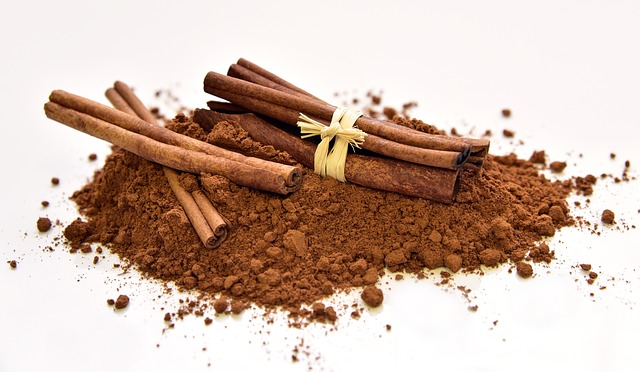
Image by nathaliebab from Pixabay

Chaat Masala

  • Other names – chat masala
  • In India, the word chaat refers to savory, fried snacks seasoned with this spice blend. These are commonly served by street vendors.
  • Typical included spices: black salt, asafoetida and amchoor, but they often also include cumin, coriander, ginger, and chili powder.
  • Flavor – sour, spicy, acidic
  • Uses – street snacks, sandwiches, salads and fruit
  • Types of cuisines – Indian, Bangladeshi, Pakistani

Garam Masala

  • This name translates to “warm spice blend” or “hot spices.” It refers to the warming properties of the spices used in the mixture and is not a reference to spiciness.
  • Typical included spices – coriander, cumin, cardamom, cloves, black pepper, cinnamon and nutmeg. The spices are toasted before grinding to enhance flavor.
  • Flavor – sweet, warming, spicy, floral
  • Uses – a finishing spice that adds warmth and depth of flavor to dishes.
  • Types of cuisine – Indian, Pakistani

Baharat

  • Other names – Lebanese 7-spice
  • Typical included spices – black pepper, cardamom, cumin, coriander, paprika, nutmeg, cinnamon and cloves. Some say the essential spices are allspice, cinnamon, black pepper, and cloves. Others list the foundational spices as cumin, cinnamon, nutmeg and coriander. The Turkish version typically includes mint.
  • Flavor – earthy, smoky, aromatic
  • Uses – seasoning for meats, seafood, marinades, and soups
  • Types of cuisine – Middle Eastern, Turkish, Greek

Berbere

  • Other names – Ethiopian spice blend
  • Typical included spices – red chile peppers, fenugreek, garlic, coriander, ginger, cinnamon, nutmeg, and cloves.
  • Flavor – sweet, smoky, spicy, fragrant
  • Uses – dry rubs, marinades, stews. It is also used as a condiment in paste form.
  • Types of cuisine – Ethiopian

Dukkah

  • Other names – Duqqa, du’ah, dukkha
  • The name means “to pound,” meaning that this blend of roasted nuts and seeds was traditionally pounded to a coarse mixture in a mortar/pestle.
  • Typical included spices – roasted nuts, seeds salt, pepper, sesame seeds, cumin and coriander.
    This blend is considered more of a condiment than a spice blend.
  • Flavor – smoky, savory, crunchy, mild heat
  • Uses – dip for pita bread, coating for meat and fish
  • Types of cuisine – Egyptian
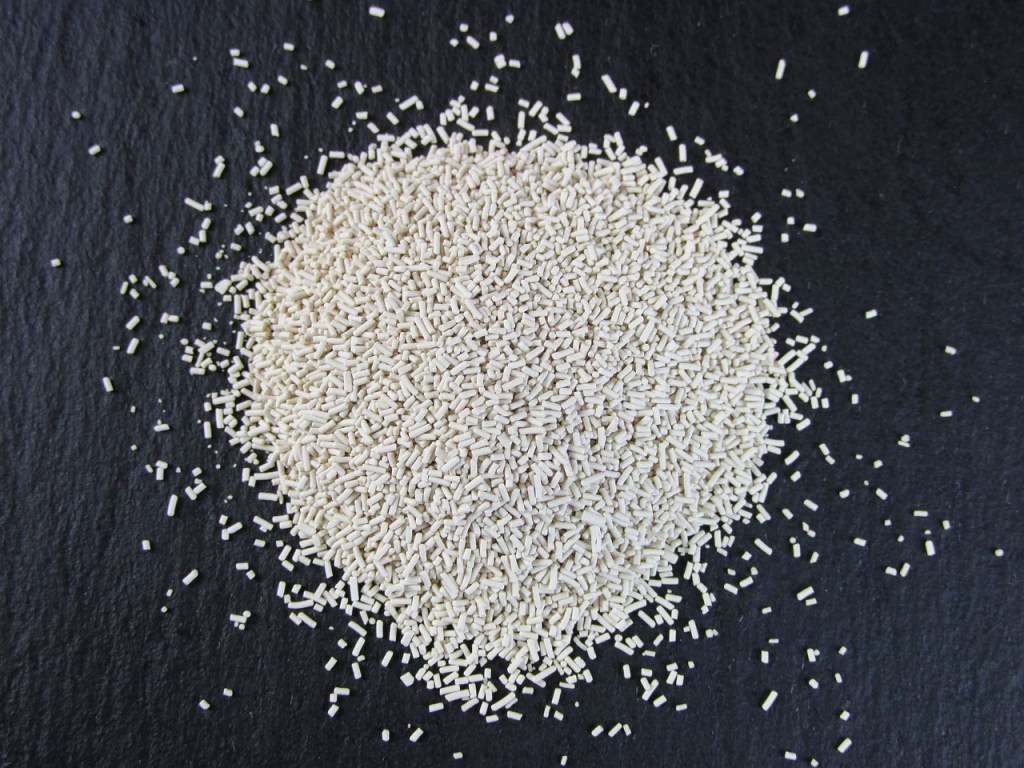
Image by Pixi0815 from Pixabay

Harissa

  • This North African chili paste is made from roasted peppers, olive oil and spices.
  • It is a condiment commonly found in Tunisia, Algeria and Morocco. It is usually found in paste form, but some outlets offer harissa powder.
  • Flavor – spicy, aromatic
  • Uses – added to couscous, soups, stews and meats
  • Types of cuisine – Tunisian, Moroccan

Ras el Hanout

  • Other names – Mrouzia spice
  • The name translates to “head of the shop,” “top shelf,” or “best of the best.” This refers to the fact that it was made only with the highest quality spices in the shop.
  • Typical included spices – cardamom, clove, cinnamon, coriander and cumin.
  • Flavor – sweet, warm, pungent, floral
  • Uses – added to tagines, spice rubs, marinades and soups
  • Types of cuisine – Tunisian, Moroccan

Za’atar

  • Typical included spices – oregano, thyme, sumac, toasted sesame seeds and salt.
  • Flavor – herbal, savory, lemony, tangy, nutty
  • Uses – added to hummus, pita bread, dry rubs, vegetables
  • Types of cuisine – Middle Eastern, Mediterranean

There are eight of the most common exotic spice blends. If you look at the typical spices in these blends, you can probably make some from spices you already have. If not, consider buying them from a source where you are getting the freshest blend you can. My favorite is Savory Spice Shop. (This is an affiliate link and I may earn a commission if you decide to purchase.) Where do you get yours?

Cooking Tips · Ingredients

Travel the World with 10 Exotic Spices

Spices are essential pantry ingredients to creating flavorful food. Spices could be as simple as salt and pepper or as exotic as something like sumac. Some of our pantries are dominated by single spices such cinnamon, cloves and nutmeg while others are full of numerous spice blends. In this Cooking Tip, I will be discussing some of the more exotic single spices and the next Tip will delve into unusual spice blends.

I have written before about spices in general terms as well as more in-depth discussions of certain spices. In this Tip, let’s take a trip around the world to discover the exotic. Since there are more spices than I could possibly mention, I will attempt to focus on ten that many of you will have heard of whether or not you have used them. I will note that some of these may actually be considered herbs, but we will still cover them in this Tip.

You may ask why you would want to know about these exotic spices. If you wish to venture into making ethnic dishes that call for one of these spices, you will not get the authentic flavor you are aiming for if you do not use that spice. Yes, you can try to substitute, but it will not be the same. Another reason is if you just want to experiment with different and exciting flavors. This discussion will help you decide how to use them in your kitchen.

Aji Amarillo

  • Origin – Peru
  • What it is
    • A species of yellow chili pepper that turns to orange as it ripens.
    • Aji means chili pepper and amarillo means yellow in Spanish.
  • Forms
    • Fresh
    • Frozen
    • Dried
    • Paste
  • Flavor
    • Hot with a Scoville heat rating of 30,000 to 50,000 units.
    • Heat is balanced with a fruitiness with hints of citrus and tropical fruit.
  • Uses
    • Considered part of the Peruvian “holy trinity” along with garlic and red onion.
    • Spicy chilis, spice rubs, sauces.

Ajowan

  • Other names – Ajwain, carom seeds
  • Origin
    • Native to South India.
    • Cultivated in India, Iran, Egypt, Pakistan and Afghanistan.
  • What it is – The seeds of an annual plant in the parsley family.
  • Form – Grayish-green, oval seeds similar in size to cumin seeds.
  • Flavor – similar to thyme but more pungent and slightly bitter, adds warmth with a smoky, spicy, bitter aftertaste.
  • Uses
    • Used in Indian bread, snacks and vegetarian dishes.
    • Part of chaat masala and berbere spice blends.

Aleppo Pepper

  • Other names – Halaby pepper
  • Origin
    • Originates from the city of Aleppo in Syria. Due to war, the trade of this spice was disrupted but Syrian refugees took it to Turkey, where most of today’s production happens.
    • Cultivated in Syria and Turkey.
  • What it is – A red pepper in the nightshade family.
  • Form
    • Whole chilis
    • Coarsely ground pepper flakes
  • Flavor – Mild heat, tangy, raisin-like flavor. Citrus notes.
  • Uses
    • Essential ingredient in Mediterranean and Middle Eastern cuisine.
    • Typically used as a table condiment.
    • A complex substitute for crushed red pepper.

Amchur

  • Other names – amchoor, mango powder
  • Origin – Native to and cultivated in India.
  • What it is – A powdered spice made from dried, green mangoes.
  • Form – Powdered
  • Flavor
    • Sour, slightly sweet with herbaceous notes.
    • Is used to add acidity without moisture.
    • Use cautiously as can overpower other flavors.
  • Uses
    • Mango chutney
    • Part of chaat masala spice blend
    • Samosas
    • Indian soups

Annatto

  • Other names – Achiote
  • Origin
    • Native to the tropical regions of Mexico, South & Central America and the Caribbean.
    • Cultivated mainly in Africa, Asia, Central America and the Caribbean.
  • What it is – Spice derived from the seeds of the Bixa Orellana tree.
  • Form – Because the whole seeds are so difficult to grind, most people buy the ground product.
  • Flavor
    • Warm, earthy, sweet, peppery flavor
    • Mild acidity
  • Uses
    • Adds a vibrant orange color to dishes.
    • Achiote paste.
    • Popular in Latin American and Caribbean cuisine.

Asafoetida

  • Other names – Hing
  • Origin – Native to Iran and Afghanistan.
  • What it is – The dried resinous substance from the taproot of the Ferula plant.
  • Form – Powdered and is often mixed with rice flour when offered for sale as it is very expensive.
  • Flavor – Mimics the flavor of onions and garlic.
  • Uses
    • Strong, pungent smell and so used in small quantities.
    • Adds a unique flavor to Indian vegetarian dishes.
    • Part of chaat masala spice blend.
    • Often used in some cuisines to replace onion and garlic.
    • Just as salt brings out other flavors, asafoetida highlights the other spices in a dish.
    • Keep tightly sealed so the aroma doesn’t fill your kitchen.

Epazote

  • Other names – wormseed, Jesuit’s tea, Mexican tea and paico.
  • Origin
    • Native to Central and South America and southern Mexico.
    • Cultivated in these areas along with parts of Europe and the US.
  • What it is – The leaves of a pungent herb.
  • Form
    • Hard to find in fresh form as it is rarely imported from the growing regions of Mexico and Central America.
    • Can buy in dried form.
  • Flavor
    • Notes of oregano, pine, lemon and mint.
    • Strong, minty and slightly bitter taste.
  • Uses – Mexican cuisine

Fenugreek

  • Other names – Greek hay, Greek clover, bird’s foot.
  • Origin
    • Native to southeastern Europe and western Asia.
    • Cultivated in India, North Africa and the Mediterranean.
  • What it is – a legume that is part of the pea family.
  • Form – At times, the leaves can be used but more likely to use the seeds.
  • Flavor
    • Warm, musty, bittersweet
    • Some say it has a flavor of pungent maple syrup or burnt sugar.
  • Uses
    • Often found in curry powders and Indian spice blends.
    • Is able to thicken soups and stews due to its starch qualities.

Makrut Lime

  • Other names – Kaffir lime, Thai lime, Mauritius papeda
  • Origin – Southeast Asia
  • What it is – The leaves of a bushy citrus plant.
  • Form
    • Makrut limes are prized for their leaves and zest rather than juice, which is minimal in amount.
    • Can also find in a powdered form made from the dried leaves.
  • Flavor
    • Have an intense citrus and floral fragrance.
    • The flavor is more potent and bitter than a regular lime.
  • Uses
    • The leaves are often used in Thai dishes. If using as a garnish, remove the inedible central vein. If using just to impart aroma and flavor to soups or stews, leave intact but remove before serving.
    • To impart flavor to cocktails.

Sumac

  • Origin – Native to the Mediterranean and the Middle East
  • What it is – Sour, red berries of the Thus coriaria plant.
  • Form
    • Dried berries
    • Powdered sumac
  • Flavor
    • Tart, citrusy with floral notes and an astringent finish.
  • Uses
    • Prominent in Middle Easter cuisine such as kebabs, grilled meats, rice dishes.
    • Adds brightness and acidity to dishes.
    • Will add red color to the dish.
    • A component of the spice blend, Za’atar.

There are many other exotic spices, but these are some of the ones you will most commonly come across. Have you used any of them? Are there others you have used? Stay tuned for a look at exotic spice blends.

Cooking Tips · Ingredients · Techniques

Expert Tips for Successful Gluten-Free Baking

Image by harshahars from Pixabay

Many people want to learn how to cook and bake gluten-free. To do this requires an understanding of gluten, what it does in our dishes and how to eliminate it without negative consequences. It is not as easy as just substituting gluten-free flour for regular flour. In this Cooking Tip, I have compiled a list of tips and advice to help you do this.

Baking gluten-free is more challenging than making savory dishes gluten-free. Baking is much more of a science, and the amount and type of ingredients are generally crucial to a successful dish.

Here are a number of tips that gluten-free pros recommend.

Be realistic
Although gluten-free baked goods can be delicious, the taste and texture will not be exactly like those made with gluten. That is to be expected. Also, do not expect each and every item you make to turn out. We all have underwhelming dishes and even some failures. This is even more so when you are just starting out learning to make gluten-free. Have patience, do your research and keep practicing.

Pick your recipes carefully
There are many delicious flour-free recipes that one can make. Just be sure to check that the other ingredients are gluten-free.

If you want to make something that would normally contain wheat flour, start by using recipes developed by a gluten-free expert rather than trying to convert a recipe from regular to gluten-free. This is especially true if the regular recipe has flour as a primary ingredient. After gaining some experience and confidence, you can try your hand at converting recipes.

You will need structure-building ingredients
With wheat flour, the gluten is what builds structure allowing baked goods to rise and stretch. Without gluten, you will need to add what is called a binder to improve the structure of the gluten-free item. The most common binder is xanthan gum. Others include guar gum and psyllium husk.

Realize that not all gluten-free flours are the same
Most experts will tell you that there is not any one gluten-free flour that will work in all your recipes. For the best results, a mixture of flours is typically used, and it will be a different mixture for different baked goods.

Some products out there purport to be the “all-purpose” flour in the gluten-free world. Every person will have their favorite brand, but even among those, they are not all the same. For example, Bob’s Red Mill 1-to-1 Baking Flour (in the blue bag) comes with xanthan gum already in it. However, it should not be used for yeasted goods. Unfortunately, this is not stated on the bag. You will only find that information if you look at the product on their website. Their Gluten-Free All Purpose Baking Flour (in the red bag) states it can be used for yeasted baked goods. However, you will need to add a binder and the flours included in this mix include bean flours, which will add a distinctive flavor that some may not like. So, do your research and understand you will probably need different products for your gluten-free life.

There are many different types of gluten-free flours and starches. Here are a few.

  • Potato starch
  • Tapioca starch
  • White rice flour
  • Sweet rice flour
  • Brown rice flour
  • Millet flour
  • Buckwheat flour
  • Teff flou
  • Oat flour (make sure it is certified gluten-free)
  • Sorghum flour
  • Corn flour
  • Chickpea flour
  • Almond flour
  • Coconut flour

Gluten-Free flours must be measured carefully
Because these flours are so fine and the grind varies by type of flour, measuring by the cup method can lead to problems. Your gluten-free baking will improve (same as your regular baking) when you switch from measuring cups to weighing ingredients. This is a recommendation that you will read over and over when consulting gluten-free experts.

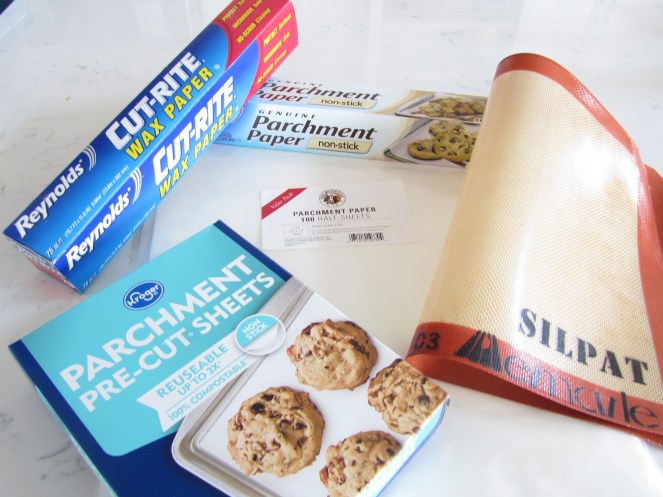
If you do not have a scale, place the appropriately sized dry measuring cup on a paper towel or piece of wax paper. Spoon the flour into the cup until it is mounded over the rim. You can gently shake it to settle the flour but do not pack it. Scrape away excess flour using a straight edge. Use the paper towel or wax paper to return the excess flour to the container.

Measure liquids carefully
Most gluten-free recipes require more liquid than regular recipes. Follow the recipe and measure correctly. Some gluten-free pros even like to measure the eggs in a cup for more accuracy. Of course, your recipe must include this measurement.

Your structure will improve when you mix the batters longer
The caution against over-mixing that you see with regular batters is due to the concern of building up too much gluten. Without gluten, you will get better results if you purposely mix longer. Your baked goods will rise better and maintain that rise longer.

Rest batters and doughs
Allowing your gluten-free batters and doughs to rest, covered, for about 30 minutes before baking will improve them. Gluten-free flours generally need more liquid than regular flour, leading to thinner batters. Resting the batter allows more time for the flours to absorb the liquid, which not only thickens the batter but also decreases the gritty texture that is sometimes found in gluten-free baked goods.

Be careful with determining doneness & expect longer baking times
It can be tricky to determine when gluten-free baked goods are done. Even though they may be cooked through, they might feel soft or even be a bit wet inside. They need time to rest so the starches firm up and set. So, depending on a timer is probably better than the visual cues we might use when baking non-gluten-free items. One caution, though, is that the recipe timing depends on your oven being accurate. Using an oven thermometer will help with this. Using an instant-read thermometer to determine doneness is also a good recommendation.

A corollary to this is that gluten-free baked goods might benefit from longer baking times. According to Beyond Celiac, “While a regular cake or loaf of bread might take 30 minutes to bake, a gluten-free version will often take 45 minutes to an hour.” Your baking time can also be affected by the pan. It is important to use the type and size of pan specified in the recipe.

Increase leavening
Your leavening agent might be yeast, baking powder and/or baking soda. Increasing the amount you use can help with rising and maintaining structure. Beyond Celiac recommends 2 teaspoons of baking powder per cup of gluten-free flour. If you recall the chemistry of leavening, you will be reminded that baking soda needs an acid to work. The same source states that baking soda and buttermilk, along with 1⅛ teaspoons of cream of tartar for each ½ teaspoon of baking soda, can be used in place of baking powder.

Include extra protein
By eliminating gluten, you are not only eliminating a potential allergen but also the protein it adds to the recipe. Adding other protein, such as eggs, yogurt, or buttermilk, can help. If the eggs are beaten, they will add bubbles to the batter. Both yogurt and buttermilk are acidic, which helps improve the action of baking soda. Dairy products such as milk or sour cream also contain protein and can help with the browning of the dish.

Gluten-free flours do not absorb oil well
If your recipe calls for oil, you might achieve a better result by substituting melted butter. Some will also swap out the oil for milk, sour cream, yogurt or eggs.

Add moisture-containing ingredients
Gluten-free baked goods can often be dry. Moisture-containing ingredients such as dairy, veggies, fruit, or eggs can help, but be sure to follow the recipe for this recommendation. Using brown sugar in place of white sugar can also add moisture.

Add flavoring
Gluten-free flours often have a unique flavor. Therefore, many experts recommend adding a flavoring agent such as vanilla.

There you are – a compilation of the best tips for success in gluten-free baking. Whether you just want to make a particular item for a friend or family member or you want to make a lifestyle change, I trust these tips will help you be successful.

This post contains affiliate links and I may earn a commission if you decide to purchase.

Cooking Tips · Ingredients

Rice Flour – Not just for Gluten-Free Baking

Rice flour is very well known to those who cook/bake gluten-free. As it does not have to be limited to that use, we all should know about it. That is the subject of this Cooking Tip.

Rice flour is nothing more than finely ground rice. Just as there are many different types of wheat flour, there are a few different rice flours depending on which variety of rice is used. See this Cooking Tip for a discussion of just some of the varieties of rice.

In very broad terms, there are two categories of rice flour – regular rice flour and glutinous rice flour. The category of regular rice flour can be further broken down into white rice flour and brown rice flour. White and brown rice flour can often be used interchangeably, but white rice flour is more common.

Regular rice flour is made from medium- or long-grain rice.
White rice flour

  • It is inexpensive.
  • It has a neutral flavor.
  • It has a smooth texture.
  • It has a long shelf life.
  • In baking, it is best used in a combination of 30-60% with other flours.
  • It can give baked goods an unattractive white color if used alone.
  • It is often used in Asian cooking to make rice cakes, noodles, pancakes, rice crepes, pastries, etc.

Brown rice flour

  • It has a mild flavor with a bit of nuttiness, just as with brown rice.
  • Its tan color gives baked goods a slightly browner look.
  • As opposed to white rice flour, it yields crispier cookies.
  • It has a shorter shelf life due to the higher fat content. Therefore, it is best stored in the freezer.
  • Just as with white rice flour, the best results are obtained when in a flour combination of 30-60%.

Glutinous rice flour (aka sticky or sweet rice)

  • The name “Glutinous” is often misleading as it is naturally gluten-free. The name means “glue-like” and refers to the consistency.
  • It is made from short-grain rice that is used to make sticky rice.
  • It is cooked, dried, and then milled into flour.
  • It retains moisture better than regular white rice flour and, therefore, helps with freshness.
  • It combines more readily with fat than other rice flour.
  • Because of the type of starch prevalent in glutinous rice, it has a natural elasticity. This makes it ideal for rice noodles, but it is also used in Asian desserts and is an excellent thickener for sauces, soups and stews. It is also used to make boba pearls and mochi.
  • It can be used in flour combinations up to 40% for other uses.

Another distinction is between American supermarket rice flour and Asian rice flour. The latter undergoes a different type of processing and will react differently in recipes. If your recipe calls for Asian-style rice flour, it is worth it to seek out the particular one specified, even if it means having to visit a specialty market.

No matter which rice flour you use, be aware that they can easily separate when mixed in water. When using rice flour in batters (such as a crepe batter), stir well to recombine before using.

Storage

  • It is best to store rice flour in air-tight containers to prevent spoiling.
  • To prolong the life of the rice flour, store in the refrigerator or freezer. As with other whole grains, this is especially true for brown rice flour. It may not be necessary for white rice flour, but is still a good practice if you have the room to do so.

Although rice flour has gained popularity due to its gluten-free status, it is an ingredient that we can all use even if we do not cook/bake gluten free.

Cooking Tips · Ingredients

The Beautiful Colors of Chocolate

What color do you think of when someone says chocolate? For most of us, we think of brown. Some might say white. What about pink or gold? Those are not colors we usually associate with chocolate, but they are real. What they are and how to use them is the subject of this Cooking Tip.

Many terms are used in conjunction with chocolate, such as milk, dark, semi-sweet, bittersweet, and white. For a discussion on those common types of chocolate, see this Cooking Tip.

Barry Callebaut, a well-known and high-quality chocolate company, introduced Ruby Chocolate to the world in 2017 after over a decade of research. Its beautiful pink color is what one notices first. It is a natural color and not achieved with any color additives.

Ruby chocolate is made from the ruby cocoa bean, found in Ecuador, Brazil and the Ivory Coast. Some say that this ruby cocoa bean is unique as it is able to develop a pink hue and fruity flavor. Others say the color results more from the processing method, a closely guarded trade secret. One thing that Callebaut reveals on their website is that the processing involves the addition of citric acid. Citric acid is naturally found in many fruits and vegetables, especially citrus fruits. They state that citric acid helps maintain the color and enhances the fruity flavor.

Its flavor profile is very interesting. I like one taster’s quote that it is “similar in taste to white chocolate and raspberries combined.” It has a fruitiness in that it is citrusy and berry-forward. It has a nice creamy texture with a balance of tart and sweet.

Besides being able to buy pure ruby chocolate to use in your own kitchen, you can also purchase products that incorporate ruby chocolate. Examples are chocolate bars made of ruby chocolate or coated in the same, drinking chocolate, and coatings for ice cream bars.

Because ruby chocolate is acidic, working with it in your own kitchen can be challenging. Callebaut experts caution that high temperatures can turn the pretty ruby color to a grayish pink. Therefore, they advise against baking with it. Also, it can be difficult to use in combination with water-based ingredients. If you are just starting out using ruby chocolate, see Callebaut’s website for more guidance and recipes.

Let’s move the color pallet to Gold. Gold chocolate is another one of Callebaut’s creations.


Gold chocolate is not a different type of chocolate. Rather, it uses caramelized sugar and caramelized milk to create a type of chocolate with notes of caramel, toffee and cream, as well as a gold color. Not only will your creations with this chocolate have that unique flavor of caramelization but the beautiful and elegant gold color.

Have you tried either of these chocolates? Although you may not see them in your local supermarket, they might be worth seeking out if creating over-the-top confections is on your to-do list!

Cooking Tips · Equipment · Techniques

Cookware Cleaning Tips

Photo by Fatma Çekmez

What sort of pots and pans do you have in your kitchen? Are they new or old? What are they made of? Are they well-used or barely touched? No matter what they are, do you know how to take care of them? That is the subject of this Cooking Tip.

Although the advice I will give you applies to most types of cookware, I will discuss some specialty pans later. I have already written a Tip on Cast Iron Care, so I will not discuss that type of cookware in this Tip.

Just as important as how you should take care of your cookware is what you shouldn’t do. Let’s investigate that first. One caveat is that you should always read your cookware’s warranty to ensure you are not doing anything that might void it.

What not to do

  • Do not use abrasive cleansers. For most general cookware cleaning, dish soap is all that is needed. Beyond that, you can use a nonabrasive cookware cleaning powder. Many cookware brands make their own product. I use and like the one made by All-Clad. Others prefer Bar Keeper’s Friend. They have two different products, their all-purpose cleaner and one advertised specifically for use on cookware. I have tried both, and I think the latter is more effective. Baking soda is another alternative. It is less expensive and readily available in our kitchens. Although it will be effective in many situations, it probably won’t do as great a job as the commercial cleansers.
  • Do not use steel wool or other abrasive sponges. Only use sponges or cleaning implements that are advertised as nonabrasive.
  • Allow your pans to cool before washing them. Never submerge a hot pan into cold water, as the thermal shock is likely to damage it.
  • Even though some manufacturers claim their pans are dishwasher-safe, hand washing is the preferred way to keep them in the best condition.

How to care for your pots/pans

Now that we know what NOT to do, let’s delve into some care tips to keep your cookware in the best condition.

  • Most cookware manufacturers recommend using low to moderate heat to preheat their pans. High heat is only recommended when you want to bring something to a boil.
  • Manufacturers also generally warn against heating an empty pan, especially with nonstick pans. You may have heard that it is better to preheat your pan dry and then add any fat you are using. See this in-depth Tip on the truth about this advice.
  • Once you are done cooking, allow the pan to cool before cleaning. Rinse off any food particles and wash in warm, sudsy water with a sponge or soft cloth. You may even allow it to soak in this sudsy water to help release stuck-on food. Finally, rinse with warm water and dry the pan to prevent spotting.
  • Although you want to allow the pan to cool before washing it, the sooner you clean it, the easier it will be to remove debris. The longer it sits, the harder it will be to clean.
  • As noted above, you may use a nonabrasive cleanser for tough spots. Follow the instructions on the container, but in general, you will sprinkle the cleanser over the wet surface and gently rub it with a soft cloth or sponge. Rinse it thoroughly and dry. If necessary, allow the paste to soak on the pan a bit before scrubbing. However, some commercial cleansers say not to allow the cleanser to remain on the pan for more than a few minutes. Read the directions for the one you are using.

For especially dirty pans, the following methods may help.

  • Boiling water method – This is similar to deglazing your pan, which is often the only thing you need to do to bring up stuck-on food particles. Add water to the pan, bring it to a boil, and scrape up the food with a wooden implement. After the food loosens, pour out the hot water and wipe with a nonabrasive sponge. You may also turn off the heat and allow the pan to soak for 15-20 minutes or even overnight. Some like to add a bit of baking soda or white vinegar to the boiling water.
  • If you find your pots developing white hard water spots, use a 1:1 white vinegar-to-water solution that you bring to a boil. Then, follow with a normal wash, rinse and dry.
  • Blue or rainbow discoloration can be removed by wiping the pan with white vinegar on a sponge or soft cloth.
  • In general, you do not want to use bleach on your cookware. However, some recommend that if you have enameled cookware with stains on the surface, you could try this trick. To remove the stain, make a gentle bleach solution of 1 teaspoon bleach in one pint of water. Pour this into the pan and allow it to stand for a few hours or overnight. Pour out the bleach solution and scrub with a soft sponge. Clean and dry as normal.

I must admit that cleaning is a chore I do not enjoy. Although I am very good at cleaning the inside of my pots, I am not nearly as fastidious on the outside and bottom. It was with interest that I tried another method for those stains. You will need a pot large enough to hold the pan you are trying to clean. Fill with water and bring to a boil. Add ¼ to ½ cup of baking soda and stir until dissolved. Being very careful, place your stained pot into the boiling water. Allow your pan to remain in the gently boiling water for 15-20 minutes. After the residue begins to flake off, carefully remove with oven mitts. You may need to then make a baking soda slurry and use that to scrub more spots off. I personally tried this method and, although not magic, it did work. The biggest problem was finding a pan large enough to place my skillet inside. It requires a bit of scrubbing, but in the end, it was much cleaner than it was before.

Carbon steel

Photo courtesy of Made In Cookware
  • These types of pans are particularly loved in professional kitchens because they are lightweight, have superior heat conduction and are naturally nonstick. However, they do need to be seasoned, so your cleaning method should not destroy that seasoning.
  • When cleaning, if all that is in the pan is a bit of oil or maybe a small amount of food particles, wipe it out with a paper towel, and it will be ready for the next time. If there is more in the pan than cannot be wiped away, sprinkle some coarse salt, scrub with a paper towel and wipe clean. Some will add neutral oil to the salt in a 1:1 ratio. Scrub, wipe out and finish with a quick rinse. Place the pan over low heat to ensure it is completely dry. Finish by adding just a tiny amount of oil to the pan and wiping thoroughly.
  • For a more serious clean, cover the bottom of the pan with a small amount of water and bring to a boil. Using a wooden spoon or spatula, scrape up the food, dump it out and then wipe it off. Follow the above instructions for drying the pan and finishing with a coat of oil, especially if there are dry spots on the pan’s surface.
  • If all of the above fails, you can gently scrub the pan with steel wool. However, your pan will need to be re-seasoned after this.
  • Some will say never, ever use dish soap on carbon steel. However, just a small amount used sparingly will be acceptable.

Copper

Image by Stefano Ferrario from Pixabay
  • This type of cookware is beautiful but expensive. You, therefore, want to treat it carefully to maintain its beauty. Cleaning like other cookware with soap, hot water, and a non-abrasive tool will do the job.
  • Because copper is a reactive metal, it is natural for copper pans to darken and even appear greenish. This does not affect its usability, but you will want to polish it regularly if you prefer that “new” appearance. Just as with regular cookware, you can purchase cleansers made specifically for copper. You may use white vinegar (or lemon juice) and salt if you do not have that. Make a paste of equal parts, and using a gentle sponge, rub the pan and buff it until it is shiny. Rinse to remove any remaining paste and dry thoroughly. Some experts recommend using tomato paste or ketchup in place of the vinegar.

Storage

A final piece of advice is to store your pans properly to prevent damage. If you stack your pans, put paper or cloth towels or pan protectors between them. This will prevent chipping or scratching. A hanging rack is great if you have the space to install one. Pegboards are another option.

Pots and pans are a necessity in the kitchen and good ones are not cheap. By taking the time to properly clean your pots and pans, you can extend their lifespan and keep them looking nice.

Cooking Tips · Techniques

Deep Frying – Should you know how to do this?

Image by Sharon Ang from Pixabay

When we hear the word “frying,” we probably think of French fries, fried chicken, or some similar type of food. These foods are undoubtedly delicious but they are also something that we limit our consumption to a few times a year. They are all made through the process of deep-fat frying. What that is and how to perfect your technique is the subject of this Cooking Tip. This post may contain affiliate links and I may earn a commission if you purchase.

There are different types of frying, some of which we use much more often than others.

  • Pan frying is a method of cooking food where the bottom of the pan is only lightly coated with oil. This is what you are doing when you are sauteing your chicken.
  • Shallow frying is when a small amount of oil is added to the pan so that it is about half of the thickness of the food. The food remains in contact with the bottom of the pan throughout the cooking process. This is the process you would use when making chicken parmesan or schnitzel.
  • Deep frying involves a level of oil that allows the food to be submerged such that it floats in the oil. This is what is done to produce those delectable French fries or fried chicken.

Some experts say that deep frying may not be as unhealthy as you think. They claim that it depends on whether the frying process is done at the correct temperature. This argument says that as the food is cooked, the water that is inside the food turns to steam. This not only cooks the interior of the food, but as it is expelled out of the food, it prevents excessive absorption of oil into the interior of the food. Although this is commonly voiced by chefs and proponents of deep frying, some disagree.

Since many of us feel that eating deep-fried foods is an indulgence, we want to make sure they are done as well as possible. Here are tips that will help you do just that.

Image by etomeq from Pixabay

EQUIPMENT
Frying vessel
Although some own a countertop fryer, it is not necessary. You may use a heavy-bottomed pot such as a Dutch oven. You want one that is large enough to accommodate the oil, tall enough to minimize oil splatter, and with a broad diameter that allows you to cook food in fewer batches. A good quality pot that heats up evenly and is easily maintained at a relatively constant temperature is preferred.

Some like to use a wok as the sloped sides and shallow depth make it easy to put the food into the oil and retrieve it. It also uses less oil than a Dutch oven. However, it is not suitable for heavier foods such as chicken. Those foods will sink to the bottom of the wok, which is narrower and has less room for proper frying. It is also not as stable as a Dutch oven. A final criticism is that sweet items could pick up savory flavors from the wok.

Tongs
A long pair of tongs allow you to carefully add the food to the hot oil.

Thermometer
This is used to monitor the oil temperature. Although you can use a hand-held one, one with a probe connected to a temperature display that can be placed aside from the pot is very nice. I use this one from Thermoworks.

Cooling rack
A cooling rack on which to place the fried foods will allow the air to circulate below the food, helping to prevent sogginess from developing.

Baking sheet
A baking sheet into which you place the cooling rack with enough space to drain the fried food in a single layer is very helpful.

Spider/slotted spoon
Although the tongs are great for placing the foods in the hot oil, a spider or slotted spoon is better for removing batches of food when done, allowing the oil to drain back into the pot.

Paper towels
These will wick the oil away from the fried food. Place two or three layers on the cooling rack, which is placed inside the baking sheet.

Splatter screen
This is an optional but nice addition to your frying station. When placed on top of the pot, it helps keep the splatter in the pot and off yourself, your stove and countertops.

FRYING OIL
Type of oil
It is essential to use a proper type of oil. This means an oil with a higher smoke point and a neutral flavor. Most refined vegetable oils work well. Examples are vegetable, corn, peanut, safflower, canola, soybean, and avocado. Lard is another choice.


America’s Test Kitchen cautions against canola and soybean. They explain that the high heat can alter the flavor compounds and make them taste fishy (canola) and metallic (soybean).
The price point of these oils also varies, playing into your ultimate choice.

Reusing oil
The oil can be used more than once. It does need to be cleaned and stored properly. Allow the oil to cool to room temperature before cleaning. The most common method is to pour the oil through a fine-mesh strainer lined with a coffee filter, muslin or cheesecloth.


Another method is using a cornstarch slurry made by whisking 1 tablespoon of cornstarch into ¼ cup of water and adding to the cooled oil. Return the pot to the stove and place over very low heat while stirring constantly. This starch mixture will begin to solidify in about 10-12 minutes. At that point, remove the oil from heat and strain it through a fine-mesh strainer or use a slotted spoon to remove the mixture, which can be placed into the trash.


How many uses you can get depends on the foods you fry; some foods will degrade the oil faster than others. In general terms, the oil can be used at least 3 times, perhaps a few more.
When storing the used oil, be sure to minimize exposure to air and light. These will hasten the degradation of the oil, creating off-flavors and odors.

Disposing of oil
Once you are ready to dispose of the oil, the main thing is to not pour it down the drain. Most people will just put it into a container and into the trash. Some like to use a waste cooking oil powder, a plant-based ingredient that binds the liquid into a solid disk. This can be easily removed from the pot and disposed of in the trash.

TIPS FOR SUCCESS
Proper oil temperature
Most deep-frying should happen between 350°F and 375°F. This is why you want to use a thermometer. As you place food in the hot oil, the temperature of that oil will drop. Adjust the heat to keep the oil within 5-10 degrees of your target temperature. This will require that you allow the temperature to recover before adding additional batches of food. This will help you avoid greasy and soggy results. As one expert puts it, “The real secret to becoming master of the deep fryer is to be vigilant about oil temperature.”

Don’t crowd the pan.
Part of maintaining the proper temperature is to fry in batches rather than all at once. This is so the food cooks evenly, and it is easier to maintain the oil’s temperature. It also prevents the items from sticking together. For this reason, it is also good to stir the items in the oil to separate them.

Season the food as it comes out of the fryer.
Whether you are just using salt or additional seasonings, they will stick better with hot food. So, season immediately after removing the food from the oil.

Drain well
Put the fried foods on a rack in a rimmed baking sheet lined with multiple layers of paper towels to prevent sogginess from developing.

Flip the food
Occasionally flip the food in the oil to ensure even cooking.

Coatings
Not all fried foods have a coating but many will. I will not be discussing the different types of coating and their uses. Rather, I will refer you to this excellent article from Serious Eats.

  • If you do use a coating, shake off any excess before placing it into the oil. This will help prevent too much contamination of the oil.
  • America’s Test Kitchen likes to briefly rest the dredged foods. They say a 10-minute rest allows the coating to hydrate so it doesn’t leave a residue on the surface.
  • Coatings can leave debris in the oil. Remove any debris between batches. Otherwise, it might burn and give the oil a bitter flavor.

Keep warm
As you will be frying in batches, the finished items can be placed in a 200°F oven to keep them hot and crispy while frying other batches.

Be safe
Deep frying can be a bit scary, and there is good reason for that as if it is not done safely and properly, it can lead to horrible burns and even a fire. Prevent those from happening with the following advice.

  • Use a large pan. You want the oil to be at least a few inches below the top of the pan.
  • Place the pot and its handle out of the way so people do not accidentally bump it.
  • Keep children and pets away from the kitchen while you are frying.
  • Let the oil cool completely before discarding or straining it for another use.
  • Keep a well-fitting lid nearby so that if it does catch fire, you can place the lid over the pot and smother the flames.
  • It is always good practice to have a fire extinguisher available.

I have only deep fried items a handful of times. What about you? Do you crave that fried chicken and wish you could make it in your own kitchen? I hope the above advice will help you do just that!

Cooking Tips · Techniques

Biscotti – An Italian Favorite

Biscotti are one of the most popular Italian cookies. They are a twice-baked cookie, leading to its crunchy texture. I am more of a soft cookie person (See this Cooking Tip on how to control the texture of your cookies), and I am not a cookie dunker in any way. So, I must say that Biscotti is not on my list of favorite cookies. They are for many people, and so how to make them the best is the subject of this Cooking Tip.

History tells us that biscotti originated in ancient Rome. They were popular with soldiers or travelers as they had a long shelf life. The popularity of the cookies led to their migrating to other parts of Europe. Due to the long shelf-life, even Christopher Colombus carried biscotti with him on his explorations. Of course, over time, biscotti evolved and now can be found with many different flavors and ingredients.

In modern Italian, biscotti may mean any cookie or biscuit. The original name came from the Latin word biscoctus, meaning twice-baked.

Ingredients

  • The traditional recipe contained no fat other than what is in the eggs. However, most modern-day recipes will include butter or oil. This is especially true of the Americanized biscotti.
  • The ingredients are what you would expect in most cookies – flour, sugar, eggs, butter (for non-traditional biscotti), baking powder, flavorings, and add-ins.
  • Use room temperature ingredients. Biscotti are made using the creaming method, which creates an emulsion of the ingredients that trap air and will subsequently expand when the cookies are baked. If the ingredients are too cold, you will not get this emulsion, and your cookies will be denser.
  • Add-ins
    • Examples are nuts, dried fruits, and chocolate chips.
    • These items may affect the recipe by adding moisture. Because of this, you may need to extend the baking time. According to King Arthur Baking, for every 1½ cups of add-ins, add five minutes to the first bake and 5-10 minutes to the second bake.
    • If using nuts, chop them finely before adding to the dough. Whole nuts make slicing the biscotti very difficult.
    • Coarse sugar, such as sparkling or pearl sugar, can be added before baking for crunch, flavor and appearance. If you wish to do so, brush the logs with beaten egg white and then top with the sugar.
    • Flavorings might include classic almond, anise, citrus, hazelnut, chocolate or spices.
    • A common decoration is melted chocolate, either drizzled on the cookie or the cookie is dipped into the chocolate and possibly sprinkled with nuts.

Equipment

  • You do not need any specialized equipment to make biscotti.
  • The dough can be made by hand, although most bakers prefer a stand mixer.
  • Baking sheets lined with parchment paper for baking.
  • A long serrated knife for slicing. This knife allows you to cut the slices neatly without applying too much pressure.
  • Optional – a water mister

Procedure

  • Mixing
    • The basic mixing procedure is the creaming method. See this Cooking Tip for more information on this method. It involves mixing the wet ingredients until creamy and lightened in color. The dry ingredients are combined in a separate bowl and then mixed into the creamed mixture.
  • Forming the dough into logs
    • The dough will be sticky. Try wetting your hands if you find it difficult to shape into nice logs. Try not to add additional flour.
    • There are different opinions among bakers about chilling the dough. Although this is a common technique when making other kinds of cookies, some will tell you not to chill biscotti dough. However, many bakers recommend a slight chilling to make it easier to handle.
    • Some recipes may direct you to shape the dough into one large log. Other recipes will have you cut that large log into two or three smaller logs, about 2 to 2½ inches wide.
    • The nicer job you do in shaping, the nicer your finished biscotti will look.
  • Place logs on parchment-lined baking sheets.
    • Because these logs can expand up to twice their size while baking, leave plenty of room between them. It is best to only put two logs on a baking sheet. They can expand into each other if you do not leave sufficient room.
    • Applying an egg wash before baking will add shine and help with browning.
  • First bake
    • Put the baking sheet into the oven on the middle rack for the best air circulation.
    • After this first bake, the cookies should be firm but not hard and lightly browned.
    • This first bake cooks the dough, although some moisture remains within the cookie.
  • Slicing
    • Allow the baked logs to cool only slightly; they should still be warm but not so hot as to burn your hands. If you allow them to cool too much, they will harden up and be difficult to slice.
    • Slice on the diagonal for long biscotti or straight across for shorter ones.
    • Before slicing, some like to spray the log lightly with water and wait five minutes. It will make cutting without crumbling easier.
  • Second bake
    • The purpose of the second bake is to dry out the cookies without too much further browning. Therefore, a lower oven temperature is used.
    • Decreasing the moisture results in a crunchier cookie that lasts longer as it is less likely to get moldy.
    • If you haven’t sliced the cookies too thin, stand them on the baking tray rather than laying them flat. This increases circulation with better drying.
    • Turn them over halfway through the second bake if you lay them down.
    • To determine doneness, feel the side of the cookie. If it feels soft, bake for another five minutes. If it is firm but has a slight give, you can take them out and get a softer biscotti. If it is totally firm, it will be a crunchier biscotti.
    • When done, cool the baked cookies on a wire rack. This allows for air circulation that will cause them to further crisp up.
Image by Rosie from Pixabay

Storage

  • Store in an airtight container at room temperature.
  • If they lose crispiness, then can be placed into a 250°F oven for about five minutes.
  • They can also be frozen for up to three months.

Are you a Biscotti fan? Have you ever tried making them yourself? As for me, I am going to stick to soft, chewy cookies!

Cooking Tips · Ingredients · Techniques

Soups – How to make them your own!

Soups are a wonderful and mostly one-pot meal that are relatively easy to make. Despite this, there are certain pieces of advice that will help you make your soups the best they can be. That is the subject of this Cooking Tip.

Equipment

  • Pot – Use a sturdy, heavy-bottomed pot. This type of pot will lead to more even cooking with less chance of scorching the contents.
  • Blender – A blender is a must if you want a pureed or smooth soup. Although a countertop blender will do better, you can also use an immersion blender. Just know that the latter will not give you as smooth of a result. A food processor is not made for blending but for chopping. Not only will you not get as good of a result as with a blender, the liquid can spurt out of the food processor, making a mess.
  • Fine-mesh strainer – If you want an ultra-smooth soup, it should be put through a fine-mesh strainer after pureeing. Chefs use something called a Chinois, but any fine-mesh strainer will do.

Ingredients

  • Aromatics – Almost all soups start with sauteing aromatic ingredients in fat. Common aromatics are anything in the onion family (onions, leeks, shallots) and often carrots, celery and garlic.
  • Main ingredient – This would be the soup’s main flavor, whether it be mushroom, carrots, corn, broccoli and so forth.
  • Meat – If you add meat to the soup, it is usually cooked separately or at least browned in the pot before proceeding with the soup.
  • Liquid – This can be as simple as water, although water does not add flavor. Therefore, you will need to use more seasonings to ensure a good taste. The most common liquid to add is stock or broth. (For more information on the difference, see this Cooking Tip.) Some chefs will tell you the only stock to use for soup is homemade stock. Indeed, that can be the best, but most of us probably do not have homemade stock readily available. If you must use storebought, try to find low or no-sodium stock. You will want to control the amount of salt to add rather than end up with a too-salty soup from a high-salt stock.
  • Seasonings
    • Salt is the main seasoning ingredient, but other possibilities are almost limitless.
    • Use ground spices that complement the flavor you hope to achieve. Most of these will benefit from a short, dry roast in a skillet or soup pot to bring out more flavor.
    • Herbs may also be used. Dried herbs can be added earlier in the cooking process, while fresh herbs should not be added until the end of cooking or just as a garnish.
    • Pastes are another option. Some examples are tomato paste, harissa, and Thai chili pastes. These also benefit from a quick sauté before being added to the soup.
    • Acids add a bit of brightness and balance to most soups. Depending on the soup, it might be citrus juice, vinegar, or even wine.

Procedure

  • Prepare your ingredients
    After washing and peeling the vegetables, they should be cut into bite-sized pieces. The smaller they are cut, the faster they will cook. All the cuts of one type of vegetable should be the same size to ensure even cooking.
  • Sauté the aromatics
    You will get better flavor if you do not add all your ingredients at once. Instead, start with the aromatics and sauté them in a bit of oil. This softens what can otherwise be harsh flavors and helps to develop more complex flavors. Do not use high heat; you do not want to burn the aromatics.
  • Brown meats
    If you are not cooking the meat separately, be sure to brown it in fat. This is often done as a first step, followed by removing the meat to a plate and then proceeding to saute the aromatics. Others will brown the meat at the same time as cooking the aromatics. If you do this, realize that the aromatics may release liquid, thereby inhibiting the browning of the meal. Also, if the meat takes a while to brown, you might overcook the aromatics.
  • Add vegetables
    Not all veggies cook at the same rate. It is best to add those that take longer to cook first followed by quicker cooking ones. This ensures the former is cooked through without overcooking the latter. Roasting the veggies before adding to the soup brings additional depth of flavor. A great example is butternut squash soup.
  • Add liquid
    As noted above, this might be water or a more flavorful stock. Dairy products are also used but are generally added later in the cooking process.
  • Simmer soup
    Bring the soup pot to a boil, but quickly reduce to a simmer. The best soups are made at a simmer, not a boil. Boiling can cause many veggies to break up and become mushy and for meat to be tough.
  • Add delicate ingredients
    Items such as canned beans, cooked meats, shellfish, pasta, and cooked rice should be added towards the end and just cooked until all is done and heated through. If you are adding an ingredient that will absorb water, such as rice, it is best to cook it separately and then add it just before serving. Otherwise, the rice can get very mushy.
  • Puree or not
    Pureeing is not a step you would do with every soup; it is only for those you want a creamy and smooth consistency. Sometimes, you may just want to remove some of the soup, puree it, and then recombine it with the rest. You will get some thickening from the pureed part but still have the chunkiness from the remainder of the soup. As a final step, passing the pureed soup through a fine-mesh strainer will result in a smoother consistency.
  • Season as you go
    Add seasonings as you go along, but be sure to finish with a final taste and adjustment. A great tip is to save your Parmesan rinds and add them to your soup. This adds salt and flavor and also helps to thicken the soup.
  • Garnish when you serve
    Although a great soup does not need a garnish, doing so adds visual and textural appeal. Garnishes are almost too many to mention. It may be a dollop of sour cream or crème fraiche or a swirl of heavy cream. It might be a sprinkling of toasted nuts or seeds. It might be crunchy croutons. Other ideas are a sprinkling of cheese or fresh herbs. A swirl of a flavorful nut oil is an excellent addition.

How to thicken soups

  • If you feel your soup is too thin, various methods exist to thicken it.
  • Reduction – If the soup is thin and weak in flavor, continue to cook it to reduce some of the water. This not only thickens the soup but also concentrates the flavors.
  • Pureeing – Pureeing all or part of the soup will give you a thicker and smoother consistency.
  • Dairy – Adding cream or thick, unflavored yogurt will not only thicken the soup but will also enhance its creaminess. This is normally done with pureed soups.
  • Adding starch – Adding flour or cornstarch will thicken a soup. There are some cautions, though. Do not add these items directly to the soup. First, mix the starch with some liquid and stir to combine. Then, add to the soup, bring it back to a simmer and stir until thickened.
  • Use a beurre manie – This is a mixture of butter and flour (try two teaspoons of each). Knead the ingredients into a paste and then add to the soup while simmering.
  • Use bread – Tear up some bread into pieces (be mindful of the bread’s flavor), soak in some of the soup or milk and then stir into the soup.
  • Use lentils or rice – First, cook the grain until tender and then blend it into the soup.

Paying attention to the above advice will improve your soups if you use a recipe, but it will also allow you to make a soup without a recipe. I am one of those people who can eat soup year-round and enjoy almost any kind. What about you? What’s your favorite soup?

Image by Galina Afanaseva from Pixabay

Cooking Tips · Techniques

My 10 New Year’s Wishes for You!

As we begin a new year, many people like to make resolutions or goals for themselves. I want to turn that a bit and discuss my wishes for you, which I know, if followed, will bring you more success and joy in the kitchen.

Image by Michelle Raponi from Pixabay

Make a commitment to Mise en Place

  • Mise en place is a French term that roughly translates to “everything in its place.” In simpler terms, it just means being organized in your kitchen.
  • This encompasses so much, such as:
    • Reading your recipes thoroughly at least twice before starting to cook. Note the required ingredients, equipment and recommended timing.
    • Gathering all your ingredients & equipment as your first step.
    • Prepping ingredients (cutting up, grating, measuring, etc.) before commencing the cooking or baking.

Learn to cook with your senses, not the recipe

  • Do not be held captive to timing phrases in the recipe.
  • Rather, use your senses to know when to move to the next step. For example, when it says to cook your onion for 2-3 minutes or until soft, the time “2-3 minutes” gives you a cue that this step shouldn’t take very long. However, what is much more important is the “or until soft.” Taste the onions to see if they are soft. It doesn’t matter whether that takes 2 minutes or 5 minutes. The end result is what is most important.
Images by congerdesign & Monfocus from Pixabay

Use the correct measuring vessels

  • Use liquid measuring cups for liquids and dry measuring cups for dry ingredients. You may think that is silly, but actual research demonstrates the inaccuracy of measuring when using the wrong type of cup.
  • Or, even better, weigh your ingredients, as mentioned in the next point.

Switch from cup & spoon measurements to weighing ingredients

  • This is undoubtedly more important when baking but can also be used in savory cooking. Weighing is much more accurate, is not prone to technique variations, and will lead to better results.
  • The problem in the US is that most recipes don’t list weight ingredients. Many better-tested recipes do, and some may even have a converter. European recipes & sources are much more likely to list weights.
  • Some trustworthy sources are:
  • Here are a couple of conversion sites.

Use an accurate food thermometer

  • Checking the internal temperature to find the doneness point is far superior to judging by appearance or feel. This will ensure moister meats while still being safe to eat. It will also help you determine when your bread or custard is properly done.
  • Besides the thermometer, you need to know what temperatures you need to achieve. Here is one chart from the FDA and another from Thermoworks that will help you. For a great magnetic chart to stick on your refrigerator, see this one from Thermoworks. (This is an affiliate link and I may earn a commission if you decide to purchase.)
  • If you are unsure which thermometer to purchase, check out this Cooking Tip – Instant Read Thermometers.

Taste, taste, taste

  • No one wants food that doesn’t taste good – not your guests, not your family, and not you. To ensure your dishes have a great flavor on the plate, get into the habit of tasting your food as you proceed during the cooking process. At an absolute minimum, taste your dish before you put it on the table. That will give you a chance to adjust seasonings before serving.
  • All dishes should have a balance of salt, acid and sweet.
  • One of the reasons you should taste as you go along is to train yourself in how to taste. Tasting before and after the addition of an ingredient will impress upon you how that ingredient works in the dish.
  • You might wonder how to taste dishes when they contain raw ingredients that are not safe to eat in that state. The answer is to remove and cook a small sample in the microwave or stovetop. That way, you can know if it needs adjustment before the final cooking when it might be too late to adjust.
Photo by Shantanu Pal

Keep your spices fresh

  • Spices enliven our dishes, whether savory or sweet. To ensure they do the job they are meant to do, be sure they are fresh. Go through your spice cabinet and smell them. They will not lend much flavor to the dish if they do not have a great aroma. If that is the case, toss them and buy new ones.
  • When you buy spices, try to buy them from reputable sources where you know they are not already old and in the smallest amounts possible.
  • For a more detailed discussion, see the Cooking Tip on Spices.

Know when and how to make substitutions

  • I always recommend making a recipe as written the first time. If you immediately make substitutions and the dish does not turn out, you do not know if it was the recipe or the substitution.
  • Not all substitutions work.
  • If your recipe calls for white balsamic vinegar, do not assume you can substitute any white vinegar. Nor will regular balsamic vinegar give you identical results.
  • In baking, not all sweeteners can be swapped for each other in equal amounts.
  • Don’t substitute dried herbs for fresh ones in equal measure. Dried herbs are better for some applications, whereas fresh are better for others. Try to use what the recipe recommends. If you do decide to substitute, be aware that it is not a 1:1 ratio. If using dried in place of fresh, use only about a third of what is specified for fresh.
  • Not all dairy is equal. If a recipe calls for whole milk (or half/half or cream), do not assume you can substitute a lower-fat dairy product. Fat is an important ingredient for the recipe’s success and cannot always be eliminated. The less fat in the dairy, the gentler you need to cook it. You will have less richness. The resulting texture/thickness will not be the same.

Do not trust everything you hear or have been taught

  • There are many “Culinary Myths” out there that have been passed down. When put to the test, they do not always stand up. I have written two prior Cooking Tips about some of these myths.

Do not trust every recipe you find, especially from online sources

  • We have all made recipes and had it not turned out and then we wonder what we did wrong. Perhaps it wasn’t you, but it was the recipe. As you cook more and more, you can spot which recipes might fall into this category.
  • I wrote an entire Cooking Tip on Recipe Cautions.

If you are a long-time reader of these Cooking Tips, I trust you have already fulfilled some of my New Year wishes for you. Pick those you are still not doing and see how they can improve your skills in the kitchen. If you are a new reader or someone who still hasn’t seen the necessity of following this advice, I hope you will pick out a couple and resolve to do better in that aspect of your cooking. You will be rewarded with better results!

Here’s to a wonderful 2025 in the kitchen!