Every fall, some people eagerly await the “Pumpkin Spice” season, while others dread it. No matter where you fall on that spectrum, do you really know what it is and what the name means? That is the subject of this Cooking Tip.
The first thing to know is that there is no pumpkin in pumpkin spice. In fact, pumpkin has minimal natural flavor. According to King Arthur Baking, raw pumpkin is up to 90% water, which explains why it is so lacking in flavor.
Pumpkin is a type of squash. As you will learn from this Cooking Tip, Libby’s Pumpkin Puree is made from a Dickinson squash. As for classic pumpkin pie, one of the best you will ever make doesn’t even use pumpkin. Instead, it uses roasted butternut squash. Check out this recipe.
A pumpkin pie without some version of pumpkin pie spice would be very sad indeed. The deliciousness comes not from the pumpkin, but from the other ingredients, including the added spices. The blend of spices that gives pumpkin pie its characteristic flavor is known as pumpkin spice or pumpkin pie spice.
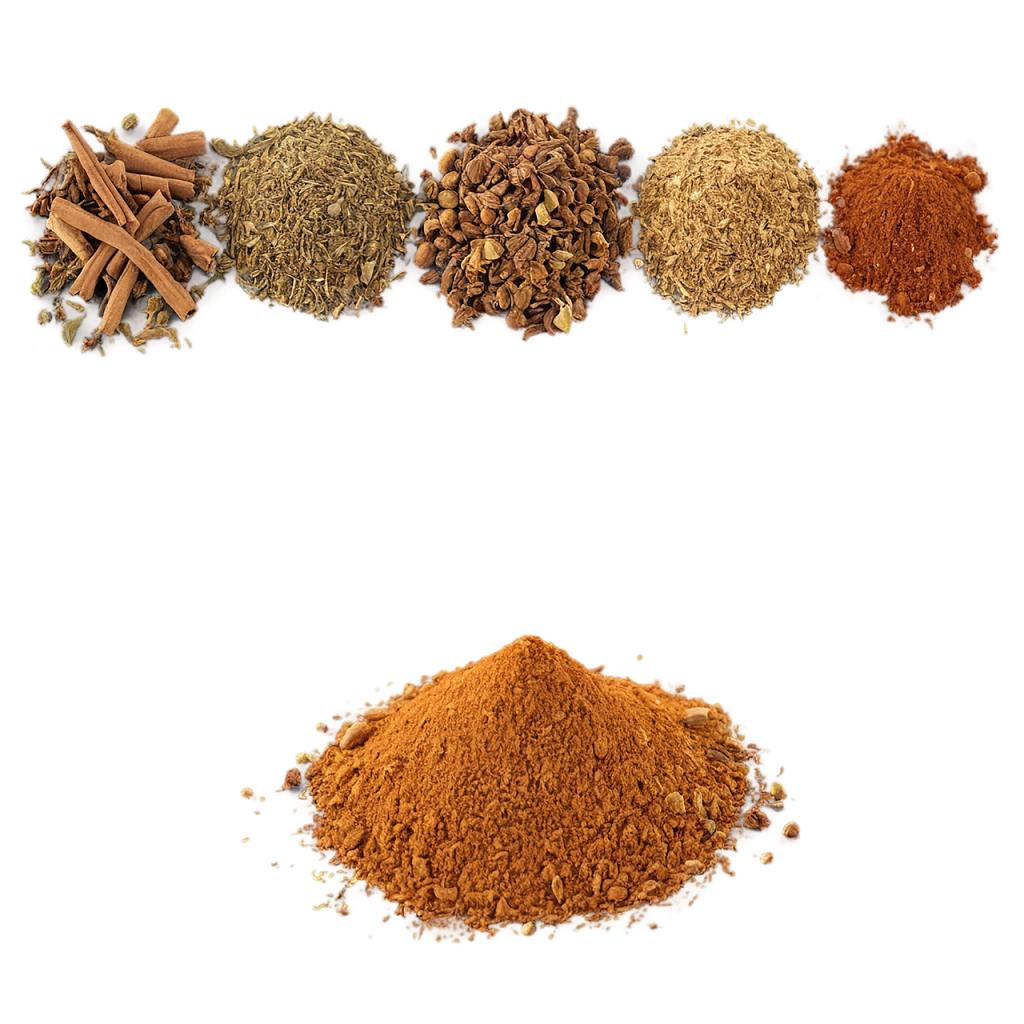
Each producer of pumpkin spice has their own recipe, but the most commonly included spices are the following.
Cinnamon
Ginger
Nutmeg
Cloves
Allspice
You can certainly buy bottles of pumpkin pie spice. McCormick even produces a liquid extract titled “Pumpkin Pie Spice Blend Extract.” If you do not think you are going to use a purchased bottle of pumpkin pie spice before next year, it would be better to make your own. It will be fresher, you only have to make how much you want to use, you can alter the ratio of the ingredients to match your preferences, and you won’t have a bottle of something that you are not using taking up precious space.
People like to talk about before and after the Pumpkin Spice Latte that Starbucks created in 2003. Pumpkin spice as a spice blend certainly existed long before then. A cookbook from 1798 actually has a couple of recipes in it that use nutmeg and ginger, as well as allspice and ginger. However, this Starbucks beverage created a new cult following for this flavoring profile, and decades later, it shows no signs of slowing down.
It is a trend that is not limited to Starbucks. Look at these other products cashing in on the Pumpkin Spice craze.
Dunkin’ Pumpkin Spice Goldfish
Target Favorite Day Pumpkin Spice Whipped Cream
Pumpkin Spice Cheerios
Pepperidge Farm Pumpkin Spice Cheesecake Cookies
Great Pumpkin Imperial Ale
Laughing Cow Pumpkin Spice Cheese Wedges
Ghirardelli Pumpkin Spice Caramel Chocolates
Pepperidge Farm Pumpkin Spice Milano Cookies
Pumpkin Spice Popcorn
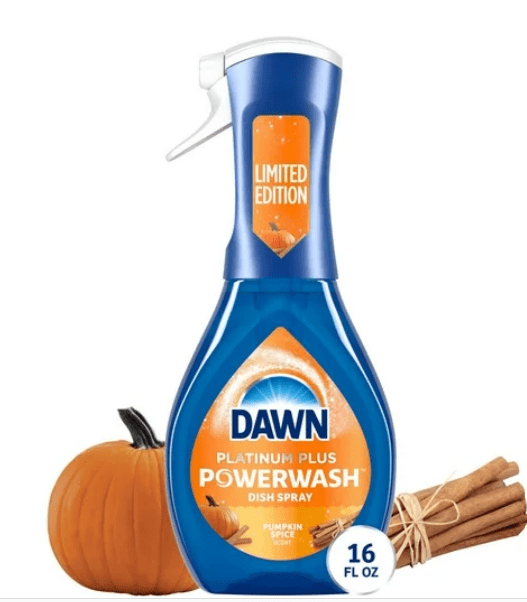
Dawn Pumpkin Spice Powerwash
Dunkin Pumpkin Munchkin Creamer
Air Wick Pumpkin Spice Essential Mist
Febreze Air Mist Pumpkin Roll
Do you enjoy the pumpkin spice season? What’s your favorite product?
Caraway is a spice with a flavor that can be a bit polarizing. It is not extremely common in American pantries, although it is elsewhere in the world. This Cooking Tip will explain what caraway is, how to use it, and whether there are any substitutions.
Caraway comes from a plant in the parsley family. Holland is said to be the largest producer of caraway. It is also grown in a few other parts of Europe as well as in the United States.
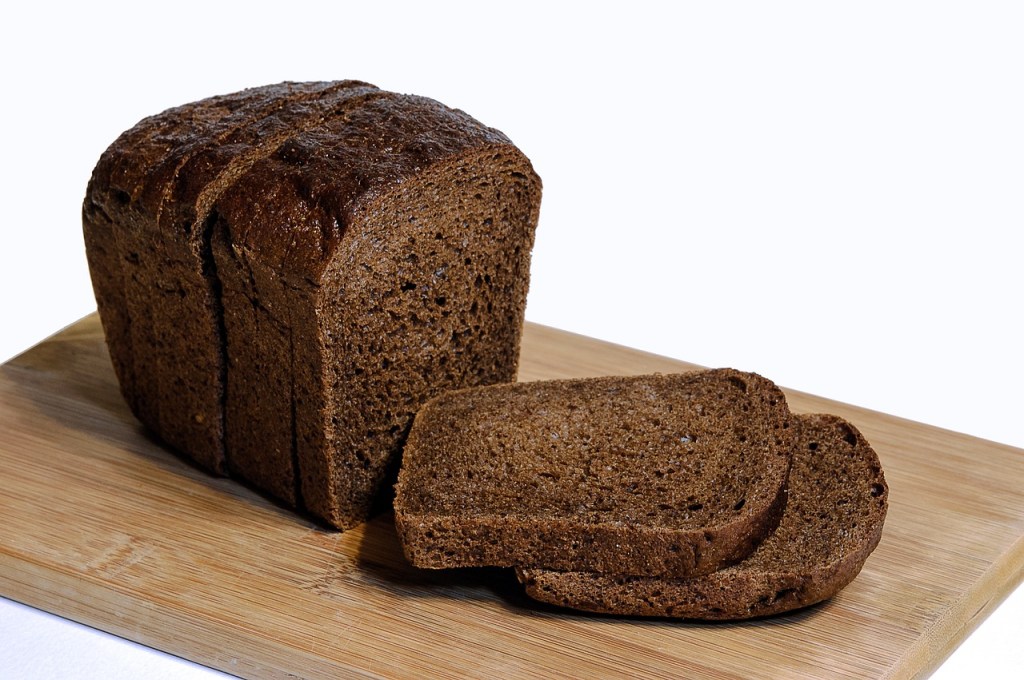
In the US, caraway is probably most well-known for the characteristic flavor of rye bread. It is much more common in European, Asian, and African dishes. Examples are sauerkraut, sausage, cabbage dishes, cheese dishes, and soups.
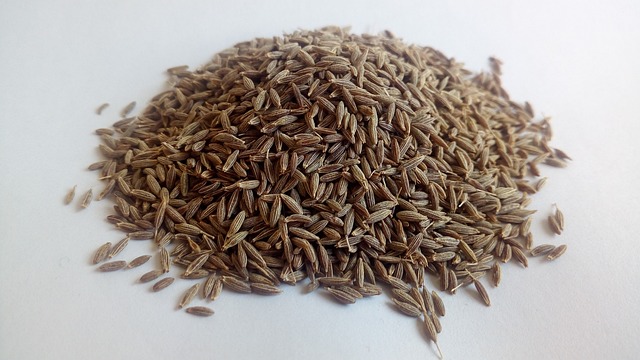
The seed is small, measuring less than ⅛ inch in length. They are dark brown in color and have a crescent-shaped appearance. The aroma is pungent. The flavor is described as sweet and tangy with licorice notes that are similar to anise.
Although you can buy ground caraway, it is much preferable to buy caraway seeds in whole form. Savory Spice has an excellent supply of Dutch caraway. (This is an affiliate link and I may earn a commission if you decide to purchase.) Since it is a spice that you will probably not use frequently, you want it to stay fresh as long as possible. Since the whole seeds stay fresh much longer (up to 2 years), you will get more use out of the whole form. Also, most recipes will call for the whole seeds. Some people find the whole seeds somewhat unpleasant to chew. In that case, you may want to put them in a spice bag or cheesecloth to allow for easy removal.
Caraway seeds are one of many spices that benefit from a quick toast in a dry pan over low heat. Once they become fragrant, remove them from the heat and allow them to cool before using. You may then crush or grind them in a mortar/pestle or use them whole.
As with all spices, store in an airtight container away from light, heat, and moisture.
Since caraway is not the most common of spices, many ask about substitutions. There are some you can try, although none will be an exact replacement.
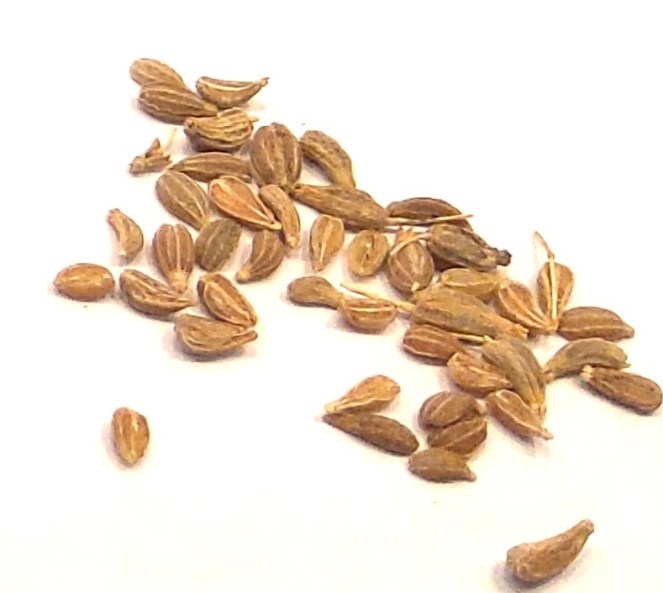
Anise Seeds
You may consider anise seeds, which will impart a similar licorice note. Anise can have a stronger flavor, which you should take into consideration if you substitute. This will work best in baked goods such as bread and cookies.
Fennel Seeds
Another choice would be fennel seeds. Fennel is more commonly found in Italian and Indian dishes, especially Italian sausage. This spice can also give a licorice flavor. However, caraway’s flavor is more earthy and nutty, while fennel is somewhat sweeter with a stronger licorice note. Fennel will do better in dishes with long cooking times, such as soups, stews, and curries.
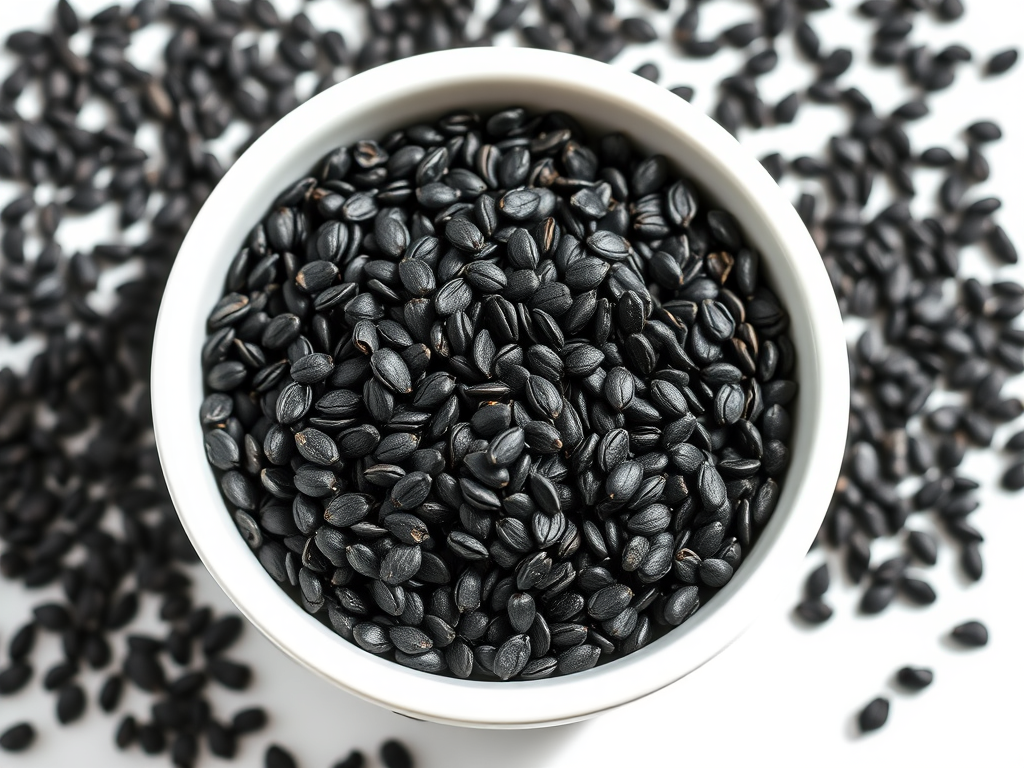
Nigella Seeds
Some recommend nigella seeds, although they are not easily found in supermarkets. Their use is better in dishes such as soups and stews, as well as breads.
Dill or Star Anise
Other possibilities include dill seeds and star anise. The latter can be very powerful, so start with a small amount.
Cumin Seeds
Cumin seeds are in the same family as caraway, and visually, they look very similar to caraway seeds. Their flavor profiles, however, are different. Whereas caraway has that licorice flavor and sweet notes, cumin is nuttier, warmer, and more savory in flavor. They are not good substitutes for each other.
What can you use caraway seeds in?
Rye, pumpernickel, and spiced breads.
Potato salad or coleslaw.
Sauerkraut dishes.
Add to cooked carrot and potato dishes.
Add to a cheese dip.
Add to cabbage dishes.
A good meat pairing would be pork.
Do you have caraway in your pantry? Have you ever used it? I hope this short Cooking Tip will help you use it to its fullest potential.
One basic skill all home cooks should possess is how to make your own salad dressings and vinaigrettes. In this Cooking Tip, we will delve into these words, what they mean and how to develop this skill.
Do you use the terms vinaigrette and salad dressings interchangeably? Most of us probably do. As one word expert puts it, “All vinaigrettes are salad dressings, but not all salad dressings are vinaigrettes.” Salad dressing is a general term for sauces that we typically put over salads before eating them. They are usually made from oil, vinegar and flavoring agents such as herbs and spices. They might also include ingredients such as cream, yogurt or mayonnaise. They can be somewhat thin and oil-based or creamy, such as we find in Ranch or Blue Cheese dressings. Vinaigrettes are thinner with the only ingredients being oil, vinegar and seasonings.
Whether you call it a vinaigrette or a salad dressing, it is easy to learn this most important culinary skill. Not only can you use these to dress your salads, but they can also be drizzled over roasted veggies or even used as a marinade.
Ingredients
This is one of those recipes that has very few ingredients. Therefore, you want the best quality ingredients you can get.
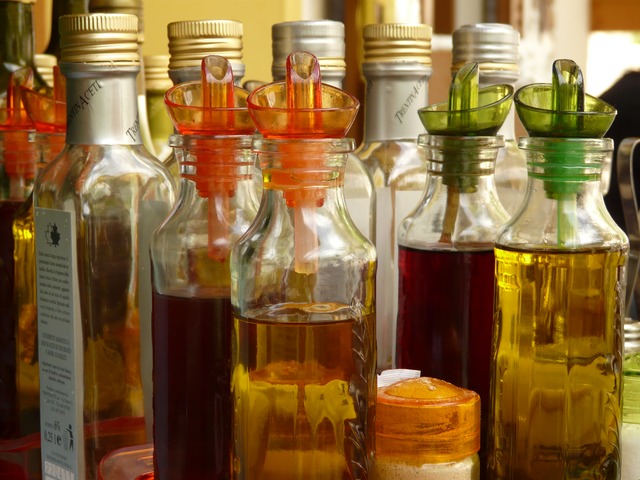
The main ingredients are oil, vinegar and seasonings. The mantra that you will hear over and over is that the ratio of oil to vinegar should be 3:1. However, that can vary for many reasons. First is personal taste. I know I prefer a dressing made with a lower oil-to-vinegar ratio. Second, not all acids are the same. Many different vinegars can be used along with citrus or other fruit juices. These all differ in how much acidity they have, and thus, how much bite they impart. Therefore, you might want to vary that oil-to-vinegar ratio to achieve the desired taste and balance. If you have never made your own vinaigrette before, start with the standard ratio, but then branch out to create a flavor you enjoy.
Oil – Most commonly, you will use extra virgin olive oil (EVOO). Good EVOO does have a strong taste. If it isn’t something that appeals to you, try a more neutral-tasting oil such as canola oil, sunflower oil, safflower oil, or a combination. You can also vary things by adding a flavorful oil, such as a nut oil. If you do, only make it a portion of the oil content, or it can be too overpowering. See these cooking tips for discussions on oils.
Acid – Use whatever you like and what works well with your salad. It can be any vinegar, even flavored vinegars. Other acids are citrus juices as well as fruit purees/nectars. I often like to combine a fruit-flavored vinegar with some of the actual fruit. For example, I use a peach vinegar along with pureed peaches. See this Cooking Tip for a discussion of the different types of vinegars.
Emulsifier
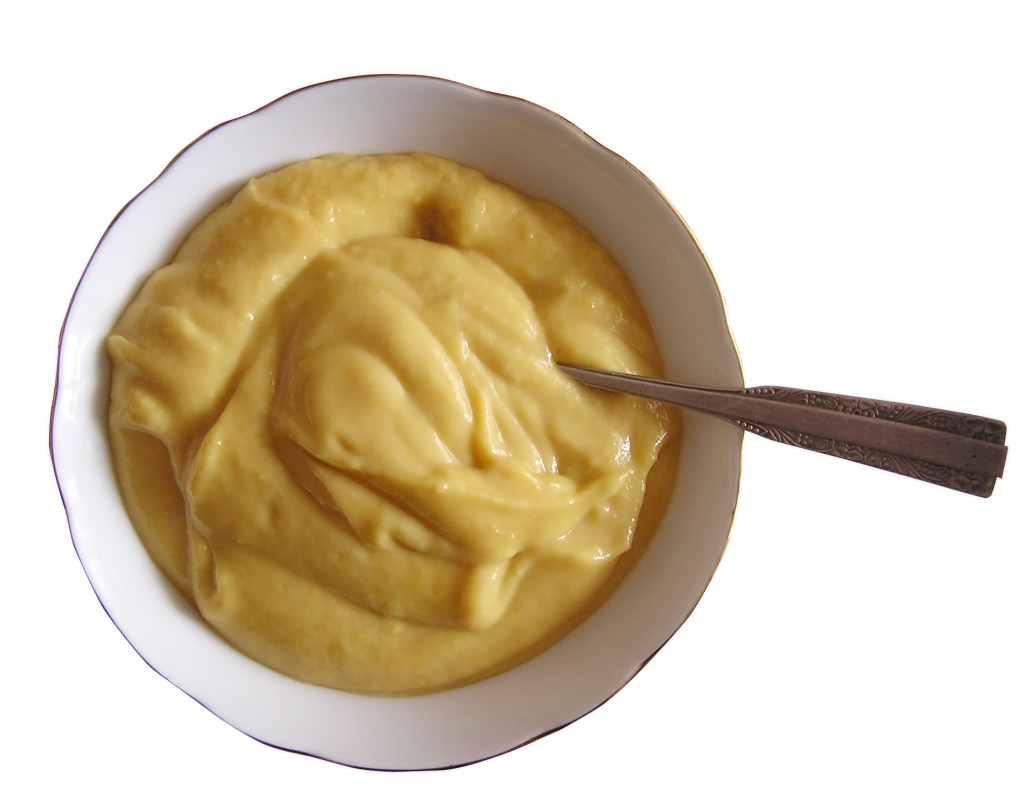
As we all know, oil and water do not mix very well. Since acids (vinegar, juices) are basically water, you often need something to encourage them to mix, which is called emulsification. Part of achieving emulsification is the technique of making the vinaigrette, but for a more stable emulsion, we add emulsifying agents. These work by attracting oils on one end and vinegars on the other. This helps to keep the oil and vinegar from separating into different layers for some time. Most will eventually separate, but giving the mixture a good shake or whisk will help re-emulsify them. Some of the most commonly used emulsifying agents are mustard, mustard powder, mayonnaise, and honey. Mustard is the one you will see recommended the most often and should be used in a ratio of one teaspoon of mustard for every tablespoon of vinegar.
Seasonings – This might just be salt and pepper, but could also be minced garlic, minced shallots, spices or herbs. You may also want to add a touch of sweetness in the form of honey, maple syrup, sugar, agave, etc. This helps to offset the acidity of the vinegar.
Technique
No matter your choice of ingredients, the technique is the same. Start by putting the acid in the bowl or jar first. The flavorings that you are going to add will mix much better in the acid than in the oil. Add your emulsifying agent, any desired seasonings and mix well.
Next, you will want to add the oil and emulsify the mixture such that the oil and water form a cohesive mixture. This can be done with vigorous whisking. It can also be done by making the vinaigrette in a glass jar with a tight lid and shaking until it is emulsified. A final method is to use the blender. In testing, it has been shown that the most stable emulsion will be produced by using the blender, and the least stable is with the jar method. One caution is that some experts think that putting EVOO in a blender leads to bitterness.
Recipe instructions will often advise adding the oil slowly, especially at first. The theory is that this allows a stronger bond to form. Once you have formed a good base, the oil can be added more quickly.
Once the vinaigrette is emulsified, taste and adjust to your preference. You can taste it on its own, or you may wish to dip a piece of lettuce into it and taste that way.
After you have mastered making a simple vinaigrette, have fun and experiment. Here are some tips for what produces the characteristic taste of some of the most common vinaigrettes and dressings.
Thousand Island Dressing
Ingredients include ketchup, relish, and mayonnaise.
It should be creamy, tangy, and slightly sweet,
French Dressing
This is classically made with sugar, vinegar, oil, ketchup (or tomato paste), paprika, and other seasonings.
It is light orange in color and creamy in texture.
Blue Cheese Dressing
The main ingredients are blue cheese, mayonnaise, buttermilk, milk, vinegar, and sour cream.
It is creamy and tangy.
Balsamic Vinaigrette
One of the simplest vinaigrettes using balsamic vinegar as the acid.
It is a thicker vinaigrette with a sweet component.
Ranch Dressing
Buttermilk, sour cream, and mayonnaise are the main ingredients. Seasonings include garlic powder, onion powder, and dill.
Another creamy dressing with a more savory flavor profile.
Italian Salad Dressing
Olive oil, vinegar, garlic, and herbs are combined for this classic dressing.
The flavor often has a peppery zing.
Caesar Dressing
Ingredients for a classic Caesar salad include Parmesan cheese, croutons, romaine lettuce, and Caesar dressing.
The dressing consists of garlic, lemon juice, Worcestershire sauce, Dijon mustard, and olive oil.
What is your favorite vinaigrette or salad dressing? As I noted above, I love a fruity vinaigrette. Whatever you like, making your own at home should be something that is second nature to you.
Vinegars are a standard ingredient in all of our pantries. I have written a prior Cooking Tip on the different types of vinegars. In this Tip, I would like to concentrate on one we all use quite frequently – Balsamic Vinegar.
The first thing to recognize is that not all balsamic vinegars are the same. They range from the very expensive, traditionally-made balsamic to what are sometimes called “imitation balsamics”. Let’s explore further.
Traditional balsamicvinegar is made only in the provinces of Modena and Reggio Emilia, Italy. It is made only from grape must, which is freshly crushed grapes (including the skin, seeds, and stems) from particular grape varietals. This mixture is cooked down to a syrup and aged in wooden barrels for a minimum of 12 years.
The mixture goes through a series of aging barrels, called a batteria. Each barrel is smaller than the previous one and is typically made of a different wood, contributing unique flavor notes to the finished product. As the aging proceeds, liquid evaporates, leaving a thick and concentrated result. Once a year, the smallest barrel is drained and bottled. Each barrel is then filled from the next size up, with the final barrel being topped off with fresh grape must.
Traditional balsamic is aged for a minimum of 12 years, but can go on for 25 years. Due to the process of going through the different barrels, it isn’t easy to give an exact age to the vinegar. Instead, judges will assess these products, assign grades, with various grades being topped with a different color of cap. An exact age is not listed on the label. In Reggio Emilia, those given a red cap (affinato – fine) are said to correspond to a 12-year aging process. A silver cap (vecchio– old) is 15-20 years, and a gold (extra vecchio – extra old) is 20-25 years. In Modena, there is just a white cap for affinato and a gold cap for extra vecchio.
Similar to Parmesan-Reggiano or Champagne, a system of regulation and classification has been imposed by the Italian government and the European Union for traditional balsamic vinegars.
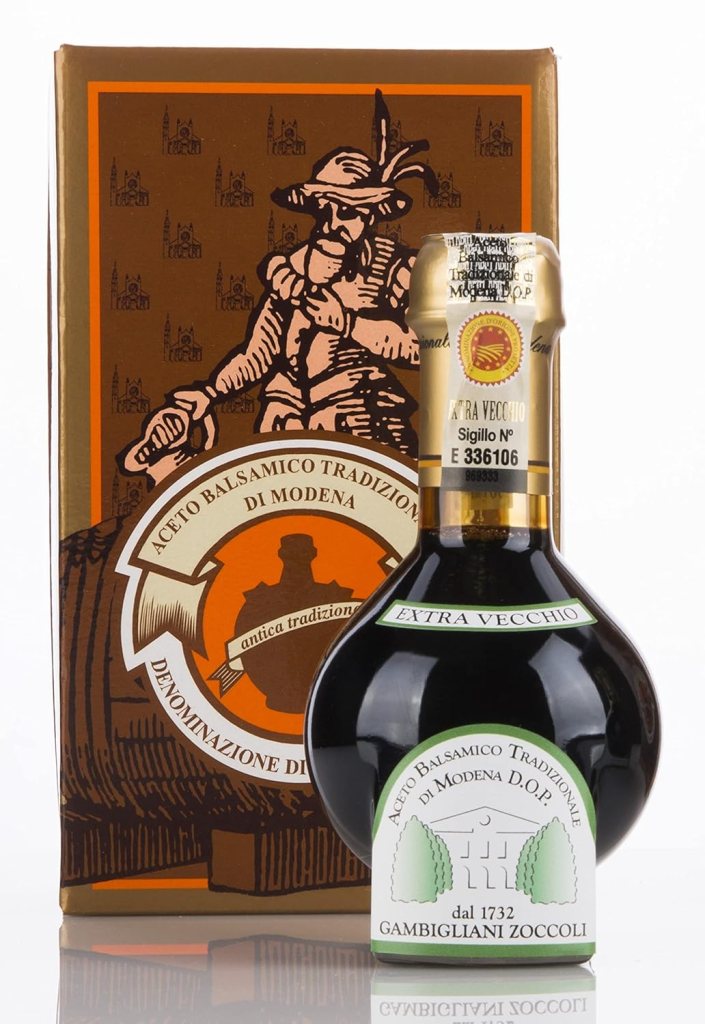
Photo courtesy of Amazon
To achieve this DOP certification, there are several requirements, including the location where the grapes are grown, the types of grapes used, the production process, and the shape of the bottle used. A consortium must approve and certify that all the standards have been met before allowing the DOP seal to be placed on the bottle.
The strictest category is known as DOP – Protected Designation of Origin. This can be either Aceto Balsamico Tradizionale di Modena or Aceto Balsamico Tradizionale di Reggio Emilia.
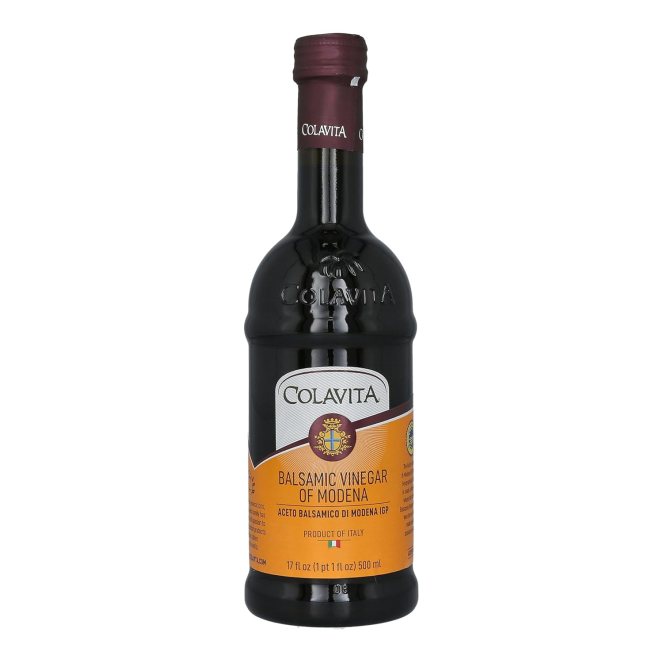
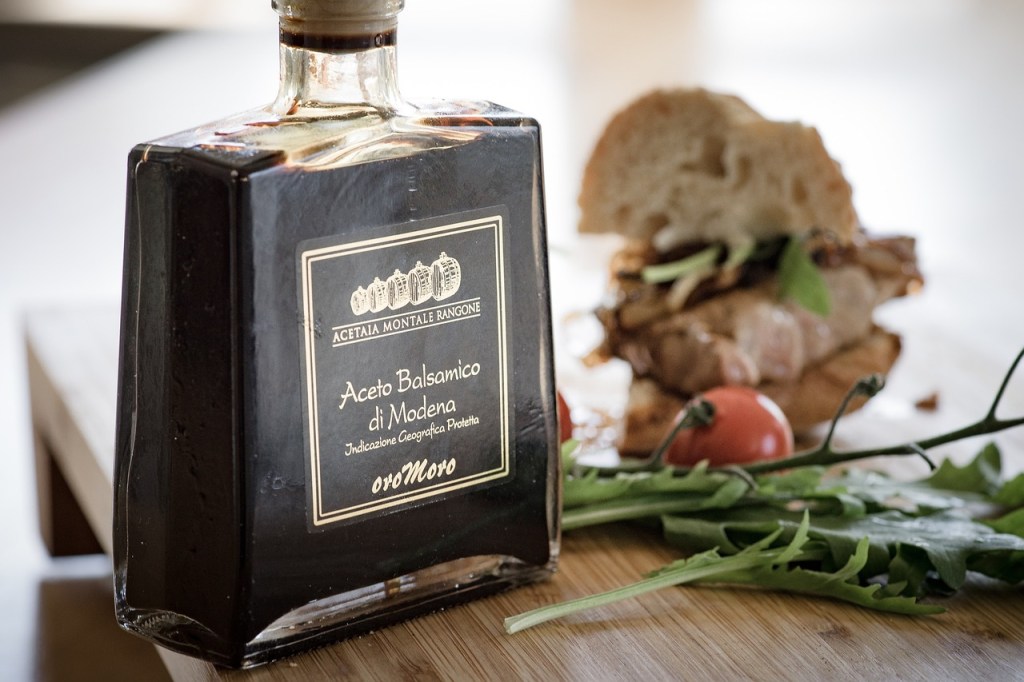
A second seal that you might see is the IGP seal, which stands for Protected Geographical Indication. These vinegars are known as Aceto Balsamico di Modena or Aceto Balsamico di Reggio Emilia. It is said that the IGP process began because the supply of balsamic vinegar could not keep up with worldwide demand. This allowed the producers to make vinegar on a larger scale and in a shorter time.
There are standards to achieve this certification, but they are much more relaxed. The production process is not so strictly controlled as with DOP vinegars. This means that vinegars with the IGP seal can vary significantly in terms of flavor, quality and price.
This vinegar will not be 100% grape must but will be mixed with wine vinegar. The type of vinegar and the amount are not controlled. A better IGP will list grape must as the first ingredient, followed by wine vinegar, but many balsamics we see in our stores will have those ingredients in the reverse order. This seal also allows for the addition of up to 2% caramel. Look at the label to see if this has been added. This produces a sweeter flavor and a darker color, particularly when the first ingredient listed is wine vinegar. However, you may prefer one without this additive.
With an IGP vinegar, the grapes may be grown anywhere, but should be of a type similar to the grapes used in the traditional vinegar. The production, however, needs to take place in either Modena or Reggio Emilia. The aging process is only required to be 60 days. Some may age 3 years or more, and if so, you may see “aged” or “invecchiato” on the label.
Traditional DOP balsamics are subjected to a taste test before certification is granted. Nearly 20% of submissions fail this test. In contrast, almost every sample submitted for IGP certification passes. So, there is a wide variety in thickness and flavor from brand to brand.
There is also the Condimento category. This is a large category. It could be a vinegar that was traditionally produced but did not meet the standards for the DOP seal. Maybe the producers wanted to add some wine vinegar, or the product was produced outside of Modena or Reggio Emilia. Or, the producers may not have wanted to incur the monetary costs associated with getting a DOP seal. This means that there may be some excellent balsamics without this seal. However, the term “condimento” is not a protected designation and, therefore, can be placed on inferior products. Even though vinegars in this category may not have a DOP stamp, they may have an IGP stamp instead. Read your labels, though, for the ingredients.
Most supermarket products are not DOP or IGP. This doesn’t necessarily mean they are bad products. Look at the ingredients and aim for those with grape must as the first ingredient and no additives. Stay away from terms such as “reduction,” “cream,” or “glaze.” They are made to mimic a traditional balsamic but are often full of additives.
Balsamic vinegars made outside of Italy will not have these certifications. One can find balsamics made in the US or any wine-producing area. I have seen some of these products labeled as “traditional,” but they are not the same as the DOP balsamics. The term is used as a marketing ploy. Again, this does not automatically mean they are inferior products. Judge them with the same standards as above.
Apart from the ingredients and production methods, how do these balsamics differ?
Traditional balsamics (DOP) will be glossy, very dark and thick. They have a syrup-like consistency that feels velvety on your tongue. The flavor is rich, sweet, slightly tart and complex without being overly acidic. Some describe it as having notes of fig, molasses, cherry, chocolate, or prune and even a touch of smokiness. These products are very expensive.
They are not meant for cooking. Instead, they are more of a condiment. Heating it can destroy its complexity. Rather than using it in a cooked application, try putting a few drops on fresh berries, cheese, or ice cream. It can also be used at the end of the cooking process. Drizzle it over a bowl of risotto or a grilled meat dish. In Italy, it is also used as a palate cleanser, an aperitif or digestif, especially on special occasions.
Condimento balsamics will also be thick and dark in color. The flavor will lack the complexity of a DOP balsamic, but should still have notes of acidity, sweetness, and fruit. They are significantly less expensive and can still be used in the same way as traditional balsamic. They can also be used in vinaigrettes.
IGP balsamics can vary greatly in flavor, texture and quality.
Because these products are a mixture of both grape must and vinegar, the flavor has more acidity and it won’t be very complex.
This type of balsamic is the best for vinaigrettes, but it can also be used in soups, stews, and marinades. Ones that are lighter in color tend to be tart, whereas darker ones are sweeter. It can also be reduced by simmering along with sugar, which produces a type of syrup.
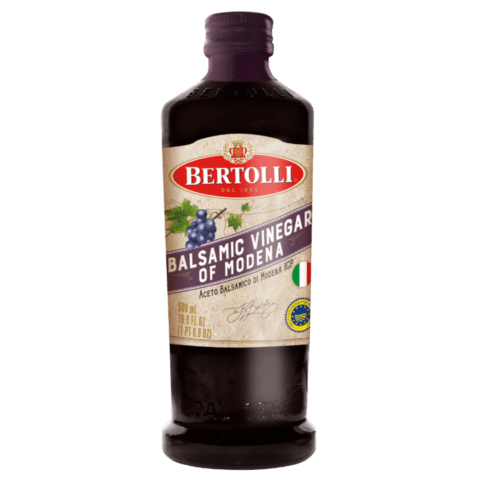
Photo courtesy of Bertolli
Supermarket balsamics
These are made from grape must and wine vinegar. They are meant for everyday use. Although it may have a pleasant taste, it will not be as complex as the traditional product. If the first ingredient listed is the vinegar, it will be more on the tart side. If grape must is the first ingredient, it will be mellower and sweeter. If “grape must” is not listed as an ingredient, it will be a much lower-end product.
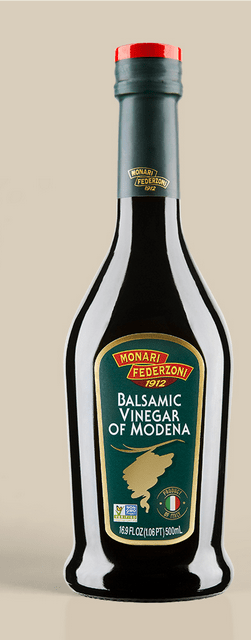
Photo courtesy of Monari Federzoni
Cook’s Illustrated recommends a “hack” to improve the flavor of a less expensive balsamic. Combine ⅓ cup of balsamic vinegar, one tablespoon of sugar, and one tablespoon of port in a saucepan and simmer until reduced by half. In a taste test, they reported that most of their tasters could not distinguish between this and a high-end balsamic vinegar.
When you go to the store to select a high-quality balsamic vinegar, as noted above, knowing what to look for on the label is your best guide. Tasting them is the next best thing. If you are lucky enough to have a store where you can do this, it can greatly help you choose the best balsamic for you.
You can also look at organizations that have done taste tests and made recommendations. The problem with these is that different organizations test different vinegars and may have different rating guidelines.
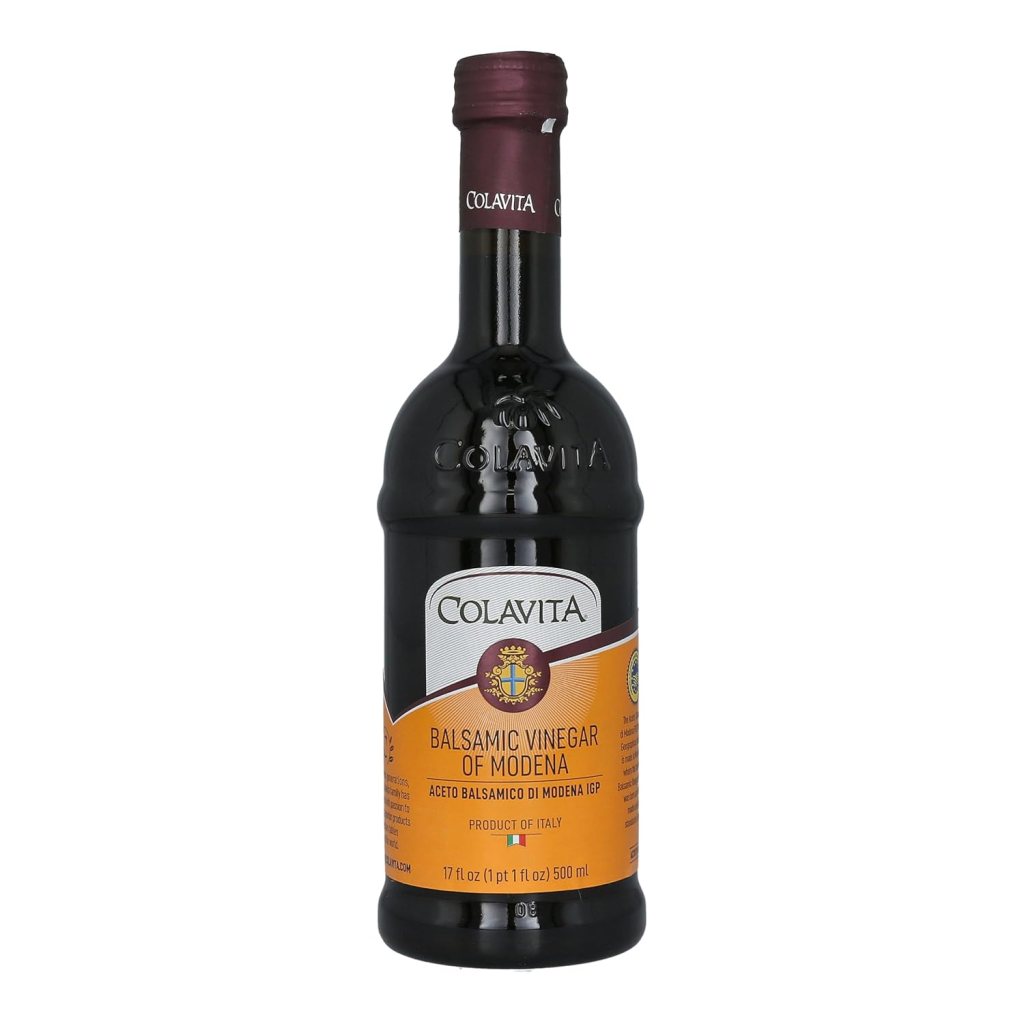
Photo courtesy of Amazon
Despite this, some commonalities can sometimes be found. Three balsamic vinegars that are often at the top of the list of recommended supermarket balsamics.
Bertolli Balsamic Vinegar of Modena
Monari Federzoni Balsamic Vinegar of Modena
Colavita Balsamic Vinegar of Modena
Since the high-end balsamics and supermarket ones have different purposes, you may want to have more than one in your pantry. With the information in this Cooking Tip, I hope you can pick out ones you love.
In my cooking classes, I constantly ask my students to taste the food as they progress through the cooking process, not just at the end. Only through this tasting can you adjust the dish to achieve a delicious result. Many times, my students say, “I don’t know what it is supposed to taste like.” I try to teach them that there is not just one desired flavor for one dish. Instead, it’s about learning how to taste and then adjusting ingredients to achieve a taste that you prefer. There are entire books written on this subject. Let me try to summarize the best advice in this Cooking Tip.
The average cook probably thinks of taste and flavor as interchangeable. They are different, though. We have all learned from school about the different tastes – Sweet, Sour, Bitter, Salty, and Umami. Researchers are exploring other basic tastes, but for now, we will focus on those four.
On the other hand, there are thousands of flavors. Flavor is impacted by smell, taste, somatosensory (temperature, texture, spiciness) and the environment (sight, sound, color). I still recall the best crêpe I ever ate, which was at a street vendor in Paris. Was the crepe tasty? Absolutely. However, part of my enjoyment was certainly the environment of being in Paris and all that entailed. Of these factors, smell is said to make up 80% of the flavor experience.
Creating great-tasting food is a balancing act – balancing salt, acid, sweetness, bitterness, fat, and umami. Of these, salt is probably the most important. As Becky Selengut says in How to Taste, “… salt is almost always the problem and almost always the solution.”
Many will argue that we should all reduce the amount of salt we consume. That is true, but most of the excessive salt we consume comes from processed foods and eating out. The amount of salt that we consume from adding it to home-cooked meals is very small. (See this Cooking Tip about the types of salt.) Without salt, your food will taste bland and unexciting. With the proper amount of salt, your dishes will come alive.
Salt is what helps to bring out the flavor of your ingredients. Adding salt should not make that potato soup taste salty, but it should enhance the potato flavor. Salt is also able to tamp down bitterness in food while bringing out sweetness. This is why people salt their grapefruit, and why you should never skip salt in a dessert. Salt is the primary way to balance flavors and create a delicious, harmonious dish.
Acids, in the form of citrus juice, vinegar, wine, or a combination, can transform a dish from dull and somewhat lifeless to an alive state. Citrus zest is another excellent choice, especially when you don’t want to add liquid or overpower your dish with citrus juice. The more savory your dish is, the more it can benefit from a touch of acid. Not only does the acid enliven a dish, but it can also counteract an excess of salt as well as balance fattiness.
Sweetness can be found in many forms, from various types of sugar to honey and maple syrup. Just be aware that some of these sweeteners will do more than just add a sweet note; they will also impart their own flavor. See these Cooking Tips on solid sugars and liquid sugars. There are also tips on specific sweeteners, including Honey, Agave, Palm Sugar, and Maple Syrup.
Sweetness is excellent for balancing an overly acidic dish. Consider how many recipes for tomato sauce (which is acidic) call for just a small amount of sugar. It can also counteract an accidental heavy hand with salt.
Fat
Through some questionable research, fat was labeled as unhealthy back in the 1970s. Since then, we have begun to realize that sugar is a much worse culprit in our diets. Fat not only contributes flavor but also texture, another very important component of a great dish. Some researchers are proposing that fat is another basic taste, along with sweet, salty, bitter, sour, and umami.
Fat can dissolve fat-soluble molecules, acting as a flavor carrier, which allows you to taste them better. It also adds a wonderful mouthfeel. Think of the difference between adding skim milk to a sauce and adding a dash of cream.
Bitter
If you are like me, you have a very strong aversion to bitterness. It does, though, play an important part in this flavor balance we are trying to achieve. Bitter foods are very diverse, including citrus zest, chocolate, coffee, tea, and vegetables in the Brassica family, such as Brussels sprouts, kale, and turnips. There are many more, but these give you an idea of bitter foods.
Bitterness can cut excess fattiness and sweetness in a dish while adding a complexity of its own. Many of us, though, want to temper the bitterness in our dishes. This can be achieved with both salt and sweet, as well as through various cooking methods. For example, roasting or blanching veg can reduce bitterness.
Adding an umami-rich ingredient can give you that extra flavor boost you are looking for. These ingredients are commonly used to enhance the meaty texture in vegetarian dishes. Just think how often mushrooms are a part of savory vegetarian dishes. These items can also help improve mouthfeel.
Other flavor elements
You might be asking yourself, “What about herbs, spices and chilis?” Yes, those all add flavor, but they should be secondary to that balance I mentioned above – salt, acid, sweet, bitterness, fat, and umami.
How do you put this all into practice? Get into the habit of tasting your food as you cook. This will help you learn how to taste. As you add ingredients and taste again, you will reinforce what those ingredients do for your dish. Some of us have better palates than others, but we can all learn to be better tasters as we practice.
Taste your food and ask yourself, are all of the above elements in balance? If you taste and think it needs something, consider adding salt first, unless you believe the salt level is already good. Add some salt and taste again. What did that do for your dish? If you are still not happy, consider a bit of acid. Taste to see how that changed the dish. Next, go for some sweetness. Be sure to taste after adding any of these ingredients. Not only will you ensure the dish is delicious, but you will also train your palate to pick up the differences as you go along. Above all, keep cooking, keep tasting, keep learning and have fun!
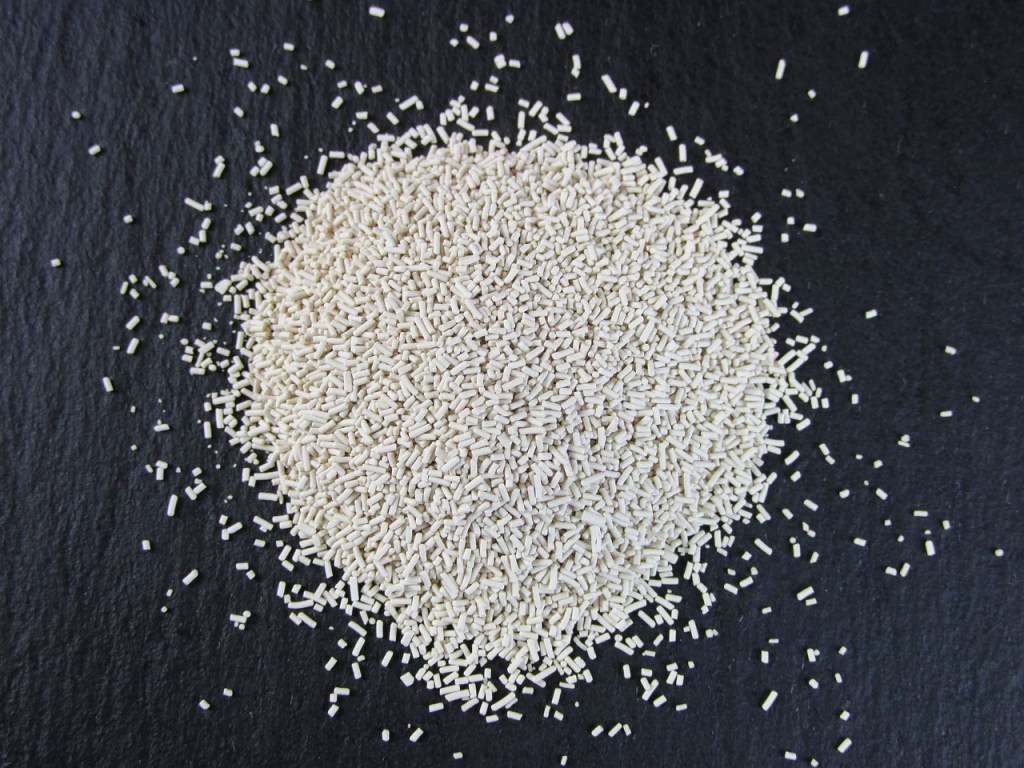
In last week’s Cooking Tip on Hot Cross Buns, I mentioned that many caution against using much cinnamon in the dough as it can inhibit rising. In this short Cooking Tip, I investigate whether this is true.
As opposed to other Culinary Myths, it isn’t easy to get a definitive answer to the question of whether cinnamon can inhibit yeast.
This premise comes from the fact that the flavor chemical in cinnamon, cinnamaldehyde, has been shown to have antifungal properties. Since yeast is a type of fungus, adding cinnamon to the dough could inhibit the yeast from doing its job.
King Arthur Flour cautions that cinnamon can inhibit yeast activity. However, they state that the effect would be minimal if you use no more than one teaspoon per 3 cups of flour.
One sourdough expert finds that adding cinnamon at shaping is the best way to incorporate it into your sourdough bread, hopefully minimizing any adverse effects on the fermentation process.
This belief about cinnamon and yeast is why you do not see the addition of cinnamon to the actual dough when making cinnamon rolls. Rather, it is generally added as a swirl or a filling.
There are scientific in-vitro (in the lab) studies that have demonstrated an adverse effect of cinnamon (and other spices) on yeast. How this translates to your kitchen and using cinnamon in yeasted dough is not totally clear. Much of what we read is just based on anecdotal evidence.
What have you found? Have you experienced a failure with a yeasted dough that included cinnamon as an ingredient? Let us know!
If you have read my previous posts on Spices and Spice Blends, you will know I do not like buying many spice blends. Instead, I prefer to make what I need from the individual spices that I already have in my pantry. One exception is if the blend contains spices I do not normally have on hand, as with many exotic spice blends. In this Cooking Tip, I want to explore eight of the most common exotic spice blends.
I hesitate to list which spices are included in each blend. That is because the list of spices can vary from region to region, from chef to chef and from family to family. Some families guard their blend as a family secret, and it is passed down through the generations. Therefore, even though I will give you a list of common spices used in these blends, just realize that there will be variations.
In India, the word chaat refers to savory, fried snacks seasoned with this spice blend. These are commonly served by street vendors.
Typical included spices: black salt, asafoetida and amchoor, but they often also include cumin, coriander, ginger, and chili powder.
Flavor – sour, spicy, acidic
Uses – street snacks, sandwiches, salads and fruit
Types of cuisines – Indian, Bangladeshi, Pakistani
Garam Masala
This name translates to “warm spice blend” or “hot spices.” It refers to the warming properties of the spices used in the mixture and is not a reference to spiciness.
Typical included spices – coriander, cumin, cardamom, cloves, black pepper, cinnamon and nutmeg. The spices are toasted before grinding to enhance flavor.
Flavor – sweet, warming, spicy, floral
Uses – a finishing spice that adds warmth and depth of flavor to dishes.
Types of cuisine – Indian, Pakistani
Baharat
Other names – Lebanese 7-spice
Typical included spices – black pepper, cardamom, cumin, coriander, paprika, nutmeg, cinnamon and cloves. Some say the essential spices are allspice, cinnamon, black pepper, and cloves. Others list the foundational spices as cumin, cinnamon, nutmeg and coriander. The Turkish version typically includes mint.
Flavor – earthy, smoky, aromatic
Uses – seasoning for meats, seafood, marinades, and soups
Types of cuisine – Middle Eastern, Turkish, Greek
Berbere
Other names – Ethiopian spice blend
Typical included spices – red chile peppers, fenugreek, garlic, coriander, ginger, cinnamon, nutmeg, and cloves.
Flavor – sweet, smoky, spicy, fragrant
Uses – dry rubs, marinades, stews. It is also used as a condiment in paste form.
Types of cuisine – Ethiopian
Dukkah
Other names – Duqqa, du’ah, dukkha
The name means “to pound,” meaning that this blend of roasted nuts and seeds was traditionally pounded to a coarse mixture in a mortar/pestle.
Typical included spices – roasted nuts, seeds salt, pepper, sesame seeds, cumin and coriander. This blend is considered more of a condiment than a spice blend.
Flavor – smoky, savory, crunchy, mild heat
Uses – dip for pita bread, coating for meat and fish
This North African chili paste is made from roasted peppers, olive oil and spices.
It is a condiment commonly found in Tunisia, Algeria and Morocco. It is usually found in paste form, but some outlets offer harissa powder.
Flavor – spicy, aromatic
Uses – added to couscous, soups, stews and meats
Types of cuisine – Tunisian, Moroccan
Ras el Hanout
Other names – Mrouzia spice
The name translates to “head of the shop,” “top shelf,” or “best of the best.” This refers to the fact that it was made only with the highest quality spices in the shop.
Typical included spices – cardamom, clove, cinnamon, coriander and cumin.
Flavor – sweet, warm, pungent, floral
Uses – added to tagines, spice rubs, marinades and soups
Typical included spices – oregano, thyme, sumac, toasted sesame seeds and salt.
Flavor – herbal, savory, lemony, tangy, nutty
Uses – added to hummus, pita bread, dry rubs, vegetables
Types of cuisine – Middle Eastern, Mediterranean
There are eight of the most common exotic spice blends. If you look at the typical spices in these blends, you can probably make some from spices you already have. If not, consider buying them from a source where you are getting the freshest blend you can. My favorite is Savory Spice Shop. (This is an affiliate link and I may earn a commission if you decide to purchase.) Where do you get yours?
Spices are essential pantry ingredients to creating flavorful food. Spices could be as simple as salt and pepper or as exotic as something like sumac. Some of our pantries are dominated by single spices such cinnamon, cloves and nutmeg while others are full of numerous spice blends. In this Cooking Tip, I will be discussing some of the more exotic single spices and the next Tip will delve into unusual spice blends.
I have written before about spices in general terms as well as more in-depth discussions of certain spices. In this Tip, let’s take a trip around the world to discover the exotic. Since there are more spices than I could possibly mention, I will attempt to focus on ten that many of you will have heard of whether or not you have used them. I will note that some of these may actually be considered herbs, but we will still cover them in this Tip.
You may ask why you would want to know about these exotic spices. If you wish to venture into making ethnic dishes that call for one of these spices, you will not get the authentic flavor you are aiming for if you do not use that spice. Yes, you can try to substitute, but it will not be the same. Another reason is if you just want to experiment with different and exciting flavors. This discussion will help you decide how to use them in your kitchen.
Aji Amarillo
Origin – Peru
What it is
A species of yellow chili pepper that turns to orange as it ripens.
Aji means chili pepper and amarillo means yellow in Spanish.
Heat is balanced with a fruitiness with hints of citrus and tropical fruit.
Uses
Considered part of the Peruvian “holy trinity” along with garlic and red onion.
Spicy chilis, spice rubs, sauces.
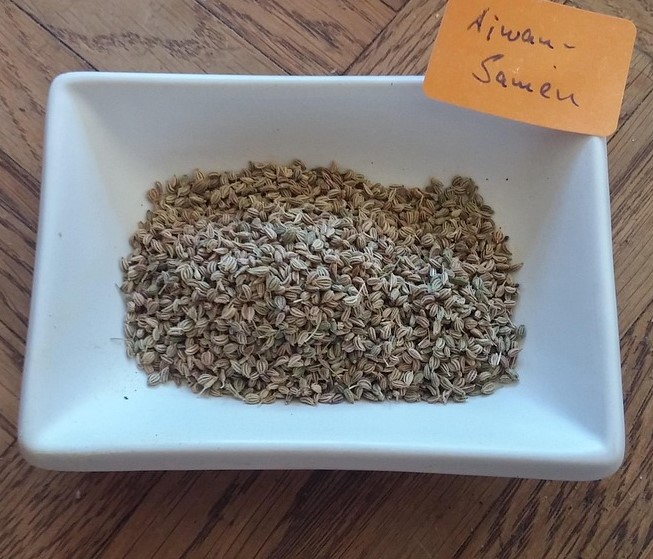
Ajowan
Other names – Ajwain, carom seeds
Origin
Native to South India.
Cultivated in India, Iran, Egypt, Pakistan and Afghanistan.
What it is – The seeds of an annual plant in the parsley family.
Form – Grayish-green, oval seeds similar in size to cumin seeds.
Flavor – similar to thyme but more pungent and slightly bitter, adds warmth with a smoky, spicy, bitter aftertaste.
Uses
Used in Indian bread, snacks and vegetarian dishes.
Part of chaat masala and berbere spice blends.
Aleppo Pepper
Other names – Halaby pepper
Origin
Originates from the city of Aleppo in Syria. Due to war, the trade of this spice was disrupted but Syrian refugees took it to Turkey, where most of today’s production happens.
Cultivated in Syria and Turkey.
What it is – A red pepper in the nightshade family.
Essential ingredient in Mediterranean and Middle Eastern cuisine.
Typically used as a table condiment.
A complex substitute for crushed red pepper.
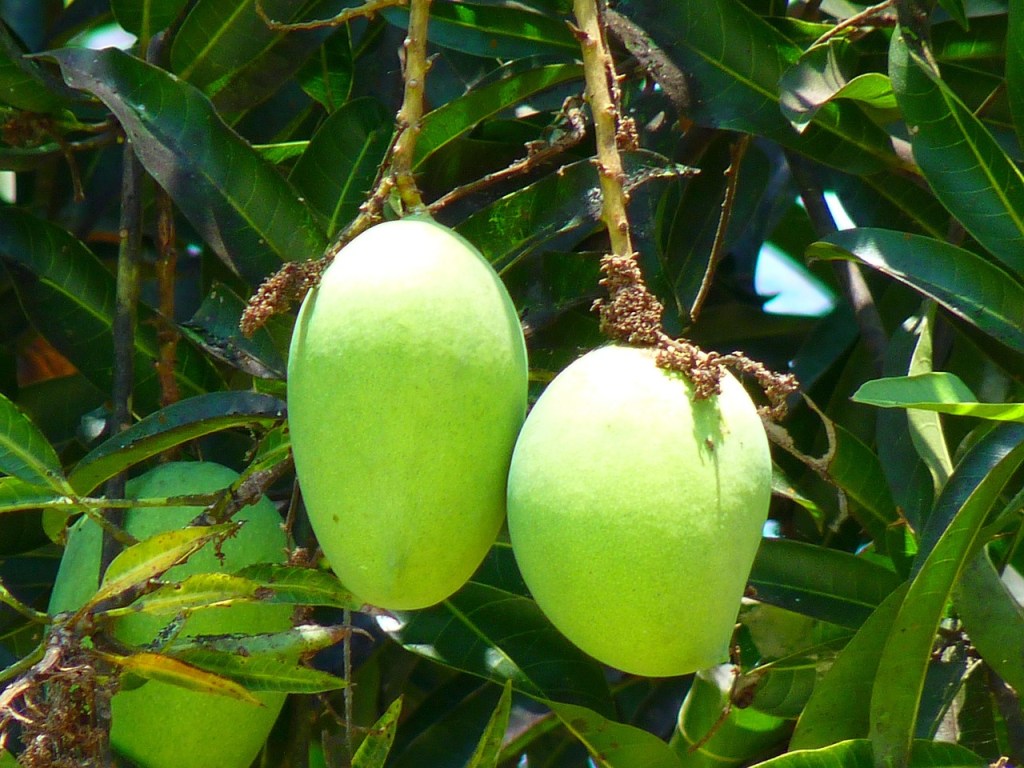
Amchur
Other names – amchoor, mango powder
Origin – Native to and cultivated in India.
What it is – A powdered spice made from dried, green mangoes.
Form – Powdered
Flavor
Sour, slightly sweet with herbaceous notes.
Is used to add acidity without moisture.
Use cautiously as can overpower other flavors.
Uses
Mango chutney
Part of chaat masala spice blend
Samosas
Indian soups
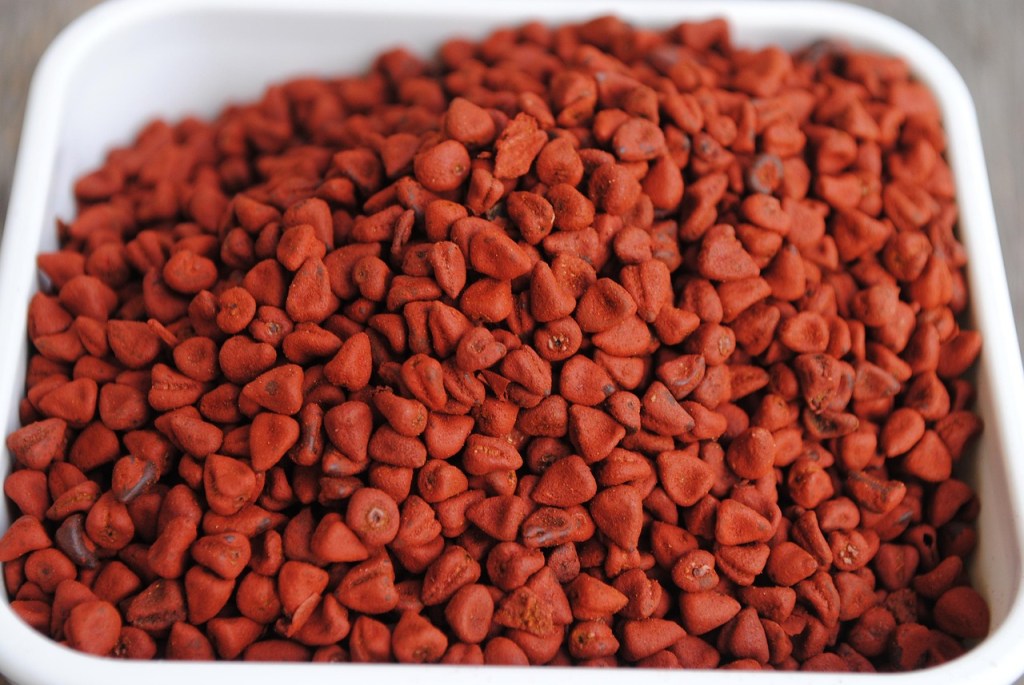
Annatto
Other names – Achiote
Origin
Native to the tropical regions of Mexico, South & Central America and the Caribbean.
Cultivated mainly in Africa, Asia, Central America and the Caribbean.
What it is – Spice derived from the seeds of the Bixa Orellana tree.
Form – Because the whole seeds are so difficult to grind, most people buy the ground product.
Flavor
Warm, earthy, sweet, peppery flavor
Mild acidity
Uses
Adds a vibrant orange color to dishes.
Achiote paste.
Popular in Latin American and Caribbean cuisine.
Asafoetida
Other names – Hing
Origin – Native to Iran and Afghanistan.
What it is – The dried resinous substance from the taproot of the Ferula plant.
Form – Powdered and is often mixed with rice flour when offered for sale as it is very expensive.
Flavor – Mimics the flavor of onions and garlic.
Uses
Strong, pungent smell and so used in small quantities.
Adds a unique flavor to Indian vegetarian dishes.
Part of chaat masala spice blend.
Often used in some cuisines to replace onion and garlic.
Just as salt brings out other flavors, asafoetida highlights the other spices in a dish.
Keep tightly sealed so the aroma doesn’t fill your kitchen.
Epazote
Other names – wormseed, Jesuit’s tea, Mexican tea and paico.
Origin
Native to Central and South America and southern Mexico.
Cultivated in these areas along with parts of Europe and the US.
What it is – The leaves of a pungent herb.
Form
Hard to find in fresh form as it is rarely imported from the growing regions of Mexico and Central America.
Can buy in dried form.
Flavor
Notes of oregano, pine, lemon and mint.
Strong, minty and slightly bitter taste.
Uses – Mexican cuisine
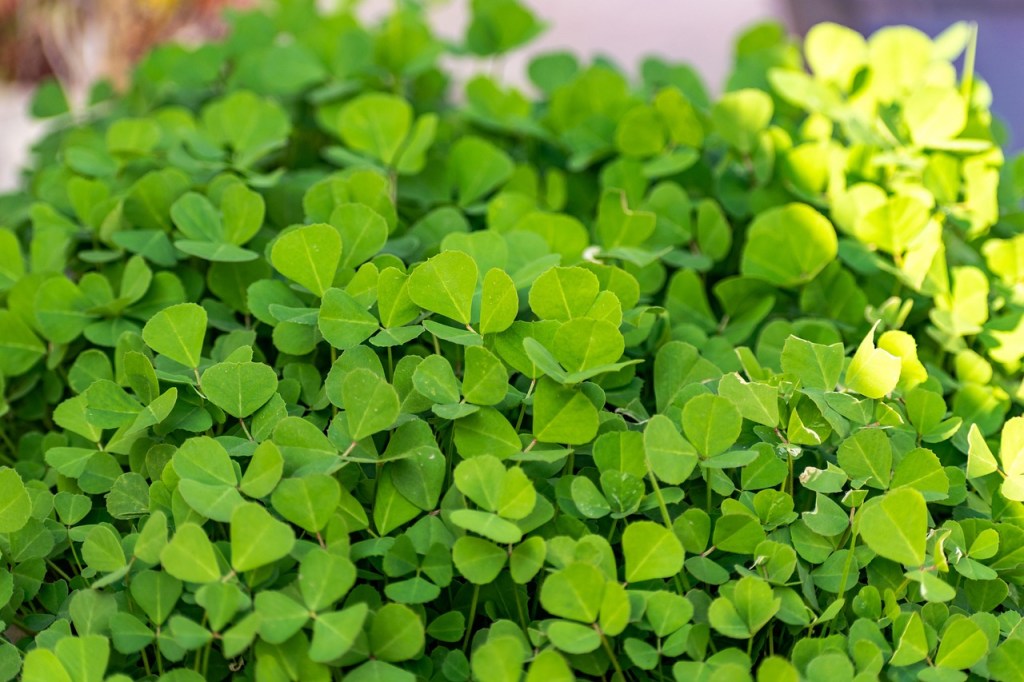
Fenugreek
Other names – Greek hay, Greek clover, bird’s foot.
Origin
Native to southeastern Europe and western Asia.
Cultivated in India, North Africa and the Mediterranean.
What it is – a legume that is part of the pea family.
Form – At times, the leaves can be used but more likely to use the seeds.
Flavor
Warm, musty, bittersweet
Some say it has a flavor of pungent maple syrup or burnt sugar.
Uses
Often found in curry powders and Indian spice blends.
Is able to thicken soups and stews due to its starch qualities.
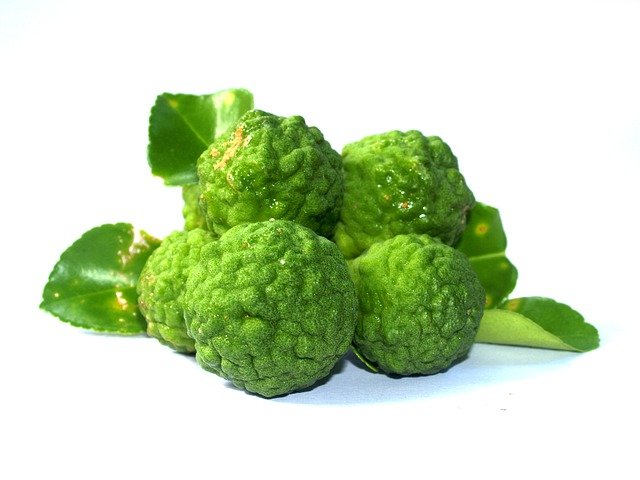
Makrut Lime
Other names – Kaffir lime, Thai lime, Mauritius papeda
Origin – Southeast Asia
What it is – The leaves of a bushy citrus plant.
Form
Makrut limes are prized for their leaves and zest rather than juice, which is minimal in amount.
Can also find in a powdered form made from the dried leaves.
Flavor
Have an intense citrus and floral fragrance.
The flavor is more potent and bitter than a regular lime.
Uses
The leaves are often used in Thai dishes. If using as a garnish, remove the inedible central vein. If using just to impart aroma and flavor to soups or stews, leave intact but remove before serving.
To impart flavor to cocktails.
Sumac
Origin – Native to the Mediterranean and the Middle East
What it is – Sour, red berries of the Thus coriaria plant.
Form
Dried berries
Powdered sumac
Flavor
Tart, citrusy with floral notes and an astringent finish.
Uses
Prominent in Middle Easter cuisine such as kebabs, grilled meats, rice dishes.
Adds brightness and acidity to dishes.
Will add red color to the dish.
A component of the spice blend, Za’atar.
There are many other exotic spices, but these are some of the ones you will most commonly come across. Have you used any of them? Are there others you have used? Stay tuned for a look at exotic spice blends.
Your recipe calls for fresh onion, but when you go to your panty, you find none. You recall that you do have some sort of dried onion product in your spice rack. Can you use that? That is the subject of this Cooking Tip.
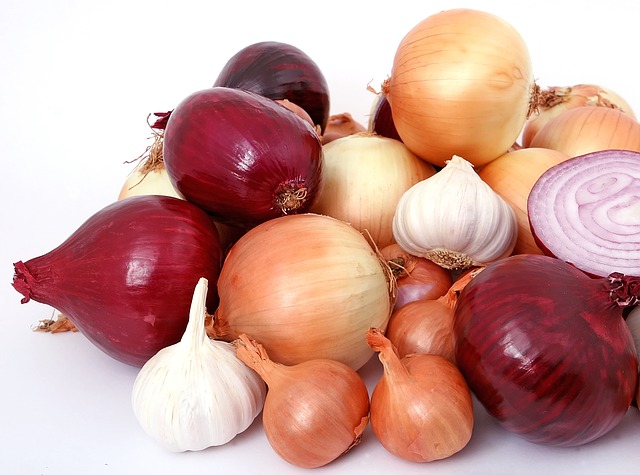
Similar to dried garlic products, dried onion products start with fresh onions that are dried and then ground/cut into different sizes. Similar to fresh onions, the flavor will vary depending on the variety of onion used.
When you add fresh onions, you add not only their flavor but also a textural element. Also, as the onions cook, they release water, adding moisture to your dish. Whereas the dried onion products can impart flavor, you will miss out on the texture and moisture.
We all know that cutting fresh onions releases a pungent odor and causes eye tearing. One advantage of dried products is that they do not cause eye discomfort, and the odor is much milder. Let’s look at some of those products.
Onion Powder
This is made from fresh onions that have been dehydrated and then finely ground.
It can add an onion taste in those dishes where you do not want the moisture or texture of fresh onions.
The powder dissolves more fully into a dish and distributes more evenly than fresh onion if added to a spice rub or a meatloaf.
Granulated Onion
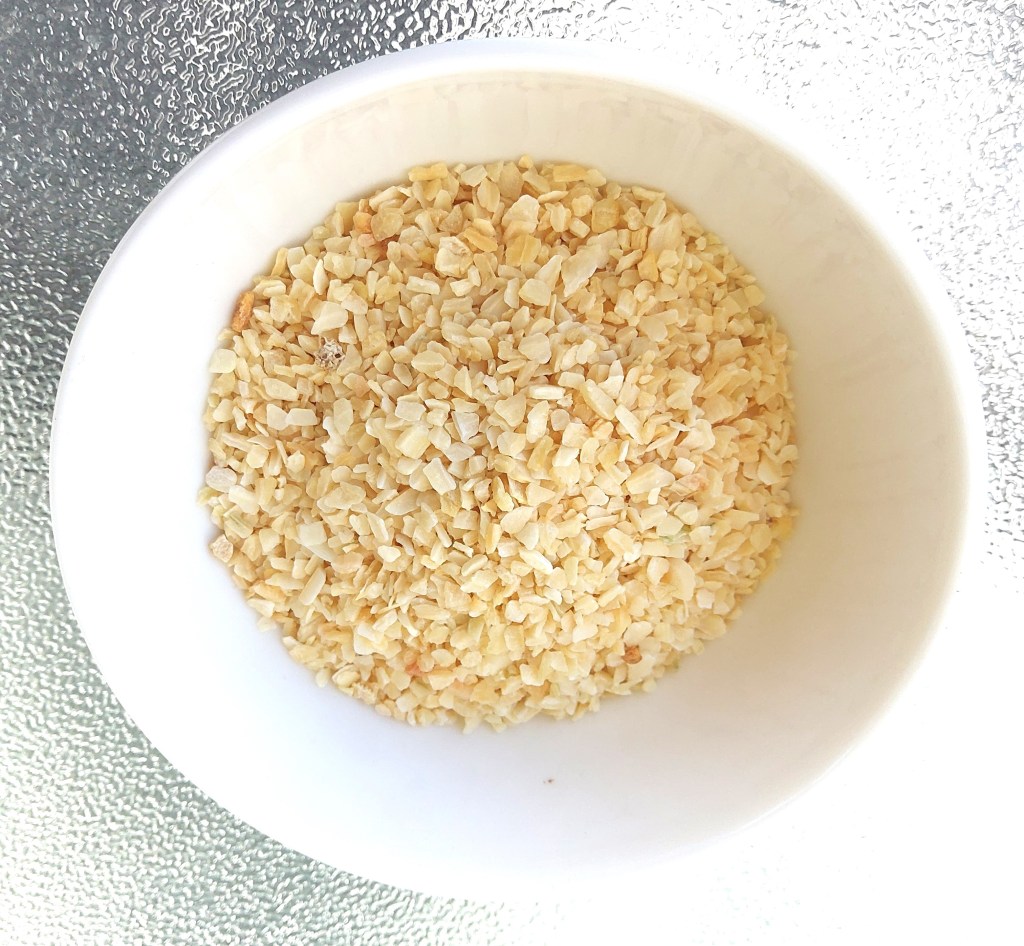
Granulated onion results from drying the onions but grinding them less finely than is done with onion powder.
Depending on the size of the resulting granules, other names you might see are minced onion, chopped onion and onion flakes.
These larger-sized onion products are best used in dishes with sufficient moisture and time for the onions to rehydrate.
If your dish does not have significant liquid, some recommend that you soak the particles in warm water for five minutes before using.
Besides onion flavor, the larger-cut dried onion products could add a small amount of texture.
Granulated Roasted Onion
This product is similar to the others, but the onions are roasted before drying and ground.
Roasted onions will be less pungent and more sweet.
Onion Salt
Just as with garlic salt, this is a mixture of salt and onion, usually in a 3:1 ratio.
It imparts an onion flavor but also adds a significant amount of salt.
Whereas you can substitute the other dried onion products for onion salt, do not use onion salt instead of onion powder or granulated onion.
Similar to dried garlic products, onion products are not a substitute for fresh onions but are a separate product that will add onion flavor. They are best used as an ingredient in dishes such as onion dips or chili, soups, stews, and sauces.
For those who do want to try to substitute for fresh onion, below are some suggestions. As onions vary in size, these recommendations vary according to what size onion is called for in the recipe. If no size is specified, use the amounts listed for a medium onion. As recommendations differ from expert to expert, always start on the lower side and then increase to taste. Fresh onions are often sautéed before being used in your recipe. You do not need to do this with dried onion products.
1 small onion
Yields ¼ to ½ cup chopped fresh onion.
Substitute 1 teaspoon onion powder or 1-1½ tablespoons of granulated onion.
1 medium onion
Yields ½ to 1 cup chopped fresh onion.
Substitute 2-3 teaspoons of onion powder or 2 tablespoons of granulated onion.
1 Large onion
Yields 1 to 1½ cups chopped fresh onion.
Substitute 1-1½ tablespoons of onion powder or 3-4 tablespoons of granulated onion
If you desire, you can make your own dried onion products with this method.
Peel onions.
Chop finely.
Spread in a single layer and dry either in a food dehydrator or in a 150°F oven.
When they easily crumble, they are dry.
Allow to cool and then grind in a spice grinder or mortar/pestle.
I do have a couple of dried onion products in my spice rack, although they are rarely used and only in certain applications. How do you like to use them?
I love to read historical fiction. One aspect that has always fascinated me is when the characters turn to herbs for medical treatment. Of course, they did not have the medical miracles in terms of drugs, equipment and other therapies that we have today. I sometimes think that modern medicine has pushed herbs so far to the side that people are not aware of some of their medicinal qualities. That is the subject of this Cooking Tip.
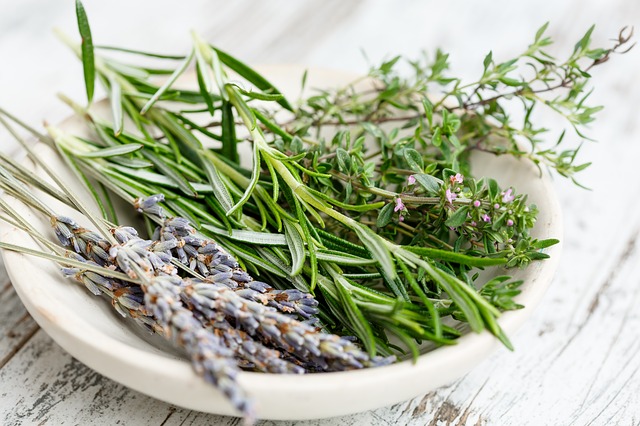
I have written about the culinary use of fresh herbs and provided more detailed tips on some specific herbs. Those tips were all about using these herbs in the kitchen.
This discussion will only touch on a few of the most common herbs. There are infinitely more out there that I do not include. This post is also not intended to be medical advice, only a general discussion. It’s crucial to exercise particular caution, especially with pregnant women, those with serious illnesses, children and anyone on prescription medication. Your safety is paramount, so please consult your medical professional before instituting any herbal remedies.
This blog post does not provide a comprehensive guide on how to use these herbs. They can be prepared in various forms, such as tea, infused oils, vinegars, tinctures, salves, lotions, creams, ointments, and poultices. For detailed instructions, I recommend referring to publications by trained herbalists. Additionally, this discussion focuses on mild health concerns. For more serious ailments, it’s best to consult your physician.
We all know herbs are delicious and do wonders in our kitchen. But why do some think there is a place for herbs outside of the culinary world? The answer lies in their long-standing history. Herbs have been used in a medicinal way for health and wellness for thousands of years. Also, there is scientific research on many herbs, although much more needs to be done.
In general, herbs are said to be helpful in a variety of ways. They provide significant amounts of vitamins, minerals and antioxidants. Some herbs are felt to strengthen certain bodily systems, such as the digestive and immune systems. They can possess antibacterial, antiviral, antifungal and antioxidant properties. Some herbs are sedating, while others are stimulating.
You might say that may be true, but that was before all the advancements of modern medicine. Why would I want to use them now? I like the approach of one herbalist who stated that rather than thinking of herbs as a substitute for a prescription drug or therapy, consider them a complement to that treatment. Let’s take a look at some of these herbs in alphabetical order.
Basil
Basil has antibacterial qualities and contains vitamins A, C, calcium, and iron.
Basil essential oil is used in aromatherapy to treat mild depression and ease overworked muscles. It should only be applied externally and should always be diluted before applying to the skin. Basil essential oil should never be used internally.
Basil infusions may help with dyspepsia, gas, bloating and nausea. Some say just chewing on a leaf may ease indigestion or gas.
Basil tea is thought to reduce symptoms associated with a cold or flu and be a pain reliever.
Making a poultice of crushed leaves can treat insect bites and skin irritation.
Bay
An infusion made with bay leaves may help to stimulate appetite and settle one’s stomach.
The infusion may also be applied to the scalp to relieve dandruff.
The essential oil can be used during a massage to relieve sprains and joint pains.
Add a decoction to bath water to tone skin and relieve aches.
Bee Balm
This herb is also known as horse mint, Oswego tea and wild bergamot.
As a soak, it may be helpful for athletes’ foot and nail fungus.
It has some antimicrobial and anti-inflammatory properties and may ease respiratory symptoms from the cold and flu.
It is also suggested for indigestion and nausea.
Borage
A Roman author and philosopher who lived AD 23-79 claimed it worked as an antidepressant. Experts today feel it can calm anxiety and mild nervous disorders.
It can be used to treat eczema, premenstrual symptoms, and fever.
It has expectorant qualities and, thus, can help alleviate cough.
Its anti-inflammatory properties aid in treating bug bites, bee stings, bruises, and rashes.
Calendula
During the Civil war, this herb was used as an antiseptic and to stop bleeding and speed the healing of wounds.
It can relieve the itching from bug bites and possibly help with painful skin conditions caused by radiation treatment. It is felt to have skin-healing properties.
Catnip/Catmint
As a mild sedative, this herb may help with sleep and reduce anxiety.
It is also said to ease stomach cramping, promote digestion and stop diarrhea.
Poultices may reduce inflammation and swelling.
Chamomile
Known to contain antioxidants as well as possessing anti-inflammatory and antispasmodic effects.
A chamomile mouthwash is used to treat mouth ulcerations and oral pain.
It has skin-healing qualities, helping with conditions like chicken pox, eczema, and psoriasis. In these cases, it is usually added to a bath or lotion.
Chamomile tea is considered a mild sedative that can aid in treating insomnia.
Chives
Although this herb is not considered medicinal, it contains large amounts of vitamins A & C and healthful minerals.
It could be a mild aid to digestion and help with sore throats.
Dandelion
We may think of this as a weed, but it is known to have antibacterial and immune-boosting qualities.
It may help build bone strength due to high amounts of certain minerals.
It may also help to fight urinary tract infections.
Echinacea
We have all seen reports of how this herb can help us fight off colds or flu and reduce the severity of symptoms.
It also possesses anti-itch and anti-inflammatory qualities.
Garlic
Garlic is thought to help the viruses that cause colds and flu as well as being an expectorant.
In addition, it may have antibacterial and antifungal effects.
A garlic-containing hair rinse can ease dandruff. The recommendation is to apply at night and rinse out in the morning to remove the odor.
Ginger
The most known medicinal quality of ginger is as an anti-nausea agent. It is often recommended for travel sickness.
Besides nausea, it may have pain relief qualities. A compress made with hot ginger tea is said to be helpful for painful joints.
A compress of cool tea may ease minor burns and rashes.
Lavender
We have all probably seen lavender-containing sleep sachets and bath oils. That is due to its anti-anxiety, muscle relaxing and sedative properties.
It is thought to help alleviate nervousness, mild depression and insomnia.
It also possesses pain-relieving properties and is used as a headache treatment.
Lemon Balm
This is another aromatic herb that helps calm nerves, improve mood and aid sleep. It is felt to be one of the most effective herbs in reducing mild depression.
As a pain reliever, it can reduce menstrual cramps and headaches.
As for gastrointestinal effects, it may increase appetite and aid indigestion.
Just as with other aromatic herbs, it is used in aromatherapy to promote relaxation and rejuvenation.
Mint
It was used in medieval times to treat bad breath, dandruff, and other ailments.
Possesses natural antibiotic properties.
Aids in eradicating bad breath.
It is said to help alleviate nausea, indigestion, and gas. It is also thought to have an anti-spasmodic effect, helping with cramps.
The menthol content can help with sore throat and acts as a decongestant. Putting mint essential oil in a pan of hot water and inhaling the steam may help relieve congestion.
It has a mild sedative effect, making it helpful with mild anxiety and nervousness.
Oregano
This herb is considered an infection fighter due to its antiseptic and anti-inflammatory properties, as well as its significant antioxidant levels.
Tea made from the leaves and flowers may help coughs, colds, flu, indigestion, menstrual and muscular pain.
The leaves can also be used as a hot compress for skin conditions and joint pain.
Parsley
Good source of iron, calcium, vitamins A & C and possesses antimicrobial properties.
Applied topically, it could help reduce facial dark spots and soothe chapped skin, bug bites, and bruises.
It may give gastrointestinal support and alleviate nausea, vomiting, indigestion and gas.
It is said to promote estrogen secretion, leading to reduced menstrual pain.
Chewing on the leaves can sweeten the breath.
Tarragon
Medicinal uses of this herb are limited, but it is felt to improve digestive health.
It is rich in minerals such as manganese, iron, potassium and beneficial carotenoids.
In Chinese medicine, it is recommended to reduce inflammation.
The French will make a tarragon tea to reduce insomnia.
Thyme
It has antibacterial qualities.
The essential oil has been used for muscle aches and skin irritations.
When combined with honey, it could be effective for treating coughs and sore throats.
These are just a few herbs that may have some medicinal value. Whether or not they do and their efficacy level is certainly deserving of more scientific research. We should also be reaching for them to use in our kitchens. They may do more than just add flavor and interest to our dishes.



















 Culinary Journeys, LLC