As the year draws to a close, many people like to take stock of what they have done over the past year and what they would like to do next year. For a cook, this might mean assessing your kitchen skills. What have you accomplished this year, and what skills should you work on? The subject of this Cooking Tip is helping you decide which skills are most important.

If someone asked me to list what basic skills are essential for cooks, I could quickly come up with a list. I do not like just giving you my opinion on a particular subject. Instead, I want to bring you the collective advice from experts in the field. With that in mind, I examined numerous sources and which skills they thought were essential. As you can imagine, there was significant variation. There was also agreement, though, and it is those skills I want to share with you. Because I have written Tips on many of these skills in the past, I will provide links to those Tips.
Knife skills

This was the most frequently mentioned cooking skill that home cooks should strive to master. I wholeheartedly agree with this, but I must tell you that most of my home-cooking students are not that interested in learning better knife skills. It is almost like they think as long as they can cut something, that is all that is needed. There are solid reasons to work on your knife skills. (If you are interested in my recommendations on which knives you should own, see this Tip.)
Safety – knives are very dangerous implements. Learning how to use and care for them properly decreases the chances of injury.
Better cooking results – it really will make a difference in the outcome of a recipe if it calls for sliced onion and, instead, you chop them. How large or small and how uniform you prepare the ingredients can truly give varying results. See this Tip on how this applies to onions.
Cooking pasta
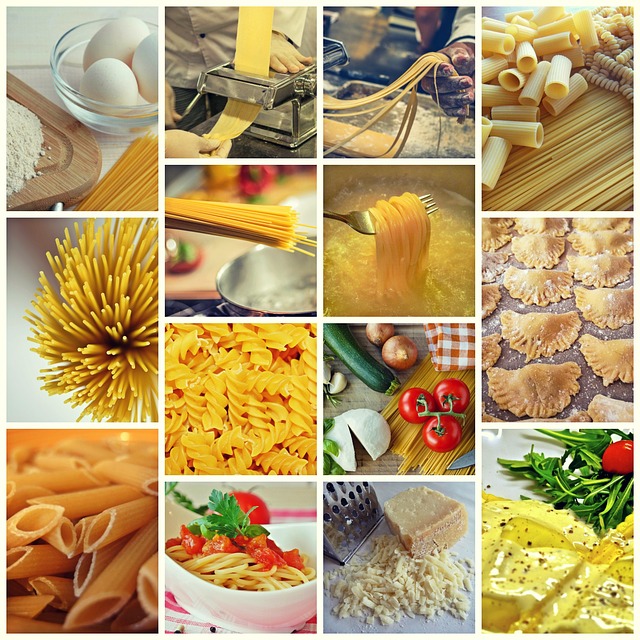
Pasta is a staple on our kitchen tables and a great choice for a quick weeknight meal. Knowing how to cook it properly means having a perfect bowl of al dente pasta rather than a gluey mess or crunchy pasta. For a take on an alternate method of cooking pasta, see this Tip.
Cooking grains
Rice may be the main grain we cook, but many others are delicious and even healthier than rice. Cooking rice properly depends on the variety of rice you are cooking. (See this Tip on a discussion on rice varieties.) If it is plain white rice, I think a rice cooker is the best way to go, although learning how to cook it on a stovetop is a valuable skill.
I think stovetop gives better results when cooking brown (or red, black or wild) rice or other grains. This is especially true if you live at a higher altitude due to the lower boiling temperature. See this Tip on Cooking at Altitude and this Tip on Whole Grains.
Cooking eggs

I recall that one of my culinary school instructors told us that a test a chef gave her to see if she was qualified was to cook an omelet. He considered the skills involved in this humble dish to be an indicator of the cook’s knowledge and ability. Omelets are, however, just one way to cook eggs. Learning how to scramble them, poach them and properly use them in recipes is also important.
Making a vinaigrette
This skill is incredibly easy to learn, and the principles involved translate to making other sauces. A breakdown of how to do this can be found in this Tip.
Making a sauce
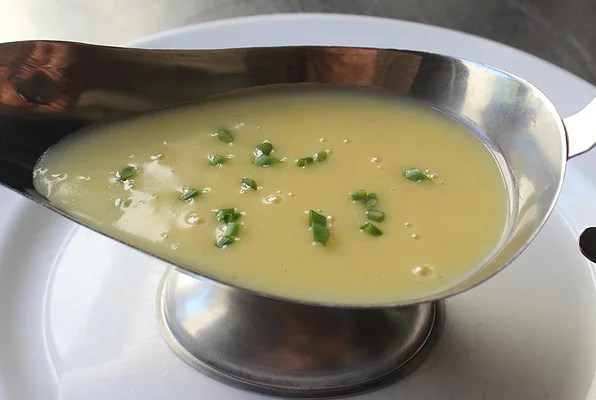
Sauces can elevate a simple chicken (or other protein) dish from average to spectacular. Information on how to make an easy pan sauce can be found in this Tip. Mastering different sauces is also important; here are discussions on those sauces. Sauces 1 and Sauces 2.
Making homemade stock
Many experts highlighted this, but I can’t entirely agree. Yes, it is a wonderful skill, but I don’t think it is one of the essential skills. There are many high-quality store-bought alternatives. Here is a Tip with a further discussion on this subject.
How to read a recipe
This skill was only mentioned occasionally, but I want to highlight it because I think it is very important. I emphasize this in every class I teach. Knowing how to interpret recipes can be a make-or-break moment for your dish. I think it is so foundational that I wrote an article on this, and it is available as a free download on my website. It will also teach you how to look at a recipe cautiously, as not all recipes are equal, especially in our online world. See this Tip for more on this subject.
How to sear meat
Getting a nice brown crust on your meat is a skill that involves knowing how to heat your pan, which oils to use and how to get that crust without burning your meat or over-cooking it. Searing meat is one of the types of dry-heat cooking methods, which I discuss in this Tip.
How to taste and season dishes
It may be easy to taste a dish and determine if it tastes good, but what do you do if it isn’t the taste you want? It is not that difficult if you follow the outline from this Tip.
Which of these skills have you accomplished, and which do you need to work on? Are there other skills that you think I should have included in this short list? Do you need help developing these skills? Let me know. I am always happy to help you be the best cook you can be!


 Culinary Journeys, LLC