Cooking Tips · Ingredients · Techniques

Waffles – Great for Breakfast & Dinner!

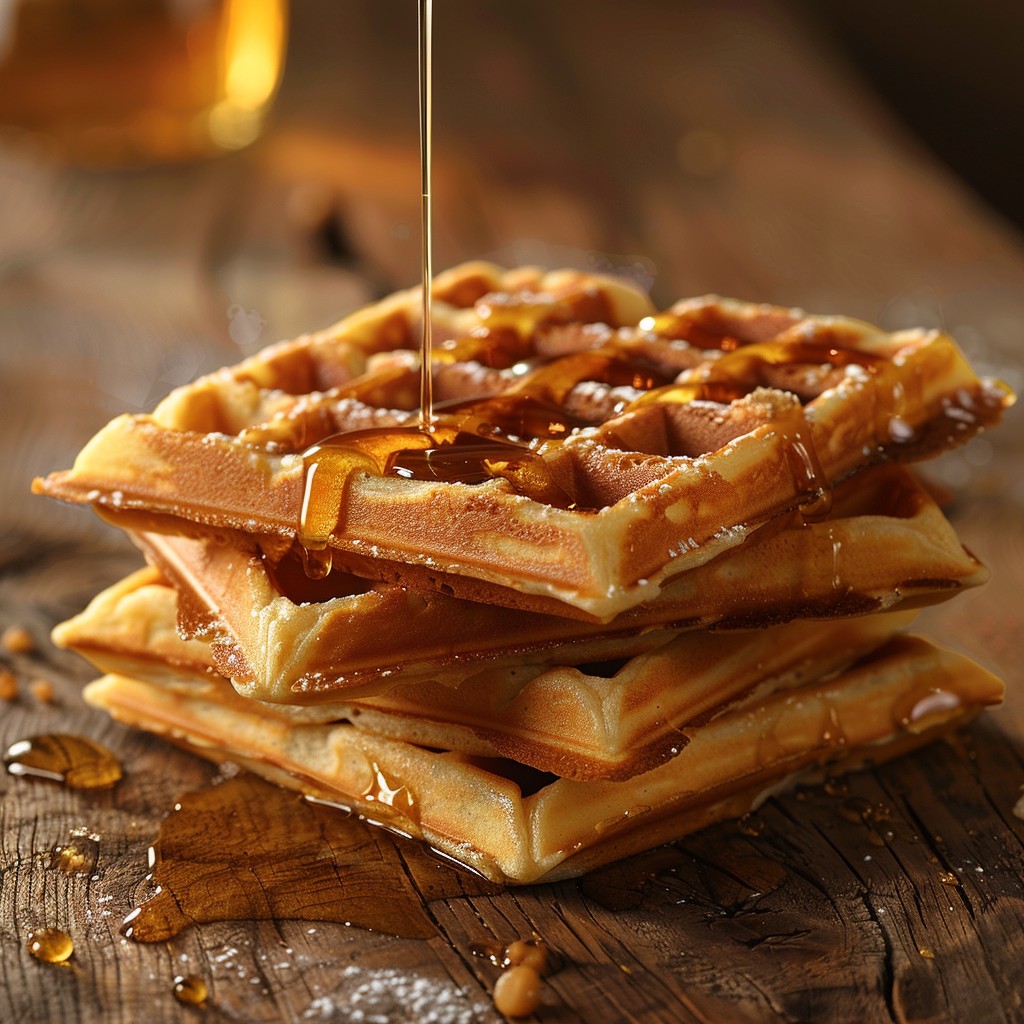
Photo courtesy of StockCake

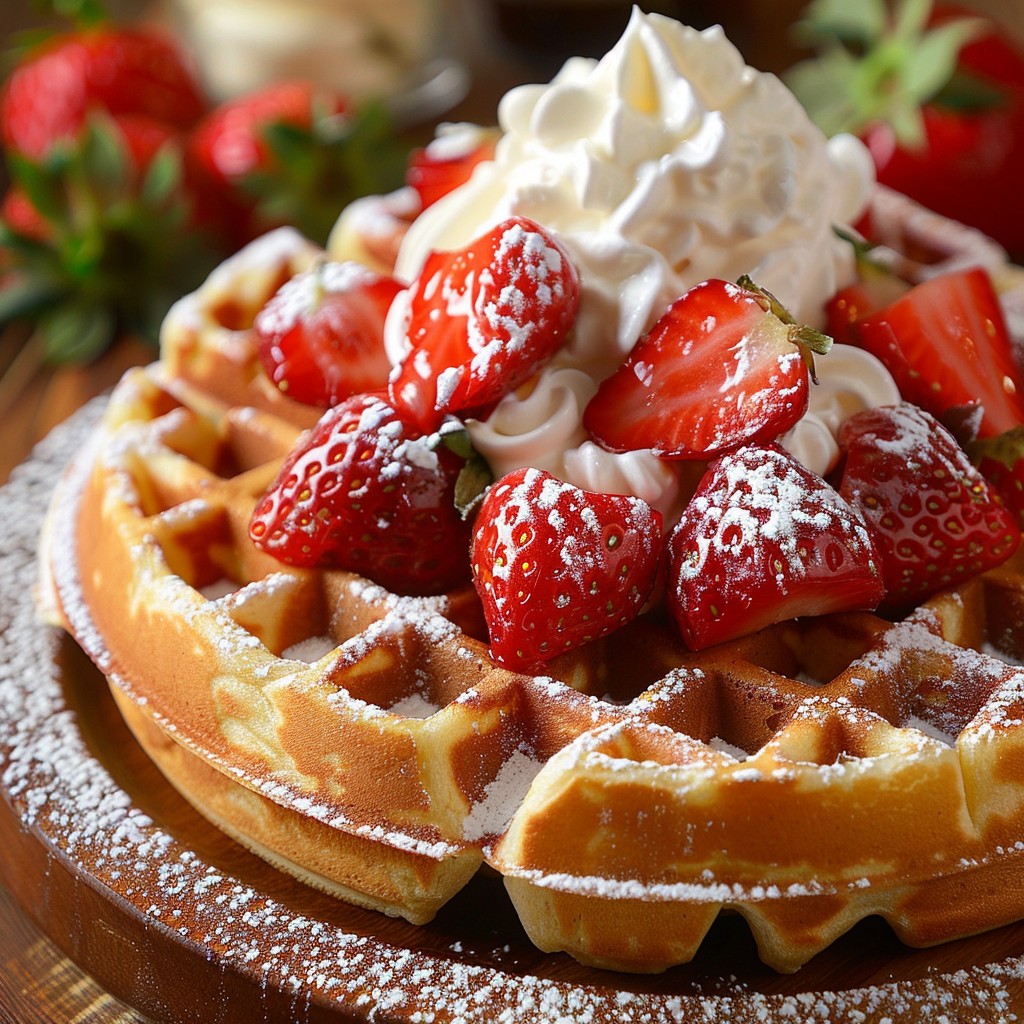
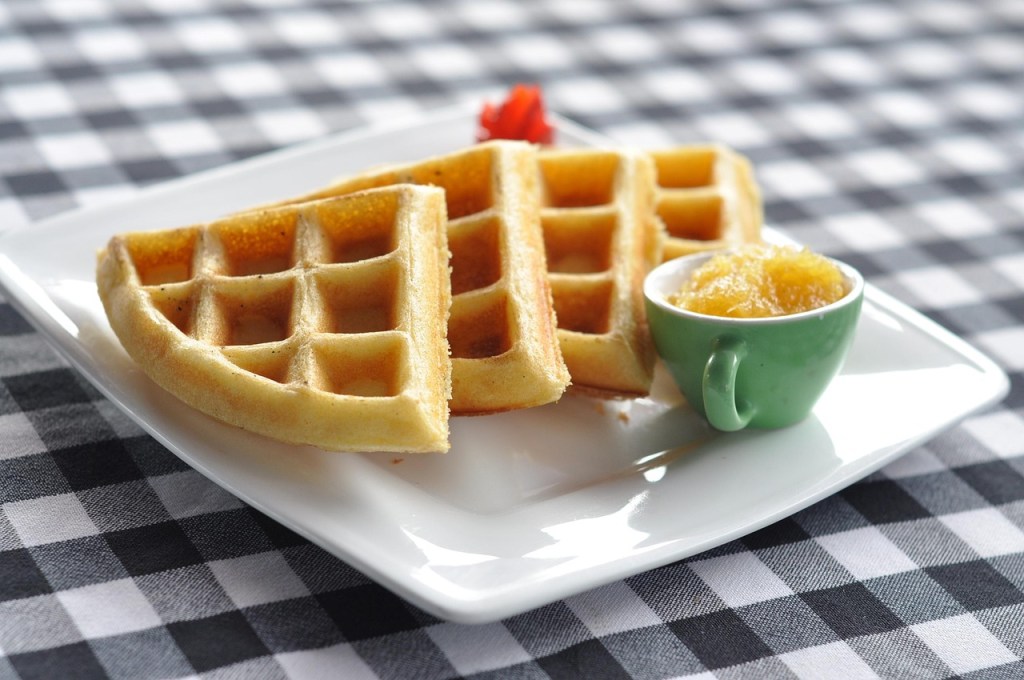
I made Belgian waffles for dinner the other night. They were delicious, and it caused me to wonder how many of you make your own waffles. Don’t tell me if all you do is put frozen waffles in the toaster! In this Cooking Tip, I will discuss the different types of waffles and offer tips for making a great waffle from scratch.

The first thing you need to decide is what kind of waffle you wish to make. There are many kinds of waffles, but the two major categories are Belgian-style and American-style waffles.

Belgian waffles

  • What Americans call Belgian waffles originated in Belgium and were introduced to the US during the 1964 New York World’s Fair. However, you won’t find the term “Belgian waffle” anywhere in Belgium. There are what are called Brussels waffles and Liege waffles.
  • Brussels waffles are larger in size than American-style waffles. They also have deeper pockets for all the toppings.
  • What makes these waffles unique is that yeast is used in the batter. This produces a light and fluffy waffle with a crispy exterior.
  • Many recipes for Belgian waffles also call for separating the eggs, whipping the whites into peaks and then folding them into the batter, giving an incredible lightness and airiness.
  • You will find Belgian waffles in America that forgo the yeast and instead use baking powder. However, it is the yeast that gives this waffle style its characteristic form and slightly tangy taste.
  • They are traditionally cooked in a rectangular or square waffle maker.
  • Liege waffles differ in that the batter is thicker and they have pearled sugar baked into them. This gives a lovely crunch. They are typically cooked in a round shape.

American waffles

  • These waffles are thinner and denser than the Belgian waffles.
  • They are leavened with baking powder rather than yeast.
  • The batter is much closer to a pancake batter, although a pancake batter will not work in a waffle maker.

Tips for Great Waffles

Photo courtesy of Amazon

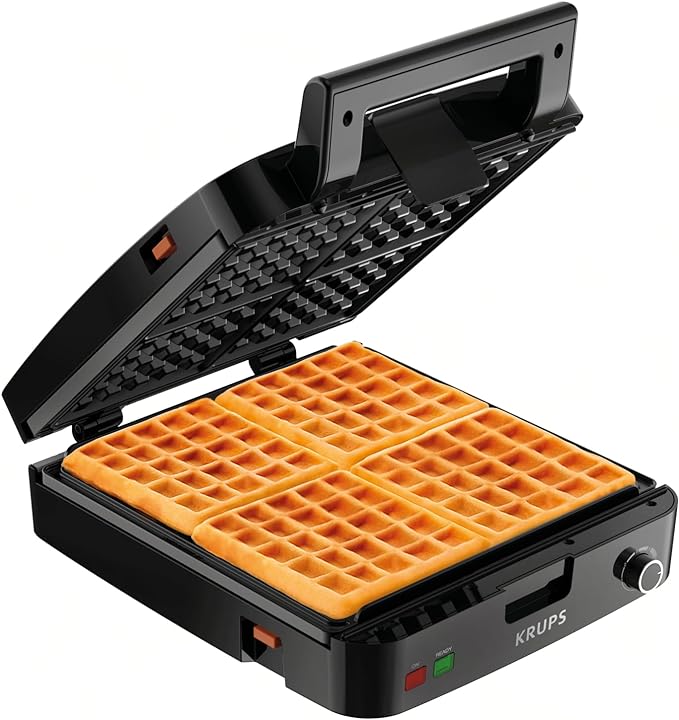
Waffle Maker – Great waffles not only require a good recipe but also a waffle maker. If you make waffles regularly, you may want to invest in a higher-end model. For most of us, though, a more moderately priced one will do just fine.

  • Instructions – Be sure to read the instructions of your waffle maker so they are cooked as your appliance calls for.
  • Preheating – Be sure to properly preheat the waffle maker. Most waffle makers indicate they are ready after about 4 minutes of preheating. America’s Test Kitchen (and others) recommends preheating for 10-20 minutes to ensure the entire surface is thoroughly preheated.
  • Oil – Unless you know your waffle maker is very non-stick, it is best to brush a small amount of oil on both sides of the waffle maker before adding the batter.
  • Portioning batter – It will take some practice to know how much batter to add to the waffle machine. Once you know, measure each time to ensure consistently sized waffles.
  • Judging doneness – Do not open the waffle maker until the appliance tells you it is ready. It will not cook properly if you do. Many experts say that you should not open your waffle maker until the steam has stopped seeping out its sides.

Ingredients

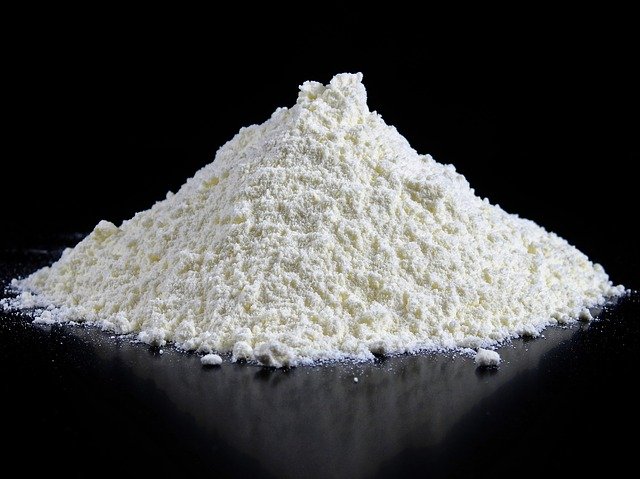
  • Flour – It is fine to use all-purpose flour. Some prefer cake flour because it gives a lighter texture.
  • Leavening agents – For the best Belgian waffles, use yeast. For American-style waffles, baking powder is used.
  • Eggs – Eggs are crucial for structure and richness. Some recipes use whole eggs, while others use yolks and whipped egg whites. There are many advocates of the “whipped egg whites”. However, some say this is a waste of time. See this article from Epicurious. Even if you opt for just using whole eggs, whisk them until they are nice and fluffy. Adding air to the eggs, whether whole or separated, gives the waffles a light and airy texture. If you desire an eggless waffle, try using buttermilk for acidity and baking soda for leavening. This batter shouldn’t sit for very long, as the leavening reaction may die. Therefore, make small batches and once the batter is ready, start cooking. Do not allow it to sit for too long.
  • Milk – Many use whole milk, but buttermilk will give a tangier flavor.
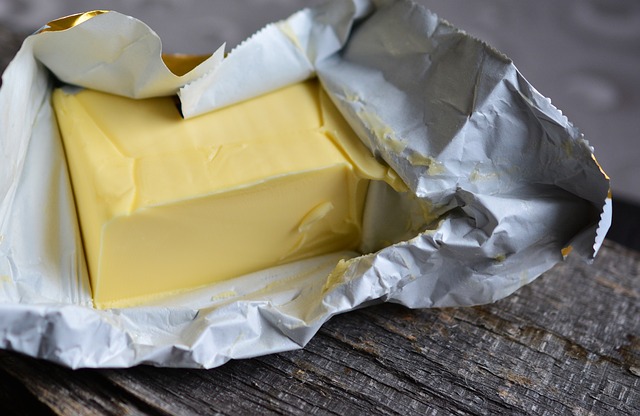
  • Butter – Butter certainly adds richness and flavor. For crispier waffles, though, try vegetable oil in place of the melted butter. A waffle study published in Food Science & Nutrition showed that waffle batter made with oil browned more than batter made with butter. They attribute this to the fact that, unlike butter, oil doesn’t contain water. The water in butter adds moisture and can hinder the formation of a crispy crust.
  • Cornstarch – King Arthur Baking considers this a secret ingredient to producing a crispier exterior in a non-yeasted waffle. Try starting with ¼ cup of cornstarch and work up to ½ cup to get the desired result.
Photo courtesy of StockCake

Making the Batter

  • Sift the dry ingredients to aerate them and to ensure there are no lumps.
  • Warm your liquid ingredients. This will prevent your melted butter (if using) from coagulating and forming small bits of solid butter when stirred into cold dairy. Also, the liquid ingredients will blend better with the dry ingredients if they are all at a similar temperature.
  • Do not overbeat the waffle batter. You want to minimize the gluten development, which can lead to tough waffles. Just stir until everything is combined, and leaving a few lumps is perfectly acceptable.
  • Allow the batter to rest for at least ten minutes and up to an hour to ensure good hydration and to increase flavor.

Keeping Waffles Warm and Storing Waffles

  • As you are making waffles, you will want to keep the cooked ones warm until you have enough cooked for everyone. Place a wire rack inside a rimmed baking sheet and put it on the middle rack of a 200°F oven. As you cook, simply transfer each finished waffle from the waffle maker to the wire rack. The rack helps to prevent sogginess.
  • To store, place cooled waffles between layers of wax paper and place in an airtight container. They can be refrigerated for a few days.
  • To rewarm waffles, place them on the oven rack in a 200°F oven. Microwaving isn’t ideal, as the waffles can get soggy.
  • To freeze, cool and place wax paper between them. Place them in a freezer bag and freeze for up to 3 months. When ready to eat, allow them to defrost at room temperature for about 10 minutes. Then, heat in a 300°F oven.

Troubleshooting

  • To prevent soggy waffles, ensure the waffle maker is fully preheated and cook thoroughly until done.
  • To prevent tough waffles, do not overmix and allow the batter to rest before cooking.
  • If your waffles are sticking to the waffle maker plates, be sure to grease the plates before each batch. If sticking persists, you may need to thoroughly clean the waffle maker according to the appliance instructions.

I cannot share my recipe for the Belgian waffles I mentioned, as it is a friend’s secret family recipe. If you want to make some delightful Gingerbread waffles (non-yeasted), check out this recipe. Just recall the advice from above and adjust the instructions to ensure success.

I much prefer yeasted waffles. What about you? Do you have a favorite recipe? Before reaching for that carton of frozen waffles, try making them yourself. They are so much better!

Cooking Tips · Ingredients

Pseudocereals – More Than Fake Foods

What do you think of when you hear the prefix “pseudo”? Do you think of fake, not real, or pretend? In our world of wanting to eat “real food,” “clean food,” etc., why would we want pseudo-anything in our kitchen? It may surprise you that you probably already have some pseudo-food in your pantry. This Cooking Tip will delve into this world in more depth.

We all know we should eat more whole grains, and I hope we are doing just that. Here is a prior Cooking Tip where I discuss the subject of whole grains in more detail. Some of the food items I mentioned in that Tip are not grains at all. Instead, they are “pseudocereals.”

True cereals are plants that are members of the grass family. Examples are wheat, rice, rye and barley, which are cultivated for their grains. Pseudocereals are non-grass plants. The edible portion are called seeds. Because they are prepared and consumed in the same way as cereals, they are often falsely called grains or cereals. They are also usually grouped into a list of whole grains as they have a similar nutrient profile. Examples of pseudocereals are amaranth, buckwheat, chia, millet and quinoa.

Pseudocereals are becoming more and more popular. They are not necessarily better for you than real grains. However, they have many healthful qualities such as a great balance of amino acids, healthy fatty acids such as omega-3, dietary fiber, vitamins and minerals. They are also a good source of vegetable protein. Finally, but maybe one of the most-touted characteristics is that they are gluten-free.

The three pseudocereals that are the most well-known are amaranth, buckwheat and quinoa. Let’s take a closer look at these three.

Amaranth

Photo courtesy of Amazon
  • This is one of the New World’s oldest crops. Depending on the variety, it is native to Bolivia, Peru, Ecuador, Guatemala or Mexico.
  • It has a distinctive flavor that some find overwhelming on its own. It is described as grassy, malty, nutty and slightly peppery. It does retain a crunchiness even when cooked.
  • It is sold both as tiny seeds and ground into a flour. You may also find it in breakfast foods, bread, multigrain crackers, pancake mixes, and even popped snacks.
  • In your kitchen, you could use it in soups, a porridge, a side dish or as a filling for stuffed peppers or tomatoes.
  • As it cooks, it releases a large amount of starch, which thickens the cooking liquid. So, it may need more water during the cooking process. It should be drained and rinsed before serving.

Quinoa

Photo courtesy of Amazon
  • This very popular pseudocereal is native to the border areas between Peru and Bolivia. It has been a common food in the diet of the Inca dating back to ancient times.
  • It has a mild flavor with a bit of nuttiness.
  • Quinoa has a high content of saponins that can be quite bitter. Many bags of quinoa state that they have been rinsed to remove these compounds. However, it would not hurt to rinse them in your kitchen before cooking.
  • This pseudocereal can be found in different colors – white, black and red. White has the mildest flavor and the fluffiest texture. Red has a nuttier flavor, is chewier and holds its shape better during cooking. Black is more earthy and a touch sweeter. Its texture is a bit fibrous.
  • Great uses are as a side dish, in salads, muesli, bowl recipes, or soups.
Photo courtesy of Amazon

Buckwheat

  • Buckwheat originated from China.
  • It has a pronounced earthy flavor.
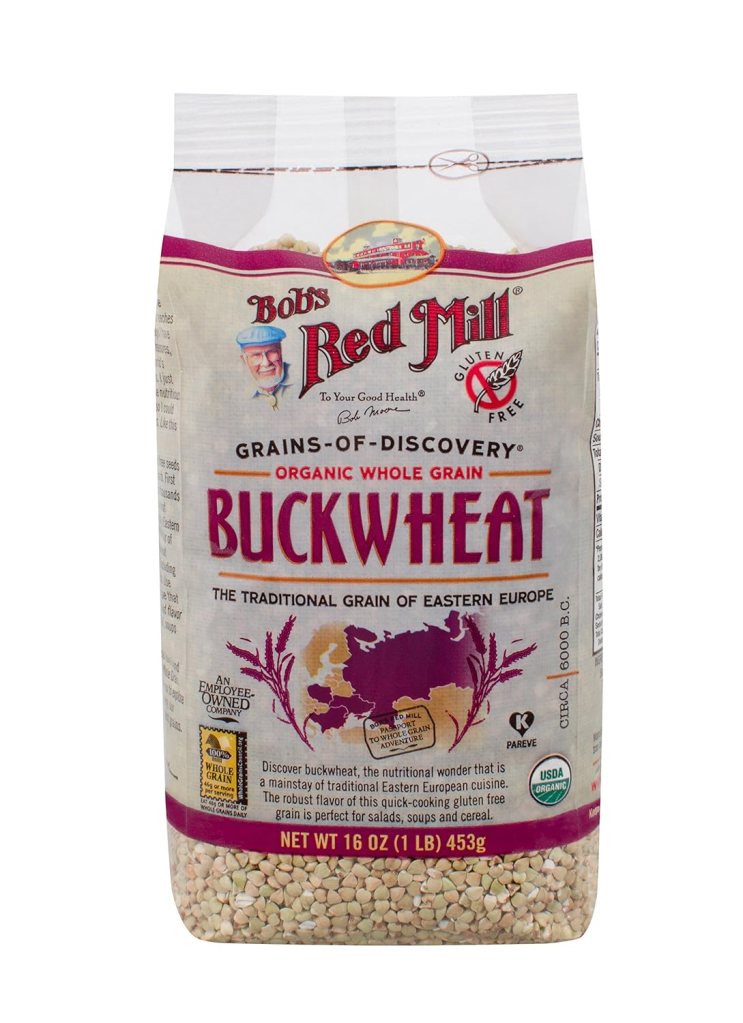
  • Not only can you purchase buckwheat flour, but you will often find it in other food items such as Japanese noodles, pancake mixes and pasta products. You may also see bags of buckwheat groats, which are the hulled seeds of the buckwheat plant.
  • In the kitchen, you can use it in baked goods, porridge, or pasta.

How to cook pseudocereals

As mentioned in the beginning, these pseudocereals are cooked like other cereal grains. Many sources, including the packaging, will give you a grain-to-water ratio. However, I cook all my whole grains/pseudocereals using the pasta method. Bring a pot of water to a boil, add the grain and cook until it is done, tasting as you go along. Then, drain, put it back in the pot, cover with a lid and allow it to steam until you are ready to serve it. This method is especially useful when you live at a higher altitude, as it takes longer to cook and requires more water than lower altitude kitchens.

Most of us do not want “pseudo-foods” in our kitchens. Pseudocereals are an exception as they are a tasty and healthy food that can help you mix things up on your dinner table.

Cooking Tips · Ingredients · Techniques

Focaccia – Easy & Delicious

What is your favorite bread to eat? If you are a bread baker, what is your favorite bread to make? In my case, there is one bread that is at the top of the list for both of those questions. That is Focaccia. This Cooking Tip will teach you what it is and tips for making the best focaccia you can.

Image by Lisa Padgett from Pixabay

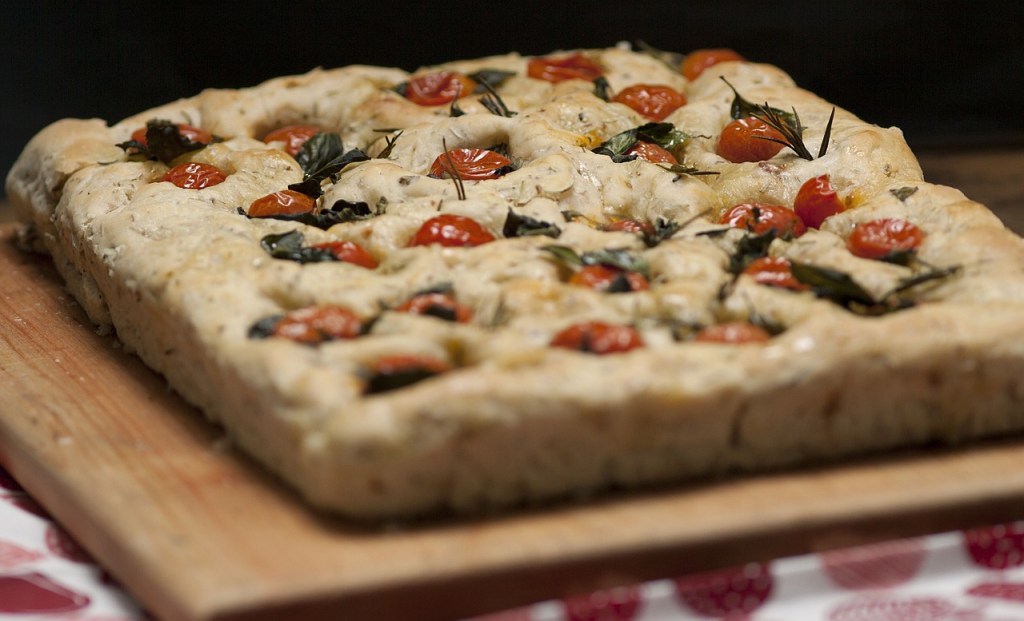
Focaccia’s origins are Italian, with Liguria being the main area for production. The exact type of focaccia varies from region to region. It is a yeasted flatbread that is about ½ to 1 inch thick, light, fluffy and full of air holes. It is one bread that does not require the typical type of kneading. Instead, it goes through a folding process. It can be sweet or savory, and can be varied by the kind of toppings used.

It is an ancient bread. The Italian name is pains focacius, which means hearth bread. The name is derived from the Latin focus, meaning “center” and “fireplace.” It is explained as being a fireplace in the center of a dwelling. The bread was traditionally baked in the coals of the fireplace. Other countries have similar bread but different names – fougasse of France, fugazza of Argentina, and hogaza of Spain.

Ingredients

Flour

Although you can make focaccia with all-purpose flour, most bakers prefer a flour with more gluten. Some like to use a 00 flour. If you choose this flour, ensure it has a higher gluten content. This dough needs to be very elastic, something provided by the gluten.

Water

This dough has a high hydration level. This means there is a high proportion of water relative to the flour, often 80 – 88%. The high hydration dough keeps the dough soft. This not only aids in creating elasticity, but it also converts to steam in the oven, helping to leaven the dough. The result is a light and airy dough and a finished focaccia with air pockets throughout. It does, though, make a very sticky dough, so it is better made in a stand mixer.

Oil

Olive oil is essential, and you should use an excellent quality one. It makes the dough easier to stretch, and it adds important flavor. It is used at more than one step in creating and baking the focaccia. Some will add the oil to the dough, and others will coat it with it after it is formed. It will also be put in the baking pan, and the dough will be coated again. Finally, the oil will be drizzled on top before baking. If you use toppings (see below), the oil protects the dough from the moisture, resulting in a crisper crust.

Salt

Bread needs to be well-seasoned. Be sure to follow your recipe for the amount and type of salt.

Yeast

This uses a fair amount of yeast to get a light and fluffy texture.

Sweetener

Many recipes will have you add sugar or honey to aid the yeast activity. Some say this is not necessary. Another tip, though, is to use liquid malt instead of sugar or honey. This is said to add a delicious depth that you would not get with other sweeteners. It also gives the focaccia a richness and a perfectly golden-brown crust.

Toppings

A well-made focaccia needs no more than some flaky salt on top. However, if you wish, there are many toppings that can be used.

  • Cheese
  • Fresh Herbs
  • Vegetables
  • Meats
  • Jarred condiments such as olives, artichokes, roasted red peppers, or sun-dried tomatoes.
  • Fresh fruit
  • Seasonings include flaked sea salt, black pepper, and red pepper flakes.
Image by bananalongboards from Pixabay

Technique

This dough is not difficult to make, but plan for an extended time of rising for the best results. After combining all the ingredients in the stand mixer, allow it to rest for 30 minutes. Now, instead of kneading, do a series of folds. Gently flatten the dough onto the counter, fold the top down to the bottom, then the bottom up to the top, the right over to the left and the left over to the right. This folding can also be done directly in the bowl. It is now ready to proof.

The dough needs to proof twice. The first is in the mixing bowl. For the best result, it should rise for several hours. It is even better if it is placed in the refrigerator for between 12 hours and three days. This long, cold, slow fermentation period allows the starches to break down into sugars, aiding both flavor and browning. It also strengthens the gluten, creating a better crumb with more air pockets.

After this first rise, more oil is placed in the baking pan, followed by the dough and coating it in the oil. The dough is again left to rise for about two to four hours. The dough should be stretched to fit the pan. Because of the gluten development, it will probably shrink back. If so, let it rest for a bit and then stretch again. This could take up to 30 minutes to get it perfectly stretched.

After this 2nd rise, dimple the dough all over using your fingertips. At this point, some say the pan should be immediately placed in the oven to prevent any dimples from dissolving.

Nicole Rufus, assistant food editor with TheKitchn.com, tested four highly rated focaccia recipes. Her favorite had an additional and interesting step. After the dimpling, the recipe calls for pouring a brine of salt and water over the dough and proofing for 45 minutes or until the dough is light and bubbly. After baking, the focaccia was golden-brown, soft, chewy, and had a delicious flavor.

It should be baked in a very hot oven – 425-475°F. Some prefer to bake it on a stone. Spraying some water into the oven or adding some water to a pan below the rack with the focaccia creates steam and helps with crust development.

Serving

Focaccia is usually cut into squares or rectangles for serving. It is best eaten the day it is made. For sandwiches, cut it in half horizontally.

Storage

Even though it is best eaten the day it is made, it can be kept sealed in an airtight bag for about 2 days and then reheated for a few minutes in the oven. It can also be frozen. When ready to eat, thaw and reheat.

This is probably one of the easiest breads to make and certainly one of the most delicious. If you follow the above steps and give it the time it deserves, you will be rewarded with a beautiful and tasty focaccia!

Cooking Tips · Techniques

Hot Cross Buns – A Classic Easter Delight

Designed by Freepik

Most of us are beginning to see glimmers of Spring. Part of Spring is Easter, which is a time filled with favorite Easter foods. One of those foods that many people enjoy only during this time is Hot Cross Buns. This Cooking Tip is dedicated to explaining the history of this beloved bread item along with advice on how to make the best batch possible.

Any history source that discusses hot cross buns will mention this childhood nursery rhyme that street sellers sang out in the 19th century.

Once a year, the sellers would start hawking these sweet and spiced soft buns with a cross-scored into the dough. Later, the cross was added using a flour paste or icing.

Photo by StockCake

Although there is much debate about the origins and their historical context, it is generally believed that the cross has always held a religious significance and eventually became associated with Good Friday. English Heritage notes that in a 1733 edition of Poor Robin’s Almanac, a writer said:

Even today, some will associate the hot cross bun with the communion wafer. The spices represent those used in Christ’s burial, and the cross is a reference to the crucifixion.

Enough of history! How do you make a delicious hot cross bun?

Ingredients
The ingredients are very simple. Although you might see some variation among recipes, you will generally have the following ingredients:

  • Flour
  • Butter
  • Milk
  • Eggs
  • Yeast
  • Sugar
  • Spices

Making the dough

  • Hot cross buns are meant to be light and fluffy. Achieving this requires taking care not to either under- or over-knead the dough, as well as not using too much flour.
  • When combining the ingredients, do not add all the flour at once. Hold back a bit of the flour and add it only if needed. Too much flour can make the buns dense and hard.
  • Most people will use a stand mixer to make the dough, but it can also be done by hand.
  • Knead into a soft, smooth, and sticky dough. You can use the dough hook on a stand mixer or knead by hand, although the latter will take much longer. Additionally, it is easy to over-knead when using a stand mixer. If your hot cross buns turn out hard, it may be because you over-kneaded them.
  • You do want a sticky dough as this will result in softer and moister buns. If the dough is difficult to work with due to its stickiness, try putting a bit of oil on your hands rather than using flour.

Adding fruit

  • Some recipes will instruct you to simply add the dried fruit as it is.
  • Others recommend soaking the fruit in warm water, apple juice or your preferred spirit. This softens and plumps up the dried fruit. If you do this, allow the mixture to cool before adding the fruit to the dough.
  • Another point of contention is when to add the fruit. There are three methods.
    • Add fruit along with the rest of the ingredients.
    • Add the fruit only after achieving a soft dough. Since the dough should be sticky, oil your hands and knead the fruit into the dough right in the bowl.
    • Add the fruit after the first rise. If you find it hard to incorporate the fruit at this time, try stretching the risen dough into a rectangle. Sprinkle the fruit pieces over the dough, roll into a log and fold in half. Continue with a few more folds until the fruit looks evenly distributed. Those who recommend this think that the fruit can inhibit gluten development during the kneading process.
  • The classic fruit used is currants or sultanas. Others use raisins, dried cranberries or diced, dried apricots.

Spices

  • Warm spices are typically used. For example, allspice, nutmeg, cloves, mixed spice and/or cinnamon.
    Some chefs feel that cinnamon can inhibit the rising of the dough. So, use the cinnamon lightly.

Rising

  • For the best and fluffiest result, the dough should rise twice. The first rise happens after you have kneaded the dough.
  • The second rise is after you have formed the dough balls and before placing them in the oven.

Portioning & shaping dough balls

  • You will achieve a more aesthetically pleasing result if your dough balls are as uniform in size as possible.
  • Some people prefer to portion them out using a muffin scoop, ensuring a consistent amount of dough in each scoop.
  • For the best result, weigh the dough balls.
  • Take each portion and form it into a ball. Take some time to make nice spheres and tuck the seams underneath.

Forming the cross

  • The simplest method is to just cut a cross into the risen balls before baking. Where you cut the cross, it will appear paler after baking.
  • Flour paste – an older method involves making a flour paste from water and flour. This is then piped onto the buns before they are baked. Some will cut the cross into the dough first as it gives a guide for applying the flour paste. You may need a bit of trial and error to get the right consistency for the flour paste. If it is too thin, it will spread as it bakes and lose its cross-shape. If it is too thick, you cannot pipe it easily.
  • Bo Friberg, author of The Professional Pastry Chef likes to use pastry cream instead of a flour paste. Now, I think that sounds incredibly yummy!
  • Others like to make an icing from powdered sugar, milk and vanilla. This is piped onto the baked and cooled buns. Once again, some will cut the cross into the unbaked buns to provide a guide for the icing.

Baking

  • Be sure not to over-bake the buns, as they will dry out and lose their light and fluffy texture
  • Many like to apply a glaze as soon as the buns come out of the oven to give them a shiny appearance.
  • A common glaze is made by heating apricot jam and a small amount of water and then brushing it on baked buns.

Storage
These are one of those baked items that you want to eat sooner rather than later. You can freeze them for longer storage. To do this, bake the buns and allow them to cool. Place them in an airtight container and store them in the freezer. To serve, allow to come to room temperature and then warm in a low oven.

Are Hot Cross Buns a tradition for you? Do you have any secrets to share? I must say they are not something that I make each Easter, but after writing this Tip, I am eager to grab my yeast and get started!

Cooking Tips · Ingredients · Techniques

The World of Quick Breads

Image by Aline Ponce from Pixabay

Have you ever craved a loaf of homemade bread but had no time to make one? Or, do you not feel comfortable with the art of homemade bread-making? Enter the world of Quick Breads. In this Cooking Tip, we will explore quick breads- what they are and how to make them.

Quick breads are those breads made without yeast. Thus, they can be made more quickly as there is no rising time or prolonged baking time. In place of yeast, these breads use a type of chemical leavening. See this Cooking Tip for a discussion of this topic.

One of the most well-known quick breads is banana bread, but there are a myriad of varieties. This category would also include other non-yeasted items such as muffins, biscuits, scones, soda bread, cornbread and even pancakes.

Typical Ingredients
Although most of you will probably follow a recipe, quick breads are one of those items that you can create without a recipe following a proven ratio of ingredients. Use your preferred mixing method (see below), add desired flavoring ingredients, bake and enjoy.

  • 1 part butter
  • 1 part egg
  • 2 parts liquid
  • 2 parts flour
Image by Bruno from Pixabay

Flour

  • Flour is the foundation of quick breads.
  • It contains proteins that form into gluten. Gluten is what gives bread a sturdy structure that is able to expand when baked. As it does this, the gluten matrix traps the gases that develop due to the leavening agents. This is what allows the bread to rise.
  • Cook’s Illustrated likes to add buckwheat to quick breads to impart a nutty flavor. Since buckwheat is not a grain, it doesn’t contain the proteins that form gluten. It does soak up quite a bit of moisture, though. So, do not substitute more than 25% (by volume) for the flour in the recipe. Otherwise, your bread may be dry.

Leavening agents

  • These are what allow bread to rise. The usual chemical leavening agents are baking powder and baking soda. Review the differences between these two in this Cooking Tip.
  • Whipped eggs can also achieve some rise in the baked good.
Image by Marek from Pixabay

Salt

  • Salt adds flavor to the baked item.
  • Salt also strengthens the gluten structure.

Liquids

  • Typical liquids used in quick breads are milk, buttermilk, sour cream, juice, and even fruit purees.
  • Liquids are what activate the gluten and allow it to create the necessary structure.
  • Liquids moisten the batter.
  • Liquids also help to dissolve the sugars.
Image by congerdesign from Pixabay

Fats

  • Fats may be liquid, such as oil or melted butter.
  • Fats may also be solid, such as with cold butter or shortening.
  • Fats add richness and moisture.
  • When creamed with butter, fats trap air and create a lighter batter.

Eggs

  • Eggs help to bind the structure together.
  • Eggs can add a bit of leavening.
  • Eggs add moisture.
  • Eggs add flavor.

Sugar

Image by Bruno from Pixabay
  • Sugar adds flavor.
  • Sugar increases the browning of the baked item.
  • Sugar is hygroscopic in that it absorbs and holds moisture, and thus helps achieve a more tender item.

Types of batter
Some will divide quick bread into different categories based on the batter.

Image by jamstraightuk from Pixabay

Dough

  • This type of “batter” is more dough-like in that it must be rolled out and then formed into your desired shape/size.
  • It is the closest in consistency and texture to yeasted bread.
  • Examples are biscuits, scones, and soda bread.


Drop

Image by greleht from Pixabay
  • As the name implies, this batter must be dropped into the pan. Because of its consistency, it requires the help of a spatula to push the batter out of the bowl into the pan.
  • Examples are banana and zucchini bread.


Image by Foundry Co from Pixabay

Pour

  • This batter is thin and is meant to be poured out of the bowl.
  • Examples include pancakes, waffles, and funnel cakes.

Mixing Methods
There are different mixing methods that can be used for quick breads. See this Cooking Tip for a more in-depth discussion, but here is an overview.

Muffin mixing method/Blending method

Image by kantonia from Pixabay
  • In this method, the dry ingredients are combined in a bowl, and the wet ingredients are combined in a separate bowl. Then, the wet ingredients are poured into the dry ingredients and gently combined.
  • Most experts will warn against over-mixing, which might produce excess gluten and make the item tough.
  • Quick bread items using this method are muffins, pancakes, and loaf breads.

Creaming method

  • In this method, softened fats (like room-temperature butter) and sugar are creamed together to create a light and fluffy texture. This is often done with an electric mixer, but it can be done by hand, although it will take longer. Next, the eggs are gradually added, followed by the rest of the ingredients.
  • This method produces a moist and tender product with a texture that is more cake-like and less crumbly.
  • This is the method used for some muffins & breads.
Image by Vickie McCarty from Pixabay

Biscuit method/Shortening method

  • Here, solid fats (such as cold butter) are worked into the flour and other dry ingredients, followed by folding in the liquid.
  • It creates a dense, flaky and crumbly dough.
  • Examples include scones and biscuits.

Baking
Pans

  • There are many different types of pans that one might use to bake quick breads.
  • Examples include loaf pans, muffin pans, cake pans and baking sheets.
  • Sometimes, people would like to take a recipe written for muffins and convert it to a loaf pan. Cooks Illustrated gives the following advice.
    • Set the oven rack in the middle of the oven.
    • Set the oven temperature 50° lower than in the muffin recipe.
    • Bake until a toothpick inserted into the center comes out clean or with just a few moist crumbs.
      The bake time will probably be about 60-70 minutes.
    • If using a sugary topping, like a streusel, tent the item with foil for the last 20-25 minutes to prevent burning the topping.

Judging doneness

  • If your item is fully baked, it should bounce back when the center is pressed. If your finger leaves an impression, it needs to bake longer.
  • Also, a skewer or toothpick inserted into the center should come out fairly clean. If not, bake it longer.

Cooling

  • Quick breads should be cooled in the pan for a few minutes and then removed from the pan to a cooling rack.
  • If your item sticks to the pan, run a thin-bladed knife or a small metal spatula around the sides before removing it.

Storage

  • Most quick breads can be wrapped or put in an airtight container and stored at room temperature for up to three days.
  • For longer storage, consider freezing.
  • Make sure the bread is completely cooled before storage.
  • To freeze, wrap in foil, freezer paper or place in a freezer bag for up to three months.

Do you make quick breads? How about a hearty loaf of Irish soda bread to serve with soup or stew? Maybe you wish to have a scone with your afternoon cup of tea. There are also classics such as banana bread or blueberry muffins. No matter your choice, have fun and enjoy a yummy result without an enormous amount of time!

Cooking Tips · Ingredients · Techniques

Expert Tips for Successful Gluten-Free Baking

Image by harshahars from Pixabay

Many people want to learn how to cook and bake gluten-free. To do this requires an understanding of gluten, what it does in our dishes and how to eliminate it without negative consequences. It is not as easy as just substituting gluten-free flour for regular flour. In this Cooking Tip, I have compiled a list of tips and advice to help you do this.

Baking gluten-free is more challenging than making savory dishes gluten-free. Baking is much more of a science, and the amount and type of ingredients are generally crucial to a successful dish.

Here are a number of tips that gluten-free pros recommend.

Be realistic
Although gluten-free baked goods can be delicious, the taste and texture will not be exactly like those made with gluten. That is to be expected. Also, do not expect each and every item you make to turn out. We all have underwhelming dishes and even some failures. This is even more so when you are just starting out learning to make gluten-free. Have patience, do your research and keep practicing.

Pick your recipes carefully
There are many delicious flour-free recipes that one can make. Just be sure to check that the other ingredients are gluten-free.

If you want to make something that would normally contain wheat flour, start by using recipes developed by a gluten-free expert rather than trying to convert a recipe from regular to gluten-free. This is especially true if the regular recipe has flour as a primary ingredient. After gaining some experience and confidence, you can try your hand at converting recipes.

You will need structure-building ingredients
With wheat flour, the gluten is what builds structure allowing baked goods to rise and stretch. Without gluten, you will need to add what is called a binder to improve the structure of the gluten-free item. The most common binder is xanthan gum. Others include guar gum and psyllium husk.

Realize that not all gluten-free flours are the same
Most experts will tell you that there is not any one gluten-free flour that will work in all your recipes. For the best results, a mixture of flours is typically used, and it will be a different mixture for different baked goods.

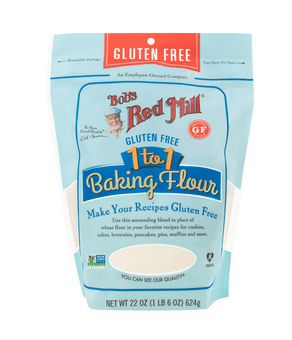
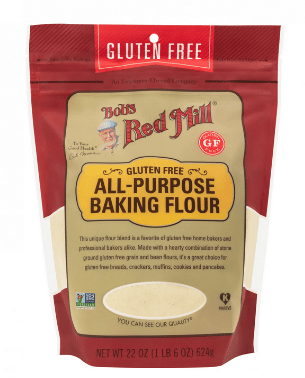
Some products out there purport to be the “all-purpose” flour in the gluten-free world. Every person will have their favorite brand, but even among those, they are not all the same. For example, Bob’s Red Mill 1-to-1 Baking Flour (in the blue bag) comes with xanthan gum already in it. However, it should not be used for yeasted goods. Unfortunately, this is not stated on the bag. You will only find that information if you look at the product on their website. Their Gluten-Free All Purpose Baking Flour (in the red bag) states it can be used for yeasted baked goods. However, you will need to add a binder and the flours included in this mix include bean flours, which will add a distinctive flavor that some may not like. So, do your research and understand you will probably need different products for your gluten-free life.

There are many different types of gluten-free flours and starches. Here are a few.

  • Potato starch
  • Tapioca starch
  • White rice flour
  • Sweet rice flour
  • Brown rice flour
  • Millet flour
  • Buckwheat flour
  • Teff flou
  • Oat flour (make sure it is certified gluten-free)
  • Sorghum flour
  • Corn flour
  • Chickpea flour
  • Almond flour
  • Coconut flour

Gluten-Free flours must be measured carefully
Because these flours are so fine and the grind varies by type of flour, measuring by the cup method can lead to problems. Your gluten-free baking will improve (same as your regular baking) when you switch from measuring cups to weighing ingredients. This is a recommendation that you will read over and over when consulting gluten-free experts.

If you do not have a scale, place the appropriately sized dry measuring cup on a paper towel or piece of wax paper. Spoon the flour into the cup until it is mounded over the rim. You can gently shake it to settle the flour but do not pack it. Scrape away excess flour using a straight edge. Use the paper towel or wax paper to return the excess flour to the container.

Measure liquids carefully
Most gluten-free recipes require more liquid than regular recipes. Follow the recipe and measure correctly. Some gluten-free pros even like to measure the eggs in a cup for more accuracy. Of course, your recipe must include this measurement.

Your structure will improve when you mix the batters longer
The caution against over-mixing that you see with regular batters is due to the concern of building up too much gluten. Without gluten, you will get better results if you purposely mix longer. Your baked goods will rise better and maintain that rise longer.

Rest batters and doughs
Allowing your gluten-free batters and doughs to rest, covered, for about 30 minutes before baking will improve them. Gluten-free flours generally need more liquid than regular flour, leading to thinner batters. Resting the batter allows more time for the flours to absorb the liquid, which not only thickens the batter but also decreases the gritty texture that is sometimes found in gluten-free baked goods.

Be careful with determining doneness & expect longer baking times
It can be tricky to determine when gluten-free baked goods are done. Even though they may be cooked through, they might feel soft or even be a bit wet inside. They need time to rest so the starches firm up and set. So, depending on a timer is probably better than the visual cues we might use when baking non-gluten-free items. One caution, though, is that the recipe timing depends on your oven being accurate. Using an oven thermometer will help with this. Using an instant-read thermometer to determine doneness is also a good recommendation.

A corollary to this is that gluten-free baked goods might benefit from longer baking times. According to Beyond Celiac, “While a regular cake or loaf of bread might take 30 minutes to bake, a gluten-free version will often take 45 minutes to an hour.” Your baking time can also be affected by the pan. It is important to use the type and size of pan specified in the recipe.

Increase leavening
Your leavening agent might be yeast, baking powder and/or baking soda. Increasing the amount you use can help with rising and maintaining structure. Beyond Celiac recommends 2 teaspoons of baking powder per cup of gluten-free flour. If you recall the chemistry of leavening, you will be reminded that baking soda needs an acid to work. The same source states that baking soda and buttermilk, along with 1⅛ teaspoons of cream of tartar for each ½ teaspoon of baking soda, can be used in place of baking powder.

Include extra protein
By eliminating gluten, you are not only eliminating a potential allergen but also the protein it adds to the recipe. Adding other protein, such as eggs, yogurt, or buttermilk, can help. If the eggs are beaten, they will add bubbles to the batter. Both yogurt and buttermilk are acidic, which helps improve the action of baking soda. Dairy products such as milk or sour cream also contain protein and can help with the browning of the dish.

Gluten-free flours do not absorb oil well
If your recipe calls for oil, you might achieve a better result by substituting melted butter. Some will also swap out the oil for milk, sour cream, yogurt or eggs.

Add moisture-containing ingredients
Gluten-free baked goods can often be dry. Moisture-containing ingredients such as dairy, veggies, fruit, or eggs can help, but be sure to follow the recipe for this recommendation. Using brown sugar in place of white sugar can also add moisture.

Add flavoring
Gluten-free flours often have a unique flavor. Therefore, many experts recommend adding a flavoring agent such as vanilla.

There you are – a compilation of the best tips for success in gluten-free baking. Whether you just want to make a particular item for a friend or family member or you want to make a lifestyle change, I trust these tips will help you be successful.

This post contains affiliate links and I may earn a commission if you decide to purchase.

Cooking Tips · Ingredients

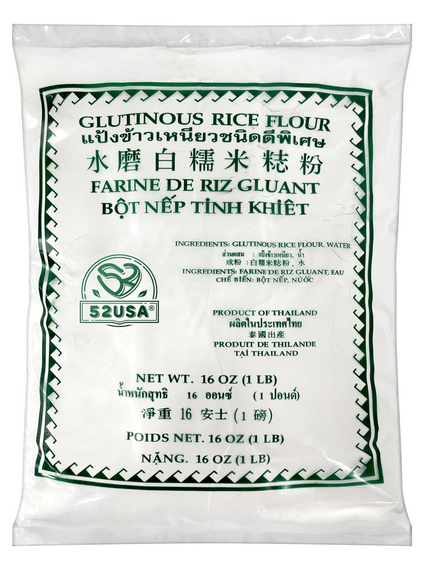
Rice Flour – Not just for Gluten-Free Baking

Rice flour is very well known to those who cook/bake gluten-free. As it does not have to be limited to that use, we all should know about it. That is the subject of this Cooking Tip.

Rice flour is nothing more than finely ground rice. Just as there are many different types of wheat flour, there are a few different rice flours depending on which variety of rice is used. See this Cooking Tip for a discussion of just some of the varieties of rice.

In very broad terms, there are two categories of rice flour – regular rice flour and glutinous rice flour. The category of regular rice flour can be further broken down into white rice flour and brown rice flour. White and brown rice flour can often be used interchangeably, but white rice flour is more common.

Regular rice flour is made from medium- or long-grain rice.
White rice flour

  • It is inexpensive.
  • It has a neutral flavor.
  • It has a smooth texture.
  • It has a long shelf life.
  • In baking, it is best used in a combination of 30-60% with other flours.
  • It can give baked goods an unattractive white color if used alone.
  • It is often used in Asian cooking to make rice cakes, noodles, pancakes, rice crepes, pastries, etc.

Brown rice flour

  • It has a mild flavor with a bit of nuttiness, just as with brown rice.
  • Its tan color gives baked goods a slightly browner look.
  • As opposed to white rice flour, it yields crispier cookies.
  • It has a shorter shelf life due to the higher fat content. Therefore, it is best stored in the freezer.
  • Just as with white rice flour, the best results are obtained when in a flour combination of 30-60%.

Glutinous rice flour (aka sticky or sweet rice)

  • The name “Glutinous” is often misleading as it is naturally gluten-free. The name means “glue-like” and refers to the consistency.
  • It is made from short-grain rice that is used to make sticky rice.
  • It is cooked, dried, and then milled into flour.
  • It retains moisture better than regular white rice flour and, therefore, helps with freshness.
  • It combines more readily with fat than other rice flour.
  • Because of the type of starch prevalent in glutinous rice, it has a natural elasticity. This makes it ideal for rice noodles, but it is also used in Asian desserts and is an excellent thickener for sauces, soups and stews. It is also used to make boba pearls and mochi.
  • It can be used in flour combinations up to 40% for other uses.

Another distinction is between American supermarket rice flour and Asian rice flour. The latter undergoes a different type of processing and will react differently in recipes. If your recipe calls for Asian-style rice flour, it is worth it to seek out the particular one specified, even if it means having to visit a specialty market.

No matter which rice flour you use, be aware that they can easily separate when mixed in water. When using rice flour in batters (such as a crepe batter), stir well to recombine before using.

Storage

  • It is best to store rice flour in air-tight containers to prevent spoiling.
  • To prolong the life of the rice flour, store in the refrigerator or freezer. As with other whole grains, this is especially true for brown rice flour. It may not be necessary for white rice flour, but is still a good practice if you have the room to do so.

Although rice flour has gained popularity due to its gluten-free status, it is an ingredient that we can all use even if we do not cook/bake gluten free.

Cooking Tips · Techniques

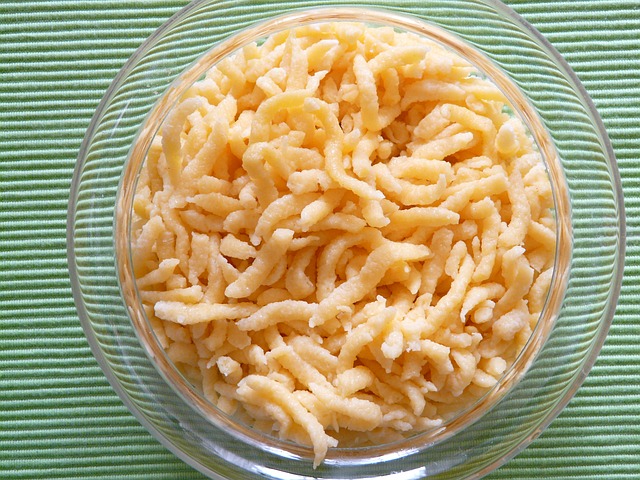
Spätzle – Is it just another pasta?

Image by Hans from Pixabay

Have you ever had the German dish of Spätzle? Have you ever made it yourself? That is the subject of this Cooking Tip. What is Spätzle, and how do you make it?

Some like to call spätzle Germany’s answer to pasta. It has similar ingredients – flour, eggs, water, and salt. However, spätzle is moister and softer than pasta dough. It is far too soft to roll out or use a pasta machine. Instead, it must be made using other tools.

Although eaten all over, it is a specialty of the Swabia area of Germany. According to Brittanica, Swabia is a historic region of southwestern Germany, including what is now the southern portion of the state of Baden-Württemberg, the southwestern part of Bavaria, as well as eastern Switzerland and Alsace. This dish is so popular and so much a part of this region that there is a Spätzle museum in southern Germany.

The name means “little sparrow” in German. There is some disagreement over the origin of this name, although most attribute it to the shape when made by hand. Others say it comes from how a German cook holds the dough as they break off pieces to put into water to cook as if they are holding a sparrow. Another theory is that the word originated from the Italian word spezzato, which translates to small or broken pieces. The Swabian people then changed this into spätzle. Other German names you might see are Spätzli, Spatzen, and Knöpfle, although the latter refers more to a dumpling shape than a noodle shape.

The recipe may seem quite easy, but there is some technique involved in achieving a light and tender noodle. As I mentioned above, there are four ingredients: flour, eggs, water (or milk), and salt. Some recipes may add nutmeg or other seasonings. Generally, the flour and salt are combined, the eggs are whisked and added, followed by the water or milk. The dough is mixed to the right consistency before being formed and cooked in boiling water.

Making the dough

As with so many traditional recipes, the above general instructions have many variations and nuances.

  • Flour—Most will use all-purpose flour, but others like to use semolina, 00 flour or a combination.
  • Liquid–Some like water, while others think milk gives a richer result. Whether the liquid should be cold or warm is a matter of debate. You may even see quark or sour cream in some recipes. The liquid should be added gradually so it doesn’t get too thin. If it does, you will need to add more flour. Others will say you must use mineral water for the liquid. They claim that this will result in a softer and fluffier noodle.
  • Eggs—The proportion of eggs to the other ingredients may vary by recipe, but the Swabian rule of thumb is to use a number of eggs equal to the number of servings plus one.
  • Mixing—Traditionalists will mix by hand, but mixing can also be achieved with an electric mixer. The key is to achieve the proper consistency. The recommendation is that it should resemble a thick pancake batter.
  • Consistency–This will differ depending on which method you use to form the noodles and can only be determined by practice. One piece of consistent advice is that the dough needs to start forming air bubbles before it is ready. After 10-15 minutes of beating, use a wooden spoon, scoop some of the dough, and pull to stretch. If you see bubble-like holes, the dough is ready. If not, continue mixing for another minute or two and then repeat the test. This should be followed by a rest of 10-15 minutes to allow the gluten to relax.

Forming the noodles

Each of these methods will give you different shapes/lengths of dough. It is said that to a Swabian, to be called spätzle, the noodle must have a length four times it’s diameter. If it is more of a shorter, rounder button shape, it is called knöpfle.

Here are the different tools you can use. Wetting or oiling any of them will help prevent the dough from sticking.

  • Spätzlebrett (spätzle board)
    • The most traditional way is to spread the dough over a wet spätzle board or wooden cutting board. The dough is then cut into thin strips with a butter knife, offset spatula, or bench scraper and dropped into the hot water.
  • Spätzle Press
    • This is similar to a ricer used for potatoes. It presses the dough through holes, forming it into long strips directly over the water.
    • The dough will need to be a bit thicker if using a press.
  • Spätzle Sieb
    • This looks like a flat colander through which the dough is pressed into the water. You could also use a regular colander with ¼-inch-wide holes. The spätzle dough is pushed through the colander using a wooden spoon or rubber spatula. You can use this same method with any heat-proof tool that has ¼-inch-wide holes, such as a box grater or a slotted spoon.
  • Spätzle Hobel
    • This appears like a cheese grater. It is usually topped with an attachment that slides and thus presses the dough through the holes into the water.
  • Spoon Method
    • If you do not have any of these tools, you may just drop spoonfuls of dough into the boiling water. It is best to use a metal spoon and wet the spoon between scoops to prevent sticking.
    • This will not produce the typical spätzle shape but a shape more like gnocchi or even a little pancake.

Cooking/Storing

Image by Rita-undmit from Pixabay
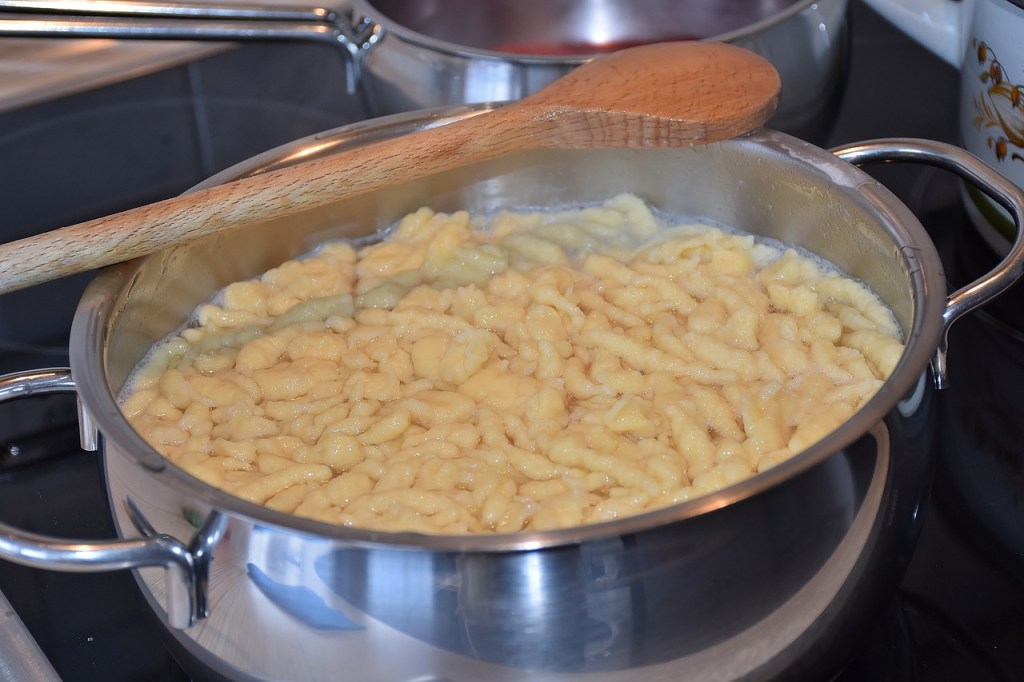
  • No matter how you form the noodles, they are then dropped into boiling salted water. They are only cooked until they rise to the top, which shouldn’t be more than a couple of minutes. This might need to be done in batches as you do not want to crowd the noodles.
  • Once cooked, they are generally sauteed in melted butter and garnished with fresh herbs, cheese, bacon and/or breadcrumbs.
  • Spätzle can be made in advance, cooled, and stored in a covered container in the refrigerator for 3-4 days. To reheat, sauté in melted butter.
  • Spätzle may also be frozen for up to 3 months. When ready to use, thaw overnight in the refrigerator.

If you have eaten spätzle, has it only been in a restaurant or when you purchased a package in the store? This dish requires very few ingredients and can be made relatively quickly once you master the technique. I hope you give it a try!

Cooking Tips · Ingredients · Techniques

Does your homemade bread really need salt?

I love to make bread, although I do not do it nearly enough. It takes some time but has a short list of ingredients: flour, yeast, salt and water. Some people wonder just how important that salt is to the final bread product. That is the subject of this Cooking Tip.

Why is salt in bread recipes?

Taste

Image by Couleur from Pixabay

Just as with almost everything we cook or bake, salt helps with flavor. It should not make your dishes taste salty. Instead, it balances other flavors, enhances some flavors, and creates a much yummier result. You can prove this to yourself by a taste test. When you are cooking something, do not put any salt in it to start with. Taste it, add the salt and taste again. You will be amazed at the difference.

It is the same with bread. Bread made without salt will just taste bland and one-note rather than more nuanced and rounded. Salt enhances the natural sweetness in the flour while tamping down any bitterness.

As you will read below, salt also slows down the yeast activity. As I have mentioned in other Cooking Tips, slower fermentation results in a more flavorful dough.

Interaction with Yeast

Image by Karyna Panchenko from Pixabay

Yeast causes fermentation and the ultimate rising of your bread dough. Salt plays an inhibitory role with yeast. It slows down this fermentation by drawing water away from the yeast. Less water means less yeast action.

This slower rising time allows the gluten to develop and strengthen. A stronger dough can trap more gas bubbles and make the distribution more even. This all means that you end up with a better loaf of bread with a nicely risen shape.

Image by Couleur from Pixabay

Crust

Salt gives you a darker, more attractive crust. Because the salt slows down yeast activity, it consumes less sugars. These free sugars contribute to caramelization, which is what gives you a browner crust.

Freshness

An additional advantage is that bread made with salt keeps fresher for longer.

How much salt is needed?

Expert bread bakers always weigh their ingredients and use the Baker’s Percentage. The standard measurement is about 2% salt. The percentage is based on the amount of flour. So, if you are using 1000 grams of flour, you would use 2% or 20 grams of salt.

Image by Couleur from Pixabay

Too little salt prevents the important work of the salt in bread. Too much can be detrimental, as fermentation is halted. Therefore, most bakers stay around that 2% measurement, although some will go as low as 1%, but no lower.

ChainBaker.com has an interesting article in which they bake three loaves of bread. One had no salt, one had the recommended 2% salt, and one had too much salt at 10%. The dough without salt meant the yeast worked rapidly, causing quicker fermentation but weaker gluten. The finished bread loaf rose quickly but spread sideways due to the weaker structure.

The dough with 10% salt did not ferment at all, as that much salt stopped the yeast from doing its job. The result was that the dough was difficult to work and the baked loaf was very dense and unrisen. See pictorial evidence of this here.

Here is another great article by King Arthur Baking showing how differing amounts of salt can dramatically affect bread dough.

When to add the salt to the dough

Everyone has their preferred time for adding the salt. Some will add it at the beginning, while others like to delay it. Proponents of this latter method feel it allows the gluten to develop better before adding the salt and thus makes the initial mixing easier. This is known as the “autolyze” method. Recipes using this method will call for the flour and water to soak for a while. After the prescribed amount of time, the yeast and salt are added, and mixing and kneading commence.

This allows better hydration of the flour and resultant strengthening of the proteins. This is said to make the dough more extensible (the ability for the dough to stretch out without tearing) but less elastic (the tendency for the dough to resist stretching), allowing the shape of the formed dough to be better maintained. An example is a long baguette.

How to add the salt

The most common and easiest method is to mix the salt with the other dry ingredients at the beginning. Some experts feel this method results in a more elastic dough.

Another method is to dissolve the salt in water before adding it to the dough. Experiments show that this could strengthen the gluten better.

A final method is to add it to your yeast mixture if you are blooming it. Although blooming is not necessary with modern-day instant yeast (and probably active dry yeast), some still like to do it. If you do this, you can add the salt to the water as long as there is enough water to totally dissolve the salt, the yeast, and the sugar. Busby’s Bakery states that salt needs three times its weight in water to dissolve at room temperature. Another thing to note is that the salt may slow down the yeast, lengthening the time for it to bloom.

If you bake yeasted products, you will surely have heard that you must keep the salt away from the yeast as it will kill it. Testing has shown that this is not necessarily true. The two ingredients must be in contact for hours before the salt can damage the yeast. So, go ahead and add both the yeast and salt to your flour without fear.

Salt is an essential ingredient in the kitchen in many ways. Here is another Cooking Tip about all the different types of salt—Salts Galore. Don’t fear salt. If you have a medical condition requiring limiting salt, follow your doctor’s advice. Otherwise, embrace all that salt can do for your food, not just in bread but in all your dishes.

Cooking Tips · Ingredients · Techniques

Japanese Milk Bread – Is it worth the effort?

People often ask me if I like to bake or to cook. I always find this question hard to answer as I love to do both. If I was forced to pick one, I just couldn’t do it. Many people, though, find themselves gravitating towards one or the other. If you consider yourself an avid baker, you probably have heard of Japanese Milk Bread. If you shy away from baking, you may not have heard of it. It is a delicious creation, and what it is and why you might want to try it are the subjects of this Cooking Tip.

If you love artisan bread with its thick, chewy crust and interior full of holes, milk bread is not for you. If you only want to eat bread made with whole grains, milk bread is not for you. If, however, you love the guilty pleasure of soft, creamy, slightly sweet white bread, read on.

Image by Sornram Srithong from Pixabay

According to Bon Appetit, Japanese milk bread may have been invented by a British baker who opened a bakery in Japan in 1862. If you have never tasted milk bread, the closest thing you may recognize is white supermarket sandwich bread, although that is not as flavorful or as fluffy as milk bread.

Japanese milk bread is an enriched bread, meaning it contains more than just flour, water and yeast. Enriched breads also contain fat, dairy, eggs and/or sugar.

Other names you may see are Hokkaido milk bread or Shokupan. The latter Japanese term means “food bread.” It is a general term for a loaf that you slice and toast into sandwiches. It has a soft interior with a mild flavor and minimal crust. As it has evolved, today’s shokupan contains more fat than the original.

The key to making this bread is something called Tangzhong, which is a Chinese technique. It is a warmed roux usually made with milk and flour, although some recipes use water and flour, and others use all three. This tangzhong is said to do a couple of things. According to MasterClass, it allows the flour to absorb more liquid, yielding a moister result. The warm liquid also starts activating the gluten in the flour, aiding in trapping the liquid and achieving the final soft texture. It also helps to give milk bread a slightly longer shelf life than other breads.

As a sideline, not all bakers agree that tangzhong is the key to milk bread. Read this post from Epicurious for more information. Since the large majority of recipes use the tangzhong method, I will discuss that.

Besides the tangzhong, the other ingredients are flour, yeast, milk, sugar, butter, eggs and salt. Some recipes will add nonfat dry milk powder, saying it improves the bread’s tenderness and flavor.

  • Tangzhong – This is made by mixing the flour, milk, and/or water together over low heat until it thickens to a pudding-like consistency and reaches 150°F. It is then set aside and allowed to cool slightly before continuing with the recipe.
  • Flour – Most recipes use bread flour, although some have developed recipes using all-purpose flour.
  • Sugar – This gives the bread a sweeter flavor than other breads. Most recipes call for about ¼ cup.
  • Butter – As with all baking, use unsalted unless salted is specifically called for. Some recipes just have you soften it, while others will melt and cool it before adding it to the mixture.
  • Egg – Another enriching ingredient that increases the fat content.
  • Folding/Shaping – After the dough is mixed sufficiently and allowed to rise, most recipes require you to follow a folding technique for shaping followed by a second rise. The folding technique will vary depending on the recipe, so consult the one you are using for their recommendations. The classic baking method is in a Pullman pan, but you can also use a loaf pan or even shape the dough into rolls.

Although most recipes are similar, they can vary somewhat. As with all baking, it is best to follow your specific recipe carefully and use weights rather than volume measurements, if possible. Here are three recipes to try—all from reputable sources. The first two give measurements in weight and volume, while the third is volume only.

Have you made milk bread before? Did you like it? If you haven’t made it, I encourage you to try it. Although it is not the healthiest bread, it is delightful on the palate!