
Cooking Tips · Ingredients

Add the Zing of Lemons to Your Dishes!

My husband’s Meyer lemon tree

So many of our dishes – both sweet and savory – call for the addition of lemon in some form. Since most of us who live in more northern areas do not have a lemon tree growing in our backyard, that means we need to buy them in the store. (My husband has been attempting to grow a Meyer lemon tree. Here is a photo of that small tree.) In this Cooking Tip, we will look at types of lemons, how to buy them and how to use them.

Although there are a number of different types of lemons, it is said the two most commonly found in our supermarkets are the Lisbon and the Eureka lemon, which are grown in California and Arizona. Grown in Florida, a third common variety is the Bearss. Another variety that you might see in your stores is the Meyer lemon. Other than identifying the Meyer lemon by that name, the store will probably not list the particular variety of lemon. I just bought two lemons from my local supermarket and the tag indicated they were from Argentina from a company called Citrusvil. Even looking at the direct source, it does not tell me what variety I have. However, since all of the varieties which you find in your supermarket (except for the Meyer lemon) have very similar flavor profiles, don’t worry about the actual name.

The typical lemon found in our stores has that classic tart and acidic lemony flavor. Meyer lemons are thought to be a cross between a lemon and either a mandarin or orange. Their skins are thinner and smoother, they are rounder in shape, and have a deeper yellow-orange hue. They are less acidic than regular lemons, and due to the presence of thymol, they carry thyme-like undertones. Although they can be substituted for regular lemons in many applications, they are not great when you really want the bold flavor and acidity such as in a vinaigrette.

When buying a lemon, look for one that is fully yellow. Greenish hues indicate under-ripeness. Try to pick ones that are heavy for the size and yield to gentle pressure, indicating more juice. The best way to store them is in a sealed plastic bag in the refrigerator.

I really do not like recipes that call for the juice of one lemon or ½ lemon because the amount of juice you can get from a lemon does depend on its size. A typical small lemon (weighing about 4 ozs) should give you about 3 tablespoons of juice, a medium (5 oz) lemon will give you 4 tablespoons and a large lemon (6 oz) should yield 5 tablespoons. How much juice you get also depends on your method of juicing. Before juicing it, roll it on the counter to help it release as much juice as possible. Some recommend putting it in the microwave for 10 seconds, especially if it is cold. Cut off any points at the ends of the lemon. Many chefs prefer a wooden reamer with a sharp tip to do the juicing. I have an electric citrus squeezer, which does an amazing job of extracting every last drop of juice. It is not something that I would normally buy but I won it and now absolutely love it. Another tip you might see is to place your lemons in the freezer. This causes the juice to expand and break the cell walls, resulting in a softer lemon that is easier to squeeze. This may not be best for flavor, though, as I will discuss below. If you wish to squeeze the fruit by hand, cutting it lengthwise makes it easier to hold and get more juice. If using a hand-held citrus juicer, it is better to cut it crosswise and then put the cut-end down before squeezing.

If you are wanting the juice for a beverage, it is recommended to juice the lemon a few hours (no more than six hours) before using. This allows some oxidation to occur which improves the flavor. This is also true of limes but not oranges. The latter have a different compound that can make the juice turn bitter when exposed to air.

The juice of a lemon is wonderful but even more flavorful is the zest. That is where the essential oils lie and that is what gives you the most flavor punch. You do not want to get any of the white pith, though, as it is bitter. There are many zesters on the market today that will do the job easily for you. One of the most popular is made by a company called Microplane. If you have ever taken one of my classes, you will know that I am a big believer in using as much of your food as you can, minimizing waste. That is why I always zest my citrus fruit before juicing it whether or not my recipe calls for zest. I then store that zest in the freezer to pull out when I don’t have a lemon available. Although the color of the zest will darken, the flavor remains vivid for about 3 weeks. Zest stored in the pantry or refrigerator does not fare nearly as well. If you only want the zest from a lemon, be sure to wrap the zested lemon in plastic before storing in the refrigerator to prevent drying out.

The juice from frozen and thawed whole lemons can have a muted flavor, a definite negative to freezing whole lemons. Many people do, though, recommend freezing excess lemon juice in ice cube trays for when you need some in a pinch. It may not be the absolute best if you want the full-blown lemon flavor but it is certainly better than leaving the lemon out of a dish.

What if you have no citrus in your house? Are there any of those lemon juice substitutes that do not disappoint? Not really but Cooks Illustrated found that ReaLemon juice from concentrate and True Lemon crystallized lemon juice could be acceptable in some applications. Something else to note though are the additives in these products. ReaLemon contains “lemon juice from concentrate, sodium benzoate, sodium metabisulfite, sodium sulfite and lemon oil.” The True Lemon product is much cleaner with “citric acid, lemon oil and lemon juice.” If you are just looking for a bit of acidity and not the lemon flavor, citric acid can also be used. Cooks Illustrated found it worked in a pan sauce and risotto.

Why is lemon such an important ingredient in cooking/baking? First, the flavor of lemon is essential to such things as lemon curd, lemon meringue pie or lemon chicken. The other thing is that lemon adds acidity to dishes. Acidity is integral to balancing the oil in a vinaigrette and lemon juice, along with other acids, is often used. If you have ever tasted a dish and said, “It needs something”, the first thing to try is to add a bit of salt. After that, a dash of acidity often works wonders. Adding a splash of lemon juice as a finishing touch to many dishes is a chef’s secret.

Even though they are perishable, try to think of fresh lemons as an essential pantry item. You will grab for them over and over for so many different reasons.
Cooking Tips · Ingredients

Berries – a Delight of Summer!

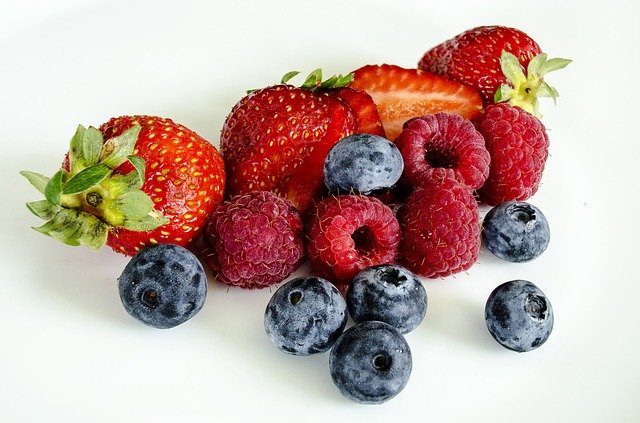
In today’s world, we can get fresh berries year-round in our supermarkets but isn’t there something special about enjoying them when they are in season – or even picked from your very own bushes? They just taste so much better. In this Cooking Tip, I would like to discuss some of these wonderful berries, including some less common ones, although the list will be far from complete.

Genus Rubus
These are berries that are composite fruits. Each single flower has from 50-150 ovaries and each ovary makes a separate small “fruitlet”. The most common of these are raspberries (black, golden, red) and blackberries although there are others, including hybrids. Some of these are dewberry, boysenberry, loganberry, marionberry, olallieberry, youngberry, cloudberry, salmonberry, tayberry and artic bramble. Because these berries have very thin skins and have one of the highest respiration rates of any fruit, they are very fragile and perishable.

Genus Vaccinium
Within this category are blueberries and cranberries. Others are huckleberry, bilberry and lingonberry.

Genus Ribes
Here we find currants (white, red, black) and gooseberries.

Genus Morus
Mulberries (black, red, white), another composite fruit, are in this category. I still remember picking and eating mulberries from a tree that grew near our home as a child. Messy but delicious.

Genus Fragaria
The ever-favorite strawberry is from this genus.

Genus Sambucus
This is where Elderberry and Barberries are found. The Elder plant is what produces elderberry. Before the berries, though, there are elderflowers. These are often preferred to the tart berry. They can be picked and made into elderflower cordial, a delightful summer beverage. The barberry is normally used as a landscaping shrub. The berries are very sour and require cooking with a sweetener to make them palatable.

Genus Melicoccus
Related to the honeysuckle, this fruit is known as honeyberry or mamoncillo.

Berries do not really ripen after picking. If you are growing your own, you can pick them at the height of ripeness. If you have a good farmer’s market, they may let you taste them before buying. If you are buying them in the store, it can be difficult to tell if they are ripe. Try to pick ones that are bright and deeply colored without soft spots. Once you get them home, look them over for any berries that are soft, mushy or going bad. Remove and discard them and keep the others covered in the refrigerator. To discourage spoilage, do not wash them until just before eating.

Apart from just eating out of hand, there are many other ways to use berries.

  • Baked items such as pies, tarts, cobblers, muffins or scones.
  • Jams & preserves – if you do not want to do all that is involved with preserving jam, try freezer jam. It tastes much fresher and more berry-like. It must, though, be kept in the freezer and not in your pantry.
  • Coulis – a wonderful fruit puree that is often made by cooking berries with sugar, water and a touch of lemon juice. Once cooked down and the taste is to your satisfaction, it can be stored as is. Or, it can be pureed and strained for a more sophisticated sauce. It can also be made without cooking by just pureeing the berries with sugar and lemon juice. This will give you a fresher taste.
  • Salads – sprinkle them fresh on your green salad with a bit of nuts and a cheese such as feta or goat and your salad is taken to a new level.
  • Salsas – fresh fruit salsas make a great accompaniment to seafood.
  • Ice cream/sherbets/sorbet – just sprinkle them on top of your bowl of ice cream or see this Cooking Tip for recommendations for adding berries to homemade ice cream.
  • Sauces – berries can be made into wonderful sauces for meat, especially pork or chicken.
  • Beverages – we all know about beverages such as raspberry lemonade but berries can be used in many other beverages, both alcoholic and non-alcoholic.
  • Soups – think of how impressed your guests would be if you served them a delightful, chilled berry soup.
  • Smoothies – a classic use for fresh berries.
  • Tiramisu – in the summer, why not ditch the coffee and chocolate and make a summer berry tiramisu instead.
  • Ice cubes – adding berries to ice cubes makes for a very attractive addition to your summer drinks.
  • Freeze for a future use – prepare the fruit by removing any leaves/stems. Rinse in a colander and lay on a kitchen towel to dry. Then, lay flat on a baking sheet covered in parchment or wax paper. Freeze the berries and pour the frozen berries into a freezer container to store.

    There is a school of thought that says not to rinse blueberries before freezing. Because rinsing will remove the natural waxy coating on their skins, they can spoil faster. They recommend rinsing only when you are going to use them.

Fresh berries are just one of the great delights of summer. Don’t miss them. Most of the places around here only sell blackberries, blueberries, strawberries and raspberries. That is why I am so thrilled my husband is also growing honeyberries, gooseberries, sea berries, aronia berries, elderberries and buffaloberries. If you live near me and want to try any of them, let me know!

Think out of the box when it comes to using berries. If you want recipes for anything particular that I mentioned, please let me know.

Cooking Tips · Ingredients

Cosmic Crisp — A New Apple in Town

There is a new apple in town — the Cosmic Crisp — and I wanted to let everyone know about this apple that has just arrived in our supermarkets.

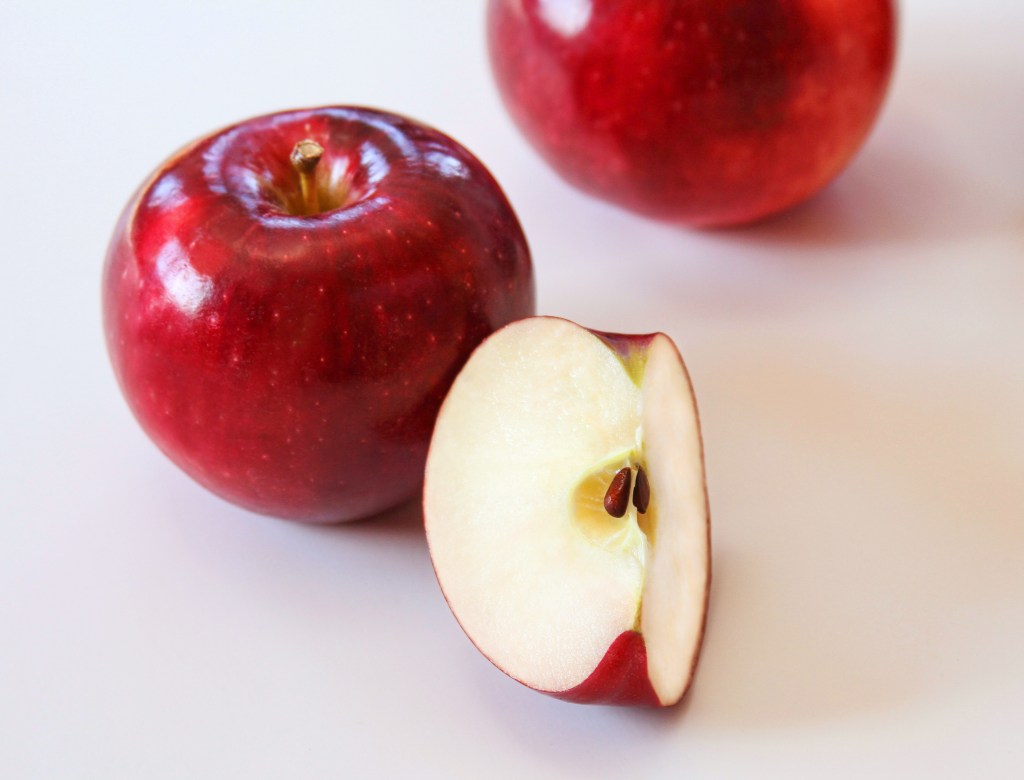
Cosmic Crisp Apple – photo courtesy of Proprietary Variety Management

After 20 years of study and research by Washington State University, the Cosmic Crisp apple is being launched. it is a cross between an Enterprise and Honeycrisp. The “Cosmic” part of the name comes from the white “lenticels” all over the outside and the “Crisp” hearkens back to one of its parents — the Honeycrisp.

The developers describe its texture as very firm and crisp. They claim it has naturally high levels of acidity and sugar, making it an exceptional eating apple. They say this characteristic allows cooks to reduce the sugar in recipes using this apple. The high acidity also means it is slow to brown.

I just purchased some and I must say both my husband and I really enjoyed them. They are, indeed, a crisp apple and had a delightful flavor. So many apples today seem to lack much flavor. This is not true for the Cosmic Crisp.

They are not to everyone’s liking, though. One of my wonderful readers shared that they were not going to be a favorite of hers. (Thank you, Jana, for sharing with us!) What about you? I urge you to give them a try and tell me what you think. I would absolutely love to hear from you with your opinion on this new breed of apple. Email me with your thoughts.