Cooking Tips · Ingredients

Foie Gras – Delicacy or Cruel?

Image by takedahrs from Pixabay

If you read much about French cooking, you will encounter the classic delicacy of foie gras. Besides being decadent and elegant, it is also controversial and polarizing. This cooking tip will explain what foie gras is and why there is this controversy. The first part of the discussion will define foie gras and its different categories. The controversy about foie gras will follow that.

Foie gras is the fattened liver of a duck or goose, but more commonly, a duck. It is produced by gavage, described as the force-feeding of ducks or geese through a tube inserted into their mouths and down the esophagus. This increased food intake leads to an elevated fat content and a distinctive flavor that is described as rich and buttery. The process is said to date from 2500 BC.

Foie gras is typically served as an appetizer or as a bread topping. Fruit flavors work very well with foie gras, particularly plums, grapes, and apples. Therefore, it might be served with bread and a fruit chutney.

There are different ways to categorize foie gras; they can be confusing and somewhat inconsistent from source to source. I will try to simplify it for you.

Foie gras entire (whole foie gras) refers to a whole liver made from one or two lobes. It may be raw or cooked with minimal seasoning, allowing the natural, rich flavors of the liver to dominate.

Foie gras is used for pieces of foie gras, not entire lobes, pressed together and seasoned.

Bloc de foie gras means reconstituted foie gras and refers to a cooked, formed block of which 98% or more is foie gras. One source likened the difference between this and “whole” foie gras to ground beef and a steak. Industrially produced Bloc de Foie Gras is actually a pâté made from minced foie gras and seasoning.

There are a few other products that contain foie gras plus other ingredients.

Pâté de foie gras: this must contain at least 50% foie gras. The liver is mixed with other meats, seasonings, and often some form of alcohol such as spirits or wine. The result is a spreadable, richly flavored paste that can be used on toast, crackers, or other dishes.

Parfait de foie gras: a parfait of foie gras is required to contain a minimum of 75% foie gras.

Mousse de foie gras must contain 50% or more foie gras. It has a creamy and airy texture due to being whipped either with just air or sometimes with dairy. Besides the lighter texture, the intense flavor is diminished somewhat.

Livers are also graded for quality.

Grade A livers are the best quality and are the largest at over a pound. They are firm, smooth, sweet smelling, consistent in color, with no blemishes. This is the type that a chef will prepare simply – seared, sautéed or in a terrine. It is also the most expensive.

Grade B foie gras will be smaller (under a pound) and somewhat softer in texture. They may have some minor surface defects and blood spots with more prominent veins. Although it has excellent flavor, chefs use Grade B in items such as pâté, mousse and terrines, where the blood content will dissolve with cooking.

Grade C is less prevalent than the other two and is generally not available on the retail market. It is often used to flavor and thicken sauces, although it can also be used in mousses and pâtés.

Now, let’s turn to a discussion of the ethics of foie gras production. According to Chowhound, the anti-foie gras movements started appearing in the 21st century, and the first country-wide ban (India) was in 2014. Since then, a few other European countries have followed suit with some level of ban. As you might expect, France is not one of those countries. Outside of Europe, bans are less common but are said to exist in Turkey, Australia, Israel, and Argentina.

Even in countries with bans, most still allow the importation of foie gras. India is one where even that is prohibited.

Different US cities and states have attempted to ban it, but these actions are usually challenged in court and are not always upheld. California has had more success in banning foie gras. In 2004, a ban on both sale and production was imposed. A court case forced the state to allow sales of out-of-state foie gras although the production is still banned. You will not see it in restaurants, as residents are still barred from ordering out-of-state foie gras and reselling it.

Why do some people and organizations seek bans? The following reasons are given.

  • The living environment for the birds is overcrowded and in cages.
  • The birds are force-fed more than they would naturally eat, causing their livers to grow multiple times their normal size.
  • The feeding method causes esophageal inflammation.
  • There is significant stress from the capture and insertion of the feeding tube.

Those who disagree with the bans give the following arguments.

  • Ducks’ throats are designed for swallowing rocks and eating whole fish, including fins, so the tube insertion is not traumatic.
  • The duck’s crop is made for stretching to hold food and stretching to several times its original volume.
  • Ducks lack a gag reflex.
  • Ducks have two pathways – one for breathing and another for eating.
  • There are good farms that use very humane methods. Some say all the US-based foie gras producers fall into this category. It is argued that one should not ban a product based on bad farms. There were three leading US foie gras producers. The ban forced a California one (Sonoma Artisan Foie) out of business. The two remaining ones are both in New York State.
  • Looking at Europe, there is the European Federation of Foie Gras.
    • Their objectives (taken verbatim from their website) are:
      • To promote foie gras, a thousand-year-old cultural and gastronomic tradition, and the profession of foie gras producer.
      • To develop common reflexions and proposals at European level on the various topics of interest to the sector.
      • To make European policy makers aware of the foie gras sector and, in particular, of its production methods.
      • To establish a continuous exchange of experiences and know-how among member countries for a constant improvement of practices.
    • The production method
      • There are two stages to foie gras production. You can read more on this page, but here is a summary.
      • The rearing stage—Birds are said to spend 90% of their lives outdoors during this stage.
      • The fattening stage—This amounts to 10% of the animal’s lifetime. They choose only healthy adult ducks or geese, and they are fed twice every 24 hours for about 12 days for ducks and 16 days for geese. According to Hudson Valley, the feeding time is only for a few seconds each time.
      • They note the “particular anatomical characteristics (possible alignment of the beak and neck thanks to the absence of cartilaginous glottis, the elasticity of the walls of the esophagus) which allow them to swallow large prey such as fish or frogs and predispose them to the fattening phase during the production of foie gras.”


The purpose of this Cooking Tip is not to take a side in this debate. It is to give you the information so you can decide if you wish to try this French delicacy and, if so, to provide you with the knowledge to know what to purchase.

Cooking Tips · Ingredients · Techniques

Smoothies – Friend or Foe?

Smoothies have never been a part of my daily routine. I suspect, though, that many of you do make smoothies regularly. They are one of those items that do not require a recipe. Instead, some general principles will help you make whatever smoothie you want. That, along with a discussion on the healthfulness of smoothies, are the subjects of this Cooking Tip.

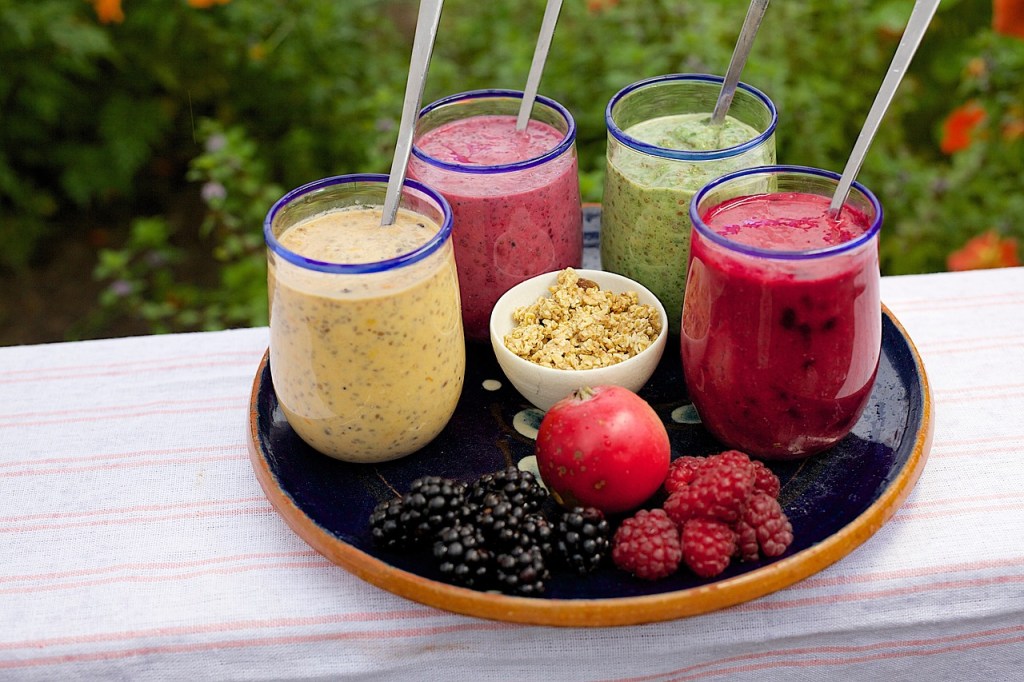
Smoothies are thick, creamy beverages made by pureeing together fruits and vegetables with liquid and, at times, add-ins such as nuts and seeds. All smoothies start with two essential ingredients: a base and a liquid.

Popular ingredients include the following.

  • Fruits such as berries, bananas, apples, peaches, mango, avocado, pear, grapes and pineapple.
  • Vegetables might be kale, spinach, arugula, romaine, bok choy, Swiss chard, collards, wheatgrass, microgreens, cucumber, beetroot, cauliflower, or carrots.
  • Nuts and seeds could be in the form of nut butter, or items such as chia seeds, and flax meal.
  • The liquid can be as simple as water but might also be fruit juice, vegetable juice, milk, non-dairy milk, coconut water/milk, iced tea, or even cold brew coffee.
  • Dairy items such as cottage cheese or yogurt are common.
  • Sweeteners might include maple syrup, raw sugar, honey, pitted dates, simple syrup, fruit juice concentrates, stevia, ice cream, or sorbet.
  • Some people like to add nutritional and herbal supplements such as spirulina, bee pollen, matcha powder, protein powder, and powdered vitamin or mineral supplements.

There are different categories determined by the basic ingredients.

Image by Raul Florinto from Pixabay
  • Fruit smoothies usually consist of one or more types of fruit blended with fruit juice, water, milk, yogurt, or ice cream.
  • Green smoothies usually contain fruit for sweetness, but they also include leafy green vegetables in a larger proportion.
  • Protein smoothies usually consist of one fruit or vegetable, a liquid, and a significant protein source, such as Greek yogurt, cottage cheese, silken tofu, or protein powder.

Smoothies are popular because they are seen as healthy. They can be very healthy, but they also have some drawbacks.

Here are some positives about smoothies.

  • They usually contain a significant amount of healthy nutrients.
  • They help you to eat more fruits and veggies if you do not eat them in the whole form.
  • They are convenient and portable for those on the go.

Here are some of the cautions.

  • Sugar—The major problem with smoothies is that they often contain a significant amount of added sugar. This is especially true of commercially prepared smoothies, as opposed to homemade versions.
  • Calories – depending on the ingredients and the smoothie size, some can contain over 1000 calories, not exactly a low-calorie snack. The suggested serving size of a smoothie is 5 ounces, far less than most people consume.
  • Fiber—Although smoothies can contain a significant amount of fiber if you make them from whole foods, they still will not contain the same amount of fiber as if you were eating the whole foods without blending them.
  • Satiety—Although smoothies may be satisfying in flavor, they may be less so in satiety. It is typical for those drinking smoothies to become hungry again soon afterward, particularly if the smoothie lacks protein or fiber.

To make a healthier, more filling, and pleasant-tasting smoothie, follow this advice.

  • Choose whole fruit, not juice.
  • Add leafy greens. Research has shown that cooking the greens increases their mineral and antioxidant content. Therefore, steam or blanch them, puree them and then freeze them in ice cube trays. Once frozen, store them in a freezer bag.
  • Try to sweeten only with the natural fruit without adding any other sweeteners.
  • Increase the fiber content by adding oats, oat bran, psyllium husks, or chia seeds.
  • Include healthy fats by adding ground flax, chia seeds or flax oil. Alternatively, add nut butter or avocado.
  • Add protein in the form of yogurt or even a protein powder.
  • Blend the ingredients in stages. Most recommend blending the leafy greens and liquid together first, then adding the fruits and blending again.
  • Some will use ice to increase the thickness, but you may also use frozen fruit instead of ice.
  • Some like to make their smoothies using a 60/40 ratio. That is 60% fruits and 40% leafy greens. For example, 2 cups leafy greens, 2 cups liquid, and 3 cups ripe fruit.
  • Homemade smoothies are generally much healthier than ones you purchase in stores or cafes. You can control the amount of sugar in them and amp up the healthy ingredients. The most nutritious smoothies utilize whole foods, contain little or no added sugar, and include a balanced amount of carbohydrates, fiber, protein, and healthy fats.

As the weather is warming up, many people turn to smoothies. Just be aware of what you are drinking and, even if it is a healthful smoothie, it is only one part of a healthy diet that should rely more on whole foods rather than just smoothies.

Cooking Tips · Ingredients · Techniques

Hidden Gluten – Do you know where to find it?

Image by CatsWithGlasses from Pixabay

I do not have a gluten sensitivity. Nor do I cook for anyone who needs to avoid gluten. I was recently teaching a class where one of the recipes we were using called for chili powder. The only one I had contained flour. That might be surprising to those who pay no attention to gluten. Some call these “hidden” sources of gluten. I decided to write this Cooking Tip on those unexpected gluten sources. I hope it is helpful for those of you who may need to cook for others who need a gluten-free diet.

Gluten is a family of proteins naturally found in certain grains, such as wheat, barley, and rye. It gives bread its great chew and elasticity. Too much gluten can make baked goods tough; too little can mean a lack of structure. That is all most of us think about when we consider gluten. However, if you have celiac disease or even a gluten sensitivity, it can seriously impact your health.

We all know not to offer bread, pastries, or pasta to someone who needs to avoid gluten. However, gluten can be hiding in many other places of which we should be aware. This is not an exhausting list by any means. It does highlight some of the more common places where you wouldn’t expect to find gluten, but it can certainly be there.

Seasonings

As I mentioned above, gluten may be hiding in your seasonings. If it is a single spice or herb, it is most likely gluten-free. You have to be cautious when it comes to blends. If you are a regular reader of these Cooking Tips, you know I am a big proponent of making your own spice/herb blends rather than buying pre-made ones. See this Tip for more information. Besides the reasons given in that Tip, add this one – you can avoid putting gluten in these blends.

The main reason that wheat starch is put in some seasoning mixes is that it acts as an anti-caking and anti-clumping agent. Common examples of spice blends are curry powder, chili powder and Italian seasoning, although there are many more.

This is why you should pay attention to ingredient labels, which are required to list any gluten-containing ingredient. My favorite spice source is Savory Spice. They state in their website’s FAQ section that most of their spices/seasonings contain no gluten. They also list those details on the product pages.

One of the largest spice companies, McCormick’s, has this statement on its website, followed by a list of 13 different potential allergens.

We are aware of allergies and sensitivities and will always declare the[se] … ingredients on our label in the ingredient statement – they will never be hidden under the notations of “spices” or “natural flavors.”

If you buy other brands, be sure to check their product information as well as the product labels. Be wary of spices sold in bulk bins, as cross-contamination can easily occur with scoops or other items.

One comforting thought comes from celiac expert Shelley Case, RD. She writes the following on BeyondCeliac.org.

“A single serving of a ground spice is typically quite small (about 0.5 grams). So, if a spice had 160 ppm of gluten and an individual ate 0.5 grams of this spice in a meal, the amount of gluten consumed would be 0.08 milligrams (mg). Studies have found that a threshold level of less than 10 mg of gluten per day is safe for most individuals with celiac disease.”

Soy Sauce

Wheat is used in the traditional method of making soy sauce. This Tip talks more about that process. To avoid gluten but have a product with a similar taste, many people choose Tamari. That is the liquid byproduct formed during miso-making. It is thicker and richer than soy sauce and is made just with fermented soybeans but little or no wheat. Because of that, it is touted as a gluten-free soy sauce. However, not all of the brands are totally free of wheat, so you need to check the label.

Salad Dressings & Vinaigrettes

Some may use malt vinegar (another source of gluten), soy sauce or even flour. As always, check the label or, even better, make your own.

Processed deli meats

Some may contain gluten-containing ingredients, which are used as thickeners. Even if they do not, be wary of cross-contamination by the deli workers.

Oats

Many feel oats are a safe gluten-free food. However, there is some concern about cross-contamination when oats are grown in fields next to wheat fields. To be certain, only buy oats that are certified gluten-free.

Potato Chips/French Fries

Although potatoes do not contain gluten, seasonings often applied to them may contain malt vinegar and wheat starch. There is also the chance of cross-contamination if they are fried in the same oil as gluten-containing foods.

Marinades & Sauces

Many store-bought products in these categories contain malt vinegar, soy sauce or flour. Even sauces (homemade or in the restaurant) served with meat or veggies are thickened with a roux, which is generally made from butter and flour but can be made with gluten-free alternatives.

Sausages

Sometimes, sausages contain a binder made of flour-based ingredients.

Cooking Spray

Most are fine, but some brands can contain flour. Baking sprays are different and are purposely formulated with flour.

You need to become a label-reading expert. However, the words used will not always be flour or wheat. Here are just a few words that could signify gluten unless it states gluten-free.

  • Starch
  • Modified food starch
  • Hydrolyzed vegetable protein
  • Hydrolyzed plant protein
  • Textured vegetable protein
  • Dextrin
  • Maltodextrin
  • Glucose syrup
  • Caramel
  • Malt flavoring
  • Malt extract
  • Malt vinegar
  • Brown rice syrup

There are also apps to help you know if a food is gluten-free. One is Fig. You set it up by indicating what foods you want to avoid. Its search function will tell you which foods will be appropriate for you and in which stores you can find them. You can also scan the barcode to see if the ingredients match your dietary needs. The starter version is free. I have not tried this app, but it has good reviews. Another is Spokin, although it is only for Apple devices.

Many websites can be very helpful for people trying to avoid gluten and those of you who cook for them. Here are just a few.

You may not need this information the majority of the time you take to the kitchen. But, for those times you do, I hope you find this helpful.

Cooking Tips · Ingredients · Techniques

Lentils – Not just for vegetarians!

So many of us are trying to cook and eat in a more healthful manner. I wrote an entire series of Cooking Tips on how to do that. Here is the first one in that series. One way we could all do that is to increase our intake of foods that I suspect we do not eat regularly. One such food is Lentils. What lentils are and what to do with them is the subject of this Cooking Tip.

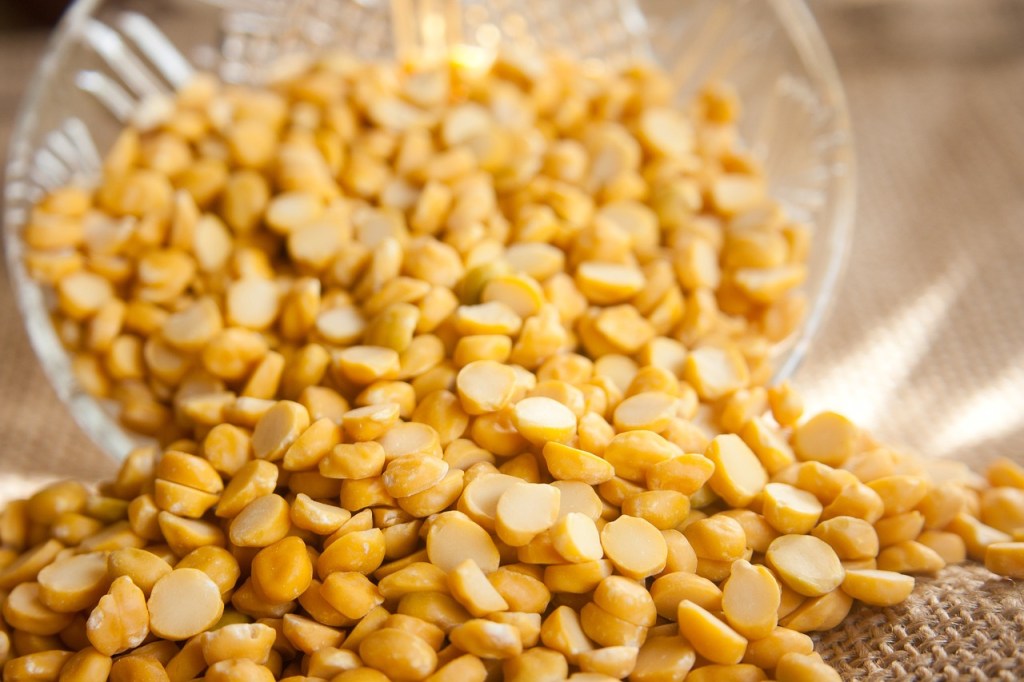
Some people think lentils are a type of grain. However, they are part of the legume family, similar to beans, peas, and chickpeas. Lentils are a nutritious source of fiber, protein, and other nutrients.

Although you will probably just see a couple of varieties in your market, there are numerous types. They vary in color from brown to green to black to reddish-orange. Some are considered large, others small, and even others petite.

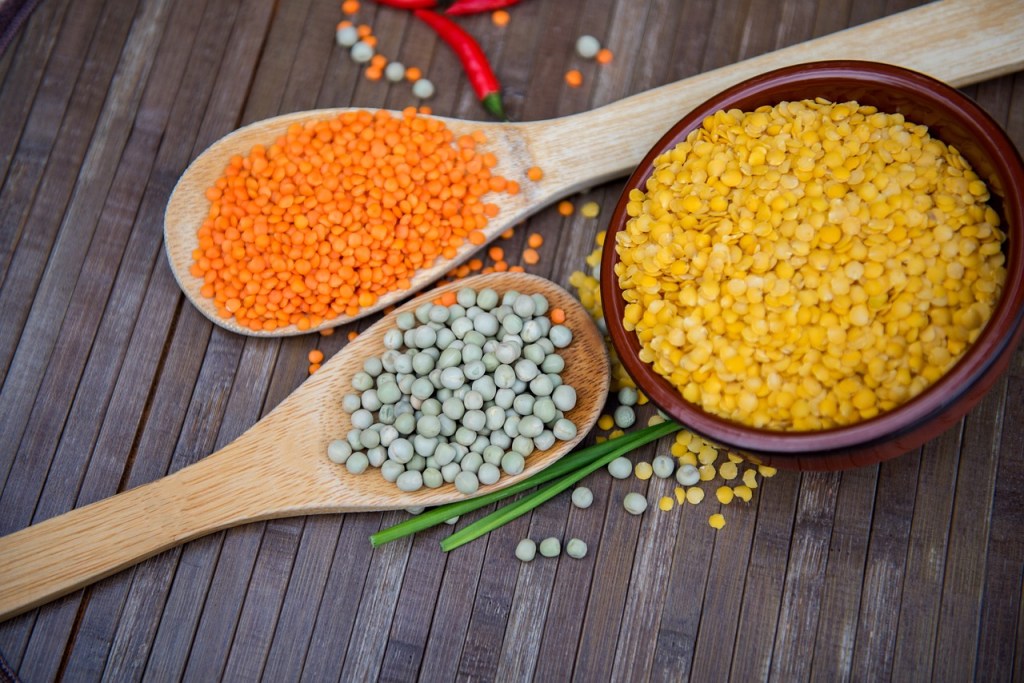
Most lentils will be sold in a whole shape. However, some, such as red or yellow, are sold as “split.” This means their seed coat is removed, and they are cut in half.

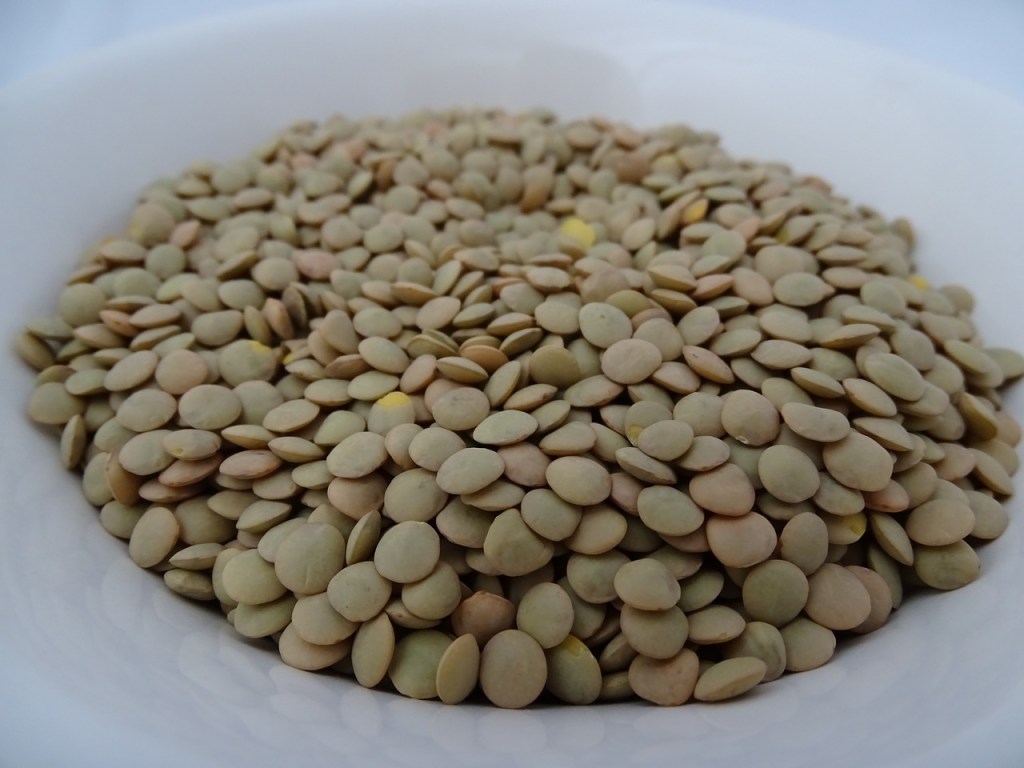
Brown Lentils

  • These are the ones most commonly found in supermarkets.
  • Size/shape – large, flat
  • Color—light brown. Because the brown color can have a greenish tint, they are sometimes called green lentils. Do not confuse these with French green lentils.
  • Taste – Mild, earthy flavor
  • Uses
    • They are intermediate in their ability to maintain their shape. They break down easier than French green lentils or Beluga lentils, but not as much as red and yellow. To keep them as firm as possible, do not overcook them.
    • Use in soups, stews, curries, salads, pilafs or meat replacement dishes.

Green Lentils

  • Some sources consider these a type of brown lentil, while others describe them as a separate variety. They are not the same as Puy lentils, though.
  • Size/shape – similar in size/shape to brown lentils
  • Color – a dusky green color
  • Taste – earthy but slight peppery quality
  • Uses are similar to brown but may maintain their shape better when cooked.

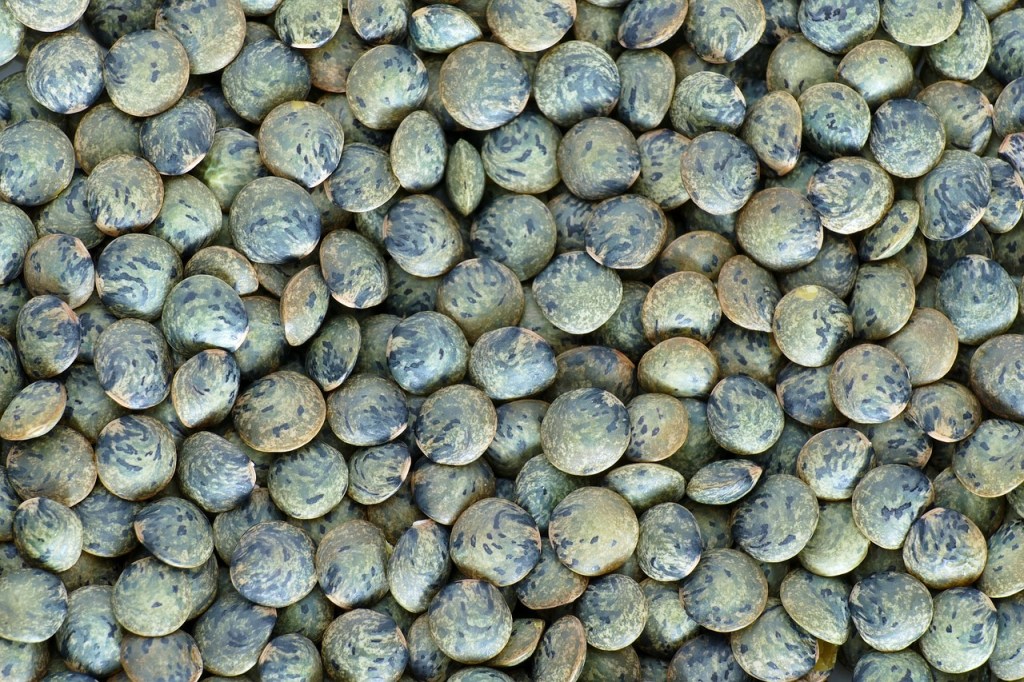
Lentilles du Puy (du Puy lentils)

  • These are only grown in the Puy region of France and are known as French green lentils. Not all French green lentils are grown in this particular region of France. If they do not say “Puy,” they are probably the same variety but grown elsewhere.
  • Size/shape – smaller and rounder than other lentils. They have a thicker skin than other green lentils, which gives them a firmer texture.
  • Color – greenish with dark specks.
  • Taste – If true “Puy” lentils, they will have mineral and peppery notes due to the volcanic soil in which they are grown. This may not be so if you have green lentils grown in other areas of France.
  • Uses
    • They take longer to cook.
    • As they hold their shape, they work well in salads and soups, although they may require pureeing in the latter.

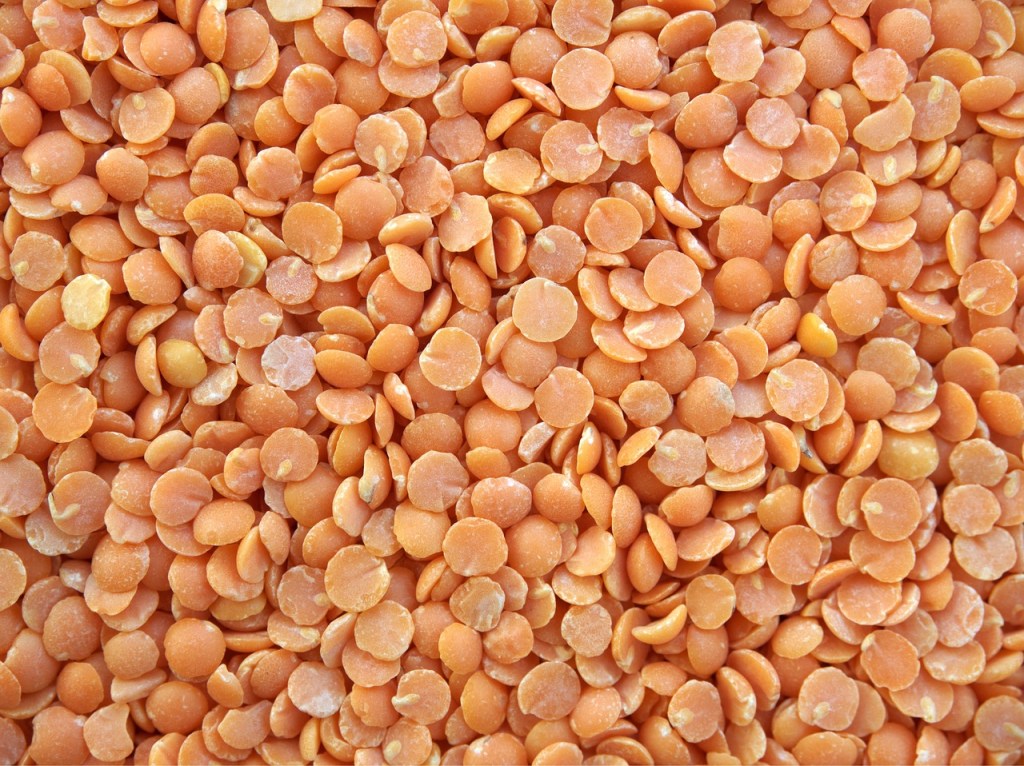
Red Lentils

  • Size/shape—These are often sold as “split,” meaning their coat has been removed, and the inner part has been split in half.
  • Color – reddish-orange
  • Taste – Earthy and nutty with floral notes.
  • Uses
    • These cook more quickly than other lentils.
    • They break down completely so they can be made into a puree.
    • Good in soups and curries.

Yellow Lentils

  • These are very common in Indian cooking.
  • Color – yellow
  • Flavor – slightly sweet
  • Uses
    • They become soft when cooked and can act as a thickener.
    • Common in Indian dals, hummus, and as a thickener in soups and stews.

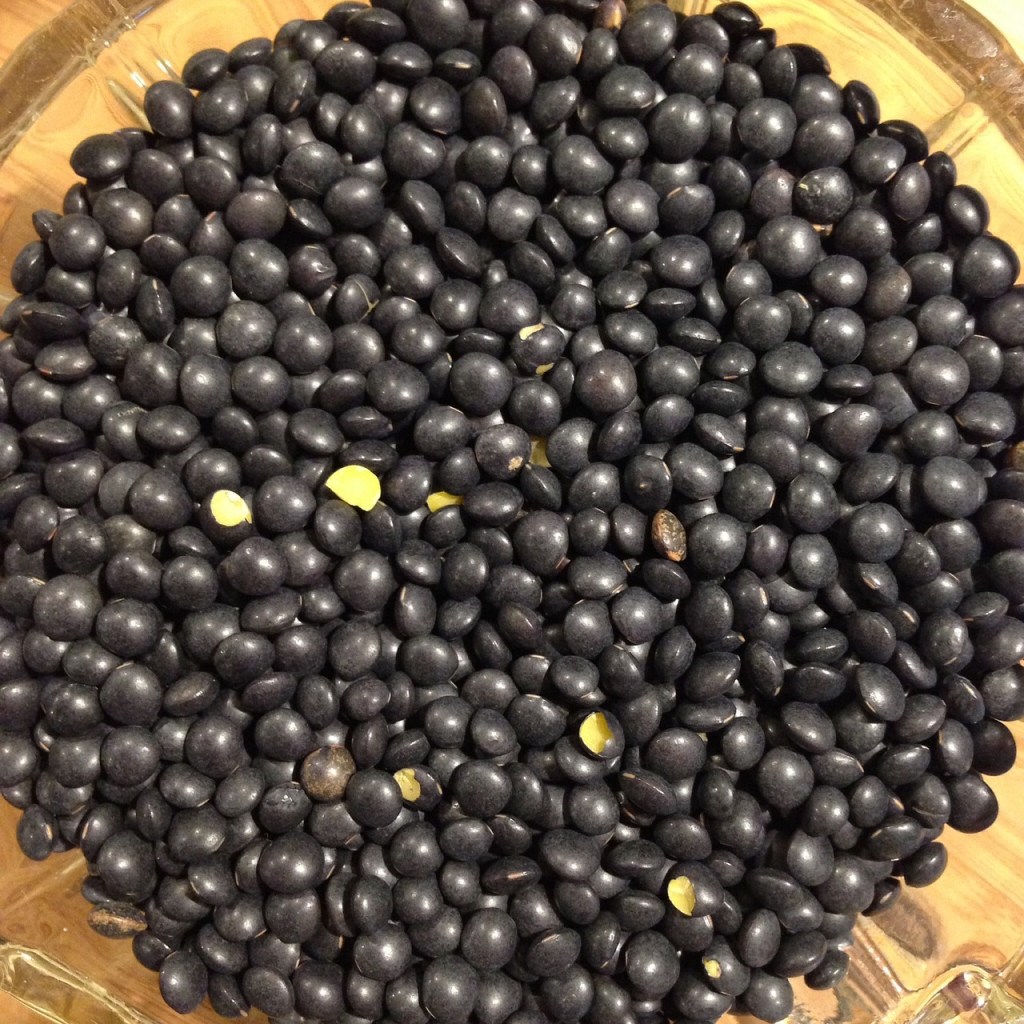
Beluga (black) Lentils

  • They get their name due to their resemblance to caviar.
  • Size/shape – very small and sphere-shaped
  • Color – dark brown to black
  • Taste – meaty and earthy
  • Uses
    • They have thicker skin, meaning they will retain their shape but take longer to cook.
    • Use in salads and soups.

Cooking Lentils

  • Purchase lentils that are as fresh as possible, as older lentils take longer to cook. If they are very old, they may not soften at all, despite how long you cook them. Some recommend buying from bulk bins as they tend to be fresher due to the more considerable turnover.
  • Lentils should be rinsed before cooking to remove dust or debris.
  • You should also sort through them to pick out any pebbles or grit that might be present.
  • They do not need to be soaked before cooking as they have a relatively short cooking time.
  • Cook lentils in plenty of water as they will swell in size as they cook.
  • Bring the water (or broth) to a boil, then reduce to a low simmer to prevent the skins from splitting.
  • Do not add salt until the lentils are cooked, as it can cause the lentils to stay crunchy rather than soft and tender. Some caution against adding acidic ingredients, such as tomatoes, for the same reason. However, others like to add them earlier to aid in flavor absorption.
  • To add more flavor, add aromatics (onion, leeks, celery, carrots, garlic), spices, herbs, or even meat. Cook aromatics gently first before adding lentils.
  • Be aware that brown and green lentils will be firmer and hold their shape better, while red and split green lentils will quickly break down.
  • Cooking Times
    • Brown lentils – 20-30 minutes
    • French green lentils – 25-35 minutes
    • Red and yellow lentils – 15-20 minutes
    • Black Beluga lentils – 20-25 minute
  • America’s Test Kitchen likes to make crispy lentils to top soups and salads. After a short brine (see below), they strain and pat them dry. After heating oil in a pan until very hot, the lentils can be fried until crispy and golden. After removing from the pan, they can be tossed in seasonings of your choice.

Brining

  • As with other legumes, the skin of the lentils can easily rupture during cooking. To prevent this, America’s Test Kitchen recommends soaking them in a salt brine before cooking. They recommend a teaspoon of salt in a quart of water and soaking for an hour.
  • Do not brine split lentils since their coat has been removed.
  • Skip brining if you want a softer, more mushy texture.

Storage

  • Dried lentils have a very long shelf life. Store in an airtight container away from light, heat and moisture.
  • Cooked lentils may be stored in an airtight container in the refrigerator for up to a week or in the freezer for up to a month.

Are you a regular consumer of lentils? I must admit that I am not although my husband likes them in soup. I challenge all of us who are not lentil-eaters to set a goal of trying the different varieties. That is one healthy challenge!

Cooking Tips · Ingredients · Techniques

Japanese Milk Bread – Is it worth the effort?

People often ask me if I like to bake or to cook. I always find this question hard to answer as I love to do both. If I was forced to pick one, I just couldn’t do it. Many people, though, find themselves gravitating towards one or the other. If you consider yourself an avid baker, you probably have heard of Japanese Milk Bread. If you shy away from baking, you may not have heard of it. It is a delicious creation, and what it is and why you might want to try it are the subjects of this Cooking Tip.

If you love artisan bread with its thick, chewy crust and interior full of holes, milk bread is not for you. If you only want to eat bread made with whole grains, milk bread is not for you. If, however, you love the guilty pleasure of soft, creamy, slightly sweet white bread, read on.

Image by Sornram Srithong from Pixabay

According to Bon Appetit, Japanese milk bread may have been invented by a British baker who opened a bakery in Japan in 1862. If you have never tasted milk bread, the closest thing you may recognize is white supermarket sandwich bread, although that is not as flavorful or as fluffy as milk bread.

Japanese milk bread is an enriched bread, meaning it contains more than just flour, water and yeast. Enriched breads also contain fat, dairy, eggs and/or sugar.

Other names you may see are Hokkaido milk bread or Shokupan. The latter Japanese term means “food bread.” It is a general term for a loaf that you slice and toast into sandwiches. It has a soft interior with a mild flavor and minimal crust. As it has evolved, today’s shokupan contains more fat than the original.

The key to making this bread is something called Tangzhong, which is a Chinese technique. It is a warmed roux usually made with milk and flour, although some recipes use water and flour, and others use all three. This tangzhong is said to do a couple of things. According to MasterClass, it allows the flour to absorb more liquid, yielding a moister result. The warm liquid also starts activating the gluten in the flour, aiding in trapping the liquid and achieving the final soft texture. It also helps to give milk bread a slightly longer shelf life than other breads.

As a sideline, not all bakers agree that tangzhong is the key to milk bread. Read this post from Epicurious for more information. Since the large majority of recipes use the tangzhong method, I will discuss that.

Besides the tangzhong, the other ingredients are flour, yeast, milk, sugar, butter, eggs and salt. Some recipes will add nonfat dry milk powder, saying it improves the bread’s tenderness and flavor.

  • Tangzhong – This is made by mixing the flour, milk, and/or water together over low heat until it thickens to a pudding-like consistency and reaches 150°F. It is then set aside and allowed to cool slightly before continuing with the recipe.
  • Flour – Most recipes use bread flour, although some have developed recipes using all-purpose flour.
  • Sugar – This gives the bread a sweeter flavor than other breads. Most recipes call for about ¼ cup.
  • Butter – As with all baking, use unsalted unless salted is specifically called for. Some recipes just have you soften it, while others will melt and cool it before adding it to the mixture.
  • Egg – Another enriching ingredient that increases the fat content.
  • Folding/Shaping – After the dough is mixed sufficiently and allowed to rise, most recipes require you to follow a folding technique for shaping followed by a second rise. The folding technique will vary depending on the recipe, so consult the one you are using for their recommendations. The classic baking method is in a Pullman pan, but you can also use a loaf pan or even shape the dough into rolls.

Although most recipes are similar, they can vary somewhat. As with all baking, it is best to follow your specific recipe carefully and use weights rather than volume measurements, if possible. Here are three recipes to try—all from reputable sources. The first two give measurements in weight and volume, while the third is volume only.

Have you made milk bread before? Did you like it? If you haven’t made it, I encourage you to try it. Although it is not the healthiest bread, it is delightful on the palate!

Cooking Tips · Ingredients

Tap Water – Hot, Cold or Neither?

Image by Karolina Grabowska from Pixabay

Imagine you are making pasta for dinner, and you are running behind. Your sauce is ready, but you still need to cook your pasta. For that, you need boiling water. You fill your pot with hot water from the tap to save time. Or, you want to make a beverage that requires hot water. Why heat cold water? Why not use the already hot water from your tap? Have you ever been in those situations? What you should and shouldn’t do is the subject of this Cooking Tip.

The simple answer is don’t do it! Don’t use that hot tap water for your cooking or drinking. Why not?

Lead

  • Lead is commonly found in our plumbing systems, especially in older homes. Even newly-manufactured pipes have a permissible amount of lead in them.
  • Lead dissolves more easily in hot water than cold and, therefore, is more likely to contain higher amounts of lead. We all want to limit our exposure, but especially those of our children, to lead.

Contaminants

  • Hot water systems like tanks and boilers contain metallic parts that corrode as time goes by. These can contaminate your water. Hot water dissolves these contaminants faster than cold water.

Bacteria

  • Hot water tanks can act as biological incubators and grow bacteria.
  • The CDC says boiling water for one minute (or three minutes at elevations higher than 6,500 feet) will kill bacteria. However, boiling water does not remove lead.

Minerals

  • Hot water contains more dissolved minerals from your pipes, which, although not a health hazard, can negatively affect the taste of your food and beverages.

Ben Montross, Vermont’s Drinking Water Program Manager, has the following advice to consume tap water with the lowest possible risk.

  • Only consume cold tap water.
  • Flush the taps until the water runs truly cold before consuming it.
  • Regularly clean and sanitize appliances that use water.

I have always used cold tap water, but others in my household do not always heed this advice. What about in yours?

Cooking Tips · Ingredients · Techniques

Beurre Monté – just another butter sauce?

Sauces are one of my favorite things to make. They are easy, and they elevate food from ordinary to delicious. I have written three prior Cooking Tips – Sauces Demystified, Mother Sauces I and Mother Sauces II on different types of sauces. One sauce I have not discussed is Beurre Monté. That is the subject of this Cooking Tip.

Image by Peter Toporowski from Pixabay

As you might suspect, beurre monté is a French invention. It is translated in various ways: “worked up butter,” “prepared butter,” “mounted butter,” or “whipped butter.” It is also a very simple and delicious sauce, as long as you don’t mind that it is made almost entirely of butter.

We all know that fat and water do not mix. We must force them to do so by the process called emulsification. This is done by slowly adding one ingredient to the other while vigorously mixing. This suspends tiny droplets of the one into the other. Vinaigrettes are one type of emulsion. The water element is typically vinegar, citrus juice, fruit juice or a combination. The fat usually is olive oil. If you pour them together, they will naturally separate. It is only by whisking the water-like ingredient while you slowly pour in the oil that you will get them to combine into an emulsion. They will often separate when setting, but you can again re-emulsify the mixture by shaking or mixing.

If you have read my Sauce Cooking Tips, you will have read that most pan sauces are finished by whisking a small amount of cold butter into the sauce. This thickens the sauce and gives it a glossiness and richness. That process is called “monter au beurre.”

Although it sounds similar, beurre monté is different. It is an emulsion, one that is made by whisking cold butter into simmering water. As one source puts it, it is the “lifeblood of many professional French kitchens.” That sounds like it would also be a good sauce for us home cooks to know.

There are only two ingredients – butter and water. Cooks Illustrated will tell you that the ratio of butter to water is crucial. You want only enough water for the fat droplets to disperse themselves without the result being too thin and watery. However, not everyone is such a stickler for that ratio.

Cooks Illustrated recommends three tablespoons of water to eight tablespoons of butter. Thomas Keller of The French Laundry uses four tablespoons of water to one pound (32 tablespoons) of butter. Masterclass agrees with Keller.

Despite your water-to-butter ratio, all agree on the method. Bring your water to a boil and reduce to a very low simmer. Start whisking the cold butter in piece by piece. You want the butter to melt and break into droplets that you emulsify in the water bit by bit. Continue this process until you have emulsified all the butter. Season to taste and you are done.

Feel free to try some variations on this basic recipe.

  • Stock – substitute stock for water, but be cautious of the sodium content.
  • Herbs – whisk in minced fresh herbs. Hardy ones (rosemary) can be added at the start, but more delicate ones (tarragon) should be added at the last minute.
  • Preserves, liqueurs, juice – After adding the butter to the water, whisk in 1½ Tablespoons jam or jelly and 1½ teaspoons of liqueurs or juice. Cooks Illustrated recommends raspberry jam plus Chambord, apple jelly plus brandy, or plum preserves plus amaretto.

Some might ask how this is different than just melting butter by itself. The result is quite different. Melted butter will be thin and just run off the food. By contrast, beurre monté coats and clings to the food and provides a more luxurious experience.

How would you use beurre monté?

  • As a sauce on its own for meat, fish, pasta or veggies.
  • As a base for another sauce. Make the beurre monté and add other flavorings such as herbs, spices, lemon juice, shallots, jams, liqueurs and more.
  • As a poaching liquid for veggies, delicate meat or seafood. Because of fat’s low heat conductivity as compared to water, it will allow you to cook meat and fish more gradually, giving you a tender and not overcooked result. It also infuses the meat and fish with the flavor of butter.

You may make smaller amounts to meet your immediate needs. You can also make it ahead and hold it for up to 4 hours. To do that, put a lid on the pot and keep it warm but only at a sub-simmer, 135-160°F.

The leftover sauce may be refrigerated but will not have the same texture upon reheating. Instead, upon reheating, use it as you would regular melted butter. You could also heat it to turn it into clarified butter by removing the milk solids.

I do not know about you, but I have some salmon in my freezer that is just calling out to me for it to be dressed in a beurre monté. What about you?

Cooking Tips · Ingredients

Herbs in a Tube – Are they any good?

Have you seen those tubes of herbs in your market? Have you ever tried them? Should you try them? Read on as this Cooking Tip breaks down this subject. For more information on fresh herbs, see this prior Cooking Tip.

The leading brand of these herb pastes you will see in the stores is Gourmet Garden. They have several varieties, including basil, garlic, ginger, cilantro, Italian herbs, jalapeno, lemongrass, parsley, Thai seasoning and lemon. The company says they are “the perfect substitute for fresh herbs or spices.” The only information about how these pastes are made is

“The herbs and spices are harvested at a time that maximizes their flavors. This crop is then washed, chopped and cold blended for you to discover the fresh chopped taste when you open the tube in your home.”

When you buy (or grow your own) fresh basil, the only ingredient is basil. In contrast, the ingredient list on a tube of Gourmet Garden Basil is:

“The herbs and spices are harvested at a time that maximizes their flavors. This crop is then washed, chopped and cold blended for you to discover the fresh chopped taste when you open the tube in your home.”

When asked about these other ingredients, the company says the following.

“Gourmet Garden products do not contain artificial colors, flavors or preservatives. There are a few simple food ingredients included in the product, though their role is about creating an environment where harmful bacteria cannot grow. These ingredients are kept to a minimum and it’s about having a product which is fresh and safe for people to consume and still deliver the fresh taste of herbs and spices to you in a convenient pack.”

If this is a concern for you, the herbs are grown and processed in Australia and then shipped to both Australia and North America.

Another company that sells herb/spice pastes is Amore. This company is based in Italy and is most known in the US for its tomato paste, but they also sell Pesto, Anchovy, Garlic, Herb, Chili pepper and Sundried Tomato. Unlike Gourmet Garden products, which are displayed in a chilled display in the produce section, Amore products are displayed on the shelf, often in a specialty food section. They do require refrigeration after opening.

There may be other companies producing herb pastes, but Gourmet Gardens and Amore are the two you are most likely to find.

What do these products taste like, and should you consider using them? I was surprised that there were not that many reviews of these products. Those that I did find were mostly positive in terms of taste. There were some cautions, though.

Fresh vs. cooked

  • They are better in cooked dishes such as soups, sauces, pasta and meat dishes.
  • Where you want the fresh basil flavor to shine through, as in pesto and other uncooked dishes, stick with fresh basil.

Shelf life

  • Although the shelf life of these tubes is longer than fresh herbs, it is still only about three weeks (for Gourmet Garden) in the refrigerator after opening.
  • They also caution you against leaving the tubes out of the refrigerator for more than a half hour.

Other ingredients

  • All of these products contain other ingredients to aid in packaging and shelf life. They generally include some type of sugar, oil and salt. Be sure to look at the nutritional labels, as they vary from brand to brand. Let’s first remind ourselves of dietary advice.
  • Sugar – The American Heart Association recommends limiting added sugar to 25 grams for women and 35 grams for men.
  • Salt – The current dietary recommendation is to limit our salt consumption to 2300 mg or less daily.
  • Oil – Dietary guidelines instruct us that our saturated fat intake should be limited to less than 10 percent of daily calories. We should, instead, use unsaturated fats, particularly polyunsaturated fats. For more on fats/oils, see this Cooking Tip.

Let us compare these added ingredients for these two brands.

Gourmet Garden’s Italian Herbs

  • Ingredients – basil, dextrose, oregano, canola oil, sodium lactate, whey (milk), parsley, glycerin, sea salt, ascorbic acid (to protect color and flavor), rosemary, xanthan gum, acetic acid, citric acid.
  • Sugar – You will see that the second ingredient is dextrose, a type of sugar. A serving size of 1 teaspoon contains 1 gram of sugar, about ¼ teaspoon.
  • Salt – One teaspoon contains 125 mg of sodium.
  • Fat – Total fat in one teaspoon is 0.5 grams. From the ingredient list, it is all in the form of canola oil.

Amore’s Herb Paste

  • Ingredients – basil, sunflower oil, Italian parsley, oregano, extra virgin olive oil, salt, citrus fiber, citric acid.
  • Sugar – 0 grams
  • Sodium – 55 mg
  • Fat – 1.5 grams and is a mixture of sunflower and extra virgin olive oil.

I have used several Gourmet Garden’s products although only in cooked applications. I find them quite suitable for that purpose. The only Amore product I have tried is their Tomato Paste, which is very nice. In a test of tomato pastes done by America’s Test Kitchen, they recommended this product alongside others in a tube, such as Cento and Mutti.

As I was researching this Cooking Tip, I found the difference in ingredient lists illuminating, and it may also help you to choose as you are in the store.

If you have fresh herbs that you won’t use up, you can make your own herb pastes. Just combine your herb(s) of choice in a food processor with a bit of olive oil until you get a paste consistency. Freeze in an ice cube tray, remove to a bag and stow in your freezer.

Have you tried Herb Pastes, and what do you think?

Cooking Tips · Ingredients

Mirin, Rice Vinegar, Sake – Is there a culinary difference?

If you like to cook Asian-inspired dishes, especially Japanese, you have undoubtedly seen some ingredients you may not have in your pantry. These might include mirin, rice vinegar and sake. What these ingredients are, how they differ, and how best to use them is the subject of this Cooking Tip.

Mirin

  • This is also known as sweet rice wine. It is made with steamed glutinous rice, koji, and a distilled rice liquor with a low alcohol content.
  • Koji is steamed rice inoculated with koji mold, a fungus used for various culinary purposes, which is then allowed to ferment. It starts the fermentation process when added to ingredients like soybeans, rice, or wheat grains. This fermentation process can last anywhere from two months to many years
  • The liquor is known as ‘shochu’. It is most commonly made with sweet potato, barley, rice, buckwheat and sugar cane.
  • The sweet flavor comes from the starch in the rice being converted into glucose.
  • Mirin has an alcohol content of around 14% and contains 10 to 45% sugar.
  • Mirin is somewhat comparable to the flavor of dry sherry.
  • It is similar to sake but has a lower alcohol content and more sweetness.

Types of mirin

  • Hon-mirin
    • This type is termed “true mirin” or “genuine mirin.” It is the most traditional kind of mirin and has about a 15% alcohol content with no added sugar. Other types of mirin tend to use sake rather than shochu. Testing has shown it is worth seeking this out if mirin is a main ingredient due to its superior and more complex flavor.
    • All sources agree that hon mirin is the authentic type. How the other types are categorized varies by source.
    • True hon mirin will be challenging to find in stores, but you can seek it out in specialty stores or online.
  • Mirin-fu chomiyro (shin mirin)
    • This means “mirin-style seasoning”. It has no or very little alcohol and abundant added sweeteners. Another name you will commonly see is “Aji-mirin.” This translates to “flavor of mirin” and is less expensive due to the processing. It has added sugar and only about 8% alcohol. This type has a lower alcohol content and a sweeter flavor. It is made with water, rice, salt, alcohol, and corn syrup.
  • Shio-mirin (salt mirin)
    • This one is the saltiest due to salt added during fermentation, but it still has the typical sweetness.

Uses

  • When you want to add a bit of sweetness to the dish. Use restraint, though, so you do not overpower your dish with sweetness.
  • To add umami and more depth of flavor.
  • To add shine to your dish. The sugar in mirin can give your food a mild shininess, such as when used with a teriyaki or other sauces.
  • To eliminate certain smells. As the mirin is heated and the alcohol starts to evaporate, it can take the odor of fish or meat with it.
  • Helps to tenderize meat.

Recommended brands

  • Kikkoman manjo premium hon mirin sweet rice wine seasoning
  • Fukuraiyun traditionally brewed hon mirin sweet rice wine
  • Takar hon mirin sweet rice wine (Note that some from this brand use sake rather than shochu.)

Substitutes

  • Rice vinegar – this can be used in a pinch, but it may be too acidic and bitter because it is vinegar.
  • Sherry in equal amounts.
  • Marsala wine.
  • Add one teaspoon of sugar to one tablespoon of white wine or sake for every tablespoon of mirin.

Rice Vinegar (or rice wine vinegar)

  • This is a type of vinegar that is made by fermenting rice. It is usually milder than the typical vinegar we have in our pantries.
  • Japanese and Chinese rice vinegars are different. Japanese is white in color and mild in flavor. Chinese can be red, black, or white depending on the rice variety used, and it has a more robust, sharper flavor.

Types of rice vinegar

  • White rice vinegar
    • This is the most common type.
    • It is clear to yellow in color.
  • Brown rice vinegar
    • It is light to dark brown in color.
    • It is made from unpolished brown rice.
    • It can be used interchangeably with white.
  • Black rice vinegar – often used as an umami dipping sauce
    • It is deeper in color and flavor.
    • It is made from black glutinous rice and other grains.
    • The flavor is somewhat smoky.
    • It is often used in Chinese stir-fries, dipping sauces, and as a condiment.
  • Red rice vinegar
    • It is made from red yeast rice (a fermented rice) and sometimes barley and sorghum,
    • The flavor is sweet, tart, and salty.
    • It is often used in Chinese seafood dishes and dipping sauces.
  • Seasoned rice vinegar
    • This is white rice vinegar with added sugar and salt.
    • It is used to season rice for sushi and is also good in salad dressings.

Differences between mirin and rice vinegar

  • Alcohol content
    • Mirin is a cooking wine with an alcohol content between 8% and 15%.
    • Rice vinegar contains no alcohol.
  • Aging
    • Rice vinegar is aged more than mirin, giving it more umami.
  • Uses
    • Use mirin when you want a bit of sweetness.
    • Use wine vinegar for more umami.

Substitutes

  • Other vinegars, such as apple cider or white wine vinegar. Use equal amounts, but add ¼ teaspoon of sugar.

Uses

  • Seasoned rice vinegar is classic with sushi rice.
  • Noodle dishes
  • Fried rice
  • Dressings
  • Pickled dishes
  • Marinades and chili sauce.

Sake

Image by Erwin from Pixabay
  • This is a Japanese alcoholic beverage made from four ingredients – rice, water, yeast and koji (a mold.)
  • It uses a particular type of rice called Sakamai.
  • It is made through a brewing process similar to beer. The rice starch is converted to sugars, which ferment into alcohol by yeast.
  • Use in your cooking as you would wine.

Substitutes

  • Dry Sherry
  • Chinese rice wine
  • White wine
  • Dry vermouth

Sushi vinegar

Image by Harry axalant from Pixabay
  • Also known as awase-zu, which means combined vinegar.
  • Sushi vinegar is not a different vinegar but is rice vinegar to which sugar and salt has been added.
  • It can be bought ready-made, or you can make your own.

Those are some of the most common Japanese condiments that you will use not only in Japanese cooking but in many Asian dishes. Now that you know the differences and how to use them, I hope you experiment with making some wonderful dishes!

Cooking Tips · Ingredients · Techniques

Sour Cream – for more than baked potatoes!

Take a look in your refrigerator right now. Is there a container of sour cream there? Did you buy it for one recipe, and then it just sits there until it goes moldy, and you throw it away? What is sour cream anyway? All those questions and more are the subject of this Cooking Tip.

Sour cream is a dairy ingredient that adds a creamy and tangy flavor to your dishes. It can be used in both sweet and savory applications. It is made by adding lactic acid and bacteria to a combination of cream and/or milk and letting it thicken and sour.

Regular sour cream contains about 20% milk fat. Light sour cream is made from a mixture of milk and cream, resulting in a lower fat content.  Non-fat sour cream has no fat, but it needs to be thickened. This is achieved by adding stabilizers and thickeners such as corn starch, gelatin, carrageenan, and guar gum.

Brand Differences

There are differences in the ingredient lists between brands. Just check the labels.

  • The Daisy Brand list of ingredients is only “cultured cream.” This is the top choice of America’s Test Kitchen.
  • Knudsen’s brand shows “cultured pasteurized Grade A cream (from milk), enzymes.”
  • My store brand has this much longer list – “cultured cream and skim milk, whey, modified corn starch, cultured dextrose, gelatin, sodium phosphate, guar gum, carrageenan, sodium citrate, calcium sulfate and locust bean gum.” I know which one I would rather buy for the minimal difference in price!
  • The “Natural” store brand is better, showing “cultured cream and skim milk, enzymes.”

Uses for Sour Cream

  • In cold dishes, it:
    • Adds creaminess, mild acidity and a bit of tang.
    • Acts as a binding agent to hold ingredients together, as in a chicken salad.
    • Can be a replacement for mayonnaise with a lower fat content but it won’t be as acidic.
    • Examples
      • Use in deviled eggs in place of mayonnaise.
      • In pasta/potato salads, swap sour cream for all or part of the mayonnaise.
      • Try as a sandwich spread.
      • It makes for creamy dressings and dips.
      • Add to whipped cream to add another flavor dimension. Add ¼ cup to 1 cup of heavy cream along with your sweetener of choice. Whip together with an electric mixer.
  • In hot dishes, it:
    • Balances heat with its tanginess.
    • Adds richness to baked goods.
    • Can be a wonderful finishing touch with a hint of acidity.
    • It can act as a thickening agent for sauces and soups.
      • For sauces, gradually whisk it into the warm sauce to prevent curdling and separation.
      • For soups, add towards the end of the cooking process.
    • Examples
      • Add to soup or chilis as a topping/garnish.
      • Top your tacos, burritos, and baked potatoes.
      • Add to a pasta sauce to increase creaminess.
      • In cakes/muffins, it can give you a moist and tender crumb. The acidity also helps balance the sweetness. Substitute a portion of the liquid in your recipe with sour cream.

Make your own

Image by Олег from Pixabay

Some people like to make their own as they control the ingredients that go into it, and they only have to make the amount they want. Here are some ways to do that.

Buttermilk technique

  • Combine 1 cup heavy cream and ¼ cup buttermilk in a sterilized jar and seal. Shake vigorously to combine.
  • The bacteria in the buttermilk will ferment the cream, which leads to souring and thickening.
  • Allow to sit at room temperature for 24 hours.
  • Store in refrigerator for up to 2 weeks.
  • Replace some of the cream with whole milk, half-and-half, or light cream if you’d prefer a lower-fat version. Just keep in mind that your sour cream will not turn out quite as thick if you decrease the fat. To thicken, you can pour through cheesecloth.

Vinegar/lemon juice technique

  • This is similar to the buttermilk technique but uses a different acid – either lemon juice or white vinegar.
  • Combine ¼ cup room temperature milk and either 1 tablespoon of lemon juice or 2 tablespoons of white vinegar. Thoroughly combine.
  • Add 1 cup room temperature of heavy cream. Combine.
  • Let sit in a warm place for at least 12 hours to a maximum of 24 hours.

Powdered sour cream

Many of us use powdered buttermilk. There is also powdered sour cream that you can reconstitute just like powdered milk. The former is easy to find in our markets, whereas the latter will probably have to be purchased online.

Substitutions

If you do not have any on hand for a particular recipe, you can try the following substitutions.

Yogurt

  • America’s Test Kitchen tried substituting Greek yogurt for sour cream in three recipes.
    • In biscuits and a sour cream sauce, the yogurt did fine.
    • In beef stroganoff, the yogurt with its lower fat content broke due to the heat.
  • Use plain yogurt, preferably Greek, in equal parts.
  • If you are not using Greek yogurt, consider draining it through a cheese-cloth-lined sieve over a bowl for at least 30 minutes.
  • Since yogurt is only 10-12% fat, it will not give you the same richness but can certainly be used.
  • For baking, for one cup of sour cream, use one cup of yogurt plus one teaspoon of baking soda.
  • For a dip, combine 1 cup sour cream with ¼ cup yogurt and 1 cup cottage cheese.
  • For a sauce, mix 1 cup of sour cream, 1 cup of yogurt, 1 tablespoon of flour, and 2 teaspoons of water.

Buttermilk

  • Try plain buttermilk. Since this is thinner than sour cream, many like to add softened butter to improve the texture.
  • Also, use less than the amount of sour cream called for, or it might be too liquid.
  • For baking, try ¾ cup buttermilk + ⅓ cup softened, unsalted butter.

Cottage cheese or Cream cheese

  • The texture of both of these items is different than sour cream. So, you should blend them with some liquid to get a consistency similar to sour cream.
  • For dips, combine 1 cup cottage cheese and ¼ cup yogurt/buttermilk in a blender.
  • For cream cheese, blend together 6 ounces of cream cheese and three tablespoons of milk.

Storage

  • To help it last as long as possible, store it in the refrigerator sealed tightly. It should keep for about three weeks.
  • Signs of it going bad are visible mold, the aroma of mold, or other off-smell (even if you do not see mold), or if it is taking on an off-white color.
  • If you see mold, just as with soft cheeses, you should not just scrape off the moldy part as the mold can extend into the product even if it doesn’t appear so.
  • Not a problem if it has separated. This is normal, and you can either drain it off or mix it back in.
  • When spooning it out of the container, always use a clean spoon to prevent introducing pathogens into the sour cream.
  • If you can’t use it up, try freezing it. Because the texture will suffer, reserve your frozen sour cream for use in cooked dishes, not fresh. Allow it to thaw in the refrigerator. If you add it to soup or similar, toss it in frozen.

Sour cream is such a simple ingredient, but it can add so much to your dishes. I am sure you already use it, but if not, pick some up when you are in the store or try making your own!