
We have all heard that you should make your own stock, whether it be beef, chicken, or vegetable. We have all heard that the difference in taste makes it all worth it. However, how many of us have the time to make a proper stock? And, once you make it, do you have freezer space to store it? I do make my own stock when I have the time, but there are many, many times that the only thing I have on hand is store-bought stock. Don’t feel ashamed if you are the same. That’s life, but there are some easy hacks you can do to make that box of stock in your pantry just a bit better. That is the topic of this Cooking Tip. For background, you may want to take a look at this prior Cooking Tips – Stocks & Broths – Is there really a difference?
You want to start with the best store-bought stock you can. See the above Tip for some recommendations. Also, start with the one with the lowest sodium level. Not only is this a good piece of advice at any time, but it is especially important when you are trying to add flavor to a store-bought stock, as some of the ingredients you are going to add contain sodium. The last thing you want is to end up with a too-salty stock.
Add a mirepoix
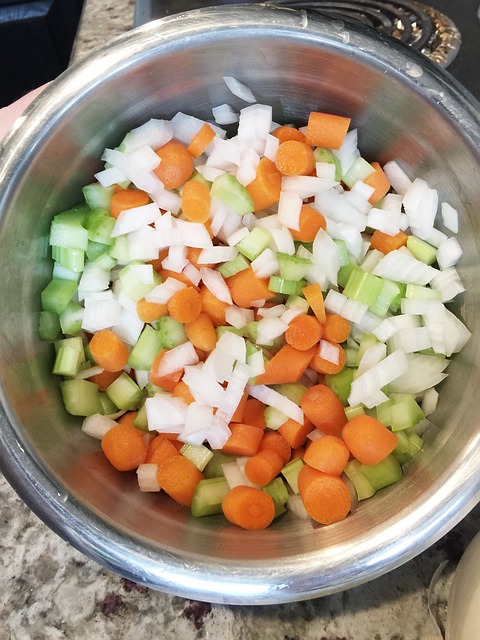
Put your stock in a pan and add diced carrot, celery, onion, and a few peppercorns. If you have the time, sauté your mirepoix until lightly browned before adding the stock. Depending on how you wish to use the stock, you may also consider adding garlic and herbs. Bring to a boil, reduce to a simmer, and cook for about 30 minutes or until you are pleased with the flavor. Strain and use.

Add chicken
For chicken broth, you can add more chicken flavor by actually also adding a chicken breast or any chicken bones you may have in your freezer. Another option is canned chicken. After straining, the chicken can be used for another purpose.
Add gelatin
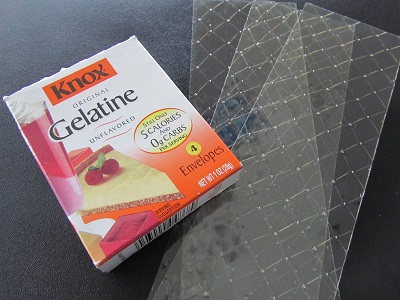
Mixing a small amount of unflavored gelatin (about 1½ teaspoons per cup of stock) in some of the cold stock and adding it to the simmering pot will increase the body that you get from the bones when making homemade stock. In The Food Lab, J. Kenji Lopez-Alt recommends adding gelatin to his homemade stock to speed up the process and still end up with a flavorful stock with great body.

Add a Parmesan rind
Add three Parmesan rinds for each quart of stock, bring to a simmer, and cook for about 30 minutes. Remove and discard. Other hard cheeses, such as pecorino, will also work.

Add dried mushrooms
Toss umami-rich dried mushrooms into a pot of simmering stock. Recommendations are three to four mushrooms per quart of stock.

Add fermented pastes
Whisk in one tablespoon of miso paste for every quart of stock. Note the sodium content so you do not end up with a too-salty stock.

Add whole spices
Toast in a dry pan two to four whole spices (cardamon pods, allspice berries, cumin seeds, coriander seeds, mustard seeds, fennel seeds, star anise, peppercorns) per quart of stock. Add stock and simmer.

Add tomato paste
Cook one tablespoon per quart of veggie or beef stock in a dry skillet just until fragrant. Add stock and combine.

Add soy sauce
This is a great umami booster that can be added to your stock. Just be cautious of the sodium content. Worcestershire sauce or fish sauce can also be used.
Reduce the stock
One of the simplest tricks is to simmer the stock in a pan to reduce the volume by half to two-thirds. This helps to concentrate the flavors.

Add acidity
Acid will brighten up dishes. Consider apple cider vinegar, citrus juice, or wine.

Add olives
Olives add not only umami, but the brininess can add acidity.
Have you tried any of these hacks to boost the flavor of your store-bought stock? Did they work? Don’t feel guilty about using good quality, low-sodium store-bought stock, especially if you amp up the flavor with the above advice.

 Culinary Journeys, LLC