
If you come to my house for dinner, you will likely be served water with your meal. I will most likely not offer you a pre-dinner cocktail or an after-dinner drink. If I do, it will be of the non-alcohol variety. Neither my husband nor I drink alcohol, although I do use it in culinary preparations. I do believe that alcohol is a part of many of the world’s ills. I also just do not like the taste of alcohol. For people like me, the world of non-alcoholic drinks, or as some term them – mocktails – can be an interesting compromise. In this Cooking Tip, let’s delve into this world a bit and learn what they are, how to make them, and some of the pitfalls.
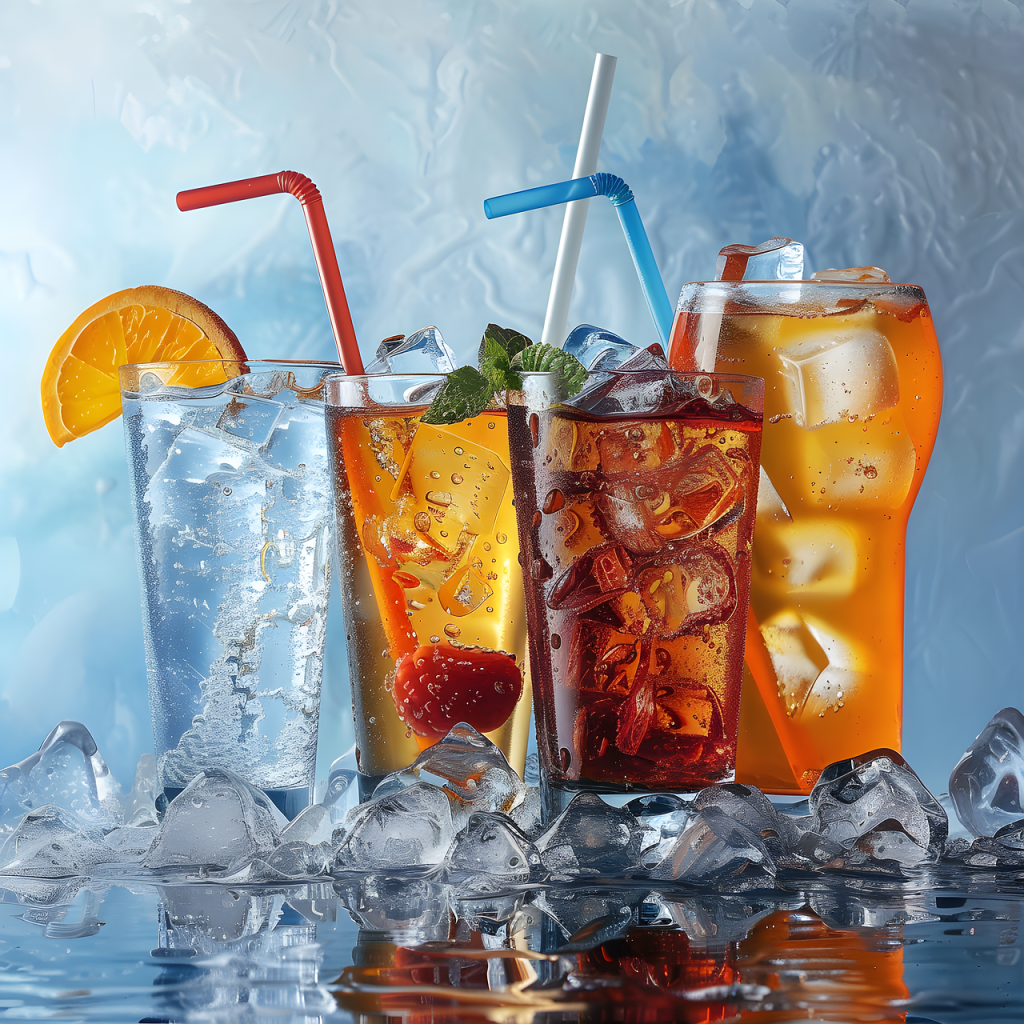
Drinks such as lemonade, iced tea, punch and fruit juices are certainly non-alcoholic, but they are not very creative. Trying to make a regular cocktail by just removing the alcohol usually does not work well. In the same way, trying to recreate an identically-tasting alcoholic cocktail using non-alcoholic ingredients is often unsuccessful. Rather than thinking of mocktails in this way, why not think of them as their own type of drink? Just as gluten-free bread can be delicious, it will never be the same as its gluten-containing counterpart. It is its own type of baked good. Similarly, non-alcoholic cocktails are in their own category and should be created just as carefully as any drink containing alcohol.
There are certain basic elements in making a delicious cocktail. As with all cooking, these elements need to be carefully balanced to ensure one element doesn’t overpower the others. In a regular cocktail, those elements are sweet, sour, bitter and spirits. Even without the alcoholic spirits, you still want a balance of the remaining elements. You can also add the spirits if you like the non-alcoholic versions that are available today. Let’s investigate these elements along with some other advice.
Flavor
You want to enhance the flavor as much as possible. An expert distiller explains that “alcohol is better at extracting flavor than water.” Therefore, to enhance flavor using water-based flavoring ingredients, try to avoid those ingredients that lack flavor, such as water. Instead, consider tea, coffee, coconut water, non-alcoholic spirits, flavored sugar syrups, and citrus. Another idea is to freeze tea into ice cubes for added flavor.

Some like to add ginger beer or kombucha. These may contain small amounts of alcohol, although the amount is so minimal that they can be sold as non-alcoholic. If you wish to avoid even this small amount, be diligent in reading labels and seeking information about the particular product you want to purchase.
Flavor-Enhancing Ingredients

A smoky flavor can be imparted by using Lapsang Souchong tea, a black tea that is dried over pine wood fires. If it fits your flavor profile, smoky paprika may also be used.
Just as salt is necessary for bringing out flavor in food, it can also boost flavors in your mocktails. According to mixologists, salt can “amplify the vibrancy of citrus and fruit flavors, temper bitterness, add depth to the flavor, and heighten the sensation of carbonation.” To do this, add a couple of drops of a 20% saline solution. This can be made by dissolving 20 grams of salt in 80 grams of water.
Besides salt, spices such as cinnamon, cloves, nutmeg, star anise, and vanilla add warmth and depth of flavor. These spices can be infused into syrups, vinegars, or sprinkled directly into the cocktail.
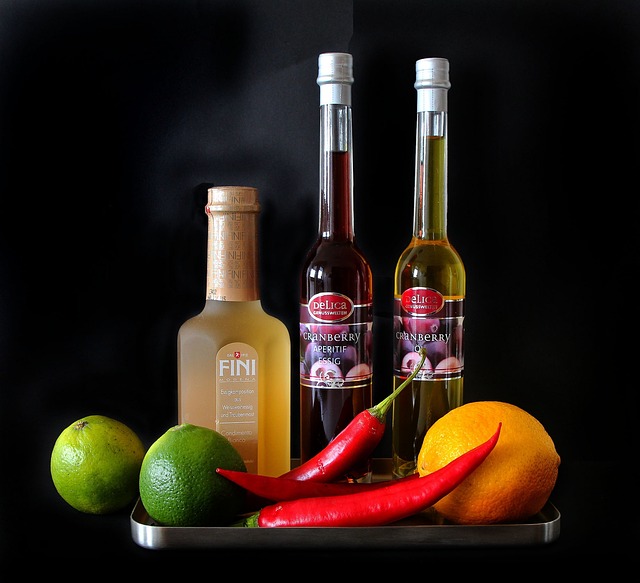
Vinegars can add a bit of pop or zest to a mocktail. Many feel that apple cider vinegar is the most versatile, although others include balsamic and fruit vinegars.
Verjus is also known as “green juice”. It is a tart juice made from unripe, unfermented wine grapes. It is not as acidic as vinegar, while still adding a nice depth of flavor with a hint of sweetness.
Citrus zest and juice will add acidity to your drink.
Shrubs are sometimes called “drinking vinegars.” They are a mixture of fruit, vinegar, and sugar. They are both sweet and acidic and can infuse drinks with a depth and complexity of both sweet and savory notes.
Ginger adds a natural bite and a certain amount of zestiness.
Tea is incredibly diverse and can add intriguing flavors to a variety of mocktails. If you are a tea drinker, you will know that over-steeping a tea can cause bitterness due to the extraction of tannins. This can be a plus in mocktails as the tannins can impart both a nice mouthfeel and complexity.

Fresh fruit will make your drink taste fresh. Muddling the fruit not only adds flavor but also creates texture in the drink.
Fresh herbs such as mint, basil, rosemary, thyme, or sage add an aromatic element.
Bitters can enhance the depth of flavor while also offering balance. They do contain alcohol, although the small volume that is used makes the alcohol content in the drink minimal. If that is still a concern, nonalcoholic bitters are available.
Perfume-type items, such as orange blossom water, rose water, or lavender water, add a pleasant aroma.
Sweetness
One of the problems with many mocktails is that they are overly sweet and lack the complexity and depth of flavor of regular cocktails. So, once again, the word is balance. Besides adding its own flavor, sweetness balances acidity and bitterness.
Sweet can be in the form of a plain, simple syrup, a flavored syrup, honey, real grenadine, sugar, maple syrup, sweet fruit juices, and fresh muddled fruit.

Grenadine is made from pomegranates, and most mixologists caution against the bottle of red juice you often find in the grocery store. If you look at the list of ingredients found in one of the most popular brands, you will see this.
High fructose corn syrup, water, citric acid, sodium citrate, sodium benzoate, red 40, natural and artificial flavors, blue 1.
Notice what you do not see in that list – pomegranates. Compare that list to one that is marketed as “real” grenadine.
Pomegranate juice, cane sugar, gum arabic, orange flower water, fruit juice, citric acid, benzoic acid.
So, you might want to either make your own or source out a better alternative.
Piquancy
Piquancy is that bite or burn that alcohol delivers. It is described as a strong or sharp flavor that forces you to take small sips. This characteristic can be attained in mocktails by using capsaicin-infused non-alcoholic spirits, non-alcoholic bitters, vinegar or ginger. In moderation, you may also consider chili peppers or horseradish.
Texture
The use of syrups, fruit jams or molasses can improve the mouthfeel of a cocktail. Also, the liveliness that you find in a real cocktail can be achieved from citrus, vinegar or carbonation. The latter can be added with the use of club soda, tonic water, ginger beer, non-alcoholic beer, non-alcoholic sparkling wine, kombucha, or flavored sodas. Milk & whey can also create body, creaminess and a smooth texture.
Garnishes
Garnishes add visual appeal as well as adding a hint of flavor and aroma. Choose something that complements the flavor of the drink. Ideas include a citrus twist, fresh herbs or edible flowers.

Over-Dilution
A common problem that can occur with non-alcoholic cocktails is over-dilution, leading to loss of flavor. Here are some tips to prevent this.
- Shaker ice – Using larger ice cubes rather than crushed, chips, or shards of ice. The latter will melt and dilute the drink too quickly.
- Shaking time – Limit shaking and stirring time to minimize melting, only six to eight seconds for shaking and 12-15 seconds for stirring.
- Containers – Metal containers chill the liquid more quickly than glass, reducing dilution.
- Adding ice – If you add the liquid to the shaker first, followed by ice, it will slow the melting of the ice.
- Some experts recommend making a “rich syrup”, which is two parts sugar to 1 part water rather than the standard 1:1 mixture. The rich syrup has a higher sugar concentration, so you can use less and minimize dilution.
- Serving glasses – Chilling the serving glasses also helps to decrease dilution while keeping the drink cold.
- Fine straining – Use a fine-mesh strainer to remove herbs, citrus pulp, ice shards, etc.
- Serving ice – Use large, clear ice cubes made with filtered water. They elevate the presentation, and the larger surface area means slower melting.
- Cold storage – Keep your non-alcoholic ingredients refrigerated. Less reliance on ice means less dilution.
Are you one of those people like me, who does not drink alcohol and does not serve cocktails of any kind? Or, do you want to offer your guests a drink that is attractive, complex and flavorful but without alcohol? If you are the latter, I hope the above ideas will help you as you experiment in finding the right mocktail for the right occasion.

 Culinary Journeys, LLC