Cooking Tips · Techniques

Plating like a chef!

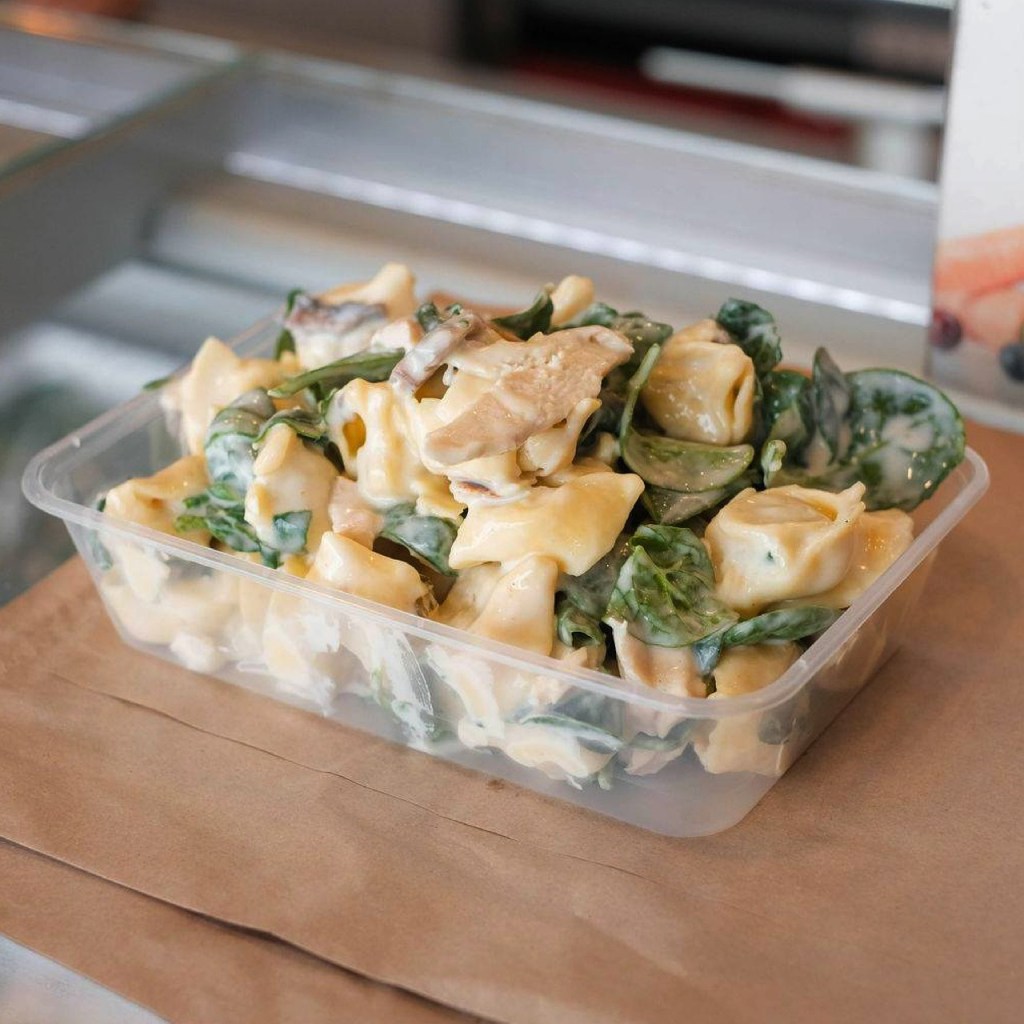
When you go out to a restaurant, and they present you with an artfully plated dish, your expectations that it will taste good go up. Those who know me know that making things look pretty is not a skill I possess. If I want a nice garnish or some other touch on the plates I am serving to guests, I call my husband, who is much better with things that require a bit of manual dexterity. This Cooking Tip on how to plate food is for those who want that wow factor when you serve your guests. I don’t think it will help people like me, but you never know!

Dishes

Most chefs will tell you successful plating starts with the plate/dish. There is a reason most restaurants serve food on white dishes. It is a plain background on which you can do your artistry. However, you do not have to feel constrained by this if your dish’s colors/patterns complement and do not distract from the food.

Other considerations besides the color are the size and shape of the dish. There is no one correct size; it should be large enough to hold the food without looking like there is too much empty space but not so small that it covers the entire plate. Successful plating involves a certain amount of negative space.

Some like to match the shape of the dish to the food, such as using a square plate with slices of lasagna. Others like to contrast shapes. Use what is most pleasing to the eye for your food.

Food placement

The classic style puts the main ingredient in the center of the dish, with the side dishes arranged around it. Others like to put that main ingredient just off-center.

Traditional plating involves placing the main part of the meal (typically the protein) at about 6:00, the traditional starch at about 11:00, and the side dish at 2:00. This works best when the sizes of these different items are balanced.

Others like to arrange the food in linear patterns, either vertically or horizontally. The food is placed in parallel or intersecting lines, and garnishes are added to break up the lines. Still another pattern is placing the food on the plate in arcs rather than straight lines.

Odd numbers of items, such as shrimp, scallops, or small bites are considered more attractive than even numbers.

You will undoubtedly have seen the practice of stacking food on the plate to add height. An example would be putting the starch on the bottom, the protein in the middle, and the veggies to top it off. The bottom layer could be your starch in a pureed form, mayo or a sauce. The middle layer could be your protein or a neat dollop of rice or noodles. If the protein is not in the middle layer, it will be in the top layer. Longer items, such as asparagus spears, also look great on top.

Another tip is to slice your chicken, steak or other protein before plating and then arrange it on the plate back into its whole shape but fanned out.

This all takes creativity and practice. Some chefs start by making a drawing of how they want the plate to look. This helps them visualize and then achieve just what they want.

Color

Try to avoid a monotone dish. If you are serving a lighter-colored protein, such as fish, surround it with darker-colored sides and vice versa.

Garnish

Sprinkling on herbs or cheese or even a lemon slice can add a pop of color and increase the visual appeal. When it comes to cheese, rather than grating, why not try making shavings and topping the food with those? Just a drizzle of olive oil or an interesting infused oil can be striking. You could even incorporate edible flowers.

Sauces

Sauces are not always necessary but are an excellent addition. I was taught in culinary school that the proper way to use a sauce is to put it on the plate first with the other items on top. Get creative with how you apply the sauce to the plate. This video has some interesting techniques for the application of sauces. If you are going to use a sauce, do not plate it until just before serving.

Texture

Just as you do not necessarily want all the food to be the same color, you also do not want all the textures to be similar. Adding chopped nuts, sesame seeds, or seaweed flakes adds a certain amount of interest to the mouthfeel.

Wipe the edges

This is just common sense. If some of the items are all over the edges of the plate, it will look messy. Take those few seconds to wipe it clean before putting the plate in front of your guest.

Helpful tools

If you are serious about raising your plating skills, consider investing in some helpful tools. Inexpensive squeeze bottles improve your control over where your sauce goes. Long tweezers allow you to place smaller items exactly where you want them without disturbing the other ingredients. Some chefs like to use food-grade paintbrushes. Ring molds help you achieve that neat, circular placement of the food. Small prep bowls can be used to mold your rice into a neat shape before placing it on the plate. A good set of kitchen tongs will aid you in shaping an attractive nest of pasta on the plate.

Even with my lack of creativity and poor manual dexterity, these tips could help me make my dishes not only taste great but look attractive and appealing. I am sure it would be the same for you. Experiment, have fun and don’t be too hard on yourself!
Cooking Tips · Techniques

Plastic Food Containers – Harmful or Helpful?

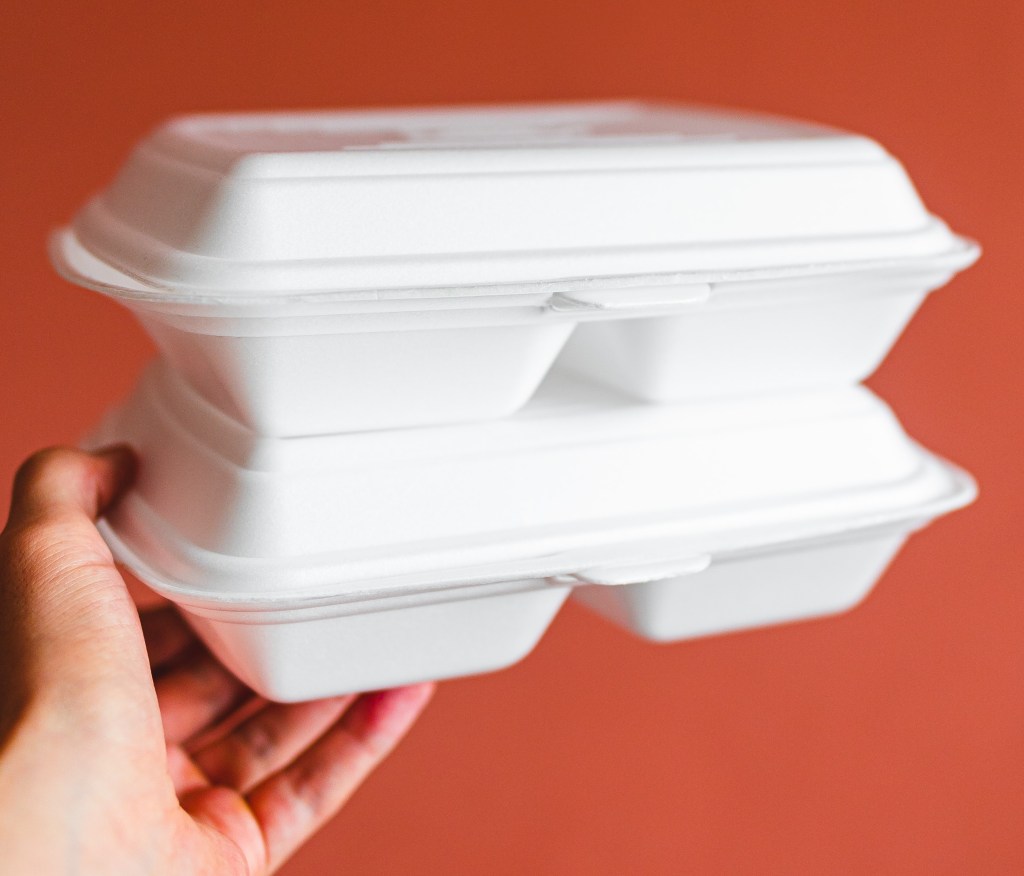
Image by Romjan Aly from Pixabay

I would suspect that almost all of us have plastic containers in our kitchens. The primary use is probably food storage. When reheating that food, do you just throw that plastic container in the microwave? Many of us do just that. That is a practice, though, that we all should re-think. That is the subject of this Cooking Tip.

Let us first look at plastics in general and which ones have been considered safe to use in the microwave.

One important point is that “microwave-safe” only means that the container will not melt or distort in the microwave. It says nothing about the release of chemicals into food. Microplastics and chemicals can leach into your leftovers over time just by storing food in these plastic containers in the refrigerator. Microwaving, though, speeds this up.

Here is a chart outlining the types of plastics and where you might find them.

NumberNameMicrowave safe?Other
#1Polyethylene terephthalate (PET or PETE)Some say Yes if it states this on the label. However, it will melt at only 120°F.It only has a temperature tolerance between 0 & 120°F before the material will start to warp or melt.   Used in soda bottles, peanut butter & mayonnaise jars and cooking oil containers.
#2High Density Polyethylene (HDPE)YesIt has a heat limit of 40 to 266°F before it melts.   Found in milk jugs, protein powder tubs, and butter containers.
#3Polyvinyl Chloride (PVC)NoRarely used for food.  
#4Low-Density Polyethylene (LDPE)NoUsed to make shopping bags, cling wrap, and juice bottles.
#5Polypropylene (PP)YesIt can withstand temperatures up to ≈ 230°F.   Most commonly used for food storage containers, plates, bowls, cutlery and catering trays.
#6Polystyrene (Styrofoam)NoIt can quickly melt.   Find it in some disposable food containers, packing peanuts, and meat packaging.
#7Other – includes PolycarbonateNoMany formulations may contain BPA.   Find it in five-gallon water cooler jugs, citrus juice & ketchup bottles and produce clamshells.

The primary chemicals of concern are bisphenol A (BPA) and a class of chemicals called phthalates. These are used to increase the flexibility and durability of plastic. BPA is found mainly in polycarbonate plastics (# 7) and has been used since the 1960s to make food storage containers, drinking glasses, and baby bottles.

I am sure all of us have heard a lot about BPA and its potentially harmful health effects. Many products today tout that they are “BPA-Free.” Proponents of the use of plastic food packaging materials point out that these items must meet stringent U.S. Food and Drug Administration (FDA) safety standards.

Although the last update was in 2014, at that time, the FDA stated, “based on its most recent safety assessment … BPA is safe at the current levels occurring in foods. Based on the FDA’s ongoing safety review of scientific evidence, the available information continues to support the safety of BPA for the currently approved uses in food containers and packaging.”

In 2018, another study was done called the CLARITY Core Study. It was an animal-based study, and they concluded that there was no definite evidence of BPA-related health effects related to the typical amount of BPA exposure.

Opponents of these plastics do have concerns about using BPA and phthalates. Although there is no definite proof, here are a few health concerns they raise.

  • Interference with children’s normal growth and brain development, even while in the womb.
  • May increase allergies, eczema and asthma.
  • May change how reproductive organs develop.
  • May cause behavior problems in children.
  • May be linked to obesity and diabetes.

A recent (June 2023) study by The University of Nebraska was published in the journal Environmental Sciences & Technology, and it has increased consumers’ concerns. The researchers “investigated the release of microplastics and nanoplastics from plastic containers and reusable food pouches under different usage scenarios.” They mainly focused on baby food containers made from polypropylene and a reusable pouch made of polyethylene. Both of these products are FDA-approved.

They found that “microwave heating caused the highest release of microplastics and nanoplastics into food compared to other usage scenarios, such as refrigeration or room-temperature storage.” They also found that “the polyethylene-based food pouch released more particles than polypropylene-based plastic containers.”

So, what can you do if you share the concerns voiced by opponents of these food containers? The safest, although not the most practical, is using only glass food storage containers.

Also, pay attention to the numbers on the bottom of your plastic containers. Bon Appetit magazine recently spoke to James Rogers, Ph.D. He is the director of food safety research and testing at Consumer Reports, and before that, he worked in food safety at the United States Department of Agriculture for more than a decade. He advises people to avoid plastics marked with a one or a six. He explains that these plastics have a low melting point and will release chemicals even faster if microwaved. He also points out that types three and seven are the most likely categories to contain phthalates and bisphenols.

If he had to choose plastic, he would opt for types two and five. These are higher-density plastics and have a higher melting point. That doesn’t mean they are without risk as the University of Nebraska study showed that they did shed microplastics when heated.

A final word is that you can limit the use of the containers to storage only and even then, limit the time you store food in them. Use your leftovers quickly by reheating them in a glass container or repurposing them into a new dish.

What do you choose to do? Do you use plastic, glass, or a combination? Will any of this information cause you to change your habits? Let me know!

Cooking Tips · Techniques

Gifts for the Cook that they will actually use!

As the gift-giving season approaches, I wanted to give you some ideas for some great gifts for those who love to cook. Or, you can put them on your wish list for Santa. If you do an online search for gifts for cooks, you will come up with some very strange lists. I wanted to give you a list that was much more practical and useful. That is the subject of this Cooking Tip. Some of the links below are affiliate links and I may earn a commission if you decide to purchase.

If you are considering a gift for a fellow cook, consider their storage space. Even though the gift might be a great one, if they do not have space in which to store it, they may not be very thankful.

Thermometer

A good instant read digital thermometer is essential for most serious cooks. It is something that they will use in both savory cooking and baking. The most important aspect of a food thermometer is its accuracy. It is also extremely nice if it reads quickly.

Any review of the best food thermometers will almost surely lead with the company, Thermoworks. Their products consistently stand out as the best in class. An added nicety is that they come in multiple colors. Their top-of-the-line model, the “Thermapen One” is excellent but costs a bit over $100. They do have frequent sales, which can bring this price down. They also have very good and less expensive alternatives. Their Thermopops cost about $35 and the Dot thermometer is about $45.

Another brand that ranks high is Lavatools. Their products range from $15 to $60.

Kitchen Scale

If you or your gift recipient is an avid baker, a kitchen scale is extremely helpful. Once again, accuracy is the most important characteristic. I would also highly recommend a scale that has both imperial and metric units. Learning to use and understand metric weights will make you a much more accurate baker. It is also useful if you like to use European recipes, which tend to be written with metric measurements.

There are three scales that dominate the “best of” reviews.

  • Escali Primo Digital Scale – This scale comes in multiple colors and retails for about $27. A couple of criticisms of this one is that the display is not the easiest to read and the platform is not removeable, making it a bit more work to clean.
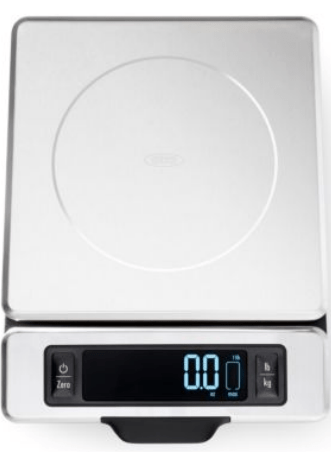
  • OXO 11-lb. Stainless Steel Food Scale – With a removable platform, extreme accuracy and an easy-to-read display, this scale garners high marks and sells for around $50.
  • Ozeri Pronto Digital Kitchen and Food Scale – Another easy to read scale, this one lacks a removable platform, but is priced under $15.

Graters/Zesters

Cooks are often reaching for a grater or a zester whether it be to grate cheese, nutmeg or citrus zest. The company that dominates the market for these items is Microplane. They make various sizes of graters but they are perhaps most well-known for their excellent zesters, which sell for under $15. The Deiss PRO Stainless Steel Grater is recommended by some and is slightly less expensive than the Microplane.

If you or your gift recipient are like me and tend to grate their knuckles, a wonderful add-on is a cut-resistant kitchen safety glove. I use mine all the time.

Bench scrapers

This is one of those easily overlooked but extremely useful kitchen tools. Not only is it great for picking up chopped veggies from your cutting board, but it is also useful for cutting dough and softer items such as butter, for scraping dough from your counter and leveling off ingredients in your dry measuring cups.

Personally, I am not sure there is a great difference between brands but America’s Test Kitchen highly recommends the Dexter-Russell Sani-Safe 6″ x 3″ Dough Cutter/Scraper or the Anmarko Stainless Steel Metal Griddle Scraper Chopper. Others liked the Oxo Bench Scraper or the Norpro Grip EZ Chopper Scraper. Any of these can be purchased for under $15.

Prep Bowls

I like to teach that success in the kitchen comes much easier if you are organized. The French have a term for it – mise en place. Part of this involves prepping ingredients and putting them into small prep bowls that are easy to grab when you start the cooking process. I find them invaluable and use them on almost a daily basis. They are available in glass, stainless steel and silicone and come in different sizes. You want a set that is large enough to hold your ingredients while still being easy to handle and store.

Culinary Books

Cookbooks are always a good choice if you know what the recipient likes. There are new cookbooks coming out every year. A website that catalogues cookbooks is EatYourBooks.com. They have both a free and paid subscription that will allow you to browse cookbooks by subject, title and author.

One book I use all the time is Food FAQs: Substitutions, Yields & Equivalents. This extremely useful book has been put together by Linda Resnik and Dee Brock. They have painstakingly compiled lists and charts that answer questions such as:

  • How much juice is in an average-sized lemon?
  • How many onions are required to make one cup of chopped onion?
  • What can I substitute for a quince?

For the scientific-minded cook, consider The Food Lab: Better Home Cooking Through Science by J. Kenji López-Alt. This book will not only teach you to be a better cook but a smarter one as it dispels many culinary myths.

Apron

Sure, there are plenty of aprons out there in pretty colors with snazzy sayings but those are not really work aprons. A dedicated cook needs an apron that can stand up to the heat of the kitchen. That means one that is made of a sturdy fabric, is of an appropriate length, has long enough straps to tie around your waist in front and has pockets. I have this one from Food52 and love it.

Knives

If you want spend a bit more, you could consider knives. Every cook should have a good chef’s knife, paring knife and bread knife. There are others that are great to have although not necessary. I discuss them in this Cooking Tip.

As for brands, you will never go wrong with Wüsthof but they do come at a price. Other less expensive but still good brands include Mercer and Victorinox.

Small Appliances

There are a myriad of small appliances out there but, once again, consider the space they will require to store. Before buying the newest appliance fad, read my Cooking Tip on appliances.

Cooking Schools

Consider a gift certificate to cooking classes in your area. If there are none, look at some of the online options. Here are just three.

Are you searching for something to give that avid cook in your life? Is there something that you really want in your kitchen arsenal? I hope these ideas will get you started down the right path.

Happy Shopping!

Cooking Tips · Techniques

Kitchen Appliances – What do you really need?

I love kitchen appliances, both large and small. I am very blessed to have a kitchen with great large appliances and space for plenty of small appliances. I use some much more than others, and some I could do without. In this Cooking Tip, I want to discuss some of these appliances to help you decide how to plan your kitchen purchases.

Large kitchen appliances

Cooktop – we all need some sort of cooktop and/or range. In a prior Cooking Tip, I discussed my decision to install an induction cooktop rather than gas. One negative I discussed in that Tip was that my favorite instant-read thermometer would not work correctly with the induction cooktop on. Since then, Thermoworks has come out with a new thermometer that does not face the same interference from the induction, called Thermopen One.

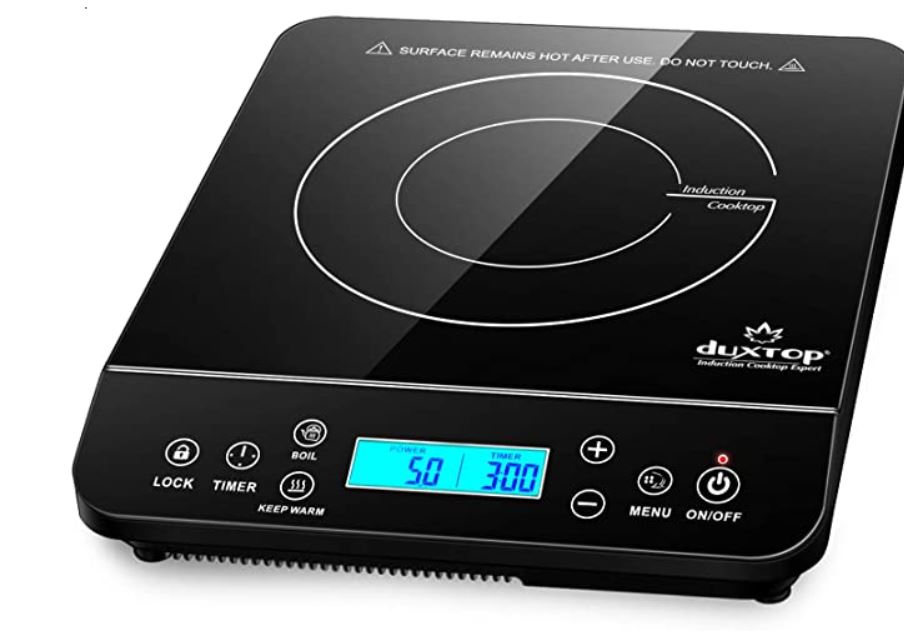
My opinion of induction cooking has not changed since that prior Cooking Tip. If you are thinking of getting a new cooktop, look at induction. If you are not looking for an all-new cooktop but feel you sometimes need an extra burner and want to try induction, you can purchase a portable one. I have been using ones from Duxtop in some of my cooking classes, which are excellent.

Ovens – I have double ovens in my kitchen, which is a luxury. I rarely use more than one at a time. When one of my ovens stopped working, and the necessary part was on backorder for months, it was nice to have a second oven. I purchased two separate wall ovens and mounted them side-by-side. As I get older, it is nice to have both ovens at a comfortable level rather than one higher than I want and one lower than I want.

When I was picking out my ovens, Bosch offered ovens where the doors opened left to right and vice versa rather than from top down. This was a nice feature as you do not have to lean over a hot oven door to remove your dish. I did not go with the Bosch brand, but I still think it is a brilliant idea.

In summary, do you need double ovens? In most cases, the answer is no. Yes, they are nice but not necessary. If you only have a single oven but sometimes wish you had a second oven, you may want to consider a countertop oven, often called a toaster oven. Nowadays, they come in many sizes and price points and can do many things other than toasting. They can not only act as a second oven but also keep you from heating up your kitchen with your regular oven during the warm months.

Warming drawer – this is one of those luxury items I use frequently. It is great if I want to keep my food warm while waiting for dinner to commence. If I am making something in which I am cooking multiple items, such as pancakes or tortillas, it is wonderful to put the cooked ones in the warming drawer while I am cooking more. That way, the first ones you cook do not get cold while cooking the rest. Again, it is a luxury but one I enjoy having.

Small Kitchen Appliances

Electric mixers – I have both a hand-held mixer and a stand mixer. Since the latter takes up more space, do you really need it? That depends on how you cook and bake. Since I am constantly trying new recipes for my business, I use mine frequently. It is excellent for helping to knead bread and pastry dough. It also makes quick work of creaming butter and sugar for your cookies and whipping up egg whites and cream. All those tasks except kneading dough can be done with a good hand mixer.

Food processor – If your budget or counter space is limited, I think a nice food processor would be a better investment than a stand mixer. Making some of those doughs in a food processor rather than a stand mixer is possible. I make my pizza dough in mine, and it all comes together in under five minutes. You can chop veggies and nuts, puree dips/sauces, and mince meat. If you get one with slicing and grating disks, you can process that cheese quickly and safely without grating your knuckles on that hand-held grater.

If you want a food processor, consider what tasks you want it for. Perhaps you need just a small capacity one. It may not work for large dough recipes, but it will be great for the chopping and pureeing tasks.

Blender – I have both a blender and a food processor, but you do not necessarily need both. Blenders are great for crushing ice and pureeing liquids. Even though you can puree liquids in a food processor, a good blender does a better job of getting a velvety result. However, a blender cannot do those other slicing, dicing and grating jobs that a food processor is made for. Once again, ask yourself what you do in your kitchen. If you are more likely to make drinks and smoothies, a blender may be a better fit for you. If not, consider a food processor.

There are hand-held blenders called immersion blenders. If you want a food processor but like some of the blender advantages, this might be just what you need. It has a much smaller footprint, too. I store mine in a drawer.

Rice cooker – You can absolutely cook rice on the stovetop. If you eat rice regularly, you may want to consider a rice cooker. If you measure your rice and water correctly, this is a hands-off way of cooking perfect rice. And, depending on the model, it can even keep it warm. I would give up other small appliances before I give up my rice cooker.

Slow Cooker or Crock Pot – Although this appliance is mostly hands-off, it takes up considerable space. Ask yourself how often you would use it. If you cook for potlucks a lot, it is very helpful as it will not only cook your dish, but you can take it to the potluck in the appliance and plug it in to keep it warm for serving.

Another reason people love these appliances is that they are made to allow you to put your ingredients in it, turn it on and leave the house while you go to work or run errands. I have never felt comfortable doing this, but that fear may be unfounded. Here is one opinion on the safety of a slow cooker.

Instant Pot – These seem to be the darling of many people. Take a look at this Tip for my take on this appliance. It is meant to be multi-functional and can do some of the things that a slow cooker and a rice cooker can do, although maybe not with the same result. Because of the way I cook, I do not feel a need for an Instant Pot. However, many cooks feel they couldn’t live without one.

Sous Vide – This is an appliance that most of us will do just fine without. A prior Cooking Tip talks in more detail about sous vide machines.

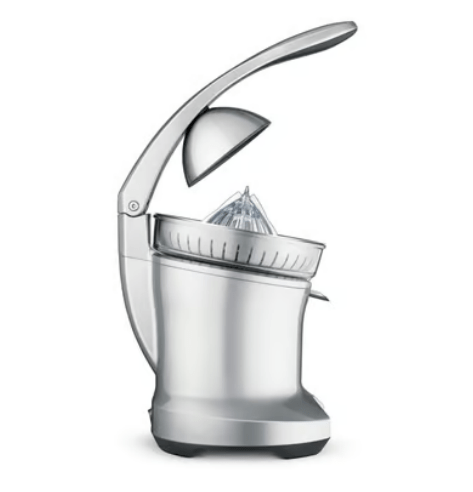
Electric juicer – This is an appliance that most do not need. I would never have bought one, but I won one in a contest. I love it and use it frequently. It does an incredible job of juicing all sorts and sizes of citrus in a way you could never do with a hand-held citrus squeezer. It does take up space, though. If you do not do a lot of citrus juicing, you can skip this one. Do not ask me to give up mine, though!

Electric Grill – You can do nothing on this appliance that you cannot do on your stovetop. I have a Cuisinart Griddler and love it for making paninis or pressed sandwiches. Other tasks can be accomplished on an electric grill, and they generally do a great job. Because of the expense and space requirements, I would ensure you will use it frequently before you buy one.

Vacuum Sealer – If you buy in bulk and have sufficient freezer space, this is an appliance you might want to consider. They are easy to use, although you need to purchase specific bags for your particular sealer model. They do keep frozen food in a fresher state for longer without the dreaded freezer burn. You can seal bags of other food items without using the vacuum function. It keeps those items in an air-tight bag or container, thus prolonging their shelf life.

There are plenty of other kitchen appliances, but I hope this list will help you decide what is right for you and your kitchen. You might also use it for a wish list for the upcoming Holiday season!

Cooking Tips · Techniques

Your freezer – a friend for the holidays!

Image by K-H. Leuders from Pixabay

As I write this, it is only the middle of September. Blink your eyes, though, and the holidays will be right around the corner. Have you ever thought about utilizing your freezer, if you have space, to make the holidays less stressful? That is the subject of this and subsequent Cooking Tips. I will first address general advice about freezing food. This will be followed with more specific advice on freezing some of those items that are going to be on our holiday table.

The first step in this strategy is to know how to safely freeze food as well as what you can freeze.

Freezer Advice

  • Freezer space is often limited. Therefore, the more items you can freeze in a bag that can lie flat, the more you will be able to stash in your freezer.
  • Opt for bags designed for freezing as they protect the food better.
  • No matter what freezer container you use, it should be as airtight as possible. Another advantage of bags is that getting all the air out of them is easier. The air causes freezer burn, which leads to moisture loss, thus harming flavor and texture.
  • Portion the food in quantities that you will need. That may be in individual portions or the size you want to thaw for your family’s dinner.
  • Label the containers with the identity of the contents, the date and any specific reheating instructions you might need.
  • For the best quality, the food should be frozen as quickly as possible. This prevents large ice crystals from forming, which can seriously damage the quality of the food when thawed. The FDA recommends not to stack packages to be frozen but to spread them out in a single layer. Once frozen, stack them to maximize the freezer space.

How to thaw – there are four basic methods.

  • Thaw overnight in the refrigerator. This method takes the most time but gives you the best results. A rule of thumb is to allow one day of thawing time for every 5 pounds of weight.
  • Thaw by cooking. This works well for small pieces of food, including ground or chopped meat. Be aware that the cooking process will take longer to cook.
  • Thaw in the microwave. This is not a great method for large food items, such as whole chickens. It does work well for smaller items. One risk of this method is that you can accidentally cook, not just thaw, the food item.
  • Thaw in Cold Water. This method takes about 20 to 30 minutes per pound of food. You must use waterproof packaging such as an airtight bag and change the water every 30 minutes.
  • Prevent pathogen growth. Freezing food does not kill pathogens; it just inactivates them. As the food thaws and warms, the pathogens can start multiplying. This is the reason you are cautioned against thawing food at room temperature.

Refreezing food

One question that frequently arises is whether you can refreeze food after it has been thawed. According to the FDA, you may refreeze previously cooked foods that have been thawed in the refrigerator, but you should do it within 3-4 days. Although it is generally safe, refreezing can lead to deteriorated quality due to moisture loss during thawing. For food safety, do not refreeze any foods left outside the refrigerator longer than 2 hours or 1 hour in temperatures above 90 °F.

Freezer storage time

Freezing will keep food safe almost indefinitely, although there are recommended storage times for the best quality. Here is a chart from the FDA for reference.

ItemMonths
Bacon and Sausage1 to 2
Casseroles2 to 3
Egg whites or egg substitutes12
Frozen Dinners and Entrees3 to 4
Gravy, meat or poultry2 to 3
Ham, Hotdogs and Lunchmeats1 to 2
Meat, uncooked roasts4 to 12
Meat, uncooked steaks or chops4 to 12
Meat, uncooked ground3 to 4
Meat, cooked2 to 3
Poultry, uncooked whole12
Poultry, uncooked parts9
Poultry, uncooked giblets3 to 4
Poultry, cooked4
Soups and Stews2 to 3
Wild game, uncooked8 to 12

The FDA also recommends smelling the food after thawing and discarding any food that smells off. If only the appearance is affected, consider using the item in soups or stews.

What foods can you freeze?

The FDA tells us that we can safely freeze any food except for whole eggs or canned foods. However, just because you can doesn’t mean you should. Certain foods do not freeze well in terms of palatability. One source had an excellent idea. Walk down the frozen food aisle to see what foods are there. That will give you a great starting point on what will do well frozen.

Rather than list foods that do well in the freezer, it might be better to talk about those that don’t.

  • Cream-based sauces – these tend to break and become grainy when they thaw.
  • Mayonnaise and mayo-based foods – mayonnaise is an emulsion that will separate when frozen.
  • Hard-boiled eggs – freezing leads to tough egg whites that become watery when thawed.
  • Salads and slaws – produce with a high water content (lettuces, cucumbers, oranges, etc.) becomes mushy when thawed.
  • Custardy desserts – although these can be frozen, they become grainy and watery upon thawing.
  • Dairy products – dairy-based foods like yogurts and soft cheeses can have an unpleasant texture after freezing.

So, how does this help you with your holiday planning? Start by asking yourself what you usually serve for the holidays. Those items that will freeze should be made ahead to save you time later. Here are some ideas.

Pies

You may not have space to freeze whole pies but you can make and freeze the pie dough. Or, instead of making a regular-sized pie, how about making mini pies or tarts and freezing them? More on freezing pies in the next Cooking Tip.

Bread

Many types of bread and rolls freeze very well. Or, you can freeze the unbaked dough balls and bake them when you need them. Stay tuned for a Cooking Tip just on this topic.

Cakes

You may not want to freeze an entire cake but how about making “cake rolls” such as a pumpkin roll and freezing it. That takes up less space and they do beautifully in the freezer.

Meals

Think about meals to serve your family when you are too busy to cook. Your freezer will look different than mine, but I always have containers of chili and/or soups and cornbread to take out for a quick meal. I also have packages of sausage and peppers, but you could have lasagna or similar dishes. I usually have pizza dough stored away. I try to use up the last of the summer produce by turning it into something that will make my life easier in the coming weeks. If you have basil, make some pesto, freeze in ice cube trays and then put in a freezer bag for a touch of summer during the cold winter. Excess tomatoes can easily be turned into tomato sauce for later use in pasta or on pizza.

Spending a little time thinking about what you can make ahead and freeze is one way to make the holidays more enjoyable.

Cooking Tips · Ingredients

Baking & Roasting – are they the same thing?

In the summer, I love to use my Breville countertop oven. It heats up quickly without heating up the house, uses less energy than my wall ovens, and works great. Among other settings, it has both a “Roast” and a “Bake” setting. I would suspect that most of us think they are the same thing. But are they? That is the subject of this Cooking Tip.

Both of those terms refer to methods of dry heat cooking. Here is another Tip I wrote about these and other dry heat cooking techniques. Here are the definitions of roast and bake according to The New Food Lover’s Companion.

  • Bake – To cook food with dry heat, as in an oven.
  • Roast – To oven-cook food in a shallow, uncovered pan.

I did not find that very helpful. I next consulted the Culinary Institute of America’s The Professional Chef. Their definitions were not much better.

  • Bake – To cook food by surrounding it with dry heat, as in an oven.
  • Roast – To cook in an oven.

When I delved into the interior of this culinary textbook, there was a bit more information. They explained that both baking and roasting are methods whereby the food is cooked with indirect heat in an oven. They explain that roasting involves cooking with dry, heated air held in a closed environment (an oven.) As the food is heated, the liquid inside the food turns to steam, penetrating the food. In its most common usage, roasting is applied to large cuts of meat that give you multiple portions or whole birds. Often, the meat is seared first in hot fat on the stovetop. Baking is better used for portioned foods that are cooked in the oven. It is typically not preceded by searing.

Chefs who distinguish between these terms point out two differences – the temperature of the oven and the type of food.

Temperature of oven

  • Roasting generally calls for higher temperatures than baking, often above 400°F.
  • Baking usually takes place at 375°F or lower.

Type of food

  • Roasting is called for with meat, poultry or vegetables. These foods all have a solid structure before starting the cooking process.
  • Baking is recommended for foods that do not have structure before baking, such as cakes and cookies.

Another difference is that roasting is generally done in an uncovered pan. Baked items may or may not be covered during the cooking process.

That may be interesting academically, but what difference does it make practically? Not much. My wall ovens come with a “Bake” setting, which I use 99% of the time. My Breville countertop oven does come with both settings, but when you consult the manual, the instructions for Bake and Roast read extremely similar. A Breville video, though, explains that the “Element IQ” part of these Breville smart ovens causes the heating elements to cycle differently for roasting and baking to compensate for the difference in pans. I must admit that I did not know that.

As summer is exiting and the cooler temperatures of fall and winter arrive, roasting and baking are skills we will probably use more frequently. Unless you have an oven similar to my Breville, I wouldn’t worry too much about the terms. Just concentrate on making delicious dishes to serve to your friends and family!

Cooking Tips · Techniques

Pizza – is homemade worth it?

Image by zuzana gazdikova from Pixabay

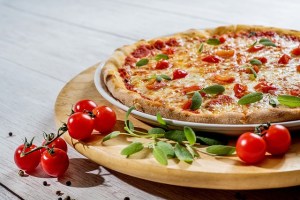
When you eat pizza, do you go to a pizzeria? Do you order delivery? Do you buy it from the frozen section of your local grocery store? Or, do you make your own at home totally from scratch? I presume most of you do one of the three former methods but I hope this Cooking Tip will encourage you to become a homemade pizza maker. There are things you can do ahead of time so that having a pizza night is a very doable task.

Everyone argues over the best style of pizza. I am not going to try to go over every style but I am going to mention four of the most common.

Neapolitan style

  • This is said to be the original pizza dating back to the 18th century in Naples, Italy. It is a thin crust pizza that is made with what is called a lean dough. That is a dough that is made only with flour (usually high protein), water, salt and yeast. If it has any sugar or oil, they are only present in very small amounts.
  • Classically, it undergoes a long fermentation, which allows time for the starches to break down into sugars, the yeast will create flavors and the gluten will develop.
  • The result should be a thin and crispy crust with a soft and chewy interior. The crust is not stiff and you may need a fork/knife to eat it.
  • Purists will tell you it must be baked in a wood burning oven between 800-1000°F and it cooks in only ~90 seconds.
  • The traditional toppings are simple – tomatoes, mozzarella, basil, oregano and olive oil.

New York style

  • A classic description of New York style pizza is that the slices are foldable with a crispy outer crust.
  • This dough is thicker than Neapolitan but it is still considered to be a thin crust.
  • It is cooked in a slightly cooler oven than Neapolitan.
  • Besides the basic ingredients, the dough typically also contains oil and sugar. The oil coats the flour, which limits gluten development and results in a more tender crust.
  • The sugar helps the crust to brown more evenly at the lower oven temperatures.
  • It also takes longer to bake.

Sicilian style

  • This style has a thick and crunchy crust with a soft and moderately chewy dough.
  • The dough is baked in a rectangular or square baking tray coated in olive oil. This causes the bottom to fry and you end up with an ultra-crispy and flavorful bottom.
  • The dough has a higher percentage of water than other doughs, making it easier to stretch.

Chicago style

  • Although there are other styles in Chicago, this term usually refers to deep dish pizza.
  • It is a thick crust with raised edges.
  • The ingredients are typically layered on in “reverse” order. Mozzarella is put on the bottom followed by meat, veggies and crushed tomatoes.
  • Since there is a larger quantity of dough and ingredients, it will take about 30 minutes to bake.

If you wish to make pizza at home, the first thing you need to do is to make the dough. Everyone probably has their favorite recipe. My husband and I enjoy a thin crust pizza and I tried many different doughs until we found one that we liked. Here is the one I use. I will say up front that this recipe does not follow some of the following steps. Although I may be sacrificing flavor, it allows me to make it relatively quickly. I make the full recipe, use one of the pizza balls for dinner and freeze the remaining three so all I have to do the next time I want to make pizza is to take one of the balls out of the freezer to defrost before continuing with the rest of the pizza.

Here are some tips for you to consider that I gathered from pizza experts.

  1. Use a scale to ensure proper measurement of the flour. It will lead to a better and more consistent dough.
  2. Baker’s percentages – if you are very serious about making pizza dough, this is a skill you may wish to investigate. With this technique, every ingredient is represented by its proportion by weight to the flour in a recipe. For example, if a pizza dough recipe calls for 60% water (also known as 60% hydration), 2% salt, and 0.5% yeast, that means that for every 1,000 grams of flour, you’d add 600 grams of water, 20 grams of salt, and 5 grams of yeast. Not only is this more accurate but it allows you to scale up and down easily.
  3. Choose the right flour – since this is the main ingredient in pizza dough, the kind you choose can make a big difference. Most of us will just use all purpose flour and that will work fine. If you want a crust that is chewier with bubbles, you may want to choose a flour with a higher protein content such as bread flour.
  4. Kneading – this is what develops gluten. A food processor does an excellent job of kneading pizza dough. That is the method utilized in my preferred recipe.
  5. Cold fermentation – allowing your dough to sit in the refrigerator after mixing leads to superior flavor. Let it sit for 1-3 days, take it out to rise at room temperature and continue with your recipe.
  6. Shaping – pizza enthusiasts will proclaim that doughs should only be shaped by hand. However, do not let anyone shame you for using a rolling pin. One thing to remember is that the gluten that has developed in the dough will have the natural tendency to shrink back as you are trying to shape it. If that happens, just step back, cover your dough, allow it to rest for a few minutes and then return to shaping it. The relaxation of the gluten during that resting time will make the final shaping much easier.
  7. Bake hot – this leads to better oven-spring, which is when the dough will be expanding and forming holes. Preheat your oven as hot as it will go. Most will recommend putting your stone/steel in the oven when you turn it on and preheating for an hour to ensure superior heat. There is also the option of pizza ovens, which have become more common today for home cooks.
  8. Baking steel or stones – for the best pizza crust, use either a baking steel or stone. If most of us have either of these, it is probably a stone. That is what I use and I find I get great results. Pizza aficionados have become to prefer baking steels as they have a higher heat capacity and conductivity. This will give you the crispiest result you can get in a home oven.
  9. Toppings – this is a matter of personal preference but in general, the adage that less is more is true with great pizza.

There is so much more to making pizza and there are a myriad of books and websites devoted to just this topic. However, rather than make it complicated, I want to encourage you to just make your own pizza in your own kitchen. If you like the result, that is what is most important. If you are disappointed, let me know and I will try to help you. If you want to become an expert, then seek out some of these other sources and have fun!

Cooking Tips · Techniques

Pie Plates – what are the differences?

As fall grows near and pie baking season approaches, many of you consider what type of pie crust you want to try and what fillings you wish to use. How many of you stopped to consider what type of pie plate to use and if there are differences among them? That is the subject of this Cooking Tip.

Other than holding your pie crust/filling, what should a good pie pan be like? Here are some of the considerations.

  • Durability – is it of high enough quality that it will last for many years?
  • Maneuverability – is it easy to put in and take out of oven and to the dinner table?
  • Browning – does it brown evenly from the top to the bottom and are the crusts crisp?
  • Versatility – does it perform equally well for flaky-crust pies and press-in crusts? Does the shape or size limit the recipes that can be used? Does it yield evenly baked, golden crusts and thoroughly-cooked fillings every time no matter the type of pie?
  • Size/Depth – The size needs to be able to hold the amount of filling you want for a fruit pie but not so big that it looks too small for icebox pies, custard pies or quiches. Most pie plates are 9-10 inches in diameter. Measure across the center from inside rim to opposite inside rim. Do not include the lip or handles. For depth, measure from top of rim to crease at bottom. A deep dish pie pan is said to be ½ to 2 inches in depth. A deep pan works best for double-crust and single crust pies with generous fillings. A 1½ inch pan can be used for both double and single crust pies.
  • Clean-up – how easy is it to clean? Is it dishwasher safe?
  • Value – how much does it cost?

There are three main materials out of which pie plates are made – glass, ceramic and metal. There are, of course, pros/cons to each.

Glass

  • Very affordable and widely available.
  • Heats slowly and allows heat to build gradually and evenly. This allows the pastry and filling to cook at the same moderate pace.
  • Bakes by both conduction and radiant heat energy, which allows the heat to go directly through the glass to the crust.
  • The clear bottom allows you to see how the bottom is baking.

Ceramic

  • Attractive with different designs and color.
  • Conducts heat slowly and evenly, leads to uniformly golden crusts and thoroughly cooked fillings.
  • Many can be used under the broiler.
  • Can’t see through them to check on the crust.
  • They are pricier and heavier.

Metal

  • Conducts heat rapidly and gets hotter in the oven leading to quicker browning. However, due to this, the pie can easily become over-browned if the pie filling needs to be in the oven for longer times.
  • One with a dull finish will absorb heat and bake faster than one with a shiny finish.
  • Choose a heavier pan made of a good heat conductor.

Disposable aluminum pie plates

  • Due to their thin walls, these pans can’t hold or transfer a significant amount of heat from oven to crust. So, the crusts bake more slowly and need more time in the oven.
  • For par-baking, may need to bake at least 10 minutes more than usual.
  • For double-crust pies, increase baking time by 10 minutes and cover with foil if pie is getting too dark.
  • Place on a preheated baking sheet for a well-browned bottom crust and more stability when moving out of the oven. Another tip is to bake the pie inside a glass or ceramic pan, which will aid with even heat distribution and more stability.

As you would expect, different experts had different opinions about the best pans but there are some similarities.

Cooks Illustrated – 2017 testing

  • They tested 2 metal, 2 ceramic and 3 glass pie plates. They found that all produced nicely cooked fillings but the quality of the crusts varied. The two problems were poor crust release & pale bottom crusts.
  • All 3 glass plates had problems with crust relief. This was not a problem with ceramic or metal.
  • All double-crust pies had nice golden-brown top crusts but varied in the brownness of the bottom crust. Those baked in metal or ceramic plates had nicely browned bottoms but the glass ones had softer, paler bottom crusts.
  • They found that the ceramic plates had less versatility as the fluted edges could interfere with forming the crust as you want.
  • Overall, they felt that metal plates were better heat conductors than glass or ceramic.
  • Their overall favorite was the Williams Sonoma Goldtouch Pro Nonstick Pie Dish. It baked evenly with nicely browned crusts on top and bottom. The slices were easy to cut/remove. It cooled quickly for safe handling and is dishwasher safe. The only drawback was that it can easily scratch if using metal utensils. They felt that this was only cosmetic and didn’t affect the performance.

Food & Wine – testing updated as of June 2022

  • Their favorite was the Pyrex 9 inch glass pie plate. It is inexpensive and well-proportioned but lacked the volume of a deep dish pie plate. It had even heat conduction resulting in crisp, uniformly golden pastry. The slices came out easily. It did not scratch and the simple edge lent itself to whatever crimp you want to do.
  • For deep dish plates, they liked two ceramic choices – Baker’s Advantage Deep Dish Pie Plate and Emile Henry Modern Classics Pie Dish.
    • The Emile Henry dish had a generous capacity and produced excellent browning. Besides looking elegant, it is advertised as safe in the microwave, the freezer and the dishwasher. The biggest downside is that it is a pricey dish.The Baker’s pan is more affordable but otherwise very similar. It is one of the heaviest pans and so, may need longer bake times. It is not recommended for the dishwasher.
    • There were two shortcomings of these ceramic pans. First, removing the slices was not always clean and easy. Also, the generous capacity led to slumping of the fruit when baking a tall fruit pie leading to a gap between the top crust and filling.
  • Another pan they liked was the Creo SmartGlass Pie Plate. It was created to combine the best features of glass and ceramic plates. It pairs an extra-durable borosilicate glass interior with a stylish ceramic exterior. It is lighter in the hand than full ceramic dishes. They found it to be consistent with excellent heat conduction resulting in golden crusts without sticking or soggy bottoms.
  • They agreed with Cooks Illustrated about the Williams Sonoma Goldtouch pan. They found it did a great job with blind baking crusts and had easy and clean removal of slices. They did not think it was versatile enough to rate as their #1 choice as custardy pies (e.g., pumpkin) had the edges shrink and the crust set faster than filling.

Serious Eats – a 2022 review of essential pie making equipment by Stella Parks

  • Her favorite was tempered glass pie plates. She stated that they are inexpensive, sturdy and nonreactive. They conduct heat rapidly resulting in the butter melting quickly and thus releasing steam to give you not only a golden crust but one with flaky layers. She does say that a thin, lightweight ceramic pan would have similar results.
  • She did not like the thick ceramic pie plates as the crusts were pale and greasy. She contributes this to the fact that they conduct heat slowly and so, the crust bakes slowly. This causes the butter to ooze out without cooking through. She found that this resulted in a bottom crust that was dense and soft rather than layered and crisp.
  • Her complaint with metal pans is that they are reactive and so are not appropriate for pies such as lemon meringue or key lime.
  • Finally, she was surprised at how well disposable aluminum pans did as they yielded crusts that were crisp and golden and gave the best browning and texture of all the pans. She warned as they will bake faster, this might be a problem for custard pies that call for a longer bake time.

Epicurious – tested first in 2019 & updated in 2022

  • Just as with Cooks Illustrated, their top pick was the Williams Sonoma Goldtouch Pro Nonstick Pie Dish. They found it to be sturdy and pies baked evenly with nice browning. The slices came out easily. They could even lift out an entire pie without it falling apart. It was lightweight and easy to transport. They also found that it would scratch with metal utensils but this did not interfere with its performance.
  • Their runner-up was the Pyrex 9 inch glass pie plate. As with others, they found it to be sturdy and inexpensive. It baked evenly and they liked the see-through bottom. They also agreed with Cooks Illustrated that it was slightly harder to clean and noted “stickage issues” with graham cracker crusts.

My “go-to” pie plate has always been one of the tempered glass plates. After looking at all the reviews, I may have to try the Williams Sonoma Goldtouch pan. What about you?

Cooking Tips · Techniques

Preheating your pan — Truth or Myth

Many of you may know that I really do not like it when “Culinary Myths” are passed down without any thought to whether those myths are really true or not. This happens at all levels from home cooks to experienced chefs. I have already written two Cooking Tips on a number of such culinary myths. In this Tip, I want to discuss another topic that falls into this category. That is whether or not you preheat your pan before adding the fat.

I was taught a certain way in culinary school and just accepted it as fact. However, when you start to do a deeper dive into this subject, it is not as clear cut. I was taught that you heat your pan before adding the oil. There are also other individuals, well-respected in the culinary world, that also advise that. Because of this, I have often taught this to those who have attended my cooking classes. I began to wonder about the accuracy of this recommendation and decided to investigate.

There are two main reasons why preheating the pan before adding oil is advised. They are fat degradation and food sticking. You may also hear arguments about even food cooking and the pores in a pan.

Fat degradation

Some feel that the longer the fat is in the pan being heated (such as would happen when you add the fat to the pan before heating it), the more likelihood there is of that fat breaking down into unpleasant and even unhealthy compounds.

While this may make sense on the surface, it really doesn’t when one considers that the fat will not start to deteriorate until it reaches its “smoke-point”. It doesn’t matter whether that fat is added to a cold or hot pan. All that matters is the temperature at which the respective fat starts to break down.

Here is a chart on smoke-points of various types of fat. As you can see from that chart, other than butter, extra-virgin olive oil, coconut oil and some nut oils, the smoke-points are above 360°F and often as high as 500°F. This is higher than you are going to use in most cooking situations. Therefore, the concern for fat degradation as a reason to preheat your pan really doesn’t stand up to scrutiny in most cases.

Food sticking

This reason goes like this adage – “Hot Pan, Cold Oil, Food Won’t Stick”. What makes food stick to a pan is if the pan isn’t hot enough. If you do not add your food until your pan is hot, it really doesn’t matter whether you put the oil in at the beginning of heating or after the pan is hot. If you put your food into a cold pan, it will stick no matter if there is oil in it or not.

If you heat your pan and add the “cold” oil (more like room temperature oil), the oil heats up immediately. You can see this for yourself by watching how quickly the oil starts to shimmer. As others have pointed out, the adage is incorrect in and of itself as in reality, it is “Hot Pan, Hot Oil, Food Won’t Stick.”

Pores in the pan

I was taught in culinary school that if you preheat your pan dry, the pores in it (microscopic holes) will close up allowing the oil to glide on the surface and prevent sticking. The proponents of this argue that if food is added before these pores close up, the pores will grab onto the food and cause sticking. However, the closure of the pores is a matter of the pan heating up, not when you add the oil. So, once again, make sure your pan is at the right temperature before adding the food.

Even cooking

If you put your fat into a cold pan and heat it, you will notice that the fat tends to pool around the side. Because of this, the temperature of your pan is going to be different at different spots. Some experts feel this will lead to uneven cooking. However, the difference in pan temperature occurs regardless of when you add the oil. It may be a good reason to make sure you are cooking with good quality cookware, which is more likely to heat evenly, but it is not a reason for preheating the pan before adding the oil.

With all that in mind, what is the home cook to do? For most situations, whether or not you preheat your pan before adding the oil really doesn’t matter. There are a few exceptions to this declaration. Here are some guidelines.

  1. Almost always make sure your pan is hot before adding the food. Add the oil either before you start heating the pan or after it is hot but do not add the food until all is hot.

  2. One exception to this is if you are cooking on a very gentle heat, such as sweating veggies or cooking fresh herbs or spices. In this case, you do not need to wait until your pan is hot. You can add both oil and ingredients to a cold pan and proceed to cook over a gentle heat. Many chefs feel that slower, more gentle heat/oil draws out more flavor. Too much heat can deactivate some flavor-producing enzymes in the allium family (onions, garlic) and/or drive off aromatic/flavorful essential oils in the herbs and spices.

  3. If you want to sear a piece of protein to get that wonderful, flavorful crust, you may want to heat your pan first and then add the oil. If you have heated your pan so that it is above the smoke-point of your preferred fat, this will minimize the time that fat is in the extreme heat. Realize though, that fat degradation starts immediately upon reaching the smoke-point. If you are using something with a low smoke-point (such as butter) heat your pan, add your butter, add your protein and cook quickly. Another option is if you are using oil, you can brush the oil on the protein before putting it in the hot pan. That also leads to less splattering.

  4. If you are pan frying or deep-fat frying, this takes much more oil than the typical sauteing or searing process. It could be quite dangerous to add this amount of oil to a hot pan. You are much better off adding the oil to a cold pan and heating them together.

  5. The type of pan makes a difference.
    • Never pre-heat a dry non-stick pan. High heat can quickly cause the coating on such a pan to break down. Although non-stick pans do have their place (cooking eggs, making crepes, cooking delicate fish), they should not be used for any high-heat application.
    • Although rare, a cast-iron pan could crack if heated dry.
    • The thermal shock of adding cold oil to a preheated enameled cast-iron pot could cause cracking.
    • Check the instructions from your cookware manufacturer. Some advise against heating a dry pan.

So, there you go – another Culinary Myth busted. See my other two Tips (Part 1, Part 2) for more culinary myths. Have your ever heard anything about cooking and/or baking that you want investigated? Let me know.

Cooking Tips · Techniques

Great gifts from your own kitchen!

I have written prior Cooking Tips on great stocking stuffers for a cook as well as culinary books that would make a great gift. Those contain wonderful ideas but sometimes the best gift is one you make yourself in your kitchen. Yes, you can certainly go with cookies, brownies or bread. However, why not try something a bit different? That is the subject of this Cooking Tip. Read on for some great suggestions for all cooking levels.

Nuts

Probably one of the easiest holiday food gifts is nuts. Not just plain nuts but flavored nuts. You might want to flavor them with sweet and holiday-like spices such as cinnamon, nutmeg and orange. Or, you might want to go the savory and even spicy route. Any nut can be used but almonds, pecans and cashews are especially tasty. Flavored nuts might be made stove-top or in the oven or sometimes, a combination of the two methods.

Bark

Another easy but impressive food gift is chocolate bark. Melt your desired chocolate, pour into a lined pan and smooth out. It is fun to do two layers – one of dark chocolate and one of white. Also, add-ins make all the difference. Try crushed-up peppermint canes, dried fruit or nuts. Some people even add potato chips or breakfast cereal. Not sure I would like the latter but someone would.

Use a good quality chocolate and not a chocolate coating. Ideally, you would temper the chocolate but I have found you can get by without this step. Just realize that the bark might melt a bit in your hand and not be quite as shiny.

Hot Cocoa Bombs

These became popular a few years ago and are still going strong. They do take a bit more work but are worth it. You will need some sort of mold that you use to make the exterior shell. Once again, I prefer to use a great tasting chocolate but that does require the tempering step. If you are not into that, try a quality coating chocolate such as Ghirardelli or Merckens.

Put whatever hot cocoa mix you like inside but to make it extra-special, make your own mixture and use that. Mini-marshmallows are a must for most people. Decorate them as you wish, box them up and watch the smiles!

Hot Cocoa Mix

It is so easy to assemble your own hot cocoa mixes using quality cocoa and chocolate. When packaged festively along with directions on how to use, it makes a great gift.

Toffee and Brittle

These are a bit more labor intensive and definitely require the use of a candy thermometer. For those of you who live at high altitude, take a look at this Tip for adjustments you will need to make. These two items are very similar with the major difference being that toffee uses butter whereas brittle usually does not or at least not as much.

Chutneys

Take a break from the candy-like gifts and give something like a homemade chutney. Chutney is a savory condiment typically made from fruits, veggies and/or herbs with vinegar, sugar and spices.

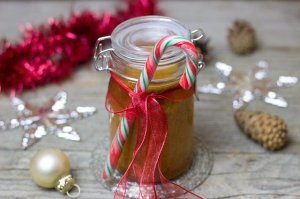
I make a great holiday-themed chutney with fresh cranberries, apples, raisins, sugar, orange juice and fresh ginger. Not only is it delicious, it also looks very festive especially when packaged in a beautiful gift jar.

Spice Mixtures

If you have read my Cooking Tip on spices, you will know I prefer to make my own spice mixtures rather than buy pre-made ones. Why not take that a step further and package up your favorite mixtures as gifts? It can be anything but a BBQ mixture is always popular. Other possibilities are Jerk Seasoning, Fajita Seasoning, Cajun Seasoning and Lemon Pepper. You can get pretty little spice jars and make your own tags to make this gift extra-special.

Flavored Syrups

A sugar syrup is just a mixture of sugar and water that is cooked until the sugar is dissolved. When you add things such as candied ginger or herbs to it, it takes it to another level. Or, use a fruit juice such as pomegranate juice for all or part of the water. Give your gift recipients ideas on how to use it such as in drinks or drizzled over ice cream or desserts.

Homemade Marshmallows

If you have never tasted a homemade marshmallow, you need to make some just for yourself. After you do, you will see how they could make a delightful holiday gift. They are so different than store-bought ones both in terms of flavor and texture. For more info, see this prior Cooking Tip.

These ideas just scratch the surface of Homemade Holiday Food Gifts. Let me know if you try any of them or have your own favorites. Your friends and family members will thank you!