Cooking Tips · Ingredients · Techniques

Beets – Pretty, Nutritious & Delicious!

Image by Nick Collins from Pixabay

I am making a lovely tart for tonight’s dinner that contains two ingredients that can be polarizing for some people – beets and goat cheese. I have already written a Cooking Tip on Goat Cheese. In this Cooking Tip, let’s explore the wonderful world of beets, known in Europe as beetroot.

Beets are a root vegetable, but one in which you can eat the entire plant – the bulb, stem and leaves. They are full of healthful nutrients such as antioxidants, vitamins and minerals.

There are different types of beets, but the ones we find in our stores and on our plates are garden beets. Other varieties include the sugar beet (from which we get 55% of our sugar) and mangold beets, which are used in livestock feed. Even among the garden beets, there are different varieties, although you probably won’t know the variety unless you grow them yourself or buy them from a farmer’s market.

Image by Aline Ponce from Pixabay

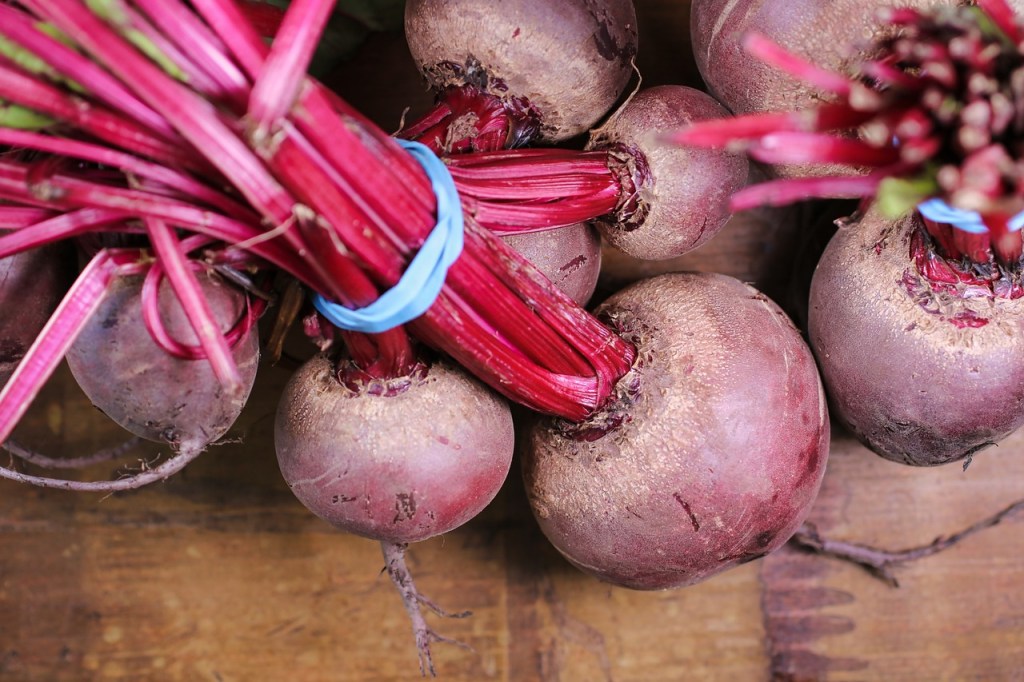
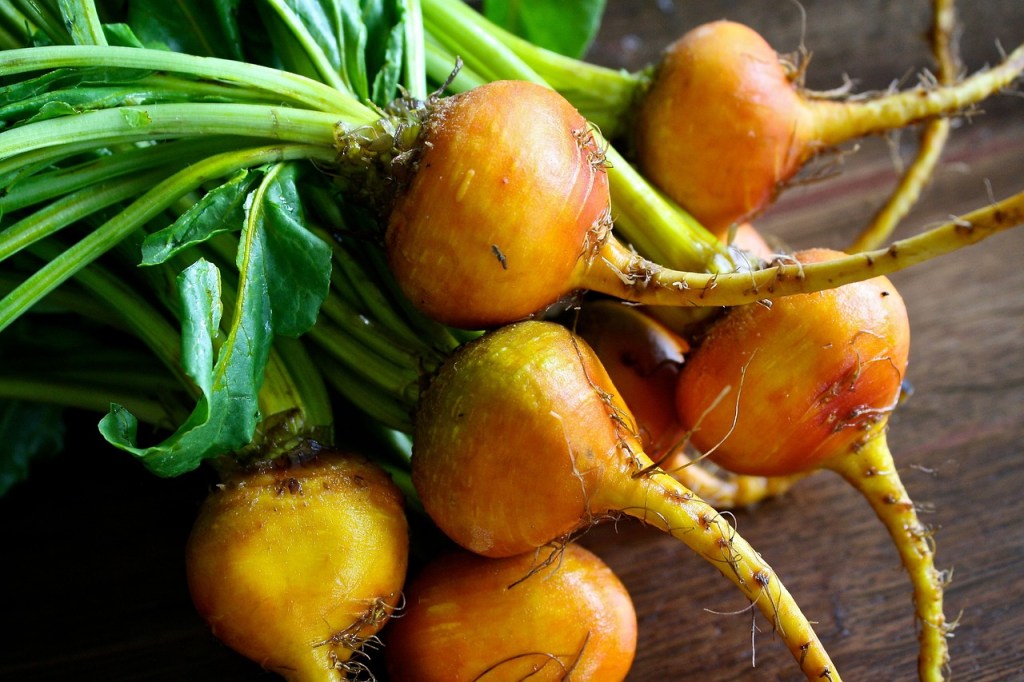
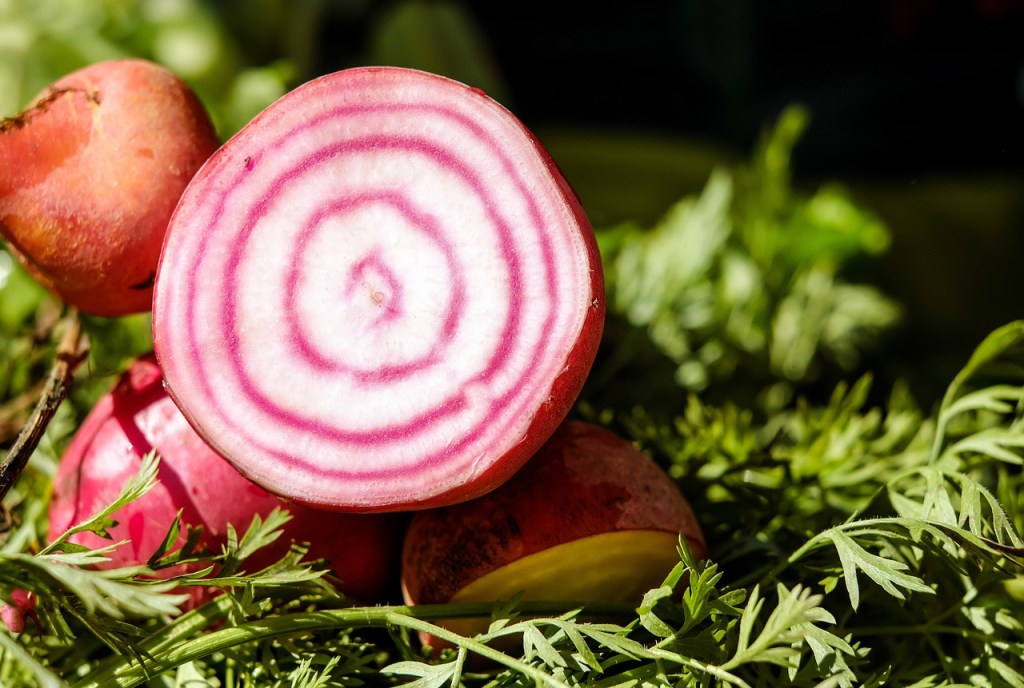
The most common variety in the market is the red beet. Some markets may sell golden beets. A third variety is Chioggia, also known as Candy Cane Beets. They are an heirloom variety from Italy and have pink and white concentric circles on the inside. Although not impossible to find, they are much less commonly sold in the average supermarket.

Most stores also sell vacuum-packed cooked beets. Their flavor is comparable to fresh beets, but canned beets are not as good a substitute for fresh.

The flavor of beets is said to be sweet but earthy. Many ask if the different colored beets taste differently. America’s Test Kitchen tested red beets, golden beets and Chioggia beets. They tasted them raw, roasted and marinated. Their tasters thought that the golden beets were less sweet and more earthy. The Chioggia were rated mild but with a bitter aftertaste.

My husband grows both red and golden beets. I love the look of the different colors, but we also thought the red beets were sweeter in a side-by-side test.

Image by Couleur from Pixabay

When shopping for beets, look for medium-sized ones, about 2-3 inches in diameter. Larger ones may be a bit more tough. Look for ones without blemishes or dents. If you have the choice, buy them with the greens still attached, as they will probably be fresher. Once you get the beets home, cut off the greens and store them separately. Wash the greens, wrap them in paper towels and put them into a plastic bag. Store the beets unwashed in plastic bags in the refrigerator. The greens will last a few days in the refrigerator, but the beets can last up to a month.

Preparing them is not difficult, but it can take some time, depending on your chosen method. They do not need to be peeled, but leaving the skin on can result in a tough texture.

Roasting

This is my preferred method. It takes the longest but is practically hands-off. Wrap the beets in foil and put them on a sheet pan in a 400°F oven for about an hour or until they are tender. Remove them from the oven, allow them to cool and then rub away the skin. Quartering the beets before roasting will speed up the cooking time.

Microwave

Peel the beets, cut them into ½-inch pieces, put them in a microwaveable bowl with a splash of water and cook, covered, for about 15- 25 minutes, depending on their size.

Grill

Heat your grill to medium-low heat. Clean, peel and cut the beets horizontally into ¼-inch slices. Toss the slices in olive oil, place them on the grates, and lightly salt them. Cook for 8-10 minutes, flip and continue cooking until tender.

Steam

Cut the unpeeled beets into ½- to 1-inch cubes. Bring a small amount of water in a pan to a boil. Put a steamer basket in the pot, add the beets, cover and steam until tender, 10-30 minutes. Remove from the basket, cool and peel.

Boiling

Beets cooked in boiling water will be less intense in color and leach some nutrients into the water. However, many like this method. Place whole beets in a saucepan, cover with water, bring to a boil, reduce heat and simmer until tender, 20-45 minutes. Remove the beets from the simmering water, put them into an ice bath to cool and stop the cooking, and peel.

Raw

Beets are perfectly edible in the raw state. However, as they can be tough, they should be sliced very thinly or grated. Another option is to use a spiralizer.

Instant Pot

If you cook your beets this way, there is no need to peel them. The skin is barely noticeable after cooking in an Instant Pot. Leaving the skin on also means extra nutrients.

Beet greens

The beet greens can be eaten raw, but others prefer a quick sauté in butter or oil. Garlic is also a nice addition. It helps to separate the stems and cook them for a few minutes before adding the greens.

Besides the storage advice given above, cooked, peeled beets can be frozen for 8-10 months.

Some people do not like the red beets because they stain hands and cutting boards. However, there are ways to deal with this.

To prevent staining:

  1. Wear gloves.
  2. Coat your hands in oil – just ½ teaspoon rubbed on your hands is enough.
  3. Prevent your cutting board from staining by giving it a light spritz with a cooking spray before cutting the beets.

Removing beet stains:

  1. Wash your hands as quickly as you can in hot, soapy water.
  2. Scrub salt and soap into your hands and then wash.
  3. Rub a bit of whitening toothpaste into the stain and then wash.

What is your favorite way to prepare beets? As mentioned above, I prefer to roast them. You can then eat them just with a bit of butter and lemon juice. Or, add the beets to salad greens and pour over a flavorful vinaigrette along with nuts and goat or feta cheese. Here are a couple of great recipes.

What a pretty and tasty way to get your nutrients!

Cooking Tips · Ingredients

Serviceberries – a less well-known delicious fruit.

What is your favorite fresh berry? Strawberry? Blueberry? Blackberry? How about Serviceberry? The latter is a fruit that many of us have probably never heard of. I would not have if not for my husband’s foraging on his work campus. Read on in this Cooking Tip to learn what it is and how to use it in your kitchen.

If you haven’t heard the term serviceberry, perhaps you have heard some of its other names, such as Juneberry, Sarvisberry, Saskatoon berries, Shadberry, and Pigeonberry. Its scientific name is Amelanchier. Genetically speaking, serviceberries are not true berries but rather pome fruits similar to apples and pears. I will refer to them as berries.

Image by ghostpotato from Pixabay

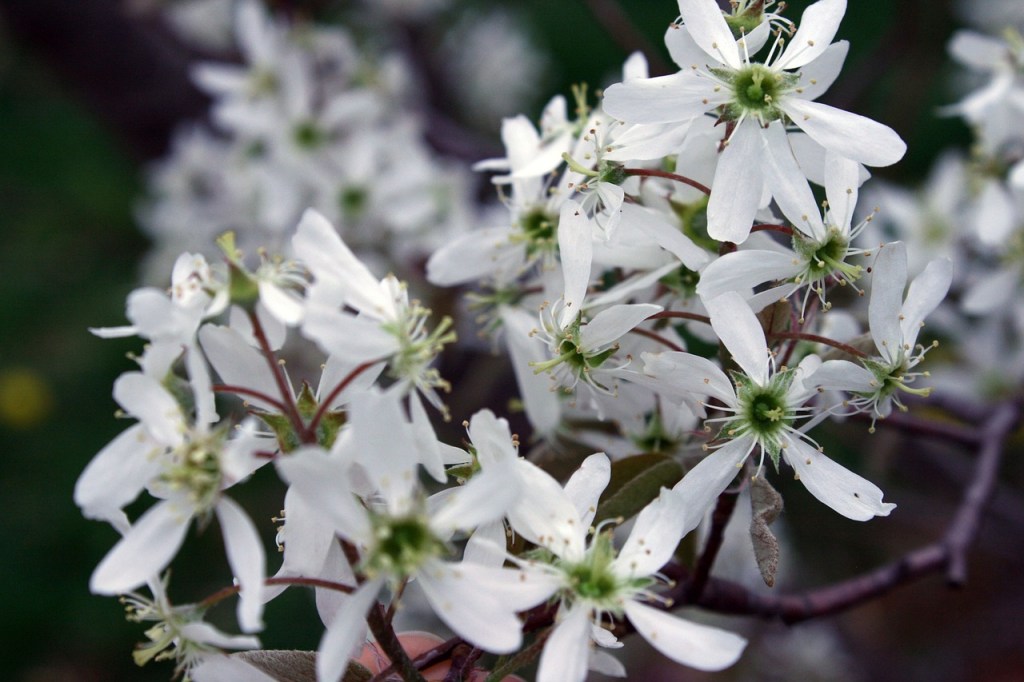
These berries grow on a shrub or tree, reaching up to 10 feet tall. These trees are native to North America and grow as far north as Alaska and as far south as Mexico. They produce pretty white or pink flowers in late April to May. The berries ripen from June to August and change from red to dark purple (the darker the color, the sweeter the flavor), and they are slightly larger than a blueberry. Later in the fall, the leaves turn a gorgeous profusion of reds, oranges and yellows.

Because this fruit is not found in supermarkets or farmer’s markets, if you want to try it, you will probably need to forage. Please see this prior Tip on Foraging before you venture out to do this. Make sure you know what you are foraging, as there are some poisonous plants out there that sport similar-appearing berries.

Image by ghostpotato from Pixabay

One expert describes the flavor as a “fusion of strawberry, blueberry and a hint of almond.” Sounds delicious, doesn’t it? Another claims it is “halfway between a blueberry and a grape … with a slightly nutty, almond-like aftertaste.” A third compares it to a cross between a blueberry and a nectarine.

The berries can be eaten raw but you can also use them in your kitchen in a cooked or dried form. You can substitute 1:1 for blueberries in your recipes, although some adjustments may need to be made as blueberries have a slightly higher water content.

Other ideas are:

  • Muffins
  • Pies
  • Cobblers
  • Pancakes
  • Puddings
  • Soups
  • Sausage fillings
  • Syrups
  • Sauces
  • Ice Cream
  • Smoothies
  • Salad topping
  • Jams

Native Americans have been known to use them medicinally for earaches, gastrointestinal distress, fevers and coughs. The stems, branches, and wood have also been used to make baskets, ropes and furniture.

Like other berries, the serviceberry contains antioxidants and other nutrients.

Serviceberries can be refrigerated in a ziplock bag in your produce drawer for a week or two. At room temperature, they can last up to five days. They are very thin-skinned and, therefore, fairly perishable.

Image by DivaDan from Pixabay

As my husband wanders around his work campus picking berries from the trees, others may look on and shake their heads. However, he is happy about that as it leaves more for him. Have you ever tried serviceberries? Look around your area to see if they are growing there, and see what you think!

Cooking Tips · Ingredients

Cucumbers – Edible Hydration

Cucumbers are a vegetable (more about that in a minute) that most of us probably don’t think about too much. We may eat them on a salad, but that is about it. There is more to understanding about cucumbers and how to use them. That is the subject of this Cooking Tip.

Because they contain seeds in their interior, cucumbers are botanically a fruit. We all, though, tend to consider them and use them as we would a vegetable.

Although there are about 100 varieties, our average supermarket will probably only carry two or three. Mine only has two varieties for most of the year. The size of these different types of cucumbers will vary from about 1 inch long to up to 20 inches in length. That is not the only difference in the various types.

Some people will put them in two general categories.

  • Slicing varieties
    • These are meant to be eaten raw, although they can be used in other culinary preparations.
  • Pickling varieties
    • These are small cucumbers that are cultivated specifically for pickling.

Within these two categories, we can find many different types. Here are the most common you will find in your stores or farmer’s markets

Garden Cucumbers

  • These are also sometimes called slicing cucumbers or American slicing cucumbers. These are the ones that are most commonly found in our stores.
  • The skin is smooth, but it can be tough.
  • They generally measure 6-10 inches in length.
  • The flavor is bright and refreshing, but it sometimes has a slight bitterness.
  • The most common uses are salads, sandwiches, and chilled soups such as gazpacho.

English Cucumbers

  • Other names for these cucumbers are seedless, hothouse, European, and burpless.
  • They are easy to recognize as they are longer (can reach 20 inches long) and slimmer than the usual cucumber.
  • They are usually wrapped in plastic to reduce bruising as the skin is thin and delicate.
  • Because the skin is thin, peeling before eating is unnecessary.
  • This variety contains very few seeds, which contributes to a milder flavor with a subtle sweetness and a less watery texture.
  • The best uses are in salads or sandwiches.

Persian Cucumbers

  • This variety is much smaller than other cucumbers, only about four to six inches.
  • Just as with English cucumbers, Persian cucumbers are known as burpless because they are easily digestible.
  • The skin is this but has a bumpy appearance.
  • The texture is crisp.
  • Their flavor is milder and sweeter than other varieties.
  • They contain minimal seeds.
  • Best uses are snacking, slicing, and pickling. This variety is a top choice for Mediterranean and Middle Eastern cuisine.

Kirby Cucumbers

  • This variety is known as the pickling cucumber.
  • They are small, usually under six inches in length.
  • The skin has a bumpy appearance, and the internal texture is firm and crunchy.
  • Their flavor is slightly sour, making them great for pickling, although some like to use them in salads and sandwiches due to their crisp texture.

Lemon Cucumbers

  • This is an unusual appearing cucumber due to its round shape and yellow color.
  • The flavor is slightly sweet with citrus notes.
  • They are best used raw in salads.

White Cucumbers

  • Another uncommon variety, it is sought out for aesthetic reasons due to its white skin.
  • It is best enjoyed raw but can also be used to make a white gazpacho.

Japanese cucumbers

  • Another name is a Kyuri cucumber.
  • They are long and slender with thin, dark green skins.
  • The texture is crisp, and the flavor is refreshing.
  • They are the variety often used in sushi or other Japanese dishes.

Nutrition

As with most fruits and vegetables, cucumbers are nutritious. By weight, cucumbers are up to 90% water, which makes them great for hydration. They also contain beneficial vitamins, especially vitamins A and C. The skin contains fiber and minerals, and they possess anti-inflammatory properties.

Culinary uses

  • Cucumbers are naturally waxy on the outside. This is generally removed during processing after harvesting. So, it is common for producers to add a waxy coating that mimics the natural one. If this wax coating is applied, the retailer should inform the consumer on the label or signage. Even though it is considered safe to consume, you can remove it with vigorous scrubbing and rinsing or by peeling. The peel does, though, add to the nutritional value of the cucumber.
  • Raw in salads or on sandwiches.
  • Infused water – slice and use in beverages just as you would use lemon slices.
  • Add to smoothies along with other fruits and veggies.
  • Tzatziki – a classic Green dip made with yogurt, cucumbers, and seasonings.
  • Hors d’oeuvres – slice about ½ to 1 inch thick. Scoop out seeds and fill with cheese, a dip or a relish.
  • Chilled soups
  • Pickles
  • Sorbets
  • Can be sauteed or braised as a side dish.
  • Make into pickles
  • Sorbets

Choosing cucumbers

Pick firm ones without soft spots or wrinkles, and a vibrant color.

Storage

  • Although they do not need immediate refrigeration, refrigeration is recommended if they are kept for more than a few days.
  • Some experts like to store them in the warmer part of their refrigerator, such as on a door or the upper shelves. They wrap them in a paper towel and put both in a sealable plastic bag.
  • If uncut and unwashed, they can be kept in the refrigerator for about ten days.
  • If sliced, they should be tightly wrapped and kept in the refrigerator for about five days.

Not everyone is a cucumber fan. If you are one of those, perhaps you haven’t tried the correct variety. Try to find some of these other types and see if they change your mind. Or, try growing your own. My husband grows a variety called Sweet Success and it is outstanding!

Cooking Tips · Ingredients

Raspberries – A Summery Delight!

Are you a raspberry fan? Do you like to eat raspberries out of hand or just use them in a recipe? If you buy raspberries in a mainstream store, your only choice will probably be red raspberries. A look at my area’s three main grocery stores showed only that one variety. Did you know that there are other varieties out there for your enjoyment? That is the subject of this Cooking Tip.

There are said to be more than 200 species of raspberries. About 90% of those sold in the US come from Washington, California and Oregon. Besides the red raspberry, there are yellow and black ones. Even within these categories, there are many subcategories of each variety. Unless you grow your own, you will probably only find these non-red raspberries in specialty or farmer’s markets. Let’s look at the differences and whether you might want to search them out.

All raspberries contain wonderful vitamins, minerals and antioxidants. They are also low in calories and high in fiber. This makes them something to add to your diet whenever you can in whichever variety you can find.

Red Raspberries

Image by Walter Bichler from Pixabay
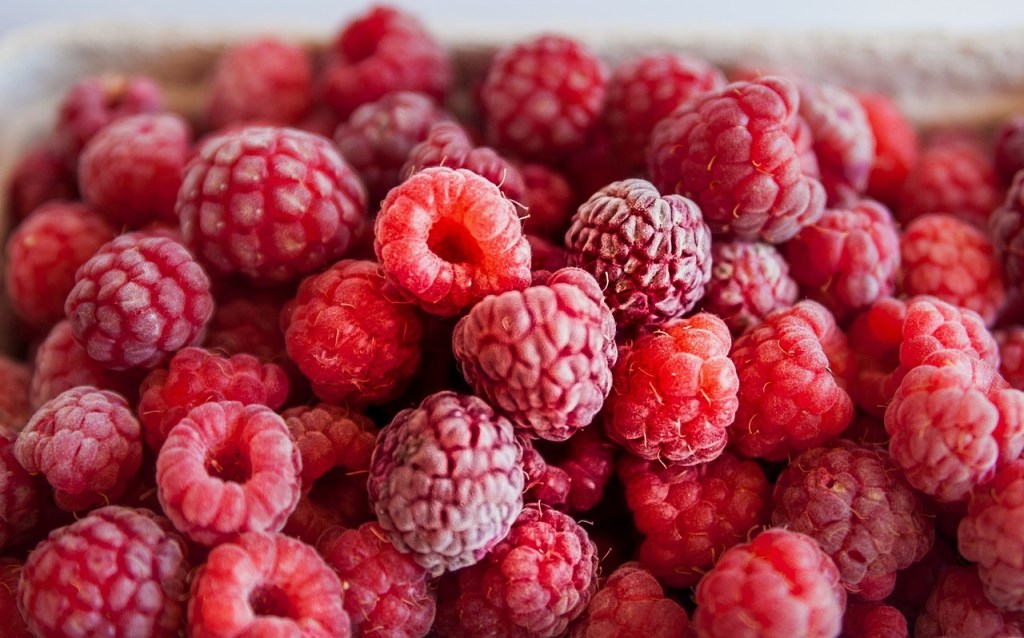
  • This is the most common raspberry and the one most available in the average supermarket.
  • They ripen in late summer.
  • The color is red, and the deeper the red, the riper it will be.
  • A ripe raspberry will be sweet, but it does have a tart undertone.
  • They have fewer seeds than black raspberries.
  • They are juicer with a slightly firmer texture.

Black or Purple

Image by Alina Kuptsova from Pixabay
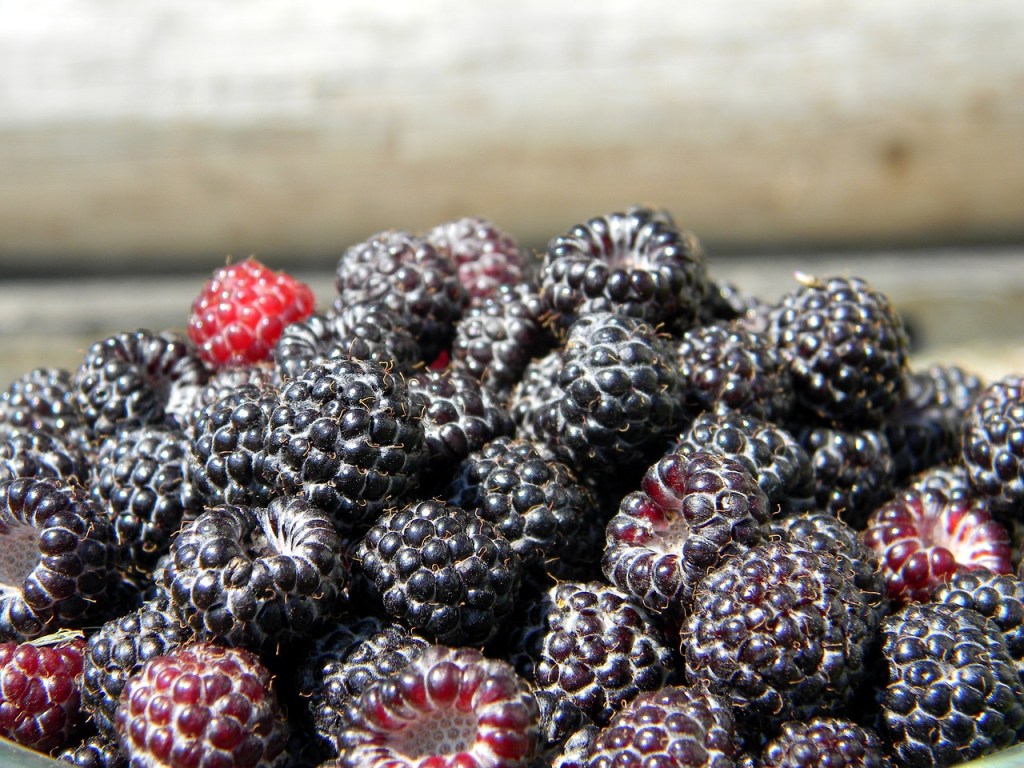
  • Another name for this raspberry is blackcap or black cap.
  • This variety is native to North America and can be found growing wild.
  • They have a short season of just 2-3 weeks in the summer, and the plants have a lower yield than other berries.
  • They have a more robust and complex flavor than the other varieties. Some describe it as slightly sweet and tart with woodsy notes.
  • They tend to be larger, have more seeds and are not as juicy as the red variety.
  • The appearance of a black raspberry is very similar to that of a blackberry. However, the black raspberry will have a hollow core when you look at the stem end, as the core stays on the vine when it is picked. With blackberries, the core stays within the berry when picked. Also, blackberries ripen later in the year than black raspberries.

Yellow

  • These pretty berries are also known as golden or gold raspberries.
  • The color can vary from pale yellow to gold to yellow-orange to yellow-pink.
  • Because these berries are less acidic, the flavor is sweeter, milder and less tangy. You might also notice floral and honey notes.
  • Although all raspberries are perishable, the yellow variety is even softer than the other varieties.
  • These berries ripen from late spring to early summer, although some varieties can have a second season in the fall.

Blue

You may ask why I haven’t mentioned the Blue Raspberry. After all, you see blue raspberry items all over the place. I haven’t mentioned it because it is not a real raspberry variety. Rather, it is an artificial flavor. The story probably goes back to the 1950s when red food colorings were coming under scrutiny. However, it was mainly popularized in the 1970s by the company ICEE. Wanting something that looked and tasted different from their signature cherry, they started using FD&C (The Food, Drug, and Cosmetic Act) Blue No. 1.

If you are buying raspberries in the store, it can be difficult to tell if they are ripe and they do not ripen after harvesting. Try to pick ones that are bright and deeply colored without soft spots. Once you get them home, look them over for any soft, mushy, or rotten berries. Remove and discard them to prevent the others from also going bad. Store them in your refrigerator in a single layer in a shallow container lined with a paper towel to absorb moisture. Since raspberries are very perishable and delicate, you should use them within a day or two or freeze them for later use. To discourage spoilage, do not wash them until just before eating.

Uses for raspberries

  • Eating out of hand
  • Salmon with a raspberry glaze
  • Raspberry fool or trifle
  • Jams
  • Pies
  • Filling for cakes or tortes
  • Sauces—One of the easiest is to make a raspberry coulis and pour it over ice cream. It is often made by cooking the berries with sugar, water and a touch of lemon juice. Once cooked down and the taste is to your satisfaction, it can be stored as is. Or, it can be pureed and strained for a more sophisticated sauce. It can also be made without cooking by just pureeing the berries with sugar and lemon juice. This will give you a fresher taste.

In our markets, we can purchase red raspberries year-round. As with any fruit, it will be much tastier if you buy it in season. Head to your nearest farmer’s market to try some that were picked only the day before and, hopefully, be able to purchase some of the non-red variety. Fortunately, my husband is growing a red, a yellow and two black. I can’t wait to try them!

Cooking Tips · Ingredients

Garden Herbs – Culinary, Medicinal or Both?

I love to read historical fiction. One aspect that has always fascinated me is when the characters turn to herbs for medical treatment. Of course, they did not have the medical miracles in terms of drugs, equipment and other therapies that we have today. I sometimes think that modern medicine has pushed herbs so far to the side that people are not aware of some of their medicinal qualities. That is the subject of this Cooking Tip.

Image by gate74 from Pixabay

I have written about the culinary use of fresh herbs and provided more detailed tips on some specific herbs. Those tips were all about using these herbs in the kitchen.

This discussion will only touch on a few of the most common herbs. There are infinitely more out there that I do not include. This post is also not intended to be medical advice, only a general discussion. It’s crucial to exercise particular caution, especially with pregnant women, those with serious illnesses, children and anyone on prescription medication. Your safety is paramount, so please consult your medical professional before instituting any herbal remedies.

This blog post does not provide a comprehensive guide on how to use these herbs. They can be prepared in various forms, such as tea, infused oils, vinegars, tinctures, salves, lotions, creams, ointments, and poultices. For detailed instructions, I recommend referring to publications by trained herbalists. Additionally, this discussion focuses on mild health concerns. For more serious ailments, it’s best to consult your physician.

We all know herbs are delicious and do wonders in our kitchen. But why do some think there is a place for herbs outside of the culinary world? The answer lies in their long-standing history. Herbs have been used in a medicinal way for health and wellness for thousands of years. Also, there is scientific research on many herbs, although much more needs to be done.

In general, herbs are said to be helpful in a variety of ways. They provide significant amounts of vitamins, minerals and antioxidants. Some herbs are felt to strengthen certain bodily systems, such as the digestive and immune systems. They can possess antibacterial, antiviral, antifungal and antioxidant properties. Some herbs are sedating, while others are stimulating.

You might say that may be true, but that was before all the advancements of modern medicine. Why would I want to use them now? I like the approach of one herbalist who stated that rather than thinking of herbs as a substitute for a prescription drug or therapy, consider them a complement to that treatment. Let’s take a look at some of these herbs in alphabetical order.

Basil

  • Basil has antibacterial qualities and contains vitamins A, C, calcium, and iron.
  • Basil essential oil is used in aromatherapy to treat mild depression and ease overworked muscles. It should only be applied externally and should always be diluted before applying to the skin. Basil essential oil should never be used internally.
  • Basil infusions may help with dyspepsia, gas, bloating and nausea. Some say just chewing on a leaf may ease indigestion or gas.
  • Basil tea is thought to reduce symptoms associated with a cold or flu and be a pain reliever.
  • Making a poultice of crushed leaves can treat insect bites and skin irritation.

Bay

  • An infusion made with bay leaves may help to stimulate appetite and settle one’s stomach.
  • The infusion may also be applied to the scalp to relieve dandruff.
  • The essential oil can be used during a massage to relieve sprains and joint pains.
  • Add a decoction to bath water to tone skin and relieve aches.

Bee Balm

  • This herb is also known as horse mint, Oswego tea and wild bergamot.
  • As a soak, it may be helpful for athletes’ foot and nail fungus.
  • It has some antimicrobial and anti-inflammatory properties and may ease respiratory symptoms from the cold and flu.
  • It is also suggested for indigestion and nausea.

Borage

  • A Roman author and philosopher who lived AD 23-79 claimed it worked as an antidepressant. Experts today feel it can calm anxiety and mild nervous disorders.
  • It can be used to treat eczema, premenstrual symptoms, and fever.
  • It has expectorant qualities and, thus, can help alleviate cough.
  • Its anti-inflammatory properties aid in treating bug bites, bee stings, bruises, and rashes.

Calendula

  • During the Civil war, this herb was used as an antiseptic and to stop bleeding and speed the healing of wounds.
  • It can relieve the itching from bug bites and possibly help with painful skin conditions caused by radiation treatment. It is felt to have skin-healing properties.

Catnip/Catmint

  • As a mild sedative, this herb may help with sleep and reduce anxiety.
  • It is also said to ease stomach cramping, promote digestion and stop diarrhea.
  • Poultices may reduce inflammation and swelling.

Chamomile

  • Known to contain antioxidants as well as possessing anti-inflammatory and antispasmodic effects.
  • A chamomile mouthwash is used to treat mouth ulcerations and oral pain.
  • It has skin-healing qualities, helping with conditions like chicken pox, eczema, and psoriasis. In these cases, it is usually added to a bath or lotion.
  • Chamomile tea is considered a mild sedative that can aid in treating insomnia.

Chives

  • Although this herb is not considered medicinal, it contains large amounts of vitamins A & C and healthful minerals.
  • It could be a mild aid to digestion and help with sore throats.

Dandelion

  • We may think of this as a weed, but it is known to have antibacterial and immune-boosting qualities.
  • It may help build bone strength due to high amounts of certain minerals.
  • It may also help to fight urinary tract infections.

Echinacea

  • We have all seen reports of how this herb can help us fight off colds or flu and reduce the severity of symptoms.
  • It also possesses anti-itch and anti-inflammatory qualities.

Garlic

  • Garlic is thought to help the viruses that cause colds and flu as well as being an expectorant.
  • In addition, it may have antibacterial and antifungal effects.
  • A garlic-containing hair rinse can ease dandruff. The recommendation is to apply at night and rinse out in the morning to remove the odor.

Ginger

  • The most known medicinal quality of ginger is as an anti-nausea agent. It is often recommended for travel sickness.
  • Besides nausea, it may have pain relief qualities. A compress made with hot ginger tea is said to be helpful for painful joints.
  • A compress of cool tea may ease minor burns and rashes.

Lavender

  • We have all probably seen lavender-containing sleep sachets and bath oils. That is due to its anti-anxiety, muscle relaxing and sedative properties.
  • It is thought to help alleviate nervousness, mild depression and insomnia.
  • It also possesses pain-relieving properties and is used as a headache treatment.

Lemon Balm

  • This is another aromatic herb that helps calm nerves, improve mood and aid sleep. It is felt to be one of the most effective herbs in reducing mild depression.
  • As a pain reliever, it can reduce menstrual cramps and headaches.
  • As for gastrointestinal effects, it may increase appetite and aid indigestion.
  • Just as with other aromatic herbs, it is used in aromatherapy to promote relaxation and rejuvenation.

Mint

  • It was used in medieval times to treat bad breath, dandruff, and other ailments.
  • Possesses natural antibiotic properties.
  • Aids in eradicating bad breath.
  • It is said to help alleviate nausea, indigestion, and gas. It is also thought to have an anti-spasmodic effect, helping with cramps.
  • The menthol content can help with sore throat and acts as a decongestant. Putting mint essential oil in a pan of hot water and inhaling the steam may help relieve congestion.
  • It has a mild sedative effect, making it helpful with mild anxiety and nervousness.

Oregano

  • This herb is considered an infection fighter due to its antiseptic and anti-inflammatory properties, as well as its significant antioxidant levels.
  • Tea made from the leaves and flowers may help coughs, colds, flu, indigestion, menstrual and muscular pain.
  • The leaves can also be used as a hot compress for skin conditions and joint pain.

Parsley

  • Good source of iron, calcium, vitamins A & C and possesses antimicrobial properties.
  • Applied topically, it could help reduce facial dark spots and soothe chapped skin, bug bites, and bruises.
  • It may give gastrointestinal support and alleviate nausea, vomiting, indigestion and gas.
  • It is said to promote estrogen secretion, leading to reduced menstrual pain.
  • Chewing on the leaves can sweeten the breath.

Tarragon

  • Medicinal uses of this herb are limited, but it is felt to improve digestive health.
  • It is rich in minerals such as manganese, iron, potassium and beneficial carotenoids.
  • In Chinese medicine, it is recommended to reduce inflammation.
  • The French will make a tarragon tea to reduce insomnia.

Thyme

  • It has antibacterial qualities.
  • The essential oil has been used for muscle aches and skin irritations.
  • When combined with honey, it could be effective for treating coughs and sore throats.

These are just a few herbs that may have some medicinal value. Whether or not they do and their efficacy level is certainly deserving of more scientific research. We should also be reaching for them to use in our kitchens. They may do more than just add flavor and interest to our dishes.

Cooking Tips · Ingredients · Techniques

Smoothies – Friend or Foe?

Smoothies have never been a part of my daily routine. I suspect, though, that many of you do make smoothies regularly. They are one of those items that do not require a recipe. Instead, some general principles will help you make whatever smoothie you want. That, along with a discussion on the healthfulness of smoothies, are the subjects of this Cooking Tip.

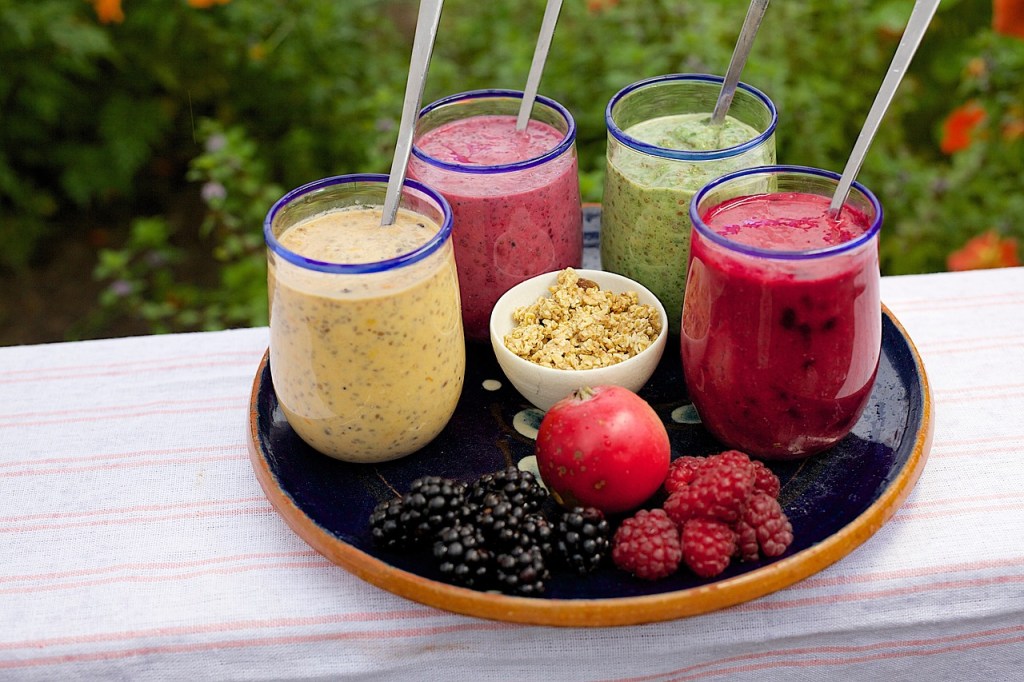
Smoothies are thick, creamy beverages made by pureeing together fruits and vegetables with liquid and, at times, add-ins such as nuts and seeds. All smoothies start with two essential ingredients: a base and a liquid.

Popular ingredients include the following.

  • Fruits such as berries, bananas, apples, peaches, mango, avocado, pear, grapes and pineapple.
  • Vegetables might be kale, spinach, arugula, romaine, bok choy, Swiss chard, collards, wheatgrass, microgreens, cucumber, beetroot, cauliflower, or carrots.
  • Nuts and seeds could be in the form of nut butter, or items such as chia seeds, and flax meal.
  • The liquid can be as simple as water but might also be fruit juice, vegetable juice, milk, non-dairy milk, coconut water/milk, iced tea, or even cold brew coffee.
  • Dairy items such as cottage cheese or yogurt are common.
  • Sweeteners might include maple syrup, raw sugar, honey, pitted dates, simple syrup, fruit juice concentrates, stevia, ice cream, or sorbet.
  • Some people like to add nutritional and herbal supplements such as spirulina, bee pollen, matcha powder, protein powder, and powdered vitamin or mineral supplements.

There are different categories determined by the basic ingredients.

Image by Raul Florinto from Pixabay
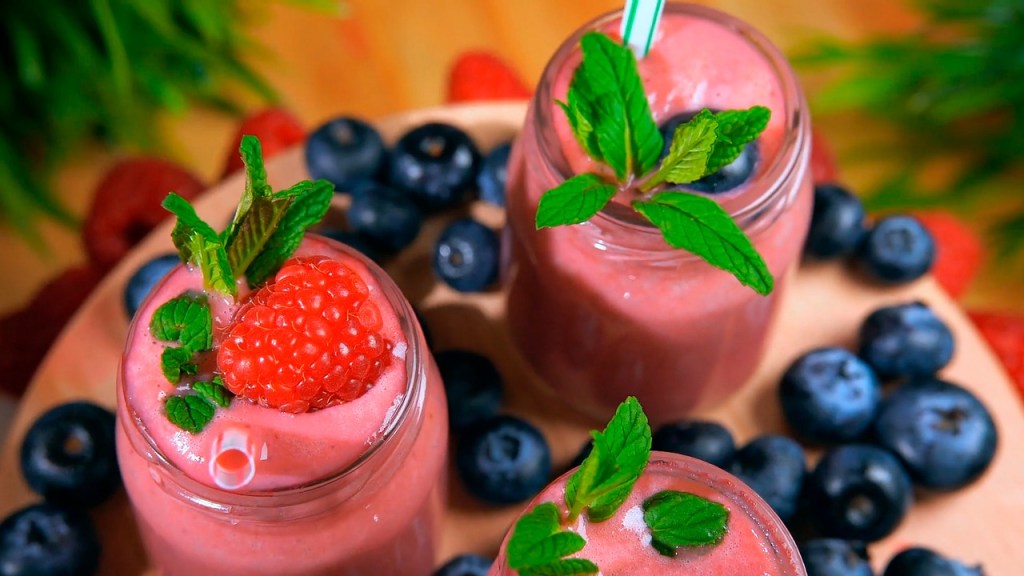
  • Fruit smoothies usually consist of one or more types of fruit blended with fruit juice, water, milk, yogurt, or ice cream.
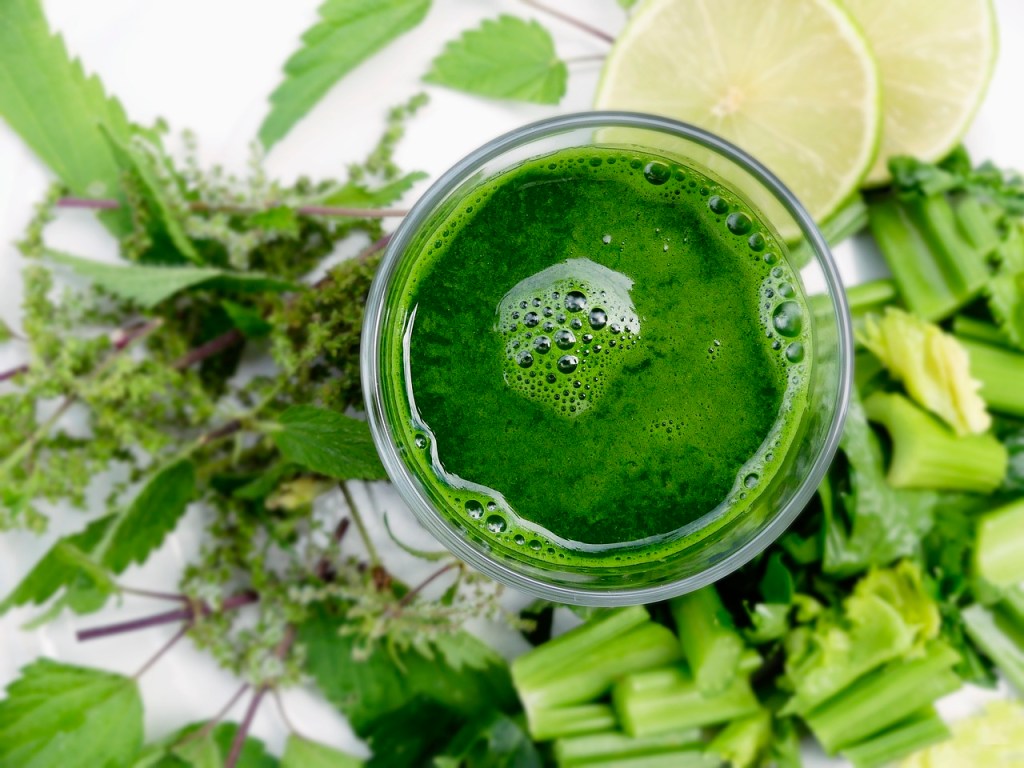
  • Green smoothies usually contain fruit for sweetness, but they also include leafy green vegetables in a larger proportion.
  • Protein smoothies usually consist of one fruit or vegetable, a liquid, and a significant protein source, such as Greek yogurt, cottage cheese, silken tofu, or protein powder.

Smoothies are popular because they are seen as healthy. They can be very healthy, but they also have some drawbacks.

Here are some positives about smoothies.

  • They usually contain a significant amount of healthy nutrients.
  • They help you to eat more fruits and veggies if you do not eat them in the whole form.
  • They are convenient and portable for those on the go.

Here are some of the cautions.

  • Sugar—The major problem with smoothies is that they often contain a significant amount of added sugar. This is especially true of commercially prepared smoothies, as opposed to homemade versions.
  • Calories – depending on the ingredients and the smoothie size, some can contain over 1000 calories, not exactly a low-calorie snack. The suggested serving size of a smoothie is 5 ounces, far less than most people consume.
  • Fiber—Although smoothies can contain a significant amount of fiber if you make them from whole foods, they still will not contain the same amount of fiber as if you were eating the whole foods without blending them.
  • Satiety—Although smoothies may be satisfying in flavor, they may be less so in satiety. It is typical for those drinking smoothies to become hungry again soon afterward, particularly if the smoothie lacks protein or fiber.

To make a healthier, more filling, and pleasant-tasting smoothie, follow this advice.

  • Choose whole fruit, not juice.
  • Add leafy greens. Research has shown that cooking the greens increases their mineral and antioxidant content. Therefore, steam or blanch them, puree them and then freeze them in ice cube trays. Once frozen, store them in a freezer bag.
  • Try to sweeten only with the natural fruit without adding any other sweeteners.
  • Increase the fiber content by adding oats, oat bran, psyllium husks, or chia seeds.
  • Include healthy fats by adding ground flax, chia seeds or flax oil. Alternatively, add nut butter or avocado.
  • Add protein in the form of yogurt or even a protein powder.
  • Blend the ingredients in stages. Most recommend blending the leafy greens and liquid together first, then adding the fruits and blending again.
  • Some will use ice to increase the thickness, but you may also use frozen fruit instead of ice.
  • Some like to make their smoothies using a 60/40 ratio. That is 60% fruits and 40% leafy greens. For example, 2 cups leafy greens, 2 cups liquid, and 3 cups ripe fruit.
  • Homemade smoothies are generally much healthier than ones you purchase in stores or cafes. You can control the amount of sugar in them and amp up the healthy ingredients. The most nutritious smoothies utilize whole foods, contain little or no added sugar, and include a balanced amount of carbohydrates, fiber, protein, and healthy fats.

As the weather is warming up, many people turn to smoothies. Just be aware of what you are drinking and, even if it is a healthful smoothie, it is only one part of a healthy diet that should rely more on whole foods rather than just smoothies.

Cooking Tips · Ingredients · Techniques

Lentils – Not just for vegetarians!

So many of us are trying to cook and eat in a more healthful manner. I wrote an entire series of Cooking Tips on how to do that. Here is the first one in that series. One way we could all do that is to increase our intake of foods that I suspect we do not eat regularly. One such food is Lentils. What lentils are and what to do with them is the subject of this Cooking Tip.

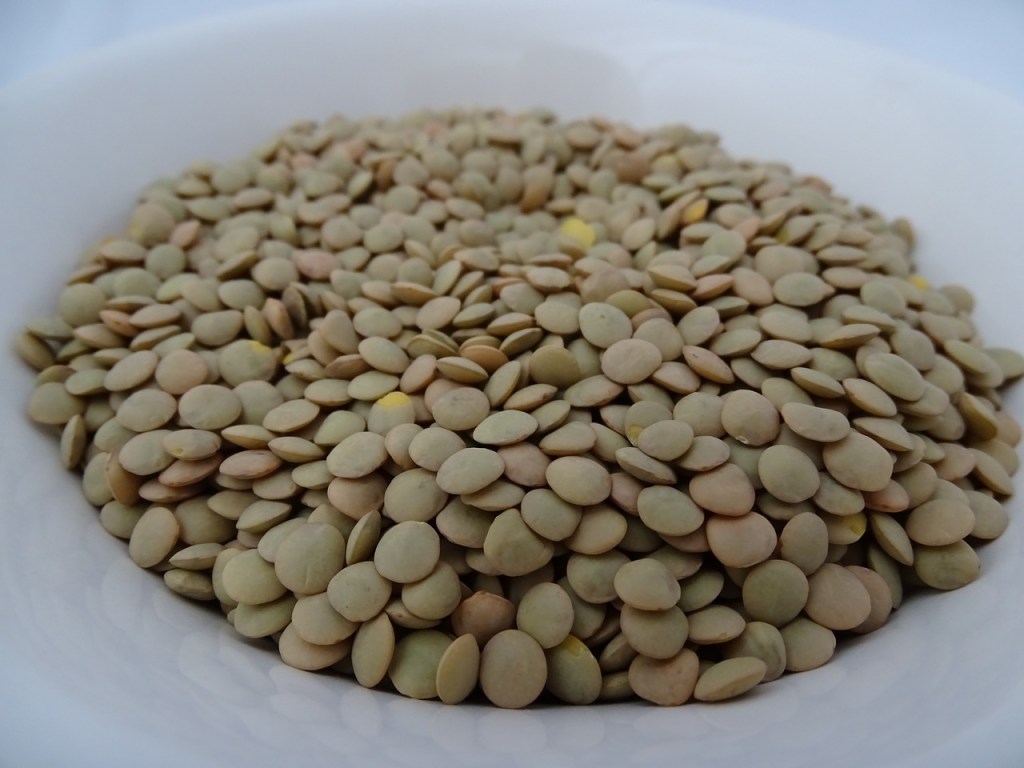
Some people think lentils are a type of grain. However, they are part of the legume family, similar to beans, peas, and chickpeas. Lentils are a nutritious source of fiber, protein, and other nutrients.

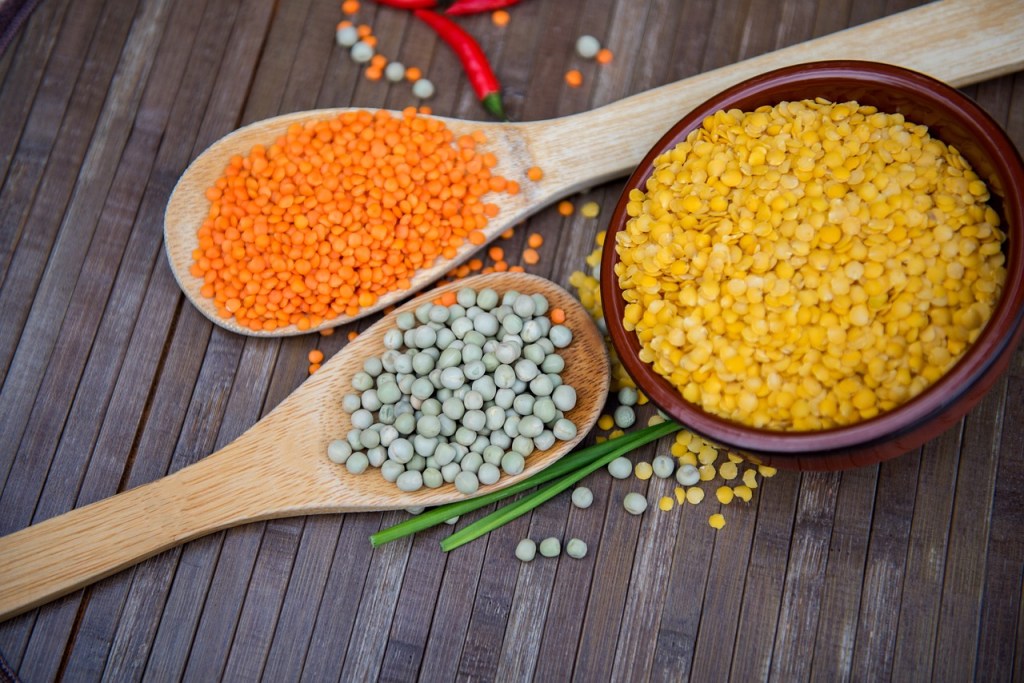
Although you will probably just see a couple of varieties in your market, there are numerous types. They vary in color from brown to green to black to reddish-orange. Some are considered large, others small, and even others petite.

Most lentils will be sold in a whole shape. However, some, such as red or yellow, are sold as “split.” This means their seed coat is removed, and they are cut in half.

Brown Lentils

  • These are the ones most commonly found in supermarkets.
  • Size/shape – large, flat
  • Color—light brown. Because the brown color can have a greenish tint, they are sometimes called green lentils. Do not confuse these with French green lentils.
  • Taste – Mild, earthy flavor
  • Uses
    • They are intermediate in their ability to maintain their shape. They break down easier than French green lentils or Beluga lentils, but not as much as red and yellow. To keep them as firm as possible, do not overcook them.
    • Use in soups, stews, curries, salads, pilafs or meat replacement dishes.

Green Lentils

  • Some sources consider these a type of brown lentil, while others describe them as a separate variety. They are not the same as Puy lentils, though.
  • Size/shape – similar in size/shape to brown lentils
  • Color – a dusky green color
  • Taste – earthy but slight peppery quality
  • Uses are similar to brown but may maintain their shape better when cooked.

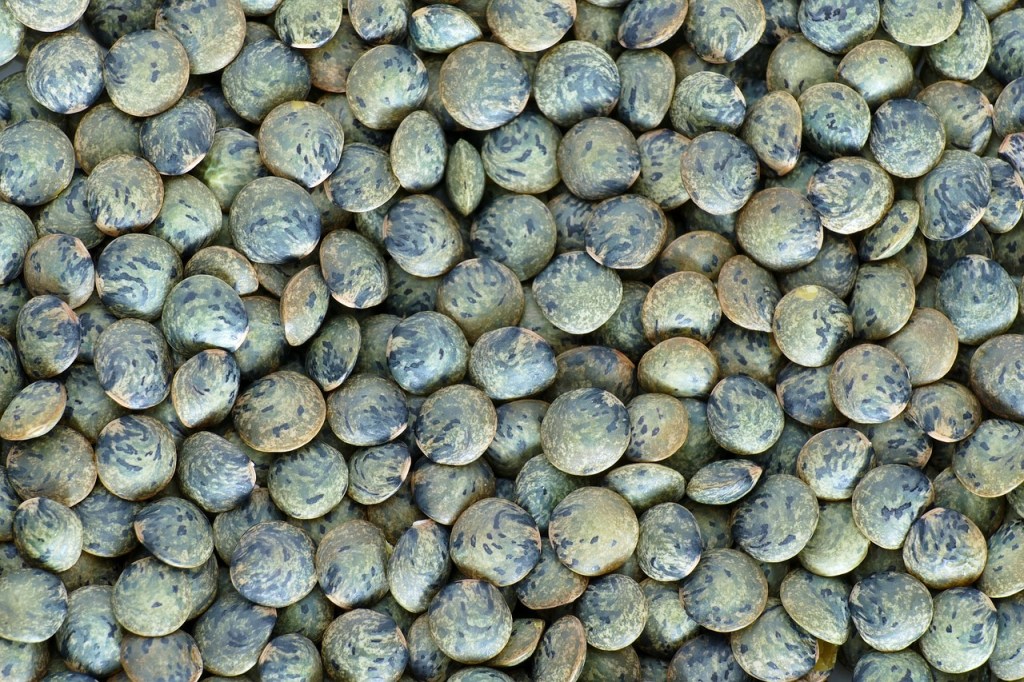
Lentilles du Puy (du Puy lentils)

  • These are only grown in the Puy region of France and are known as French green lentils. Not all French green lentils are grown in this particular region of France. If they do not say “Puy,” they are probably the same variety but grown elsewhere.
  • Size/shape – smaller and rounder than other lentils. They have a thicker skin than other green lentils, which gives them a firmer texture.
  • Color – greenish with dark specks.
  • Taste – If true “Puy” lentils, they will have mineral and peppery notes due to the volcanic soil in which they are grown. This may not be so if you have green lentils grown in other areas of France.
  • Uses
    • They take longer to cook.
    • As they hold their shape, they work well in salads and soups, although they may require pureeing in the latter.

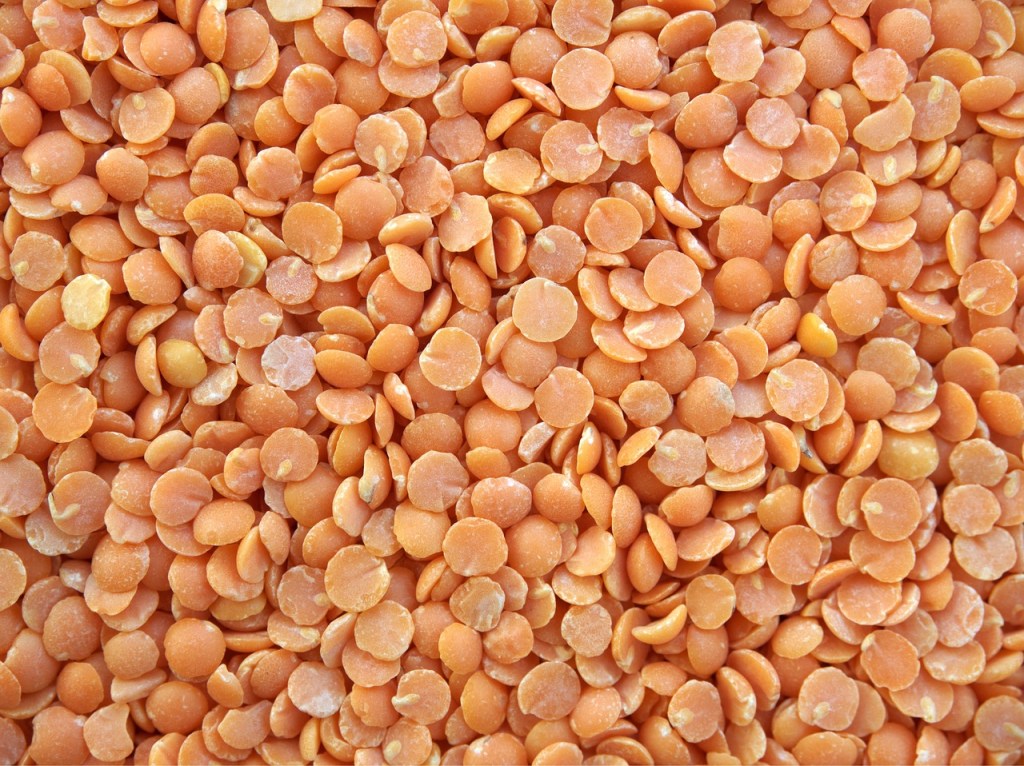
Red Lentils

  • Size/shape—These are often sold as “split,” meaning their coat has been removed, and the inner part has been split in half.
  • Color – reddish-orange
  • Taste – Earthy and nutty with floral notes.
  • Uses
    • These cook more quickly than other lentils.
    • They break down completely so they can be made into a puree.
    • Good in soups and curries.

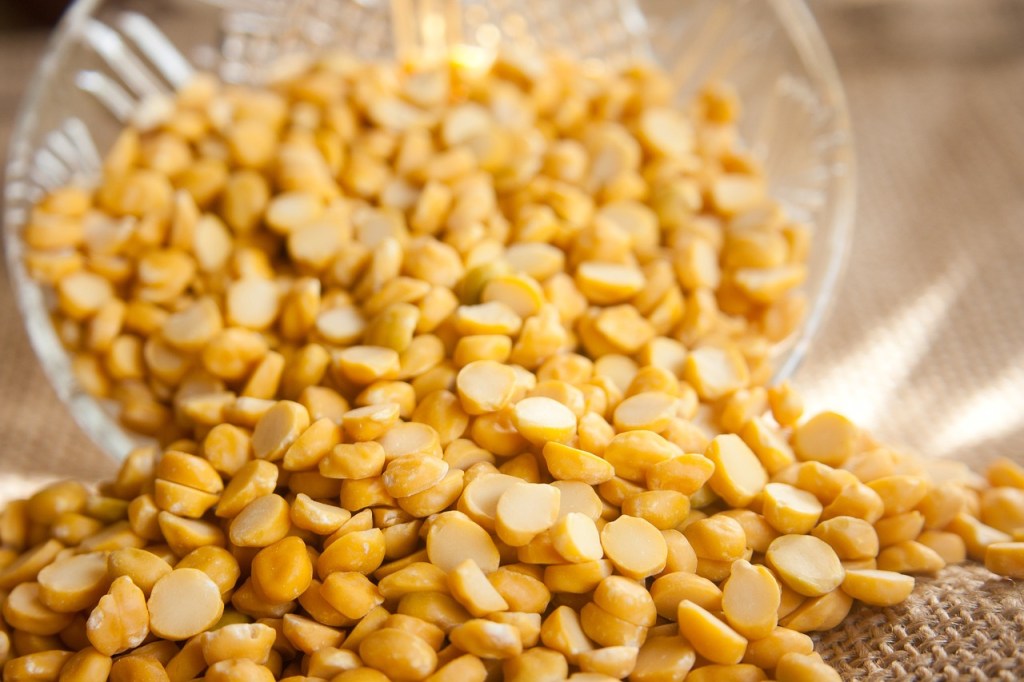
Yellow Lentils

  • These are very common in Indian cooking.
  • Color – yellow
  • Flavor – slightly sweet
  • Uses
    • They become soft when cooked and can act as a thickener.
    • Common in Indian dals, hummus, and as a thickener in soups and stews.

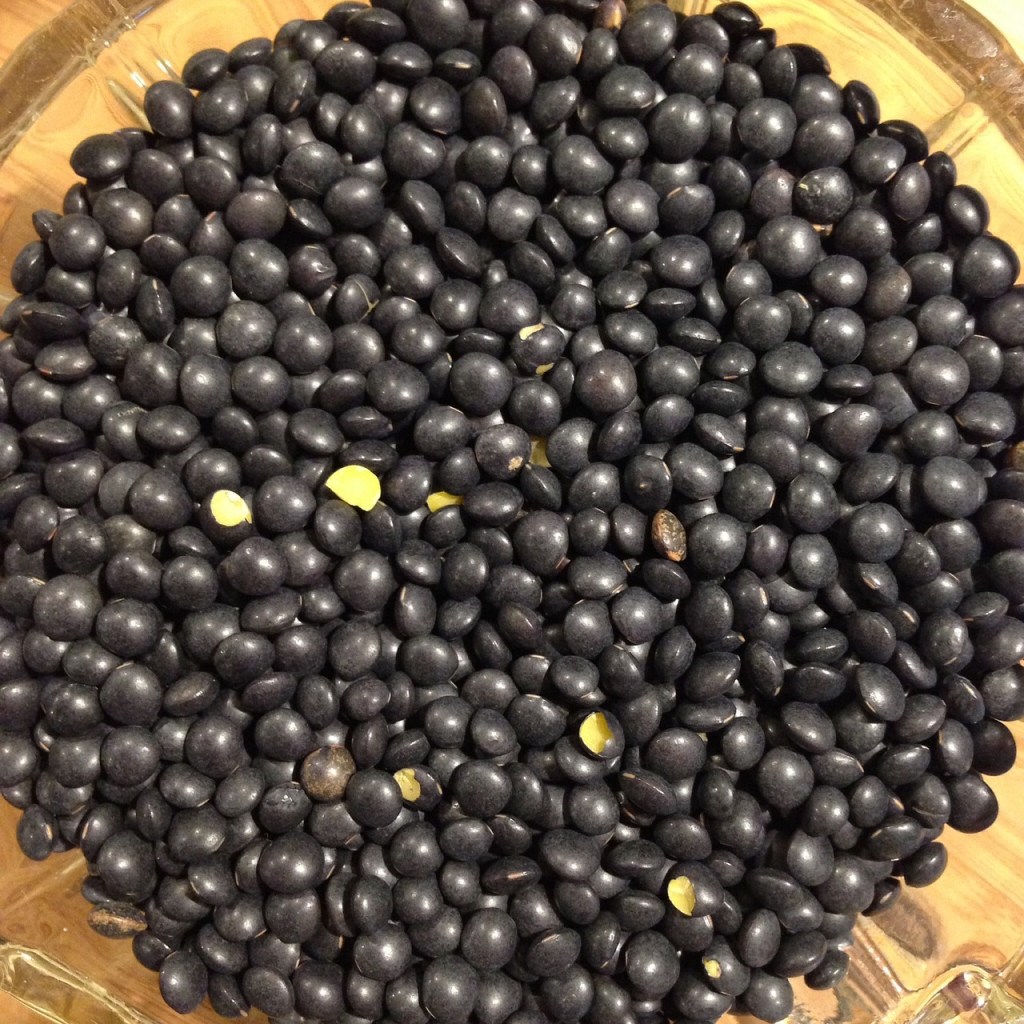
Beluga (black) Lentils

  • They get their name due to their resemblance to caviar.
  • Size/shape – very small and sphere-shaped
  • Color – dark brown to black
  • Taste – meaty and earthy
  • Uses
    • They have thicker skin, meaning they will retain their shape but take longer to cook.
    • Use in salads and soups.

Cooking Lentils

  • Purchase lentils that are as fresh as possible, as older lentils take longer to cook. If they are very old, they may not soften at all, despite how long you cook them. Some recommend buying from bulk bins as they tend to be fresher due to the more considerable turnover.
  • Lentils should be rinsed before cooking to remove dust or debris.
  • You should also sort through them to pick out any pebbles or grit that might be present.
  • They do not need to be soaked before cooking as they have a relatively short cooking time.
  • Cook lentils in plenty of water as they will swell in size as they cook.
  • Bring the water (or broth) to a boil, then reduce to a low simmer to prevent the skins from splitting.
  • Do not add salt until the lentils are cooked, as it can cause the lentils to stay crunchy rather than soft and tender. Some caution against adding acidic ingredients, such as tomatoes, for the same reason. However, others like to add them earlier to aid in flavor absorption.
  • To add more flavor, add aromatics (onion, leeks, celery, carrots, garlic), spices, herbs, or even meat. Cook aromatics gently first before adding lentils.
  • Be aware that brown and green lentils will be firmer and hold their shape better, while red and split green lentils will quickly break down.
  • Cooking Times
    • Brown lentils – 20-30 minutes
    • French green lentils – 25-35 minutes
    • Red and yellow lentils – 15-20 minutes
    • Black Beluga lentils – 20-25 minute
  • America’s Test Kitchen likes to make crispy lentils to top soups and salads. After a short brine (see below), they strain and pat them dry. After heating oil in a pan until very hot, the lentils can be fried until crispy and golden. After removing from the pan, they can be tossed in seasonings of your choice.

Brining

  • As with other legumes, the skin of the lentils can easily rupture during cooking. To prevent this, America’s Test Kitchen recommends soaking them in a salt brine before cooking. They recommend a teaspoon of salt in a quart of water and soaking for an hour.
  • Do not brine split lentils since their coat has been removed.
  • Skip brining if you want a softer, more mushy texture.

Storage

  • Dried lentils have a very long shelf life. Store in an airtight container away from light, heat and moisture.
  • Cooked lentils may be stored in an airtight container in the refrigerator for up to a week or in the freezer for up to a month.

Are you a regular consumer of lentils? I must admit that I am not although my husband likes them in soup. I challenge all of us who are not lentil-eaters to set a goal of trying the different varieties. That is one healthy challenge!

Cooking Tips · Ingredients

Organic Meat & Dairy

Last week, we looked at the subject of organic and conventional produce and I gave you some information to help you determine which you think is best for you and your family. In this week’s Cooking Tip, I want to talk about organic meat and dairy.

First, we need to understand what the word “organic” means in relation to meat and dairy. According to the USDA’s website:

  • The USDA organic label on dairy or meat products means that the animals … were raised in living conditions that accommodated their natural behaviors, without being administered hormones or antibiotics, and while grazing on pasture grown on healthy soil. Thereafter, the meat or dairy product is processed without any artificial colors, preservatives, or flavors before being packaged to avoid contact with any prohibited, nonorganic substances.” As part of this, the use of GMOs is prohibited.
  • The basic rule is to allow natural substances and prohibit synthetic. For livestock, however, vaccines play an important part in animal health, especially since antibiotic therapy is prohibited.
  • Yearly organic inspections are required including, but not limited to, seed sources, soil conditions, crop health, weed and pest management, water systems, inputs, contamination and commingling risks and prevention, and record-keeping.
  • Producers must use 100% organic feed, but they may provide allowed vitamin and mineral supplements.
Image by Penny from Pixabay

Are there any benefits of eating organic meat/dairy? Medical professionals at the Cleveland Clinic believe there are health benefits linked to choosing organic. However, they temper this by stating that “it’s not certain that eating organic foods will make a difference in one’s health.”

Possible benefits:

  • Reduced exposure to pesticides and insecticides.
  • Increased exposure to omega-3 fatty acids as livestock fed through grazing usually have higher levels of omega-3 fatty acids.
  • Lower levels of cadmium in organic grains.
  • Increased levels of vitamins, minerals, antioxidants and other beneficial micronutrients.
  • Less exposure to bacteria in meat.
  • Less exposure to antibiotics and growth hormones.

According to Healthline, there are pros and cons to organic milk.

Image by Penny from Pixabay

Pros

  • Organic cow’s milk is higher in polyunsaturated fatty acids than conventional milk. However, once again, these differences may only be marginal and not offer more nutritional benefits than conventional milk. Also, some experts say this improved fatty acid content is due to farming practices that allow cows to graze and forage and not the organic farming itself.
  • Organic milk has lower levels of drug residues (including antibiotics & growth hormones) than regular milk, although the amounts in regular milk are still considered safe. As for antibiotics, researchers at the University of California, Davis explain that there are never any antibiotics in any type of milk. This is due to policies in place by the Food and Drug Administration (FDA) and American Veterinary Medicine Association that control drug use. For more detail, see this article.
  • Organic milk has a longer shelf life due to the pasteurization processes it undergoes.

Cons

  • Organic milk is lower in iodine and selenium, two nutrients that are important for thyroid health.
  • Organic milk is slightly higher in calories.
  • Organic milk has a higher saturated fat content.
  • Organic milk is more expensive.

Neutral

  • Both have comparable levels of calcium, potassium, and sodium.

Although the discussion of the environmental impacts of organic versus conventional farming is outside the scope of this Tip, if you are interested, here is a very well-researched article on this subject by researchers at the University of California at Davis. Let me just say it is not as clear cut as organic proponents say it is. As with so many topics, the truth is more nuanced.

I hope this article and the one about produce will help you determine if and when you wish to pay the increased cost associated with organic foods. It is a very personal decision but one that should be made with the data required to make an informed decision.

Cooking Tips · Ingredients

Organic Produce – is it worth the cost?

I first wrote about Organic Foods a few years ago. I decided to update this Cooking Tip with some interesting data, but I am going to limit the discussion to produce. Organic meat and dairy will have to wait for a future Cooking Tip. I would suspect that most people buy organic as they think it is safer to eat. They might also think it is healthier. Since organic foods are more expensive than conventional, it would be good to know if either of these beliefs are true. That is the subject of this Cooking Tip.

Let me start with something we all probably know. That is that there are very strong feelings on both sides of the “organic vs conventional” debate. The only one who can answer “is it worth it” for you and your family is you. One caveat is that more research probably needs to be done and the results of any future research could alter the current thought on organic foods.

There is a US-based environmental advocacy organization called the Environmental Working Group (EWG). Since 1995, they have produced an annual list of what they call The Dirty Dozen and The Clean 15. According to this group, the “Dirty Dozen” of produce has the greatest potential for containing pesticide residue. Therefore, the EWG recommends that consumers only purchase organic forms of these food items. Each year this list is produced and is highly publicized by our media. For the 2022 list, see this link. The “Clean 15” is a list of produce that they say had little to no traces of pesticides, and the EWG considers safe to consume in non-organic form.

On the other side of this discussion is a peer-reviewed study published in the Journal of Toxicology. This study concluded the following:

  • Exposures to the most commonly detected pesticides on the twelve commodities (celery, blueberries, kale, nectarines, peaches, potatoes, spinach, strawberries, cherries, apples, grapes (imported), bell peppers) pose negligible risks to consumers.
  • Substitution of organic forms of the twelve commodities for conventional forms does not result in any appreciable reduction of consumer risks.
  • The methodology used by the environmental advocacy group (EWG) to rank commodities with respect to pesticide risks lacks scientific credibility.

In a 2019 report (attach report) by the Pesticide Data Program (part of the USDA), they state “nearly 99 percent of the samples tested had residues below the tolerances established by the EPA with 42.5 percent having no detectable residue.” Of course, for this to have meaning to you, you must put trust in these levels established by the government.

Another interesting point is that organic farming does not mean that there are no pesticides used, only that the pesticides themselves are certified organic. This usually means that they are “natural” rather than “synthetic” but there are some synthetic chemicals that are allowed in organic farming. And, many scientists have concluded that organic pesticides pose the same health risks as non-organic ones.

As of now, there is no evidence that organic produce is more nutritious than conventional produce. In fact, most of the studies done on the health benefits of produce have been done on the conventional varieties. A study published in the Annals of Internal Medicine in 2011 concluded “The published literature lacks strong evidence that organic foods are significantly more nutritious than conventional foods.” There are some studies that have shown higher levels of Vitamin C, some minerals & antioxidants in organic produce although the experts say the differences are too small to have an impact on overall nutrition.

What is the cost? A 2015 Consumer Reports study showed, that on average, organic foods are 47% more costly than non-organic. As this is an average, you will see a significant range of cost differences depending on the food and the store. Interestingly, a study in the Proceedings of the National Academy of Sciences found it only costs farmers 5-7% more to use organic methods. In recent years, the price differences have become less as more traditional grocery stores start to offer their own organic versions.

This price difference is a concern for low-income shoppers. They have heard the same media reports about organic vs conventional produce but the expense does not allow them to purchase the organic versions. What is disappointing is that a 2016 study published in Nutrition Today found that rather than purchasing the conventional produce, they often chose to not purchase any produce at all, something that is not a positive for their diet and health.

Some industry professionals recommend concentrating more on “Buying Local” with the hopes that those fruit & vegetables are fresher and seasonal. Locally-grown produce does not mean it is necessarily organic although it may be depending on the farm. If you have the space & ability, there is no more local than growing your produce yourself. In that case, you will have no questions as to how or where it was grown.

As I said in the beginning, only you can decide if you want to go organic and to what extent. Just know there are arguments on both sides but the science, to this point, does not seem to support a strong preference for organic. Most importantly, eat a diet high in fresh fruits and vegetables. The nutrients that are found in those items are so necessary in your diet and resulting health.

Cooking Tips · Techniques

Clean Eating – Good or Bad?

A phrase we have all probably heard over the past few years is Clean Eating. Is it just a catch phrase, a trendy talking point or is there more to it than that? That is the subject of this Cooking Tip.

Since the term “clean eating” is not a regulated term, there is no one definition for it. Food manufacturers can put that label on their food products but, without an agreed-upon definition, it is pretty meaningless. Also, it can mean different things to different people.

At its most basic, clean eating is healthy eating. If you had to compare it to something that the consumer is more likely to understand, it is very similar to the Mediterranean way of eating.

It generally means a type of eating that includes fruits, vegetables, whole grains, healthy proteins and healthy fats. It also means limiting refined grains, preservatives, unhealthy fats and excessive added sugar and salt. Earlier this year, I wrote a series of Cooking Tips on just this subject of cooking and eating healthy. Rather than repeat all of that in this Tip, see these prior Tips for more information.

Some Clean Eating advocates will emphasize other requirements such as:

  • Only eating organic produce. For some of the pros/cons of buying organic, see next week’s Cooking Tip.
  • Gluten Free
  • Dairy Free
  • Some will also include the environment in the list of items to consider.

Although trying to eat healthier and trying to incorporate Mediterranean eating principles is a good thing, there are cautions to be made if this “Clean Eating” is taken to an extreme. Some clean eating recommendations can be so restrictive that the intake of essential nutrients suffers.

There is even an eating disorder termed Orthorexia Nervosa (ON) that has been defined as “an obsession with proper or healthful eating”. It has not been added to the Diagnostic and Statistical Manual (DSM) as an actual disorder but is being recognized more and more.

Currently, there is no universally shared definition of ON. According to the National Eating Disorders Association, some warning signs and symptoms are:

  • Compulsive checking of ingredient lists and nutritional labels
  • An increase in concern about the health of ingredients
  • Cutting out an increasing number of food groups (all sugar, all carbs, all dairy, all meat, all animal products)
  • An inability to eat anything but a narrow group of foods that are deemed “healthy” or “pure”
  • Unusual interest in the health of what others are eating
  • Spending hours per day thinking about what food might be served at upcoming events
  • Showing high levels of distress when “safe” or “healthy” foods aren’t available
  • Obsessive following of food and healthy lifestyle blogs on social media
  • Body image concerns may or may not be present

This can lead to distress, anxiety, or obsessive-compulsiveness. According to Rachel Hartley Nutrition,

“Clean eating creates guilt and shame around food by creating hierarchies – clean, good foods vs. dirty, unhealthy bad foods. This binary approach is nutritionally inaccurate. While certainly there are foods that contain more nutrients than others, what makes a food a “healthier” choice is much more nuanced than vitamins, minerals, and fiber. Convenience, social and cultural connection, as well as other situational and individual factors all play roles that are just as important. Even if nutrition was as simple as good vs. bad foods, labeling food in such a way doesn’t actually help you eat those foods in a healthy way. Labelling food as good and bad fuels disordered eating behaviors, especially the restrict-binge cycle. In other words, thinking of a food as bad doesn’t necessarily mean you would be eating less of it, just that you would be eating it more chaotically.”

Clean eating is also very isolating as it makes it very difficult to socialize with friends/family if any sort of meal is involved. This, in itself, can be damaging to a person’s overall health.

As with so many things in life, Clean Eating is not all good nor all bad. If it helps you to get on the path to healthy eating, that is a good thing. If taken to the extreme, it can be dangerous. Let’s all make this year one of enjoying food in a healthy manner, which can greatly enhance our lives.

Image by S K from Pixabay