Cooking Tips · Ingredients · Techniques

Produce Sizes

Does it seem that when you go to the store to buy produce for a recipe, everything is super-sized? If your recipe calls for one onion, how much onion is that? If your recipe calls for one small onion, what do you do when nothing in the onion bin seems small? In this Cooking Tip, I want to take a closer look at produce sizes and how to navigate your recipes.

If you have read many of my prior Cooking Tips, you will know that I strongly advocate weighing ingredients (preferably in metric) when baking. With non-baking recipes, weighing is not nearly as important. However, what do you do when faced with the above questions? As a prelude to this post, you may also wish to look at these related posts.

I do not have the time to discuss every item of produce, but I will look at three that commonly lead to questions about amounts. That would be onions, garlic, and citrus.

An over-arching principle is that how much of these items you use in your recipe may vary from cook to cook. Some of you may like more onions or garlic than others. As long as you like how your recipe turns out and one flavor is not overpowering the others, you do not have to be precise in how much you use. The other, but probably most important, tip is to taste your dish as you go along. If you are going to use more of one of these items than the recipe calls for, do not add it all at once. Instead, start with less and let your palate guide you on how much to add.

Another caution is that if the recipe calls for one cup of chopped onion, that can vary from cook to cook. If I were to chop an onion to measure a cup but then weigh it on a scale, and another person were to do the same, they would likely weigh different amounts depending on how small the onion is cut and how much it is packed into the cup. Therefore, even if your recipe calls for a volume measurement, it will not be exact.

Even understanding the above cautions, some want a bit more guidance. The rest of this Tip is for those readers. Besides discussing each item of produce, I also list some prior Cooking Tips for more information.

Onions
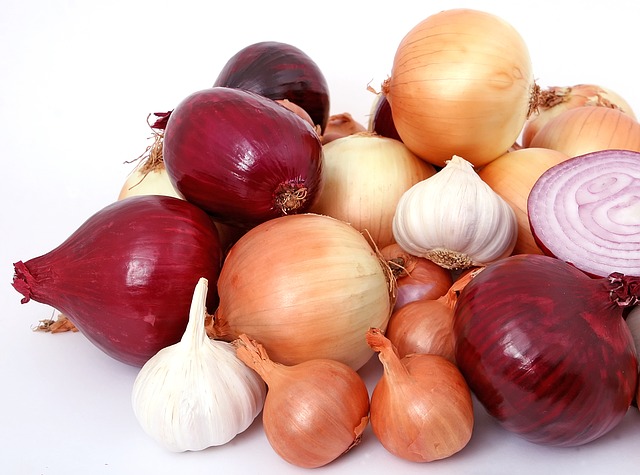
Sometimes a recipe will just call for “one onion,” and other times, it may specify “one medium (or small or large) onion.” How much should you start with?

If a recipe does not specify what size of onion, assume it is a medium onion. If all you can buy at the store are very large onions (as I usually see), you will need to use less than the entire onion.

SizeAmount before prepAmount after prepVisual Cue
1 small onion2-4 ounces¼-½ cup chopped or slicedBilliard ball
1 medium onion4-7 ounces1 cup chopped or slicedBaseball or tennis ball
1 large onion7-9 ounces1-1½ cups chopped or slicedSoftball or grapefruit

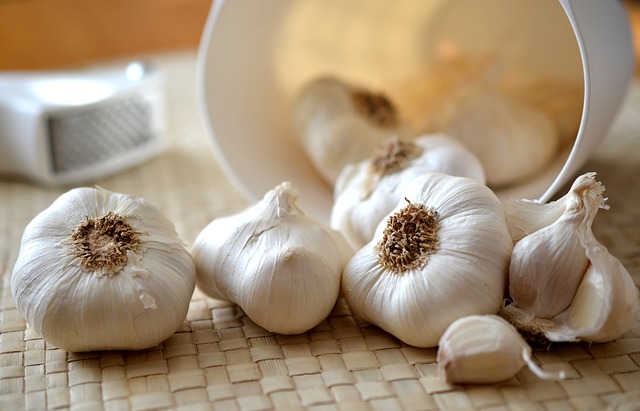
Garlic

A head of garlic is what you buy fresh in the store, and one head contains many cloves that may be of different sizes. Rarely does a recipe call for a head of garlic. One exception is when the recipe calls for roasting a head and then squeezing the contents out for subsequent use.

One medium head of garlic typically weighs two ounces before preparation. It will contain 10-15 individual cloves or enough to produce about six tablespoons of minced garlic.

Most recipes will call for a number of cloves, but do not typically specify the size of the clove. Therefore, just as with onion, if the recipe calls for one clove, assume they mean a medium-sized clove.

SizeYield
1 extra-large clove1 tablespoon minced
1 large clove1-2 teaspoons minced
1 medium clove¾-1 teaspoon minced
1 small clove½ teaspoon minced

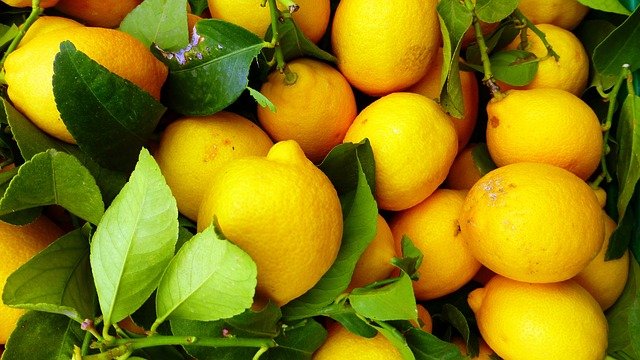
Citrus

With citrus fruit, not only will different fruits yield different amounts of juice despite being about the same physical size, but the amount that fruit will yield will vary depending on how well you juice them. An electric juicer will almost always give you more than a manual juicer.

SizeWeightJuice YieldZest Yield
1 medium lemon4 ounces3 tablespoons2-3 teaspoons
1 medium lime2½ -3 ounces1-3 tablespoons½-1 teaspoon

I also want to draw your attention to a small reference book about this subject. I use it frequently. It is Food FAQs by Linda Resnick and Dee Brock. To quote the authors:

I just want to remind you that the above discussion deals with these ingredients being used in savory cooking. If you are a baker, please consider using a kitchen scale. Outside of baking, you have much more leeway to adjust amounts depending on your palate. The amounts I gave you should help you in the grocery store when deciding how much of an item to buy, and will help you with a starting point.
Cooking Tips · Ingredients · Techniques

The Truth about Fresh vs Frozen Produce

Image by Walter Bichler from Pixabay

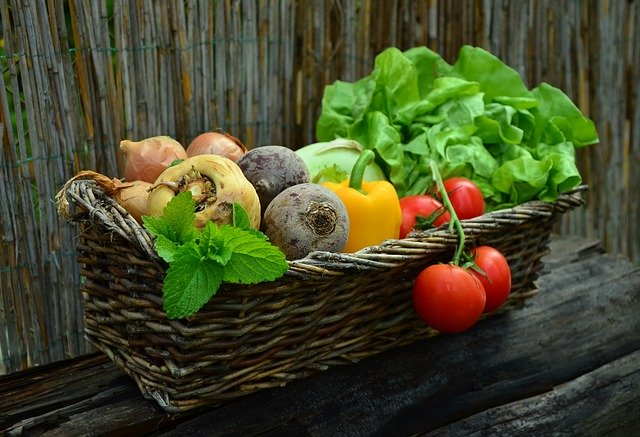
I love frozen produce. I not only use it in my own kitchen, but I also use it frequently in my cooking classes. Some people might be surprised that I do not exclusively use fresh produce. However, frozen produce is an excellent substitute for fresh produce in many applications. This Cooking Tip will explain the benefits of frozen produce and how best to use it.

Pros of Frozen Produce

  • It is often more affordable than fresh produce, especially when the fresh produce is not in season.
  • It is more convenient than fresh produce. You just have to open your freezer to find the item, and it is usually prepped for you by washing, peeling, and chopping. Another convenience factor is that the frozen produce does not need to be thawed before being cooked for most purposes.
  • The produce that is meant to be frozen is picked at peak ripeness. Fresh produce tends to be picked before maximal ripeness to make it easier to store and transport. Riper produce not only tastes better, but it also has a superior nutritional profile (see below).
  • Frozen produce lasts longer than fresh produce. Fresh produce might only last 1-2 weeks, whereas frozen produce can last in the freezer for several months. This reduces food waste.
  • Frozen produce is available year-round. We all know and probably try to eat what is in season. You are doing just that when eating frozen produce. Even though it might not be blueberry season where you live, the frozen blueberries were picked when those blueberries were in season.
Image by congerdesign from Pixabay

Cons of Frozen Produce

  • There might be a change in texture as compared to fresh produce.
  • Many frozen veggies contain additives such as seasonings. At times, when I look at the frozen veg aisle, it is hard to find a package that doesn’t have a sauce or seasonings added to it. This can add fat, sugar and calories. So, be sure to check the ingredient list for these additives.

Nutrient level

  • Some worry that frozen produce loses nutrients during the freezing process. This has not been borne out with actual studies. 
  • A study published in the Journal of Food Composition and Analysis in 2017 was a two-year study that looked at specific nutrients in selected fresh and frozen fruits and vegetables. They also studied “fresh-stored,” which was intended to mimic typical consumer storage patterns of produce following purchase – noted as five days of refrigeration. Their conclusion was:

In the majority of comparisons between nutrients within the categories of fresh, frozen, and “fresh-stored”, the findings showed no significant differences in assessed vitamin contents. In the cases of significant differences, frozen produce outperformed “fresh-stored” more frequently than “fresh-stored” outperformed frozen. When considering the refrigerated storage to which consumers may expose their fresh produce prior to consumption, the findings of this study do not support the common belief of consumers that fresh food has significantly greater nutritional value than its frozen counterpart.

  • The FDA has also added frozen produce to those items that may be labeled as healthy. See this Fact Sheet.
  • Frozen produce is picked and frozen at the height of its ripeness. This means it is also at the height of its nutrient level. Fresh produce is often picked before it is ripe. This means it has fewer nutrients and tends to lose nutrients over its life span from actual picking to using the produce in your kitchen.

How to use frozen produce

  • Sauteing
  • Steaming
  • Microwaving
  • Roasting
  • Use in soups and stews
  • Smoothies
  • Sorbets
  • Sauces
  • Fruit cobblers

Are you a lover of shopping in the frozen produce aisle like I am? If not, check it out the next time you visit your supermarket. A wonder of delicious and nutritious items abound there.

Cooking Tips · Ingredients · Techniques

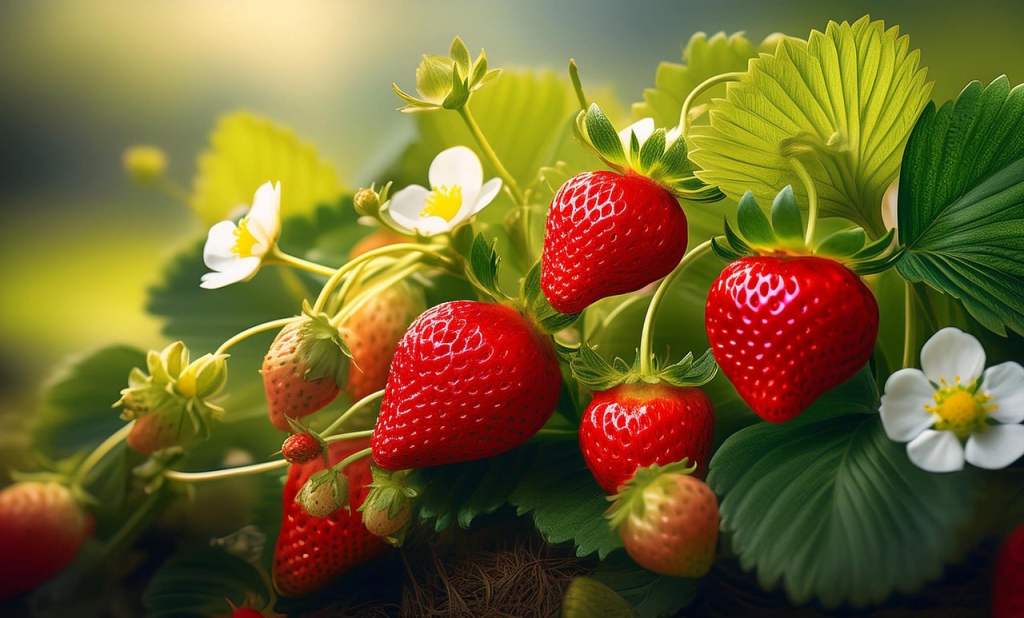
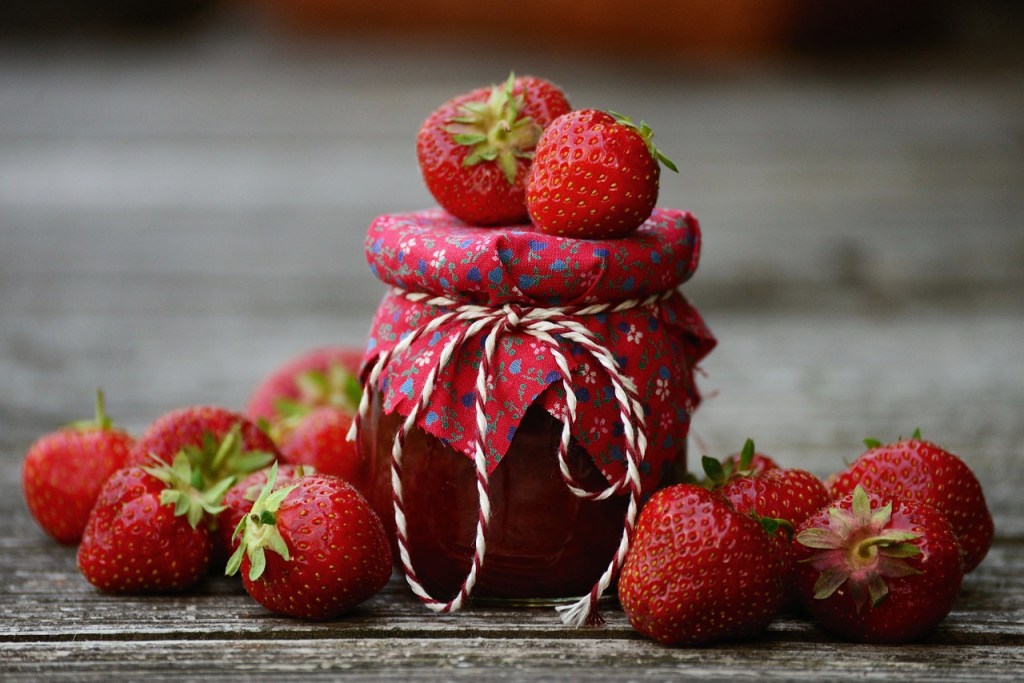
Strawberries – The Epitome of Summer

My husband has been harvesting strawberries since June. He has four different varieties growing; they mature at different times and have different flavors. If you do not have a garden, what can you do to ensure you are getting the best strawberries you can? That is the subject of this Cooking Tip.

Strawberries are a member of the rose family and are Native to North America. The large majority of US strawberries come from California, with Florida being a distant second.

Varieties

As with so many produce items, there is not just one strawberry, although you may think so if you only buy them in the supermarket. There, you will find what is known as the Garden Strawberry (Fragaria Ananassa). However, there are said to be over 1,000 different varieties grown worldwide.

If you are a gardener, you will have a myriad of choices to plant. They are broadly broken into two categories.

  • June-bearing – these produce the largest berries over a 2-3 week period during June/July.
  • Everbearing strawberries generally produce two harvests a year – one in the spring and one in later summer/fall. Their fruit is usually smaller.
Image by Shirley Hirst from Pixabay

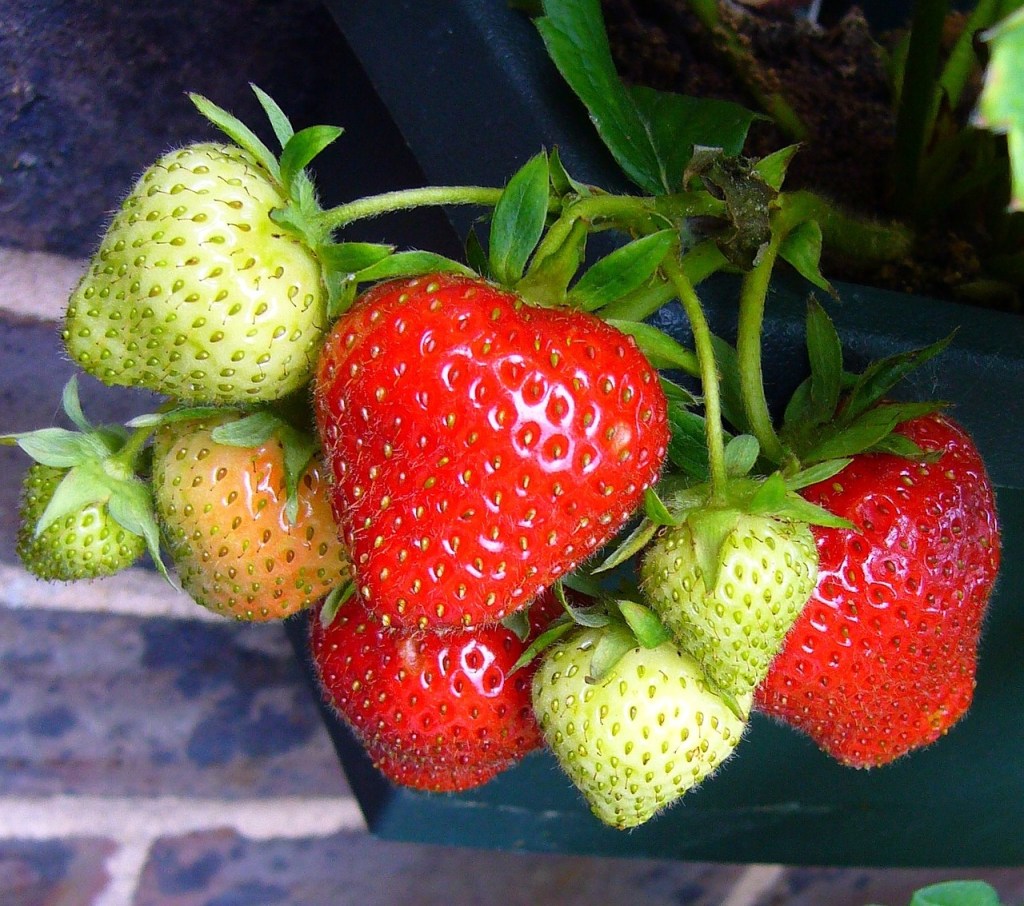
Although the typical strawberry is red, there are green and white berries. The greens are unripe berries, and the whites have been cultivated so as not to develop the typical red color.

Picking Ripe Strawberries

Because strawberries (as with so much fruit) do not continue to ripen after harvesting, you want to pick the ripest you can when you buy them to get the sweetest and most strawberry flavor. The best way to test the flavor of a strawberry is by tasting it, something that you probably cannot do in the supermarket, although you may be able to do so at farmer’s markets.

Apart from tasting, a deep red color is another indicator of flavor. However, strawberries will continue to redden after being picked, even though they do not continue to ripen. Therefore, color alone can be deceiving. One strawberry grower recommends looking to see how red they are all the way to the top, under the leaves. The redder they are in this area, the sweeter & juicier they will most likely be.

Another tip is to smell them. They are much more likely to have good flavor if they have a wonderful strawberry scent.

Another interesting point comes from America’s Test Kitchen. They tell us that the flavor of a strawberry is related to its aroma, and the aroma is related to temperature. A room temperature berry will likely taste sweeter than one just out of the refrigerator. Too much heat, though, is not good, as it can drive off much of the aroma. Therefore, rather than cooking strawberries, they like to macerate them by tossing them in a bit of sugar and letting them sit until they soften and the liquid starts to come out.

Hulling Strawberries

When you are ready to eat or use the strawberries, after washing them, you will want to hull them, which means removing the leaves and the core. There are different methods for this.

  • Paring knife
    • This doesn’t require any equipment other than what you already have. It does, though, take away more of the berry than other methods.
  • Straw
    • Insert a sturdy straw into the strawberry’s point. Push the straw through the berry, and it will remove the leaves with the hull attached. This method does work, although it is easy to go off-center and miss the hull.
  • Hullers
    • Spruce Eats tested several different hullers and found that the Oxo Good Grips Strawberry Huller worked the best. They liked its nonslip grip, easy cleaning, and ability to use different-sized berries. The only negative was that it was hard to store.

Roasting Strawberries

Roasting strawberries is an interesting way to try to enhance their flavor by intensifying the natural sugars present in the berries. To do this, toss the berries in about two teaspoons of sugar per cup of berries. If desired, add a touch of acidity with a bit of lemon zest. Roast in a 425°F oven for 15-20 minutes, stirring halfway through. Although you may or may not want to eat them out of hand, you can use them in baked goods or as a topping.

Dried Strawberries

Image by Engin Akyurt from Pixabay

Making dried strawberries is not difficult. If you have a food dehydrator, follow the instructions for that appliance. You can still dry them in a low oven if you do not have one. After washing and hulling the berries, cut them in half or quarters. Place the berries on a baking sheet, cut side up. Place in a 200°F oven for about 3 hours. Allow the berries to cool and crisp up, and then store them in an airtight container for up to a week.

Storing Strawberries

We all know just how perishable strawberries are. How can we make them last the longest? There are all sorts of recommendations out there. Three that seem to stand out as the best are the following.

  • Do not rinse them until you are ready to eat them. Rather, pick out any berries that are going bad, put the rest back in the container and store them in the refrigerator. Some recommend storing the container upside down to encourage airflow. This way, your berries should keep up to a week.
  • A second method is to wash them in a solution of 1 part white vinegar to 3 parts water, drain them and dry them thoroughly before putting them in the refrigerator. One method of drying is placing them is in a paper-towel-lined salad spinner and gently spinning them until dry.
  • A final method is to soak them for about 5 minutes in a mixture of 1 tablespoon of kosher salt per cup of water. Drain, rinse, dry and place in the refrigerator. The proponents of this method say that the salt is abrasive, and therefore, it cleans better than water alone. This same source does not like using baking soda or vinegar, as these ingredients can be absorbed into the berry and not rinse off completely, possibly compromising flavor and texture. As can be seen by the second method, though, not everyone agrees with this caution.

Freezing Strawberries

For more extended storage, strawberries can be frozen.

Image by congerdesign from Pixabay
  • Remove the tops.
  • Chop them as you prefer – quarter, slice, etc. You can leave very small berries whole.
  • Freeze in a single layer.
  • Transfer to a freezer bag/container.
  • Use within a few months as their quality deteriorates after about six months.
  • Some like tossing the berries in sugar before freezing, as this preserves the color and texture. However, it does limit how you can use them later.
  • Great uses for frozen strawberries are smoothies, jam, ice cream, fruit topping, and strawberry sauce.

Measuring Strawberries

Although you do not always have to be exact in measuring when using strawberries in a recipe, it is nice to know how many cups are in that container you pick up in the store. The Spruce Eats has put together some conversion figures to make your life easier.

1 cup whole strawberries is equivalent to:

  • 8 large strawberries
  • 5 ounces by weight
  • ½ cup strawberry puree

1# strawberries is equivalent to:

  • 2¾ cup sliced strawberries
  • 3¾ cup whole strawberries

1 pint of strawberries is equivalent to:

  • 12 large strawberries
  • 24 medium strawberries
  • 36 small strawberries
  • ¾# by weight
  • 1¼ cups puree
  • 2½ cups whole small strawberries
  • 1½ to 2 cups sliced strawberries

Now that you know how to pick ripe strawberries, clean them, store them and use them, there is one last important tidbit. Do you know what the fear of strawberries is called? It is “Fragariaphobia.” That is bound to be helpful in your kitchen!

Cooking Tips · Ingredients

Crabapples – Ornamental or Edible?

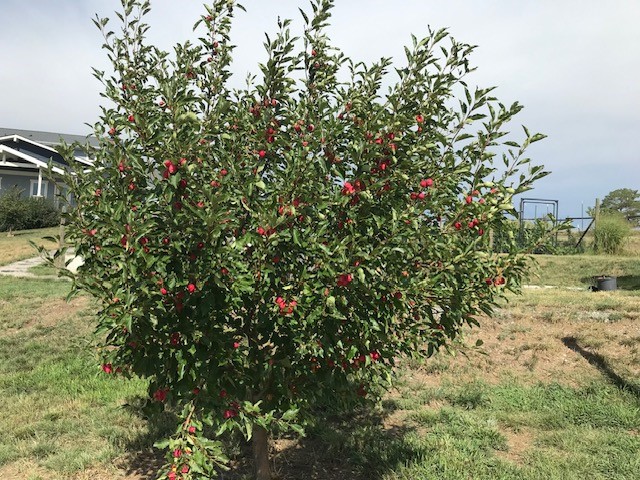
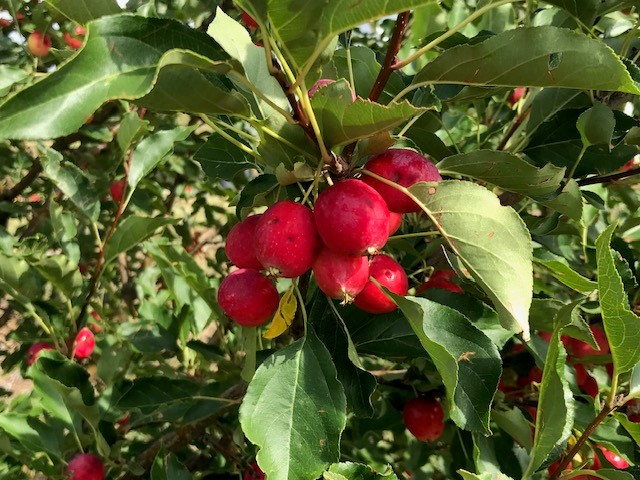
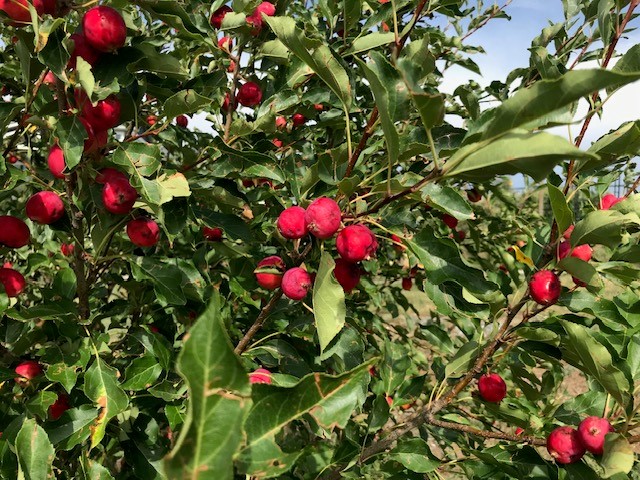
Sitting at my desk this morning, I looked out the window towards our backyard where the chickens roam, the bees buzz, the flowers bloom, and tree fruit is trying desperately to ripen in Colorado’s less-than-ideal growing conditions. As I look, I see a beautiful green tree with deep red crabapples on it. That is the subject of this Cooking Tip. Are those apples just ornamental, or are they edible? (See this Tip for a discussion on apples in general.)

According to the experts, crabapples are not a different type of fruit than other apples. However, one distinction is that they are the only apple native to North America. What determines if it is a crabapple is its size. If it is under 2 inches in diameter, it is called a crabapple. If it is larger, it is an apple.

Breeding is another difference. The apples we eat for lunch have been bred to be larger and better tasting. Crabapples are bred more for ornamentation. Some varieties are purely ornamental, with no or minimal fruit. Even those crabapples with fruit have not been bred to produce particularly great tasting fruit. Although edible, they are much tarter and sourer than other apples.

Some crabapple varieties are sweeter and better for culinary uses. The two that are described as the sweetest are the Dolgo and Centennial. The Chestnut and Whitney are especially good for other culinary purposes.

Dolgo

What I see when looking into our backyard is a Dolgo crabapple. Its size is larger, and its flavor is sweeter than other varieties. Besides eating, it is commonly used to make ciders, sauces and jams.

Centennial

Some like to eat the Centennial crabapple right off the tree, while others feel it is ideal for jam, jelly, or apple butter.

Whitney

The Whitney crabapple is a smaller tree that yields larger and sweeter fruit than many other crabapples. Its great uses include preserving, canning, and pickling.

Chestnut

The flavor of a Chestnut crabapple is described as sweet and nutty. It is well-suited to jams and sauces.

Uses for crabapples

  • Crabapple Jams & Jellies – the sourness of the crabapple will be offset by added sugar.
  • Crabapple Butter – Apple butter made from crabapples will be pink with a more complex and sweet-tart flavor.
  • Crabapple sauce
  • Crabapple fruit leather
  • Caramel crabapples
  • Pickled crabapples
  • Crabapple chutney
  • Crabapple syrup
  • Crabapple juice/cider
  • Crabapple liqueur
  • Crabapple crisp/tart/pie

Disadvantages of crabapples

  • One of the main disadvantages of using crabapples is the increased labor due to their small size. It takes more work to harvest a sufficient amount, and there is increased kitchen labor to get them ready for your desired dish.
  • As noted above, their natural flavor is sour and tart. This can be adjusted by adding sweeteners and spices, although the result won’t be exactly as it would be with regular apples.
  • The flesh will not get as smooth as other apples, even when cooked and pureed.

According to Robinette’s Apple Haus & Winery in Michigan, winter is the best time to pick crabapples. Although they do ripen during the fall, “freezing temperatures make the crabapples soft and sweet.” Alternatively, they recommend picking them and putting them in your freezer for a couple of days before using them.

What about the myth that you might have heard that crabapples are poisonous? The peel and flesh of the crabapple are perfectly safe to consume. Like all apples, the seeds are toxic and should not be consumed.

If you do not have a crabapple tree growing in your backyard, where do you get them? You probably won’t find them in your general supermarket, but some farmer’s markets carry them. They should be able to tell you which variety they are so you can plan accordingly.

They are also a favorite of foragers since they tend to grow in all sorts of areas. As with any foraging, care must be taken. See this Tip for guidance.

Enjoy apple season, whether it is regular apples or crabapples!

Cooking Tips · Ingredients

Figs – A Mediterranean Delight!

Image by Jose Antonio Alba from Pixabay

I was at one of our local supermarkets earlier today. While there, I saw fresh figs on display. I was thrilled, as I love fresh figs, and they are not available very often in our area. They are delicious right out of the box and great for cooking/baking. This Cooking Tip will delve into figs, the varieties, how to choose them, how to store them and what to do with them.

Figs are typically found growing in Mediterranean countries. They like the warmer weather. In the US, the large majority of figs are grown in California.

There are thousands of varieties grown, although only a very few are found in our stores. The names of the figs can be confusing as the same fig grown in different areas might have a different name. In addition, when a fig is introduced to a location, it is not uncommon to coin a new name. For example, when introduced to California, the Smyrna fig’s name was changed to Calimyrna.

There are two harvest seasons for fresh figs. The first is short and occurs in early summer. The main season is from late summer through fall.

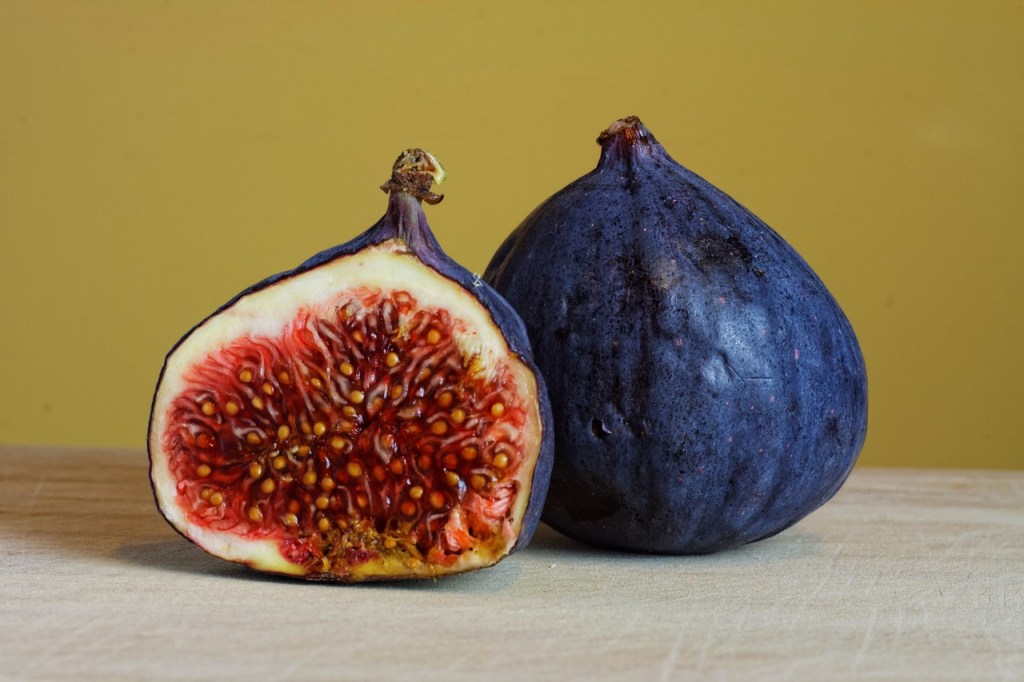
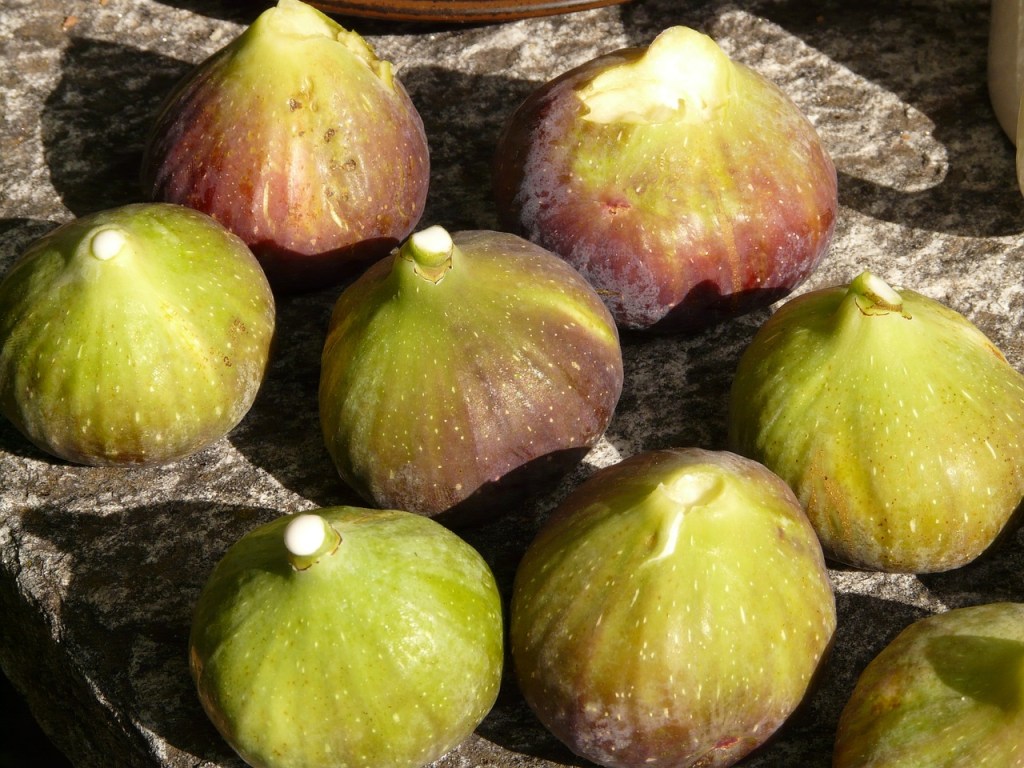
Most figs are tear-dropped in shape, although they may vary in size. The color of the skin can range from pale yellow or green to brown to red to purple to almost black. This color distinguishes the type of fig but tells you nothing about its taste. The fig’s interior or flesh will vary from a light amber to a pinkish-red to a darker red, almost berry-like color. Unlike the skin, the flesh color will give you an idea of its flavor.

According to The Fig Boss, the flavor profiles of figs can be broken into three categories – honey, sugar and berry.

  • Sugar – A fig with melon undertones, dried fruit “figgy” flavor, and often unique sugars.
  • Honey – Higher in melon flavor, accompanied by honey-like sugars and nectar.
  • Berry – Figs with pronounced berry or other fruity flavors

Although these are the main three flavor profiles that most experts will use, The Fig Boss likes to further refine the flavors into:

  • Sugar Berry
  • Melon Berry
  • Cherry
  • Complex Berry
  • Sugar Honey
  • Fruity Honey

Of the thousands of varieties, here are the ones you will most commonly find in grocery stores.

Mission (Black Mission)

Image by StockSnap from Pixabay
  • If you are fortunate enough to stumble across fresh figs in your store, the most common variety you will find is the Mission fig. It is also known as the Franciscana fig, named after the Franciscan missionaries who cultivated it in California in the late 18th century
  • It has purple or black skin with a light pink interior.
  • Its flavor is mellow with honey and earthy notes.
  • It will work well in most dishes that call for figs.

Brown Turkey (Turkish Brown Figs)

  • Another fig you might see in your stores is the Brown Turkey Fig.
  • It is larger than other figs with brown or reddish skin.
  • The flesh is light red to brown.
  • It has a mild flavor, much less sweet, less complex and less intense than the mission fig. The flavor notes are said to be of honey and hazelnuts.

Calimyrna

  • As noted above, this type of Smyrna fig was named Calimyrna when introduced to California. In grocery stores, it is often labeled Turkish figs.
  • Their skin is light green to yellow.
  • The flesh is pale pink.
  • It has a delicate flavor with nutty notes.

Kadota

  • This fig goes by many names: Dottato, Florentine, White Texas Everbearing and Peter’s Honey Fig.
  • It has creamy amber or light green skin.
  • The flesh is light pink or amber.
  • It is a seedless variety.
  • Although less sweet than other varieties, it does have notes of honey and fruit.
  • It tolerates being heated, making it a good candidate for jams and preserves.

When picking out figs at the store, they should feel soft but not mushy. You do not want to buy figs that are hard as they will not continue to ripen. It is perfectly fine to have some slight cracking or wrinkling of the skin. If they are past their peak, they might have a sour smell.

The entire fig is edible, although most remove the dense, fibrous stem. Eating out of hand is my favorite way of consuming figs, but they are also wonderful in other applications. Fig jam and preserves are very popular. Serving them as part of a cheese/fruit/nut platter is also classic. They are an excellent addition to salads, especially if the salad includes goat cheese.

Figs are delicious in this Pork with Figs & Balsamic Dressing recipe from BBC Food. They also make a simple but elegant dessert, as shown in this Fig Compote with Honey Crème Fraîche from Williams-Sonoma.

Figs are very perishable. Once you get them home, leave them in their clamshell packaging and store them in the refrigerator. They will last up to about a week. They never last that long in my refrigerator, and not because they go bad. It is because they get eaten very quickly.

I have never frozen fresh figs, but experts say it can be done. If you wish to try, keep them whole. Remove any very soft figs. Wash and dry them thoroughly. Arrange them on a baking sheet in a single layer, not touching each other. Freeze until sold and then transfer to plastic bags. They should keep up to 6 months. To use, thaw them and use them as usual. The texture will be softer, making them better for cooked applications than raw.

Are you lucky enough to have fresh figs on offer in your supermarkets? If so, grab them while you can. They won’t last long either in your store or your kitchen!

Cooking Tips · Ingredients

Serviceberries – a less well-known delicious fruit.

What is your favorite fresh berry? Strawberry? Blueberry? Blackberry? How about Serviceberry? The latter is a fruit that many of us have probably never heard of. I would not have if not for my husband’s foraging on his work campus. Read on in this Cooking Tip to learn what it is and how to use it in your kitchen.

If you haven’t heard the term serviceberry, perhaps you have heard some of its other names, such as Juneberry, Sarvisberry, Saskatoon berries, Shadberry, and Pigeonberry. Its scientific name is Amelanchier. Genetically speaking, serviceberries are not true berries but rather pome fruits similar to apples and pears. I will refer to them as berries.

Image by ghostpotato from Pixabay

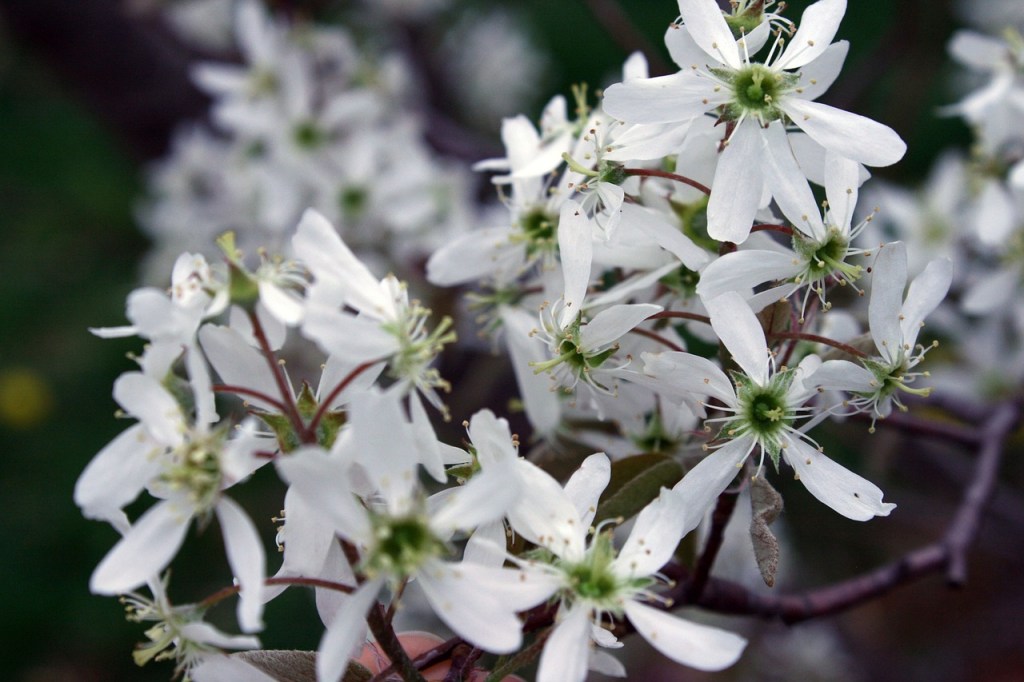
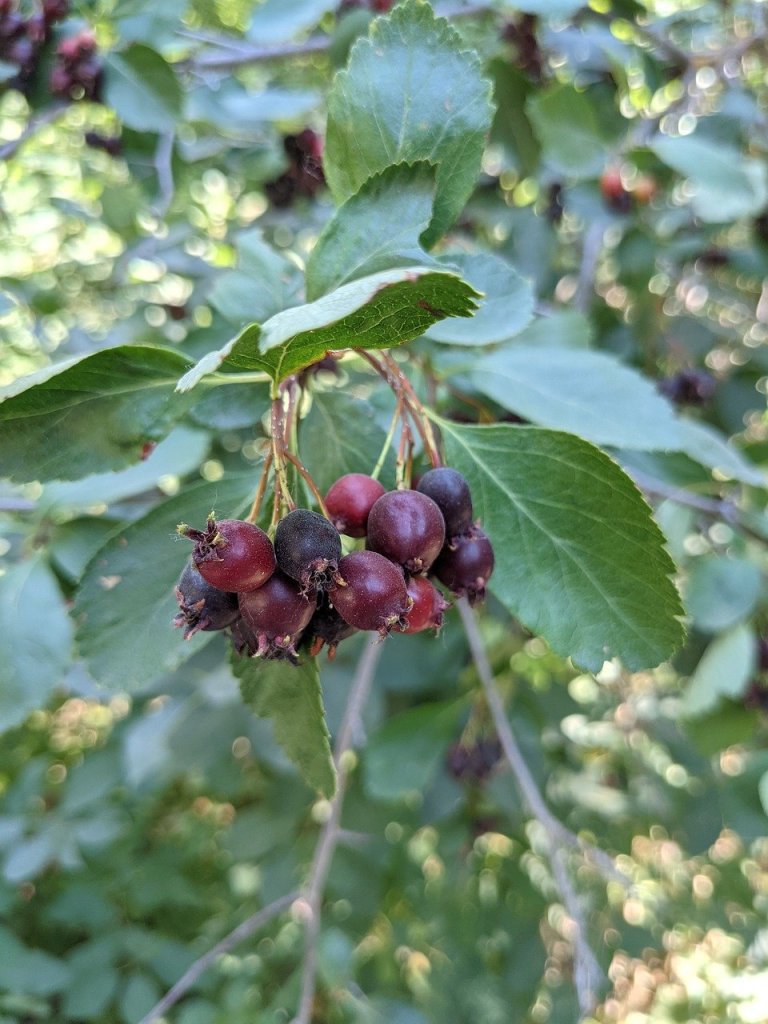
These berries grow on a shrub or tree, reaching up to 10 feet tall. These trees are native to North America and grow as far north as Alaska and as far south as Mexico. They produce pretty white or pink flowers in late April to May. The berries ripen from June to August and change from red to dark purple (the darker the color, the sweeter the flavor), and they are slightly larger than a blueberry. Later in the fall, the leaves turn a gorgeous profusion of reds, oranges and yellows.

Because this fruit is not found in supermarkets or farmer’s markets, if you want to try it, you will probably need to forage. Please see this prior Tip on Foraging before you venture out to do this. Make sure you know what you are foraging, as there are some poisonous plants out there that sport similar-appearing berries.

Image by ghostpotato from Pixabay

One expert describes the flavor as a “fusion of strawberry, blueberry and a hint of almond.” Sounds delicious, doesn’t it? Another claims it is “halfway between a blueberry and a grape … with a slightly nutty, almond-like aftertaste.” A third compares it to a cross between a blueberry and a nectarine.

The berries can be eaten raw but you can also use them in your kitchen in a cooked or dried form. You can substitute 1:1 for blueberries in your recipes, although some adjustments may need to be made as blueberries have a slightly higher water content.

Other ideas are:

  • Muffins
  • Pies
  • Cobblers
  • Pancakes
  • Puddings
  • Soups
  • Sausage fillings
  • Syrups
  • Sauces
  • Ice Cream
  • Smoothies
  • Salad topping
  • Jams

Native Americans have been known to use them medicinally for earaches, gastrointestinal distress, fevers and coughs. The stems, branches, and wood have also been used to make baskets, ropes and furniture.

Like other berries, the serviceberry contains antioxidants and other nutrients.

Serviceberries can be refrigerated in a ziplock bag in your produce drawer for a week or two. At room temperature, they can last up to five days. They are very thin-skinned and, therefore, fairly perishable.

Image by DivaDan from Pixabay

As my husband wanders around his work campus picking berries from the trees, others may look on and shake their heads. However, he is happy about that as it leaves more for him. Have you ever tried serviceberries? Look around your area to see if they are growing there, and see what you think!

Cooking Tips · Ingredients

Raspberries – A Summery Delight!

Are you a raspberry fan? Do you like to eat raspberries out of hand or just use them in a recipe? If you buy raspberries in a mainstream store, your only choice will probably be red raspberries. A look at my area’s three main grocery stores showed only that one variety. Did you know that there are other varieties out there for your enjoyment? That is the subject of this Cooking Tip.

There are said to be more than 200 species of raspberries. About 90% of those sold in the US come from Washington, California and Oregon. Besides the red raspberry, there are yellow and black ones. Even within these categories, there are many subcategories of each variety. Unless you grow your own, you will probably only find these non-red raspberries in specialty or farmer’s markets. Let’s look at the differences and whether you might want to search them out.

All raspberries contain wonderful vitamins, minerals and antioxidants. They are also low in calories and high in fiber. This makes them something to add to your diet whenever you can in whichever variety you can find.

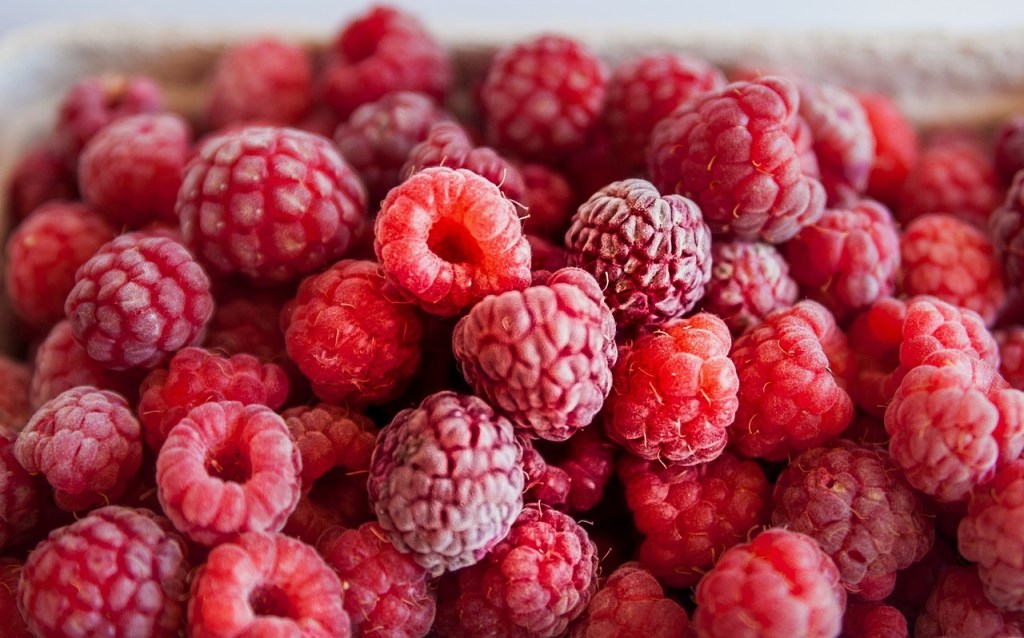
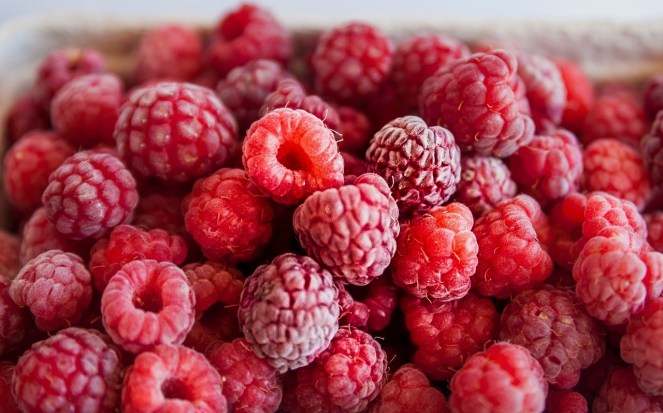
Red Raspberries

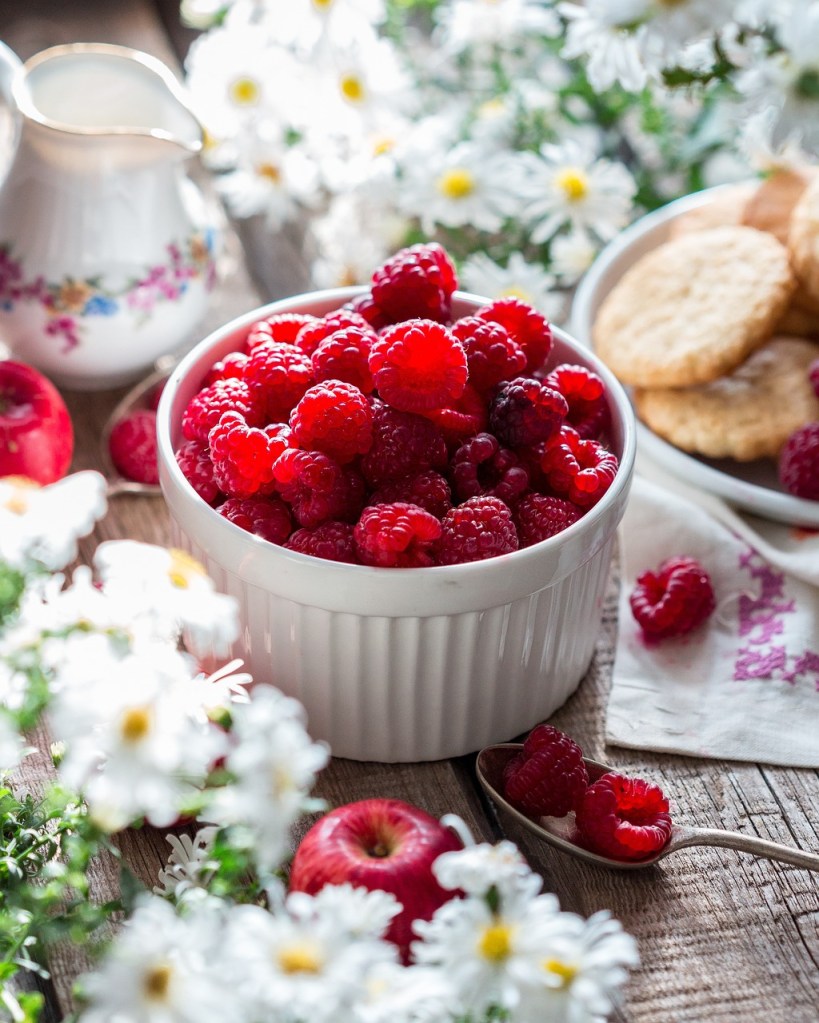
Image by Walter Bichler from Pixabay
  • This is the most common raspberry and the one most available in the average supermarket.
  • They ripen in late summer.
  • The color is red, and the deeper the red, the riper it will be.
  • A ripe raspberry will be sweet, but it does have a tart undertone.
  • They have fewer seeds than black raspberries.
  • They are juicer with a slightly firmer texture.

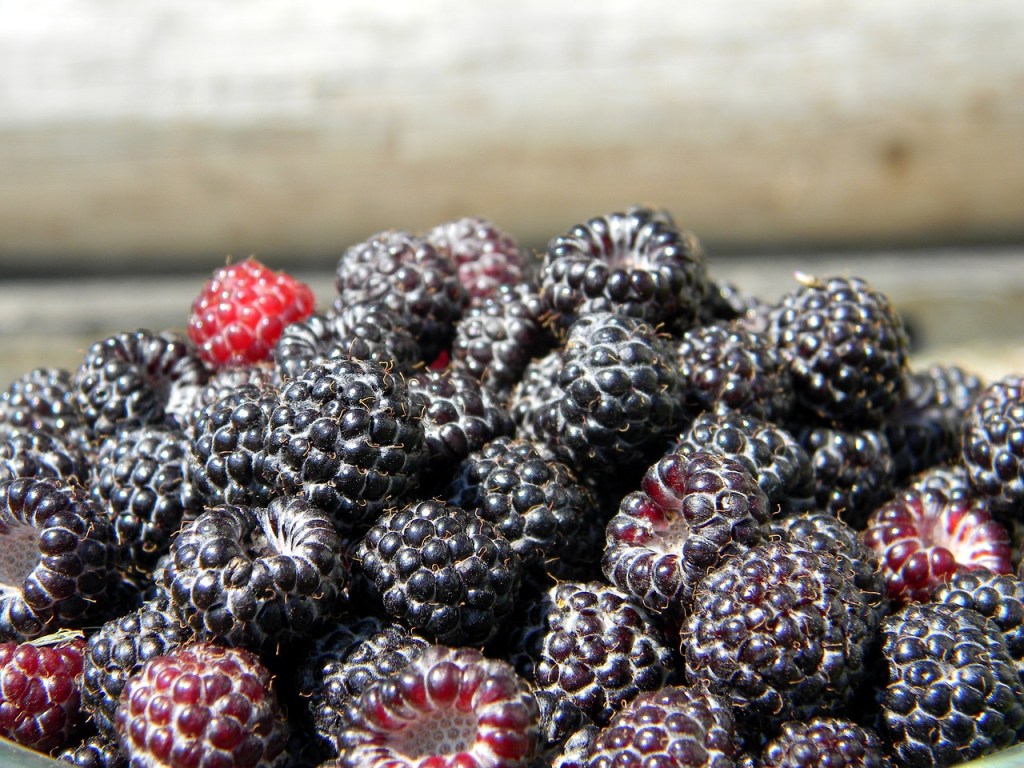
Black or Purple

Image by Alina Kuptsova from Pixabay
  • Another name for this raspberry is blackcap or black cap.
  • This variety is native to North America and can be found growing wild.
  • They have a short season of just 2-3 weeks in the summer, and the plants have a lower yield than other berries.
  • They have a more robust and complex flavor than the other varieties. Some describe it as slightly sweet and tart with woodsy notes.
  • They tend to be larger, have more seeds and are not as juicy as the red variety.
  • The appearance of a black raspberry is very similar to that of a blackberry. However, the black raspberry will have a hollow core when you look at the stem end, as the core stays on the vine when it is picked. With blackberries, the core stays within the berry when picked. Also, blackberries ripen later in the year than black raspberries.

Yellow

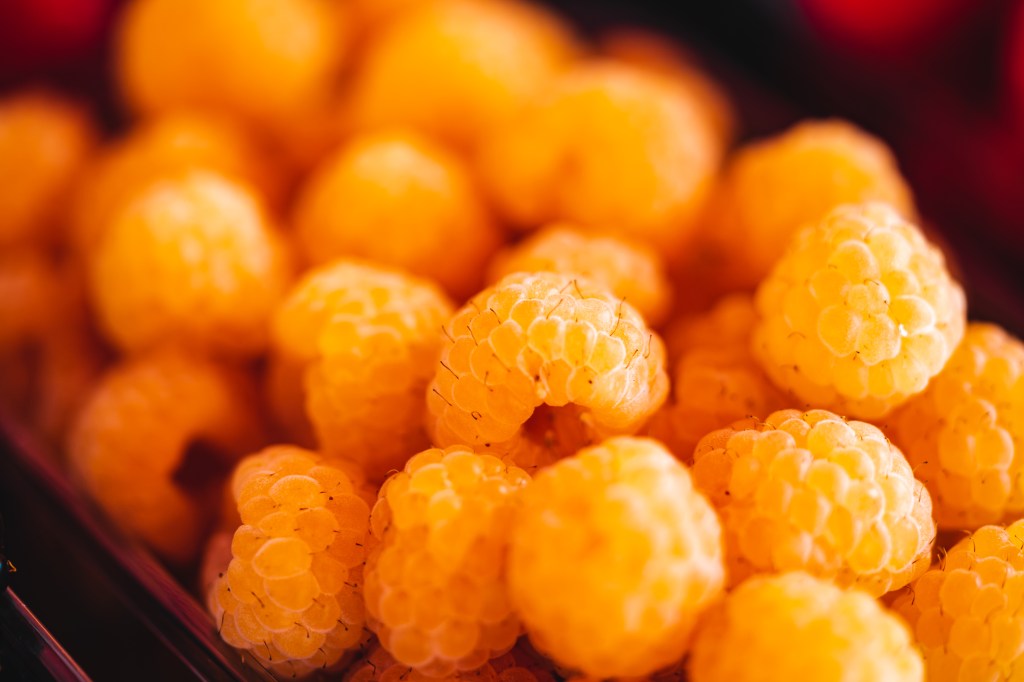
  • These pretty berries are also known as golden or gold raspberries.
  • The color can vary from pale yellow to gold to yellow-orange to yellow-pink.
  • Because these berries are less acidic, the flavor is sweeter, milder and less tangy. You might also notice floral and honey notes.
  • Although all raspberries are perishable, the yellow variety is even softer than the other varieties.
  • These berries ripen from late spring to early summer, although some varieties can have a second season in the fall.

Blue

You may ask why I haven’t mentioned the Blue Raspberry. After all, you see blue raspberry items all over the place. I haven’t mentioned it because it is not a real raspberry variety. Rather, it is an artificial flavor. The story probably goes back to the 1950s when red food colorings were coming under scrutiny. However, it was mainly popularized in the 1970s by the company ICEE. Wanting something that looked and tasted different from their signature cherry, they started using FD&C (The Food, Drug, and Cosmetic Act) Blue No. 1.

If you are buying raspberries in the store, it can be difficult to tell if they are ripe and they do not ripen after harvesting. Try to pick ones that are bright and deeply colored without soft spots. Once you get them home, look them over for any soft, mushy, or rotten berries. Remove and discard them to prevent the others from also going bad. Store them in your refrigerator in a single layer in a shallow container lined with a paper towel to absorb moisture. Since raspberries are very perishable and delicate, you should use them within a day or two or freeze them for later use. To discourage spoilage, do not wash them until just before eating.

Uses for raspberries

  • Eating out of hand
  • Salmon with a raspberry glaze
  • Raspberry fool or trifle
  • Jams
  • Pies
  • Filling for cakes or tortes
  • Sauces—One of the easiest is to make a raspberry coulis and pour it over ice cream. It is often made by cooking the berries with sugar, water and a touch of lemon juice. Once cooked down and the taste is to your satisfaction, it can be stored as is. Or, it can be pureed and strained for a more sophisticated sauce. It can also be made without cooking by just pureeing the berries with sugar and lemon juice. This will give you a fresher taste.

In our markets, we can purchase red raspberries year-round. As with any fruit, it will be much tastier if you buy it in season. Head to your nearest farmer’s market to try some that were picked only the day before and, hopefully, be able to purchase some of the non-red variety. Fortunately, my husband is growing a red, a yellow and two black. I can’t wait to try them!

Cooking Tips · Ingredients

Bananas – is there anything to know?

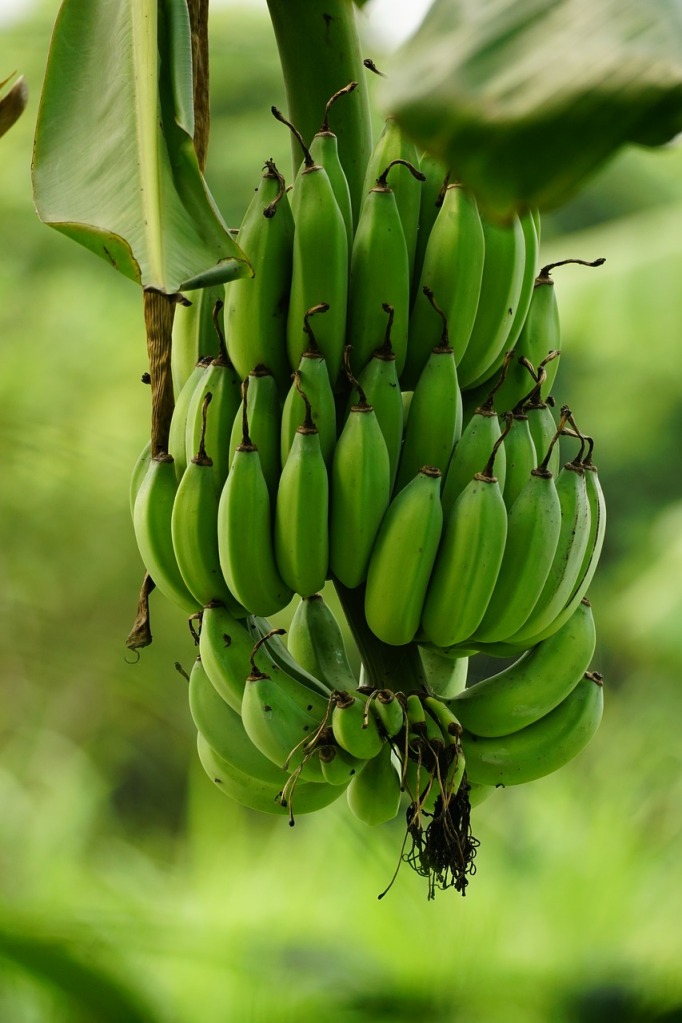
Image by Duy Le Duc from Pixabay

If you were asked to name your top three or four favorite fruits, would bananas be on that list? They certainly would be on mine. Other than eating them as a snack, there is much more to know about bananas. In this Cooking Tip, we will explore all about the wonderful banana.

Americans have been importing bananas since 1870. An American businessman (Lorenzo Dow Baker) brought 160 bunches from Jamaica to the US. He subsequently started the Boston Fruit Company. This later merged with Tropical Trading & Transport Company and became United Fruit Company.

Although there are hundreds of varieties of bananas, we rarely see more than one or two in our stores.

Cavendish Banana

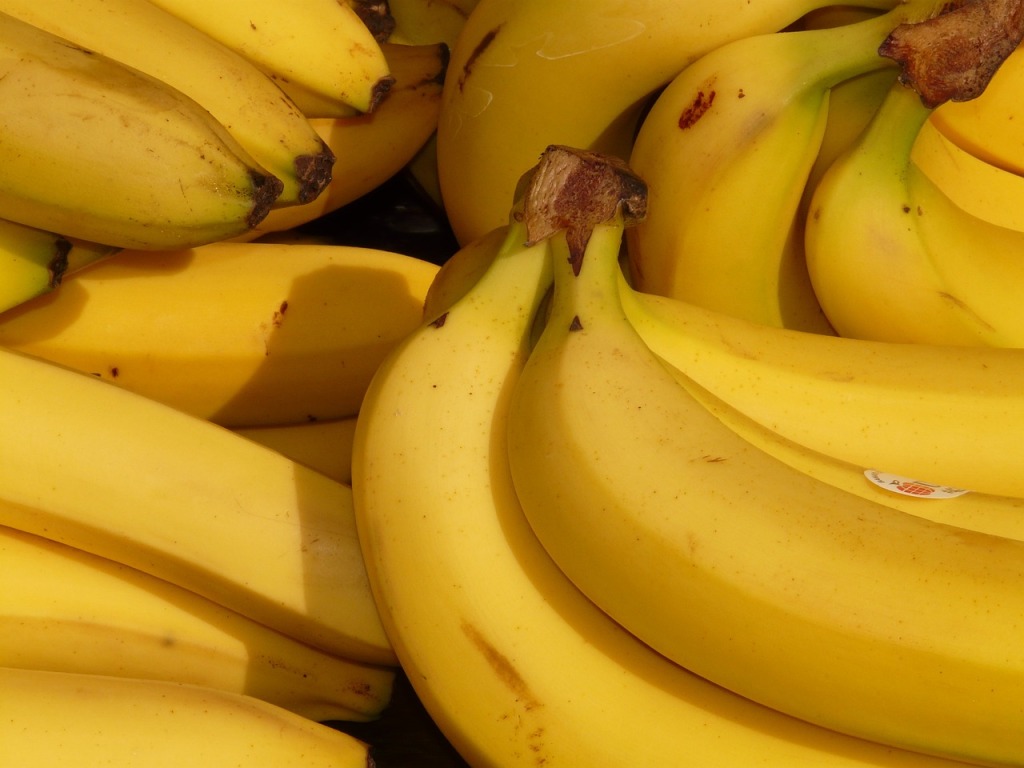
Image by Hans from Pixabay
  • This is the typical banana that we see in the stores.
  • It represents 47% of all global production and 99% of bananas sold in the US.
  • It is easily recognized by its yellow peel and white flesh.
  • The flavor is slightly sweet and has a somewhat creamy texture.
  • The best uses for the Cavendish banana are eating out of hand and in desserts.

Plantain

  • If you see another variety, it will most commonly be the plantain, which is a relative of the banana.
  • The color can be green, yellow or black. The latter is the color when it is fully ripe.
  • The flavor is mild, but due to its high starch and low sugar content, it is not nearly as sweet as the Cavendish.
  • Texture is firmer.
  • The best use is in savory dishes. Cook them as you would potatoes.
  • It is notoriously difficult to peel. One recommended method is to cut off both ends and slice tip to tip. Then, remove the peel under cold running water side-to-side.

Other varieties exist, although it is unlikely you will find them in the average supermarket. Names you might see are Red Bananas, Baby Bananas, Gros Michel Bananas, Nam Wah Bananas, Mysore Bananas, Pisang Raja Bananas, Lady Finger Bananas, Senorita Bananas, Blue Java Bananas, Manzano Bananas, Apple Bananas, and Lady’s Finger Bananas.

Ripening Process

A common topic around bananas is the ripening process – either speeding it up or slowing it down.

Speeding Ripening

Paper Bag

A typical piece of advice is to put your unripe banana in a paper bag for a few days. The thought is that the bag traps the ethylene produced by the fruit, which is what causes ripening. Some also say that putting another piece of ripe fruit (typically an apple) in the bag will release even more ethylene, making the ripening even faster. Not everyone agrees that this works as well as advertised, though. The critics do not feel it speeds ripening very much, but they do find it leads to more even ripening.

Warmer Temperatures

Placing your bananas in a warmer area, higher than 75°F, does speed ripening. Some will put them on top of the refrigerator for this purpose.

Oven Ripening

Because higher temperatures help with ripening, some will put the bananas in a low oven, about 250°F. The problem is that although they soften and darken in color, they do not get noticeably sweeter. Microwaving bananas leads to similar results.

Egg Yolk Ripening

If the bananas are destined for a cooked preparation, adding an egg yolk to them and letting them sit for about 30 minutes can speed up ripening. The theory is that the amylase in the egg yolk breaks down the starch into sugars. For more information, see this article by Stella Parks.

One of the primary uses for ripe bananas is banana bread. You might ask if you really need such ripe fruit for this purpose. Cooks’ Country tested this by making three loaves – one with green fruit, one with yellow and one with very ripe brown. The first difference they noticed is that mashing the bananas is much easier with brown bananas. They also found that the riper the banana, the more flavorful the bread. Banana bread made with green bananas tasted less sweet and more vegetal. The loaf was also taller, drier, and had a more open crumb. This was contrasted with the loaf made with ripe fruit. It was moist, dense, and had a compact crumb. The bananas in between had a good texture but less banana flavor. This all makes sense if you think of what happens as bananas ripen. Some of the starch is converted to sugar. This gives more sweetness and acts like a liquid in baked goods, leading to a moister and more tender bread.

Slowing ripening

Cooler temperatures

Just as warmer temperatures can speed ripening, cooler temperatures can slow ripening by reducing the production of ethylene and acids. For this to work, they should be stored below 65°F. Refrigeration certainly works, but it also causes the skin to turn dark.

Taping the stem end

Although there is debate on why this method works, it does slow ripening. You may occasionally even see this done in the stores.

Separation

Separating the bananas rather than leaving them in a bunch might slow ripening a bit.

Freezing bananas

  • Most of us have probably thrown bananas that were getting too ripe in the freezer, which is a perfectly acceptable method for preserving them. To do so, choose fully ripe bananas.
  • You may put them whole in a freezer container or slice them crosswise into rounds that are ½- to ¾-inch thick. Place the rounds in a single layer on a baking sheet. Freeze, uncovered, for an hour. After an hour, they start to stick to the sheet, so some like to slightly move them at this point and then return to the freezer for another hour. When solid, store in freezer containers.
  • Although you can leave the peel on, it is tough to remove once frozen. It may also decrease the quality of the frozen bananas.
  • Frozen bananas are best used in smoothies, ice cream, pies, banana bread, and pancakes.

How do you like to use bananas? Is it just good ole banana bread? How about Bananas Foster, banana cake, cupcakes, pancakes or muffins? Or do you have a more unusual method of using bananas? For me, just eating them, particularly if they are chilled, is the way to go!

Cooking Tips · Ingredients · Techniques

Smoothies – Friend or Foe?

Smoothies have never been a part of my daily routine. I suspect, though, that many of you do make smoothies regularly. They are one of those items that do not require a recipe. Instead, some general principles will help you make whatever smoothie you want. That, along with a discussion on the healthfulness of smoothies, are the subjects of this Cooking Tip.

Smoothies are thick, creamy beverages made by pureeing together fruits and vegetables with liquid and, at times, add-ins such as nuts and seeds. All smoothies start with two essential ingredients: a base and a liquid.

Popular ingredients include the following.

  • Fruits such as berries, bananas, apples, peaches, mango, avocado, pear, grapes and pineapple.
  • Vegetables might be kale, spinach, arugula, romaine, bok choy, Swiss chard, collards, wheatgrass, microgreens, cucumber, beetroot, cauliflower, or carrots.
  • Nuts and seeds could be in the form of nut butter, or items such as chia seeds, and flax meal.
  • The liquid can be as simple as water but might also be fruit juice, vegetable juice, milk, non-dairy milk, coconut water/milk, iced tea, or even cold brew coffee.
  • Dairy items such as cottage cheese or yogurt are common.
  • Sweeteners might include maple syrup, raw sugar, honey, pitted dates, simple syrup, fruit juice concentrates, stevia, ice cream, or sorbet.
  • Some people like to add nutritional and herbal supplements such as spirulina, bee pollen, matcha powder, protein powder, and powdered vitamin or mineral supplements.

There are different categories determined by the basic ingredients.

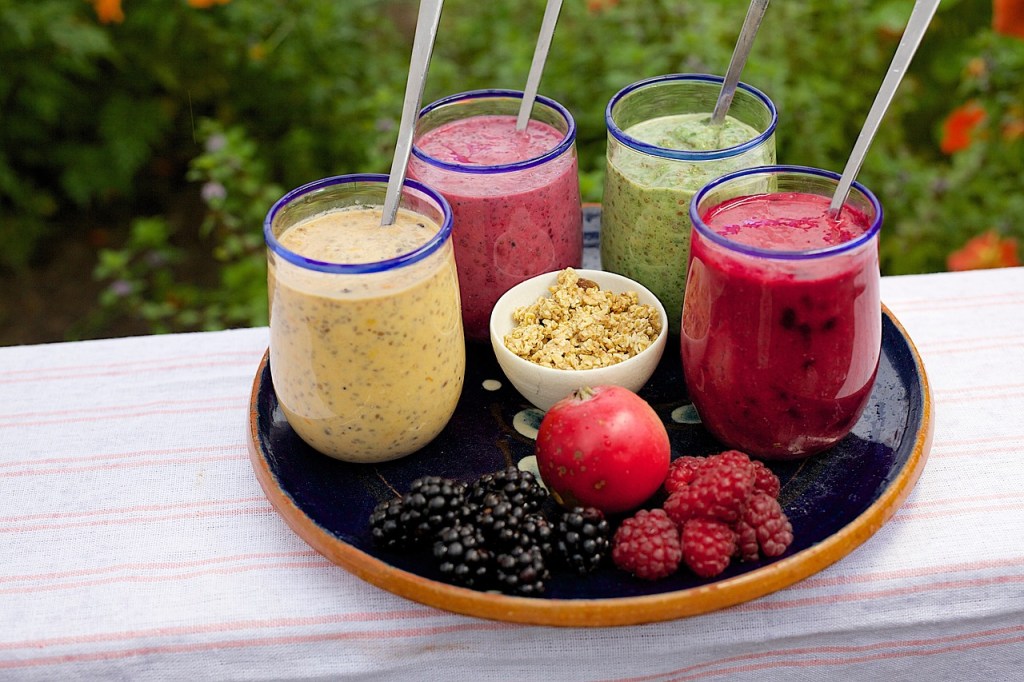
Image by Raul Florinto from Pixabay
  • Fruit smoothies usually consist of one or more types of fruit blended with fruit juice, water, milk, yogurt, or ice cream.
  • Green smoothies usually contain fruit for sweetness, but they also include leafy green vegetables in a larger proportion.
  • Protein smoothies usually consist of one fruit or vegetable, a liquid, and a significant protein source, such as Greek yogurt, cottage cheese, silken tofu, or protein powder.

Smoothies are popular because they are seen as healthy. They can be very healthy, but they also have some drawbacks.

Here are some positives about smoothies.

  • They usually contain a significant amount of healthy nutrients.
  • They help you to eat more fruits and veggies if you do not eat them in the whole form.
  • They are convenient and portable for those on the go.

Here are some of the cautions.

  • Sugar—The major problem with smoothies is that they often contain a significant amount of added sugar. This is especially true of commercially prepared smoothies, as opposed to homemade versions.
  • Calories – depending on the ingredients and the smoothie size, some can contain over 1000 calories, not exactly a low-calorie snack. The suggested serving size of a smoothie is 5 ounces, far less than most people consume.
  • Fiber—Although smoothies can contain a significant amount of fiber if you make them from whole foods, they still will not contain the same amount of fiber as if you were eating the whole foods without blending them.
  • Satiety—Although smoothies may be satisfying in flavor, they may be less so in satiety. It is typical for those drinking smoothies to become hungry again soon afterward, particularly if the smoothie lacks protein or fiber.

To make a healthier, more filling, and pleasant-tasting smoothie, follow this advice.

  • Choose whole fruit, not juice.
  • Add leafy greens. Research has shown that cooking the greens increases their mineral and antioxidant content. Therefore, steam or blanch them, puree them and then freeze them in ice cube trays. Once frozen, store them in a freezer bag.
  • Try to sweeten only with the natural fruit without adding any other sweeteners.
  • Increase the fiber content by adding oats, oat bran, psyllium husks, or chia seeds.
  • Include healthy fats by adding ground flax, chia seeds or flax oil. Alternatively, add nut butter or avocado.
  • Add protein in the form of yogurt or even a protein powder.
  • Blend the ingredients in stages. Most recommend blending the leafy greens and liquid together first, then adding the fruits and blending again.
  • Some will use ice to increase the thickness, but you may also use frozen fruit instead of ice.
  • Some like to make their smoothies using a 60/40 ratio. That is 60% fruits and 40% leafy greens. For example, 2 cups leafy greens, 2 cups liquid, and 3 cups ripe fruit.
  • Homemade smoothies are generally much healthier than ones you purchase in stores or cafes. You can control the amount of sugar in them and amp up the healthy ingredients. The most nutritious smoothies utilize whole foods, contain little or no added sugar, and include a balanced amount of carbohydrates, fiber, protein, and healthy fats.

As the weather is warming up, many people turn to smoothies. Just be aware of what you are drinking and, even if it is a healthful smoothie, it is only one part of a healthy diet that should rely more on whole foods rather than just smoothies.

Cooking Tips · Ingredients

Cantaloupes – Try the different varieties

Cantaloupes are my absolute favorite fruit to feast upon during the summer. Because the melons in the supermarket are often not ripe and are somewhat tasteless, I am happy that my husband grows them for me. This also allows me to enjoy different types of cantaloupes I cannot get at the stores. Some stores have sold some of these other varieties in recent years, and I encourage you to buy them if you can find them. In this Cooking Tip, I want to explore cantaloupes to help you pick the best. Of course, nothing beats the flavor of a melon picked off the vine when ripe. If you do not have the luxury of doing that, read on for some varieties to search out.

Most of the US cantaloupes are grown in California, followed by Arizona. They are, though, grown in other states in limited quantities. These states are Georgia, South Carolina, Florida, Texas, Indiana, Illinois, Pennsylvania, Colorado and Maryland.

Image by droberson from Pixabay

The classic cantaloupe we see in our stores is Cucumis melo Reticulatus, which refers to the net-like appearance of the skin. They can be seen in all food markets during the summer months. For some stores, that is all you will see. Many other varieties can be grown in your garden, but you will probably only see one or two other types in the store. Here are a few you might be able to find.

Tuscan melon

This melon is a cultivar from two Italian melons. In the US, Tuscan-style melons were introduced by Dulcinea Farms (now owned by Pacific Trellis Fruit) in 2004. Subsequently, the company also introduced Tuscan Style Extra Sweet, which they say is an improved version.

They look similar to our standard cantaloupe but usually have more prominent green or yellow stripes on the exterior. They have a sweeter flavor than the regular cantaloupe. Also, the flesh becomes softer and sweeter as the stripes change from dark green to lighter green to tan.

Charentais melon

As the name implies, this is a French heirloom variety. It is said to have originated in the Charentes region of France. Being associated with the French town of Cavaillon, which holds an annual festival (Fête des Melons), it is sometimes called the Cavaillon melon. Most pure Charentais melons are grown in France and are not exported due to the fact that the soft skin and flesh mean the melons do not survive shipping. Therefore, the ones we see in the US are probably a hybrid and have been crossed with North American cantaloupes.

It is usually smaller than the standard cantaloupe, and the flesh is more orange. The exterior varies from grey-green to pale green with dark green stripes. The stripes will darken as it matures, and the exterior will develop a yellow hue.

It is one of the sweetest melons you can buy and is widely touted as the best melon in the world.

Sugar Kiss melons

A hybrid melon that originated in Taiwan, it was bred to have superior flavor and texture. The name comes from the high sugar content, creating a beautiful taste. The texture is one that melts in one’s mouth. Unlike other melons, they are only harvested when ripe.

They are part of a proprietary line of melons called Kiss melons. Other melons in this line are Golden Kiss (a hybrid of the European Charentais), Honey Kiss (a Chinese variety), Summer Kiss (a native of Israel said to be a mixture of cantaloupe and honeydew) and Kiss Limón (sweet and tart with citrus notes).

Until recently, they were easily recognizable in stores as they were packed in blue netting. This year, I found some labeled “Sugar Kiss” but not packed in the netting. The flavor was not as wonderful as the Sugar Kiss from prior years. Besides the taste, what makes me wonder about the melon I purchased is this statement from the growers about why they use the netting. They do not state that they are no longer packing the melons in this manner.

The general advice I wrote in this Cooking Tip on picking fresh fruit does apply to melons, although there are exceptions. This advice is:

  • Weight – ripe fruit tends to feel heavy compared to its size. If the fruit feels light, it is either unripe or perhaps over-ripe.
  • Pressure – pressing gently on the fruit should yield some give.
  • Aroma – ripe fruit should be fragrant but not overpowering.
  • Color – A light green color on fruit usually indicates that it is not ripe.

Some varieties, such as Sugar Kiss melons, naturally have minimal aroma even when ripe. Also, the lack of a green color may not always be accurate. According to the California Cantaloupes website, the primary type of cantaloupes once grown in California were called “Western Shippers.” Because these cantaloupes produce ethylene, a gas that speeds ripening, they tend to spoil fairly quickly. Due to this, fewer of these have been planted; as of 2022, they say only a few Western Shippers are grown.

The main type of California cantaloupe now grown is a newer variety. These do not emit ethylene, which means a longer shelf life. This also means that they do not give off the same sweet smell. Growers call these LSL (Long Shelf Life) and ESL (Extended Shelf Life), although you will not see them labeled as such in the stores.

California Cantaloupes claim they are sweeter due to a higher sugar content. They do want us to understand some differences that stray from the general advice listed above.

  • Pressure – the flesh is firmer, and the exterior shell is harder. This helps to achieve a longer shelf life. If the blossom end (the end opposite the stem) begins to show a bit of cracking and gives when gently pressed, it is an indicator of ripeness.
  • Aroma – they lack that prominent melon aroma. I have personally noticed that today’s cantaloupes do not have a nice aroma, and this may be why.
  • Color – these new varieties may often have a somewhat green hue. The growers advise us not to be deterred by this slightly green cast.

If you love cantaloupes as much as I do, I hope this information will help you get the best melon possible. If you have never tried other varieties, I encourage you to seek them out. I have faith that they will elevate your melon-eating experience!