Cooking Tips · Ingredients

Chili – My go-to freezer meal

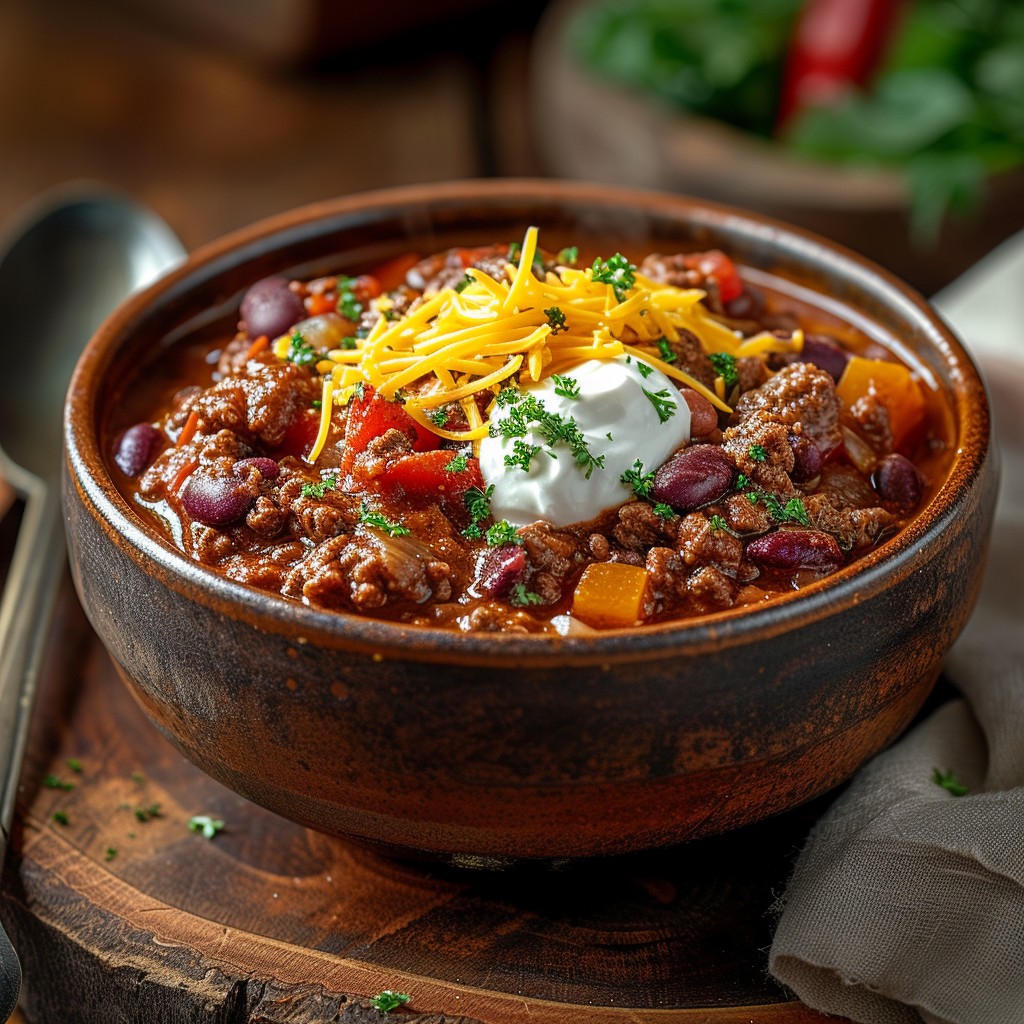
Photo courtesy of Stockcake

If you are like me, there are busy days when the last thing you want to do is cook dinner. Those are the nights I reach for pre-done dishes in my freezer. One item I have in my freezer year-round is chili. I have my favorite recipe (see below), and I am sure you have yours. Chili can be a polarizing topic – beans, no-beans, beef, chicken, etc. This Cooking Tip will parse out some of those differences.

For me, I want both meat and beans in my chili, but others disagree. I really do not care about the different chili categories; I just want it to taste good. Others, though, feel passionately about what recipe can be called by what name.

Typical ingredients found in chili recipes include the following. Note, though, that regional differences exist.

  • Meat – beef, pork, turkey, chicken
  • Beans – kidney, black, pinto
  • Vegetables – tomatoes, onions, bell peppers
  • Chili peppers
  • Spices – cumin, chili powder, garlic, paprika, Mexican oregano
  • Toppings – jalapenos, onions, cilantro, cheese, sour cream, tortilla chips, bacon, avocado, lime wedges

The International Chili Society (ICS) is the sponsor of national chili cook-offs. For their purposes, they break chili into four categories.

Traditional Red Chili

  • Any kind of meat (or combination) cooked with red chili peppers, spices and other ingredients.
  • Beans, rice or pasta are not allowed.

Homestyle Chili

  • Any kind of meat (or combination) and/or vegetables cooked with beans, chili peppers (any color), spices and other ingredients.

Chili Verde

  • Any kind of meat (or combination) cooked with green chili peppers, spices and other ingredients.
  • Beans, rice or pasta are not allowed.

Vegetarian Chili

  • Any kind of vegetable, or meatless product cooked with chili peppers, spices and other ingredients.
  • Beans are allowed but not required.

Chili is one of those dishes that varies by region of the country. Here are a few of the most popular versions.

Chili Con Carne

  • Specialty of Texas
  • Other names include Texas Red, Traditional Red, Bowl of Red.
  • Typical ingredients are beef, red chili peppers, paprika, cumin and Mexican oregano.
  • Everyone agrees that authentic Texas chili does not include beans.
  • There is a bit of debate about whether tomatoes are allowed.

Cincinnati Chili

  • Specialty of Ohio
  • Also known as Skyline Chili
  • This chili is more of a sauce than a stew-like dish and is served as a topping over spaghetti.
  • Usual ingredients are beef, tomato paste, cinnamon, nutmeg, cloves, allspice, chili powder and cumin. It may also include cocoa powder.

Hoosier Chili

  • As the name implies, this chili hails from Indiana.
  • It is similar to Cincinnati chili, but the recipe calls for mixing the spaghetti (or elbow macaroni) into the chili.
  • It has more of a soup-like consistency.
  • A standard recipe includes beef, beans, tomato juice, pasta and chili powder.

Tavern Style Chili

  • This is also called Springfield chilli (spelled with two “l”s), named for the city in Illinois.
  • It is characterized by the use of beef suet or tallow, which lends an oily layer on top.
  • Other ingredients include beef, beans, tomato juice, chili powder, cumin, and at times, beer.

Oklahoma Chili

  • Named for the state, this type of chili resembles Texas red chili with beans.
  • Usual ingredients include beef, beans, tomatoes, tomato sauce/paste, chili powder, cumin and oregano.

Kansas City Chili

  • Hailing from Missouri, this is not just one type, but can have many variations.
  • Recipes usually include beef and/or brisket or pork shoulder, beans, tomatoes, Worcestershire sauce, cumin and chili powder.

Chili Verde

  • This is the green chili known throughout New Mexico.
  • It uses the Hatch green chili, which is grown in the town of Hatch, New Mexico.
  • Another difference from most chili is that the meat is pork shoulder, not beef.
  • Other ingredients include green chilis, tomatillos, and garlic. Other optional ingredients are onions, cumin, Mexican oregano and cilantro.

White Chili

  • White chili has become very popular and is white due to the absence of red meat and tomatoes.
  • It is made with chicken, white beans, mild green chilis and other spices.
  • It is typically less spicy than other types of chili.

Turkey Chili

  • This could be termed a white chili, but it is made with lean turkey rather than chicken.

My favorite chili would probably fall into the ICS Homestyle Chili category, as it has both beef and beans. It began as a recipe published in a 1978 Better Homes & Gardens cookbook. I have made some alterations to the recipe, and this is what is in my freezer at all times. The name is Spicy Hot Chili, but I tend to moderate the spice to a lower level.

Another source of chili recipes is the International Chili Society’s website. You can check out the winning recipes here. Link to ICS Chili Cookoffs Winning Recipes

Whether you just make chili occasionally or it is a freezer staple as it is at my house, it is a delicious and filling meal. I hope you have your own favorite style!

Equipment · Ingredients

Christmas Food Around the Globe

Image by HANSUAN FABREGAS from Pixabay

All of you could probably describe the typical American Christmas dinner, although many of us may put our own twist on it. What about other countries? How do they celebrate Christmas at the dinner table? This Cooking Tip will explore the traditions of a few other countries.

England

  • Main dishes & accompaniments
    • The main dish that sits on most English dinner tables is roast turkey, although you might also see roast goose or prime rib.
    • The number one accompaniment to the meat is roast potatoes, often cooked in goose fat.
    • Other sides are pigs in blankets, which are sausages wrapped in streaky bacon (not in pastry as in the US), Brussels sprouts, braised red cabbage, cranberry sauce, parsnip puree and Yorkshire pudding. The latter is similar to popovers.
  • Desserts
    • Traditional English desserts are heavy with dried fruits and spices. This might be in the form of mince pies, Christmas pudding or Christmas cake.
    • Christmas pudding is also called figgy pudding or plum pudding. It is cooked by steaming and contains dried fruit, spices and alcohol. Although not as prominent today, there is something called Stir-up Sunday. That tradition involves making the Christmas pudding on the last Sunday before Advent. All the family would take turns to stir clockwise, east to west, to mark the journey of the three wise men while making a wish for the year ahead.
    • Christmas cake is a spiced fruitcake that is baked in the oven and is less dense than Christmas pudding.
    • Mince pies initially started savory, using a “mincemeat” filling. Today, they are made with a mixture of dried fruit, spices and sugar.
    • A Yule log is a chocolate-covered cake shaped like a log that spread from France to the UK.
    • An English trifle is a dessert made of layers of cake, custard, whipped cream and fruit or jam.
    • Sticky Toffee Pudding is a moist date-based sponge cake served warm with a toffee sauce.
Image by jorono from Pixabay

France

  • Christmas dishes & traditions will differ by region of France.
  • Le Réveillon de Noël – This is Christmas Eve dinner and is the most important meal during the Christmas season. Traditionally, it was not served until after midnight mass. Today, most partake of this meal much earlier.
  • Appetizers/Starters – any of the following might be served at the beginning of the meal.
    • Escargot (snails)
    • Caviar
    • Shrimp
    • Oysters
    • Scallops such as Coquilles Saint Jacques
    • Foie gras, especially with a slice of spiced bread (similar to gingerbread) and fig jam.
    • Gourgères (cheese puffs)
  • Main course and accompanying sides
    • The meat course might be turkey, capon, duck or guinea fowl and is often stuffed with foie gras or a chestnut or other type of stuffing. Less traditional would be Beef Wellington or a fish course.
    • Potatoes are common and may be in the form of pureed potatoes, Gratin Dauphinoise or Duchesse potatoes.
    • Risottos
    • Gnocchi
    • Haricots Verts Amandine – green beans with almonds
  • Salad & cheese course – as is typical with French meals, the main course is followed by a salad course and a cheese course.
  • Dessert
    • The most classic dessert is Bûche de Noël, also known as a yule log and is a chocolate sponge cake put together and decorated like a log in the forest in winter.
    • Other little sweet bites might be chocolate truffles, cookies, nougat or candied fruit.
    • In Provence, one might see Les Treize Desserts (Thirteen Desserts), which is a symbolic arrangement of sweets, nuts, nougats, and fruits representing Christ and his apostles at the Last Supper.
Image by jorono from Pixabay

Italy

  • Just as in France, the dishes served at Christmastime are regional in nature.
  • The Christmas Eve meal is known as Cenone della Vigilia. It is a very important dinner centered around fish and vegetables.
  • Many Americans think of the Feast of the Seven Fishes and assume it is what is served in Italy on Christmas Eve. It is, however, an Italian American tradition. It does not exist in Italy, although their Christmas Eve meal is also seafood-focused.
  • Starters
    • Seafood salad
    • Shrimp cocktail
    • Stewed eel
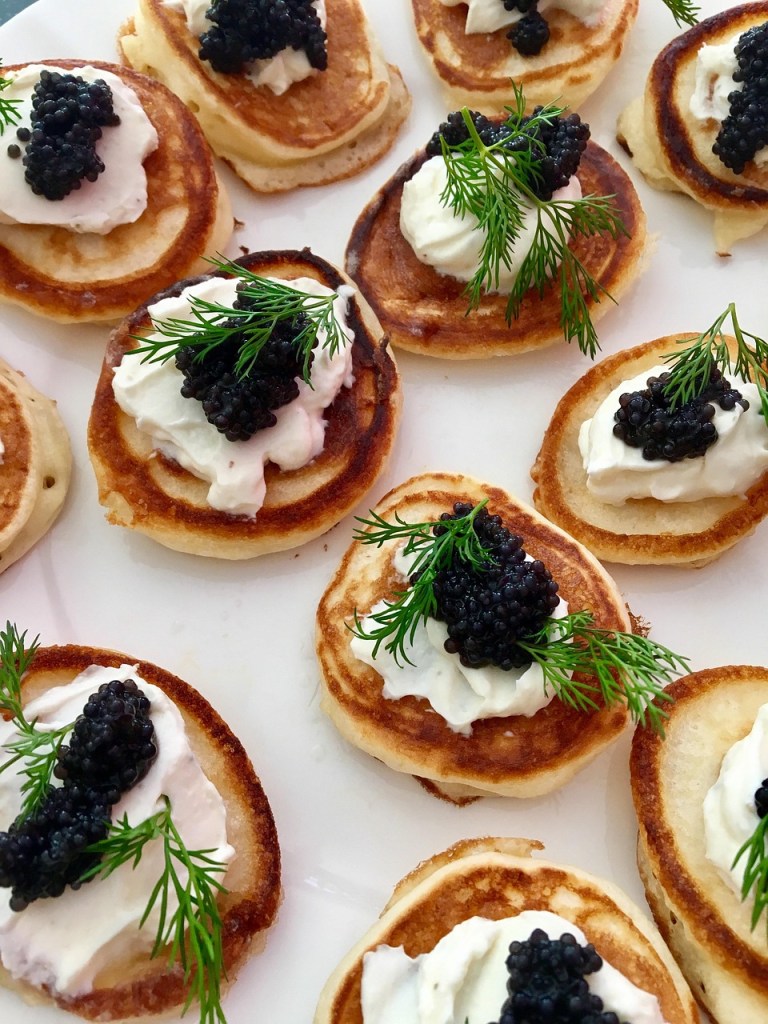
    • Canapés such as smoked salmon, caviar, or tuna mousse
  • First course
    • Pasta dishes such as spaghetti with clams, salmon penne or fish ravioli
    • Rice dishes such as scampi risotto are also typical.
  • Main course
    • Baked sea bass
    • Grilled prawns
    • Fried salt cod
  • Christmas Day lunch is more meat-based and can last for hours. Here are examples of dishes that might be served at this hearty lunch.
  • Appetizers
    • Cured meats and cheeses
    • Insalta Russa or Russian salad – This is a mixture of diced vegetables and mayonnaise.
    • Savory pies filled with spinach, ricotta or cured meats.
    • Marinated vegetables
  • First course
    • Northern Italy – tortellini in brodo
    • Piedmont – agnolotti
    • Central Italy – lasagna, cannelloni
    • Southern Italy – pasta al forno, fusilli al ragu
  • Main course
    • Northern Italy – roast beef, veal, polenta, roast potatoes
    • Central Italy – roast lamb, rabbit
    • Southern Italy – roast lamb, honey-glazed duck
  • Desserts
    • Panettone – This is the tall, dome-shaped sweet bread we see in bakeries that is filled with candied fruit and raisins.
    • PandoroThis is a soft, buttery cake that is shaped like an eight-pointed star and dusted with icing sugar to resemble snow. It is often served with a drizzle of chocolate or cream.
    • Cartellate is from Puglia and is a sweet dough that is rolled out, coiled and fried.
    • In Sicily, you will find struffoli, small dough balls that are fried and coated in honey & colorful sprinkles.
    • Tuscany showcases panforte, a chewy, dense fruitcake from Siena that is flavored with honey, cloves, coriander, cinnamon and white pepper. Siena also boasts a dense and chewy almond cookie called ricciarelli.
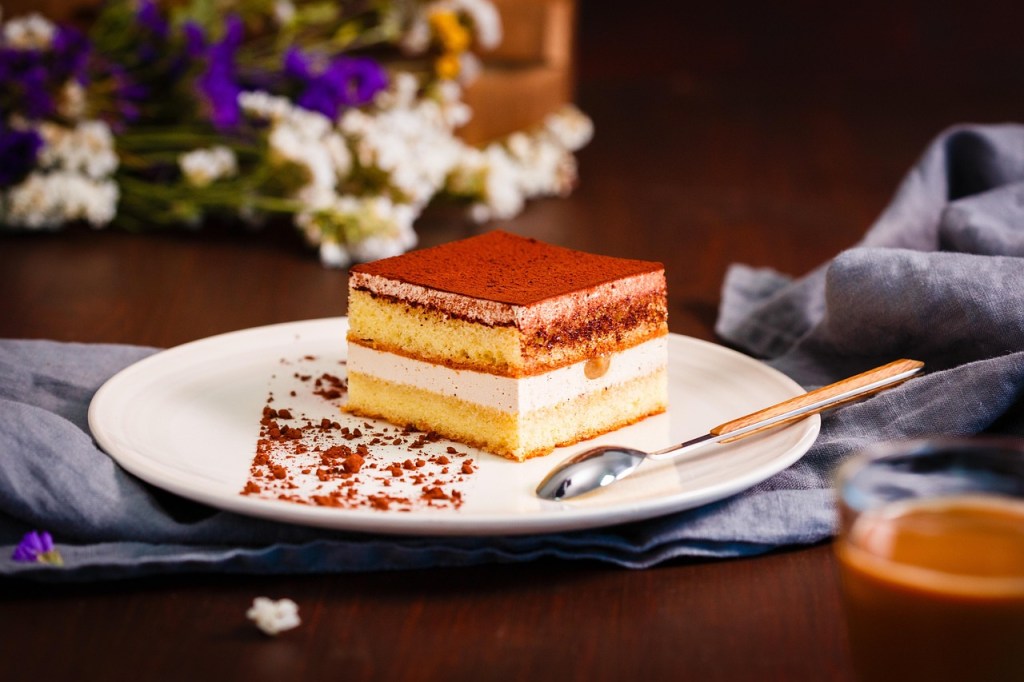
    • In addition, one might find tiramisu and the nougat candy called torrone.
Image by jorono from Pixabay

Mexico

  • Pork is the meat of choice for many Mexicans for a Christmas meal. It is often coated with a spice mixture.
  • Carne Asada is also common.
  • Tamales are very traditional at Christmas.
  • Soups and stews such as pozole, codfish or beef stew, and menudo (tripe and hominy) are often served at this time.
  • A dish called Romeritos is made from the romerito plant and paired with baby potatoes, nopales, and dried shrimp. It is cooked in a rich mole sauce.
  • Ensalada de Noche Buena is a fruity Christmas Eve salad.
  • For dessert, one might find the following.
    • Bunuelos – large rounds of fried dough covered in cinnamon sugar.
    • Marranitos – pig-shaped cookies
    • Churros
    • Rice pudding
    • Cake

You may be a person who only serves a traditional American Christmas meal. If you want to switch it up a bit, try introducing just one or two of these dishes from other countries. Or, if your family will allow it, why not serve a French, Italian or other nationality Christmas?

Whether you say Merry Christmas, Happy Christmas, Joyeux Noel, Buon Natale or Feliz Navidad, I hope it is a wonderful time with friends and family and great food!

Cooking Tips · Ingredients

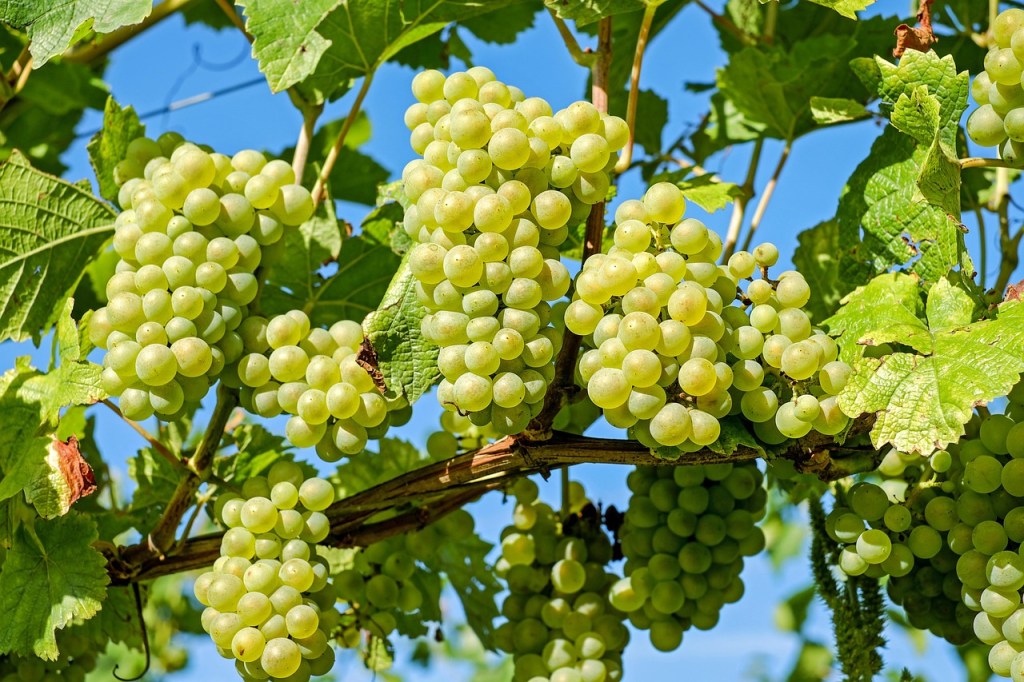
Dried Grapes – Aren’t they all raisins?

Image by Couleur from Pixabay

We all know what raisins are, and we can easily purchase them in both regular and golden forms. Once in a while, you may run across a recipe (especially from the United Kingdom) that calls for sultanas or currants. This Cooking Tip will explore what those dried fruits are, their similarities and differences.

Raisins

  • Many people use the term “raisin” as a sort of general name for any dried grape. However, different grapes are used to make different raisin-like products.
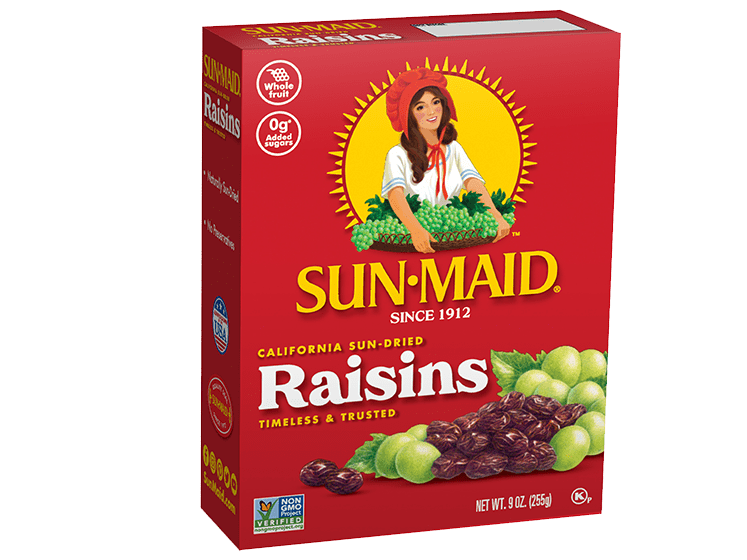
  • According to the company Sun Made,
    “About 90-95% of raisins are made from the Thompson Seedless variety of grape, which includes Selma Pete, DOVine and Fiesta. The remaining percentage is made up of varieties including Flame Seedless, Ruby Seedless and Sultana.”
  • Some say the latter term, Sultana, is just another name for Thompson Seedless. This is a pale green grape, but as they are dried, they darken in color, becoming what we know as a “raisin.”
  • If the drying process is in the sun, they are known as “natural” raisins. The drying process takes about two to three weeks.
  • A vine-dried grape is just what the name says. The grapes are left hanging on the vine to dry. This takes longer than ordinary sun-drying, requiring several weeks. According to the organization, California Grown,
    “This process allows the grapes to retain their flavor without taking on any unwanted flavors from sunburn. The resulting vine-dried grape is plump, meaty, juicy, and delicious.”
  • A third method of drying is mechanical. This requires the grapes to be treated with an alkaline solution to aid in the loss of moisture. Then, mechanical driers blow air past the grapes to continue the drying process. This entire process takes about two days.
  • Raisins are larger than sultanas or currants.
  • They have a soft and chewy texture.
  • The flavor is somewhat intense and caramel-like.

Sultanas

  • Sultanas are also known as Golden Raisins. They are typically made from the same green seedless grapes as raisins, Thompson Seedless.
  • The processing is different in that they are not sun-dried. Instead, they are put inside dehydrators and then treated with sulphur dioxide to stop oxidation and preserve the lighter color.
  • As compared to regular raisins, golden raisins have a softer texture and a higher moisture content.
  • The flavor is milder and somewhat sweeter.
  • They are smaller and juicier than regular raisins.

Currants

  • Things get a bit confusing with currants. There are plants that produce small berries known as redcurrants or blackcurrants. These plants are related to gooseberries.
  • Dried currants, though, are not made from these actual currant berries. Just as with raisins, they are dried grapes. The grapes used are smaller and seedless. The variety is typically Black Corinth or Carina grapes.
  • They are often called Zante currants, referring to the fact that the grape originated on Zante, a Greek island.
  • They are smaller than either kind of raisin.
  • Their texture is firmer than raisins.
  • The flavor of Zante currants is tangy and slightly tart.

Choosing which to use

As with many things, using the type of dried grape that your recipe calls for is best. However, if you want a sweeter and juicier fruit, use sultanas. For a deeper flavor, choose raisins. If you want a tart note, currants will be the best.

There you go – raisins, sultanas and currants demystified!

Cooking Tips · Ingredients

Nutmeg & Mace – Two Spices in One

As we approach the holidays, one spice you probably use more at this time of the year is nutmeg. In this Cooking Tip, we will explore just what nutmeg is, how to use it and how it is related to mace.

This spice is native to what were called the Spice Islands of Indonesia. These islands are located northeast of Indonesia, between Celebes and New Guinea. Today, these islands are called the Moluccas. Most nutmeg comes from these islands along with the West Indies, but it is also grown in South Africa, Grenada and Sri Lanka.

In its natural stage, nutmeg is really two spices in one. The part we are most likely to recognize is the inner kernel surrounded by a shell. Wrapped around this shell is a reddish lacey covering, called mace. It grows on trees that can reach up to 75 feet high. As the fruit ripens, it splits open, revealing the red lacey covering. This will be stripped off, dried and sold and used as mace. The remaining shell-like part will be dried in the sun until the nutmeg kernel rattles in the shell. These are then broken open, and the nutmeg kernels are removed.

Both nutmeg and mace are warm spices, although mace has a more delicate flavor with citrus notes. I will discuss them separately.

Nutmeg

Form

  • Nutmeg may be purchased whole or ground. Here is a link to a reputable source, Savory Spice. As I discuss in my Spices Cooking Tip, whole spices do have advantages over the ground variety. This is especially true with nutmeg, as ground nutmeg quickly loses its essential oils, resulting in a product that has lost its potency and flavor.
  • Whole nutmeg can last indefinitely if stored properly. This means storing it in a tightly sealed jar or container in a cool, dark place. You must grate it before using. The most typical way to grate it is using a microplane. Only grate what you need. Freshly ground nutmeg will be stronger and more potent than the bottle of ground nutmeg. Because of this, you may want to use a bit less of the fresh than of the pre-ground and adjust as needed.

Uses

  • Although Americans tend to use nutmeg more in baking, its use is not limited to sweet applications. It is more widely used in countries where it is grown. In the Caribbean, it is used in jerk seasoning as well as pastries and other desserts. In Indonesia, it is a component of curries and savory sauces. It is used in lamb dishes in Africa and the Middle East. It is also a common seasoning added to béchamel sauce. It works well with potatoes, squash, pork and lamb as well as cooked spinach and soft, tangy cheeses. On the sweet side, it is often added to baked or stewed fruit, custards and eggnog.
  • Both nutmeg and mace are also commonly found in spice blends such as pumpkin pie spice, quatre épices, ras el hanout and garam masala.
  • When using nutmeg, do so in moderation. Most dishes only require a small amount. Using too much can result in an overwhelming and bitter flavor. It is better suited to providing a background note.
  • In excess, nutmeg can be toxic. Experts say it only takes two to three teaspoons of this spice to make a toxic dose. A 10-year study done by the Illinois Poison Center listed the following as the most common effects among 30 cases of nutmeg toxicity.
  • Hallucinations
  • Drowsiness
  • Dizziness
  • Dry mouth
  • Confusion
  • Seizure (in two cases.

Substitutes

  • Nutmeg is very easily found in supermarkets, but if you are looking for a substitute, you may consider the following.
  • Mace – this is probably the best substitute.
  • Others that some recommend include garam masala, pumpkin pie spice, cinnamon, allspice, ginger, or ground cloves. As all of these alternatives tend to have more intense flavor profiles, use them sparingly when substituting.

Mace

Form

  • Mace is found in “blades”, which can be ground in a spice blender. It will be more difficult to find in stores, but it can be purchased online.
  • Just as with nutmeg, pre-ground mace loses its delicate notes quickly.

Uses

  • Most say that mace is lighter, subtler and sweeter than nutmeg. Serious Eats describes it as a “cross between nutmeg and coriander tinged with citrus and cinnamon.”
  • Mace is often used in savory dishes such as sauces, stocks, sausages, chutney and meat pies. It is also nice when nutmeg would be too heavy. For example, white fish, chicken, light dairy, pork, cookies, cream soups and fruit.
  • Some recommend toasting mace before using it, especially in Indian dishes.

Substitutes

  • The best substitute would be nutmeg. Experts differ on how the substitution should be done. Some recommend using equal amounts of nutmeg and mace. Most chefs would advise using only half as much nutmeg as mace. America’s Test Kitchen is a standout because it recommends using double the amount of nutmeg compared to mace.
  • Other possible substitutes are similar to those for nutmeg, including allspice, cinnamon, ginger and pumpkin pie spice.

Is nutmeg or mace on your list of holiday spices? How about branching out and trying it in savory dishes? You just might be pleasantly surprised.

Cooking Tips · Ingredients

Pumpkin Spice – Where’s the Pumpkin?

Courtesy of Pixaby

Every fall, some people eagerly await the “Pumpkin Spice” season, while others dread it. No matter where you fall on that spectrum, do you really know what it is and what the name means? That is the subject of this Cooking Tip.

The first thing to know is that there is no pumpkin in pumpkin spice. In fact, pumpkin has minimal natural flavor. According to King Arthur Baking, raw pumpkin is up to 90% water, which explains why it is so lacking in flavor.

Pumpkin is a type of squash. As you will learn from this Cooking Tip, Libby’s Pumpkin Puree is made from a Dickinson squash. As for classic pumpkin pie, one of the best you will ever make doesn’t even use pumpkin. Instead, it uses roasted butternut squash. Check out this recipe.

A pumpkin pie without some version of pumpkin pie spice would be very sad indeed. The deliciousness comes not from the pumpkin, but from the other ingredients, including the added spices. The blend of spices that gives pumpkin pie its characteristic flavor is known as pumpkin spice or pumpkin pie spice.

Each producer of pumpkin spice has their own recipe, but the most commonly included spices are the following.

  • Cinnamon
  • Ginger
  • Nutmeg
  • Cloves
  • Allspice

You can certainly buy bottles of pumpkin pie spice. McCormick even produces a liquid extract titled “Pumpkin Pie Spice Blend Extract.” If you do not think you are going to use a purchased bottle of pumpkin pie spice before next year, it would be better to make your own. It will be fresher, you only have to make how much you want to use, you can alter the ratio of the ingredients to match your preferences, and you won’t have a bottle of something that you are not using taking up precious space.

People like to talk about before and after the Pumpkin Spice Latte that Starbucks created in 2003. Pumpkin spice as a spice blend certainly existed long before then. A cookbook from 1798 actually has a couple of recipes in it that use nutmeg and ginger, as well as allspice and ginger. However, this Starbucks beverage created a new cult following for this flavoring profile, and decades later, it shows no signs of slowing down.

It is a trend that is not limited to Starbucks. Look at these other products cashing in on the Pumpkin Spice craze.

  • Dunkin’ Pumpkin Spice Goldfish
  • Target Favorite Day Pumpkin Spice Whipped Cream
  • Pumpkin Spice Cheerios
  • Pepperidge Farm Pumpkin Spice Cheesecake Cookies
  • Great Pumpkin Imperial Ale
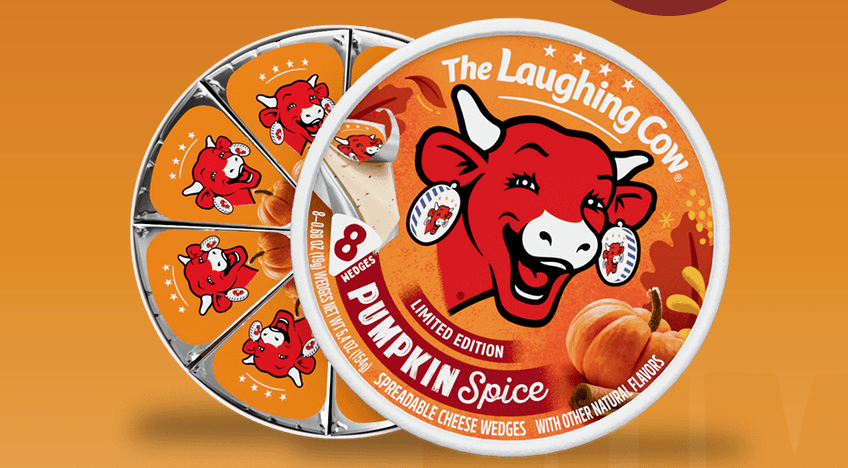
  • Laughing Cow Pumpkin Spice Cheese Wedges
  • Ghirardelli Pumpkin Spice Caramel Chocolates
  • Pepperidge Farm Pumpkin Spice Milano Cookies
  • Pumpkin Spice Popcorn
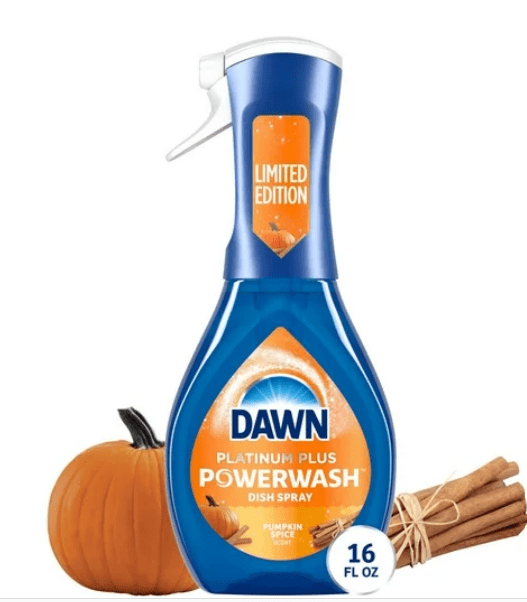
  • Dawn Pumpkin Spice Powerwash
  • Dunkin Pumpkin Munchkin Creamer
  • Air Wick Pumpkin Spice Essential Mist
  • Febreze Air Mist Pumpkin Roll

Do you enjoy the pumpkin spice season? What’s your favorite product?

Cooking Tips · Ingredients

Pickles – A supermarket shelf of options

Almost all of us have likes and dislikes among foods. One food that is definitely on my dislike list is pickles – or anything that undergoes the pickling process. The only time they make it into my shopping cart is when my husband requests them. I typically look at the shelves of pickles and have to search my memory for the variety he likes. If you are the same, this Cooking Tip is for you, as we will delve into the world of pickles.

The word “pickle” can be either a noun or a verb. As a noun, it refers to food that has been preserved in a brine or vinegar solution. The verb applies to the process of preserving food in this brine or vinegar mixture. In this Cooking Tip, we will stick with pickle as a noun.

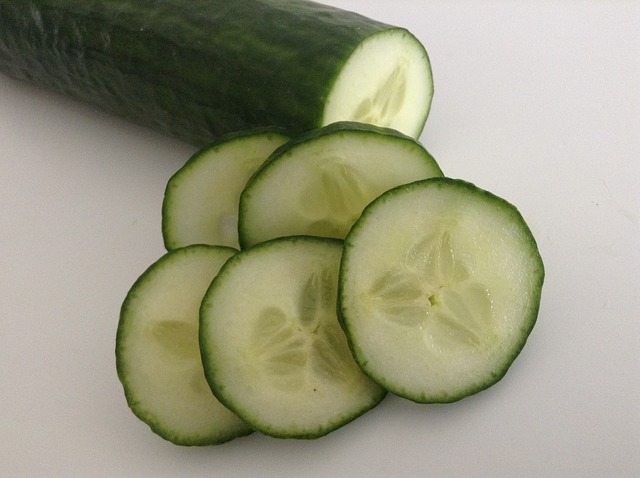
Many kinds of food can be pickled. What we all think of as the average pickle, though, starts as a cucumber. Here is a list along with descriptions of some of the most common pickles.

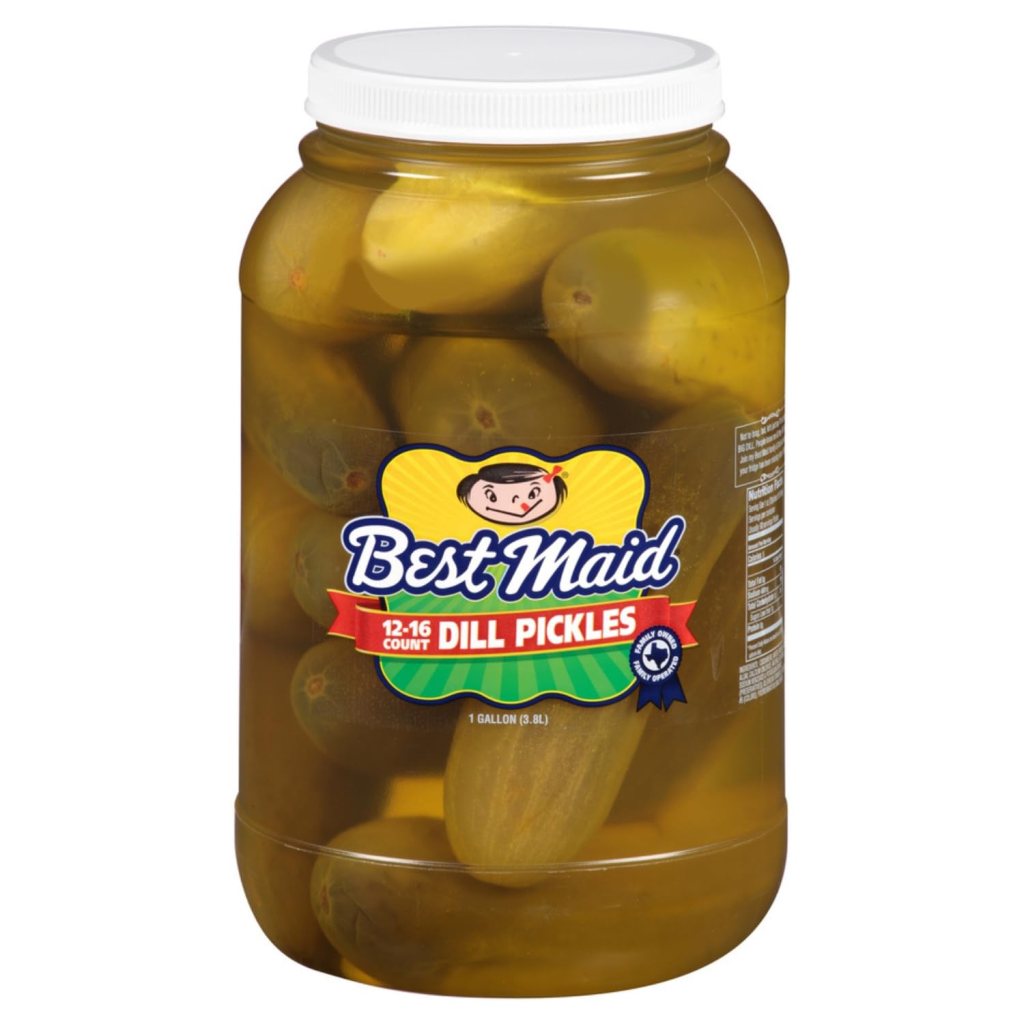
Dill pickle

  • This is the most popular pickle.
  • The brine is made with abundant amounts of dill in all its forms.
  • Dill pickles have a strong and herbaceous flavor.

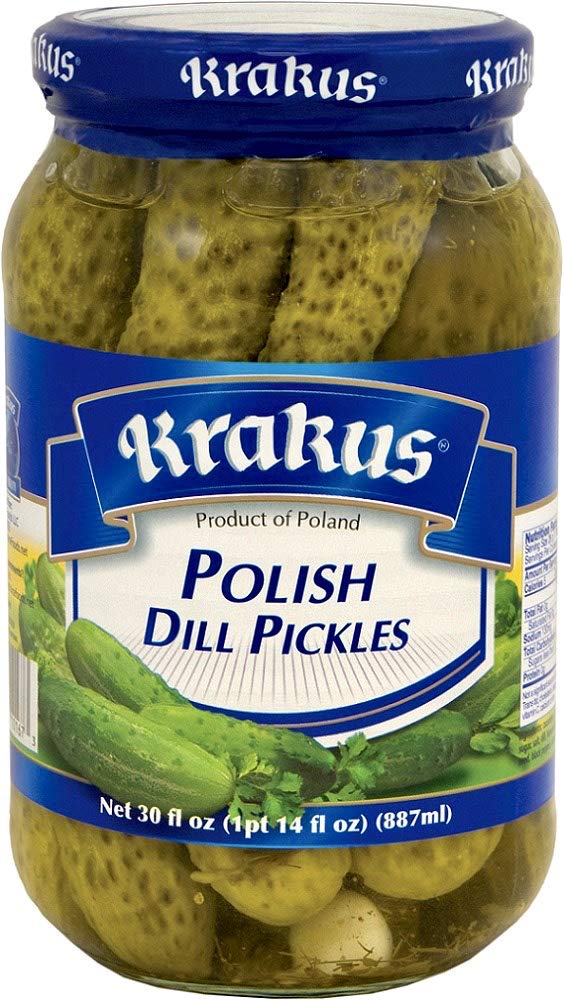
Polish/German Dill

  • These undergo an extended processing time in wooden barrels, which impart a unique flavor.
  • The Polish variety contains more spices and garlic than traditional dill pickles. They tend to have a peppery bite.
  • The German variety has sugar added to the brine, giving them a sweet-sour flavor.

Refrigerator/Overnight dill

  • These are soaked in a brine for a short period of time (overnight to a few days) in the refrigerator.

Sweet Pickles

  • Sweeter than other pickles as they are made with sugar, vinegar, and spices.

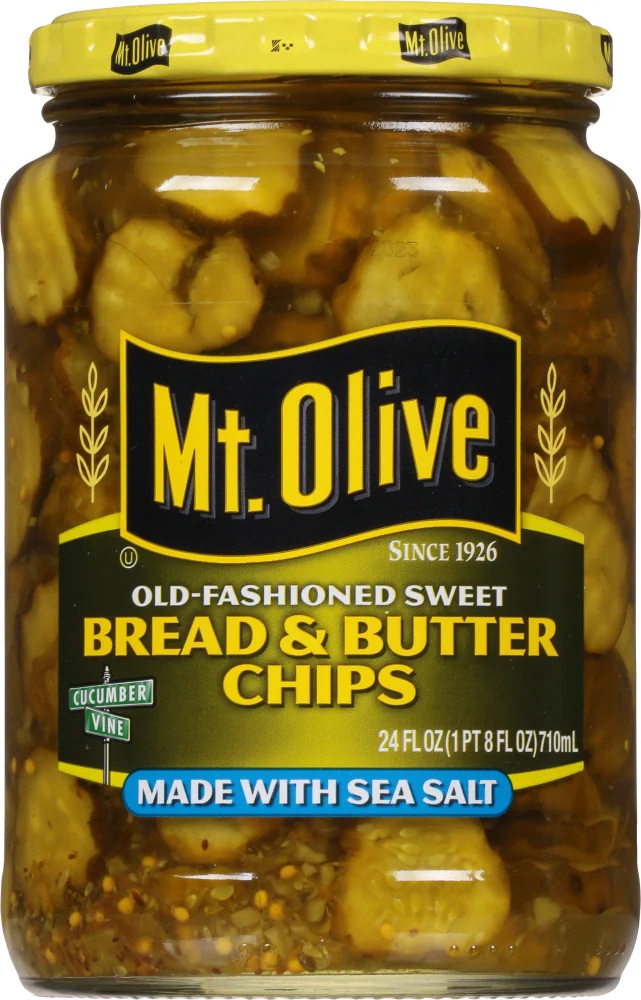
Bread & Butter Pickles

  • Bread & Butter pickles tend to be made with vinegar, salt, sugar, mustard seeds, coriander seeds and celery seeds.
  • They have a tangy taste with sweet notes.

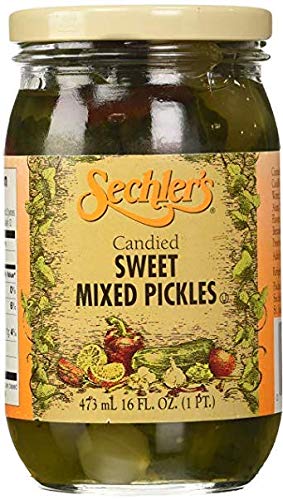
Candied Pickles

  • As their name implies, these are pickles soaked in a syrupy sugar &vinegar solution for at least a week.
  • They are much sweeter than sweet pickles because of the sugar concentration of the soaking solution.

Gherkin Pickles (baby pickles)

  • Gherkins are made from small cucumbers with bumpy skin. These cucumbers are mainly used for pickling.
  • Gherkins are usually jarred whole.

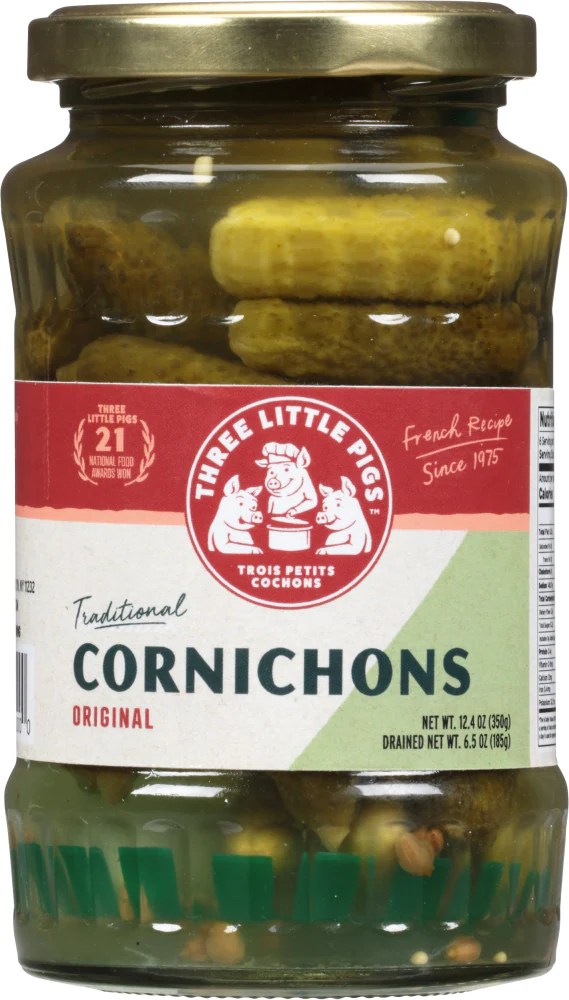
Cornichon

  • This is the French word for “gherkin”.
  • Some varieties of cornichons are sweet, and others are brined with tarragon.

Sour pickles

  • These pickles are fermented not with vinegar, but in a brine of water and pickling salt.
  • There are two varieties – half-sour and sour. The latter is fermented for twice as long as the former.
  • Actual fermentation times depend on the company, but they are said to range anywhere between a week and a few months.
  • Some sources say that if they are eaten before six weeks, they are called half-sour. After that time, they are termed sour.

There are other pickle types, including some unusual ones such as Kool-Aid pickles and Cinnamon pickles. However, the pickles mentioned above are the ones you will most likely see in your supermarket. I hope this Tip will help you as you stare at the supermarket shelf trying to decide what to buy.

Cooking Tips · Ingredients

Caraway Seeds – For more than just rye bread.

Photo courtesy of Pixaby

Caraway is a spice with a flavor that can be a bit polarizing. It is not extremely common in American pantries, although it is elsewhere in the world. This Cooking Tip will explain what caraway is, how to use it, and whether there are any substitutions.

Caraway comes from a plant in the parsley family. Holland is said to be the largest producer of caraway. It is also grown in a few other parts of Europe as well as in the United States.

In the US, caraway is probably most well-known for the characteristic flavor of rye bread. It is much more common in European, Asian, and African dishes. Examples are sauerkraut, sausage, cabbage dishes, cheese dishes, and soups.

The seed is small, measuring less than ⅛ inch in length. They are dark brown in color and have a crescent-shaped appearance. The aroma is pungent. The flavor is described as sweet and tangy with licorice notes that are similar to anise.

Although you can buy ground caraway, it is much preferable to buy caraway seeds in whole form. Savory Spice has an excellent supply of Dutch caraway. (This is an affiliate link and I may earn a commission if you decide to purchase.) Since it is a spice that you will probably not use frequently, you want it to stay fresh as long as possible. Since the whole seeds stay fresh much longer (up to 2 years), you will get more use out of the whole form. Also, most recipes will call for the whole seeds. Some people find the whole seeds somewhat unpleasant to chew. In that case, you may want to put them in a spice bag or cheesecloth to allow for easy removal.

Caraway seeds are one of many spices that benefit from a quick toast in a dry pan over low heat. Once they become fragrant, remove them from the heat and allow them to cool before using. You may then crush or grind them in a mortar/pestle or use them whole.

As with all spices, store in an airtight container away from light, heat, and moisture.

Since caraway is not the most common of spices, many ask about substitutions. There are some you can try, although none will be an exact replacement.

Anise Seeds

You may consider anise seeds, which will impart a similar licorice note. Anise can have a stronger flavor, which you should take into consideration if you substitute. This will work best in baked goods such as bread and cookies.

Fennel Seeds

Another choice would be fennel seeds. Fennel is more commonly found in Italian and Indian dishes, especially Italian sausage. This spice can also give a licorice flavor. However, caraway’s flavor is more earthy and nutty, while fennel is somewhat sweeter with a stronger licorice note. Fennel will do better in dishes with long cooking times, such as soups, stews, and curries.

Nigella Seeds

Some recommend nigella seeds, although they are not easily found in supermarkets. Their use is better in dishes such as soups and stews, as well as breads.

Dill or Star Anise

Other possibilities include dill seeds and star anise. The latter can be very powerful, so start with a small amount.

Cumin Seeds

Cumin seeds are in the same family as caraway, and visually, they look very similar to caraway seeds. Their flavor profiles, however, are different. Whereas caraway has that licorice flavor and sweet notes, cumin is nuttier, warmer, and more savory in flavor. They are not good substitutes for each other.

What can you use caraway seeds in?

  • Rye, pumpernickel, and spiced breads.
  • Potato salad or coleslaw.
  • Sauerkraut dishes.
  • Add to cooked carrot and potato dishes.
  • Add to a cheese dip.
  • Add to cabbage dishes.
  • A good meat pairing would be pork.

Do you have caraway in your pantry? Have you ever used it? I hope this short Cooking Tip will help you use it to its fullest potential.

Cooking Tips · Ingredients · Techniques

Almonds – Not just for snacking!

Image by Pictavio from Pixabay

Almonds are certainly a popular snacking nut. In the stores, you can see flavors from just salt to honey to dill pickle to wasabi to habanero. They are also used in both sweet and savory recipes and come whole, sliced, and slivered. I have written a prior Cooking Tip on the differences and when to use which form. In this Cooking Tip, I want to discuss other products made from almonds.

Three culinary products that are made from almonds are Almond Paste, Marzipan, and Frangipane. All are made from a base of almonds and sugar, but depending on the desired product, they may also contain eggs, flour, butter, and flavoring extracts.

Almond Paste

Courtesy of Odense
  • Almond paste consists of pureed almonds, sugar, water, and maybe flavoring. The two main brands we see in our grocery stores are Solo and Odense. Solo states that the percentage of almonds in their almond paste ranges from 50% – 55%. Odense, on the other hand, lists its percentage as 45%.
  • As compared to marzipan, almond paste has a higher ratio of almonds.
  • It is less sweet and has a more pronounced nutty flavor than marzipan.
  • Its texture is coarser than marzipan.
  • Almond paste is used as a baking ingredient in cookies, cakes, tarts, and other desserts.
  • Although you can find it in the baking section of the supermarket, there are many recipes for making it at home, which involve processing almonds, sugar, and flavorings into a smooth paste. Some recipes start with almond flour rather than whole almonds. Some almond paste recipes use egg whites.

Marzipan

Courtesy of Solo
  • Marzipan is made from similar ingredients, but contains a higher proportion of sugar and a lower proportion of almonds than almond paste. As opposed to almond paste, where almonds are the first ingredient on the ingredient list, with marzipan, sugar is the first ingredient. Odense lists 28% almonds. Solo does not list the percentage of almonds. It may also be flavored with rose or orange water.
  • Marzipan is ready to eat out of the box. However, it is usually used to make candy or cake decorations. It can be rolled out to cover cakes or sculpted into marzipan fruits or other shapes, often with food coloring added.
  • It has a sweeter flavor and is smoother and more pliable than almond paste. Some say it has the texture of Play-Doh.
Image by cgdphoto from Pixabay

Frangipane

  • Frangipane is not something you buy in the supermarket, but rather, you make it at home. Ingredients include ground almonds, eggs, butter, flour, and sugar.
  • It is used most commonly as a filling in pies, cookies, and pastries.
  • There is another term – almond cream. Some will use this term interchangeably with frangipane, but French pastry chefs will define frangipane as a mixture of one part pastry cream and two parts almond cream.
  • Frangipane is very soft and has a spreadable consistency.

Substitutions

  • Some people ask whether one can use almond paste and marzipan interchangeably. The best answer is no. However, some sources say you can substitute 1:1, but they do list some caveats. First, the amount of sugar in the recipe would have to be adjusted since marzipan has a higher sugar content than almond paste. Secondly, the consistency is different, which may lead to a problem in the texture of the final product.
  • Almond paste can be used to make marzipan, but the reverse is not true. Solo lists the following recipe to make marzipan from almond paste.
    • In a mixer, combine 1 pound of almond paste with three cups of powdered sugar. Slowly add two beaten egg whites, and once fully incorporated, knead into a smooth consistency.
    • Other sources do not use egg whites, but use other ingredients such as water, corn syrup, and/or flavorings.
  • Since Frangipane is a very different product, it can not be substituted for either of the others.

Storage recommendations

  • If you are using commercially produced almond paste or marzipan, it will have a long shelf life. Once it has been opened, keep it tightly wrapped and stored in an airtight container in the refrigerator or freezer.
  • Both Odense and Solo say their products can be refrigerated for up to two weeks or frozen up to three months.
  • For homemade almond paste made with egg whites, it is best to make it no more than a few hours before you are going to use it. Keep it in the refrigerator until you use it. If your recipe does not use egg whites, it will keep for several weeks in the refrigerator or for up to six months when frozen.
Image by missingpinky from Pixabay

Have you ever baked with any of these products? Using almond paste in your cookies or brownies lends a delightful nutty flavor. A French tart with a frangipane filling will impress any guest. And, who can resist those cute little marzipan fruits? Have fun and enjoy almonds in all of their forms!

Cooking Tips · Ingredients · Techniques

Homemade Stock – Is it really necessary?

We have all heard that you should make your own stock, whether it be beef, chicken, or vegetable. We have all heard that the difference in taste makes it all worth it. However, how many of us have the time to make a proper stock? And, once you make it, do you have freezer space to store it? I do make my own stock when I have the time, but there are many, many times that the only thing I have on hand is store-bought stock. Don’t feel ashamed if you are the same. That’s life, but there are some easy hacks you can do to make that box of stock in your pantry just a bit better. That is the topic of this Cooking Tip. For background, you may want to take a look at this prior Cooking Tips – Stocks & Broths – Is there really a difference?

You want to start with the best store-bought stock you can. See the above Tip for some recommendations. Also, start with the one with the lowest sodium level. Not only is this a good piece of advice at any time, but it is especially important when you are trying to add flavor to a store-bought stock, as some of the ingredients you are going to add contain sodium. The last thing you want is to end up with a too-salty stock.

Add a mirepoix

Put your stock in a pan and add diced carrot, celery, onion, and a few peppercorns. If you have the time, sauté your mirepoix until lightly browned before adding the stock. Depending on how you wish to use the stock, you may also consider adding garlic and herbs. Bring to a boil, reduce to a simmer, and cook for about 30 minutes or until you are pleased with the flavor. Strain and use.

Add chicken

For chicken broth, you can add more chicken flavor by actually also adding a chicken breast or any chicken bones you may have in your freezer. Another option is canned chicken. After straining, the chicken can be used for another purpose.

Add gelatin

Mixing a small amount of unflavored gelatin (about 1½ teaspoons per cup of stock) in some of the cold stock and adding it to the simmering pot will increase the body that you get from the bones when making homemade stock. In The Food Lab, J. Kenji Lopez-Alt recommends adding gelatin to his homemade stock to speed up the process and still end up with a flavorful stock with great body.

Add a Parmesan rind

Add three Parmesan rinds for each quart of stock, bring to a simmer, and cook for about 30 minutes. Remove and discard. Other hard cheeses, such as pecorino, will also work.

Add dried mushrooms

Toss umami-rich dried mushrooms into a pot of simmering stock. Recommendations are three to four mushrooms per quart of stock.

Add fermented pastes

Whisk in one tablespoon of miso paste for every quart of stock. Note the sodium content so you do not end up with a too-salty stock.

Add whole spices

Toast in a dry pan two to four whole spices (cardamon pods, allspice berries, cumin seeds, coriander seeds, mustard seeds, fennel seeds, star anise, peppercorns) per quart of stock. Add stock and simmer.

Add tomato paste

Cook one tablespoon per quart of veggie or beef stock in a dry skillet just until fragrant. Add stock and combine.

Add soy sauce

This is a great umami booster that can be added to your stock. Just be cautious of the sodium content. Worcestershire sauce or fish sauce can also be used.

Reduce the stock

One of the simplest tricks is to simmer the stock in a pan to reduce the volume by half to two-thirds. This helps to concentrate the flavors.

Add acidity

Acid will brighten up dishes. Consider apple cider vinegar, citrus juice, or wine.

Add olives

Olives add not only umami, but the brininess can add acidity.

Have you tried any of these hacks to boost the flavor of your store-bought stock? Did they work? Don’t feel guilty about using good quality, low-sodium store-bought stock, especially if you amp up the flavor with the above advice.

Cooking Tips · Ingredients · Techniques

Oats – Not a monolithic ingredient

Image by jorono from Pixabay

Oatmeal is my go-to breakfast. I enjoy a good bowl of thick, hearty oatmeal. Oatmeal is not just a single product, though. This Cooking Tip will explore the different types of oats, their best uses and substitution advice.

The way the oats are processed after picking determines what type results.

Regular oatmeal, aka rolled oats, old-fashioned oats

Photo courtesy of Quaker
  • After the grains are harvested and the husk removed, you are left with oat groats. Further processing to make rolled oats involves removing the outer hull, lightly steaming them, and then putting them through a roller mill (thus the name). The roller mill flattens the pieces into various thicknesses.
  • When rolled oats are cooked, they have a chewy texture.
  • In baking, rolled oats can also give a chewy texture to the baked goods.
  • The whole oats will be visible in the finished product.

Quick cooking oats

Photo courtesy of Bob’s Red Mill
  • These are also rolled oats, but they have been steamed a bit longer and then chopped into smaller pieces. The rollers of the mill will also be adjusted to create a thinner product.
  • The smaller size means they will cook more quickly than regular rolled outs.
  • The flavor will be about the same, although the texture will be much finer.
  • In baking, this means that the oats will not be visible.
  • There is no need to purchase both regular and quick cooking rolled oats. The latter can easily be made by putting the former in a food processor and pulsing into smaller pieces.
Photo courtesy of Bob’s Red Mill

Instant oatmeal

  • Instant oats have been rolled extra thin, resulting in a finer product that may even be powdery.
  • It still has an oatmeal flavor, but very little texture.
  • Because of the processing, it does not lend much texture or structure to a baked item.
  • Many brands are precooked and come in packets meant to add hot water. Many of these also contain significant amounts of added sugar.
Photo courtesy of Quaker

Steel cut, aka Irish oatmeal

  • These start as whole oat groats, which are chopped into large pieces with steel blades, thus the name. They have not been steamed or rolled.
  • Their consistency is much coarser than other types of oatmeal.
  • They require a long cooking time.
  • They should not be substituted for regular oatmeal and are rarely used in baking.
Photo courtesy of Bob’s Red MIll

Scottish oats, aka stone ground

  • As the name implies, Scottish oats have been stone-ground rather than cut with a blade.
  • This creates pieces of varying sizes, and some say a creamier texture.

Baking with oatmeal

Photo courtesy of Pexels
  • Regular and quick cooking are interchangeable in baking with a couple of caveats.
  • Regular oats will show the oat flakes in the final product, whereas quick cooking oats will not be as easily seen.
  • Regular oats will give you a somewhat chewier texture with a more oaty flavor.
  • Instant oats should not be used in baking as they can impart a gummy texture.

Whether you like to sit down with a steamy bowl of oatmeal or bake a hearty oatmeal cookie, with these guidelines, you can be a success.