Cooking Tips · Techniques

Cooking Resolutions

I am not much of a fan of New Year’s resolutions. I personally do not make them. Rather, I just continually strive to improve myself in all sorts of areas. However, I know many people find resolutions motivating. I thought to myself, if I wanted my readers to make any cooking-related resolutions, what would they be? That is the subject of this Cooking Tip – what you could do this next year that would improve your cooking.

  • Read the recipes – Be sure to take the time to read your recipe thoroughly.
    • Carefully look at the list of ingredients so you know what you have and what you need to buy. Also, look out for commas. For example, there is significant difference between “1 cup flour, sifted” and “1 cup sifted flour.” If you do not know the difference, email me and I will help you.
    • Read all the steps in the recipe all the way through. If possible, read it twice before starting your cooking. This will allow you to know how you should progress, what equipment you will need and if there are any surprises waiting for you – such as the step calling for you to “chill mixture for 2 hours”. If you do not know that, it can throw a serious wrench in your plans.
  • Look at the number of servings the recipe makes. If you need to decrease or increase, do the math for each ingredient and write the new amount right on the recipe. This will prevent you from starting out good by adjusting the first couple of ingredients and then forgetting to do the same for the rest – a real recipe ruiner.
  • Take mise en place seriously. Taking the time to gather your ingredients & equipment as well as measuring out those ingredients as well as prepping those that require some prep (such as chopping or slicing) may seem like a waste of time. However, in reality, it makes your cooking go smoother and helps to prevent errors.
  • Be careful about substituting ingredients. Some will work fine but others not so much. For example, if it calls for fresh herbs and you only have dried, you should not make a 1-1 substitution. Use only ⅓ to ½ the amount of dried herbs as fresh. Not every vinegar tastes the same and if you substitute whatever you have in your pantry for what it calls for in the recipe, do not expect it to necessarily work.
  • If you are a baker, seriously consider weighing your ingredients rather than measuring by volume. You will get much better and more consistent results.
  • Invest in a good instant-read thermometer. Not only will this help you to cook your meat to a more edible and safe result but it can also help with baking bread, making custard and it is essential to successful candy making.
  • Use the correct type of measuring cups. Use liquid cups for liquids and dry cups for dry ingredients. You may think that is silly but there is real research demonstrating the inaccuracy of measuring when using the wrong cup.
  • Date your spices. Get rid of outdated ones and replace them with fresh. If they do not smell like the spice they are, they won’t impart much flavor in your dish. Instead of buying large quantities of spices you do not use very regularly, buy smaller ones. This ensures the freshness of your spices and saves you money in the long run as you do not have to throw items away because they have gone stale.
  • Taste as you go. For the best results, taste your dish as you go, adjusting seasonings as needed. At the very least, taste before you serve it. Do you really want to serve a dish to family/friends that you have no idea what it tastes like? I didn’t think so!
  • Try something new whether it is just a new food, a new recipe, a new cuisine or something else. If you do not know where to start, book a class for what you want to learn and let’s have fun with it.
  • Finally, just cook more. It is so much healthier and less costly to cook at home. Learn to plan ahead, make freezer meals, challenge yourself to use whatever is in your refrigerator rather than throw it out. Learn how to Cook without a Recipe to help with this. I can teach you many tips and techniques to assist you.

Do you have any specific Cooking Resolutions?

Let me know. I would love to hear what you want to work on this next year.

Cooking Tips · Ingredients · Techniques

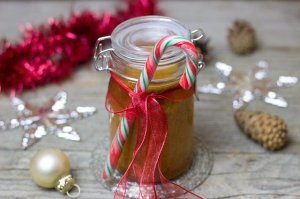
Luscious Caramel Sauce

When you want caramel sauce to pour over your ice cream, do you run to the store and buy a pre-made bottle? We have all done that but did you know you can make your own so very simply? How to do that is the subject of this Cooking Tip.

Why would you want to make your own? First, you avoid a run to the store. Second, you know what exactly is in the sauce. Here is the ingredient list for a couple of major brands.

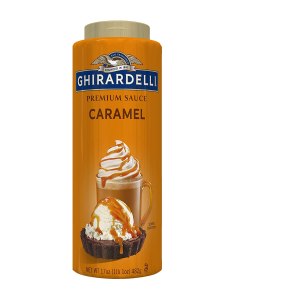
Ghirardelli Premium Caramel Sauce – Corn syrup, water, high fructose corn syrup, sugar, skim milk, heavy cream, salt, natural flavor, pectin, disodium phosphate.

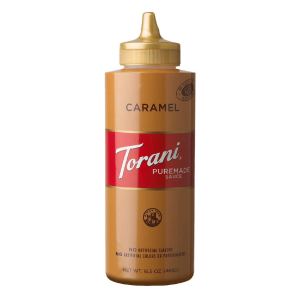
Torani Caramel Sauce — Corn Syrup, Sugar, Invert Sugar, Heavy Cream, Water, Butter, Nonfat Milk, Natural Flavors, Salt, Lecithin, Sodium Bicarbonate.

What is the ingredient list for homemade caramel sauce? It is usually just sugar, water & dairy. That is a much shorter ingredient list without any artificial ingredients.

There are two main methods of making caramel – wet and dry. In the wet method, the sugar is dissolved in water whereas in the dry method, the sugar is melted without the addition of water. The wet method takes longer as the water must evaporate but you are less likely to burn the sugar than with the dry method.

Even though recipes will give you amounts of ingredients, the timing and resulting caramel will vary depending on such variables as the size/type of pan used as well as the type of cooktop and its heat. It is something that you need to use your eyes and nose for as the color of the sugar changes and the aroma develops. It is also something that takes just a bit of practice to get it just where you want it.

In the wet method, you add the sugar and water and stir until dissolved over medium-low heat. After the sugar is dissolved, raise the heat to high and let it cook without further stirring. Keep an eye on it as after a few minutes, it will start to turn a light amber and then darker amber. The longer you cook it, the darker the color and the deeper the caramel flavor. Be careful, though, as it can quickly go from dark amber to burnt. After it is at your desired color, very carefully add heavy cream (it will bubble vigorously) and whisk to combine.

Note that the longer you cook the caramel, not only does the color darken but the harder the resulting caramel will be when it cools. If it ends up too hard, you can gently re-heat it and add more liquid to thin it. On the other hand, if it is too thin, make a second batch, cook it slightly longer than the first batch and combine the two.

For a dry caramel, sprinkle a thin layer of sugar into your pot, not reaching to the edges. Over medium-high heat, cook it and watch as the sugar starts to dissolve. It will then start to turn amber around the edges. At that point, gently and carefully swirl it to distribute the sugar. Once most of it has turned amber, add another thin layer of sugar and continue to cook until amber. Repeat until you have added all the sugar and reached the desired color. Remove from the heat and immediately and carefully add your cream.

What about butter? Some recipes call for it whereas others do not. Butter produces a very nice mouthfeel due to the high fat content. However, as butter is solid at room temperature, your caramel sauce will be firmer when cooled, especially after being in the refrigerator.

Many pastry chefs will tell you that you can use either of these methods interchangeably and get similar results. Others will say that since with the wet method, you must take time to evaporate the water, the sugar cooks longer resulting in more complex flavors.

The biggest problem people have is that the sugar can crystallize, making the sugar syrup very grainy. If it does this, take it off the heat, add a couple tablespoons of water and heat again until the crystals dissolve.

The following are recommended methods to prevent crystallization in the first place.

  • Use a wet pastry brush to wipe down any sugar crystals on the side of the pan. Not all chefs do this and say they have no problems.
  • Although not as common, some will lightly oil the sides of the pan before starting so the sugar does not stick to the pan.
  • Another method involves putting a lid on the pot if you see any crystals on the side. This will produce steam and dissolve the crystals.
  • Add a different type of molecule. Crystallization is most common in what is called a “pure solution”. By adding a different type of ingredient such as corn syrup (mostly glucose) or a few drops of acid (lemon juice, vinegar, cream of tartar), you can prevent crystallization.
  • A common recommendation is to not stir as the sugar is cooking, particularly before the color starts to change. Then, only stir if spots are getting too dark. I must say that there are pastry chefs, though, who do some careful stirring without resulting crystallization.

Another problem is that the caramel gets too dark or even burns.

  • Use a heavy gauge stainless steel pot. With a thin pan, you are more likely to experience uneven cooking and a higher likelihood of burning.
  • Try to not to use a pot with a dark interior as it is much harder to judge the color.
  • A wide saucepan or even a deep skillet is better than a tall and narrow pot. With the latter, there is less surface area, which slows down the caramelization process.
  • Have a bowl of cold water ready. When you reach the desired color, submerge the bottom of the pan into the cold water to quickly stop the cooking process.
  • Quickly add your cream as the cold cream will cool down the solution. Just be careful as it will bubble vigorously as you do this. Stand back and then whisk together.

Once you get the correct color, there will be almost no water left. As this cools, it will become rock hard. You need to add moisture to get the desired consistency. The more liquid you add, the thinner it will be. If you add too much, just put the pot back on the heat to evaporate some of the water. If it is too thin, add more liquid.

Remember that cooked sugar is extremely hot and can cause serious burns. Always be careful when making caramel or anything that requires you to melt sugar. Use heavy oven mitts and long sleeves. Many experts recommend that you put a bowl of ice water nearby in case any of the mixture splashes onto your hands. If so, immediately put them into the ice water. NEVER taste it until it has fully cooled!

Homemade caramel sauce is a delightful concoction. Although it does take a bit of practice, once you master it, there will be no more quick runs to the store for that pre-made sauce.

Cooking Tips · Techniques

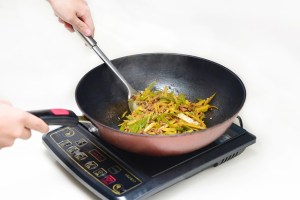
Want a quick meal? Try a stir fry!

We all have those days when we have very little time to get dinner on the table or just don’t want to cook. I have written a series of three Cooking Tips (Tip 1, Tip 2, Tip 3) about how to put a quick meal on the table without resorting to a recipe.

One technique I did not include in those Tips but is a great one is Stir Fries. As I was making a yummy chicken and corn stir fry for dinner last night, I decided to make sure you knew about this technique.

According to The New Food Lover’s Companion, the definition of stir fry is a cooking method where you quickly fry small pieces of food in a large pan over high heat while stirring the food. There are tons of stir fry recipes out there but it is also a technique that once you master it, you can put together your own delicious creations. Here are few tips for you.

Almost all stir fries have 4 main components.

  • Protein – use tender, quick-cooking meats such as chicken, shrimp, scallops, lean pork/lamb. Use 12-16 ozs for 4 servings. Can also use about 10-12 ozs extra-firm tofu.
  • Vegetables – use about 4 cups per 4 servings. Fresh veggies such as bell peppers, zucchini, carrots, broccoli, onions, pea pods, cabbage, spinach, asparagus, mushrooms and bok choy are common. Some like to also add canned Asian veggies (bamboo shoots, water chestnuts, baby corn). If you wish to use these, decrease some of the fresh veggies.
  • Aromatics – garlic, ginger, shallots, green onions.
  • Sauce – although you can buy premade stir fry sauces, I encourage you to make your own. They are very simple to mix together and you can make them into whatever flavor you want. Typical sauce ingredients include soy sauce, oyster sauce, rice vinegar and brown sugar. Many will add cornstarch, which helps to thicken the sauce. Other options are citrus juice, sesame oil or ingredients that will create a desired flavor profile. For a Thai flavor, use curry paste and fish sauce. For sweet/sour, use ketchup. Use your imagination. A good place to start is about ⅔ cup per 4 servings.

Although some chefs or recipes may have their own way of doing stir fries, the following is a standard technique.

  1. Do your mise en place. Have all your ingredients out and cut appropriately into similarly sized pieces before you start cooking. As you are cooking over high heat, you want everything ready to go so you do not have to stop and cut something before adding it to the pan. This includes mixing together your sauce.
  2. Have your rice or noodles cooked beforehand as the stir fry process is very quick.
  3. Put a wok or sauté pan over medium high heat and allow it get very hot. Swirl in a neutral oil with a high smoke point such as peanut, canola or safflower. The food should sizzle when added to the pan.
  4. Add meat. Since you want to get some browning, do not stir constantly. Allow some time to sear in between tossing the meat around the pan. When brown on all sides, remove from the pan and set aside.
  5. Add the densest veggies (carrots, broccoli, cauliflower, green beans, bell peppers) and cook until tender-crisp. Don’t overcook the veggies as you want them to have a bit of bite to them.
  6. Add in quicker cooking veggies (snap peas, onions, celery, corn, snow peas, mushrooms, zucchini, bok choy) and cook briefly.
  7. Whether it is the protein or the veggies, do not overcrowd the pan. If need be, cook in batches. If you overcrowd, your food will steam rather than sauté.
  8. Add in aromatics and briefly cook until fragrant. Some chefs will start the entire process with the aromatics so they flavor the oil before adding the meat. However, it is very easy for the aromatics to burn and so, many will wait to add them at the end and only cook until fragrant.
  9. Return meat to pan and pour in sauce. Cook until bubbling.
  10. Garnish as desired with fresh herbs, citrus juice, green onions or nuts.
  11. Adjust seasonings to taste.

My chicken and corn stir fry followed this basic outline. My protein was chicken thighs. My veggies were red onion and corn. My aromatics were garlic, ginger and red pepper flakes. My sauce was composed of oyster sauce, rice wine vinegar and toasted sesame oil. One departure from the general technique is that the chicken was tossed in cornstarch rather than adding it to the sauce. It all came together in under 15 minutes and when served with hot rice, it was a very satisfying meal that took me almost no time.

I encourage you to give stir fries a try in your kitchen. If you have never done it before, you may want to start with some pre-done recipes. After you feel comfortable with the process, have fun with it!

Cooking Tips · Techniques

Great gifts from your own kitchen!

I have written prior Cooking Tips on great stocking stuffers for a cook as well as culinary books that would make a great gift. Those contain wonderful ideas but sometimes the best gift is one you make yourself in your kitchen. Yes, you can certainly go with cookies, brownies or bread. However, why not try something a bit different? That is the subject of this Cooking Tip. Read on for some great suggestions for all cooking levels.

Nuts

Probably one of the easiest holiday food gifts is nuts. Not just plain nuts but flavored nuts. You might want to flavor them with sweet and holiday-like spices such as cinnamon, nutmeg and orange. Or, you might want to go the savory and even spicy route. Any nut can be used but almonds, pecans and cashews are especially tasty. Flavored nuts might be made stove-top or in the oven or sometimes, a combination of the two methods.

Bark

Another easy but impressive food gift is chocolate bark. Melt your desired chocolate, pour into a lined pan and smooth out. It is fun to do two layers – one of dark chocolate and one of white. Also, add-ins make all the difference. Try crushed-up peppermint canes, dried fruit or nuts. Some people even add potato chips or breakfast cereal. Not sure I would like the latter but someone would.

Use a good quality chocolate and not a chocolate coating. Ideally, you would temper the chocolate but I have found you can get by without this step. Just realize that the bark might melt a bit in your hand and not be quite as shiny.

Hot Cocoa Bombs

These became popular a few years ago and are still going strong. They do take a bit more work but are worth it. You will need some sort of mold that you use to make the exterior shell. Once again, I prefer to use a great tasting chocolate but that does require the tempering step. If you are not into that, try a quality coating chocolate such as Ghirardelli or Merckens.

Put whatever hot cocoa mix you like inside but to make it extra-special, make your own mixture and use that. Mini-marshmallows are a must for most people. Decorate them as you wish, box them up and watch the smiles!

Hot Cocoa Mix

It is so easy to assemble your own hot cocoa mixes using quality cocoa and chocolate. When packaged festively along with directions on how to use, it makes a great gift.

Toffee and Brittle

These are a bit more labor intensive and definitely require the use of a candy thermometer. For those of you who live at high altitude, take a look at this Tip for adjustments you will need to make. These two items are very similar with the major difference being that toffee uses butter whereas brittle usually does not or at least not as much.

Chutneys

Take a break from the candy-like gifts and give something like a homemade chutney. Chutney is a savory condiment typically made from fruits, veggies and/or herbs with vinegar, sugar and spices.

I make a great holiday-themed chutney with fresh cranberries, apples, raisins, sugar, orange juice and fresh ginger. Not only is it delicious, it also looks very festive especially when packaged in a beautiful gift jar.

Spice Mixtures

If you have read my Cooking Tip on spices, you will know I prefer to make my own spice mixtures rather than buy pre-made ones. Why not take that a step further and package up your favorite mixtures as gifts? It can be anything but a BBQ mixture is always popular. Other possibilities are Jerk Seasoning, Fajita Seasoning, Cajun Seasoning and Lemon Pepper. You can get pretty little spice jars and make your own tags to make this gift extra-special.

Flavored Syrups

A sugar syrup is just a mixture of sugar and water that is cooked until the sugar is dissolved. When you add things such as candied ginger or herbs to it, it takes it to another level. Or, use a fruit juice such as pomegranate juice for all or part of the water. Give your gift recipients ideas on how to use it such as in drinks or drizzled over ice cream or desserts.

Homemade Marshmallows

If you have never tasted a homemade marshmallow, you need to make some just for yourself. After you do, you will see how they could make a delightful holiday gift. They are so different than store-bought ones both in terms of flavor and texture. For more info, see this prior Cooking Tip.

These ideas just scratch the surface of Homemade Holiday Food Gifts. Let me know if you try any of them or have your own favorites. Your friends and family members will thank you!

Cooking Tips · Techniques

Embrace your leftovers — but do it safely.

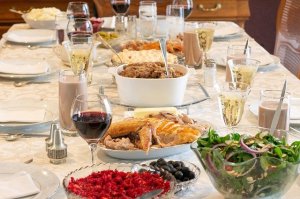
Are you a lover or hater of leftovers? I’m definitely a lover – not only is the flavor of some dishes enhanced by a rest overnight in the refrigerator but it is great to have an easy & quick meal sitting there after a day of work. It makes life so much easier. One time that you will surely have left-overs is after a Thanksgiving meal. You can do so much with those left-overs but you need to store them in the best and safest way. That is what I will be talking about in this Tip.

Hot foods (including leftover turkey) should be packaged and refrigerated within 2 hours after serving. (For turkey, after you cut the meat off the bones, save the bones to make a great turkey broth.) The concern for bacterial growth is when food is left in the “danger zone” between the temperatures of 40° and 140° for more than 2 hours (reduce this to 1 hour if the ambient temperature is above 90°). That is why it is important to keep your food hot (at least 140°) or refrigerate it so the temperature drops to less than 40° within 2 hours. For cold foods, keep it under 40° at all times.

For large pieces of meat, it is best to cut it into smaller pieces to quicken cooling. For a dish such as soup, you will want to portion it into shallow containers to allow faster cooling. You can place these items directly into the refrigerator or if you want more rapid cooling, use an ice water bath.

All leftovers should be wrapped well in air-tight packaging. This helps keep bacteria out while retaining moisture and preventing your left-overs from picking up other odors from your refrigerator.

Most left-overs can be stored safely in the refrigerator for 3-4 days. Here is a chart from FoodSafety.gov about recommended refrigerator times. For longer storage, freeze the packaged left-overs. Generally, these items can be frozen for 2-6 months. Although you can safely freeze them for a longer time, the food does tend to lose moisture and flavor. Here is another USDA link that talks more about freezing with more specific recommendations for time.

The USDA also has a FoodKeeper app that you can download. You can look up almost any kind of food and it will give you safe storage information specific to that food.

When thawing food (including leftovers), you still need to be aware of the danger zone. That is why it is not recommended to thaw items by sitting at room temperature. Rather, thaw them overnight in the refrigerator. For faster but still safe thawing, use either a cold-water bath (make sure the leftovers are in a leak-proof package) or the microwave. Not all foods need to be thawed before re-heating. You can go directly from frozen to hot either on the stovetop or in the microwave.

One important caveat – when re-heating leftovers, you want to take them up to 165° as measured with a food thermometer. Not only will this temperature assure safety as far as bacteria is concerned but it will also be safe to re-freeze the item, if necessary.

So, be happy about left-overs from your Thanksgiving meal. How do you like to use your left-overs? Email me with your favorite ideas and I will share them with others!

Cooking Tips · Ingredients

An Essential Ingredient to Thai Curries

In the last couple of Cooking Tips, I discussed different aspects of Thai Cooking. In the first Tip, I explained the differences between a Thai curry and an Indian curry. Tip #2 was a more general discussion of important Thai ingredients. In this Tip, I want to spend a bit more time looking at one of those ingredients – curry paste.

The word curry can be used to either mean a dish or a spice mixture. In Indian cooking, that spice mixture would be made up of dry, ground spices. In Thai cooking, it is called curry paste and it is a moister mixture that is finely ground or pureed made not only from spices but also from many fresh ingredients.

There are many different versions of curry pastes and the ingredient list for each may vary depending on the cook and/or brand. Let’s first discuss ingredients and then the most common types of curry paste.

Ingredients

  • Chilis – depending on the variety of curry paste, it may contain red or green chilis, either in the dried or fresh forms.
  • Fresh aromatics – typical ones are shallots, garlic, lemongrass, galangal, cilantro root, makrut (aka kaffir) lime zest, grachai (a member of the ginger family), turmeric and ginger.
  • Dried spices – other than those pastes that have some Indian or Muslim influence, dried spices are not typically used. When they are included, you might see coriander seeds, cumin, cinnamon, cardamom, nutmeg, mace and cloves.
  • Umami boosters – shrimp paste and dried shrimp. Besides giving an umami boost, shrimp paste also gives an authentically Thai flavor.

Types of Curry Paste

Red
This paste is made with dried red chilis and can have up to 20 different varieties. Traditionally, the dried red chilis are soaked, which reduces some of the harshness and heat. One expert lists what he calls the “Basic 10” of ingredients – dried red chilis, garlic, shallots, lemongrass, galangal, cilantro root, makrut lime zest, white peppercorns, shrimp paste and salt. Others may also add coriander and cumin.

Green
The chilis used in this paste are very similar to those in red but here they are in their fresh (green) state. Besides the fresh green chilies, other typical ingredients are shallots, lemongrass, white pepper, coriander root, garlic, kaffir lime zest, shrimp paste and sea salt. This all gives this paste a green color. In the final dish, sweet basil leaves, round green Thai eggplant and kaffir lime leaves are often added, which contribute even more to an overall green hue. As compared to red curry paste, this one has a more balanced and herbier flavor.

Some consider red curry paste as the spiciest whereas others give that prize to green paste.

Traditionally, Thai people considered green curries as the hottest followed be red. As Thai food became popular in the West, the red curry emerged as the hottest. However, in authentic Thai cuisine, a green curry will always be spicier than a red.

Yellow
The color of this variety comes from fresh turmeric and curry powder. Other common ingredients are coriander, cumin, lemongrass, galangal, shrimp paste, dried red chilies, sea salt, ginger, garlic and shallots. It is milder than the other pastes but the actual spiciness will depend on the actual chilis used. It also often has a touch of sweetness.

Panang
This curry paste is similar to red but has the addition of ground peanuts as well as cumin, coriander seeds, dried red long chilies, shallots, garlic, galangal, lemongrass, kaffir lime zest, coriander root, white pepper, salt and shrimp paste.

Massaman
Because of the Muslim in influence in this curry paste, it has abundant dry spices that are commonly seen in south Asia – cinnamon, star anise, cloves, cardamom and nutmeg. Other ingredients are dried red chilies, shallots, garlic, galangal, lemongrass, coriander, cumin, white pepper, salt and shrimp paste. It is a relatively mild curry paste.

The most common use for curry paste is in Thai curries where the curry paste is cooked with a protein and/or veggies and a liquid such as coconut milk or stock. That is not the only use, though and these pastes can be used as a marinade, a rub for chicken, fish or beef as well as in stir fries.

If you have been reading these Cooking Tips for very long, you know that I do not use or recommend many convenience items. For example, when you need a small amount of Chinese Five Spice, do not buy an entire bottle that may go stale before you use it all up. Rather, make your own from ingredients that are probably already in your pantry.

Curry pastes are different, though. You can certainly make these pastes from scratch but it is a fairly time consuming process and involves a whole host of ingredients, many of which are difficult to come by outside of a good Asian or international food market. Therefore, most of us will buy a good prepared curry paste.

A good curry paste is said to have an aroma strongly of herbs. When looking at the ingredients, there should only be herbs, spices, salt and shrimp paste. No oils, no additives and no water. Many Thai cooks strongly suggest only buying Thai brands.

Some differences that may be seen between store-bought & home-made is that the home-made version may have more complex flavors and may have a fresher taste as the herbs are added at the end and not further processed. Another advantage of home-made is that you can customize the blend to accommodate dietary restrictions and flavor preferences.

Brands – Favorite store-bought brands are:

  • Maesri – one advantage of this brand is that it comes in small cans rather than larger containers.
  • Mae Ploy – this is my favorite brand but it does tend to be saltier than other brands.
  • Chef’s Choice – this brand is mostly found in Europe and Asia.
  • Mae Anong – a favorite of many Thai afficionados.

Storage
Curry paste can be refrigerated for at least a week or frozen for six months to a year.

With the info found in these last three Cooking Tips, you should be able to make your own kitchen your favorite Thai restaurant!

Cooking Tips · Ingredients

Ingredients – The Key to Great Thai Meals

Learning to make Thai meals is always one of my most popular classes. Since so many people love it, I thought I would write a few Tips on this subject. Last week was the difference between Thai and Indian curries. This one discusses Thai cooking in a general sense and the next one will concentrate on Thai curry pastes. If you want to learn how to cook Thai in your own kitchen, contact me for information. In the meantime, for some tips on cooking Thai at home, read on.

One thing I teach over and over is that mastering cooking techniques rather than recipes should be the goal of all of us. If you have a good grasp of techniques, you can cook any cuisine. The techniques of cooking Thai as opposed to Italian or Indian or French are not all that different. What really makes the difference are the ingredients.

What do I mean by cooking techniques? I would recommend reviewing a couple of resources as a starting point. On my Home Page, you can download a free article entitled “Great Tips to Improve Your Cooking”. I also wrote an earlier Tip on “What Not to Do in the Kitchen”. These would be a great foundation for you.

Besides what you will find in those articles, a good cook should know the difference between cooking methods such as sauteing, stir-frying, grilling, roasting, poaching, steaming and so forth. Having good knife skills and always trying to improve is also important. (Why not book a class concentrating on Knife Skills?) Knowing what pots/pans are best to use for a particular dish as well as controlling the heat under that pot is very helpful.

For the rest of this Tip, we are going to presume you have a working knowledge of good cooking techniques. Let me move to what makes Thai food taste differently than other cuisines and that is Ingredients.

There is no way I can discuss all the ingredients that a Thai cook might use but I do want to go over some common ones. If you really want to make Thai dishes with authentic flavor, I strongly encourage you to seek out the real ingredients rather than relying on some of the substitutions I list. The following are listed in alphabetical order.

Aromatics

These are veggies from the allium family and include items such as shallots, onions, scallions and garlic.

Basil

Most commonly used is Thai basil, a relative of Mediterranean basil. It has purple stems and flowers with a slight licorice flavor and a hint of spiciness. As the flavor profile is so distinct from Mediterranean basil, it is best to seek out the Thai version rather than substituting if that is what is called for. Some Thai recipes call for sweet basil, which is the Mediterranean version.

Chiles

Although it does not have to be overly spicy, most Thai food will have somewhat of a bite to it. This is provided by fresh and dried chili peppers. The one most commonly seen in our local supermarkets is called a Thai chili pepper, a small and very hot pepper. In reality, though, there are many different varieties with varying heat level. On the Scoville scale, they can range anywhere from 50,000 to 100,000 heat units. To put that in perspective, the jalapeno averages around 5000 units. For more information on chili peppers in general, see this Cooking Tip.

Cilantro

Also known as Chinese parsley, this herb is commonly found in our supermarkets.

Coconut Milk

Although not used in all Thai dishes, it is used in many. Coconut milk is made by soaking fresh or dried coconut in water, squeezing out the liquid and discarding the pulp. It is not the liquid inside fresh coconuts. Although you can drink that, it is not generally used in cooking. Also, stay away from Cream of Coconut, which is a sweetened product used for making cocktails.

The best coconut milk has a significant layer of coconut cream that rises to the top of the more liquid part. This is one thing that distinguishes a quality coconut milk from a lesser one. The better ones have a nice layer of cream on top. At times, you will want to use the cream separate from the thinner milk and at other times, you will just mix it all together. The cream layer, though, will give you a more luxurious taste and texture. My preferred brand is Chaokoh. Cooks Illustrated also likes that brand but at their last review, they chose Aroy-D as their favorite. These may or may not be available in your local supermarket although they certainly would be at an international market.

Curry Pastes

Thai curry pastes are a mixture of many fresh and dried ingredients. They are totally different from curry powder. There are numerous kinds with some of the most common being red, green, yellow, panang and masaman. Each has a different blend of ingredients yielding a different taste and level of spiciness. They are used not only in Thai curries but can also be used in Thai soups and stir-fries.

You can make your own but despite the advice in my Spice Cooking Tip, it is not something I normally do. The ingredient list is long and fairly complex. There are great commercially available curry pastes from which to choose. My favorite is Mae Ploy. The important thing to remember is that even among the same type of curry paste, the flavor and especially spiciness can vary greatly from brand to brand. Whether you are using a recipe or making your own Thai curry paste, always start with less than you need. If you are used to using one tablespoon of your favorite brand, don’t assume one tablespoon of another brand will be the same. I recommend finding a brand you like and then sticking with it for consistency.

Fish Sauce

Made from fermented fish, typically anchovies, this is the “salt” of Thai cooking. It is both a condiment and an ingredient and is full of glutamates that enhance flavor. In taste tests, the best fish sauce had the highest protein content. The higher protein content helps to balance the saltiness and other flavors. Most experts recommend the Red Boat 40°N brand but other highly rated ones are Thai Kitchen, A Taste of Thai and Golden Boy. Megachef is another recommended brand but the one you are most likely to see in an international market is in a blue bottle and is said to be formulated more for Vietnamese cooking. Megachef does have a Thai version in a brown bottle but is more difficult to find.

Galangal

Another herb with a pale yellow root and a distinctive flavor. Since it is a relative to ginger root, you can substitute that although it will not have the same taste.

Kaffir lime leaf

These are the leaves of a dark green knobbly lime that add a sharp and sour flavor. The leaves are used in curries and soups and the juice is sometimes used in soups. There is no real substitute but you can try lemon leaves or finely grated lemon/lime rind. One kaffir lime leaf is equal to ½ tsp lemon rind.

Lemongrass

This is a Thai herb with a distinctive, lemony flavor. The outer layer is discarded along with the straw-like top. Only the bottom ⅓ is used and is normally sliced or chopped. Although many mainstream grocery stores will carry pre-packaged lemongrass in their herb section, I usually find it dried out and not worth buying. You are much better off getting fresh lemongrass from the international markets.

Limes

Juice from regular limes is a very common ingredient used to add sourness and balance other favors.

Palm sugar

Made from various palm trees, it is a light brown, raw sugar. It comes in two forms: hard/lumpy or softer/paste-like. I would suggest you seek it out due to its distinctive flavor but in a pinch, you could try substituting raw sugar, brown sugar, coconut sugar, maple syrup or even honey.

Rice

Easily found in our supermarkets due to its popularity, Jasmine rice is the type that is served with Thai dishes. It is very flavorful with a distinctive aroma.

Tamarind

This is an ingredient made from the seed pod of a large Asian tree. It often comes in a block requiring you to break off a piece and soak in lukewarm water for 5 mins. (1 Tbsp of pulp in ¼ cup water) After soaking, the pulp should be squeezed & kneaded well to dissolve everything that can be dissolved followed by straining out the seeds/fiber. You can also easily find tamarind concentrate, which does not require soaking/straining. Although the taste will not be authentic, you can try substituting lemon, lime or grapefruit.

This is not an exhaustive list but if you have these items in your pantry, you are well on your way to delicious Thai meals. Stay tuned for the next Tip on Curry Pastes.

Cooking Tips · Techniques

Curries — Thai vs. Indian

Most of us have probably eaten dishes that carry the name of “Curry” but do you really know what that name means? One curry dish can be dramatically different from the next one in terms of taste, ingredients and heat level. In this Cooking Tip, I will try to help you understand this term so you are better informed whether you are ordering at a restaurant or making it at home.

The food reference book The New Food Lover’s Companion defines curry as coming “from the southern Indian word kari, meaning sauce.” They call it a “catch-all term referring to any number of hot, spicy, gravy-based dishes of East Indian origin.” That definition may be true but is incomplete. A more general description of a curry is a dish with a sauce and containing fish/meat, veggies and/or lentils. The flavor comes from a fairly complex mixture of spices and herbs. The dish is typically eaten with rice, noodles or bread depending on the country of origin.

Although many people think of Indian cuisine when they hear the word curry, there are other countries that also boast of their curries. The most common and popular non-Indian curry is Thai curry. Let’s contrast these two very popular and flavorful dishes.

Indian curry

  • The base is often made from sautéed tomatoes and onions.
  • The flavor comes from dry spices that are typically sauteed in clarified butter.
  • Common spices are cumin, turmeric, coriander powder, cardamom, fenugreek, red chili powder, mustard seeds, paprika, and cinnamon.
  • Curry leaves are often, but not always, used.
  • Indian curries may use coconut milk but very often just use water, cream or yogurt.
  • They are thick and more stew-like.
  • They are eaten with basmati rice and/or Indian bread. They are never served with noodles.
  • There are many different varieties including, but not limited to, Bombay, butter chicken, saag, vindaloo, korma, kofta, madras, tikka masala, biryani and Kashmir.

Thai curry

  • Thai curries start with fresh ingredients blended into a curry paste. Due to these ingredients, there are more flavors of fresh herbs and hints of citrus.
  • Curry pastes come in different types but common ingredients are fresh chilis, ginger, lemongrass, lime, shrimp paste, garlic and shallots. Other common ingredients are onions, garlic, galangal, cilantro and tamarind paste.
  • Curry leaves are not used. Rather, Kaffir lime leaves are utilized.
  • Curry paste is fried in oil before adding other ingredients.
  • These curries are more often based in coconut milk although there are water-based Thai curries. They do not typically use dairy.
  • Thai curries are thinner and more soup-like.
  • In general, Thai curries are spicier than Indian curries.
  • Common types of Thai curries are green, red, yellow, panang and masaman.

Which do you like to cook? Which is your favorite to eat? For me, the answer to both questions is Thai although I would be happy eating a good Indian curry. I just find Thai curries fresher with more bright flavors. What about you?

Cooking Tips · Techniques

Cakes – How to put it all together!

In the last Cooking Tip, we looked at cake ingredients. In this one, we want to delve into the methods of mixing those ingredients into a cake batter. The different methods are going to give you different results and it is good to have a working knowledge of them. In fact, you can learn to predict what method you are going to use based on the ingredients. That is the subject of this Cooking Tip. This Tip is not written with high altitude concerns in mind. If you are one of us that does live at high altitude, there are other considerations that are in addition to the following information. See this prior Cooking Tip for that.

As we learned in the last Tip, cakes have basically the same ingredients – flour, sugar, butter, salt, eggs, chemical leaveners, milk, flavorings. How you combine these ingredients determines what you end up with – a cake, muffins, a quick bread, etc.

Creaming

This is a relatively easy method that you will use if the ingredient list calls for softened butter and sugar. This method involves mechanically incorporating air into the batter to produce a light result. Although you can do it by hand, it is very difficult to get the desired result and will be much easier to use some type of electric mixer. The basic method is as follows:

  • It is very important that the ingredients are at room temperature (~70°F).
  • Combine room temperature butter with sugar and mix thoroughly until light and pale yellow. The sugar will cut through the butter, creating air bubbles, which will expand in the oven.
  • Either lightly whisk the eggs together and add to the batter in a slow stream or add the eggs one at a time, beating after each addition until they are fully incorporated.
  • Add dry ingredients, which may be done in one of two ways. Some recipes will have you add them all at once and mix just until combined. Others will have you add the dry and wet ingredients alternately, starting and finishing with the dry to ensure the batter can absorb all the liquid. One exception is if the wet component is whipped egg whites. You will end with those to prevent deflating.

Cakes made with this method will be soft but sturdy, easy to slice and stack in layers. Examples are pound cakes and butter cakes. This method also works well for batters put into Bundt pans as well as for many cookie recipes and cupcakes.

Reverse Creaming

This method is sometimes referred to as the “two-stage” or “high ratio” method or even the “paste” method. By high ratio, what is meant is that there is more sugar than flour by weight or at most, equal amounts. This method does not work well for cakes that have less sugar than flour. These cakes will also contain a chemical leavening agent rather than just relying on air as the regular creaming method often does. The method is:

  • Combine all dry ingredients in a bowl and mix.
  • Recipes may vary a bit after this. Some will add only the softened butter and mix to form a coarse crumble followed by adding the liquid ingredients, either all at once or in two additions. Others will add some of the liquid with the butter and end with the remaining liquid.

This method is said to allow the butter to coat the flour. The liquid is then combining with the sugar instead of the flour, limiting gluten development. It produces less air holes and the resulting cake is very soft and tender.

When Cooks Illustrated compared creaming and reverse-creaming side-by-side using identical ingredients, they found that tasters could not tell the difference. They also used a tool to analyze firmness and they were very similar. They did find that the cake using the regular creaming method had a slightly domed top and a more open crumb. With the reverse creaming method, the cake top was more level and the crumb very fine and velvety.

One-stage method

This is also known as the “muffin” method and is a very simple method.

  • Mix all the dry ingredients in one bowl.
  • Mix all the wet ingredients in another bowl.
  • Mix the wet into the dry and combine gently to avoid developing excessive gluten.

You will recognize this method when the ingredient list has all the dry ingredients grouped together and all the wet together. The ingredient list also has:

  • A liquid fat (oil, melted butter) as they are easier to incorporate with this method.
  • A good amount of liquid.
  • A higher amount of chemical leaveners than cakes or cupcakes as this is the only way to get a rise. There is no mechanical leavening such as you get with whipped eggs or from creaming butter & sugar together.

Blended

Also known as the “single stage” or “one bowl” method, it is the absolute easiest of all cake methods. You just put everything in a bowl at once and stir together. With this method, it will often call for oil rather than butter as it is easier to incorporate. This method can be used with cakes made from scratch but it is normally used with cake mixes. It results in cakes that are very moist and good for add-ins but on the denser side.

Foam method

This method produces very light and airy cakes. The leavening is provided by whipping air into the batter. The method can be done either with whole eggs or what is called the “separated egg foam.”

  • Separated egg foam
    • Separate eggs and beat the yolks with part of the sugar until thick and light in color.
    • Beat egg whites separately with sugar to stiff but not dry peaks.
    • Very gently fold beaten egg whites into the yolks alternating with the dry ingredients.
  • Whole egg foam – warm or cold
    • For the warm method:
      • Whole eggs and sugar are warmed together over a hot water bath until sugar is totally dissolved and then beaten until thick.
      • You continue beating until the mixture is cooled and ribbons form. At this point, mixture is almost tripled in volume.
      • Finally, the dry ingredients and melted butter are folded in alternately.
    • For the cold method:
      • Egg and sugar are place in a bowl and whipped at high speed until creamy, light in color and volume has greatly increased.
      • Butter is typically not included as cakes made by this method are later soaked in a liqueur or flavoring such as in tiramisu or a trifle. With this method, part of the sugar melts in the oven rather than over the water bath. This results in larger air bubbles in the finished cake, which are great when soaked in a flavorful liquid.

Angel food cake method

Angel food cakes are a type of sponge cake made from egg whites, sugar and flour. There is no butter or other fat.

  • Start by sifting the flour and part of the sugar in a bowl.
  • Egg whites are beaten with the remaining sugar to peaks and then gently folded into the dry ingredients.

Chiffon method

This method is an amalgamation of different methods. It will contain a liquid fat, usually oil, as well as a chemical leavener like baking powder. The basic method is:

  • Sift together dry ingredients with part of the sugar.
  • Mix in the oil, yolks, water and flavorings.
  • Beat egg whites to peak with remaining sugar and gently fold into batter.

Is one of these methods better than another? Does one produce a better cake than another? It all depends on what kind of cake you want. No matter what result you want and what method you choose, there are some tips for great cake baking in general.

  • Baking cakes, especially if you live at high altitude, is not a time to fly by the seat of your pants. It is, rather, a time to follow the recipe exactly. The only variations would be those you make at high altitude.
  • Buy a food scale and weigh the ingredients. It is more accurate than cup measures and will yield better results.
  • Pay attention to temperatures called for in the recipe. If it specifies room temperature butter (and/or other ingredients), you will only get the desired result if you heed that advice.
  • Butter should be unsalted unless otherwise specified. If all you have is salted butter, reduce the salt in the recipe by ¼ tsp for each 4 ounces of butter. If you do much baking, try to always have unsalted butter on hand. It keeps wonderfully in the freezer and you will not have to make adjustments.
  • I did a prior Cooking Tip on pan sizes. Review that and then measure your cake pans to know if they are going to work for the recipe.
  • Try to not use dark-colored pans as they will not give you the desired result of a golden, moist and tender cake.
  • Most recipes will call for greasing the cake pans. Even better is to grease the pan, line it with parchment, and grease again. For bundt-style cakes, grease the pan thoroughly and sprinkle lightly with flour or use a flour-based pan spray.
  • Allow enough time to thoroughly preheat your oven. It is also a good idea to use an oven thermometer to check its accuracy.

Do you do much cake baking? What is your preferred type of cake? What method do you use? Do you live at high altitude and have you experienced altitude-related challenges?
Let me know and send me photos of your wonderful creations!

Cooking Tips · Techniques

What makes up a cake?

I recently wrote about the difference between cupcakes and muffins. In that Tip, I mentioned I would be delving more into cakes. I wish to do just that in this and my next Cooking Tip. In this one, we will look at the ingredients and their function in cakes. In the next one, we will learn the different methods of incorporating these ingredients to achieve different types of cakes.

All cakes have similar ingredients – flour, sugar, eggs, a fat, maybe a leavener and flavorings. Let’s take each in turn along with a couple others.

In general, cake ingredients can be categorized as strengtheners or tenderizers. Great cakes are a balance of these two characteristics.

Strengtheners

  • Flour
  • Eggs

Tenderizers

  • Sugar
  • Fat

Flour

Flour gives cakes structure. However, just one look at the store shelves will tell you that there are many different types of flour. Choosing the right one for your cakes is important.

In the US, we name our flours based on the usage such as bread flour, cake flour, pastry flour and all-purpose flour. The differences between these flours is the protein (predominantly gluten). Even among these categories, protein content can vary from brand to brand or even within different shipments of the same brand. One company that pledges to always have the same protein content no matter where or when you buy their flour is King Arthur Flour Company.

The type of flour with one of the highest protein contents (12-16%) is bread flour. This is why when bread dough is kneaded, the gluten is developed leading to the structure and chewiness of artisan breads. It will not give you tender, moist cakes

Cake & pastry flours have the lowest protein content (7-9%) and are milled to a finer consistency. They are what gives the tenderness to these baked products and are often recommended for cakes. I will warn those of you that live at high altitude that this may not be the best choice. As one of the problems at altitude is lack of structure with resultant falling of the cake, cake flours are not ideal in this situation. See my Cooking Tip on cake flour for more info.

All-purpose (AP) flour has a protein content in the middle: 10-12%. If you only want one flour in your cupboard, this is the one to choose. Because it has a moderate protein content, you can use it for almost any purpose. You won’t necessarily get the same result as you would if using one of the other flours, but it will be perfectly acceptable.

Eggs

  • Add structure in the form of protein.
  • Add volume to the cake when beaten.
  • Act as a binder keeping the cake together.
  • Yolks contain emulsifiers that help to form a thick batter that doesn’t separate.
  • Contribute to browning.
  • Contribute to the overall flavor partly because the fat in the yolks helps to carry other flavors.
  • Being mostly water, they contribute to the overall moisture content.
  • The fat in yolks helps to shorten gluten strands and tenderize the final product.

Sugar

  • Adds sweetness.
  • Aids in browning.
  • Assists in the aeration and stabilization of the batter.
  • Helps to keep the cake moist.
  • Helps to form a finer crumb due to its ability to impede gluten formation by attracting the water away from the flour.

Fat

  • Adds flavor.
  • Tenderizes the crumb.
  • Aids with browning.
  • Decreases gluten development by coating the gluten in the flour so it is less available to the liquid.
  • Solid fats are used to incorporate air bubbles to increase volume. This is done through the creaming method, which I will discuss more in next week’s Tip.
  • Oil will help keep the cake moist but can also yield a denser cake.

Salt

  • In cakes, the main purpose of salt is as a favor enhancer.

Leaveners

  • Aid in rising of the cake.
  • Chemical – usually baking powder.
  • Mechanical – by beating air into the batter.

Liquids

  • The most common liquid in cakes is milk but there could be other liquids specified in the recipe.
  • Add moisture.
  • Help dissolve the sugar and salt.
  • Provides steam for leavening.
  • On the caution side, liquids can increase gluten formation resulting in a tougher cake.

Flavorings

  • Spices, extracts, citrus zest, liqueurs can add flavor and aroma.

Now that you have a good idea of what all these ingredients do, stay tuned for next week’s
Cooking Tip to see how to put them all together!