Cooking Tips

Clarified Butter & Ghee – what are they?

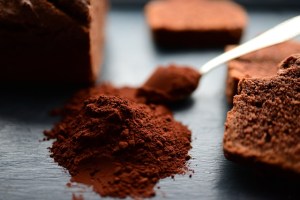
For most of us, butter is a delicious ingredient, especially if you buy a high-quality brand. Its drawback in the kitchen, though, is its low smoke point. This makes it a poor choice for any high-heat cooking, including sauteing. This is where Clarified Butter or Ghee is superior. What those products are and how to use them is the subject of this Cooking Tip.

For a more general discussion on butter, see this Tip. American butter is composed of about 80% fat, 15% water and milk proteins. European butters tend to have a higher fat content, 82%-85% and even up to 90%. Both types may taste good but their low smoke point limits their usability. See this Tip on Culinary Oils for a discussion on smoke points.

Clarified butter and Ghee are two products that have much higher smoke points. That is because they have been cooked to remove water and solids. The main difference between the two is that ghee is cooked further than clarified butter to remove more water.

Clarified butter still retains some water whereas all the water is removed from Ghee. Because of the absence of water, it will keep up to 3 months on the counter and up to 1 year refrigerated. Clarified butter should be refrigerated. Ghee will also have a nuttier and richer flavor.

The clarifying process also removes casein and lactose. Some say that this makes ghee more suitable for the dairy sensitive person. According to registered dietitian Candace O’Neill with the Cleveland Clinic, “Some people who avoid dairy for digestive reasons may tolerate ghee better than butter. But in general, they should be fine with butter as well because the amounts of lactose and casein are so small. If you have a casein allergy, you should definitely avoid consuming both in case of cross-contamination.”

What are uses for clarified butter and ghee?

  • It is what is normally served alongside lobster, where it is called “drawn butter”. Some chefs, though, will just use melted butter, not clarified butter.
  • It is great for making hollandaise and baklava.
  • It is ideal for high heat cooking due to its high smoke point.

Although you can purchase ghee at the supermarket, you can also make it yourself by cooking butter long enough to evaporate the water and also removing the milk solids. Due to the removal of these parts, the quantity of your eventual clarified butter or ghee will be less than the amount of butter with which you start, probably about 25% less. You will also want to use unsalted butter. As discussed in the above mentioned Tip, the salt content of salted butters can vary from brand to brand. Also, as the water evaporates, the salt content will concentrate.

The process can be done either on the stovetop or in the oven.

For the stovetop, put your butter in a light-colored heavy duty saucepan. You may want to cover with a splatter guard as it will sputter as the cooking process proceeds. First, the butter will melt, then the water will begin to boil out followed by the milk solids sinking to the bottom.

When the liquid appears clear, you have clarified butter. If you keep cooking until the butter begins to brown, you will have ghee. The entire process should take about 1 to 1½ hours.

Once the cooking process is halted, allow it cool just a bit and then, strain through a fine-mesh sieve. Many recommend lining the sieve either with a coffee filter or cheese cloth. Others have had success using a fat separator such as you would use for your Thanksgiving gravy. Allow it to cool to room temperature and cover tightly.

Rather than straining, some chefs will melt the butter and allow it to sit for 10 minutes. They then skim off the foamy milk solids, cover and refrigerate. This causes the fat to solidify although it can take up to 4 hours. They remove the solid the fat, blot off the wet bottom and store in the refrigerator.

The oven method is hands-off but can take twice the amount of time. Put the butter in a Dutch oven and cook, uncovered, on the lower middle rack in a 250°F oven until the water evaporates and solids are golden brown. This can take up to 3 hours. Allow it to cool and then strain as above.

America’s Test Kitchen recommends a method that they say will speed up the process. It adds cornstarch to the melting butter, which they say will trap the butter’s water as well as any water-soluble proteins in the milk solids as quickly as 30 seconds. They recommend adding ½ Tbsp per ½ cup butter to your butter and then proceeding with the cooking process.

This is not something that you would want to do for all your butter needs but is a technique that is good to know and to try at least once.
Cooking Tips · Techniques

Fond – French for Flavor!

If you cook very much, you are sure to run across many culinary terms that are French in origin. One such word is “fond”. The literal translation of “fond” is “bottom” or “base”. However, I like to think of “fond” as “flavor”. What it is and why it is so important in cooking is the subject of this Cooking Tip.

Image by Felix Wolf from Pixabay

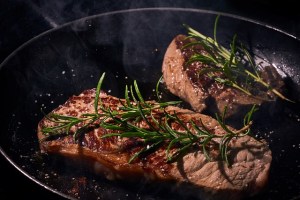
In reality, fond is what we call the browned bits that remain in the pan after sautéing or roasting meat or vegetables. These little bits are concentrated flavor that you don’t want to throw away. Instead, you want to incorporate those into the dish you are making.

Fond is formed when proteins are exposed to heat and result in a brown and crusty exterior. Chemists call this process the Maillard reaction, which is a reaction between a sugar and an amino acid. (This is different than caramelization, which only involves sugar.)

To encourage the development of fond, there are a few things you can do. First, use the right kind of pan. Generally, you want to stay away from non-stick pans. You won’t develop as much fond. Also, searing meat/vegetables require a high heat, something that is not recommended for non-stick pans.

Another point is to make sure your food is not crowded in the pan. Otherwise, your food will steam rather than sear, inhibiting fond formation. Finally, make sure your food is dry, that the pan/oil is hot and don’t move the food around too much. Allow it to sit and brown. If your food sticks when you try to flip or move it, it is not ready. Let it cook a bit longer and it will release itself and leave behind great fond.

The way to incorporate the bits of fond into a sauce is by a process called “deglazing”. Deglazing involves adding a liquid to the hot pan. Using a tool that won’t hurt your pan, scrape the fond off the bottom of the pan into the liquid.

To turn this into a great pan sauce is quick & easy. After searing your meat, take it out of the pan and set aside. Pour out any excess grease or oil. Although not necessary, it is nice to add some aromatics or spices, such as minced shallot, garlic, cumin, or paprika. Cook over medium heat until the aromatics just become tender and the spices bloom, scraping up the brown bits. Now, add the liquid of your choice – water, broth or wine – continuing to scrape up any remaining fond. Cook until the liquid is reduced into a sauce-like consistency. Some chefs will start with wine, cooking it until it is almost evaporated and then add broth, cooking until it is again reduced. Off the heat, whisk in a pat or two of butter for richness.

One final advantage of deglazing your pan is that it is a great way to clean the pan – much better & easier than scraping it off and sending it down the drain!

Cooking Tips · Ingredients

Soy Sauces – aren’t they all the same?

Image by wal_172619 from Pixabay

When you go to the supermarket to get soy sauce, you will probably only see a handful of brands and not much variety in terms of type of soy sauce. If, on the other hand, you go to an international market, you will see dozens and dozens of different brands and different types. How can there be that many different soy sauces and is it worth it to seek out those rather than the supermarket ones? That is the subject of this Cooking Tip.

Soy sauce, as its name implies, is made from soybeans. There are two methods of making soy sauce. It can be either naturally brewed/fermented or chemically produced.

Naturally brewed

This method involves mixing together soybeans, wheat, salt, water and a mold (koji). This “mash” is then left to ferment. Most will use stainless steel tanks although some will utilize barrels. During fermentation, proteins are broken down into amino acids. One of these, glutamic acid, is primarily responsible for the umami taste for which soy sauce is known. It is fermented for months or longer with the best said to be at least 2 years. This results in a much more complex flavor and aroma.

Chemically made

According to Harold McGee in On Food and Cooking, in this method “defatted soy meal, the residue of soybean oil production, is broken down (hydrolyzed) into amino acids and sugars with concentrated hydrochloric acid. This caustic mixture is then neutralized with alkaline sodium carbonate and flavored with corn syrup, caramel, water and salt.” This allows the production time to be reduced to days. However, it also results in a product that lacks the complex or nuanced flavor of brewed soy sauce. It tends to also be very salty.

I don’t know about you but chemically-made soy sauce doesn’t sound very appetizing. Yes, naturally brewed soy sauce may be more expensive ($3.00 vs $1.50 for a 10 ounce bottle) but it will certainly be worth it. To be able to tell the difference in the store, look for the words “brewed” or “traditionally brewed”. Also, look at the ingredient list. Here is an example:

  • Kikkoman traditionally brewed soy sauce – “water, soybeans, wheat, salt”
  • Store brand chemically made soy sauce – “water, hydrolyzed soy protein, salt, dextrose, caramel color”

There are different styles of soy sauce including Chinese, Japanese, Indonesian, Korean, Thai, Filipino and Peruvian. The main ones you will see in stores are Chinese and Japanese style and these will be the ones I discuss.

The Chinese style traditionally did not use wheat although today this style does contain wheat. It may also contain added sugar. In general, it has a denser and saltier flavor as well as being thicker & darker than Japanese soy sauce.

Japanese soy sauce is brewed with roasted wheat. It is slightly sweeter and has a more rounded flavor than the Chinese style.

Among these two styles there are also variations. The main variation I will discuss is light versus dark soy sauce, which is mostly due to the length of the aging. Light soy sauces are thinner in texture and lighter in color but more intense in flavor. Note that the word “light” does not mean low sodium. There are low sodium soy sauces, which can have 40% less salt. However, you must look on the label for this specifically. Also, you will probably not find a reduced salt version in the higher end soy sauces.

Chinese – the two varieties are known as Sheng Chou (light) and Lao Chou (dark).

The light variety is the most common. It is reddish brown in color and has a floral or port-like aroma. It is an all-purpose soy sauce and would be what to choose if the recipe doesn’t specify which type of soy sauce.

Good brands are:

  • Zhongba
  • Pearl River Bridge
  • Lee Kum Kee

Dark Chinese soy sauce is aged longer and often is sweeter due to the addition of a sweetener. Its taste is slightly sweet with a roasty and wine-like characteristic. It is darker brown and more viscous as well as being less salty than the light. It is often used to add color to dishes and is typically added towards the end of cooking and used sparingly.

Good brands are:

  • Pearl River Bridge
  • Lee Kum Kee
  • Zhongba
  • Kimian

Japanese – light Japanese soy sauces are known as Usukuchi Shoyu and dark is labeled Koikuchi Shoyu.

The Japanese light soy sauce is amber in color, thin in texture and saltier than the dark. It has sharp, acidic, bright, alcohol-like notes. It is used in Japanese dishes where you just want seasoning without changing the dish’s flavor, color or aroma.

Good brands are:

  • Kikkoman
  • Yamasa
  • Suehiro Shoyu

Japanese dark soy sauce is the most common even if the bottle does not say this. It is dark brown in color and sweeter than the light. Its taste is described as bright and bourbon-like with notes of salted caramel. This is the everyday and all-purpose soy sauce for Japanese cuisine. It is also probably what most of us think of when we think of soy sauce. Most major supermarket brands such as Kikkoman’s will not specify this on the label but they are most likely of this type. It is a very good all-purpose choice used in marinades, sauces, gravies, braising, stir fries.

Marudaizu” on the label means it is made only from whole soybeans rather than a combination of whole and defatted soybeans. Whole beans take longer to ferment, which means a more complex flavor.

Good brands are:

  • Kikkoman
  • Aloha Shoyu

There are some other types of Japanese soy sauce.

Tamari

This is technically not soy sauce but the liquid byproduct formed during miso-making. It is thicker and richer than soy sauce and is made just with fermented soybeans but little or no wheat. Because of that, it is touted as a gluten free soy sauce. However, not all of the brands are totally free of wheat and so, you need to check the label. It is used in dipping sauces, for a finishing seasoning or glazing cooked meats.

Another product that some people use as a gluten free alternative to soy sauce is coconut aminos. See this Tip for more information on this product.

Good brands of tamari are:

  • San-J
  • Kikkoman
  • Yamasa

Shiro Shoyo

This variety is white or very light in color. It is used as a dipping sauce for raw, white fish or seasoning in clear soups. Since it is brewed with more wheat, it is lighter in both color and flavor.

Saishikomi

This is a Japanese sweet soy sauce. It is a high end product and is primarily used for dipping sushi and sashimi.

Soy sauce is a long lasting product as long as you store it properly. Keep it in a dark place away from any heat source. Refrigeration is not necessary but it will extend its flavor and freshness.

If you are in a general supermarket, the best brand you are probably going to find is Kikkoman. I hope you venture out to an international market, though, to see and try some of these other products.

Cooking Tips · Ingredients

A Myriad of Culinary Oils – Part 2

In last week’s Cooking Tip, I explained about how oils are processed and what the labeling means and does not mean. In this Tip, I want to look at specific oils. They are not listed in order of importance or useability, but in alphabetical order.

I also want to note that this discussion is not going to address any health benefits or concerns about any of these oils. If you do an online search, you will find all sorts of opinions. For example, one source might tell you about all the health benefits of coconut oil and the next one will decry it as being very detrimental to your health. I will leave that concern to you and your doctor. For a general discussion of healthy fats, see this Tip.

Before I get into specific oils, you will notice I use the terms “refined” and “unrefined”. To understand this, please see my prior Tip on how oils are processed. Unrefined oils undergo little or no processing other than pressing the oil out of the fruit/nut/seed. This gives you an oil with more flavor, perhaps more nutrients but a lower smoke point. Refined oils often go though the RBD process – refined, bleached & deodorized. These oils are much more neutral in flavor and aroma, are perhaps lower in nutrients but do have a higher smoke point.

Avocado Oil

This oil is made by pressing the pulp of ripe avocados and then using a centrifuge to separate the oil. It has a mild buttery flavor but it is subtle and should not overwhelm the flavor of your dish. Refined avocado oil has a higher smoke point than many oils, 510-520°F. It can, therefore, be used for sauteing, roasting, searing and grilling as well as drizzling and in salad dressings.

Canola oil

Made from the rapeseed plant, it is similar to vegetable oil in terms of flavor, color, smoke point and recommended usages. It was first developed in Canada in the 1970s, but eventually took on a more marketable name, canola. That comes from Canada oil and low acid. It has a smoke point of 400-450°F making it perfect for sautéing.

Coconut oil

There are two types of coconut oil – unrefined and refined. The former is also known as virgin coconut oil and has robust coconut flavor/aroma with a smoke point of only 350-385°F. The refined variety has a neutral flavor, is odorless and has a higher smoke point of 400°F. It can be used in sautéing and baking.

Corn oil

This is a refined oil that has a neutral flavor and a higher smoke point of 410-450F°. It is often used in commercial kitchens because of its low price point. It is good for high heat applications such as frying. It is not recommended for making dressings or dips as it is said to have an unpleasant flavor when used in unheated dishes.

Grapeseed oil

This oil is slightly less common but does have its supporters. It a byproduct of wine making. It is light green in color with a high smoke point of 390-420F° and a clean taste. It is often used in vinaigrettes as it is less expensive than EVOO and allows the other ingredients to shine through.

Olive Oil

Extra Virgin Olive Oil (EVOO) is the most expensive of the olive oil types. Only oil from the first cold pressing of olives can be called extra-virgin olive oil. It is graded by the amount of oleic acid it contains, sometimes referred to as its acidity. More oleic acid means that more of the oil has broken down into fatty acids as a result of the processing methods. EVOO should have less than 1% oleic acid. It has a robust flavor that is often described as buttery, spicy, fruity and/or grassy depending on the type of olive used to make the oil. It is not good for high heat cooking as its smoke point is only around 350°F. It is best for drizzling and vinaigrettes but can also be used for sauteing. Because of its price, though, many of us opt for a less expensive oil for this purpose.

Virgin olive oil is also made from the first pressing but can have up to 3% oleic acid.

Regular olive oil is also known as pure or light olive oil. It comes from the 2nd pressing and its oleic acid content may be up to 4%. After extracting EVOO with the first press, producers apply heat or chemicals as they press the olives to extract more oil, yielding olive oils with progressively less olive flavor. (“Light” olive oil refers to its light flavor/color, rather than to lower levels of fat or calories.) It is the lowest quality of olive oil and may even be mixed with other vegetable oils. As compared to EVOO, it has a more neutral flavor and higher smoke point of 465-470F°. Because of this along with its lower price, it is suitable for high heat cooking. It can be used for general cooking purposes as well as making vinaigrettes or dips where you do not want the strong flavor you might get from EVOO.

Peanut oil

If unrefined, peanut oil has a strong scent/flavor & smoke point of 350°F. This kind is used in marinades and Asian dishes where the peanut flavor is a positive. If refined, the flavor is more subtle and smoke point increases to 450°F. It is often used for deep fat frying.

Safflower oil

Made from the safflower plant and has a neutral flavor and a very high smoke point of ~510°F. It is used in marinades, sauces, dips as well as frying.

Sesame oil

If of the refined variety, sesame oil has a neutral flavor and a smoke point of 410°F. There is also a toasted variety, which has a nice nutty flavor. This variety should be reserved for uncooked applications such as dressings and for finishing stir-fries.

Sunflower oil

Because if its mild flavor and smoke point of 450°F, this oil is good for searing and sautéing.

Toasted nut oils

These oils are made by pressing raw or roasted nuts such as walnut, pistachio, macadamia and hazelnuts. This produces a delicate oil with a low smoke point and a nutty flavor. They are best used in dressings or as a finishing drizzle. The oils tend to go rancid quickly, so store them in the refrigerator.

Vegetable oil

Oils called “vegetable” are sometimes blends of many different refined oils but in our supermarkets, they usually just contain soybean oil. These vegetable oils have a neutral flavor and a smoke point of 400°F. This makes them good for high heat cooking and frying. They are also inexpensive.

There are other culinary oils but these are the ones you will most commonly find. My pantry contains EVOO, regular olive oil, canola oil, peanut oil and sesame oil. How about yours?

Cooking Tips · Ingredients

A Myriad of Culinary Oils

What oil do you use for your cooking? How many different oils do you have in your pantry? How many do you need? Explaining the myriad of oils and how to use them is the subject of this and the following Cooking Tip.

There is really no one all-purpose oil for culinary purposes. It depends on how you are going to use the oil. Although it is fun to try many different varieties of oil, you don’t need multiple kinds on a day-to-day basis. In this Tip, I will discuss the processing and terminology associated with culinary oils. In the next Tip, we will delve into some of the oils that you can buy.

There are a myriad of differences among culinary oils.

  • Source – what is used to make the oil such as olives, nuts, corn or other plants.
  • Flavor – some oils are very neutral in flavor while others carry a flavor from their source. Do a side-by-side taste testing of extra virgin olive oil and canola oil for an example. Deciding whether or not you want the flavor of the oil in your dish will help you decide which oil to use.
  • Smoke point – this is the temperature at which an oil starts to break down. As this happens, toxic fumes and harmful chemicals can be released. If you are cooking something that requires a high heat, you will want to use an oil with a higher smoke point. If on the other hand, you are using the oil to make a vinaigrette, smoke point is irrelevant. Here is a chart compiled from information on Serious Eats that shows the smoke points for different oils.
  • Processing – is the oil obtained with a chemical process or expeller processed?
    • Extraction
      • According to Centra Foods (a supplier of bulk oils), the fruit/nut/seeds are first ground into a paste. Next, this is washed with a solvent, commonly hexane, to release the fat. The solvent is then removed by heating it in a sealed chamber. Centra Food states the oil is left with “virtually no detectable levels in the oil (if the proper techniques have been applied). Microscopic proportions of up to 25 parts per million of hexane can theoretically remain in the meal, which is a very high debate point in the natural food industry.”

        At this point, the oil is considered “unrefined”. This is then subjected to further processing known as “RBD” – refined, bleached & deodorized. (These oils are sometimes known as RBD oils). This produces an oil that is light in color and flavor. This extraction method is very efficient, getting 97-99% of the oil out of the fruit/nut/seed. This is one reason why oil produced by this method is less expensive.
  • Expeller pressed
    • With the expeller method, oil is physically squeezed out under high pressure using a screw press. It can be termed either hot- or cold-pressed. Expeller pressing is not as efficient and thus, the oil is higher priced. Since it undergoes fewer chemical changes, manufacturers claim it has a more natural flavor with less damage to the nutrients. Hot pressed – with this method, heat is added prior to extraction. This makes it easier to extract the oil by cooking and drying the fruit/nut/seeds. Typically, this method can extract 87-95% of the oil. It can be used in sauteing, baking or in salad dressings where you are not looking to taste the oil. Cold pressed – there is no heat applied before extraction. Without the heat, the screw press must work harder and apply more torque. This causes friction, which can generate some heat although it has not been applied before the pressing process. To compensate for this heat production, a water cooled shaft is used to keep the press as cool as possible. It must be kept below 120°F at all times. The manufacturer may also use heat to dry the fruit/nut/seeds for storage. Centra Foods states that an oil should only be termed “cold pressed” if it is fully unrefined and heat is not applied at any part of the process. This removes the least amount of oil, making it the most expensive type of oil. It will also have the lowest smoke point.

      Although it is possible to cold press any fruit/nut/seed, this is most commonly done with certain types of olive oil and coconut oil. Chefs recommend saving this oil for uses where you want to taste the distinctive flavor of the oil and with foods that will not be cooked. Examples are vinaigrettes, marinades, dipping oils and frozen treats.
    • Most common to find in the supermarkets are oils made by the chemical extraction process. If the label does not list “expeller pressed” or something similar, it will be extraction oil.
  • Virgin vs Extra Virgin
    • Both of these terms apply to cold-pressed oils. Extra virgin means it is oil collected from the very first pressing. Virgin oils are from the second pressing, resulting in less flavor and aroma. These terms are mostly used with olive and coconut oil.

      In 2010, the USDA issued the “United States Standards for Grades of Olive Oil and Olive-Pomace Oil.” However, these standards are voluntary. So, producers may choose to seek certification by the USDA as “US Extra Virgin Olive Oil” if they wish, but that it is not mandatory. See this Cooking Tip on Extra Virgin Olive Oil for more information and why you may not be able to rely on these terms in the supermarket.

      These USDA standards do not apply to coconut oil. Since there is no legal standard for the terms “virgin” and “extra virgin” as applied to coconut oil, there is no consistency among the usage of these terms by manufacturers. In fact, one manufacturer, Carrington Farms, has dropped the use of the term “extra virgin” and opted for “Virgin, Unrefined”. You will, though, see certain brands still use the term “extra virgin”, probably attempting to piggyback off the popularity of extra virgin olive oil.

A final comment about storage. Oil does not last indefinitely and must be stored properly. Since heat and light can damage oil, store it in a cool, dark place. In that case, most oils can last up to a year. There are specific oils, though, that require refrigeration. Check the label but examples are grapeseed and nut oils. Some culinary experts recommend storing all your oils in the refrigerator. If you did that, some may thicken and you will need to let them sit out on your counter a few minutes to come to room temperature. Stay tuned for next week’s Tip as we look at individual oils that you might to use.

Cooking Tips · Ingredients · Techniques

Making a roux – a necessary skill

Something that is often used in our kitchens is something called a “roux”. Whether or not you knew the name, I am sure you have made it. What a roux is, how to make it and how to use it is the subject of this Cooking Tip.

Roux is a French term that literally translates to Red. In simple terms, it is a mixture of starch and fat that, after being cooked over heat, is used to thicken liquids but it also adds flavor. The starch that is most commonly used is flour and the classic fat is butter. The Professional Chef by The Culinary Institute of America defines a basic roux as 6 parts flour to 4 parts fat, by weight. However, most sources recommend a 1:1 ratio of flour to fat.

One can use either the stovetop or oven method although the stovetop is the most common. The procedure is to melt the fat in a saucepan without browning it. The flour is whisked into the melted fat to form a paste. This is then cooked to eliminate the raw flour taste and aroma. How long you cook it will depend on what type of roux you want. The length of cooking does affect the thickening ability of the roux. The longer you cook it, some of the starch in the flour breaks down resulting in less thickening power. To compensate for this, add about 25% more flour for a longer cooking roux.

Liquid is then added in a thin, steady stream (or a couple of tablespoons at a time), whisking all the time to achieve a homogenous consistency. Adding it slowly or in small increments will produce a much smoother sauce. If you do get clumps, whisk vigorously or use an immersion blender to smooth it out. As the sauce is then brought to a simmer, it will start to thicken. The heat should be reduced as you continue to stir until the sauce coats the back of a spoon (nappé stage). At this point, season with salt and pepper and any other desired seasoning.

The advantage of the stovetop method is that it cooks relatively quickly. The downside is you must keep your eye on it so it doesn’t darken too much or burn.

A roux may also be cooked in an oven but for a blond roux, it can take up to 1½ hours at 350 degrees. It must cook even longer for a darker roux. It can cook without a lot of your attention but what you save in that aspect, you lose in time.

Substitutions for butter

  • Lard – better for more rustic dishes such as gumbo than for delicate white sauces.
  • Oil – it is fine to use an oil but realize that stronger flavored oils will give that same flavor to your roux and eventual sauce. Therefore, you will probably want to use a neutral oil. Also, if you are going to do a darker roux, you will want an oil with a high smoke point. Oil will not, though, give you the richness that butter imparts.

Substitutions for flour

  • Rice flour – this is a nice gluten-free alternative and can be substituted 1:1 for the flour.
  • Cornstarch– this has a higher starch content than flour and therefore, will need more liquid. It is usually made into a “slurry” by mixing it with liquid and added near the end of the cooking process to achieve the thickness you want. Start be mixing 1 tablespoon of cornstarch with 1 tablespoon of cold liquid.
  • Arrowroot – similar to cornstarch but use only 2½ teaspoons to 1 cup of liquid. Arrowroot does not require cooking. In fact, heat and abundant stirring can inhibit the thickening power.
  • There are some other differences between these starches.
    • A grain-based starch (flour, cornstarch, rice) gives you great thickening but does look slightly opaque when it is cool. It can actually set up into a gel that can be sliced or molded. It can be re-heated without thinning out but should not be frozen as it can get watery when thawed.
    • A root or tuber starch (arrowroot, potato starch, tapioca starch) is great when you want the product to be clear and glossy when set. Although it thickens well, it does thin some when it cools. It will thin if reheated but does freeze and thaw well.

Types of roux

  • White roux – it is barely colored, chalky or very light beige. It normally takes less than 5 minutes to make. It is used to make a white sauce such as a bechamel, which can be served on its own or used to make a macaroni and cheese. It is also used to thicken soups.
  • Blond roux – this is golden in color with a slight nutty aroma. It may take up to 15 minutes to get to a blond color. This is commonly used to make gravy but can be used in other sauces and to thicken soups.
  • Brown roux – this roux is deep brown with a pronounced nutty aroma and may take up to 30 minutes or so. It is typically used to make a brown sauce such as espagnole.
  • Dark roux – taking up to 45 minutes, it is commonly used for Cajun and Creole dishes. Because of the prolonged cooking time, it will add flavor but will have lost much of its thickening ability. Most cooks will opt for oil over butter due to the long cooking time as it would be very easy to burn butter.

One ounce of roux will thicken one cup of liquid to the nappé stage. You may adjust the amount of roux based on how thick you want the finished product.

Storage

Let cool to room temperature; transfer to air-tight container or bag. Refrigerate and it should last up to a month. For longer storage, freeze either in small bags or ice cube trays. It can last up to a year.

As I said earlier, I am sure you have made a roux but for most of us, it would probably have been a white roux or maybe a blond one. I hope this Tip will not only help you understand a roux but will help you see how you can manipulate it for different results.

Cooking Tips · Ingredients

All cocoa powders are not the same.

Image by congerdesign from Pixabay

Cocoa powder is a mainstay in our pantries if we do much baking of chocolate-flavored items. If you go to the store to buy some cocoa powder, you will be faced with not only different brands but also different types. Knowing which one(s) to pick and when to use them is the subject of this Cooking Tip.

Cocoa powder is made by grinding cocoa solids that have been separated from the cacao beans. This makes it a very concentrated form of chocolate flavor. There are two main types of cocoa powder – natural and Dutched (or Dutch process). Not every container of cocoa powder will tell you which kind it is. One hint is that if it is an American brand, it will most likely be natural whereas most European brands are Dutched.

Natural cocoa powder may also be labeled unsweetened cocoa powder or even pure cocoa powder. Cocoa beans are acidic (pH of 5-6) and because there is no further processing after grinding, cocoa powder is also acidic. It is light brown in color with a reddish tint and tastes sharp, fruity and bitter.

Dutch-process cocoa powder has been alkalized. The cacao beans are soaked in an alkaline solution. This leads to a cocoa powder where the acidity has been neutralized. The color is darker brown and the flavor is mellower and more earthy. Because manufacturers use different alkalinizing agents as well as different ways of processing, one brand can vary greatly from another. There are different subtypes of Dutched cocoa, which I will discuss later in this Tip.

These two types of cocoa powder are not always interchangeable. It depends on what you are making, the other ingredients in your recipe and your desired result. This is due to chemistry, specifically acid-base chemistry. Review this Tip on leaveners for more info.

If you are making a baked recipe that calls for natural cocoa powder, it often also calls for baking soda. The latter is an alkaline leavener that is activated by acids. (E.g., yogurt or buttermilk.) Without the interaction of the acidic ingredient and the alkaline baking soda, the leavening won’t occur. Therefore, if you swap out the natural cocoa for Dutched, this reaction will be muted leading to less rise of your baked goods. Some people like this, though, as the results are very moist and fudgy as compared to lighter and drier baked goods when using natural cocoa.

Recipes that call for Dutched cocoa typically call for baking powder. Baking powder is mixture of baking soda and an acid (often cream of tartar). Therefore, it does not require another acid to activate it and start the rising process. In this instance, the cocoa is not part of the leavening process but it is there mostly for flavor and color.

Many pastry chefs recommend Dutch-processed cocoa for unbaked chocolate items and natural cocoa for recipes that require baking. If, however, the batter needs to remain moist, a Dutch-processed cocoa should be used even if it is a baked item.

King Arthur Baking has a nice guide to how to substitute one type of cocoa for another. It is always best to use whatever type that the recipe specifies. They state that if a recipe doesn’t specify which type of cocoa to use, it should have been developed to work with either type. I must say I do not have the same faith in recipe writers as discussed in this Recipe Caution tip. King Arthur does say that an exception is if you are using older American recipes as Dutch-processed cocoa wasn’t widely available throughout most of the 20th century. In this case, you would be better to choose a natural cocoa.

They recommend Dutch-process if the recipe calls for baking powder and natural cocoa for those recipes that are leavened with baking soda alone or if baking soda is the predominant leavener. On the other hand, if baking powder is the main leavener, the cocoa will often be Dutched. If the recipe does not include acidic ingredients, feel free to use natural cocoa.

If neither baking soda or powder is in the list of ingredients, use either cocoa. Examples would be puddings, sauces, souffles, etc.

Here are some tips from King Arthur’s substitution guide.

If you use natural cocoa in place of Dutched, expect the following.

  • Color – baked goods will be lighter in color.
  • Rise – as a recipe that calls for Dutched cocoa will probably call for baking powder, you shouldn’t notice a difference in rise.
  • Flavor – the flavor may be a bit tangy and slightly bitter.
  • Recommendations
    • If the recipe calls for 3 tablespoons or less of cocoa powder, use the same amount.
    • If it specifies more than 3 tablespoons, replace the baking powder with half the amount of baking soda.
    • If the recipe calls for not only baking powder but also baking soda, no changes are needed.

If you use Dutched cocoa in place of natural, expect the following.

  • Color – baked goods will be darker in color.
  • Rise – baked items will not rise as much.
  • Flavor – you may taste a soapy element as the baking soda hasn’t been totally neutralized.
  • Recommendations
    • Replace the baking soda with twice the amount of baking powder unless the recipe calls for both ingredients and, in that case, no change is needed.
    • Same if the recipe calls for an acidic element such as vinegar or yogurt.

As I noted above, there are actually some subtypes of Dutch-process cocoa.

  • Black Cocoa – Thisis considered ultra-Dutch processed. It is very dark in color and is said to be how Oreo cookies get their dark color. It will give your cakes, cookies or chocolate sauce a rich dark brown, almost black, color. It will also have a smoother, less bitter taste than either natural or regular Dutched cocoa. On the down side, many feel it has less of a chocolate flavor.
  • Rouge Cocoa – This is also known as red cocoa powder. In terms of alkalinity, it is between regular Dutch cocoa and black cocoa. It has a burgundy color. According to Guittard, one of the makers of this type of cocoa, it has a “fudgy, bittersweet flavor right at home in pastries and baked goods”.
  • Double Dutch – This is a blend of regular Dutch cocoa powder and black cocoa powder. This allows the dark color to shine while still having a great chocolate flavor.

Another interesting product offered by King Arthur is what is known as a Triple Cocoa Blend. According to the company, triple cocoa powder is made by mixing Dutch cocoa powder, natural cocoa powder, and black cocoa powder. They market it as an all-purpose cocoa powder that can be used in any recipe. Its color is darker than natural or regular Dutched cocoa but not as dark as black cocoa. The flavor is characterized as having “earthier, mellower notes of a Dutched cocoa powder with some of the acidity and more rounded fruity chocolate notes of natural cocoa powder.”

Everyone will have their favorite cocoa even among these different types. Cooks Illustrated did a testing of 8 different cocoa powders, 4 Dutched and 4 natural. They used them in two different sheet cake recipes. One called for natural cocoa powder and the one specified Dutched. They also made a cookie recipe that didn’t specify the type of cocoa.

Their results were as follows.

  • The natural cocoas produced cakes and cookies that were taller, more airy but more crumbly.
  • The Dutched powders led to less rise and a fudgier texture.

They also found that not all brands reacted the same and they attributed this to fat content. When analyzed, three of their cocoas had a 10-12% fat content while the others had a 20-22% fat content. The latter cocoas are what ended scoring the highest in taste tests. Those items made with a higher fat cocoa tended to be more chewy and fudgy than those made with the lower fat ones. The lower fat products gave a drier and crumblier baked item.

A final factor they mentioned was starch content. The lower the fat content of the cocoa was, the higher the starch content. As starch is very good at absorbing liquid, the cakes and cookies made with these cocoas were drier.

Their recommendation was that to obtain moist and tender baked goods, choose a Dutch-process cocoa that is high in fat and therefore, lower in starch. They suggested choosing a product with at least 1 gram of fat per 5-gram serving. Their favorites were all higher fat Dutched products.

  • Droste
  • Guittard
  • Valrhona

Bon Appetit’s recommended products are:

  • Guittard Cocoa Rouge (a Dutch processed cocoa)
  • Droste
  • For a natural cocoa, they recommended either Hershey’s or Scharffen Berger.

Chef’s Pencil (an international food magazine) rated the following as the best chef-recommended cocoa powders.

  • Valrhona Pure Cocoa Powder, a French, Dutched cocoa
  • Callebaut Cocoa Powder, a Dutched cocoa from Belgium
  • Ghirardelli Majestic Premium Cocoa Powder, an American product
  • Cacao Barry Cocoa Powder 100% Cocoa Extra Brute, a French, Dutched cocoa

Serious Eats recommended the following Dutched cocoas with most of them being higher in fat content.

  • Nu Naturals
  • Cacao Barry Extra Brute
  • Callebaut CP777
  • King Arthur Bensdorp Royal Dutch
  • Droste
  • Valrhona

If in the past, you have just grabbed whatever carton of cocoa powder you saw on the shelf, I hope this Tip will give you the information you need to make a more informed decision.

Cooking Tips · Ingredients

Making your baked goods rise!

If you are a baker, you know that many of the items you bake need to rise to achieve a proper result. There are different ways in which to get your item to rise and they all involve some type of leavening agent. What these leavening agents are and how to use them is the subject of this Cooking Tip.

There are three main categories of leavening agents – Chemical, Biological and Physical/Mechanical.

  • Chemical – These are ingredients that use a chemical reaction that releases gas bubbles into your baked goods, thereby causing them to rise. These are generally used in cakes and quick breads. There are two main chemical leavening agents.
    • Baking Soda is also known as bicarbonate of soda or sodium bicarbonate and is an alkaline substance. When combined with an acidic ingredient (vinegar, lemon juice, buttermilk, yogurt), a chemical reaction occurs that produces CO2 gas bubbles, causing the batter or dough to rise. Because this chemical reaction occurs immediately upon moistening the baking soda with the acidic ingredient, it should be mixed with the other dry ingredients before adding any liquid. Also, the batter should be placed in the oven immediately after combining or you will lose the lift it provides.
    • Baking powder is a mixture of baking soda, an acid (often cream of tartar) & a moisture absorber (such as cornstarch). It does not require an acid to activate it. When mixed with a liquid, it also produces CO2 gas bubbles that aid in rising. Most commonly found in our stores is double-acting baking powder. It releases some gas upon mixing with a liquid but the rest is released when exposed to the heat of the oven.
  • Biological/Organic
    • These are naturally occurring microorganisms that act in the fermentation process of baking. These agents break down sugars and produce CO2 gas bubbles. The main one of these that we use is Yeast. Please see this Cooking Tip for a more in-depth discussion of yeast. Sourdough starter is another example. These are essential to bread making.
  • Mechanical/Physical
    • This involves you putting air into the batter or dough by mixing the ingredients. As you whisk or beat things in your mixer, you are rapidly introducing air into your mixture. A common method is whipping eggs or just egg whites until they are full of air and then carefully folding in other ingredients. You must take care in this step as you do not want to deflate all that air you just put into it.
    • Steam is another example of physical leavening. Steam is produced by evaporation of water as the temperature increases. The gas that is produced by this lifts your baked good.

Both baking powder and soda lose their effectiveness over time. The shelf life of properly-stored (kept dry and cool) baking powder is 6 months to a year. For soda, it is 8 months to a year. Put the date you open these items on the canisters so you know how old they are.

There are tests you can do to see if they are still effective. For baking powder, put 1 teaspoon in ½ cup of hot water. It should bubble immediately and foam to the top. For baking soda, put 2 tablespoons of white vinegar in a cup. Add 1 teaspoon of baking soda. Stand back as it should froth like crazy. If your powder and/or soda does not react like this, throw it out. Just a caution – there are experts who feel that these tests don’t tell the whole story. They have determined that your baking powder and soda do not yield the same lift as they get older even if they perform well on the above tests. They recommend replacing these items every six months routinely.

One tidbit – you can make your own baking powder. Mix one part baking soda with one part cornstarch & two parts cream of tartar. Store in a cool, dry place for several months.

A last caution is for those of you who live at high altitude. The increased elevation, which leads to lower air pressure as well as a change in the temperature at which water boils, can cause problems with the rising of your baked goods. For a more thorough discussion, see this Tip on High Altitude Baking.

I hope this Tip demystifies those all-important leavening agents for producing delicious and airy baked goods!

Cooking Tips

Recipe Cautions

Image by Homegrounds from Pixabay

I would suspect that most of you use recipes when you cook. People tend to feel more comfortable that their dish is going to turn out if they follow the instructions of the “expert” who wrote the recipe. This may or may not be true depending on how the recipe is written, who wrote it and other variables. Knowing when to take caution in following a recipe is the subject of this Cooking Tip.

Measurements

Understanding how to accurately measure is a skill that will lead to improvements in your cooking results. This is even more important with baking and especially if you live at a high altitude. As a back ground, see these links about using the proper measuring tools and how weighing ingredients is superior to cup measurements.

The problem with recipes and measurements is that I think some recipe writers do not understand the basics of proper measuring techniques. For example, say your recipe says “1 cup shallots, minced”. The way that is written implies you should measure a cup of shallots and then mince them. Obviously, you cannot really measure a cup of shallots. The correct way to write this would be “1 cup minced shallots”. Note the placement of the comma in the first example. That little comma is generally important in recipe writing.

With an ingredient like shallots, it may be self-evident what the recipe writer meant. What if a recipe reads “1 cup pecans, chopped finely”. Do you measure a cup of pecan halves and the chop them or do you chop them first and then measure? The way it is written you should do the former – measure and then chop. I see so many recipes written in what I consider a sloppy manner and do not take into account this basic recipe writing principle. Because of that, I do not always trust that the recipe was written accurately. As there is no way for you to know this, you are going to have to use caution when looking at measurements and use your best judgement.

It is also helpful to have some measurement conversions committed to memory or have a chart readily available. Here is one from Home Baking.

Another aspect of measurements is that some recipes are written unnecessarily vague as to the amount of the particular ingredients. Some examples are:

  • 1 onion, chopped
    • What type of onion – yellow, white, red or sweet? That makes a difference to the flavor of the dish.
    • What size – small, medium, large? Too much onion can hurt a dish. It would be better to say 3 oz onion or 1 cup chopped onion.
  • The juice of one lemon
    • How much juice is that? It depends on the size and ripeness of the lemon. It would be better to say 1 Tbsp of lemon juice.
  • 3 potatoes, sliced
    • What type of potatoes? Russets have different uses than red potatoes. You will achieve better results using the type that was used when the recipe was created.
    • What size of potatoes? Once again, it would be better to specify a weight.

If the recipe you want to try is vague in these ways, you need a bit of help. If it concerns a type of ingredient (such as what type of onion), do a bit of research on onions either on my site or elsewhere. If it is the amount that is unclear, consider consulting a book called Food FAQs by Linda Resnick & Dee Brock. They spent an enormous amount of time measuring food items to help you know how much, for example, the juice of one lemon is. Also, it is best to start with less than you think you will need, tasting and then adding more if it needs it.

Cooking/Baking Directions

Once you have figured out the proper measurements, the next caution is the cooking or baking instructions. This caution especially applies to “doneness” guidance or timing recommendations.

Please note that timing recommendations should only ever be understood as a guideline, not an absolute. How long things will need to cook or bake has many variables such as the pan you are using, the heat you are applying, your oven temperature, the size you cut the items, etc.

One very common instruction you will see in a recipe has to do with sautéing items. For example, the recipe might read, “Sauté onions for 2-3 minutes, until soft and translucent.” That 2-3 minute time-frame is only an estimate of how long it is going to take to get your onions to the proper stage. It is not what really matters. What matters is what comes after that word “until”. You want to end up with onions that are soft and translucent and it doesn’t matter if that takes 1 minute or 5 minutes. Use the time listed as a guide but then do your own assessment. After 2 minutes, look at the onions to see if they look translucent. Take a taste of them. Are they as soft as you would like them? If those answers are yes, you are done cooking them. If not, continue until you get the desired result.

With meat and baked items, it often lists a time frame followed by “or until done”. Your food item may or may not be done at the end of that time frame. For example, I was making some Mexican Hot Chocolate Brownies and the recipe instructed me to “bake for 20 minutes, until the top is cracked and a toothpick inserted into the center comes out clean”. At the end of the 20 minutes, I had some cracking but the inside was still somewhat liquid. So, I baked it longer until I had the proper result. If I had just taken those brownies out of the oven at 20 minutes, I would have had a gooey mess.

With both meat and baked items, it is good to get into the habit of using a digital thermometer. Here is a Tip I wrote on thermometers. The problem is that so many recipes, especially American recipes, do not give you doneness temperatures. Therefore, you should have a “cheat sheet” readily available that tells you proper doneness temperatures. I keep a chart right on my refrigerator so I do not have to rely on my memory. Here is one that shows not only meat temperatures, but also temps for baked items.

Other variables

Even if the recipe is well-written, there are other variables that can make a difference in the outcome. Here is a short and very interesting video from Jacques Pepin explaining why “following a recipe can lead to disaster”. He created and wrote a recipe for Pears in Caramel Sauce. Watch as he shows and explains how following the recipe exactly as written without taking into account all of these variables can lead to disaster.

If your recipe was found online, there will often be a “Comments” section. I find many of the comments very unhelpful as they might be written by someone who hasn’t even made the recipe or by someone who made so many substitutions that it is bound to be very different than the expected result. However, it can be useful to skim those looking for comments from people that might have something helpful to say.

How many times have you found a recipe that sounded wonderful but you ended up being disappointed in the results? Could it be the fault of the recipe? With this information, I hope you will better be able to analyze a recipe and then achieve better results.

Cooking Tips · Techniques

Burgers – to smash or not to smash?

Image by Thorsten Frenzel from Pixabay

My husband and I went out for a burger the other night as I had a coupon for a free burger. (Don’t you just love free?) This place did regular burgers but my husband also likes to go to a place that does smashed burgers. What is the difference and is one better than another? That is the subject of this Cooking Tip.

If you want to learn to make a great burger at home, you may want to review two prior Cooking Tips. One was on what type of beef to use and the second was on burger cooking advice.

Even though some date the origin of smashed burgers back to 2007 when the Smashburger chain opened its first restaurant, the method actually goes back much further. According to Blue MauMau, “The story is that the original Dairy Cheer hamburger shop owner Bill Culvertson, created the “smashed burger” when a worker discovered that smashing the meat with a No. 10 bean can while grilling was a great way to get the best flavor into a burger.”

What makes a smashed burger different than a regular/thick burger is the cooking method. To put it simply, the meat patty is put in a very hot pan and then smashed down into a thin burger. But, isn’t this counterintuitive to the recommendations for cooking burgers? Weren’t we taught that you should never squash your beef patty as all the juices would leak out, leading to a dry burger? It turns out that piece of advice is not necessarily true. (For other culinary myths, see these Cooking Tips – Part 1 & Part 2.)

The goal of a great smashed burger is creating a crispy outer crust and juicy interior. Let’s look at the method to create a smashed burger and the science behind it.

Start with good quality cold meat and form balls of about 2-3 ounces. Some recommend forming the balls and placing them back in the refrigerator for about 15 minutes. Each serving will be two patties. This gives you maximal crust and flavor. Heat a heavy skillet until very hot. Do not use a nonstick skillet. Not only will the nonstick surface inhibit the crust formation, but also the high heat can ruin your pan. Finally, the nonstick coating can vaporize and possibly be bad for your health.

Both Cooks Illustrated & Serious Eats recommend putting a small amount of oil in the skillet and rubbing it in with a paper towel. Then, proceed to heat the skillet over medium-low heat for 5 minutes. You can either season your meat just before placing it in the hot skillet or immediately afterwards. When the skillet is very hot, place your balls of meat in the skillet. Only place two balls in a 12-inch skillet. Now, immediately (within 30 seconds) firmly press down to form flat patties of about 4 to 4½ inches in diameter. One method is to wrap the bottom of another small skillet with foil and use this to press down on the patties. Others will use a firm metal spatula. You can even purchase a burger press.

Cook, without moving, until at least ¾ of each patty is no longer pink on top, about 1½ to 2 minutes. You want the patties to stick to the skillet. Use a thin metal spatula to loosen the patties from the skillet being sure to scrape up all the brown bits adhered to the skillet. Flip patties and cook until done, about another 15 to 30 seconds.

Now, to the science. It has to do with what is called the Maillard reaction. This is a type of browning that occurs due to a reaction between a sugar and an amino acid in the presence of heat. (This is different than caramelization, which only involves sugar.) Since the meat patties are pressed down for maximal contact, you get more of the Maillard reaction happening and thus, more browning and more delicious flavor. For this browning reaction to occur, the foods need to be heated to at least 300°F and are accelerated at temperatures higher than that.

There is a reason why you can do this pressing without losing moisture but you must do it early in the cooking phase. According to Serious Eats,

“When ground beef is cold, its fat is still solid and its juices are still held firmly in place inside small, chopped up segments of muscle fibers. That’s the reason why you can push and press on ground meat without squeezing out too much liquid, and the reason why you can smash a burger during the initial phases of cooking without fear of losing moisture.”

If you try to smash after a minute, you lose much more moisture and end up with a dry burger. According to Serious Eats, “a good 50% more moisture is lost in a burger smashed after 1 minute versus one smashed within 30 seconds.”

That is all there is to cooking a great smashed burger. Not only is cooking a smashed burger much quicker, it is also more fail-proof than cooking thicker burgers. And, in my opinion, even more tasty. Do you smash? If not, give it a try and let me know what you think.