Cooking Tips · Ingredients

Celebrate the Flavors of Anise and Star Anise

Anise and Star Anise are two of those spices that are not used very often but do have a place in our kitchens. What they are, how they differ and how to use them is the subject of this Cooking Tip.

Although the names are similar, they are spices that look different and come from unrelated plants.

Biological

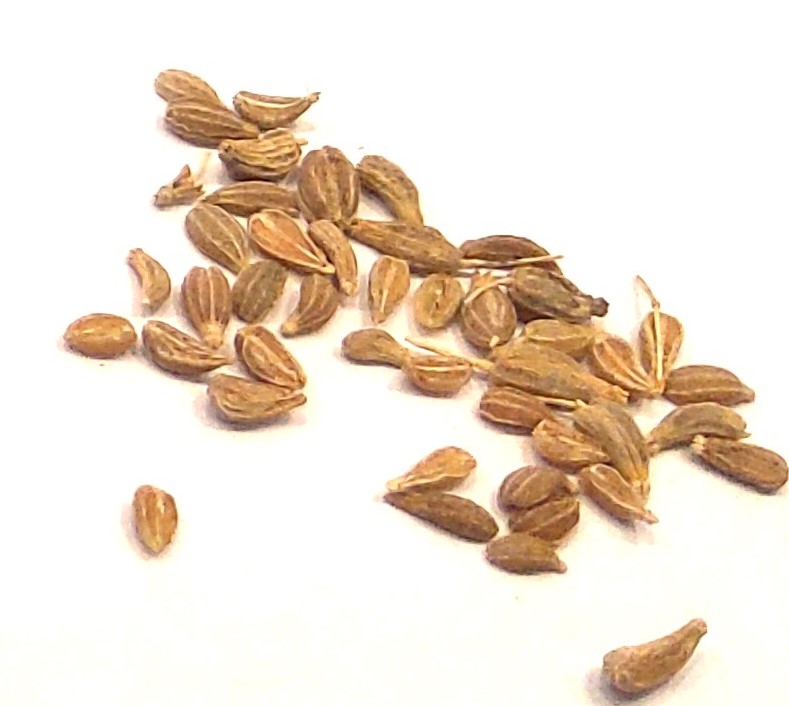
  • Anise (Pimpinella anisum) is native to the Eastern Mediterranean, Egypt and the Middle East. It is also cultivated in Western Asia, Europe and North America. It is a member of the parsley and carrot family and, as such, it is related to cumin, dill and caraway. The anise seeds are small, oval-shaped, and gray-brown. Other names are anise seed and aniseed.

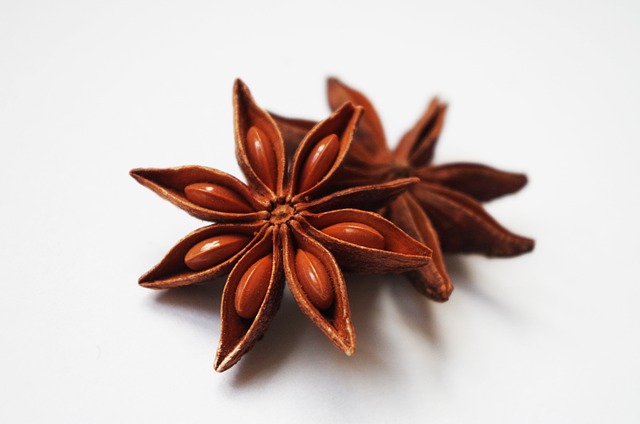
  • Star Anise (Illicium verum) is native to China and Vietnam but is also grown in East and Southeast Asia. It grows on an evergreen tree of the Schisandraceae (Schisandra) family. It has fragrant flowers that are either yellow-green or pink-red. The flowers give way to a pretty eight-pointed star shape. Each section of the star is a seed pod.

Flavor

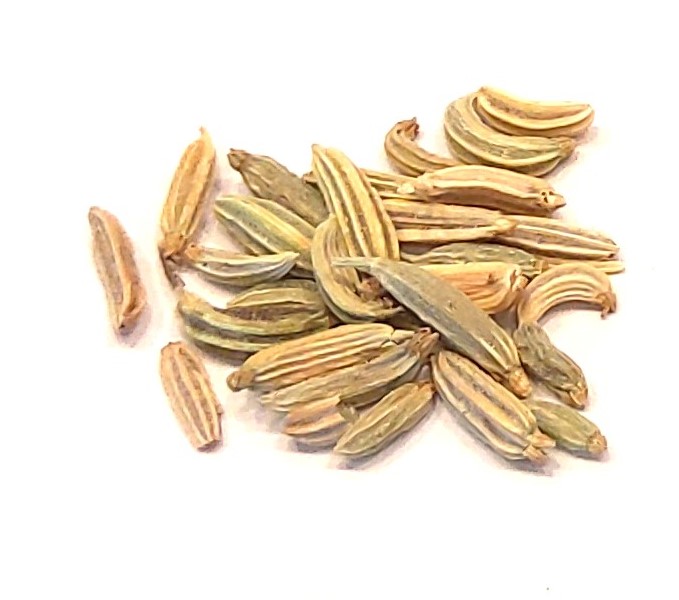
These spices are known for their licorice flavor that comes from a compound called trans-anethole. A third spice that shares this flavor profile is fennel seed. See this prior Cooking Tip for a discussion on fennel. All three contain trans-anethole but have differing amounts of other flavor compounds, which give additional flavor notes. Therefore, they do not taste identical.

  • Anise seed has an earthy flavor with notes of fennel, caraway, licorice and camphor.

  • Star Anise also has a licorice flavor but with floral and sweet notes. Some describe it as herbal, lemony and woody.

Culinary Uses

Anise

Anise is used in both sweet and savory dishes, including soups, sauces, breads, cakes, and liqueurs. It is essential for many spice cakes, cookies and sweet breads.

Star Anise

Star anise is very common in Asian cuisine but may also be part of holiday baking recipes, as well as mulled wine or cider. One of the most common uses is as a component of Chinese Five-Spice powder and Garam Masala.

It can be used in whole form, but should be removed at the end of cooking as you would a bay leaf. Alternatively, you can grind it before adding it to your dish.

A non-culinary use is as a common addition to potpourri baskets, especially for the holidays.

America’s Test Kitchen investigated whether people could tell the difference between the flavor of anise, star anise and fennel seed. Their recipe testers tested these three spices in biscotti, pho broth and Italian meatballs.

  • With a biscotti recipe that called for anise, but one of the others was substituted, the tasters could quickly identify the difference.
  • With a Pho recipe that called for star anise, it was easy to tell when fennel seed or anise was used instead.
  • The flavor distinctions were harder to tell in Italian sausage meatballs that usually specify fennel seeds. They partially attributed this to the fact that the dish contained many other spices.

The takeaway is to be aware of the differing flavor profiles if you want to substitute.

One final note is to beware of Japanese star anise. It’s not edible as it contains high levels of toxins.

Do not be wary of these spices, as they can add a unique flavor to your dishes. Just know the differences and how they might affect your dishes.

Cooking Tips · Techniques

Meringue – A Fluffy Delight!

When you hear the word Meringue, what do you think of? Do you think of that soft and fluffy topping on your lemon pie? Or, do you think of the swirly, crisp cookies that melt in your mouth? What meringue is and how to make it is the subject of this Cooking Tip.

Image by Charlotte Markham from Pixabay

By definition, meringue is a mixture of beaten egg whites and sugar. It can be as soft as what you find on that pie or a Baked Alaska. It can also be baked into what is termed a hard meringue. Examples of these are little meringue cookies or a Pavlova. The latter is a dessert with a hard meringue base topped with fruit and whipped cream.

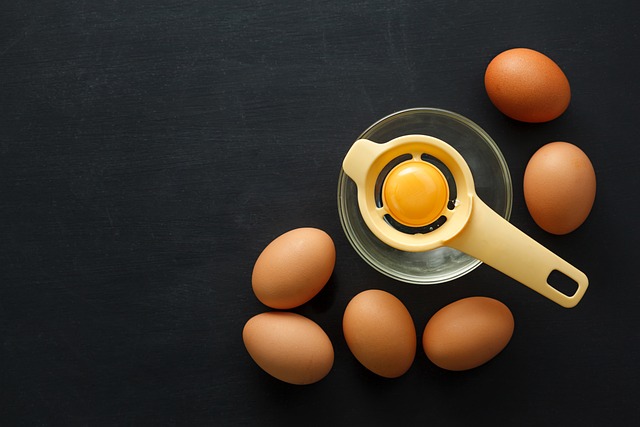
Since egg whites are the main ingredient, one must know how to separate the egg whites from the yolks. Eggs are easiest to separate when they are cold. However, they whip up faster and with more volume when at room temperature. Therefore, one of your first steps is to take your eggs out of the refrigerator and separate them. Put them in a bowl and allow to set at room temperature while you finish your prep for the particular recipe.

Image by Julia Filirovska from Pixabay

Have you ever had a time when you just couldn’t get the egg whites to whip up properly? If that happens, the main culprit is fat. The presence of fat in the egg whites prevents them from whipping up in volume and texture.

Here are tips to help you have success in whipping egg whites.

  1. Fat may be present if you allow some of the egg yolks to get into the whites. To prevent this, consider using the three-bowl technique for separating your eggs.
  • Separate one egg putting the white into Bowl #1 and the yolk into Bowl #2.
  • Separate the remaining eggs one at a time, allowing the white to drip into Bowl #3.
  • After each one, put the yolk with the other ones in Bowl #2.
  • If the egg white you have put into Bowl #3 looks clean of yolk, add it to Bowl #1. This way, if you accidentally get yolk into a white, you can set it aside so it doesn’t contaminate all the whites in Bowl #1.
  • Always use a clean glass or metal bowl. Try not to use a plastic bowl as they will often have a coating of fat on them, inhibiting whipping.
  • Ensure your beating implements (mixer blades, whisks) are clean of any fat.
  • Cream of tartar – adding a small amount of this ingredient helps to stabilize the egg whites. Use ⅛ teaspoon for every egg white.

There are three basic methods of making meringue.

  • French meringue is made by beating egg whites to the foamy stage (45-60 seconds), slowly adding sugar, and continuing to beat into a soft, airy, light mixture. This method can be a bit fussy as adding the sugar too early or too late can lead to disappointing results.
  • Cooks Illustrated tested the timing of adding sugar to the egg whites.
    • They made three batches each of meringue cookies, angel food cake and chiffon cake. They varied when they added the sugar – before whipping, after a minute of whipping and at the end.
    • The best result for all the tests was adding the sugar after a minute of whipping. Adding at the beginning gave dry cakes. Adding at the end resulted in dense and crumbly cakes.
  • For meringues, adding at the start gave dull cookies with a very fine crumb. Adding late resulted in an overly airy and grainy texture. They compared the taste to Styrofoam.
  • It is also helpful to add the sugar a couple of tablespoons at a time until it has all been incorporated. Adding the sugar slowly ensures all the sugar is dissolved. This type of meringue is the least stable. Therefore, it is usually used when it is going to be baked – either in a cake batter, meringue cookies or a meringue shell.
  • Cooks Illustrated also tested the speed of whipping the egg whites.
    • They tested this with meringue cookies, meringue frosting, chocolate mousse and chiffon cakes. They tried two methods of whipping – slowly until foamy and then finishing on high and beating on high the entire time.
    • The slow start produced a meringue about 10% more in volume. This gave cookies and frosting that were lighter and airier.
    • With the cakes, they were indistinguishable.
  • Swiss meringue is prepared by putting the egg whites and sugar into a bowl that sits above boiling water – a type of bain marie. When the mixture reaches a temperature of about 120° to 140°F, the mixture is removed from the heat and then beaten to stiff peaks. This method results in a less fluffy meringue than French and less stable than Italian. The recipe testers at Serious Eats claim to have found a technique that will make your Swiss meringue as light as a French meringue but as stable as Italian. They do this by cooking it to a higher temperature – up to 175°F. They also whip it vigorously at high speed for about 5 minutes until it is glossy, thick & stiff. This type of meringue is often used as the base for buttercream frosting. Cooks Illustrated agrees with a higher temperature. They recommend heating the whites to 160°F and increasing the amount of sugar to make pavlovas, saying it produces the result of a crisp shell with a marshmallow-like interior
  • Italian meringue starts by putting the egg whites into your mixer bowl and beating to soft peaks. Then, a sugar syrup that has been heated to 240°F is slowly drizzled in while you continue to whip until the meringue is very voluminous and reaches the desired peak. Because this sugar syrup is very hot, one must be very careful when using this method to prevent burns. It is the most stable of the meringues but is also heavy and thick. It is used to make nougat and is also the best for topping meringue pies.

What are the culinary uses for meringues?

Image by Didier from Pixabay
  • Meringue-topped pies or Baked Alaska
    • A French meringue is recommended for these recipes.
    • Because the meringue is made with raw egg whites, be sure to bake it so that the internal temperature reaches 160°F.
    • Because of this concern, some recommend using meringue powder as the egg whites have been pasteurized. It is made with dried, powdered egg whites and also contains sugar, silicon dioxide, corn starch, citric acid and cream of tartar. Cooks Illustrated tested this product to see if it would work in making pavlova, uncooked royal icing, and seven-minute frosting. In all the tests, they found the meringues were dense and grainy, and the frostings were extremely sweet and thin. For these reasons, they do not recommend this product.
  • Meringue cookies are small, light cookies with a crunch throughout.
    • A French meringue is typical.
  • Pavlova is like a large meringue cookie, but whereas it has a crispy shell, the interior is more marshmallow-like with a chewy texture.
    • It is generally made with a French meringue to which cornstarch and an acid (usually white vinegar) are added along with flavorings. It is then spread out on a parchment-lined baking sheet and baked in a low oven until the outside is crisp. The oven is then turned off, and the meringue is left inside the oven to finish drying out.
    • Cooks illustrated tried making a pavlova with an Italian meringue. Although the usual temperature the meringue is cooked to is 140°F, the resulting meringues were coarse and had a pitted exterior. They increased the temperature that they cooked the egg whites to 160°F. This gave a smoother texture, but the exterior was too soft. They found that increasing the amount of sugar gave them the crispy shell they wanted. They recommend 1 ½ cups of sugar to ¾ cup of egg whites. Because the ratio is important, they recommend measuring or weighing these ingredients. For large eggs, this will probably be six egg whites.
    • Typical pavlova recipes call for adding cornstarch and vinegar to the egg whites after whipping. They also tested this and found it solid advice. They recommend adding 1½ teaspoons of each.

A final interesting point is for those of you who would like a plant-based alternative, and that is aquafaba. Aquafaba is the liquid from a can of chickpeas. Cooks Illustrated tested this using four ounces of aquafaba and four egg whites. They heated the aquafaba and dissolved the sugar in it. After allowing the mixture to cool, they added cornstarch and whipped it with salt, vanilla and cream of tartar. They were pleasantly surprised that the result was a whipped-up mixture that was sticky and “taffy-like.” So, if you want an egg-free alternative, give it a try!

As baking season progresses, I hope you consider making meringues. A browned meringue-topped pie is beautiful on your table. A pavlova with its crisp white base and the topping of fresh fruit and cream is a showstopper. Little meringue cookies are not only wonderful to eat, but they also make very nice gifts, especially when flavored and colored.

Happy Baking!

Cooking Tips · Techniques

Top Tips for an Appetizer Party

Image by Denise Husted from Pixabay

How do you entertain for the holidays? Is it just small gatherings for family? Do you host a neighborhood gathering? Do you do larger-scale parties? Have you ever considered an Appetizer party. How to do that is the subject of this Cooking Tip.

Planning is one of the most important, if not the most important, part of a successful party. If planning does not come naturally to you, the following guidelines should help. You may want to also consider enlisting the help of a friend or family member who is great at planning.

I will start with some general guidelines and then finish with a timeline for you.

One of the most stressful items is figuring out how much food you will need. Ideally, you want enough food to satisfy everyone without a large amount of leftovers. This dilemma has two different aspects – how many different appetizers to serve and how much of each appetizer.

There is not just one answer to this question. It depends on how many people you are serving, how long the party will be and what time it will be held. The more guests that will be attending and the longer the party, the more food you will need. People tend to eat more during the first hour. Therefore, you may want to offer more food during that time and less thereafter.

Food requirements

You will need more food if your party is meant to replace dinner. Plan on the following.

  • For 40+ guests, about 8-10 different appetizers with 2-3 pieces per person of each appetizer.
  • For 20+ guests, 6-8 different appetizers with 3-4 pieces per person of each appetizer.
  • For smaller gatherings, 5-6 different appetizers with 4-5 pieces per person of each appetizer.
  • May want to make fewer bites per person of the more complicated items and more of the easier ones.

If the party will be served outside of mealtime, you will not need as much food.

  • Serve 4-6 different dishes.
  • Total of 6-8 bites per person.

Now, to the timeline.

One month before the party

  • Finalize the type of party and if there will be a theme.
  • Create your guest list.
  • Send invitations with a RSVP date of no later than a week before.

Three weeks before the party

  • Select menu
    • Test any new recipes. Put all recipes in a folder.
    • Assess any dietary restrictions of your guests. Consider offering options that are vegetarian, gluten-free, dairy-free, etc.
    • Adopt the “make some, buy some” strategy. So many of us feel we need to make every dish ourselves. However, this is one time it is fine to purchase quality pre-made dishes or items that you can use to make your prep easier.
    • Pick several dishes that can be made ahead and frozen. Pick other dishes you can make a day or two in advance and refrigerate. Other dishes may need to be made or finished just before the party.
    • Serve a diverse spread from the following categories.
      • Garden – veggies, raw/cooked/stuffed
      • Starch – finger sandwiches, pizza, dumplings, bruschetta, breadsticks, rolls, crackers
      • Protein – meatballs, skewers, savory tarts, chicken wings, egg dishes, cheese, tofu
      • Snacks – nuts, chips, pretzels, popcorn
      • Dips/Spreads
      • Desserts – serve mini-desserts such as cheesecake, tartlets, candy, cookies
    • Some experts recommend that half of the recipes should be served chilled or at room temperature, and the other half of the recipes should be served hot or warm.
    • Choose 2-3 recipes that do not require cooking, such as an antipasto platter, a cheese board or a veggie plate.

  • Decide on beverages
    • Soft drinks: One to two 8-ounce servings per person per hour.
    • Punch: One to two 4-ounce servings per person per hour.
    • Tea: One to two 8-ounce servings per person per hour.
    • Coffee: One to two 4-ounce servings per person per hour.
    • Water: Always provide it. Two standard-serving pitchers are usually enough.

  • Make sure you have enough tables, chairs, serving dishes, place settings, etc. If not, plan on buying, borrowing or renting items.

  • How are you going to keep food warm? Do you need warming trays, crock pots, etc.? If you do not have them, can you borrow or rent them?

  • Create a shopping list, sorting it by when you can buy the items.

One week before

  • Get your final RSVP count.
  • Clean out your refrigerator to make sure you have room for the party food.
  • Shop for non-perishable items.
  • Create a task list & timeline for preparing food. (Can do this earlier if desired.)
    • Put this in your recipe folder or post it on the refrigerator.
    • Write down all the tasks and organize them in the order you need to do them.
    • This plan will get more detailed as the day approaches.
    • On party day, it often helps to start backwards. For example, what time do you want people to eat? With that time in mind, what time must the food be done? So, when do you need to start cooking/reheating, etc.?
    • Include how long it will take to cook items & at what temp. If you need more than one item in the oven, plan for this.

The week of

  • Clean your house a few days before and keep it that way.
  • Shop for perishable items.
  • Prep any dishes or parts of dishes that can be made ahead of time.
  • Set the table or party area the day before. Set out serving dishes labeled with a sticky note about what goes in each one. Place serving utensils along dishes.

Other considerations

  • Plan a place for guests to put coats, if necessary.
  • Do you want music?
  • Do you need a seating plan? If so, do you want place cards?
  • Decide on any decorations, flowers, etc.
  • If you will allow guests to bring something, be very specific. It would be best if those items do not require stove or oven space. Do not feel shy about requesting a specific item.

Freezing Tips

  • Be sure your freezer is 0°F or colder.
  • Do not overload the freezer. Freeze no more than 2-3 pounds of food per cubic foot of freezer space in any 24-hour period.
  • Cool baked appetizers quickly in the refrigerator before freezing to prevent ice crystals from forming during the freezing process.
  • Freeze items that can break, crumble or be crushed in single layers on a baking sheet until firm. Then, place them in freezer containers or bags.
  • Use freezer-grade wrapping or tight-lidded plastic containers.
  • Clearly label each item, including the date and reheating or cooking instructions.
  • Separate each layer of food with plastic wrap or wax paper if you need to stack them. Remove the wrap before defrosting.
  • Always thaw food in the refrigerator if it needs to be thawed before cooking or reheating.
  • Use frozen appetizers within 1-3 months.

The next time you are hosting a get-together, consider an appetizer party. So much can be done beforehand, allowing you to enjoy the party more. Just put your planning hat on and have fun!
Cooking Tips · Techniques

Kitchen Appliances – What do you really need?

I love kitchen appliances, both large and small. I am very blessed to have a kitchen with great large appliances and space for plenty of small appliances. I use some much more than others, and some I could do without. In this Cooking Tip, I want to discuss some of these appliances to help you decide how to plan your kitchen purchases.

Large kitchen appliances

Cooktop – we all need some sort of cooktop and/or range. In a prior Cooking Tip, I discussed my decision to install an induction cooktop rather than gas. One negative I discussed in that Tip was that my favorite instant-read thermometer would not work correctly with the induction cooktop on. Since then, Thermoworks has come out with a new thermometer that does not face the same interference from the induction, called Thermopen One.

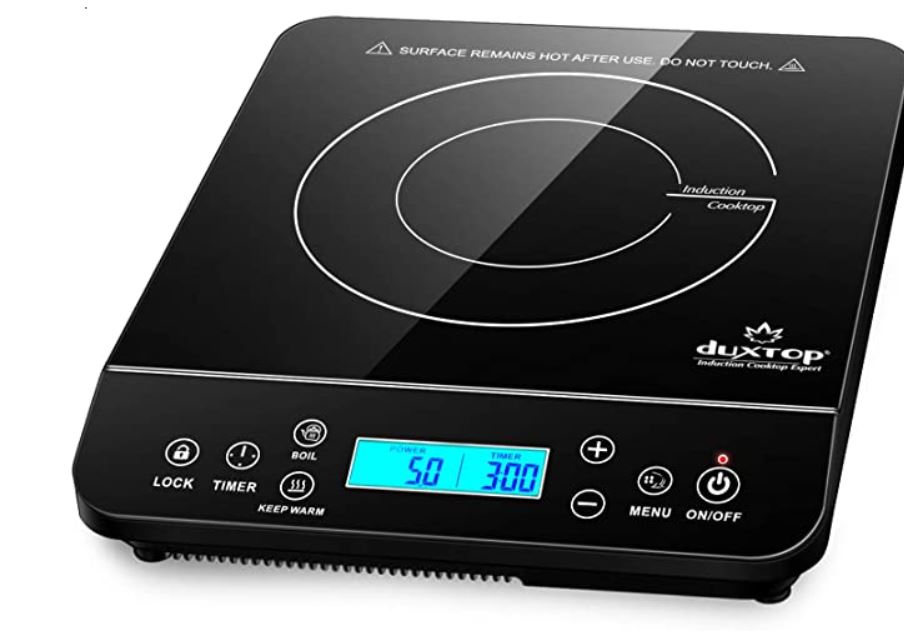
My opinion of induction cooking has not changed since that prior Cooking Tip. If you are thinking of getting a new cooktop, look at induction. If you are not looking for an all-new cooktop but feel you sometimes need an extra burner and want to try induction, you can purchase a portable one. I have been using ones from Duxtop in some of my cooking classes, which are excellent.

Ovens – I have double ovens in my kitchen, which is a luxury. I rarely use more than one at a time. When one of my ovens stopped working, and the necessary part was on backorder for months, it was nice to have a second oven. I purchased two separate wall ovens and mounted them side-by-side. As I get older, it is nice to have both ovens at a comfortable level rather than one higher than I want and one lower than I want.

When I was picking out my ovens, Bosch offered ovens where the doors opened left to right and vice versa rather than from top down. This was a nice feature as you do not have to lean over a hot oven door to remove your dish. I did not go with the Bosch brand, but I still think it is a brilliant idea.

In summary, do you need double ovens? In most cases, the answer is no. Yes, they are nice but not necessary. If you only have a single oven but sometimes wish you had a second oven, you may want to consider a countertop oven, often called a toaster oven. Nowadays, they come in many sizes and price points and can do many things other than toasting. They can not only act as a second oven but also keep you from heating up your kitchen with your regular oven during the warm months.

Warming drawer – this is one of those luxury items I use frequently. It is great if I want to keep my food warm while waiting for dinner to commence. If I am making something in which I am cooking multiple items, such as pancakes or tortillas, it is wonderful to put the cooked ones in the warming drawer while I am cooking more. That way, the first ones you cook do not get cold while cooking the rest. Again, it is a luxury but one I enjoy having.
Small Kitchen Appliances

Electric mixers – I have both a hand-held mixer and a stand mixer. Since the latter takes up more space, do you really need it? That depends on how you cook and bake. Since I am constantly trying new recipes for my business, I use mine frequently. It is excellent for helping to knead bread and pastry dough. It also makes quick work of creaming butter and sugar for your cookies and whipping up egg whites and cream. All those tasks except kneading dough can be done with a good hand mixer.

Food processor – If your budget or counter space is limited, I think a nice food processor would be a better investment than a stand mixer. Making some of those doughs in a food processor rather than a stand mixer is possible. I make my pizza dough in mine, and it all comes together in under five minutes. You can chop veggies and nuts, puree dips/sauces, and mince meat. If you get one with slicing and grating disks, you can process that cheese quickly and safely without grating your knuckles on that hand-held grater.

If you want a food processor, consider what tasks you want it for. Perhaps you need just a small capacity one. It may not work for large dough recipes, but it will be great for the chopping and pureeing tasks.

Blender – I have both a blender and a food processor, but you do not necessarily need both. Blenders are great for crushing ice and pureeing liquids. Even though you can puree liquids in a food processor, a good blender does a better job of getting a velvety result. However, a blender cannot do those other slicing, dicing and grating jobs that a food processor is made for. Once again, ask yourself what you do in your kitchen. If you are more likely to make drinks and smoothies, a blender may be a better fit for you. If not, consider a food processor.

There are hand-held blenders called immersion blenders. If you want a food processor but like some of the blender advantages, this might be just what you need. It has a much smaller footprint, too. I store mine in a drawer.

Rice cooker – You can absolutely cook rice on the stovetop. If you eat rice regularly, you may want to consider a rice cooker. If you measure your rice and water correctly, this is a hands-off way of cooking perfect rice. And, depending on the model, it can even keep it warm. I would give up other small appliances before I give up my rice cooker.

Slow Cooker or Crock Pot – Although this appliance is mostly hands-off, it takes up considerable space. Ask yourself how often you would use it. If you cook for potlucks a lot, it is very helpful as it will not only cook your dish, but you can take it to the potluck in the appliance and plug it in to keep it warm for serving.

Another reason people love these appliances is that they are made to allow you to put your ingredients in it, turn it on and leave the house while you go to work or run errands. I have never felt comfortable doing this, but that fear may be unfounded. Here is one opinion on the safety of a slow cooker.

Instant Pot – These seem to be the darling of many people. Take a look at this Tip for my take on this appliance. It is meant to be multi-functional and can do some of the things that a slow cooker and a rice cooker can do, although maybe not with the same result. Because of the way I cook, I do not feel a need for an Instant Pot. However, many cooks feel they couldn’t live without one.

Sous Vide – This is an appliance that most of us will do just fine without. A prior Cooking Tip talks in more detail about sous vide machines.

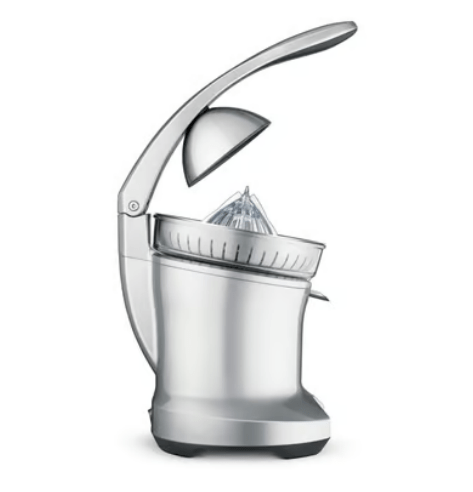
Electric juicer – This is an appliance that most do not need. I would never have bought one, but I won one in a contest. I love it and use it frequently. It does an incredible job of juicing all sorts and sizes of citrus in a way you could never do with a hand-held citrus squeezer. It does take up space, though. If you do not do a lot of citrus juicing, you can skip this one. Do not ask me to give up mine, though!

Electric Grill – You can do nothing on this appliance that you cannot do on your stovetop. I have a Cuisinart Griddler and love it for making paninis or pressed sandwiches. Other tasks can be accomplished on an electric grill, and they generally do a great job. Because of the expense and space requirements, I would ensure you will use it frequently before you buy one.

Vacuum Sealer – If you buy in bulk and have sufficient freezer space, this is an appliance you might want to consider. They are easy to use, although you need to purchase specific bags for your particular sealer model. They do keep frozen food in a fresher state for longer without the dreaded freezer burn. You can seal bags of other food items without using the vacuum function. It keeps those items in an air-tight bag or container, thus prolonging their shelf life.

There are plenty of other kitchen appliances, but I hope this list will help you decide what is right for you and your kitchen. You might also use it for a wish list for the upcoming Holiday season!

Cooking Tips · Techniques

How to make Cake Rolls – Tips for Success!

One of my favorite types of cake to make is a Cake Roll. What it is and how to successfully make it is the subject of this Cooking Tip.

If you wish to delve into more detail about making cakes in general, I suggest looking at these other Cooking Tips.

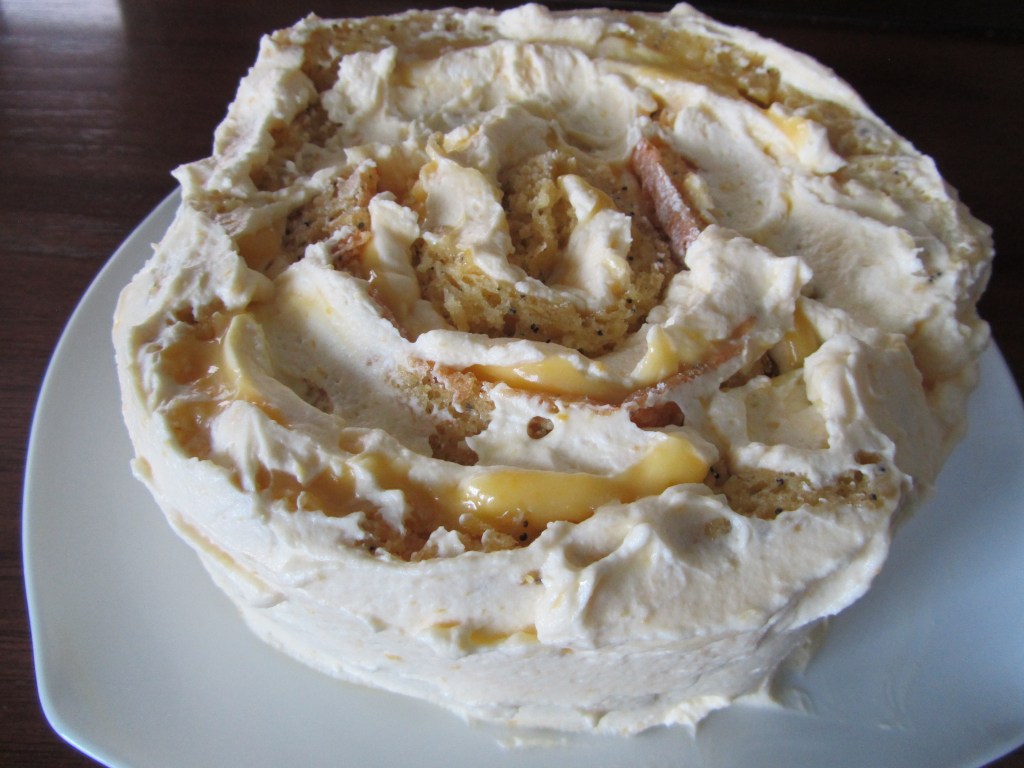
For this Cooking Tip, let’s narrow our focus to Cake Rolls, also known as Roll Cakes. You might have heard other names, such as Swiss Roll or Roulade. No matter its name, in its simplest form, a Cake Roll is a light cake that has been rolled and filled with jam or other filling and often dusted with powdered sugar.

The type of cake is a sponge cake. They have a light and airy texture that is achieved by folding whipped egg whites into a batter made of beaten yolks and sugar. This lightness helps you to be able to roll it without it breaking.

You do not have to be limited to the rolled shape. That same cake batter and baking method will leave you with a blank canvas to turn into other shapes and delightful creations. More on that below.

Let’s start with some general Cake Making Tips that will help you no matter what kind of cake you are making.

  • Baking cakes, especially if you live at a high altitude, is not a time to fly by the seat of your pants. It is, rather, a time to follow the recipe exactly. The only variations would be those you make at high altitudes.
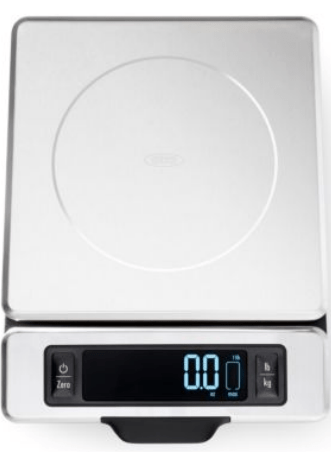
  • Buy a food scale and weigh the ingredients. It is more accurate than cup measures and will yield better results.
  • Pay attention to temperatures called for in the recipe. If it specifies room-temperature ingredients, you will only get the desired result if you heed that advice.
  • Butter should be unsalted unless otherwise specified. If all you have is salted butter, reduce the salt in the recipe by ¼ tsp for each 4 ounces of butter. If you do much baking, try to always have unsalted butter on hand. It keeps wonderfully in the freezer, and you will not have to make adjustments.
  • Use the appropriate pan sizes. Some adjustments can be made, but using the size called for is best.
  • Try not to use dark-colored pans as they will not give you the desired result of a golden, moist, tender cake.
  • Most recipes will call for greasing the cake pans. Even better is to grease the pan, line it with parchment, and grease again. For bundt-style cakes, grease the pan thoroughly and sprinkle lightly with flour or use a flour-based pan spray. See this Cooking Tip for more information about these sprays.
  • Allow enough time to preheat your oven thoroughly. Using an oven thermometer to check its accuracy is also a good idea.
Image by sayadul al araf from Pixabay

Now, let’s focus on Cake Rolls in particular.

Ingredients

  • Most cake rolls only contain eggs, sugar and flour.
  • Most cake roll recipes will have you beat the yolks and whites separately.
  • Eggs separate more easily when cold but whip up better at room temperature. So, take eggs out of the refrigerator, separate but then allow them to come to room temperature before proceeding with the recipe.

Baking the Cake

  • Follow the recipe carefully in terms of the order of adding ingredients.
  • The type of pan you will be using is a baking sheet. Some companies will label them as a Jelly Roll pan.
  • Prepare your pan carefully by lining it with parchment paper, then spraying it with a non-stick spray. Careful attention to this will help keep your beautiful cake from sticking to the pan.
  • Spread cake batter evenly in the pan. Using an off-set spatula will help you get it level.
  • Do not overbake. Press lightly on the top of the cake. If it springs back, it is done.
  • Do not bake until the cake is brown, as this will cause it to dry out and become brittle.

Rolling the cake – three methods

One important tip that applies to all these methods is to roll the cake while still warm to minimize cracking.

  • Rolling Method 1
    • Place a non-lint tea towel on a cooling rack and sprinkle generously with powdered sugar to prevent sticking.
    • Remove cake from oven. Gently run a knife around the cake to loosen the edges.
    • Turn the cake onto the prepared towel and rack.
    • Remove pan and parchment.
    • Sprinkle the surface with powdered sugar.
    • Place another tea towel on top of powdered sugar.
    • Place another rack on top of the towel.
    • Grab the entire stack (from rack to rack) and turn it over.
    • Roll the cake while still warm, rolling the towel inside the cake.
    • Cool on rack for at least 30 minutes.
    • Unroll and fill as desired.
    • Reroll cake around filling.
  • Rolling Method 2
    • Remove cake from oven and loosen edges.
    • Sprinkle the surface with sugar.
    • Place parchment on top of the cake, followed by a towel that has been slightly dampened with a spray bottle of water.
    • Cover the stack with another baking sheet. Flip over.
    • Allow to rest for 3-5 minutes.
    • Remove baking sheet.
    • Slightly moisten parchment with a spray bottle of water and wait about 1 minute before removing it from the cake.
    • Your cake should be warm but not hot for the rolling step.
    • Roll with the damp towel and parchment inside.
    • Allow to cool.
    • Unroll and fill as desired.
    • Reroll cake around filling.
  • Rolling Method 3
    • Lay a tea towel on the counter and sprinkle generously with powdered sugar.
    • Remove cake from oven and invert onto towel.
    • Remove parchment.
    • Roll the cake up with towel inside.
    • Allow to cool.
    • Unroll and fill as desired.
    • Reroll cake around filling.

Filling the cake

  • Choose a filling that is spreadable and not runny.
    • Leave a quarter inch around the edge without filling.
    • Do not add too much filling, as it will make rolling difficult and squeeze out the edges.

Non-Rolled cakes

You may branch out and assemble in a non-rolled form using this same wonderful type of cake. Let’s look at two ideas.

Stacked cake

  • After removing the cake from the oven onto a cooling rack, run the tip of a small knife around the edges to loosen it.
  • Allow to cool for about 15 minutes.
  • Sift powdered sugar over the surface and cover with a tea towel, followed by a second rack.
  • Flip the racks, remove the pan and parchment.
  • Allow to cool completely.
  • Cut your cooled cake into four rectangles. You may wish to carefully trim away about ¼ inch of the edges for a clean look.
  • Stack the rectangles on top of each other with your preferred filling between the layers.
  • You may top the cake with powdered sugar or even apply a chocolate glaze.

Wrapped cake

  • After removing the cake from the oven onto a cooling rack, run the tip of a small knife around the edges to loosen it.
  • Sift powdered sugar over the cake.
  • Cut the cake into five equal rectangles.
  • Cover one rectangle with a tea towel or paper towel separately.
  • Cover the other four rectangles with a different towel.
  • Place another cooling rack on top and flip.
  • Remove pan and parchment.
  • Take the one rectangle that is covered separately and roll it up.
  • Place on a rack and allow to cool.
  • Allow other rectangles to cool in their flat state.
  • Unroll the cooled rectangle and remove the towel.
  • Cut the non-curled edge at an angle to create a beveled edge.
  • Do the same on both ends of the flat rectangles.
  • Spread filling on rectangles.
  • Re-roll the one curled rectangle and set it on your plate upright with the cut side up.
  • Take a second strip and wrap around this first layer, using the beveled edges to nestle within each other. Place this second strip so that one edge aligns with the edge of the first strip. Continue with other rectangles, gently pressing the layers together as you proceed.
  • Spread more filling on the outside of the cake to give the appearance of a frosted cake.
  • This type of cake needs a few hours to set up before cutting so the layers stay together.

I hope you give Cake Rolls a try. They may look difficult but are not if you follow the above tips.

Happy Baking!

Cooking Tips · Ingredients · Techniques

Condiments – to refrigerate or not?

Image by wixin lubhon from Pixabay

Hello, Food Lovers! If you are like me, you probably have multiple bottles of different condiments. Many, or even most, of these tend to take up residence on our refrigerator door. Have you ever considered which ones need to be there and which might do just as well in your pantry? That is the subject of this Cooking Tip.

Why do we refrigerate these items at all? On the shelf, they have been produced and put in an airtight container. After that seal is broken, the air can allow pathogens to proliferate.

An overall principle is that it is rarely wrong to refrigerate an opened condiment. Most manufacturers advise that refrigeration prolongs freshness and flavor, even if not needed for safety reasons. That is why you often see the wording “refrigerate after opening” or “for best flavor/quality, refrigerate after opening.” Refrigeration will also often prolong the shelf life of the product.

A look at the ingredient list can be helpful. Since salt and vinegar are known to be preservatives, if these are listed at the top of the ingredient list, the more likely that they will do fine without refrigeration.

Ketchup

Image by Alexa from Pixabay

This is one condiment about which people argue. Heinz responded to the “refrigerate or not” controversy by stating their ketchup should be put in the refrigerator. They say it is to “maintain the delicious tangy taste.” They do admit that the acidic nature of the product means it is probably shelf-stable but still recommend cold storage to maintain quality.

Mustard

Experts say this does not have to be refrigerated due to its acidic nature.

Soy Sauce

There is no need to refrigerate this condiment for safety reasons, but it is a good idea to preserve its quality.

Mayonnaise

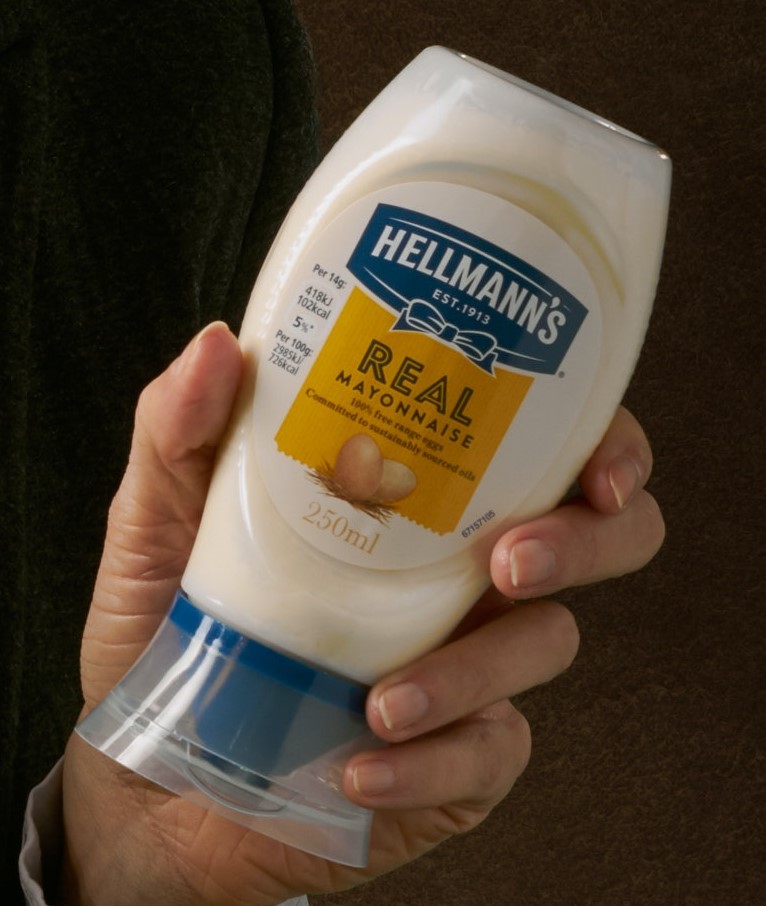
This is a condiment that I would never consider storing in the pantry after opening. However, some experts say it can be kept at room temperature for up to a month. The acidic ingredients (vinegar, lemon juice) do inhibit bacterial growth. Note that this does not apply to homemade mayo; that should always be refrigerated. (And, if you make your own mayonnaise, I am indeed impressed!)

Hot sauce

As hot sauces are highly acidic, there is no need to refrigerate. As with other condiments, flavor changes can occur at room temperature.

Jams/Jellies

Image by Paolo Trabattoni from Pixabay

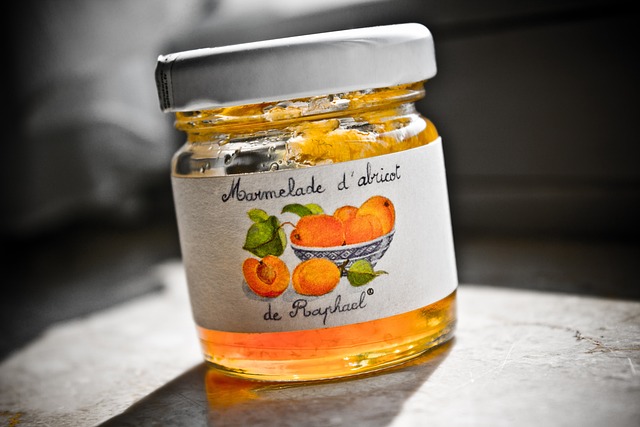
These should definitely be refrigerated due to the likelihood of spoilage at room temperature.

Worcestershire sauce

Similar to another umami-containing condiment, soy sauce, refrigeration is not a requirement.

Fish sauce

This is one we can feel comfortable leaving in the pantry due to its high salt content. The above statements about prolonging quality and shelf life, though, still apply.

Oils

Cooking oils, including coconut oil, do not need refrigeration. Most nut oils, however, are much more perishable and should find a place in the refrigerator.

Vinegar

Because of the high acid content, vinegars are shelf-stable after opening for an indefinite time.

Peanut butter

The average peanut butter made with hydrogenated oils is fine at room temperature. If you buy natural peanut butter, it is best to refrigerate to avoid the oils going rancid.

Honey

Honey not only does not need refrigeration but doing so can accelerate crystallization.

Salsa

Although salsas do contain acids, it is not enough to prevent spoilage. So, into the refrigerator it should go.

Maple syrup

True maple syrup should be refrigerated after opening. Artificial ones that are made with corn syrup do fine in the pantry.

Another question about condiments is how long they last, whether or not refrigeration is a concern. The US Department of Health and Human Services has an app called FoodKeeper that will help you understand how long any food, not just condiments, will keep in the pantry and refrigerator. Just find the food you want to look up and the government’s recommendations will be there.

I must admit that apart from honey, peanut butter and fish sauce, I keep all the above in the refrigerator after I have opened the container. As long as you have space, that is a good habit for prolonging the quality of these items. If you run short of real estate in your refrigerator, the above should help you know what you can safely take out.

Cooking Tips · Techniques

Bread – Get it on your holiday table in record time!

In the prior two Cooking Tips, I discussed general freezing tips that you can use to destress the holidays by making items ahead. Last week’s Tip delved into how to freeze pies before the holidays. In this Tip, I want to look at another staple on our holiday tables – Bread.

Many experts do not recommend freezing unbaked bread dough as the freezer can kill the yeast. Many people do this successfully, although they do take the following precautions.

  • Adding additional yeast, anywhere from 20-100% more.
  • Using active dry yeast rather than instant yeast.
  • Freezing as quickly as possible. Ensure your freezer is no higher than 0°F, and do not open your freezer door until the dough is solid.
  • Freeze no longer than 2-3 weeks.

For the holidays, most of us will make dinner rolls rather than full loaves of bread. Here is advice for you on different ways to make rolls ahead of time.

Freezing unbaked dough balls

King Arthur Flour recommends the following technique.

  • Make your dough with cool (not lukewarm) liquid. This allows the yeast to stay in a dormant state longer and protect against damage.
  • Knead, portion and shape the dough. By not allowing the dough to rise before shaping, it is another way to minimize yeast activity.
  • Place dough balls in a pan lined with parchment or wax paper. Cover with plastic wrap and place in freezer.
  • Freeze balls until very hard.
  • Place in a freezer bag and back in the freezer.
  • For serving, remove from the freezer and place in a lightly greased pan. Cover and allow to rise. Set them in a warm area if you wish for them to rise more quickly. To slow down the rising, place in a cooler area. This will take 4-5 hours.
  • You may also take it out the night before and let it thaw in the refrigerator.
  • Bake and serve.
Image by HealthyHappy from Pixabay

Freezing baked rolls

  • Make and bake rolls according to your recipe.
  • Allow to cool completely and wrap tightly.
  • Place in freezer.
  • Allow them to thaw at room temperature overnight and serve either as is or after heating in a 300°F oven for a few minutes.

Freezing the entire batch of dough

  • Make the dough, flatten it into a disk or square, wrap and freeze.
  • Allow to thaw overnight in the refrigerator.
  • Shape, allow to rise and bake. Because the larger quantity of dough will take longer to freeze and thaw, there may be more yeast damage, resulting in denser rolls.
  • Reheat in a 300°F oven for about 8-10 minutes.

You do not need to freeze if you only need a few days of planning.

  • Make the dough and allow it to rise.
  • Place in a storage container with enough space to allow expansion, cover and place in the refrigerator. When ready to bake, remove from refrigerator, shape into rolls and bake. Plan on an additional 20 minutes or so.
  • May also shape risen dough into dough balls and place those in the refrigerator. Remove from the refrigerator and allow to get puffy for about 90 minutes. Bake as in the recipe.

Loaf bread

Breadtopia recommends leaving your freshly baked artisan loaf uncovered and cut side down on a cutting board for two days. They feel this keeps the crust crispy and the interior soft. After that, it is best to cover it. For baguettes, they cover the day after baking. Soft sandwich bread should be covered as soon as it has cooled completely.

Freezing bread dough meant for loaves.

  • Make according to the recipe, but follow the above yeast recommendations.
  • Allow bread to undergo the first rise.
  • Punch down, knead and shape into loaves.
  • Place in bread pans lined with greased plastic wrap.
  • Place pans in the freezer and allow to freeze for about 10-12 hours.
  • Remove from pans, wrap tightly and return to freezer.
  • Remove from the freezer the night before you want to bake them and allow them to thaw.
  • Place in a greased loaf pan and allow the bread to undergo the second rise.
  • Bake as specified in the recipe.

To freeze loaf bread

  • For an entire loaf, wrap tightly after cooling and place in a plastic bag.
  • Defrost in a 325°F oven until the internal temperature reaches room temperature level.
  • If an entire loaf is too much to be eaten after removing it from the freezer, slice it into wedges of the right size or individual pieces.
  • To defrost, toast or gently microwave. Allowing the bread slices to come naturally to room temperature increases how quickly it will stale.

Now, you know how to make ahead two holiday mainstays – pies and bread. That has to make your holiday cooking easier!

Cooking Tips · Techniques

Make-ahead pies – help to destress the holidays.

As we are speeding towards the holidays, last week’s Cooking Tip was about freezing food in general. In this Cooking Tip, I want to concentrate on an item that will be on almost all our holiday tables – Holiday Pies.

As I mentioned in the last Cooking Tip, you may not have freezer space for whole pies. If you do, the questions are: what sorts of pie freeze well, are there any that you shouldn’t freeze and should you bake before freezing?

America’s Test Kitchen tested several different pies in different states. Although the following are their findings, most pie experts agree with them. When there are other options, I will discuss them.

Image by Elias Astudillo from Pixabay

Fruit pies

  • Freeze unbaked. They found that if baked before freezing, the pie crusts tended to be soggy when thawed. The filling did not taste as vibrant as it would have if baked and never frozen. On the other hand, pies that had been frozen unbaked were found to be indistinguishable from freshly baked pies.
  • They recommend freezing the pie until solid before wrapping it in plastic wrap as it leads to less damage to the crust.
  • Their technique:
    • Assemble the pie.
    • Do not apply an egg wash or sugar.
    • Freeze, uncovered, until firm.
    • Wrap in a double layer of plastic wrap and then in foil. Return to freezer.
    • Write the recipe’s original instructions on a label and affix it to the outside.
    • Freeze no longer than two months.
  • To bake a frozen fruit pie:
    • Do not thaw.
    • Brush crust with egg wash and sugar sprinkles, if desired.
    • Bake at the specified temperature, but increase the time by 10-15 minutes.
    • If the crust starts to brown too much, cover it with a pie shield.

Pumpkin pie

  • Although some chefs say you can successfully freeze pumpkin pies, most sources (including America’s Test Kitchen) caution against freezing these pies. The custard filling turns out grainy and wet and it very likely will have a soggy crust.
  • They found the same results whether frozen baked or unbaked.
  • The science of this has to do with the egg proteins unraveling and forming a gel that holds water. Since there is a lot of water in the dairy and pumpkin, this leads to ice crystals and unpleasant results. They recommend finding a recipe that does not use eggs if you want to freeze your pumpkin (or other custard or cream) pies.

Image by Juliane Lutz from Pixabay

Pecan pie

  • America’s Test Kitchen found that pecan pies froze well, either baked or unbaked. Even though there are eggs, there is very little water, as in pumpkin pies, minimizing the problems one finds when freezing pumpkin pies.
  • Their technique:
    • Unbaked
      • Pour filling into a pre-baked shell, cool and wrap as above.
      • To bake, do not thaw, but increase baking time by about 30 minutes.
    • Baked
      • Cool and wrap as above.
      • To serve, unwrap and thaw on the counter, which could take up to 3 hours. You may also allow it to thaw in the refrigerator overnight.
  • Freeze for up to 2 months.

Freezing pie filling

  • Another option for fruit pies is to make and freeze your filling. Later, thaw it overnight in the refrigerator and continue with making your pie.
  • Michigan State University Extension recommends the following technique.
    • Add ½ tablespoon of cornstarch or 1-2 tablespoons of flour to the filling.
    • Line your pie pan with foil, pour in the filling and freeze in the pan.
    • Once firm, remove from pan, wrap and return to the freezer.
  • They also recommend adding the same amount of cornstarch or flour to fruit pies that you are going to freeze unbaked.
  • An additional dusting of cornstarch on the pastry before adding the filling helps decrease sogginess.

Freezing pie crusts

A third option is to make and freeze the crust. There are three ways.

  • Make and portion your pie pastry.
    • Form into disks and wrap securely.
    • When it is time to make a pie, allow the crust to thaw, roll out and continue with making your pie.
  • Roll out your pie crust and freeze either baked or unbaked.
    • Unbaked crusts will last in the freezer for about 2-3 months.
    • Baked crusts last about 4-6 months.
  • For unbaked crusts, do not thaw. Bake them directly out of the freezer.
  • Thaw a baked crust by allowing it to stand at room temperature or heat in a 350°F oven for about 5 minutes.

Baking frozen pies

  • As mentioned above, do not thaw your frozen pies before baking.
  • You will need extra baking time. Most sources recommend adding anywhere between 15 and 30 minutes. However, it may take more or less. Watch your pie and bake until the filling is bubbling.

With these make-ahead tips for your holiday pies, you can minimize the stress of getting that holiday dinner on the table.

Cooking Tips · Techniques

Your freezer – a friend for the holidays!

Image by K-H. Leuders from Pixabay

As I write this, it is only the middle of September. Blink your eyes, though, and the holidays will be right around the corner. Have you ever thought about utilizing your freezer, if you have space, to make the holidays less stressful? That is the subject of this and subsequent Cooking Tips. I will first address general advice about freezing food. This will be followed with more specific advice on freezing some of those items that are going to be on our holiday table.

The first step in this strategy is to know how to safely freeze food as well as what you can freeze.

Freezer Advice

  • Freezer space is often limited. Therefore, the more items you can freeze in a bag that can lie flat, the more you will be able to stash in your freezer.
  • Opt for bags designed for freezing as they protect the food better.
  • No matter what freezer container you use, it should be as airtight as possible. Another advantage of bags is that getting all the air out of them is easier. The air causes freezer burn, which leads to moisture loss, thus harming flavor and texture.
  • Portion the food in quantities that you will need. That may be in individual portions or the size you want to thaw for your family’s dinner.
  • Label the containers with the identity of the contents, the date and any specific reheating instructions you might need.
  • For the best quality, the food should be frozen as quickly as possible. This prevents large ice crystals from forming, which can seriously damage the quality of the food when thawed. The FDA recommends not to stack packages to be frozen but to spread them out in a single layer. Once frozen, stack them to maximize the freezer space.

How to thaw – there are four basic methods.

  • Thaw overnight in the refrigerator. This method takes the most time but gives you the best results. A rule of thumb is to allow one day of thawing time for every 5 pounds of weight.
  • Thaw by cooking. This works well for small pieces of food, including ground or chopped meat. Be aware that the cooking process will take longer to cook.
  • Thaw in the microwave. This is not a great method for large food items, such as whole chickens. It does work well for smaller items. One risk of this method is that you can accidentally cook, not just thaw, the food item.
  • Thaw in Cold Water. This method takes about 20 to 30 minutes per pound of food. You must use waterproof packaging such as an airtight bag and change the water every 30 minutes.
  • Prevent pathogen growth. Freezing food does not kill pathogens; it just inactivates them. As the food thaws and warms, the pathogens can start multiplying. This is the reason you are cautioned against thawing food at room temperature.

Refreezing food

One question that frequently arises is whether you can refreeze food after it has been thawed. According to the FDA, you may refreeze previously cooked foods that have been thawed in the refrigerator, but you should do it within 3-4 days. Although it is generally safe, refreezing can lead to deteriorated quality due to moisture loss during thawing. For food safety, do not refreeze any foods left outside the refrigerator longer than 2 hours or 1 hour in temperatures above 90 °F.

Freezer storage time

Freezing will keep food safe almost indefinitely, although there are recommended storage times for the best quality. Here is a chart from the FDA for reference.

ItemMonths
Bacon and Sausage1 to 2
Casseroles2 to 3
Egg whites or egg substitutes12
Frozen Dinners and Entrees3 to 4
Gravy, meat or poultry2 to 3
Ham, Hotdogs and Lunchmeats1 to 2
Meat, uncooked roasts4 to 12
Meat, uncooked steaks or chops4 to 12
Meat, uncooked ground3 to 4
Meat, cooked2 to 3
Poultry, uncooked whole12
Poultry, uncooked parts9
Poultry, uncooked giblets3 to 4
Poultry, cooked4
Soups and Stews2 to 3
Wild game, uncooked8 to 12

The FDA also recommends smelling the food after thawing and discarding any food that smells off. If only the appearance is affected, consider using the item in soups or stews.

What foods can you freeze?

The FDA tells us that we can safely freeze any food except for whole eggs or canned foods. However, just because you can doesn’t mean you should. Certain foods do not freeze well in terms of palatability. One source had an excellent idea. Walk down the frozen food aisle to see what foods are there. That will give you a great starting point on what will do well frozen.

Rather than list foods that do well in the freezer, it might be better to talk about those that don’t.

  • Cream-based sauces – these tend to break and become grainy when they thaw.
  • Mayonnaise and mayo-based foods – mayonnaise is an emulsion that will separate when frozen.
  • Hard-boiled eggs – freezing leads to tough egg whites that become watery when thawed.
  • Salads and slaws – produce with a high water content (lettuces, cucumbers, oranges, etc.) becomes mushy when thawed.
  • Custardy desserts – although these can be frozen, they become grainy and watery upon thawing.
  • Dairy products – dairy-based foods like yogurts and soft cheeses can have an unpleasant texture after freezing.

So, how does this help you with your holiday planning? Start by asking yourself what you usually serve for the holidays. Those items that will freeze should be made ahead to save you time later. Here are some ideas.

Pies

You may not have space to freeze whole pies but you can make and freeze the pie dough. Or, instead of making a regular-sized pie, how about making mini pies or tarts and freezing them? More on freezing pies in the next Cooking Tip.

Bread

Many types of bread and rolls freeze very well. Or, you can freeze the unbaked dough balls and bake them when you need them. Stay tuned for a Cooking Tip just on this topic.

Cakes

You may not want to freeze an entire cake but how about making “cake rolls” such as a pumpkin roll and freezing it. That takes up less space and they do beautifully in the freezer.

Meals

Think about meals to serve your family when you are too busy to cook. Your freezer will look different than mine, but I always have containers of chili and/or soups and cornbread to take out for a quick meal. I also have packages of sausage and peppers, but you could have lasagna or similar dishes. I usually have pizza dough stored away. I try to use up the last of the summer produce by turning it into something that will make my life easier in the coming weeks. If you have basil, make some pesto, freeze in ice cube trays and then put in a freezer bag for a touch of summer during the cold winter. Excess tomatoes can easily be turned into tomato sauce for later use in pasta or on pizza.

Spending a little time thinking about what you can make ahead and freeze is one way to make the holidays more enjoyable.

Cooking Tips · Ingredients · Techniques

Creole & Cajun cooking – aren’t they the same thing?

I will soon be teaching a class on New Orleans cuisine. When you think of food from this area, what types of food come to mind? For many of you, I suspect you would say Cajun and Creole. Just what is the difference in these terms, if anything? That is the subject of this Cooking Tip.

To understand the difference between Cajun and Creole food, we need to look at the history of the people. The history lesson will be a bit of a summary rather than an in-depth look.

Creole

Creole means “native to the colony” and is said to have come from the European colonization of Louisiana. France claimed this land in the 1600s and gave it to Spain in the 1700s. During this time, the term “Creole” was applied to children born in North America, no matter their descent. The term became more important after the Louisiana Purchase in 1803 as it distinguished those living there from new arrivals.

People who claim this heritage come from all sorts of backgrounds. They were in this area before the Louisiana Purchase and tried to maintain their languages, culture, food and faith. Most scholars say the term refers to birthplace, not a race.

Cajun

This is derived from the word “Acadian”. They were French colonists who settled in the Canadian provinces (Nova Scotia and New Brunswick) in the 1600s. The settlers named the region “Acadia,” and they were known as “Acadians.” When the British threatened to expel the Acadians unless they pledged allegiance to the King of England during the 1700s, they refused. As they were removed, they moved southward to Louisiana.

These people were poor and lived rural lives. Their language was a unique dialect of French that differed from those who had arrived in this area from France. This kept them somewhat isolated, and they were treated as inferior people.

These terms – Creole and Cajun – also came to describe cuisines. Although they share similarities, there are also differences. One of the most significant differences people will always note is that Creole cuisine uses tomatoes, and proper Cajun food does not.

Creole Food

This type of food was born in the kitchens of aristocrats, with slave cooks mixing their cooking techniques and ingredients with those preferred by the European colonists. The people of this area could afford imported ingredients as well as dairy. This led to richer and more elegant dishes. In summary, Creole food can be described in the following ways.

  • More refined
  • The roux is based on butter and flour
  • Uses more tomatoes, shrimp, oysters and crab
  • Seasoning is more spice-based (as opposed to herb-based)
  • City cooking with influences from Spain, Africa, Germany, Italy and the West Indies combined with native ingredients.

Cajun Food

Image by Elaine from Pixabay

The food was borne of very frugal practices, such as using every part of the animal that could be used. From these butchered animals, they made tasso (a type of heavily seasoned pork or beef), andouille sausage (a spicy pork sausage) and boudin (a sausage made from pork, rice, various vegetables & seasonings). Rice was also prominent as it was one of the most abundant crops in Louisiana, and crawfish was eaten due to the water sources.

Here is a summary of Cajun food.

  • More rustic, home-cooking rich with local ingredients
  • The roux is based on oil or lard and flour
  • Very well-seasoned food with an emphasis on herbs
  • Contains more pork and crawfish
  • Country food

While there are these differences, there are also some similarities.

  • Holy Trinity – both cuisines use this version of the French mirepoix as the base of many dishes. Rather than the traditional mixture of onions, celery and carrots, the Holy Trinity uses green peppers, onions and celery.
  • Spice – many people associate these cuisines with spicy food. Although they can be spicy, they are better described as very flavorful.
  • Roux – because of the French influences, both Creole and Cajun cuisines use rouxs in their dishes although as noted above, Creole is more likely to use butter and Cajun tends towards lard or oil.
  • Rice – this grain is prominent in both cuisines.

As opposed to many countries, it is hard to say that the US has a particular type of cuisine. Rather, it has many regional cuisines. Cajun and Creole are one of these and now you know the difference!