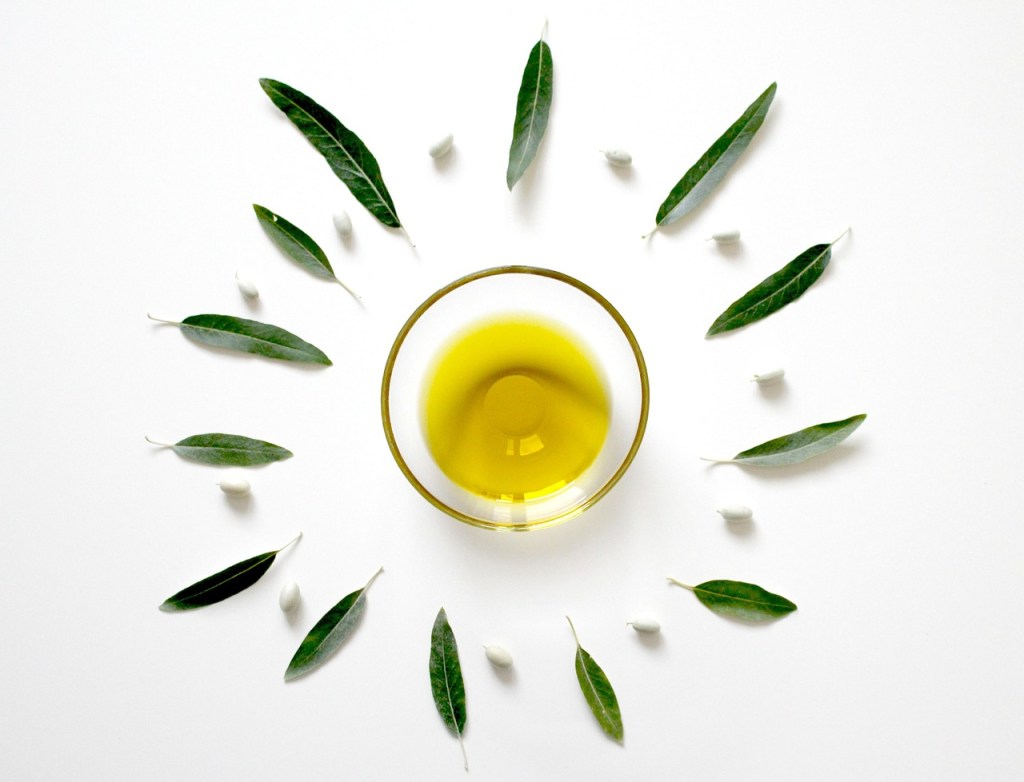
When a recipe calls for an oil, it may or may not specify a particular kind of oil. At times, it may say olive oil, vegetable oil, or something else. At other times, it may call for a “neutral oil.” What does that mean? That is the subject of this Cooking Tip.
The word “neutral” refers to any oil that is neutral in taste and aroma. When a recipe calls for that, it doesn’t want the flavor of the oil to interfere with the flavor of the dish.
I have written prior Cooking Tips about different types of oil that you may want to review.
- A Myriad of Culinary Oils
- A Myriad of Culinary Oils – Part 2
- Extra Virgin Olive Oil
- Nut & Seed Oils
- Seed Oils – Toxic or Healthful
When should you grab for a neutral oil?
- When you do not want the oil to alter the flavor of the dish. For example, there can be a significant difference between the flavor of a vinaigrette made with a strong-tasting extra virgin olive oil and one made with a neutral oil.
- When you are doing high heat cooking. Many neutral oils have a high smoke point, making them ideal for high heat cooking.
Examples of neutral oils
A neutral cooking oil is going to be highly refined. The oil goes through extra steps to remove any flavor, odor, particles, or color. This refining process also removes some nutrients.
- Avocado oil – Although many will list avocado oil as a neutral oil, it does have a mild flavor of its own.
- Canola oil
- Corn oil
- Grapeseed oil
- Peanut oil – This can impart a slight peanut taste.
- Safflower oil
- Sunflower oil
- Vegetable oil
There are a couple oils that would not be considered neutral in the unrefined form, but are much more neutral in flavor when refined
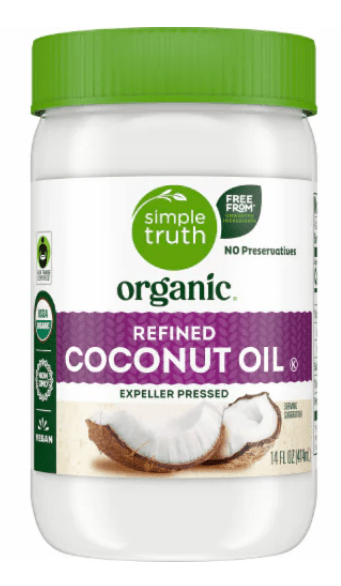
- Coconut oil. The bottles will probably say prominently on the label either “unrefined” or “refined.” Grab the latter if you are looking for one with a more neutral flavor.
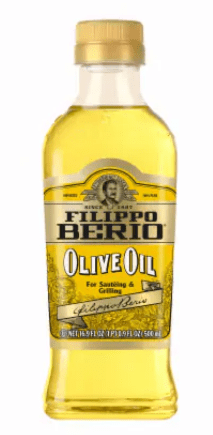
- Olive oil. These bottles will not say “unrefined” or “refined.” If the label says extra virgin olive oil, that will not be the best one for neutral flavor. Look for one labeled just olive oil or you might even see ones called light olive oil. That refers to the flavor, not the fat content.
If you have more questions about the different oils, when to use each, and the pros/cons of the different types, see the above mentioned Cooking Tips. If all you want to know is which oils would be considered neutral, you are now well-informed.

 Culinary Journeys, LLC