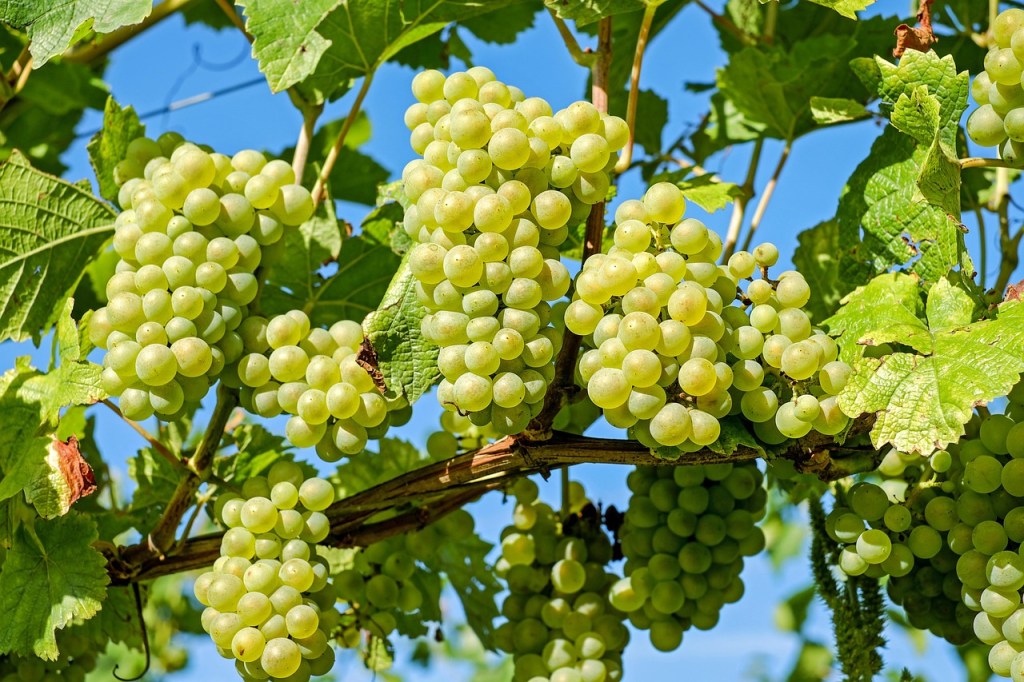
We all know what raisins are, and we can easily purchase them in both regular and golden forms. Once in a while, you may run across a recipe (especially from the United Kingdom) that calls for sultanas or currants. This Cooking Tip will explore what those dried fruits are, their similarities and differences.
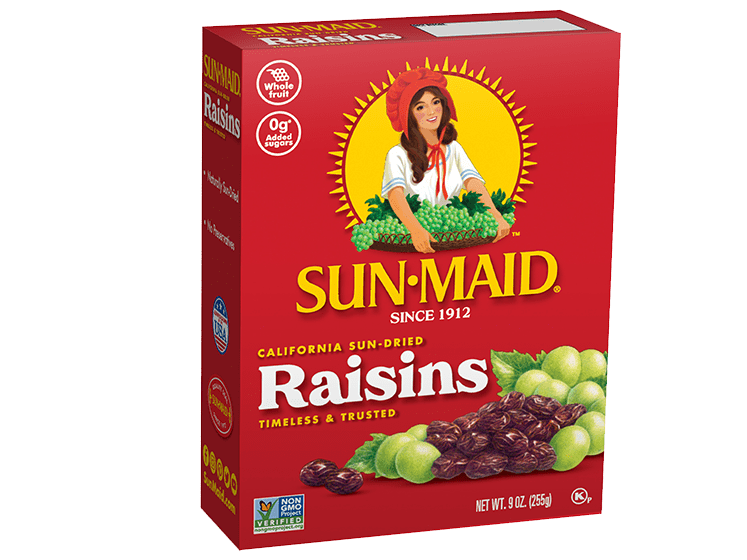
Raisins
- Many people use the term “raisin” as a sort of general name for any dried grape. However, different grapes are used to make different raisin-like products.
- According to the company Sun Made,
“About 90-95% of raisins are made from the Thompson Seedless variety of grape, which includes Selma Pete, DOVine and Fiesta. The remaining percentage is made up of varieties including Flame Seedless, Ruby Seedless and Sultana.” - Some say the latter term, Sultana, is just another name for Thompson Seedless. This is a pale green grape, but as they are dried, they darken in color, becoming what we know as a “raisin.”
- If the drying process is in the sun, they are known as “natural” raisins. The drying process takes about two to three weeks.
- A vine-dried grape is just what the name says. The grapes are left hanging on the vine to dry. This takes longer than ordinary sun-drying, requiring several weeks. According to the organization, California Grown,
“This process allows the grapes to retain their flavor without taking on any unwanted flavors from sunburn. The resulting vine-dried grape is plump, meaty, juicy, and delicious.” - A third method of drying is mechanical. This requires the grapes to be treated with an alkaline solution to aid in the loss of moisture. Then, mechanical driers blow air past the grapes to continue the drying process. This entire process takes about two days.
- Raisins are larger than sultanas or currants.
- They have a soft and chewy texture.
- The flavor is somewhat intense and caramel-like.

Sultanas
- Sultanas are also known as Golden Raisins. They are typically made from the same green seedless grapes as raisins, Thompson Seedless.
- The processing is different in that they are not sun-dried. Instead, they are put inside dehydrators and then treated with sulphur dioxide to stop oxidation and preserve the lighter color.
- As compared to regular raisins, golden raisins have a softer texture and a higher moisture content.
- The flavor is milder and somewhat sweeter.
- They are smaller and juicier than regular raisins.
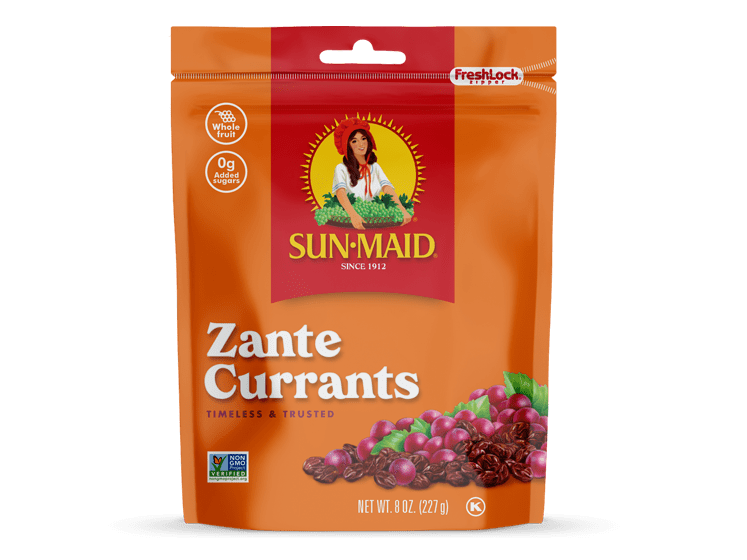
Currants
- Things get a bit confusing with currants. There are plants that produce small berries known as redcurrants or blackcurrants. These plants are related to gooseberries.
- Dried currants, though, are not made from these actual currant berries. Just as with raisins, they are dried grapes. The grapes used are smaller and seedless. The variety is typically Black Corinth or Carina grapes.
- They are often called Zante currants, referring to the fact that the grape originated on Zante, a Greek island.
- They are smaller than either kind of raisin.
- Their texture is firmer than raisins.
- The flavor of Zante currants is tangy and slightly tart.
Choosing which to use
As with many things, using the type of dried grape that your recipe calls for is best. However, if you want a sweeter and juicier fruit, use sultanas. For a deeper flavor, choose raisins. If you want a tart note, currants will be the best.
There you go – raisins, sultanas and currants demystified!

 Culinary Journeys, LLC