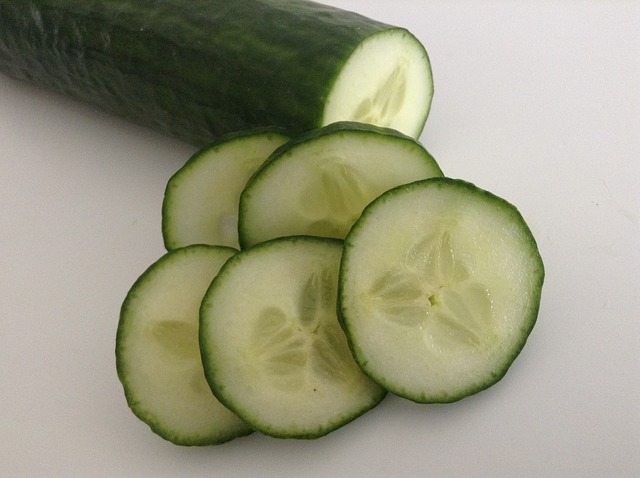
Almost all of us have likes and dislikes among foods. One food that is definitely on my dislike list is pickles – or anything that undergoes the pickling process. The only time they make it into my shopping cart is when my husband requests them. I typically look at the shelves of pickles and have to search my memory for the variety he likes. If you are the same, this Cooking Tip is for you, as we will delve into the world of pickles.
The word “pickle” can be either a noun or a verb. As a noun, it refers to food that has been preserved in a brine or vinegar solution. The verb applies to the process of preserving food in this brine or vinegar mixture. In this Cooking Tip, we will stick with pickle as a noun.
Many kinds of food can be pickled. What we all think of as the average pickle, though, starts as a cucumber. Here is a list along with descriptions of some of the most common pickles.
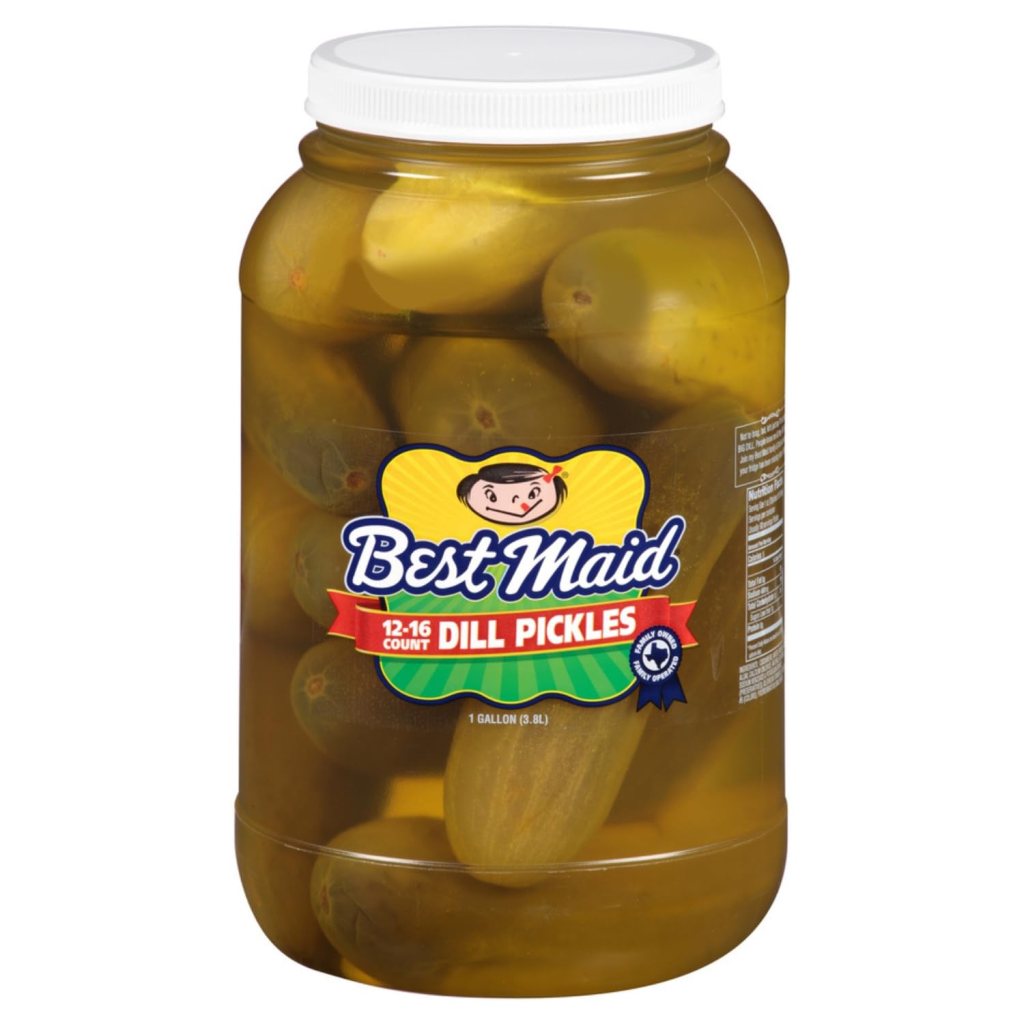
Dill pickle
- This is the most popular pickle.
- The brine is made with abundant amounts of dill in all its forms.
- Dill pickles have a strong and herbaceous flavor.
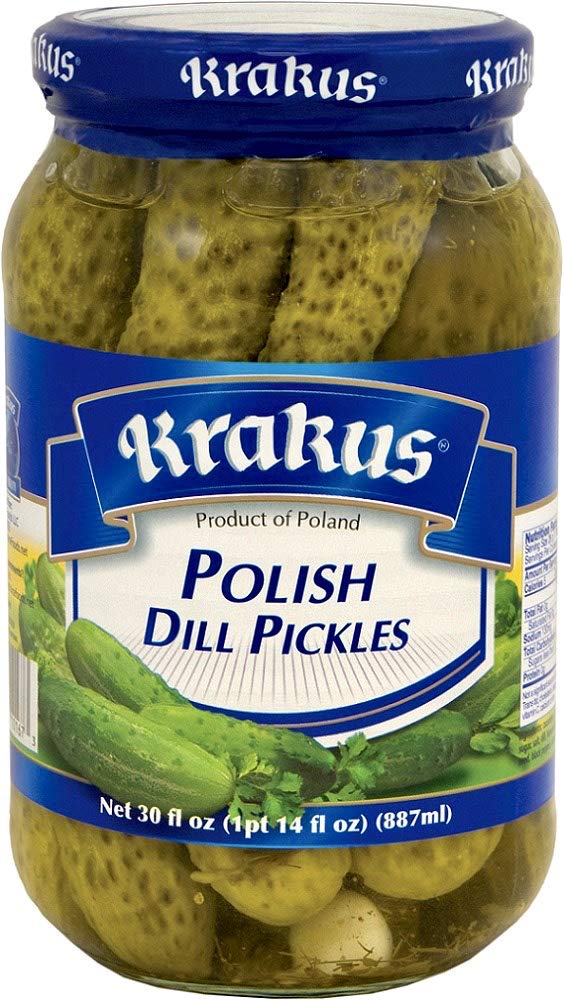
Polish/German Dill
- These undergo an extended processing time in wooden barrels, which impart a unique flavor.
- The Polish variety contains more spices and garlic than traditional dill pickles. They tend to have a peppery bite.
- The German variety has sugar added to the brine, giving them a sweet-sour flavor.
Refrigerator/Overnight dill
- These are soaked in a brine for a short period of time (overnight to a few days) in the refrigerator.
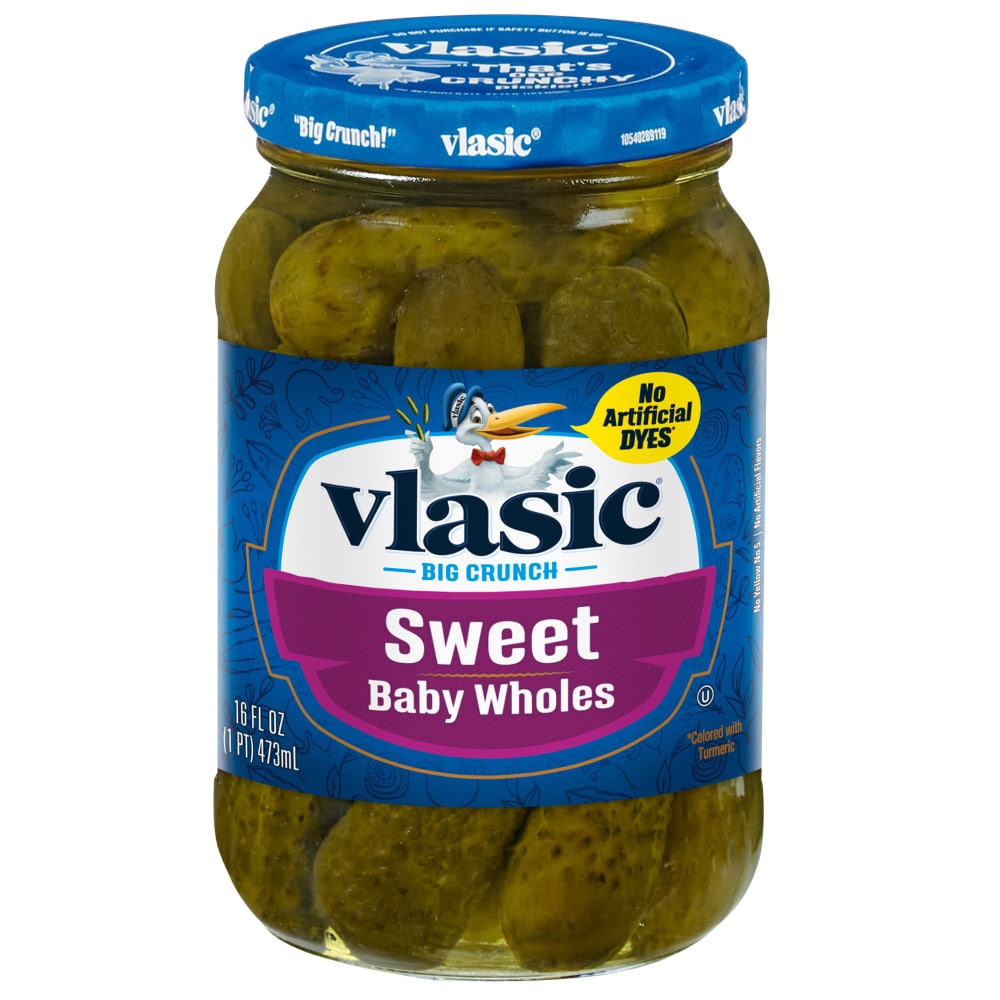
Sweet Pickles
- Sweeter than other pickles as they are made with sugar, vinegar, and spices.
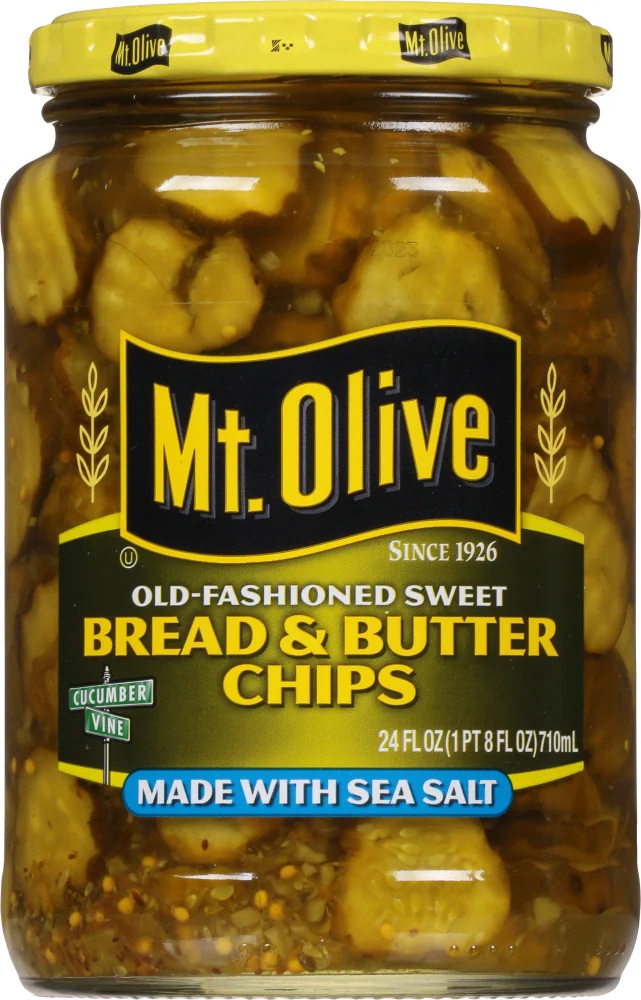
Bread & Butter Pickles
- Bread & Butter pickles tend to be made with vinegar, salt, sugar, mustard seeds, coriander seeds and celery seeds.
- They have a tangy taste with sweet notes.
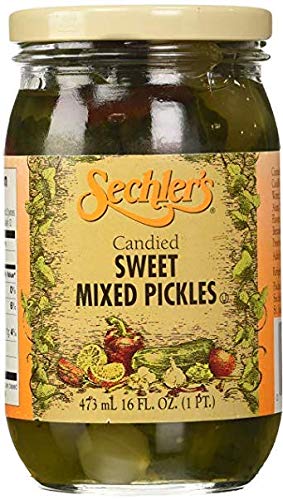
Candied Pickles
- As their name implies, these are pickles soaked in a syrupy sugar &vinegar solution for at least a week.
- They are much sweeter than sweet pickles because of the sugar concentration of the soaking solution.
Gherkin Pickles (baby pickles)
- Gherkins are made from small cucumbers with bumpy skin. These cucumbers are mainly used for pickling.
- Gherkins are usually jarred whole.
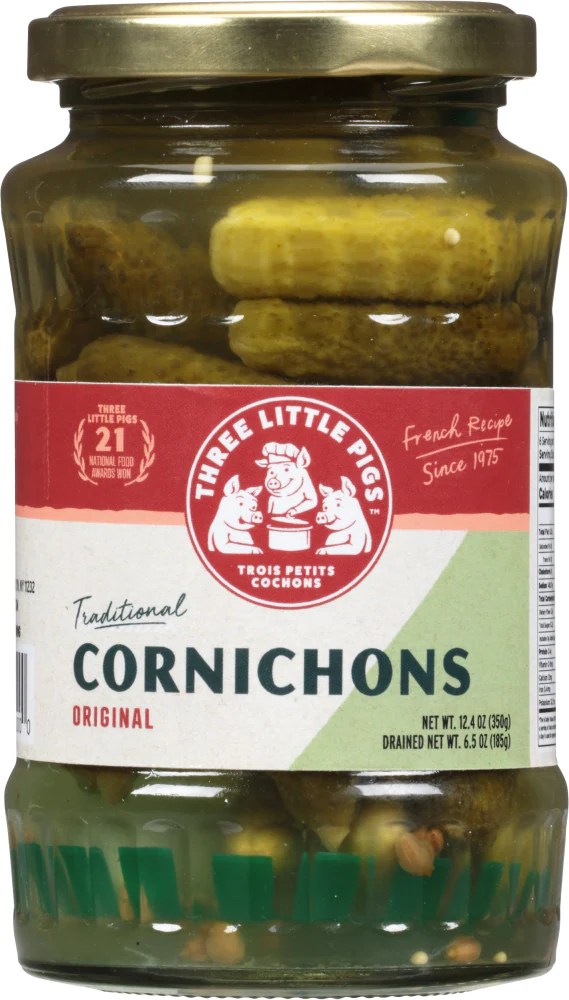
Cornichon
- This is the French word for “gherkin”.
- Some varieties of cornichons are sweet, and others are brined with tarragon.
Sour pickles
- These pickles are fermented not with vinegar, but in a brine of water and pickling salt.
- There are two varieties – half-sour and sour. The latter is fermented for twice as long as the former.
- Actual fermentation times depend on the company, but they are said to range anywhere between a week and a few months.
- Some sources say that if they are eaten before six weeks, they are called half-sour. After that time, they are termed sour.
There are other pickle types, including some unusual ones such as Kool-Aid pickles and Cinnamon pickles. However, the pickles mentioned above are the ones you will most likely see in your supermarket. I hope this Tip will help you as you stare at the supermarket shelf trying to decide what to buy.

 Culinary Journeys, LLC