
Caraway is a spice with a flavor that can be a bit polarizing. It is not extremely common in American pantries, although it is elsewhere in the world. This Cooking Tip will explain what caraway is, how to use it, and whether there are any substitutions.
Caraway comes from a plant in the parsley family. Holland is said to be the largest producer of caraway. It is also grown in a few other parts of Europe as well as in the United States.
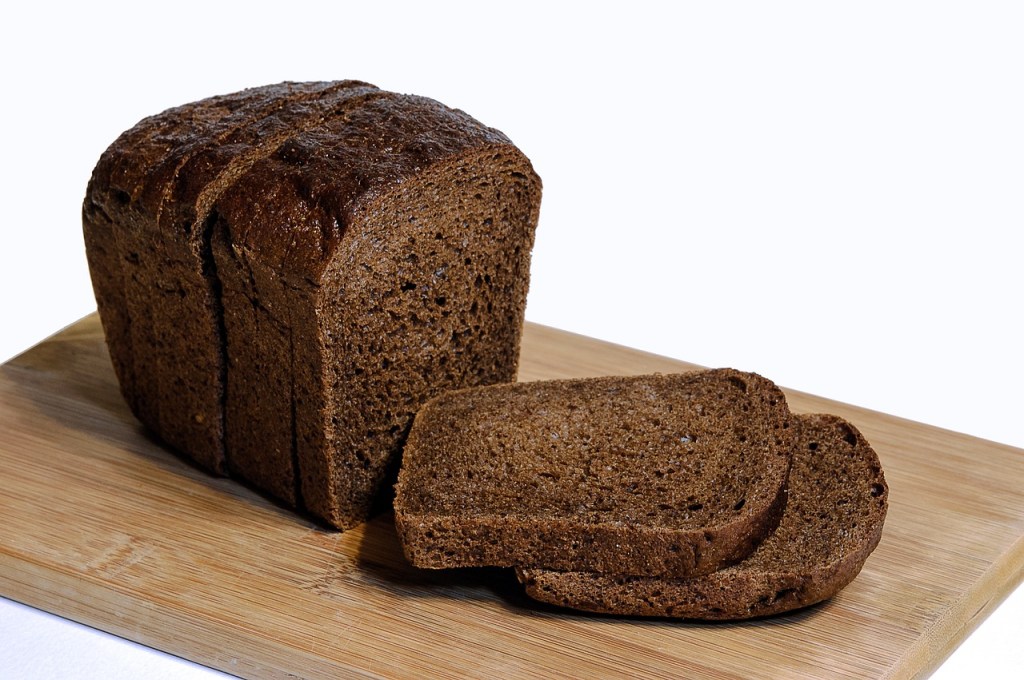
In the US, caraway is probably most well-known for the characteristic flavor of rye bread. It is much more common in European, Asian, and African dishes. Examples are sauerkraut, sausage, cabbage dishes, cheese dishes, and soups.
The seed is small, measuring less than ⅛ inch in length. They are dark brown in color and have a crescent-shaped appearance. The aroma is pungent. The flavor is described as sweet and tangy with licorice notes that are similar to anise.
Although you can buy ground caraway, it is much preferable to buy caraway seeds in whole form. Savory Spice has an excellent supply of Dutch caraway. (This is an affiliate link and I may earn a commission if you decide to purchase.) Since it is a spice that you will probably not use frequently, you want it to stay fresh as long as possible. Since the whole seeds stay fresh much longer (up to 2 years), you will get more use out of the whole form. Also, most recipes will call for the whole seeds. Some people find the whole seeds somewhat unpleasant to chew. In that case, you may want to put them in a spice bag or cheesecloth to allow for easy removal.
Caraway seeds are one of many spices that benefit from a quick toast in a dry pan over low heat. Once they become fragrant, remove them from the heat and allow them to cool before using. You may then crush or grind them in a mortar/pestle or use them whole.
As with all spices, store in an airtight container away from light, heat, and moisture.
Since caraway is not the most common of spices, many ask about substitutions. There are some you can try, although none will be an exact replacement.
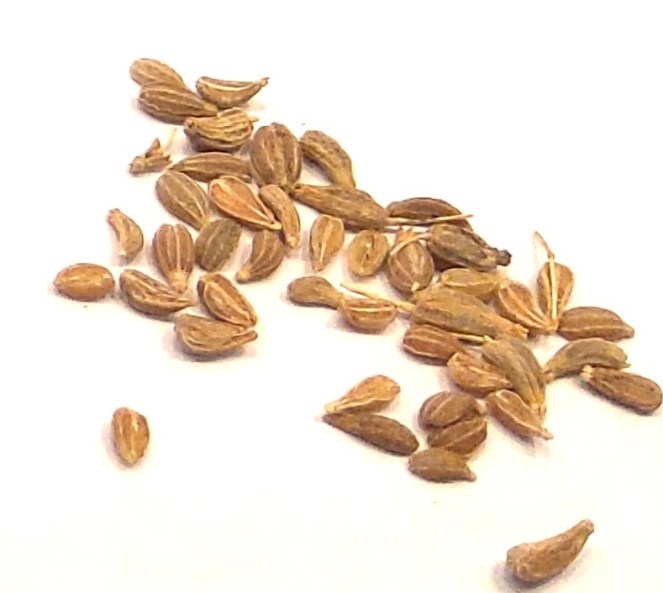
Anise Seeds
You may consider anise seeds, which will impart a similar licorice note. Anise can have a stronger flavor, which you should take into consideration if you substitute. This will work best in baked goods such as bread and cookies.
Fennel Seeds

Another choice would be fennel seeds. Fennel is more commonly found in Italian and Indian dishes, especially Italian sausage. This spice can also give a licorice flavor. However, caraway’s flavor is more earthy and nutty, while fennel is somewhat sweeter with a stronger licorice note. Fennel will do better in dishes with long cooking times, such as soups, stews, and curries.
Nigella Seeds
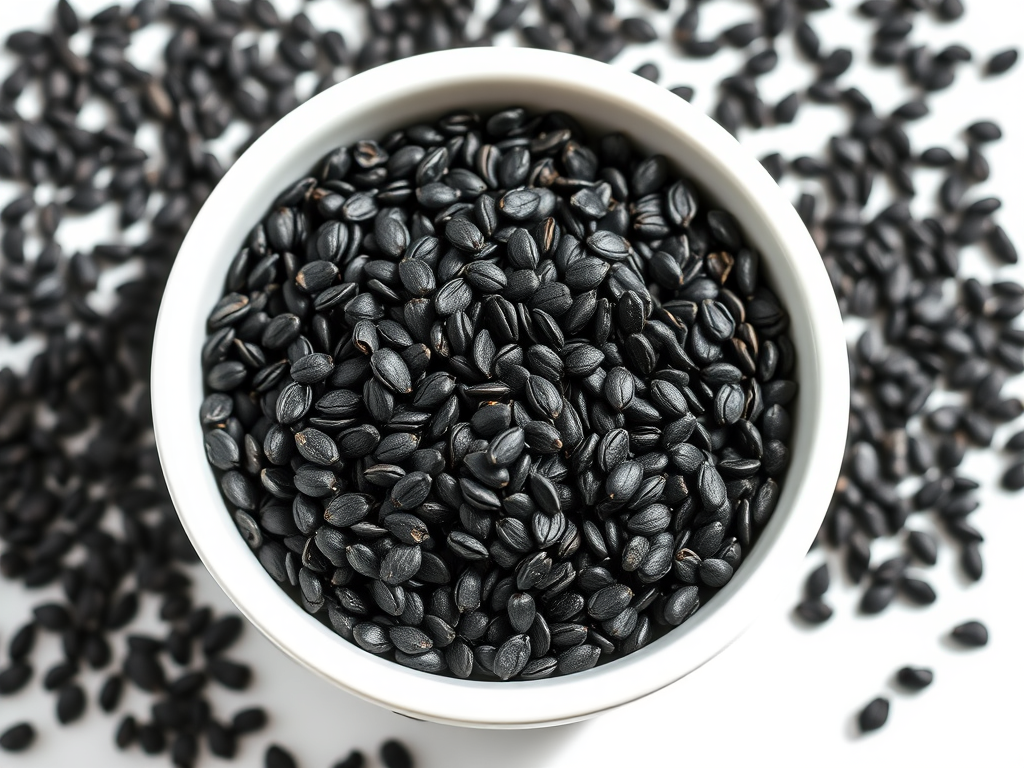
Some recommend nigella seeds, although they are not easily found in supermarkets. Their use is better in dishes such as soups and stews, as well as breads.
Dill or Star Anise
Other possibilities include dill seeds and star anise. The latter can be very powerful, so start with a small amount.
Cumin Seeds
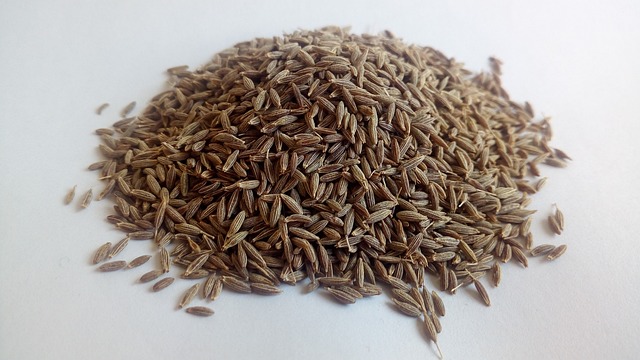
Cumin seeds are in the same family as caraway, and visually, they look very similar to caraway seeds. Their flavor profiles, however, are different. Whereas caraway has that licorice flavor and sweet notes, cumin is nuttier, warmer, and more savory in flavor. They are not good substitutes for each other.
What can you use caraway seeds in?
- Rye, pumpernickel, and spiced breads.
- Potato salad or coleslaw.
- Sauerkraut dishes.
- Add to cooked carrot and potato dishes.
- Add to a cheese dip.
- Add to cabbage dishes.
- A good meat pairing would be pork.
Do you have caraway in your pantry? Have you ever used it? I hope this short Cooking Tip will help you use it to its fullest potential.

 Culinary Journeys, LLC