Oatmeal is my go-to breakfast. I enjoy a good bowl of thick, hearty oatmeal. Oatmeal is not just a single product, though. This Cooking Tip will explore the different types of oats, their best uses and substitution advice.
The way the oats are processed after picking determines what type results.
Regular oatmeal, aka rolled oats, old-fashioned oats
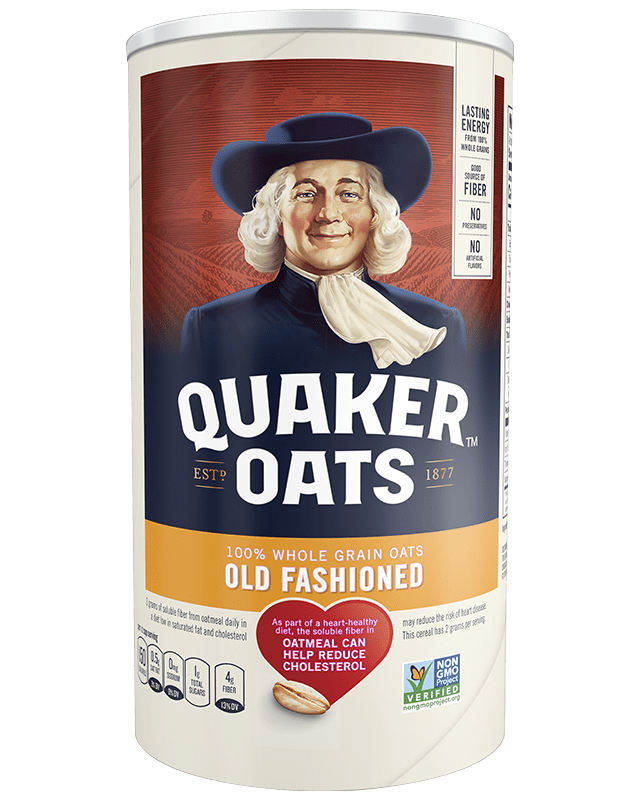
- After the grains are harvested and the husk removed, you are left with oat groats. Further processing to make rolled oats involves removing the outer hull, lightly steaming them, and then putting them through a roller mill (thus the name). The roller mill flattens the pieces into various thicknesses.
- When rolled oats are cooked, they have a chewy texture.
- In baking, rolled oats can also give a chewy texture to the baked goods.
- The whole oats will be visible in the finished product.
Quick cooking oats

- These are also rolled oats, but they have been steamed a bit longer and then chopped into smaller pieces. The rollers of the mill will also be adjusted to create a thinner product.
- The smaller size means they will cook more quickly than regular rolled outs.
- The flavor will be about the same, although the texture will be much finer.
- In baking, this means that the oats will not be visible.
- There is no need to purchase both regular and quick cooking rolled oats. The latter can easily be made by putting the former in a food processor and pulsing into smaller pieces.
Instant oatmeal
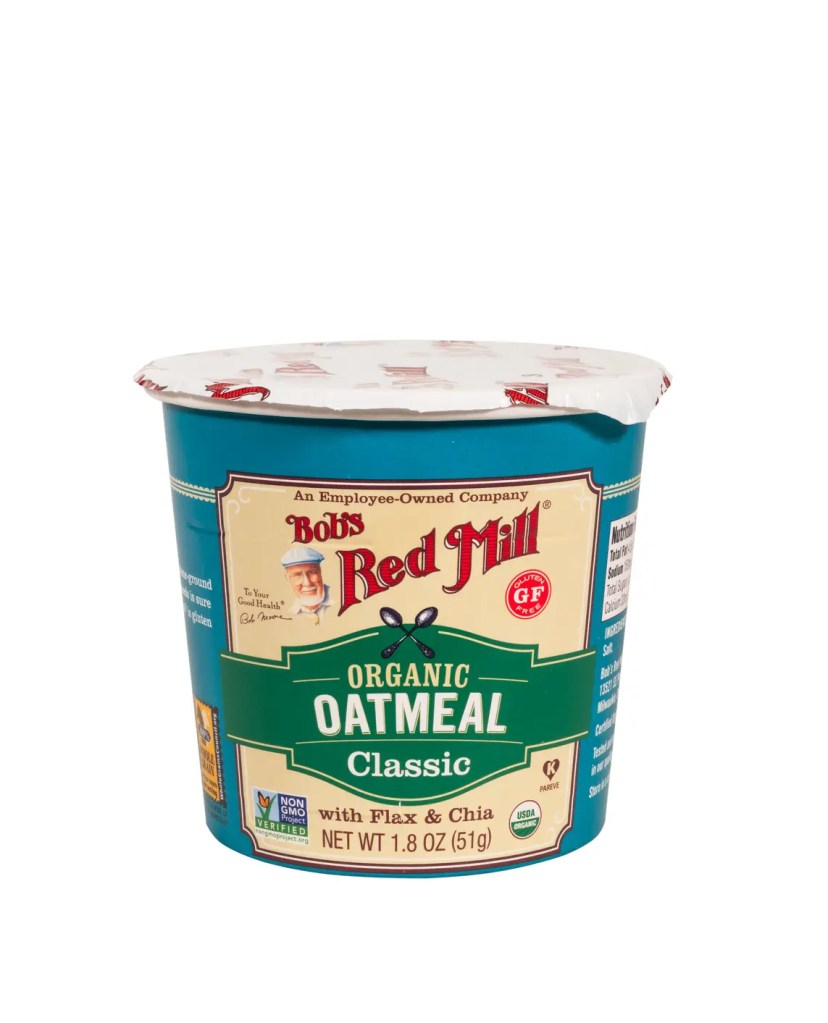
- Instant oats have been rolled extra thin, resulting in a finer product that may even be powdery.
- It still has an oatmeal flavor, but very little texture.
- Because of the processing, it does not lend much texture or structure to a baked item.
- Many brands are precooked and come in packets meant to add hot water. Many of these also contain significant amounts of added sugar.

Steel cut, aka Irish oatmeal
- These start as whole oat groats, which are chopped into large pieces with steel blades, thus the name. They have not been steamed or rolled.
- Their consistency is much coarser than other types of oatmeal.
- They require a long cooking time.
- They should not be substituted for regular oatmeal and are rarely used in baking.

Scottish oats, aka stone ground
- As the name implies, Scottish oats have been stone-ground rather than cut with a blade.
- This creates pieces of varying sizes, and some say a creamier texture.
Baking with oatmeal

- Regular and quick cooking are interchangeable in baking with a couple of caveats.
- Regular oats will show the oat flakes in the final product, whereas quick cooking oats will not be as easily seen.
- Regular oats will give you a somewhat chewier texture with a more oaty flavor.
- Instant oats should not be used in baking as they can impart a gummy texture.
Whether you like to sit down with a steamy bowl of oatmeal or bake a hearty oatmeal cookie, with these guidelines, you can be a success.

 Culinary Journeys, LLC