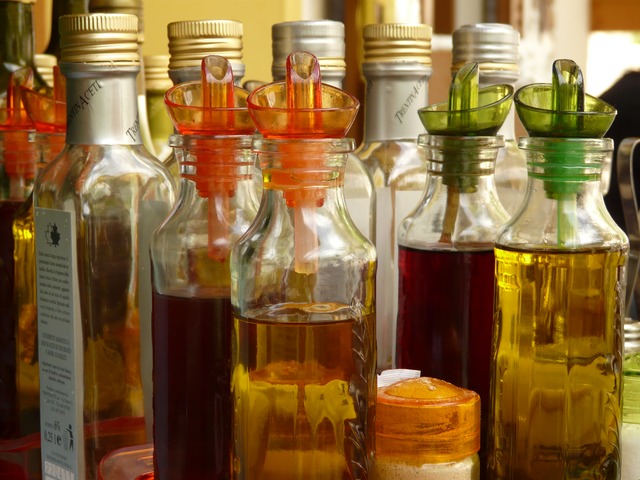
One basic skill all home cooks should possess is how to make your own salad dressings and vinaigrettes. In this Cooking Tip, we will delve into these words, what they mean and how to develop this skill.
Do you use the terms vinaigrette and salad dressings interchangeably? Most of us probably do. As one word expert puts it, “All vinaigrettes are salad dressings, but not all salad dressings are vinaigrettes.” Salad dressing is a general term for sauces that we typically put over salads before eating them. They are usually made from oil, vinegar and flavoring agents such as herbs and spices. They might also include ingredients such as cream, yogurt or mayonnaise. They can be somewhat thin and oil-based or creamy, such as we find in Ranch or Blue Cheese dressings. Vinaigrettes are thinner with the only ingredients being oil, vinegar and seasonings.
Whether you call it a vinaigrette or a salad dressing, it is easy to learn this most important culinary skill. Not only can you use these to dress your salads, but they can also be drizzled over roasted veggies or even used as a marinade.
Ingredients
This is one of those recipes that has very few ingredients. Therefore, you want the best quality ingredients you can get.
The main ingredients are oil, vinegar and seasonings. The mantra that you will hear over and over is that the ratio of oil to vinegar should be 3:1. However, that can vary for many reasons. First is personal taste. I know I prefer a dressing made with a lower oil-to-vinegar ratio. Second, not all acids are the same. Many different vinegars can be used along with citrus or other fruit juices. These all differ in how much acidity they have, and thus, how much bite they impart. Therefore, you might want to vary that oil-to-vinegar ratio to achieve the desired taste and balance. If you have never made your own vinaigrette before, start with the standard ratio, but then branch out to create a flavor you enjoy.

Oil – Most commonly, you will use extra virgin olive oil (EVOO). Good EVOO does have a strong taste. If it isn’t something that appeals to you, try a more neutral-tasting oil such as canola oil, sunflower oil, safflower oil, or a combination. You can also vary things by adding a flavorful oil, such as a nut oil. If you do, only make it a portion of the oil content, or it can be too overpowering. See these cooking tips for discussions on oils.
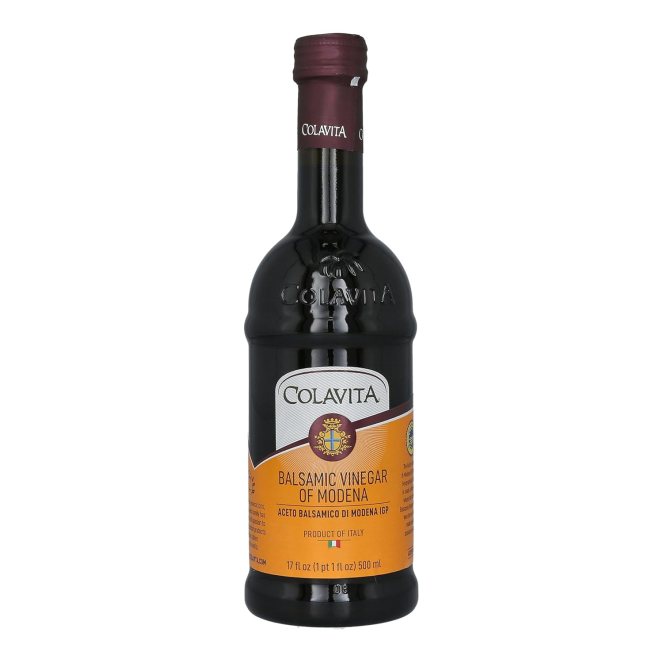
Acid – Use whatever you like and what works well with your salad. It can be any vinegar, even flavored vinegars. Other acids are citrus juices as well as fruit purees/nectars. I often like to combine a fruit-flavored vinegar with some of the actual fruit. For example, I use a peach vinegar along with pureed peaches. See this Cooking Tip for a discussion of the different types of vinegars.
Emulsifier
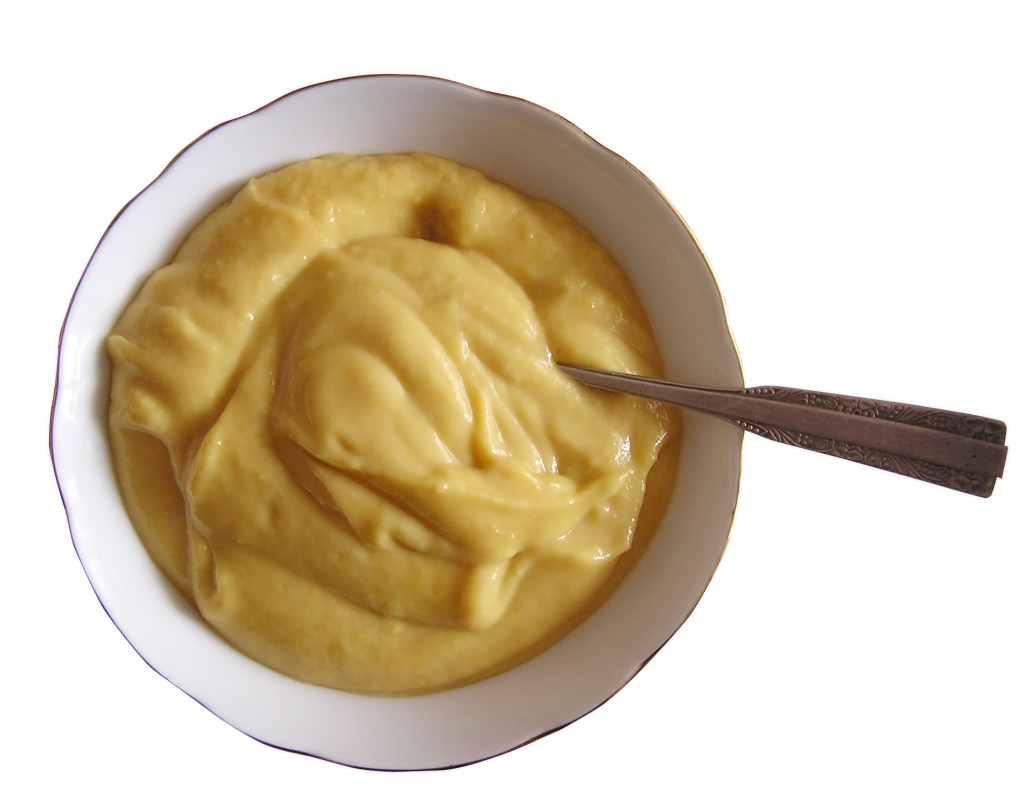
As we all know, oil and water do not mix very well. Since acids (vinegar, juices) are basically water, you often need something to encourage them to mix, which is called emulsification. Part of achieving emulsification is the technique of making the vinaigrette, but for a more stable emulsion, we add emulsifying agents. These work by attracting oils on one end and vinegars on the other. This helps to keep the oil and vinegar from separating into different layers for some time. Most will eventually separate, but giving the mixture a good shake or whisk will help re-emulsify them. Some of the most commonly used emulsifying agents are mustard, mustard powder, mayonnaise, and honey. Mustard is the one you will see recommended the most often and should be used in a ratio of one teaspoon of mustard for every tablespoon of vinegar.
Seasonings – This might just be salt and pepper, but could also be minced garlic, minced shallots, spices or herbs. You may also want to add a touch of sweetness in the form of honey, maple syrup, sugar, agave, etc. This helps to offset the acidity of the vinegar.
Technique
No matter your choice of ingredients, the technique is the same. Start by putting the acid in the bowl or jar first. The flavorings that you are going to add will mix much better in the acid than in the oil. Add your emulsifying agent, any desired seasonings and mix well.
Next, you will want to add the oil and emulsify the mixture such that the oil and water form a cohesive mixture. This can be done with vigorous whisking. It can also be done by making the vinaigrette in a glass jar with a tight lid and shaking until it is emulsified. A final method is to use the blender. In testing, it has been shown that the most stable emulsion will be produced by using the blender, and the least stable is with the jar method. One caution is that some experts think that putting EVOO in a blender leads to bitterness.
Recipe instructions will often advise adding the oil slowly, especially at first. The theory is that this allows a stronger bond to form. Once you have formed a good base, the oil can be added more quickly.
Once the vinaigrette is emulsified, taste and adjust to your preference. You can taste it on its own, or you may wish to dip a piece of lettuce into it and taste that way.
After you have mastered making a simple vinaigrette, have fun and experiment. Here are some tips for what produces the characteristic taste of some of the most common vinaigrettes and dressings.
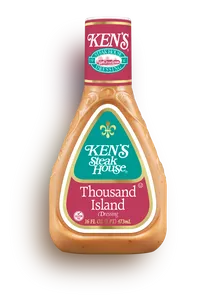
Thousand Island Dressing
- Ingredients include ketchup, relish, and mayonnaise.
- It should be creamy, tangy, and slightly sweet,
French Dressing
- This is classically made with sugar, vinegar, oil, ketchup (or tomato paste), paprika, and other seasonings.
- It is light orange in color and creamy in texture.
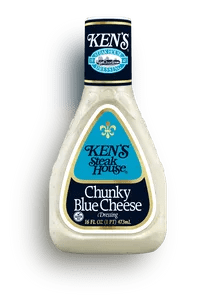
Blue Cheese Dressing
- The main ingredients are blue cheese, mayonnaise, buttermilk, milk, vinegar, and sour cream.
- It is creamy and tangy.
Balsamic Vinaigrette
- One of the simplest vinaigrettes using balsamic vinegar as the acid.
- It is a thicker vinaigrette with a sweet component.
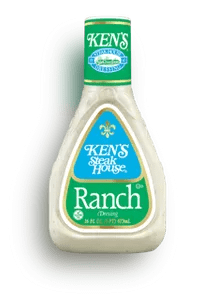
Ranch Dressing
- Buttermilk, sour cream, and mayonnaise are the main ingredients. Seasonings include garlic powder, onion powder, and dill.
- Another creamy dressing with a more savory flavor profile.
Italian Salad Dressing
- Olive oil, vinegar, garlic, and herbs are combined for this classic dressing.
- The flavor often has a peppery zing.
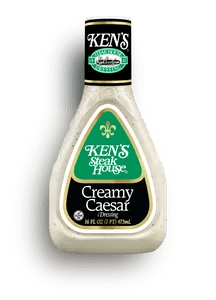
Caesar Dressing
- Ingredients for a classic Caesar salad include Parmesan cheese, croutons, romaine lettuce, and Caesar dressing.
- The dressing consists of garlic, lemon juice, Worcestershire sauce, Dijon mustard, and olive oil.
What is your favorite vinaigrette or salad dressing? As I noted above, I love a fruity vinaigrette. Whatever you like, making your own at home should be something that is second nature to you.

 Culinary Journeys, LLC