
In my cooking classes, I constantly ask my students to taste the food as they progress through the cooking process, not just at the end. Only through this tasting can you adjust the dish to achieve a delicious result. Many times, my students say, “I don’t know what it is supposed to taste like.” I try to teach them that there is not just one desired flavor for one dish. Instead, it’s about learning how to taste and then adjusting ingredients to achieve a taste that you prefer. There are entire books written on this subject. Let me try to summarize the best advice in this Cooking Tip.
The average cook probably thinks of taste and flavor as interchangeable. They are different, though. We have all learned from school about the different tastes – Sweet, Sour, Bitter, Salty, and Umami. Researchers are exploring other basic tastes, but for now, we will focus on those four.
On the other hand, there are thousands of flavors. Flavor is impacted by smell, taste, somatosensory (temperature, texture, spiciness) and the environment (sight, sound, color). I still recall the best crêpe I ever ate, which was at a street vendor in Paris. Was the crepe tasty? Absolutely. However, part of my enjoyment was certainly the environment of being in Paris and all that entailed. Of these factors, smell is said to make up 80% of the flavor experience.
Salt

Creating great-tasting food is a balancing act – balancing salt, acid, sweetness, bitterness, fat, and umami. Of these, salt is probably the most important. As Becky Selengut says in How to Taste, “… salt is almost always the problem and almost always the solution.”
Many will argue that we should all reduce the amount of salt we consume. That is true, but most of the excessive salt we consume comes from processed foods and eating out. The amount of salt that we consume from adding it to home-cooked meals is very small. (See this Cooking Tip about the types of salt.) Without salt, your food will taste bland and unexciting. With the proper amount of salt, your dishes will come alive.
Salt is what helps to bring out the flavor of your ingredients. Adding salt should not make that potato soup taste salty, but it should enhance the potato flavor. Salt is also able to tamp down bitterness in food while bringing out sweetness. This is why people salt their grapefruit, and why you should never skip salt in a dessert. Salt is the primary way to balance flavors and create a delicious, harmonious dish.
Acid

Acids, in the form of citrus juice, vinegar, wine, or a combination, can transform a dish from dull and somewhat lifeless to an alive state. Citrus zest is another excellent choice, especially when you don’t want to add liquid or overpower your dish with citrus juice. The more savory your dish is, the more it can benefit from a touch of acid. Not only does the acid enliven a dish, but it can also counteract an excess of salt as well as balance fattiness.
Sweet
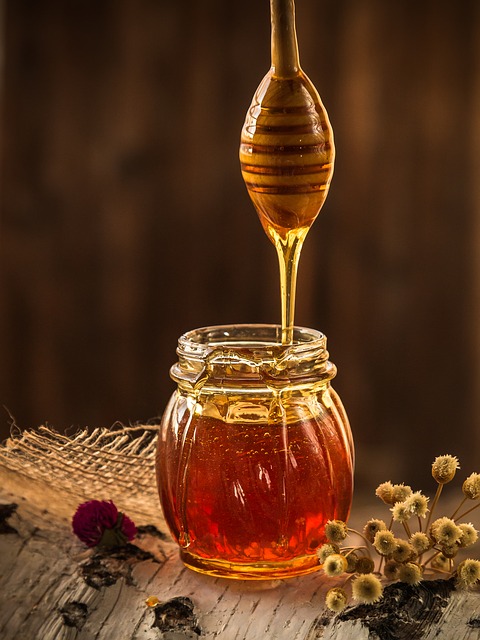
Sweetness can be found in many forms, from various types of sugar to honey and maple syrup. Just be aware that some of these sweeteners will do more than just add a sweet note; they will also impart their own flavor. See these Cooking Tips on solid sugars and liquid sugars. There are also tips on specific sweeteners, including Honey, Agave, Palm Sugar, and Maple Syrup.
Sweetness is excellent for balancing an overly acidic dish. Consider how many recipes for tomato sauce (which is acidic) call for just a small amount of sugar. It can also counteract an accidental heavy hand with salt.
Fat
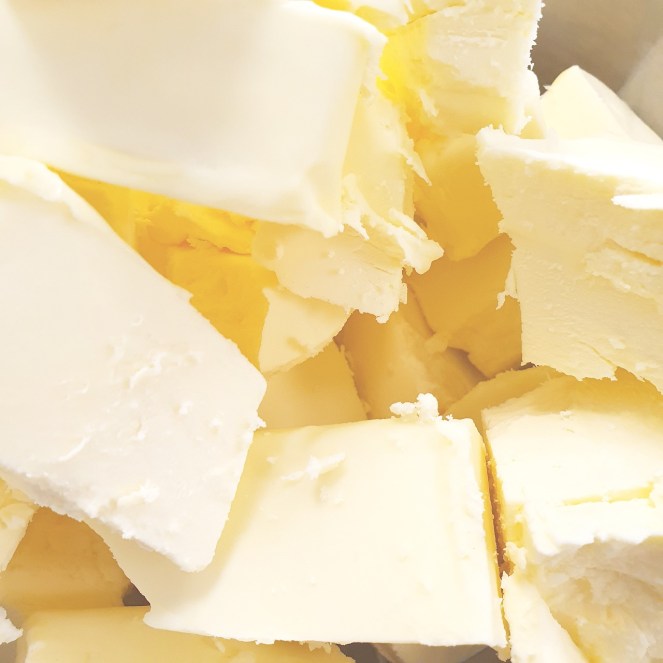
Through some questionable research, fat was labeled as unhealthy back in the 1970s. Since then, we have begun to realize that sugar is a much worse culprit in our diets. Fat not only contributes flavor but also texture, another very important component of a great dish. Some researchers are proposing that fat is another basic taste, along with sweet, salty, bitter, sour, and umami.
Fat can dissolve fat-soluble molecules, acting as a flavor carrier, which allows you to taste them better. It also adds a wonderful mouthfeel. Think of the difference between adding skim milk to a sauce and adding a dash of cream.
Bitter
If you are like me, you have a very strong aversion to bitterness. It does, though, play an important part in this flavor balance we are trying to achieve. Bitter foods are very diverse, including citrus zest, chocolate, coffee, tea, and vegetables in the Brassica family, such as Brussels sprouts, kale, and turnips. There are many more, but these give you an idea of bitter foods.
Bitterness can cut excess fattiness and sweetness in a dish while adding a complexity of its own. Many of us, though, want to temper the bitterness in our dishes. This can be achieved with both salt and sweet, as well as through various cooking methods. For example, roasting or blanching veg can reduce bitterness.
Umami

Umami is described as a savory, meaty flavor often found in items such as mushrooms, cheese, soy sauce, fish sauce, oyster sauce, seaweed and tomato paste.
Adding an umami-rich ingredient can give you that extra flavor boost you are looking for. These ingredients are commonly used to enhance the meaty texture in vegetarian dishes. Just think how often mushrooms are a part of savory vegetarian dishes. These items can also help improve mouthfeel.
Other flavor elements
You might be asking yourself, “What about herbs, spices and chilis?” Yes, those all add flavor, but they should be secondary to that balance I mentioned above – salt, acid, sweet, bitterness, fat, and umami.
How do you put this all into practice? Get into the habit of tasting your food as you cook. This will help you learn how to taste. As you add ingredients and taste again, you will reinforce what those ingredients do for your dish. Some of us have better palates than others, but we can all learn to be better tasters as we practice.
Taste your food and ask yourself, are all of the above elements in balance? If you taste and think it needs something, consider adding salt first, unless you believe the salt level is already good. Add some salt and taste again. What did that do for your dish? If you are still not happy, consider a bit of acid. Taste to see how that changed the dish. Next, go for some sweetness. Be sure to taste after adding any of these ingredients. Not only will you ensure the dish is delicious, but you will also train your palate to pick up the differences as you go along. Above all, keep cooking, keep tasting, keep learning and have fun!

 Culinary Journeys, LLC