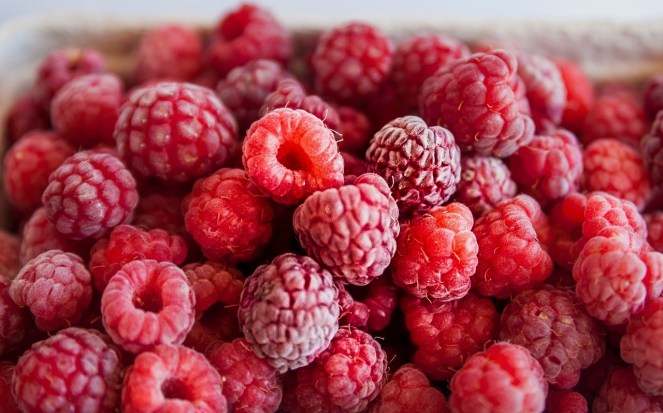
I love frozen produce. I not only use it in my own kitchen, but I also use it frequently in my cooking classes. Some people might be surprised that I do not exclusively use fresh produce. However, frozen produce is an excellent substitute for fresh produce in many applications. This Cooking Tip will explain the benefits of frozen produce and how best to use it.
Pros of Frozen Produce
- It is often more affordable than fresh produce, especially when the fresh produce is not in season.
- It is more convenient than fresh produce. You just have to open your freezer to find the item, and it is usually prepped for you by washing, peeling, and chopping. Another convenience factor is that the frozen produce does not need to be thawed before being cooked for most purposes.
- The produce that is meant to be frozen is picked at peak ripeness. Fresh produce tends to be picked before maximal ripeness to make it easier to store and transport. Riper produce not only tastes better, but it also has a superior nutritional profile (see below).
- Frozen produce lasts longer than fresh produce. Fresh produce might only last 1-2 weeks, whereas frozen produce can last in the freezer for several months. This reduces food waste.
- Frozen produce is available year-round. We all know and probably try to eat what is in season. You are doing just that when eating frozen produce. Even though it might not be blueberry season where you live, the frozen blueberries were picked when those blueberries were in season.
Cons of Frozen Produce
- There might be a change in texture as compared to fresh produce.
- Many frozen veggies contain additives such as seasonings. At times, when I look at the frozen veg aisle, it is hard to find a package that doesn’t have a sauce or seasonings added to it. This can add fat, sugar and calories. So, be sure to check the ingredient list for these additives.
Nutrient level
- Some worry that frozen produce loses nutrients during the freezing process. This has not been borne out with actual studies.
- A study published in the Journal of Food Composition and Analysis in 2017 was a two-year study that looked at specific nutrients in selected fresh and frozen fruits and vegetables. They also studied “fresh-stored,” which was intended to mimic typical consumer storage patterns of produce following purchase – noted as five days of refrigeration. Their conclusion was:
In the majority of comparisons between nutrients within the categories of fresh, frozen, and “fresh-stored”, the findings showed no significant differences in assessed vitamin contents. In the cases of significant differences, frozen produce outperformed “fresh-stored” more frequently than “fresh-stored” outperformed frozen. When considering the refrigerated storage to which consumers may expose their fresh produce prior to consumption, the findings of this study do not support the common belief of consumers that fresh food has significantly greater nutritional value than its frozen counterpart.
- The FDA has also added frozen produce to those items that may be labeled as healthy. See this Fact Sheet.
- Frozen produce is picked and frozen at the height of its ripeness. This means it is also at the height of its nutrient level. Fresh produce is often picked before it is ripe. This means it has fewer nutrients and tends to lose nutrients over its life span from actual picking to using the produce in your kitchen.
How to use frozen produce
- Sauteing
- Steaming
- Microwaving
- Roasting
- Use in soups and stews
- Smoothies
- Sorbets
- Sauces
- Fruit cobblers
Are you a lover of shopping in the frozen produce aisle like I am? If not, check it out the next time you visit your supermarket. A wonder of delicious and nutritious items abound there.

 Culinary Journeys, LLC