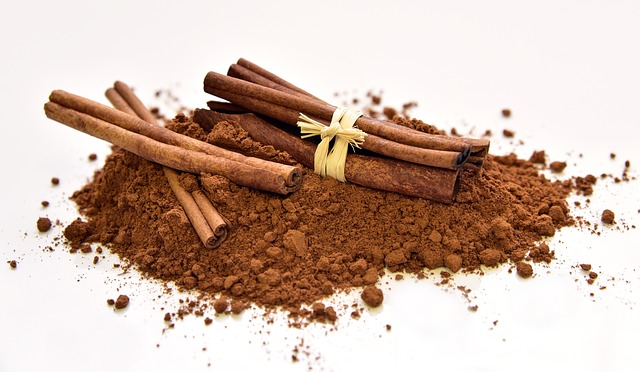
In last week’s Cooking Tip on Hot Cross Buns, I mentioned that many caution against using much cinnamon in the dough as it can inhibit rising. In this short Cooking Tip, I investigate whether this is true.
As opposed to other Culinary Myths, it isn’t easy to get a definitive answer to the question of whether cinnamon can inhibit yeast.
This premise comes from the fact that the flavor chemical in cinnamon, cinnamaldehyde, has been shown to have antifungal properties. Since yeast is a type of fungus, adding cinnamon to the dough could inhibit the yeast from doing its job.
King Arthur Flour cautions that cinnamon can inhibit yeast activity. However, they state that the effect would be minimal if you use no more than one teaspoon per 3 cups of flour.
One sourdough expert finds that adding cinnamon at shaping is the best way to incorporate it into your sourdough bread, hopefully minimizing any adverse effects on the fermentation process.
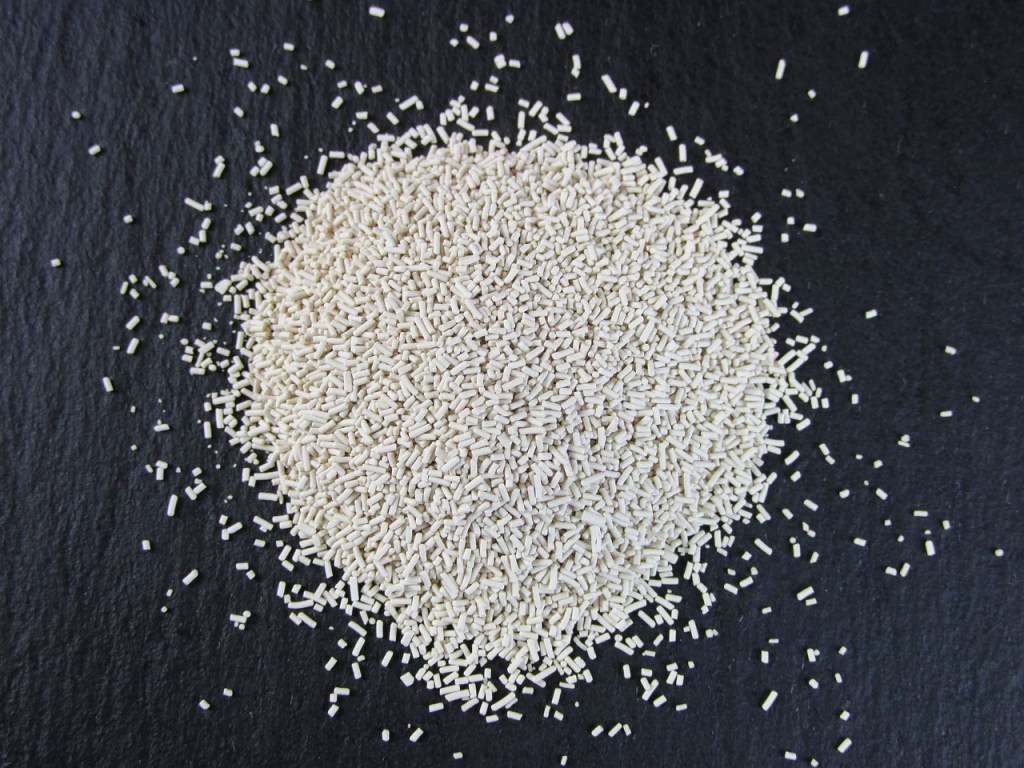
This belief about cinnamon and yeast is why you do not see the addition of cinnamon to the actual dough when making cinnamon rolls. Rather, it is generally added as a swirl or a filling.
There are scientific in-vitro (in the lab) studies that have demonstrated an adverse effect of cinnamon (and other spices) on yeast. How this translates to your kitchen and using cinnamon in yeasted dough is not totally clear. Much of what we read is just based on anecdotal evidence.
What have you found? Have you experienced a failure with a yeasted dough that included cinnamon as an ingredient? Let us know!

 Culinary Journeys, LLC