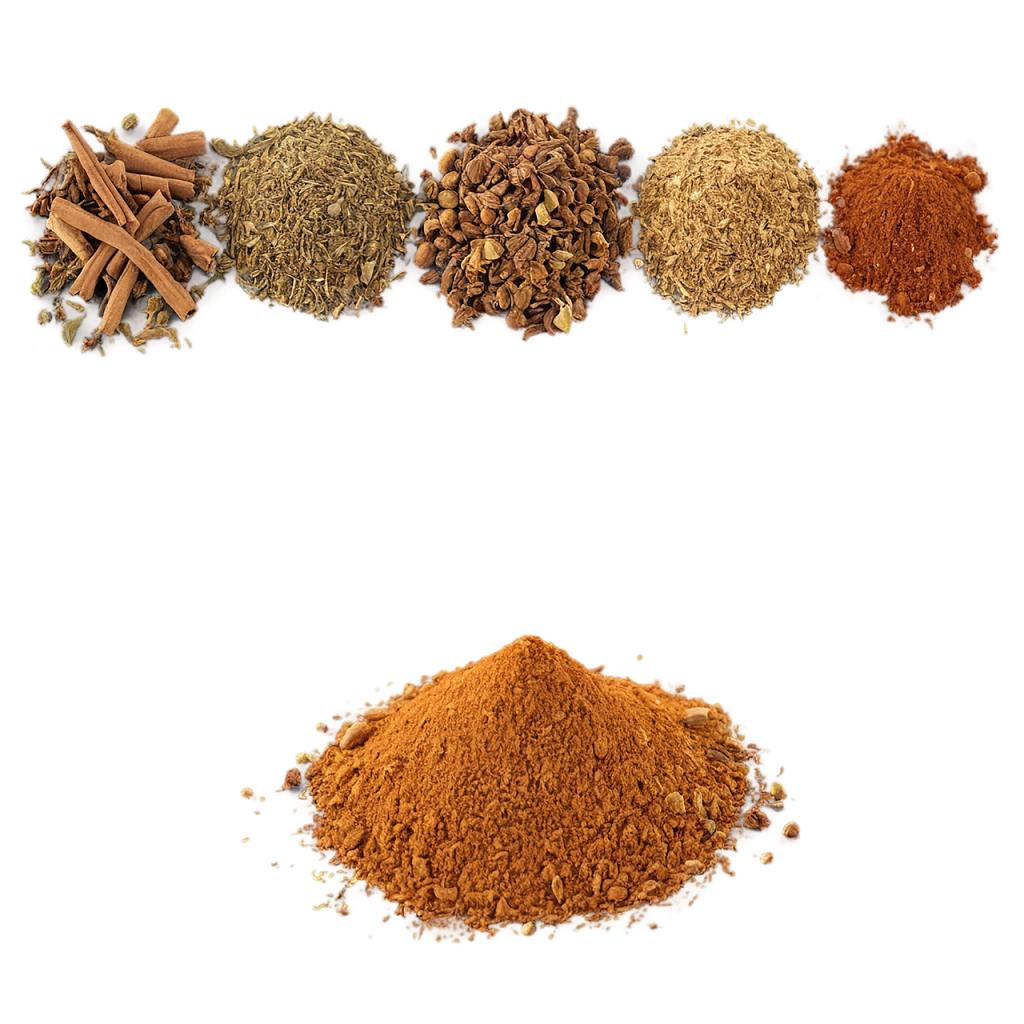
If you have read my previous posts on Spices and Spice Blends, you will know I do not like buying many spice blends. Instead, I prefer to make what I need from the individual spices that I already have in my pantry. One exception is if the blend contains spices I do not normally have on hand, as with many exotic spice blends. In this Cooking Tip, I want to explore eight of the most common exotic spice blends.
I hesitate to list which spices are included in each blend. That is because the list of spices can vary from region to region, from chef to chef and from family to family. Some families guard their blend as a family secret, and it is passed down through the generations. Therefore, even though I will give you a list of common spices used in these blends, just realize that there will be variations.
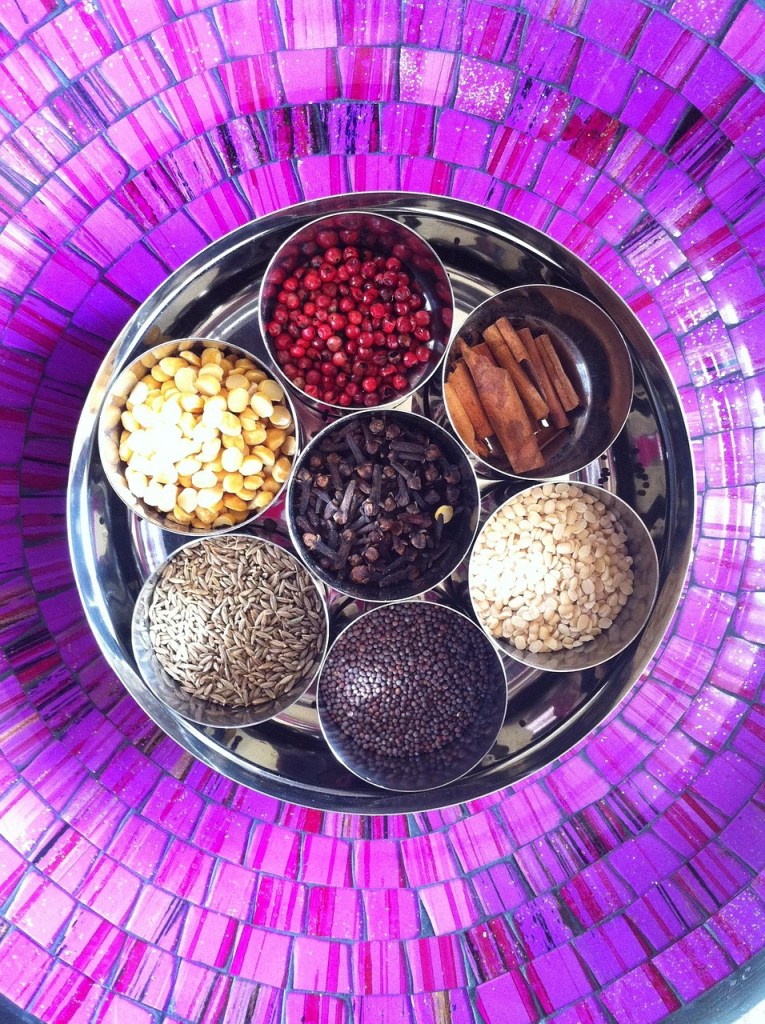
Chaat Masala
- Other names – chat masala
- In India, the word chaat refers to savory, fried snacks seasoned with this spice blend. These are commonly served by street vendors.
- Typical included spices: black salt, asafoetida and amchoor, but they often also include cumin, coriander, ginger, and chili powder.
- Flavor – sour, spicy, acidic
- Uses – street snacks, sandwiches, salads and fruit
- Types of cuisines – Indian, Bangladeshi, Pakistani
Garam Masala
- This name translates to “warm spice blend” or “hot spices.” It refers to the warming properties of the spices used in the mixture and is not a reference to spiciness.
- Typical included spices – coriander, cumin, cardamom, cloves, black pepper, cinnamon and nutmeg. The spices are toasted before grinding to enhance flavor.
- Flavor – sweet, warming, spicy, floral
- Uses – a finishing spice that adds warmth and depth of flavor to dishes.
- Types of cuisine – Indian, Pakistani
Baharat
- Other names – Lebanese 7-spice
- Typical included spices – black pepper, cardamom, cumin, coriander, paprika, nutmeg, cinnamon and cloves. Some say the essential spices are allspice, cinnamon, black pepper, and cloves. Others list the foundational spices as cumin, cinnamon, nutmeg and coriander. The Turkish version typically includes mint.
- Flavor – earthy, smoky, aromatic
- Uses – seasoning for meats, seafood, marinades, and soups
- Types of cuisine – Middle Eastern, Turkish, Greek
Berbere
- Other names – Ethiopian spice blend
- Typical included spices – red chile peppers, fenugreek, garlic, coriander, ginger, cinnamon, nutmeg, and cloves.
- Flavor – sweet, smoky, spicy, fragrant
- Uses – dry rubs, marinades, stews. It is also used as a condiment in paste form.
- Types of cuisine – Ethiopian
Dukkah
- Other names – Duqqa, du’ah, dukkha
- The name means “to pound,” meaning that this blend of roasted nuts and seeds was traditionally pounded to a coarse mixture in a mortar/pestle.
- Typical included spices – roasted nuts, seeds salt, pepper, sesame seeds, cumin and coriander.
This blend is considered more of a condiment than a spice blend. - Flavor – smoky, savory, crunchy, mild heat
- Uses – dip for pita bread, coating for meat and fish
- Types of cuisine – Egyptian

Harissa
- This North African chili paste is made from roasted peppers, olive oil and spices.
- It is a condiment commonly found in Tunisia, Algeria and Morocco. It is usually found in paste form, but some outlets offer harissa powder.
- Flavor – spicy, aromatic
- Uses – added to couscous, soups, stews and meats
- Types of cuisine – Tunisian, Moroccan
Ras el Hanout
- Other names – Mrouzia spice
- The name translates to “head of the shop,” “top shelf,” or “best of the best.” This refers to the fact that it was made only with the highest quality spices in the shop.
- Typical included spices – cardamom, clove, cinnamon, coriander and cumin.
- Flavor – sweet, warm, pungent, floral
- Uses – added to tagines, spice rubs, marinades and soups
- Types of cuisine – Tunisian, Moroccan
Za’atar
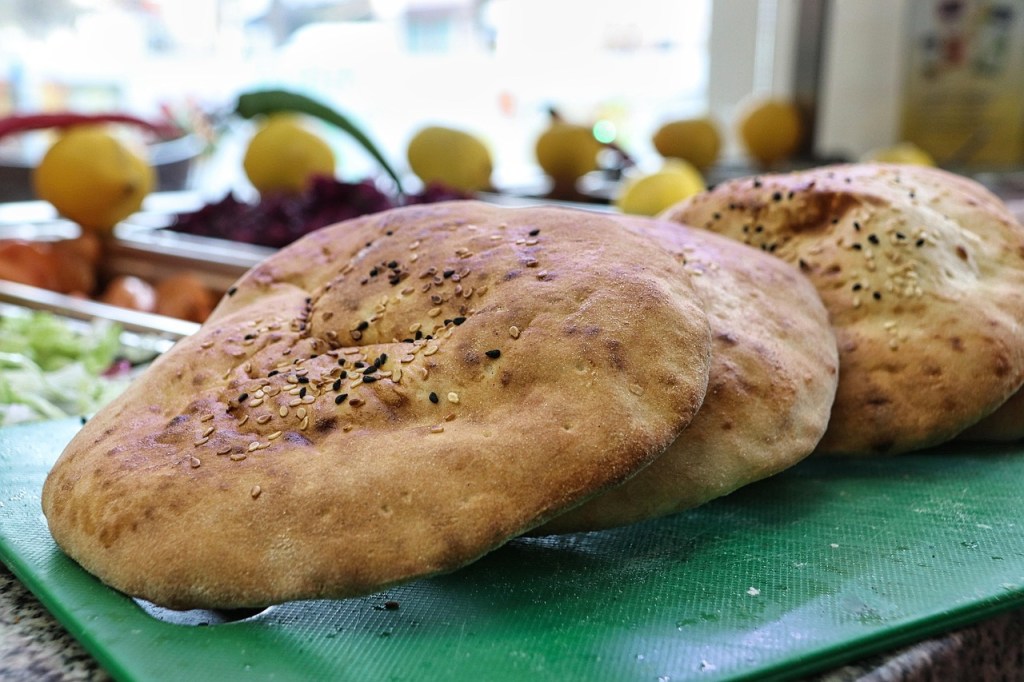
- Typical included spices – oregano, thyme, sumac, toasted sesame seeds and salt.
- Flavor – herbal, savory, lemony, tangy, nutty
- Uses – added to hummus, pita bread, dry rubs, vegetables
- Types of cuisine – Middle Eastern, Mediterranean
There are eight of the most common exotic spice blends. If you look at the typical spices in these blends, you can probably make some from spices you already have. If not, consider buying them from a source where you are getting the freshest blend you can. My favorite is Savory Spice Shop. (This is an affiliate link and I may earn a commission if you decide to purchase.) Where do you get yours?

 Culinary Journeys, LLC