
Soups are a wonderful and mostly one-pot meal that are relatively easy to make. Despite this, there are certain pieces of advice that will help you make your soups the best they can be. That is the subject of this Cooking Tip.
Equipment

- Pot – Use a sturdy, heavy-bottomed pot. This type of pot will lead to more even cooking with less chance of scorching the contents.
- Blender – A blender is a must if you want a pureed or smooth soup. Although a countertop blender will do better, you can also use an immersion blender. Just know that the latter will not give you as smooth of a result. A food processor is not made for blending but for chopping. Not only will you not get as good of a result as with a blender, the liquid can spurt out of the food processor, making a mess.
- Fine-mesh strainer – If you want an ultra-smooth soup, it should be put through a fine-mesh strainer after pureeing. Chefs use something called a Chinois, but any fine-mesh strainer will do.
Ingredients
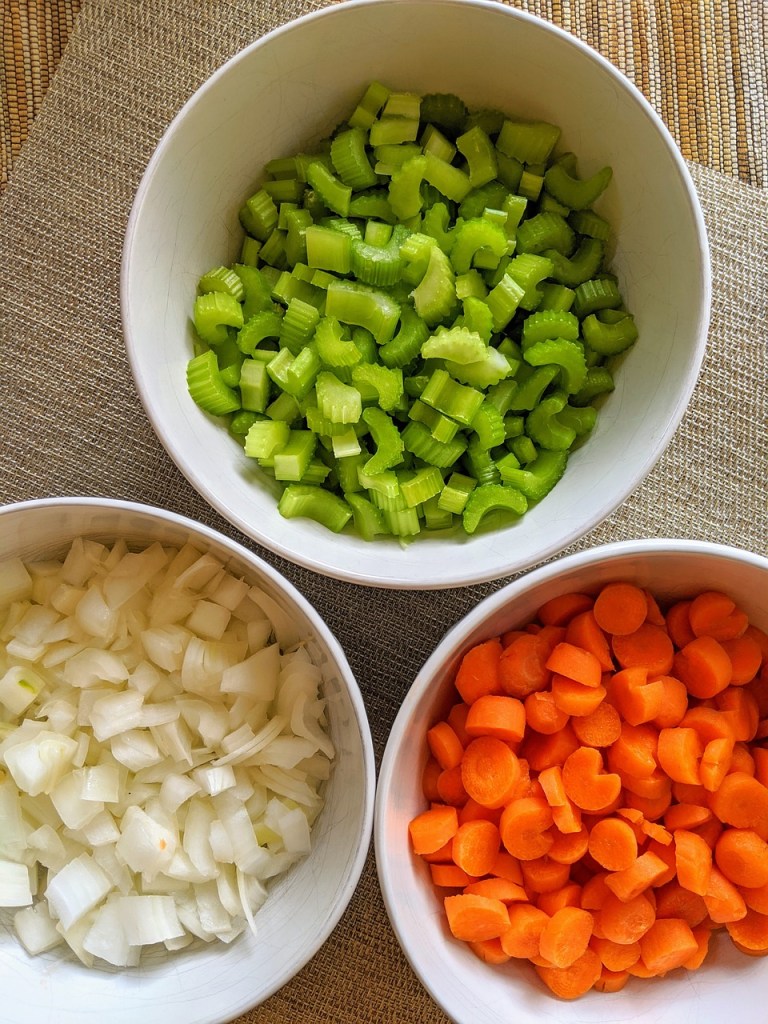
- Aromatics – Almost all soups start with sauteing aromatic ingredients in fat. Common aromatics are anything in the onion family (onions, leeks, shallots) and often carrots, celery and garlic.
- Main ingredient – This would be the soup’s main flavor, whether it be mushroom, carrots, corn, broccoli and so forth.
- Meat – If you add meat to the soup, it is usually cooked separately or at least browned in the pot before proceeding with the soup.
- Liquid – This can be as simple as water, although water does not add flavor. Therefore, you will need to use more seasonings to ensure a good taste. The most common liquid to add is stock or broth. (For more information on the difference, see this Cooking Tip.) Some chefs will tell you the only stock to use for soup is homemade stock. Indeed, that can be the best, but most of us probably do not have homemade stock readily available. If you must use storebought, try to find low or no-sodium stock. You will want to control the amount of salt to add rather than end up with a too-salty soup from a high-salt stock.
- Seasonings
- Salt is the main seasoning ingredient, but other possibilities are almost limitless.
- Use ground spices that complement the flavor you hope to achieve. Most of these will benefit from a short, dry roast in a skillet or soup pot to bring out more flavor.
- Herbs may also be used. Dried herbs can be added earlier in the cooking process, while fresh herbs should not be added until the end of cooking or just as a garnish.
- Pastes are another option. Some examples are tomato paste, harissa, and Thai chili pastes. These also benefit from a quick sauté before being added to the soup.
- Acids add a bit of brightness and balance to most soups. Depending on the soup, it might be citrus juice, vinegar, or even wine.
Procedure
- Prepare your ingredients
After washing and peeling the vegetables, they should be cut into bite-sized pieces. The smaller they are cut, the faster they will cook. All the cuts of one type of vegetable should be the same size to ensure even cooking. - Sauté the aromatics
You will get better flavor if you do not add all your ingredients at once. Instead, start with the aromatics and sauté them in a bit of oil. This softens what can otherwise be harsh flavors and helps to develop more complex flavors. Do not use high heat; you do not want to burn the aromatics. - Brown meats
If you are not cooking the meat separately, be sure to brown it in fat. This is often done as a first step, followed by removing the meat to a plate and then proceeding to saute the aromatics. Others will brown the meat at the same time as cooking the aromatics. If you do this, realize that the aromatics may release liquid, thereby inhibiting the browning of the meal. Also, if the meat takes a while to brown, you might overcook the aromatics. - Add vegetables
Not all veggies cook at the same rate. It is best to add those that take longer to cook first followed by quicker cooking ones. This ensures the former is cooked through without overcooking the latter. Roasting the veggies before adding to the soup brings additional depth of flavor. A great example is butternut squash soup. - Add liquid
As noted above, this might be water or a more flavorful stock. Dairy products are also used but are generally added later in the cooking process. - Simmer soup
Bring the soup pot to a boil, but quickly reduce to a simmer. The best soups are made at a simmer, not a boil. Boiling can cause many veggies to break up and become mushy and for meat to be tough. - Add delicate ingredients
Items such as canned beans, cooked meats, shellfish, pasta, and cooked rice should be added towards the end and just cooked until all is done and heated through. If you are adding an ingredient that will absorb water, such as rice, it is best to cook it separately and then add it just before serving. Otherwise, the rice can get very mushy. - Puree or not
Pureeing is not a step you would do with every soup; it is only for those you want a creamy and smooth consistency. Sometimes, you may just want to remove some of the soup, puree it, and then recombine it with the rest. You will get some thickening from the pureed part but still have the chunkiness from the remainder of the soup. As a final step, passing the pureed soup through a fine-mesh strainer will result in a smoother consistency. - Season as you go
Add seasonings as you go along, but be sure to finish with a final taste and adjustment. A great tip is to save your Parmesan rinds and add them to your soup. This adds salt and flavor and also helps to thicken the soup. - Garnish when you serve
Although a great soup does not need a garnish, doing so adds visual and textural appeal. Garnishes are almost too many to mention. It may be a dollop of sour cream or crème fraiche or a swirl of heavy cream. It might be a sprinkling of toasted nuts or seeds. It might be crunchy croutons. Other ideas are a sprinkling of cheese or fresh herbs. A swirl of a flavorful nut oil is an excellent addition.

How to thicken soups
- If you feel your soup is too thin, various methods exist to thicken it.
- Reduction – If the soup is thin and weak in flavor, continue to cook it to reduce some of the water. This not only thickens the soup but also concentrates the flavors.
- Pureeing – Pureeing all or part of the soup will give you a thicker and smoother consistency.
- Dairy – Adding cream or thick, unflavored yogurt will not only thicken the soup but will also enhance its creaminess. This is normally done with pureed soups.
- Adding starch – Adding flour or cornstarch will thicken a soup. There are some cautions, though. Do not add these items directly to the soup. First, mix the starch with some liquid and stir to combine. Then, add to the soup, bring it back to a simmer and stir until thickened.
- Use a beurre manie – This is a mixture of butter and flour (try two teaspoons of each). Knead the ingredients into a paste and then add to the soup while simmering.
- Use bread – Tear up some bread into pieces (be mindful of the bread’s flavor), soak in some of the soup or milk and then stir into the soup.
- Use lentils or rice – First, cook the grain until tender and then blend it into the soup.
Paying attention to the above advice will improve your soups if you use a recipe, but it will also allow you to make a soup without a recipe. I am one of those people who can eat soup year-round and enjoy almost any kind. What about you? What’s your favorite soup?


 Culinary Journeys, LLC