Are you looking for a relatively quick dessert using ingredients that you probably already have? Here’s a great idea—try making a Sabayon. This Cooking Tip explains what it is and how to make it.
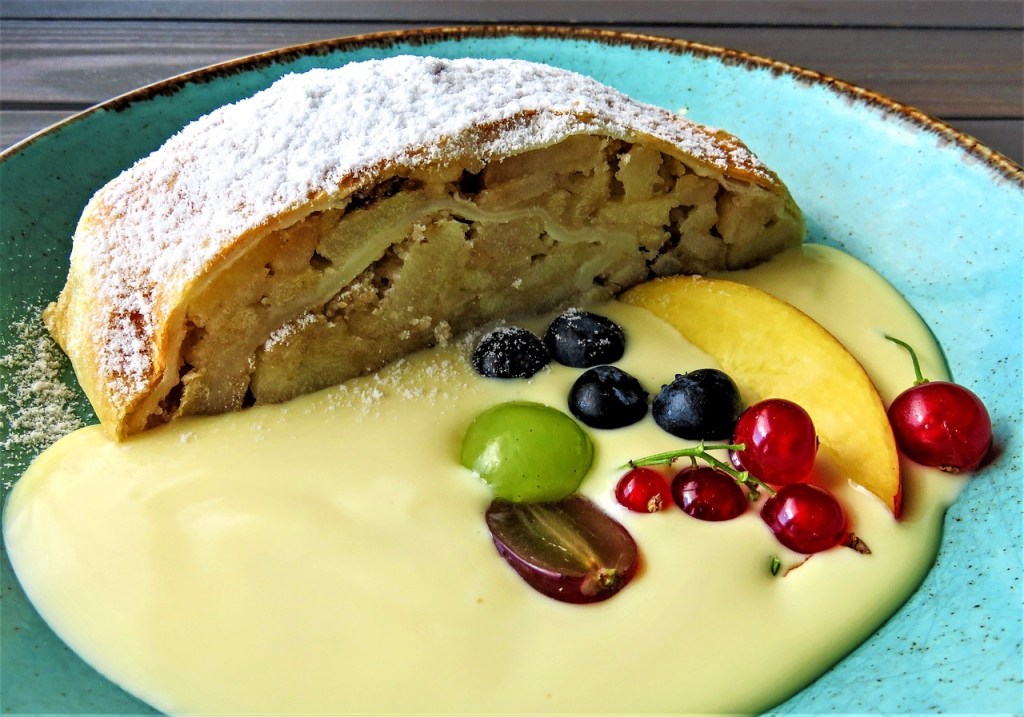
Sabayon is a rich and creamy French sauce. In Italy, it is known as Zabaglione, and this version probably predates the French one. Although it is basically the same dessert, the French version is typically made with white wine or champagne, while the Italian version usually uses Marsala wine.
This dish is easily customizable and can be made in sweet and savory versions. In the culinary world, it is considered a technique rather than an actual recipe.
Ingredients
- Egg yolks thicken the sauce. The fresher the eggs, the better the result.
- Sugar adds sweetness but also helps trap air when combined with the yolks. According to some, it also slows the formation of protein bonds, which allows the eggs to reach a safe temperature without scrambling.
- Wine adds flavor. Because wine is a prominent flavor in this dessert, use one you like. For a non-alcoholic version, substitute an equal amount of orange juice (or other citrus juice), sparkling apple cider, or coffee for the wine.
- Savory versions will eliminate the sugar and add a pinch of salt. You can consider other ingredients such as stock, pureed red pepper, finely chopped herbs, spices, or olive oil. Use your imagination.
- Ratio – The standard ratio is equal parts, by weight, of these ingredients. The amount of liquid can vary depending on how thick you want the sabayon to be.
Procedure

- This dish needs to be made over gentle heat. The best way to do this is to whisk the mixture over a bain marie (water bath). You can either use a double boiler or place a heat-proof bowl over a pot of simmering water. The bottom of the bowl should not touch the water. This should be prepared and ready to go before starting the cooking process.
- Whisk the egg yolks and sugar in a large bowl. Since the mixture will expand as it is whisked, use a bowl large enough to accommodate this increase in volume. Whisk in the wine. Whisk until the mixture lightens in color, looks foamy and increases a bit in volume.
- Most chefs recommend whisking in a figure 8 pattern to increase aeration. America’s Test Kitchen tested different whisking methods of stirring, beating and side-to-side motions. Although they did not specifically test these in making a sabayon, they found that the side-to-side motion was the most efficient in almost all applications.
- Place the bowl over simmering water. Whisk continuously until the mixture becomes thick and frothy and the sugar dissolves completely.
- Keep whisking until the temperature reaches 150° – 165°F and makes ribbons. To see this, elevate the whisk above the surface of the mixture. As the mixture drops back into the bowl, it will look like a ribbon that stays on top for about 15 seconds. By this time, it should have at least doubled in volume.
Serving
Sabayon is best used immediately after you make it. You can refrigerate it for a couple of days, although it will deflate. Whisk well before serving. Reheating is tricky as it can separate. If you want to reheat, use very gentle heat. A bain marie is recommended.
Sweet sabayon
- Serve over fresh fruit.
- Serve over bread pudding.
- Serve over a slice of cake.
- Make a trifle by layering the sabayon with pieces of sponge cake, fruit, chocolate, nuts, or crunchy cookies.
- Put fresh berries in an oven-safe dish and spoon sabayon over the top. Put under the broiler (watch carefully) or use a kitchen torch to brown the top.
Savory sabayon
- Serve over asparagus or other vegetable.
- Serve over scallops or other seafood.
Variations
- Dissolve ¼ teaspoon gelatin into the wine. Finish the recipe as normal and then chill until cold and set.
- Fold in whipped cream or whipped egg whites (beware that these will be raw) at the end.
Possible pitfalls
- You allow the egg yolks to get too hot, resulting in scrambled eggs. To prevent this, watch that the water in the bain marie is only simmering and whisk continuously. If you think it is getting too hot, take the bowl off the heat and continue to whisk. Lower the heat before putting the bowl back over the water.
- The mixture breaks. Add a small amount of ice water and whisk to re-emulsify.
- Lumps in the mixture can be caused by too much heat and insufficient whisking.
Have you ever made a sabayon or zabaglione? Although it is not difficult and only requires a few commonly available ingredients, you will need a bit of arm power, as the whisking can take more than 10 minutes. Grab a readily available friend or family member and share the whisking. Sharing in the result will be their reward!

 Culinary Journeys, LLC