I love to make bread, although I do not do it nearly enough. It takes some time but has a short list of ingredients: flour, yeast, salt and water. Some people wonder just how important that salt is to the final bread product. That is the subject of this Cooking Tip.
Why is salt in bread recipes?
Taste

Just as with almost everything we cook or bake, salt helps with flavor. It should not make your dishes taste salty. Instead, it balances other flavors, enhances some flavors, and creates a much yummier result. You can prove this to yourself by a taste test. When you are cooking something, do not put any salt in it to start with. Taste it, add the salt and taste again. You will be amazed at the difference.
It is the same with bread. Bread made without salt will just taste bland and one-note rather than more nuanced and rounded. Salt enhances the natural sweetness in the flour while tamping down any bitterness.
As you will read below, salt also slows down the yeast activity. As I have mentioned in other Cooking Tips, slower fermentation results in a more flavorful dough.
Interaction with Yeast

Yeast causes fermentation and the ultimate rising of your bread dough. Salt plays an inhibitory role with yeast. It slows down this fermentation by drawing water away from the yeast. Less water means less yeast action.
This slower rising time allows the gluten to develop and strengthen. A stronger dough can trap more gas bubbles and make the distribution more even. This all means that you end up with a better loaf of bread with a nicely risen shape.
Crust
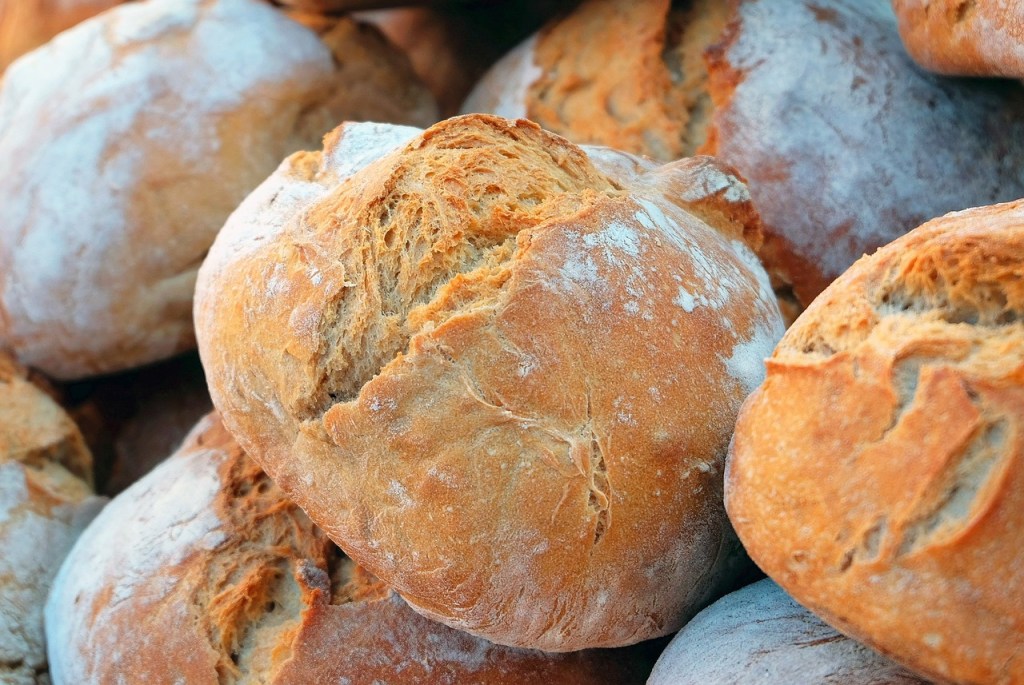
Salt gives you a darker, more attractive crust. Because the salt slows down yeast activity, it consumes less sugars. These free sugars contribute to caramelization, which is what gives you a browner crust.
Freshness
An additional advantage is that bread made with salt keeps fresher for longer.
How much salt is needed?
Expert bread bakers always weigh their ingredients and use the Baker’s Percentage. The standard measurement is about 2% salt. The percentage is based on the amount of flour. So, if you are using 1000 grams of flour, you would use 2% or 20 grams of salt.

Too little salt prevents the important work of the salt in bread. Too much can be detrimental, as fermentation is halted. Therefore, most bakers stay around that 2% measurement, although some will go as low as 1%, but no lower.
ChainBaker.com has an interesting article in which they bake three loaves of bread. One had no salt, one had the recommended 2% salt, and one had too much salt at 10%. The dough without salt meant the yeast worked rapidly, causing quicker fermentation but weaker gluten. The finished bread loaf rose quickly but spread sideways due to the weaker structure.
The dough with 10% salt did not ferment at all, as that much salt stopped the yeast from doing its job. The result was that the dough was difficult to work and the baked loaf was very dense and unrisen. See pictorial evidence of this here.
Here is another great article by King Arthur Baking showing how differing amounts of salt can dramatically affect bread dough.
When to add the salt to the dough
Everyone has their preferred time for adding the salt. Some will add it at the beginning, while others like to delay it. Proponents of this latter method feel it allows the gluten to develop better before adding the salt and thus makes the initial mixing easier. This is known as the “autolyze” method. Recipes using this method will call for the flour and water to soak for a while. After the prescribed amount of time, the yeast and salt are added, and mixing and kneading commence.
This allows better hydration of the flour and resultant strengthening of the proteins. This is said to make the dough more extensible (the ability for the dough to stretch out without tearing) but less elastic (the tendency for the dough to resist stretching), allowing the shape of the formed dough to be better maintained. An example is a long baguette.
How to add the salt
The most common and easiest method is to mix the salt with the other dry ingredients at the beginning. Some experts feel this method results in a more elastic dough.
Another method is to dissolve the salt in water before adding it to the dough. Experiments show that this could strengthen the gluten better.
A final method is to add it to your yeast mixture if you are blooming it. Although blooming is not necessary with modern-day instant yeast (and probably active dry yeast), some still like to do it. If you do this, you can add the salt to the water as long as there is enough water to totally dissolve the salt, the yeast, and the sugar. Busby’s Bakery states that salt needs three times its weight in water to dissolve at room temperature. Another thing to note is that the salt may slow down the yeast, lengthening the time for it to bloom.
If you bake yeasted products, you will surely have heard that you must keep the salt away from the yeast as it will kill it. Testing has shown that this is not necessarily true. The two ingredients must be in contact for hours before the salt can damage the yeast. So, go ahead and add both the yeast and salt to your flour without fear.
Salt is an essential ingredient in the kitchen in many ways. Here is another Cooking Tip about all the different types of salt—Salts Galore. Don’t fear salt. If you have a medical condition requiring limiting salt, follow your doctor’s advice. Otherwise, embrace all that salt can do for your food, not just in bread but in all your dishes.

 Culinary Journeys, LLC