It is no surprise that Americans consume a large amount of beef. For 2024, it is estimated to be about 58 pounds per person. According to the USDA, the most beef consumed was in 1976, almost 92 pounds per person, and the lowest point was in 2009, at about 55 pounds per person. I am not a huge beef lover, so my consumption is very low. Since I buy beef so infrequently, I want to make sure I am buying the best type of beef for my purposes. That means decoding all the terms that are used to describe beef. That is just what I will discuss in this Cooking Tip.
Ground Beef
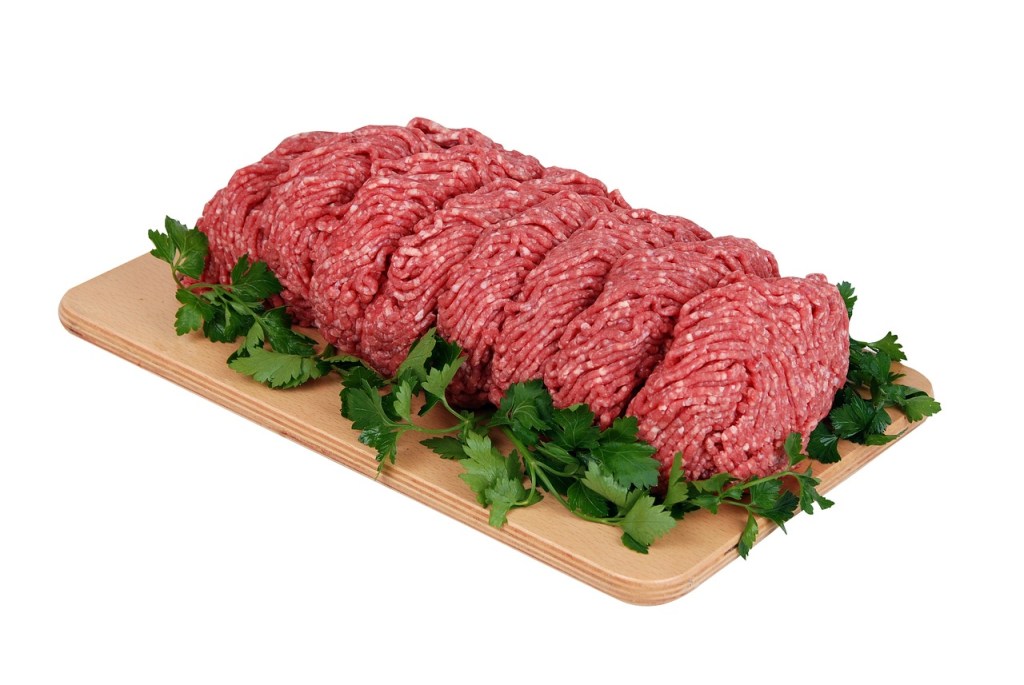
According to the National Cattlemen’s Beef Association, ground beef sales were 51% of all retail beef sales as of November 2022. I have written another Cooking Tip on Ground Beef and urge you to read that one for information about the types of ground beef.
When you purchase pre-packaged ground beef from a supermarket, the packaging will probably be one of three kinds.
Traditional Packaging
- This is the most common type of packaging.
- The beef is placed on a foam tray and covered with plastic wrap. This packaging allows oxygen in, giving the meat a red color.
- The oxygen exposure does lead to faster spoilage, meaning you should either use it within just a few days or freeze it in an air-tight package.
Modified-Atmosphere/Controlled Atmosphere Packaging
- This packaging is usually a plastic container that has had the air vacuumed out and replaced with other gases.
- The beef still has the desired red color.
- It also has a slight increase in shelf life.
Vacuum Sealed
- With the air all removed, the beef looks more purplish-red than bright red.
- Vacuum sealing produces the most extended shelf life.
- You can either freeze it in that container or portion it out and freeze it in other air-tight containers.
Chubs
- These are rolls of ground beef.
- They have been vacuumed sealed.
- Just as with the other vacuumed sealed ground beef, it will appear more purplish.
- It also can be frozen as is or frozen in smaller portions.
Beef Grades
Though inspection for safety is mandatory and carried out by the Food Safety and Inspection Service, meat quality grading is voluntary and paid for by the producer. Because it is voluntary, you will not always see the following grading labels on the package. If you do, though, it will tell you that the USDA has assessed the meat for quality and approved the use of its label.
The degree of marbling, which is the intramuscular fat, determines the grade. It is this fat that provides flavor, tenderness and juiciness. The USDA collaborated with the United States Meat Export Federation and Colorado State University to develop an educational video about the beef grading process. They say the video “provides a comprehensive overview of the beef grading system – from farm to table.”

Prime
- A beef cut labeled “Prime” will have the most marbling.
- It will be the most tender.
- No more than 2% of beef produced in the US will bear the prime label.
- It is often hard to find in regular supermarkets as it is purchased for sale at high-end restaurants, hotels, boutique butcher shops and upscale grocery stores.

Choice
- Although less than prime, choice cuts still have a moderate amount of marbling.
- This cut will still be very tender.
- It makes up 50% of all graded beef.
- This is what you will find in mid-level restaurants and not uncommonly in local supermarkets.

Select
- This cut will have minimal marbling and, therefore, will be tougher.
- Due to less marbling, it will be slightly leaner.
- Select cuts compose 65-70% of beef produced in the US.
- This is a very common cut to find in supermarkets.
- Because of its lower fat level, it tends to be tough if cooked with high-temperature cooking methods such as grilling or searing. A better use is a gentle cooking method such as braising.
Other lower grades of meat include standard, commercial, utility, cutter, and canner. These are not typically sold to consumers but are used in processed meat products.
If there is no USDA stamp, look for the degree of marbling, as that will generally give you a juicer and more tender cut of meat.
Other Beef Terms
Wagyu
- This term refers to four main breeds of Japanese beef cattle that produce a large amount of intramuscular fat.
- This type of beef is graded differently. They use a beef marbling score that ranges from 1 to 12, with 12 having the most marbling.
- You may also see grades from A to C, with A being the highest.
Grain-Fed or Grain-Finished
- This term indicates that the cattle are fattened on grain (usually corn) for 3-6 months before slaughter.
- Very often, grain-fed cattle are treated with antibiotics and possibly growth hormones. However, there are ranchers that raise grain-fed cattle without using either of these.
- Grain-fed beef is known to be well-marbled.
Grass-Fed or Grass-Finished
- Here, the cattle are fed grasses and legumes, making the meat lower in saturated fat, cholesterol and calories.
- The flavor is richer but gamier.
- This practice of raising cattle is more time-consuming and requires a large amount of land.
Beef Cuts
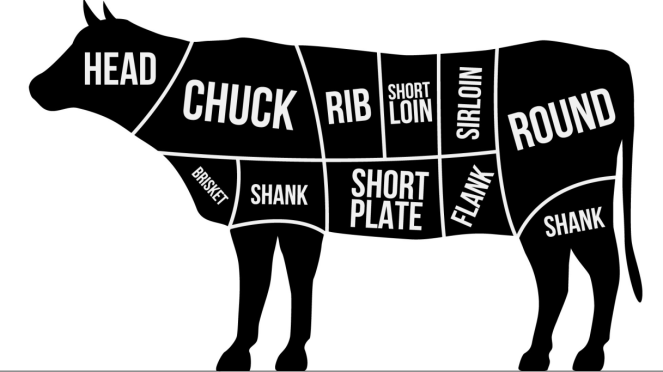
Besides choosing the grade of beef, you need to choose which cut you want. Below is an explanation of the most popular cuts. For more information on other cuts and recommended cooking methods, see this chart from the Beef Association Website.
Sirloin
- This cut comes from the rear half of the loin.
- Although it is tender, it is not as tender as some other cuts.
- Quality and tenderness vary by type of sirloin.
- Top sirloin is of excellent quality and will be very tender.
- The bottom sirloin is of slightly lesser quality and is usually tougher.
- As it is relatively lean, it is very easy to overcook.
Rib Eye
- A ribeye is cut from the rib area just behind the shoulder.
- This is a well-marbled beef cut that can be purchased either bone-in or boneless.
- A Tomahawk steak is a thick ribeye with a long bone.
Strip (New York Strip)
- This cut comes from the short loin.
- It has good tenderness and a beefier flavor than the ribeye or filet.
- It may be purchased bone-in or boneless.
Filet Mignon
- This well-known cut is from the beef tenderloin, cut from the back’s center.
- It is sought after due to its extreme tenderness.
- It is milder tasting and less rich than the rib eye.
- It is one of the most expensive cuts.
T-Bone
- A T-Bone is composed of a strip steak, the accompanying bone and a portion of the tenderloin.
- It can be challenging to cook as the filet part will cook quicker and can become overcooked before the strip side is done. Experts recommend a 2-stage reverse sear.
Porterhouse
- This is composed of a strip steak with a whole filet attached.
- It has the same problems with cooking as the T-Bone. A reverse sear is recommended, although broiling is also an excellent cooking method.
I hope this will help you pick out the best beef for what you want the next time you go to the store. Remember that the grading system is voluntary, so you will likely not see the USDA shields on all the meat. I just took a brief look at the websites of our local supermarkets. When the meat carried the USDA shield, it usually noted Choice meat. Only one or two offerings were of the Prime level. When you find it, the price may make you think twice about purchasing it. No matter what you buy, remember that cooking the meat properly, using an instant-read thermometer and not overcooking it will help you get the best meat on your table.

 Culinary Journeys, LLC