Some of you probably grew up eating at least some game meat, and some of you probably continue to do so. Others of you may have never tried game meat. Should you? What does it taste like? An introduction to game meat is the subject of this Cooking Tip.
Game meat refers to the meat obtained from animals typically hunted in their natural habitats. Today, the term is applied to those same animals raised on farms. In fact, according to the USDA, “Game species raised on farms under appropriate regulations can be sold. Wild game species that can be legally hunted under Federal or State regulatory authority cannot be sold but can be harvested for personal consumption.” What can be sold and where will vary by state. This is to ensure the sustainable use of game meat and that they are handled in such a way as to prevent food safety issues.
Before I discuss different game animals, there are some generalities about game meat.
- Game meat, whether farm-raised or wild, will taste different than meat from domesticated animals. This is mainly because wild animals have different diets and activity levels. Meat from domesticated animals will have the mildest flavor, whereas the wild game has the most robust flavor, with the farm-raised game having intermediate flavor.
- Many call the flavor of this meat “gamey.” The flavor profile often is described as strong, musky, and earthy. This flavor is not an indicator of the meat’s freshness or safety. As opposed to some of the cliches, game meat does not taste just like chicken or beef, although they may share some similarities.
- Proper handling of the meat from harvest to plate and the cooking method will help decrease the gamey flavor.
- Game meat is typically lower in saturated fat and calories than domesticated meat.
- Because of the lower fat content and the fact that game animals get more exercise, game meat can be tough if not handled properly. This type of meat generally benefits from cooking slowly or in a pressure-type environment.
- All game meat is a good source of protein and vitamins.
Here are some suggestions for reducing the gamey flavor.
- The gamey flavor comes from the fat. Removing the fat can remove some of this flavor but also decreases juiciness and tenderness.
- Chefs use spices, herbs and marinades to help with these flavor challenges.
- Soaking the meat in a solution may help. Make sure to cover the game completely in the solution and discard the solution after soaking. Small animals may only need 8-12 hours, while larger ones may benefit from a 24-48-hour soak. Here are some ideas from game experts.
- Salt solution – use ¼ cup kosher salt per quart of cold water.
- Vinegar solution – use one cup per quart of cold water.
- Milk solution – cover with milk and soak.
- Red wine solution—This is good if you will then cook your meat in a stew. Those who advocate this method recommend boiling the wine, cooling it and then using it for the soak.
Cooking temperatures—Just as with meat from domesticated animals, it is best to use a food thermometer to ensure the meat’s safety.
- According to the USDA, fresh game should be cooked to an internal temperature of 160°F. They note that the meat may still be pink in the center, but it will be safe to eat if it reaches that 160°F mark.
- For the most tender meat, they recommend cooking at this 160°F temperature for more extended periods or even cooking to higher temperatures to break down the tough connective tissue.
Types of game meat
Here is an interesting tasting chart from Fossil Farms from New Jersey that breaks down the flavor profiles for 16 different types of game. Below is a discussion of a few of the most common.
Venison
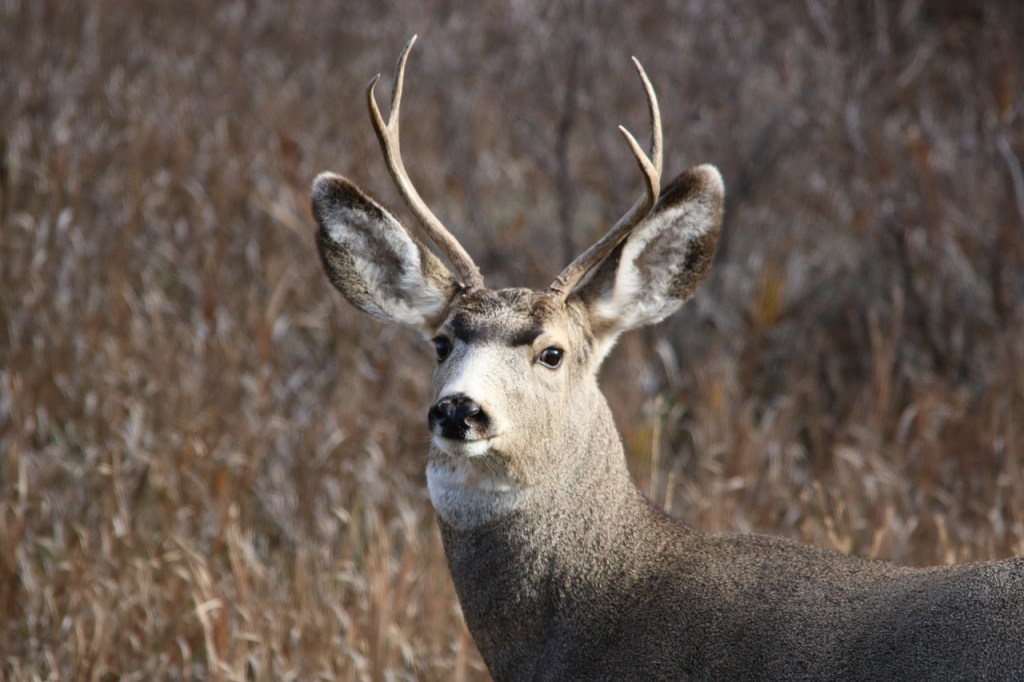
- Although we think of venison as deer meat, that term can also be applied to meat from elk, moose, caribou, antelope and pronghorn.
- It is a type of dark meat.
- It is rich in flavor.
- It has less fat marbling than other meat, so it is leaner but still tender.
Wild boar
- This is the meat from an undomesticated pig.
- It is leaner than regular pork, making it tougher. Therefore, it is often cooked with pressure or in a slow cooker.
- The meat is darker with more robust flavors.
- It is one of the gamier flavors with nutty tones.
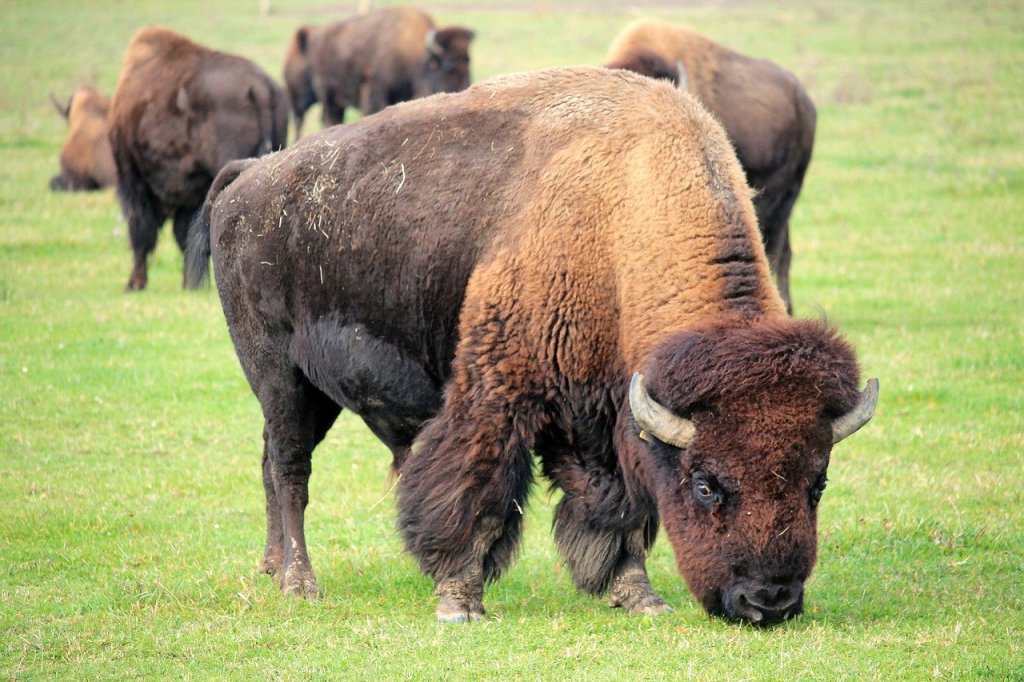
Bison
- It is also known as an American buffalo.
- Common cuts include bison steaks, chili/stew meat and ground meat for burgers.
- It is slightly sweeter than domesticated beef.
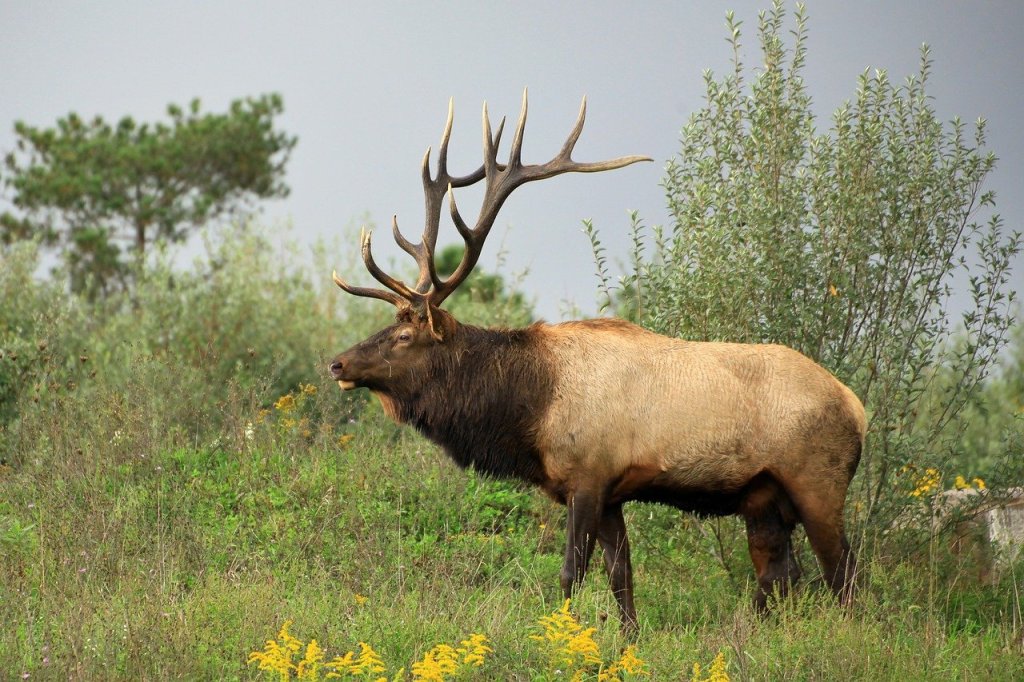
Elk
- The meat is similar in texture to beef.
- The flavor is deeper and bolder.
Antelope
- It is similar in flavor to deer meat.
- It is leaner than deer meat.
Rabbit
- This white meat is lean but tender.
- It has a somewhat delicate flavor but is stronger and earthier than chicken.
- In cooking, it is often treated similarly to poultry.
Goat
- Goat has a very distinct taste that many do not like.
- It is rich with an unpleasant smell and aroma. To reduce this, it must be treated before cooking, which also tenderizes the meat.
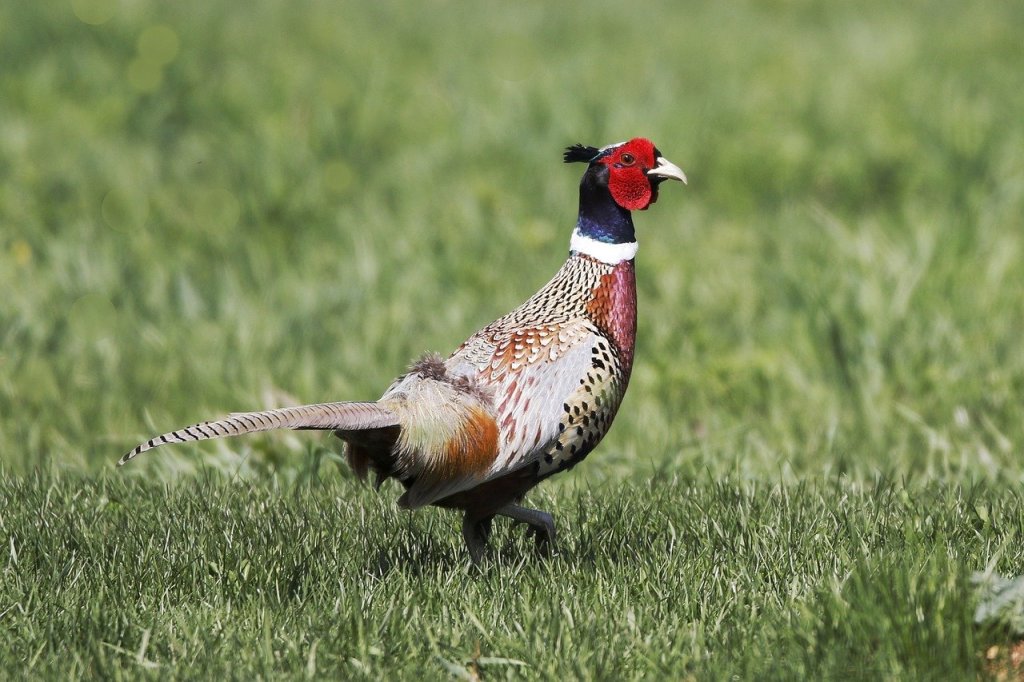
Pheasant
- It is a white meat that is leaner than chicken or turkey.
- It has a relatively mild taste.
- It is often roasted like a chicken/turkey or made into sausage.
Quail
- A very small and delicate bird that has a sweet but gamey flavor.
- It is often served roasted whole.
Duck
- There are both domesticated and wild ducks.
- It is very rich in flavor.
Are you a game eater? If you do not hunt or have a hunter that gives you the game, it may be hard to find in a typical supermarket. In my area, it is very easy to find different forms of bison. It is not true of other types of game.
Game does show up on restaurant menus, particularly those establishments in the same area as where the game live. Are you a fan? Are you even interested in trying game meat? Have fun and experiment with these other flavors!

 Culinary Journeys, LLC