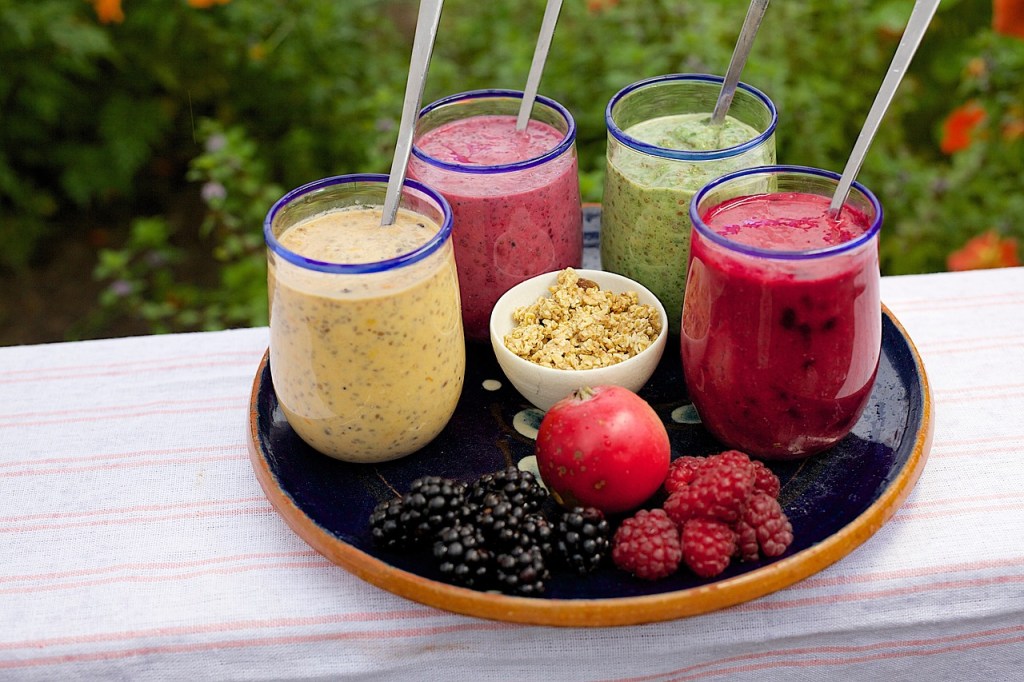
Smoothies have never been a part of my daily routine. I suspect, though, that many of you do make smoothies regularly. They are one of those items that do not require a recipe. Instead, some general principles will help you make whatever smoothie you want. That, along with a discussion on the healthfulness of smoothies, are the subjects of this Cooking Tip.
Smoothies are thick, creamy beverages made by pureeing together fruits and vegetables with liquid and, at times, add-ins such as nuts and seeds. All smoothies start with two essential ingredients: a base and a liquid.
Popular ingredients include the following.
- Fruits such as berries, bananas, apples, peaches, mango, avocado, pear, grapes and pineapple.
- Vegetables might be kale, spinach, arugula, romaine, bok choy, Swiss chard, collards, wheatgrass, microgreens, cucumber, beetroot, cauliflower, or carrots.
- Nuts and seeds could be in the form of nut butter, or items such as chia seeds, and flax meal.
- The liquid can be as simple as water but might also be fruit juice, vegetable juice, milk, non-dairy milk, coconut water/milk, iced tea, or even cold brew coffee.
- Dairy items such as cottage cheese or yogurt are common.
- Sweeteners might include maple syrup, raw sugar, honey, pitted dates, simple syrup, fruit juice concentrates, stevia, ice cream, or sorbet.
- Some people like to add nutritional and herbal supplements such as spirulina, bee pollen, matcha powder, protein powder, and powdered vitamin or mineral supplements.
There are different categories determined by the basic ingredients.
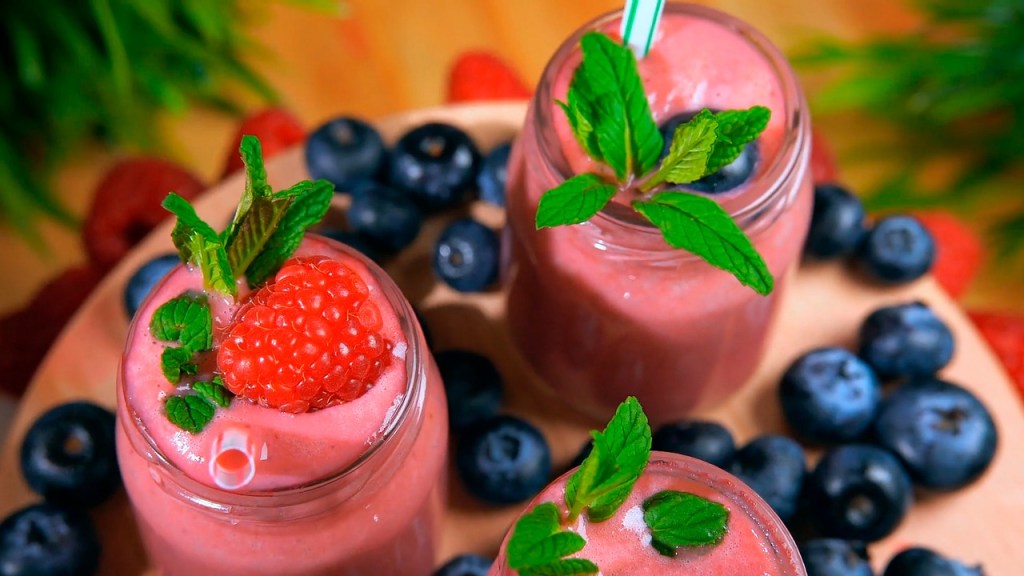
- Fruit smoothies usually consist of one or more types of fruit blended with fruit juice, water, milk, yogurt, or ice cream.
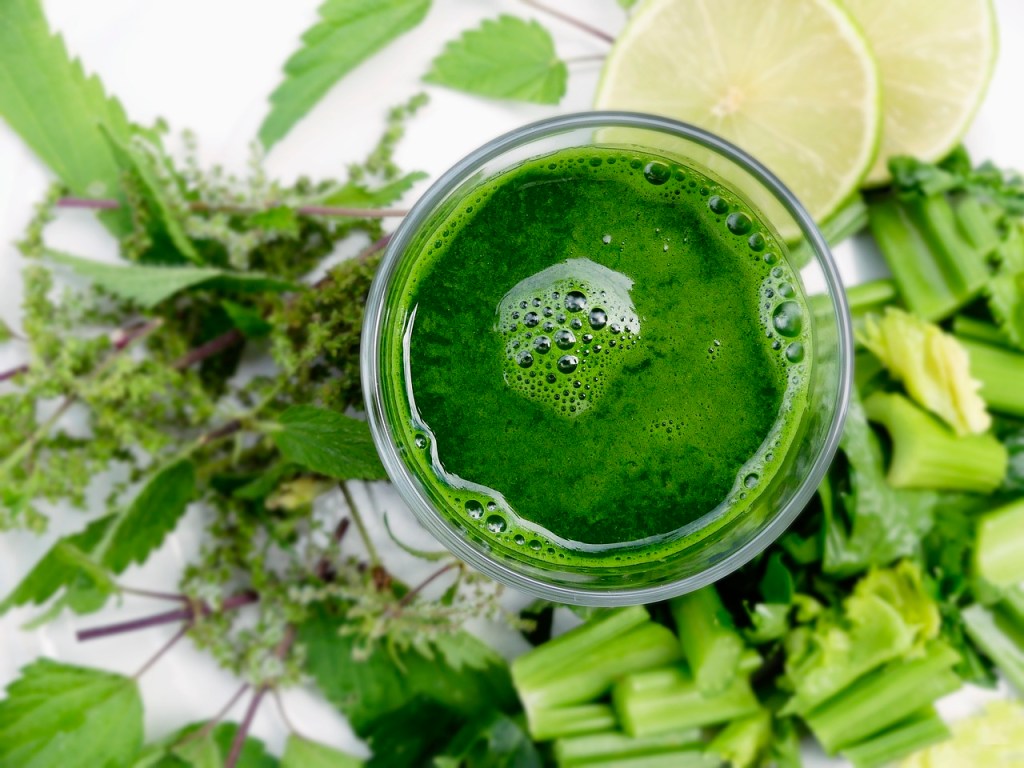
- Green smoothies usually contain fruit for sweetness, but they also include leafy green vegetables in a larger proportion.
- Protein smoothies usually consist of one fruit or vegetable, a liquid, and a significant protein source, such as Greek yogurt, cottage cheese, silken tofu, or protein powder.
Smoothies are popular because they are seen as healthy. They can be very healthy, but they also have some drawbacks.
Here are some positives about smoothies.
- They usually contain a significant amount of healthy nutrients.
- They help you to eat more fruits and veggies if you do not eat them in the whole form.
- They are convenient and portable for those on the go.
Here are some of the cautions.
- Sugar—The major problem with smoothies is that they often contain a significant amount of added sugar. This is especially true of commercially prepared smoothies, as opposed to homemade versions.
- Calories – depending on the ingredients and the smoothie size, some can contain over 1000 calories, not exactly a low-calorie snack. The suggested serving size of a smoothie is 5 ounces, far less than most people consume.
- Fiber—Although smoothies can contain a significant amount of fiber if you make them from whole foods, they still will not contain the same amount of fiber as if you were eating the whole foods without blending them.
- Satiety—Although smoothies may be satisfying in flavor, they may be less so in satiety. It is typical for those drinking smoothies to become hungry again soon afterward, particularly if the smoothie lacks protein or fiber.
To make a healthier, more filling, and pleasant-tasting smoothie, follow this advice.
- Choose whole fruit, not juice.
- Add leafy greens. Research has shown that cooking the greens increases their mineral and antioxidant content. Therefore, steam or blanch them, puree them and then freeze them in ice cube trays. Once frozen, store them in a freezer bag.
- Try to sweeten only with the natural fruit without adding any other sweeteners.
- Increase the fiber content by adding oats, oat bran, psyllium husks, or chia seeds.
- Include healthy fats by adding ground flax, chia seeds or flax oil. Alternatively, add nut butter or avocado.
- Add protein in the form of yogurt or even a protein powder.
- Blend the ingredients in stages. Most recommend blending the leafy greens and liquid together first, then adding the fruits and blending again.
- Some will use ice to increase the thickness, but you may also use frozen fruit instead of ice.
- Some like to make their smoothies using a 60/40 ratio. That is 60% fruits and 40% leafy greens. For example, 2 cups leafy greens, 2 cups liquid, and 3 cups ripe fruit.
- Homemade smoothies are generally much healthier than ones you purchase in stores or cafes. You can control the amount of sugar in them and amp up the healthy ingredients. The most nutritious smoothies utilize whole foods, contain little or no added sugar, and include a balanced amount of carbohydrates, fiber, protein, and healthy fats.
As the weather is warming up, many people turn to smoothies. Just be aware of what you are drinking and, even if it is a healthful smoothie, it is only one part of a healthy diet that should rely more on whole foods rather than just smoothies.

 Culinary Journeys, LLC