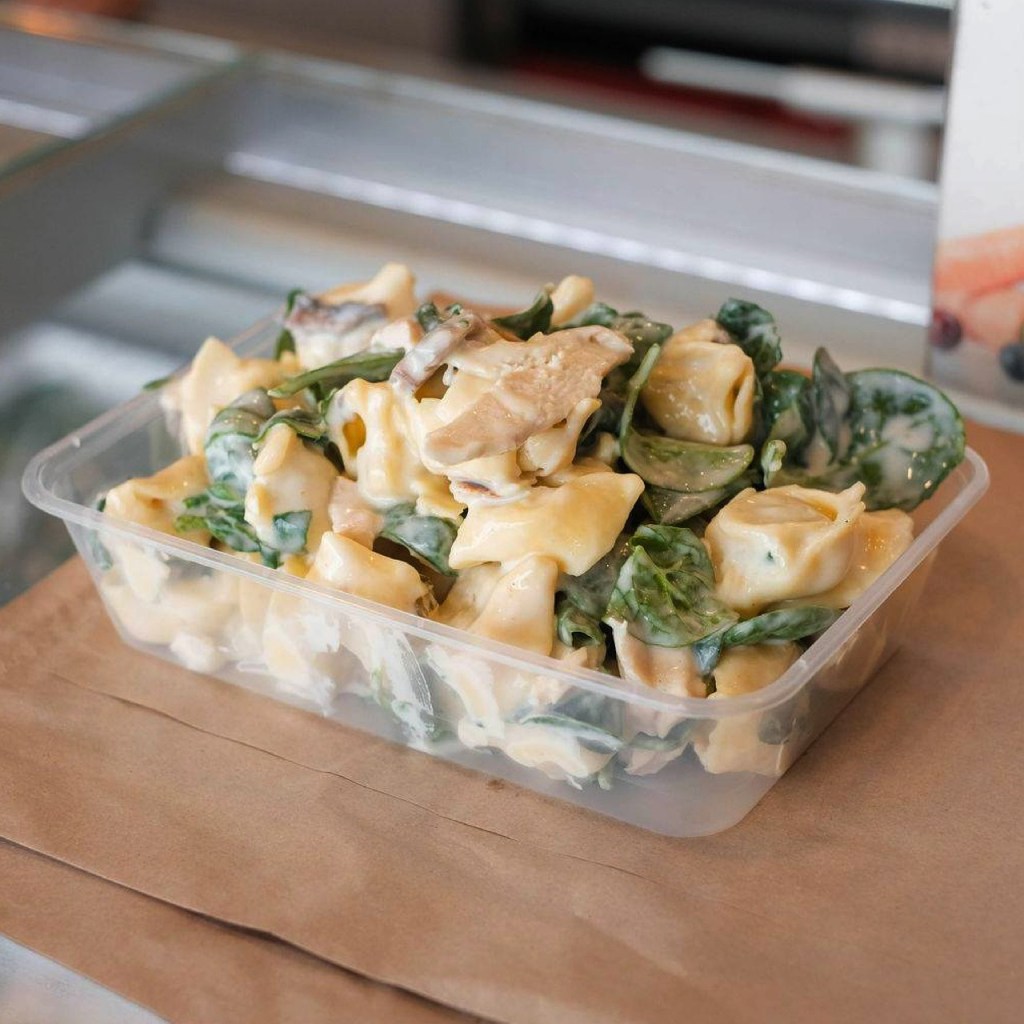
I would suspect that almost all of us have plastic containers in our kitchens. The primary use is probably food storage. When reheating that food, do you just throw that plastic container in the microwave? Many of us do just that. That is a practice, though, that we all should re-think. That is the subject of this Cooking Tip.
Let us first look at plastics in general and which ones have been considered safe to use in the microwave.
One important point is that “microwave-safe” only means that the container will not melt or distort in the microwave. It says nothing about the release of chemicals into food. Microplastics and chemicals can leach into your leftovers over time just by storing food in these plastic containers in the refrigerator. Microwaving, though, speeds this up.
Here is a chart outlining the types of plastics and where you might find them.
| Number | Name | Microwave safe? | Other |
| #1 | Polyethylene terephthalate (PET or PETE) | Some say Yes if it states this on the label. However, it will melt at only 120°F. | It only has a temperature tolerance between 0 & 120°F before the material will start to warp or melt. Used in soda bottles, peanut butter & mayonnaise jars and cooking oil containers. |
| #2 | High Density Polyethylene (HDPE) | Yes | It has a heat limit of 40 to 266°F before it melts. Found in milk jugs, protein powder tubs, and butter containers. |
| #3 | Polyvinyl Chloride (PVC) | No | Rarely used for food. |
| #4 | Low-Density Polyethylene (LDPE) | No | Used to make shopping bags, cling wrap, and juice bottles. |
| #5 | Polypropylene (PP) | Yes | It can withstand temperatures up to ≈ 230°F. Most commonly used for food storage containers, plates, bowls, cutlery and catering trays. |
| #6 | Polystyrene (Styrofoam) | No | It can quickly melt. Find it in some disposable food containers, packing peanuts, and meat packaging. |
| #7 | Other – includes Polycarbonate | No | Many formulations may contain BPA. Find it in five-gallon water cooler jugs, citrus juice & ketchup bottles and produce clamshells. |
The primary chemicals of concern are bisphenol A (BPA) and a class of chemicals called phthalates. These are used to increase the flexibility and durability of plastic. BPA is found mainly in polycarbonate plastics (# 7) and has been used since the 1960s to make food storage containers, drinking glasses, and baby bottles.
I am sure all of us have heard a lot about BPA and its potentially harmful health effects. Many products today tout that they are “BPA-Free.” Proponents of the use of plastic food packaging materials point out that these items must meet stringent U.S. Food and Drug Administration (FDA) safety standards.
Although the last update was in 2014, at that time, the FDA stated, “based on its most recent safety assessment … BPA is safe at the current levels occurring in foods. Based on the FDA’s ongoing safety review of scientific evidence, the available information continues to support the safety of BPA for the currently approved uses in food containers and packaging.”
In 2018, another study was done called the CLARITY Core Study. It was an animal-based study, and they concluded that there was no definite evidence of BPA-related health effects related to the typical amount of BPA exposure.
Opponents of these plastics do have concerns about using BPA and phthalates. Although there is no definite proof, here are a few health concerns they raise.
- Interference with children’s normal growth and brain development, even while in the womb.
- May increase allergies, eczema and asthma.
- May change how reproductive organs develop.
- May cause behavior problems in children.
- May be linked to obesity and diabetes.
A recent (June 2023) study by The University of Nebraska was published in the journal Environmental Sciences & Technology, and it has increased consumers’ concerns. The researchers “investigated the release of microplastics and nanoplastics from plastic containers and reusable food pouches under different usage scenarios.” They mainly focused on baby food containers made from polypropylene and a reusable pouch made of polyethylene. Both of these products are FDA-approved.
They found that “microwave heating caused the highest release of microplastics and nanoplastics into food compared to other usage scenarios, such as refrigeration or room-temperature storage.” They also found that “the polyethylene-based food pouch released more particles than polypropylene-based plastic containers.”
So, what can you do if you share the concerns voiced by opponents of these food containers? The safest, although not the most practical, is using only glass food storage containers.
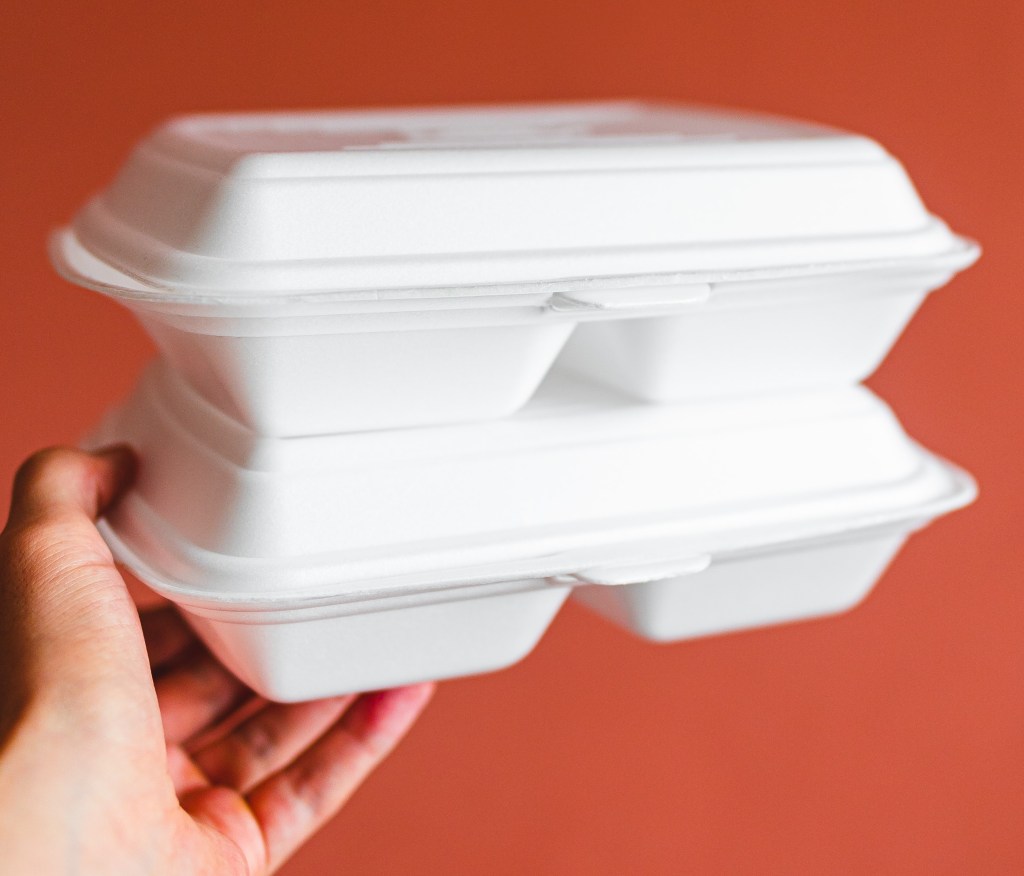
Also, pay attention to the numbers on the bottom of your plastic containers. Bon Appetit magazine recently spoke to James Rogers, Ph.D. He is the director of food safety research and testing at Consumer Reports, and before that, he worked in food safety at the United States Department of Agriculture for more than a decade. He advises people to avoid plastics marked with a one or a six. He explains that these plastics have a low melting point and will release chemicals even faster if microwaved. He also points out that types three and seven are the most likely categories to contain phthalates and bisphenols.
If he had to choose plastic, he would opt for types two and five. These are higher-density plastics and have a higher melting point. That doesn’t mean they are without risk as the University of Nebraska study showed that they did shed microplastics when heated.
A final word is that you can limit the use of the containers to storage only and even then, limit the time you store food in them. Use your leftovers quickly by reheating them in a glass container or repurposing them into a new dish.
What do you choose to do? Do you use plastic, glass, or a combination? Will any of this information cause you to change your habits? Let me know!

 Culinary Journeys, LLC