If you have been to a cheese-monger or a good cheese department in a supermarket, you can see just how complicated the world of cheese can be. I have written prior Cooking Tips on cheese in general – Part 1, Part 2 and Part 3. In this Cooking Tip, I want to concentrate on one type of cheese that can be somewhat polarizing – Goat Cheese. The world of goat cheese is not monolithic. Different varieties vary not only in flavor but also in texture.
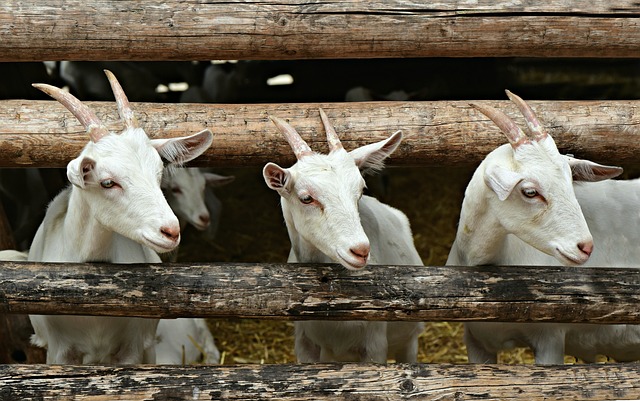
People who do not like goat cheese say it tastes funky and even like a barnyard. However, this is not always true, depending on the type of goat cheese and its producer. I recall tasting goat cheese in a dish when visiting southern France. It was mild, creamy and delightful. I decided right then and there that I did like goat cheese – and it wasn’t like a barnyard at all!
France used to be the primary producer of goat cheese, and that is where one of its names – chèvre – comes from. It means goat in French. Its introduction into the US is relatively recent.
Laura Chenel of Sonoma, California, started the Laura Chenel Creamery. After working and studying around the world, she returned to California and bought her first goats. As the herd grew, so did the milk production, which she began to turn into cheese. She traveled to France in 1979 to learn more about the process of cheese making. The business grew and accumulated awards for their cheese production. America’s Test Kitchen places it at the top of their favorite goat cheeses.
One of Laura’s first customers was Alice Waters, an iconic name among American chefs. She introduced goat cheese into the dining scene when she topped a green salad with a round of breaded and baked goat cheese at her Berkeley restaurant, Chez Panisse. Since then, domestic production of goat cheese has surged.
Most goat cheese is described as tangy and grassy and, at times, gamy. One of the significant factors in the flavor is the goats’ diet. They have very strong stomachs and tend to eat many plants that have a pungent character. Cheesemakers that want to temper this will feed their goats a restricted diet to achieve their desired flavor profile.
The freshness of the goat milk is also an important determinant of the cheese flavor. The older the milk, the “goatier” the cheese will taste. According to the cheese makers, keeping male and female goats separate during the breeding season is also important. The male goats produce strong-smelling hormones that can affect the cheese’s flavor.
How much salt the cheese maker uses can make a difference in flavor and texture. The salt content of the cheese can vary greatly depending on the cheese maker. Those who keep it to a minimum do so as they feel salt interferes with the clean, fresh taste. Others think that salt can enhance the cheese’s flavor. Salt also has an effect on texture when the goat cheese is baked. Lower-salt goat cheeses became mealy or crumbly when baked, whereas those with a higher salt concentration tend to be smoother and creamier.
Cheese from both goats and sheep have a slightly lower lactose content than cows’ milk but are not lactose-free. The goat milk also has a different protein composition from cow milk, which makes it more digestible.
Goat milk can be made into many styles of cheese, such as brie, blue cheese, camembert, cheddar, feta, and gouda. One major categorization of goat cheese is fresh versus aged.
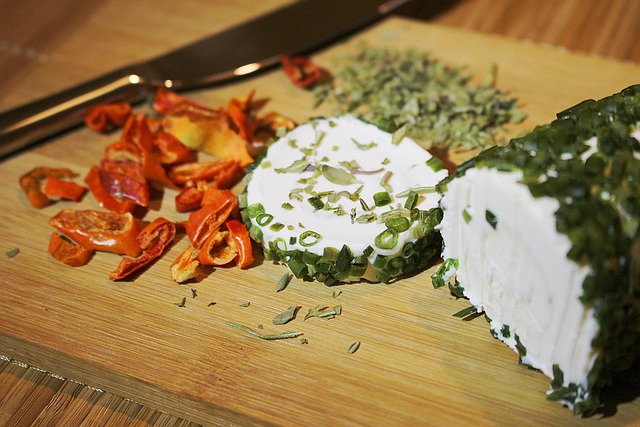
- Fresh goat cheese is often called chèvre. As noted above, this term means goat in French. However, in common usage, it tends to indicate the traditional French, fresh goat cheese, which is typically un-aged and is soft and fluffy in texture. This is usually what you get when you buy a log of goat cheese, but the sealing process can lead to compression of the cheese. It may or may not be flavored with peppercorns, garlic, fruits or honey. It may also be coated in herbs and spices
- Aged goat cheese – The texture of aged goat cheese can range from soft to firm and crumbly. As with many other types of aged cheeses, the flavor may be more pronounced. There are two aging periods.
- Semi-soft – This is aged 8 to 15 days. It is still soft but does have a pronounced goaty flavor.
- Hard and firm – This type is aged 3-4 weeks. It has a more full-bodied flavor with a drier texture.
How do you use goat cheese? Here are some ideas.
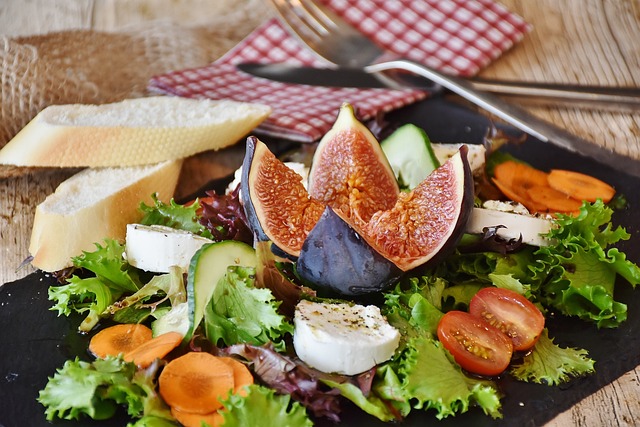
- Spreading or topping crackers
- Cheese and fruit plate
- Salads
- A classic pairing is with roasted beets. Here are some ideas to try.
- Roasted Beet Salad with Walnuts, Goat Cheese & Honey-Dijon Vinaigrette from Once Upon a Chef.
- Beet Salad with Goat Cheese, Maple Pecans and Mint Vinaigrette from Live Naturally.
- How about a salad with goat cheese and strawberries? Try this one originally from Southern Living.
- Here is one that utilizes apple.
- A classic pairing is with roasted beets. Here are some ideas to try.
- Stuffed chicken breasts
- Quiches, frittatas or omelets
- Bread and baked – this is still a favorite way of preparing goat cheese.
- For a take on the Alice Waters creation, try this Warm Goat Cheese Salad.
How about you? Are you a lover or hater of goat cheese? Do you have any favorite ways of enjoying it? If you think you do not like goat cheese, try to seek one that is milder in flavor, such as this one from Vermont Creamery or this one from Murray’s Cheese. Both can be found in my local supermarket and perhaps in yours, too.

 Culinary Journeys, LLC