Anise and Star Anise are two of those spices that are not used very often but do have a place in our kitchens. What they are, how they differ and how to use them is the subject of this Cooking Tip.
Although the names are similar, they are spices that look different and come from unrelated plants.
Biological
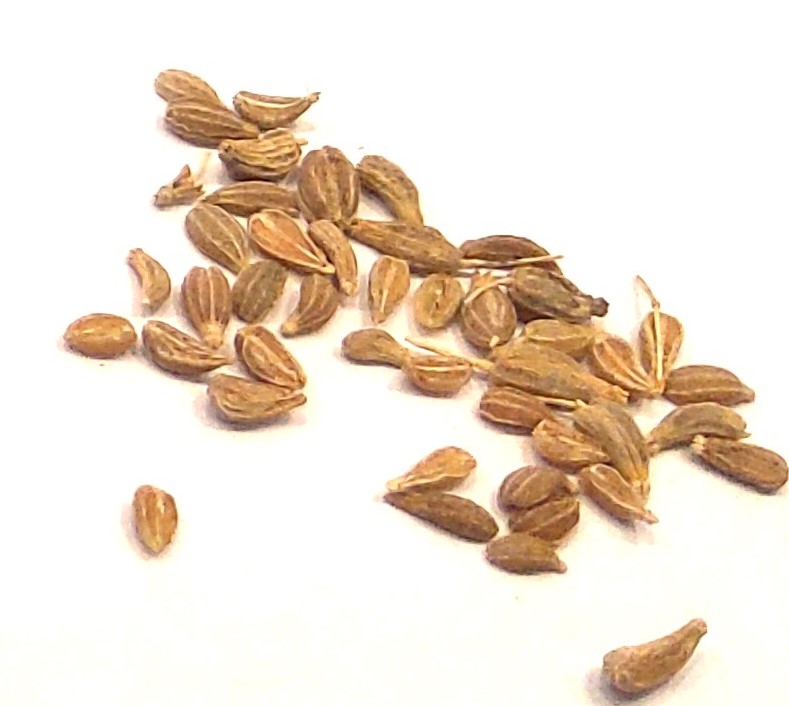
- Anise (Pimpinella anisum) is native to the Eastern Mediterranean, Egypt and the Middle East. It is also cultivated in Western Asia, Europe and North America. It is a member of the parsley and carrot family and, as such, it is related to cumin, dill and caraway. The anise seeds are small, oval-shaped, and gray-brown. Other names are anise seed and aniseed.
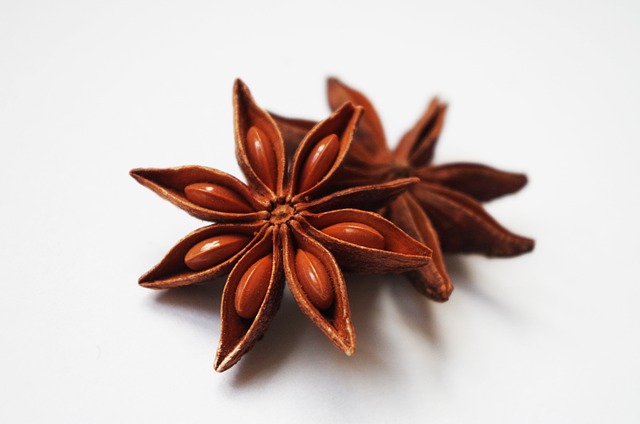
- Star Anise (Illicium verum) is native to China and Vietnam but is also grown in East and Southeast Asia. It grows on an evergreen tree of the Schisandraceae (Schisandra) family. It has fragrant flowers that are either yellow-green or pink-red. The flowers give way to a pretty eight-pointed star shape. Each section of the star is a seed pod.
Flavor
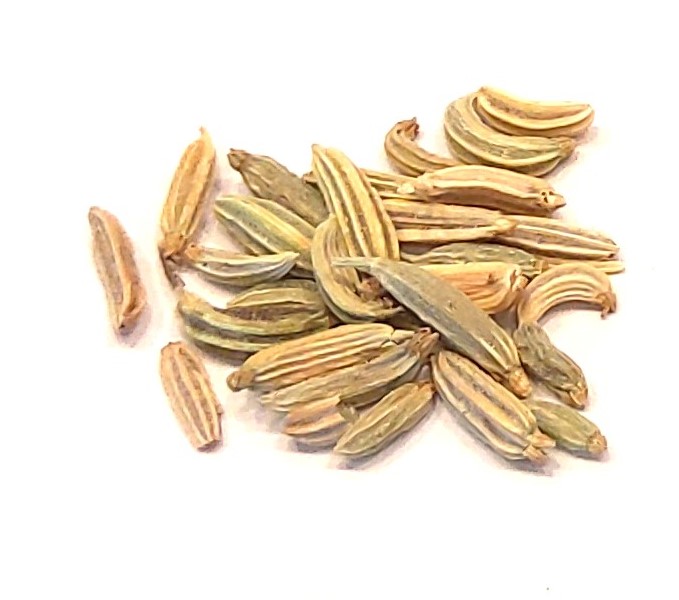
These spices are known for their licorice flavor that comes from a compound called trans-anethole. A third spice that shares this flavor profile is fennel seed. See this prior Cooking Tip for a discussion on fennel. All three contain trans-anethole but have differing amounts of other flavor compounds, which give additional flavor notes. Therefore, they do not taste identical.
- Anise seed has an earthy flavor with notes of fennel, caraway, licorice and camphor.
- Star Anise also has a licorice flavor but with floral and sweet notes. Some describe it as herbal, lemony and woody.
Culinary Uses
Anise
Anise is used in both sweet and savory dishes, including soups, sauces, breads, cakes, and liqueurs. It is essential for many spice cakes, cookies and sweet breads.
Star Anise
Star anise is very common in Asian cuisine but may also be part of holiday baking recipes, as well as mulled wine or cider. One of the most common uses is as a component of Chinese Five-Spice powder and Garam Masala.
It can be used in whole form, but should be removed at the end of cooking as you would a bay leaf. Alternatively, you can grind it before adding it to your dish.
A non-culinary use is as a common addition to potpourri baskets, especially for the holidays.
America’s Test Kitchen investigated whether people could tell the difference between the flavor of anise, star anise and fennel seed. Their recipe testers tested these three spices in biscotti, pho broth and Italian meatballs.
- With a biscotti recipe that called for anise, but one of the others was substituted, the tasters could quickly identify the difference.
- With a Pho recipe that called for star anise, it was easy to tell when fennel seed or anise was used instead.
- The flavor distinctions were harder to tell in Italian sausage meatballs that usually specify fennel seeds. They partially attributed this to the fact that the dish contained many other spices.
The takeaway is to be aware of the differing flavor profiles if you want to substitute.
One final note is to beware of Japanese star anise. It’s not edible as it contains high levels of toxins.
Do not be wary of these spices, as they can add a unique flavor to your dishes. Just know the differences and how they might affect your dishes.


 Culinary Journeys, LLC